Article
How to Choose a Yoga Mat: Thickness, Material, and the 5 Questions That Decide It
Quick Answer
How to Choose a Yoga Mat: Thickness, Material, and the 5 Questions That Decide It: quick answer
A beginner should buy the yoga mat that makes practice feel repeatable. That usually means three things: enough grip to stop sliding, enough cushion to...
- Topic: Yoga & Pilates.
- Related product category: sport-outdoors.
- This article keeps the main answer in the article copy and places relevant product context inside the guide.
Quick Answer: What Should a Beginner Actually Buy?
A beginner should buy the yoga mat that makes practice feel repeatable. That usually means three things: enough grip to stop sliding, enough cushion to protect knees and wrists, and enough space to lie down without constantly adjusting.
The mistake is treating one spec as the whole decision. Thickness matters, but it is not the only thing. A very thin mat can feel harsh on hard floors. A very soft mat can make balance poses feel unstable. A grippy mat can still be annoying if it is too short. A beautiful mat can still fail if sweat turns the surface slippery.
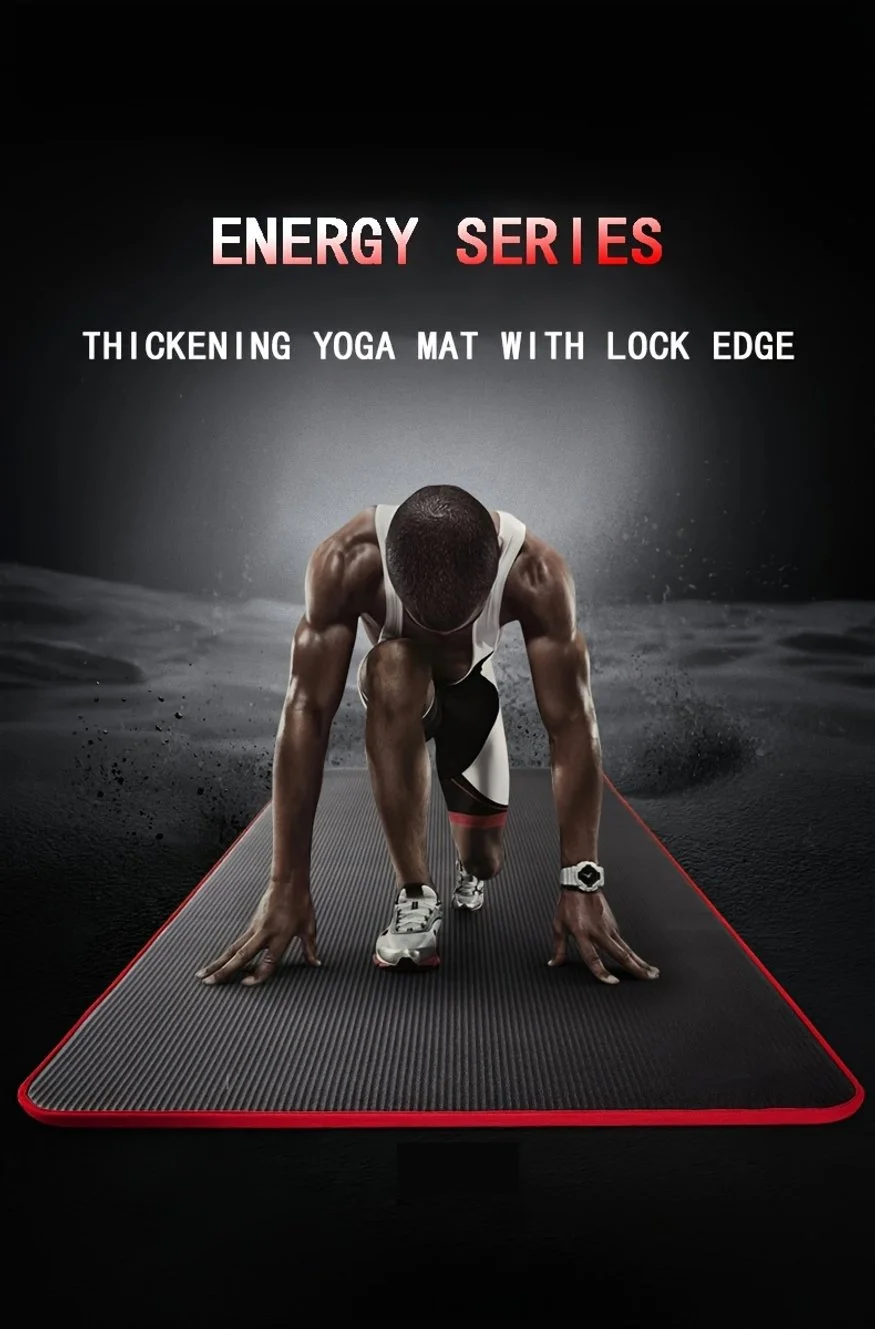
For many home beginners, especially people practicing on hardwood, tile, concrete, or thin carpet, a thicker non-slip mat is a smart first choice. The 10MM Extra Thick Non-Slip Yoga Mat (#p-003579, $52.49) fits that use case because it prioritizes comfort, floor cushioning, and beginner-friendly support.
The honest framing: 10mm is not the universal best thickness for every yoga student. It is best for people who want extra padding for knees, wrists, elbows, floor stretches, Pilates-style mat work, and home workouts. People who practice fast flow, standing balance, hot yoga, or studio classes may eventually prefer a thinner, denser, grippier mat.
This guide breaks the decision into five questions:
- How much cushioning do your joints need?
- How much grip do your hands, feet, and floor need?
- What size mat fits your body and room?
- Which material fits your sweat level, cleaning habits, and values?
- What price range makes sense for a first mat?
Answer those questions and the buying decision becomes much easier.
Question 1: How Much Cushioning Do Your Knees and Wrists Need?
Thickness is usually the first spec beginners notice because discomfort is immediate. If kneeling hurts, the mat feels wrong. If wrists ache during tabletop, plank, or downward dog, the mat becomes a reason to stop practicing.
Yoga mat thickness is usually grouped like this:
| Thickness | Best For | Trade-Off |
|---|---|---|
| 1.5-2mm | Travel, layering over another mat | Little cushioning |
| 3mm | Active flow, strong floor feel | Can feel hard on knees |
| 4-6mm | General yoga, studio practice | Balanced but not plush |
| 8-10mm | Home practice, sensitive joints, floor work | Less stable for balance |
| 12mm+ | Stretching, rehab-style floor comfort | Often too soft for many standing poses |
Beginners often assume thicker automatically means better. That is only partly true. Extra cushion helps when the main problem is pressure: knees in low lunge, wrists in tabletop, elbows in forearm plank, spine in floor stretches, or hips in seated poses. If you practice on a hard floor, the difference between a thin mat and a 10mm mat can be obvious.
But stability matters too. A thick mat compresses under the feet and hands. That can make balancing harder in tree pose, warrior transitions, lunges, or any pose where the foot needs a solid connection to the floor. Experienced yoga students often prefer a thinner, denser mat because they want more feedback from the ground.
The beginner rule is not "always buy the thickest mat." The better rule is:
- Choose 8-10mm if comfort, knees, wrists, Pilates, stretching, or hard floors are the main concern.
- Choose 4-6mm if you want one balanced mat for studio classes and standing poses.
- Choose 3mm or travel thickness only if portability or floor feel matters more than cushion.
For the 10MM Extra Thick Non-Slip Yoga Mat, the strongest use case is home practice where comfort keeps the habit alive. A slightly less stable mat that you actually use is better than a perfect studio-style mat that makes your knees hurt.
Question 2: Will the Mat Stay Put?
Grip is the safety question. A mat that slides under your hands or feet does not just feel annoying. It changes how you move. You grip harder with your toes, tense your shoulders, shorten your stance, or avoid poses that should feel stable.
Grip has two layers:
Top grip: how well your hands and feet stay on the mat.
Bottom grip: how well the mat stays on the floor.
Both matter. A mat can have a sticky top but slide across hardwood. Another mat can stay planted on the floor but feel slick under sweaty hands. Beginners need both because they are still learning alignment and weight distribution.
Test grip before committing if possible:
- Place the mat on the floor you will use most.
- Press both palms down and gently push forward.
- Step into a lunge and press the back foot into the mat.
- Try a short downward dog hold.
- Check whether the mat bunches, stretches, slides, or feels glossy.
Sweat changes grip. Some closed-cell mats are easier to clean because they do not absorb moisture, but sweat may sit on the surface. Some open-cell or absorbent mats grip better when sweaty but need more careful cleaning and should not be shared casually. Cork, rubber, PVC, TPE, and PU-top mats can all feel different depending on the person's sweat level, room temperature, and practice style.
For beginners, the practical goal is simple: the mat should not distract you. If you spend the whole session adjusting your hands, flattening corners, or pulling the mat back into place, the grip is not good enough for your use.
The #p-003579 product is positioned as a non-slip mat, which is essential for its category. Its extra thickness solves comfort; the non-slip surface is what makes that comfort usable during real poses.
Question 3: What Size Fits Your Body and Room?
Mat size is less glamorous than material, but it affects every session.
Many standard mats are around 68-72 inches long and about 24 inches wide, though sizes vary by brand. That works for many adults, but not everyone. If you are tall, broad-shouldered, or using the mat for Pilates and floor workouts, a narrow or short mat can feel restrictive.
Use these checks:
- Lie flat on your back. Your head and heels should fit comfortably.
- Come into tabletop. Hands and knees should not feel crowded.
- Step into a lunge. Both feet should remain on the mat without constant repositioning.
- Roll to one side during core work. Your elbow should not immediately land on the floor.
For home use, a slightly larger mat is usually fine if you have the space. For studio use, oversized mats can be awkward because classes pack people close together. For travel, smaller and thinner mats are easier to carry.
The 10MM Extra Thick Non-Slip Yoga Mat is listed at 183cm x 62cm in the original product notes, which is a standard beginner-friendly footprint. It fits most home users, but very tall practitioners may still prefer extra-long options.
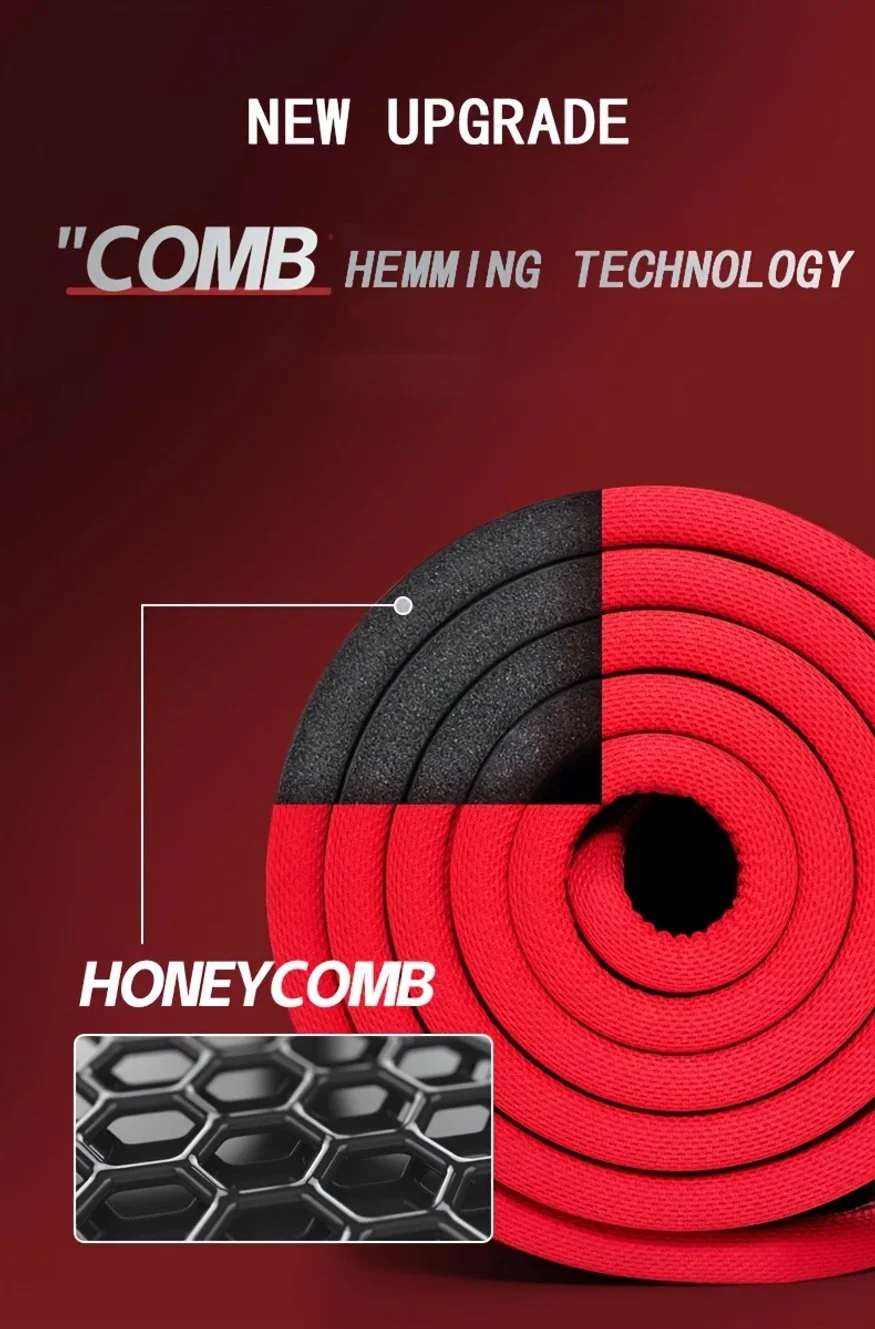
The key is to buy for the place where you will practice most often. A home mat can be thicker and heavier. A commuter studio mat needs to roll, carry, and fit in a shared room. A travel mat needs to fold or pack light, even if it sacrifices comfort.
Question 4: Which Material Makes Sense?
Yoga mat material affects grip, smell, durability, weight, cleaning, sweat behavior, environmental claims, and price. The category gets confusing because brands use material names as marketing shortcuts, but each option has trade-offs.
PVC: common, durable, often affordable, and available in many thicknesses. It can provide good cushioning and grip, but some buyers dislike the environmental profile or initial odor.
TPE: lightweight and common in beginner mats. It is often softer and easier to carry than dense rubber, but durability and grip vary widely by quality.
Natural rubber: usually strong for tactile grip and dense support. It can be heavier, may smell like rubber, and is not suitable for people with latex sensitivities unless the specific product is safe for them.
PU-top mats: often excellent for sweaty grip because the surface can absorb or manage moisture better. They may require more careful cleaning and are better treated as personal mats rather than shared studio gear.
Cork: popular for natural-material buyers and can perform well when moisture improves grip. It may feel different when dry and is usually a more specific preference.
Jute or textured natural blends: can feel firm and tactile, but they are not always the most comfortable for beginners with sensitive knees or wrists.
The beginner mistake is trying to solve every value at once: lowest price, most eco-friendly, best hot-yoga grip, thickest cushioning, lightest carry weight, and longest durability. No mat wins every category.
Choose based on your top problem:
| Main Concern | Material Direction |
|---|---|
| Budget and cushion | PVC or TPE beginner mat |
| Sweat grip | PU-top, rubber, or hot-yoga-oriented mat |
| Natural feel | Rubber or cork |
| Easy cleaning | Closed-cell style surface |
| Lightweight carry | TPE or travel mat |
| Floor comfort | Thicker foam-style mat |
For a first home mat, material should come after thickness and grip. Once you practice consistently, your second mat can be more specialized.
Question 5: What Should a Beginner Spend?
Yoga mats range from cheap impulse buys to premium gear. A beginner does not need the most expensive mat, but the cheapest option often causes the exact problems that make people quit: slipping, curling edges, thin padding, strong odor, and quick wear.
A practical first-mat budget is the range where the mat has enough thickness, acceptable grip, and decent durability without becoming a luxury purchase. The original product is priced at $52.49, which puts it in a reasonable first-mat zone for buyers who want extra cushioning.
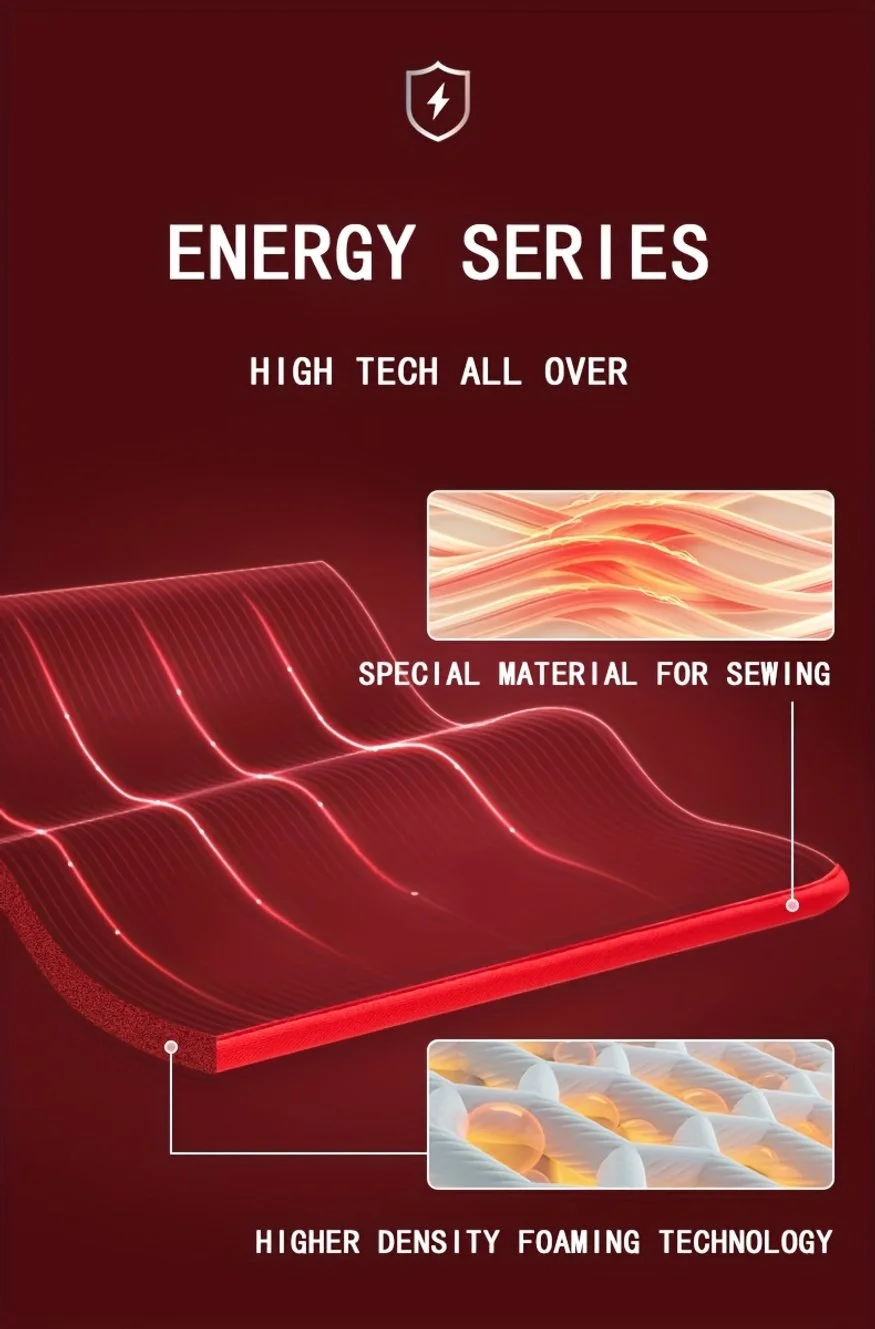
Think about price per use. A $15 mat used twice and abandoned is expensive. A $50 mat used three times a week for a year is cheap. The value depends on whether the mat removes friction from the habit.
Spend more when:
- You practice several times per week.
- You sweat heavily and need better grip.
- You have joint sensitivity and need better support.
- You want a mat that lasts longer.
- You care about specific material standards.
Spend less when:
- You are testing whether yoga is for you.
- You need a temporary home stretching mat.
- You mostly use it for light mobility work.
- You are buying a backup mat.
The smart beginner purchase is not the cheapest mat. It is the mat that solves your most likely failure point.
Match the Mat to the Practice Style
Different styles put different demands on a mat. A beginner may not know their long-term practice yet, but they usually know the first use case.
| Practice Style | Mat Priority | Good Fit |
|---|---|---|
| Gentle yoga | Cushion and comfort | 6-10mm |
| Yin or restorative | Floor comfort | 8-10mm or thicker |
| Beginner home yoga | Cushion plus non-slip surface | 8-10mm |
| Pilates mat work | Spine, knee, and elbow padding | 8-10mm |
| Vinyasa or flow | Grip and stability | 4-6mm dense mat |
| Hot yoga | Sweat grip and towel compatibility | Grip-focused mat or towel system |
| Travel practice | Packability | 1.5-3mm |
| Balance-heavy practice | Floor feedback | 3-5mm dense mat |
This table is where the 10mm recommendation becomes precise. The 10MM Extra Thick Non-Slip Yoga Mat is strongest for home yoga, stretching, Pilates-style floor work, and people who need extra cushioning. It is less ideal as a travel mat or as the first choice for advanced standing balance work.
If your first goal is "I want to stretch at home without my knees hurting," 10mm makes sense. If your first goal is "I want to carry a mat to heated flow class four times a week," you may want something thinner, denser, and more sweat-specific.
Joint Comfort: Knees, Wrists, and Lower Back
Beginners often blame themselves when yoga feels uncomfortable. Sometimes the mat is part of the problem.
Knees: poses like low lunge, tabletop, cat-cow, child's pose, and kneeling stretches put direct pressure on the kneecap or surrounding tissue. Extra thickness can help. A folded towel can also add targeted support.
Wrists: plank, downward dog, tabletop, and side plank can stress wrists, especially when beginners collapse weight into the heel of the hand. Cushion helps a little, but alignment matters too. Spread fingers, press through the full hand, and avoid dumping all pressure into the wrist crease.
Lower back: floor poses can feel harsh on thin mats, especially on hard flooring. A thicker mat can make supine twists, core work, bridge, and relaxation more comfortable.
Balance: extra cushion can make standing poses less stable. If you wobble, step off the thick mat for balance drills or use the mat near a wall.
The best setup can combine tools. A 10mm mat for comfort plus a yoga block, strap, towel, or folded blanket can make beginner practice more accessible than chasing one perfect mat.
How to Test a Yoga Mat at Home
Before deciding whether a mat works, test it with the poses you actually do.
Use this 10-minute test:
- Downward dog, 30 seconds: check whether hands slide.
- Low lunge, 30 seconds each side: check knee comfort.
- Tabletop to cat-cow, 60 seconds: check wrist and knee pressure.
- Warrior stance, 30 seconds each side: check foot grip and mat stability.
- Seated forward fold, 60 seconds: check hip and spine comfort.
- Forearm plank or modified plank, 20 seconds: check elbow padding.
- Savasana, 2 minutes: check whether the mat feels comfortable enough to finish practice.
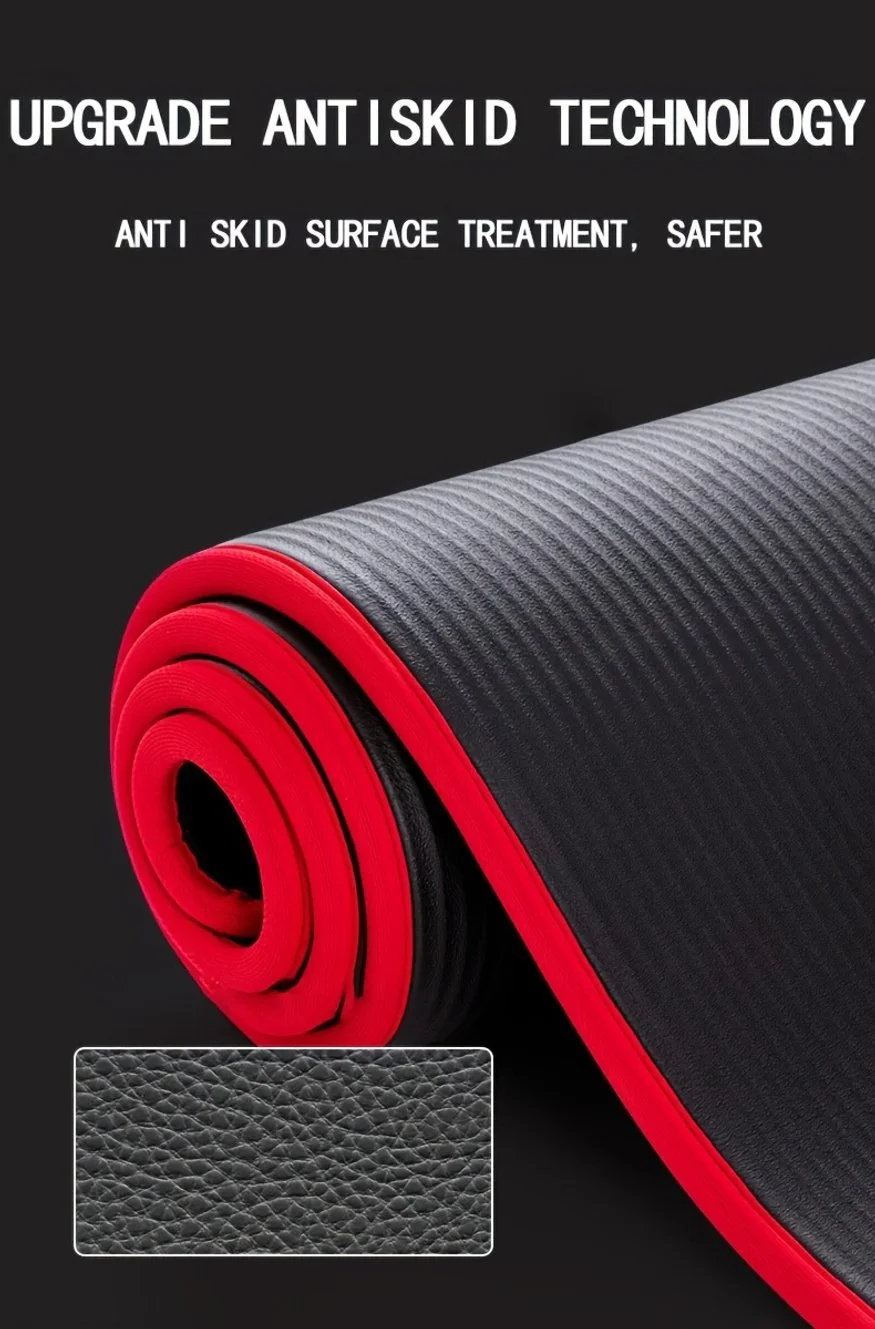
If the mat passes your real movement test, it is probably a good match. If it only looks good rolled up, that does not matter.
Also test the floor. A mat that behaves well on carpet may slide on tile. A mat that grips hardwood may feel unstable on thick carpet. Most people practice in one or two spots at home, so test those exact spots.
The Product: 10MM Extra Thick Non-Slip Yoga Mat
The 10MM Extra Thick Non-Slip Yoga Mat (#p-003579, $52.49) is best positioned as a comfort-first beginner mat for home yoga, Pilates, stretching, floor exercise, and people who dislike kneeling on thin mats.
It fits these needs:
- 10mm cushioning: helpful for knees, wrists, elbows, hips, and floor poses.
- Non-slip surface: important for downward dog, lunges, planks, and transitions.
- 183cm x 62cm size: standard footprint for most home users.
- Beginner-friendly comfort: reduces the harsh-floor problem that stops many new routines.
- Home workout crossover: works beyond yoga for stretching, Pilates, bodyweight core work, and mobility sessions.
- Mid-range price: not a disposable cheap mat, but not a premium studio mat either.
The best buyer is someone practicing at home on a hard floor who wants comfort first. That person may not need the densest professional mat. They need a mat that makes kneeling, stretching, and beginner poses feel good enough to repeat.
The honest limit: 10mm can feel too soft for fast flow, advanced standing balance, and frequent studio commuting. It is also bulkier than a 3-5mm mat. If your top priority is portability, hot yoga sweat grip, or precision balance, this is not the first mat I would choose.
When a 10mm Mat Is the Wrong Choice
The 10MM Extra Thick Non-Slip Yoga Mat is a strong fit for comfort, but not every buyer needs that much padding.
Choose a thinner mat if you practice balance-heavy yoga. Tree pose, half moon, warrior transitions, and standing sequences often feel better on a dense 3-5mm mat because the floor feedback is clearer.
Choose a lighter mat if you commute to a studio. A thick mat can be bulky to roll, carry, store, and clean between classes.
Choose a sweat-specific mat if you do hot yoga. Extra cushion does not solve slippery hands. If you sweat heavily, top-layer grip, towel compatibility, and moisture handling matter more.
Choose a firmer mat if soft surfaces bother your wrists. Some people feel less stable when the hands sink into a cushion. Wrist comfort is not only about thickness; it is also about density and alignment.
Choose a larger mat if you are tall. A standard 183cm mat fits many users, but people over about 180cm may prefer an extra-long option.
The right conclusion is not that 10mm is better or worse. It is specific. It is a good comfort-first home mat. It is not the universal answer for every yoga style.
Beginner Buying Checklist
Before buying, answer these:
- Where will I practice most: home, studio, travel, or gym?
- Is my floor hard, carpeted, or mixed?
- Do my knees or wrists need extra cushioning?
- Do I sweat enough that grip becomes a major concern?
- Am I doing yoga, Pilates, stretching, or mixed floor workouts?
- Do I need to carry the mat often?
- Am I tall enough to need extra length?
- Do I prefer soft comfort or firm stability?
- Can I clean and dry the material properly?
- Is this my first mat, or am I upgrading from a known problem?
If your answers point to home practice, hard floors, joint comfort, and mixed yoga/Pilates use, a 10mm non-slip mat is a sensible first purchase. If your answers point to hot yoga, commuting, travel, or balance-heavy flows, choose a more specialized mat.
FAQ
Is a thicker yoga mat better for beginners?
Sometimes. A thicker mat is better when the beginner needs more cushioning for knees, wrists, elbows, or floor poses. It is not automatically better for balance or fast flow. Comfort and stability should be balanced.
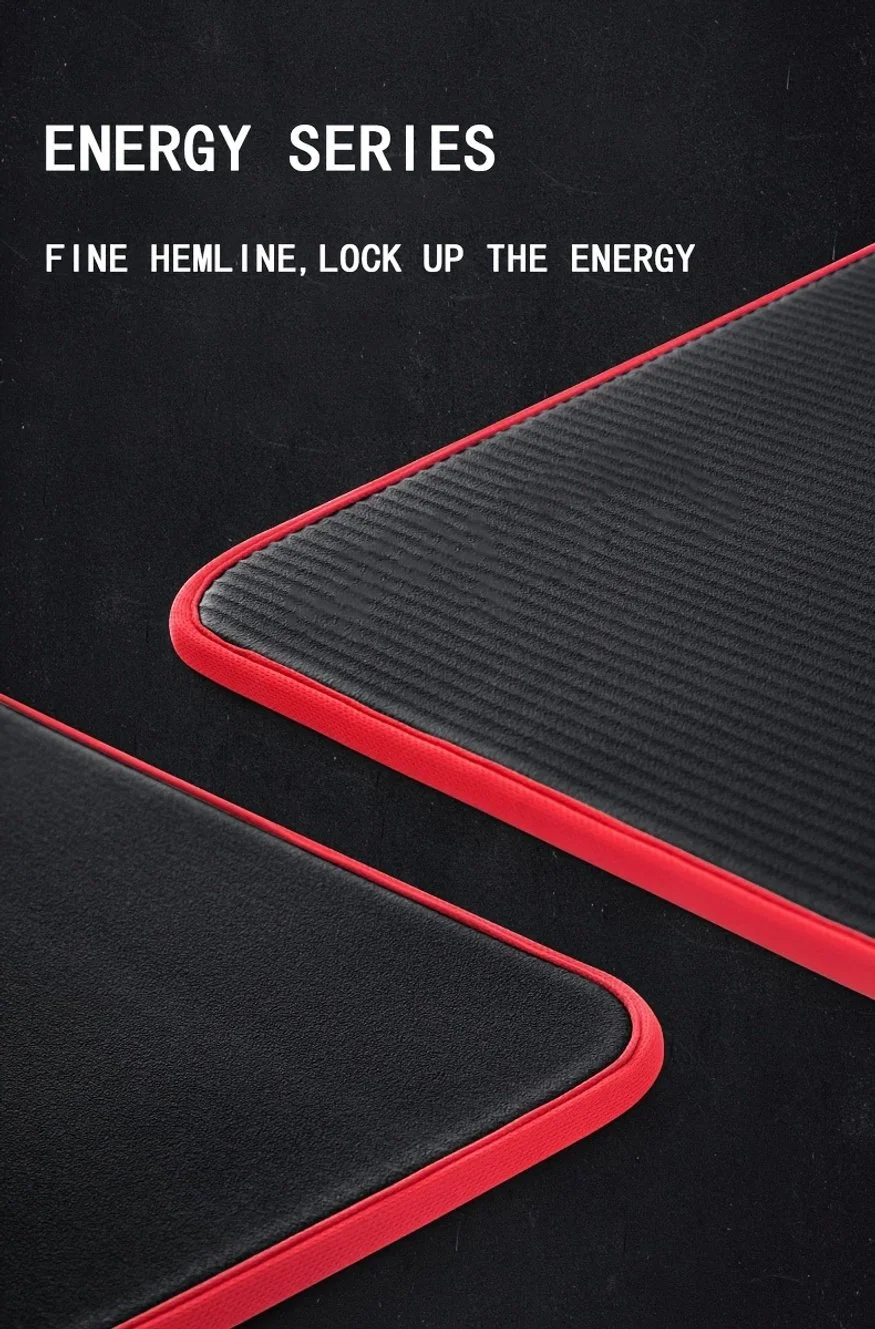
Is 10mm too thick for yoga?
Not for gentle yoga, stretching, Pilates, and home floor workouts. It may feel too soft for standing balance, active vinyasa, or studio practice where floor feedback matters.
What thickness yoga mat should I buy first?
If you want a balanced studio-style mat, start around 4-6mm. If you practice at home on hard floors or have sensitive joints, 8-10mm can be more comfortable. If you need travel portability, choose 1.5-3mm.
What is the standard yoga mat size?
Many standard mats are around 68-72 inches long and about 24 inches wide. The product in this guide is 183cm x 62cm, which fits many adults. Taller users may prefer extra-long mats.
What yoga mat material is best for beginners?
There is no single best material. PVC and TPE are common beginner options. Rubber offers strong tactile grip but can be heavier and may have odor or latex concerns. PU-top mats can work well for sweat but need care. Choose based on grip, comfort, cleaning, and budget.
How much should I spend on my first yoga mat?
Spend enough to avoid the cheapest failure points: slipping, thin padding, curling edges, and strong odor. A mid-range beginner mat often makes more sense than a very cheap one, especially if you plan to practice several times per week.
Can I use a yoga mat for Pilates?
Yes, but Pilates often benefits from more cushioning because there is more floor work on the spine, hips, knees, and elbows. A 10mm mat is often more comfortable for Pilates-style home workouts than a thin travel mat.
How do I keep a yoga mat from slipping?
Use it on a clean, dry floor, wipe sweat when needed, and check whether the bottom grips your flooring. If your hands sweat heavily, consider a towel or a mat designed for sweaty practice.
How often should I clean my yoga mat?
Wipe it after sweaty sessions and let it dry fully before rolling. Follow the mat maker's care instructions because some materials dislike harsh cleaners, soaking, direct sun, or essential oils.
Browse Yoga & Pilates products