Article
7 Camping Light Mistakes That Ruin Your Trip (And the One Light That Fixes Them)
Quick Answer
7 Camping Light Mistakes That Ruin Your Trip (And the One Light That Fixes Them): quick answer
Most new campers prepare for the obvious things first. They choose a tent, sleeping bag, cooler, camp chair, and maybe a stove. Lighting usually sits...
- Topic: Outdoor Lighting.
- Related product category: camping-hiking.
- This article keeps the main answer in the article copy and places relevant product context inside the guide.
The Problem: Camp Gets Dark Faster Than Beginners Expect
Most new campers prepare for the obvious things first. They choose a tent, sleeping bag, cooler, camp chair, and maybe a stove. Lighting usually sits near the bottom of the packing list because it feels simple. Everyone has a phone. Someone probably owns a flashlight. The fire will be bright enough. The campground has paths. It seems fine until the sun drops behind the trees.
Then the campsite changes.
The tent zipper is hard to find. The bathroom path looks longer than it did at 4 p.m. The food bag labels blur together. You cannot tell whether the stove knob is fully off. A kid drops a fork in the grass and everyone starts sweeping the ground with phone lights. The cooler is in the wrong place. The trash bag is tied to a branch you can no longer see. The campfire looks warm and beautiful, but it does not actually light the prep table.
Bad lighting does not usually ruin a trip in one dramatic moment. It ruins the trip in small delays. Every task takes longer. People trip over gear. Someone keeps asking where the flashlight is. The phone battery drops faster than planned. Dinner gets colder while everyone searches for the matches. A peaceful campsite starts to feel clumsy.
The fix is not a complicated lighting system. For most casual camping, one dedicated rechargeable LED camping light can solve the biggest problems if it is charged, placed well, and used for the right jobs. The point is not to turn your campsite into a floodlit driveway. The point is to create enough soft, reliable light for cooking, eating, changing clothes, finding gear, and moving around safely after dark.
This guide covers seven common camping light mistakes, why they happen, what they cause, and how to fix them before your next trip.
Mistake 1: Treating Your Phone Flashlight as the Main Camp Light
A phone flashlight is useful as a backup. It is not a good primary camp light.
The first problem is battery priority. Your phone is already doing too many jobs on a trip: navigation, weather checks, emergency calls, campsite photos, campground reservations, offline maps, music, and messages. Using it as the main lantern drains the one battery you most need to protect. Even if the drain is not huge in one short burst, repeated use over dinner, cleanup, bathroom trips, and tent setup can leave you rationing power by the second night.
The second problem is hand use. A phone flashlight points wherever your hand points. That sounds fine until you need both hands to do something useful. Try holding a phone while staking a tent, opening a cooler, washing a pot, tying a trash bag, finding a zipper pull, or helping a child into a sleeping bag. The light is always either in the wrong hand, pointed at the wrong object, or sitting face-down on the table.
The third problem is beam shape. Phone lights are narrow and harsh. They are good for checking a keyhole or looking under a car seat. They are not good for lighting a picnic table or tent interior. A campsite needs ambient light: a wider glow that lets several people see the same workspace.
The fix is simple: make the phone flashlight your emergency backup, not your plan. Bring a dedicated rechargeable camp light with its own battery. Use the phone only for quick tasks, photos, or situations where a small directional beam is enough.
Better setup: charge the camp light before leaving, keep it near the kitchen bin during setup, and move it to the table before sunset. That one habit protects your phone battery and gives everyone a shared light source when the evening gets busy.
Mistake 2: Buying a Light That Cannot Hang
A camp light that only stands on a table is much less useful than it looks in a product photo. Tables get crowded quickly. Once the stove, plates, mugs, cutting board, condiments, headlamps, and snack bags are on the surface, there may not be a clean place to stand a lantern. If the table is uneven or someone bumps it, the light can tip, roll, or point in the wrong direction.
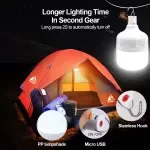
Hanging changes the whole campsite.
When a light hangs above the table, it spreads downward across the cooking and eating area. People can use both hands. Shadows are smaller. The light is not blocked by water bottles or backpacks. It also becomes easier to share the space because everyone sees the same surface.
Inside the tent, hanging is even more important. A light on the floor creates glare, shadows, and awkward angles. A light hanging from a tent loop or ridge line turns the tent into a usable room. You can change clothes, find socks, check the door zipper, organize sleeping pads, and see whether anything is touching the tent wall.
Look for a light with at least one reliable hanging option: a hook, loop, handle, or clip. It should also stand on a flat surface when needed. The best simple camp lights do both. You may use the hanging mode at dinner and the standing mode while sorting gear.
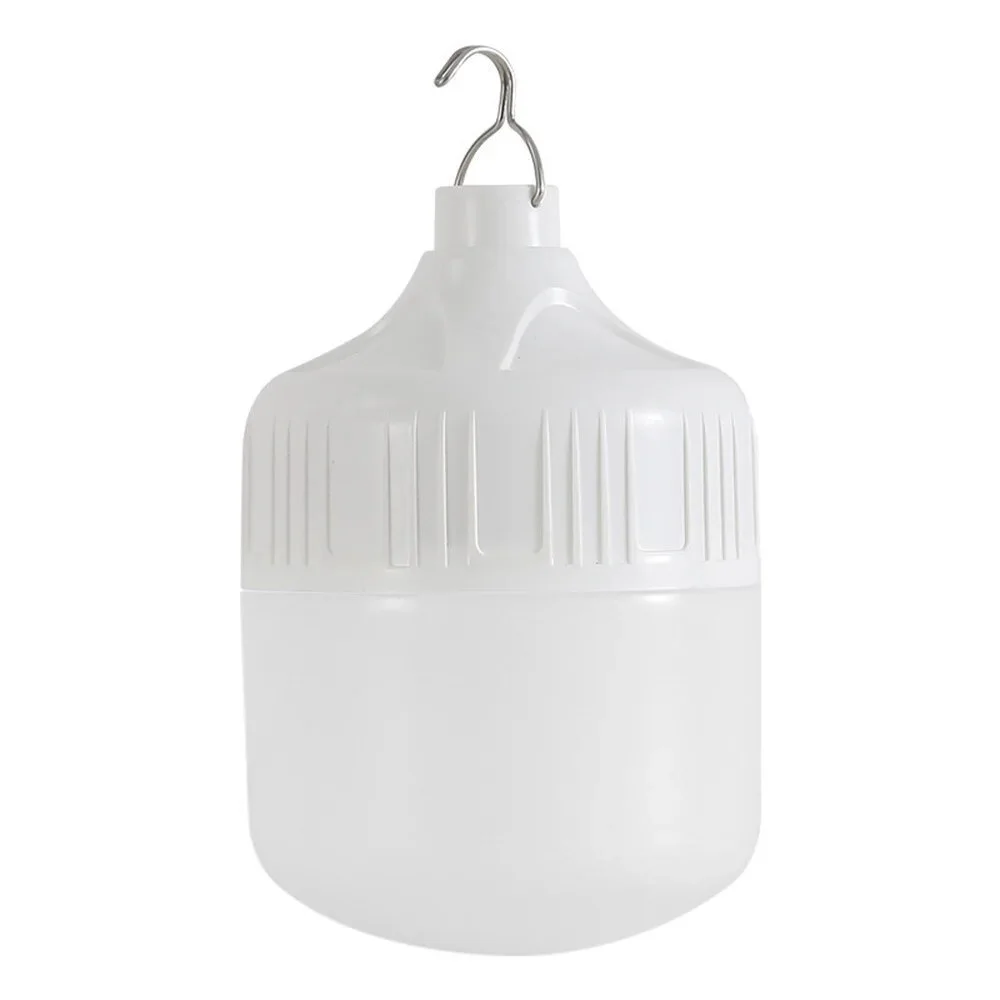
The USB Rechargeable LED Camping Light (#p-012357) fits this role because it is not limited to one position. It can hang where overhead light matters, or sit near a task area when you need a lower glow. That flexibility matters more than a dramatic claim about maximum brightness.
Better setup: before the trip, identify three hanging points: one near the table, one inside the tent, and one backup location near the gear area. When you arrive, check those spots before dark.
Mistake 3: Waiting Until Dark to Think About Light Placement
Many campers bring a light and still struggle because they do not place it until they already need it. That is when everything becomes harder. The table is crowded. The tent is partly unpacked. The light is buried in a bin. Someone starts dinner while someone else searches through bags.
Light placement should happen before sunset, not after.
Think of camp lighting in zones:
- Kitchen zone: stove, food prep, cooler, trash bag, dish bin.
- Eating zone: table, chairs, mugs, plates, snack bags.
- Tent zone: door, sleeping pads, clothes, shoes, zipper path.
- Path zone: bathroom direction, car, water spigot, bear box, or storage area.
One light cannot perfectly cover every zone at the same time. That is why placement matters. If you only have one rechargeable camping light, put it where the most work happens first: usually above or beside the cooking and eating area. After dinner, move it into the tent or keep it by the door for nighttime access.
If the light has a soft mode, use that for shared areas. You do not need a harsh beam over the table. You need enough visibility to see utensils, food, bags, and hands. A lower mode also helps preserve battery life and keeps the campsite calmer.
For family camping, assign the light a home. For example: "If it is not hanging over the table, it lives in the front right pocket of the tent." That prevents the common problem where one person carries the light away and nobody can find it later.
Better setup: during daylight, unpack the light first, test the switch, hang it once, then put it in the exact place it will be used after dinner.
Mistake 4: Forgetting to Charge Rechargeable Lights Before the Trip
Rechargeable gear is only convenient when it is actually charged. A rechargeable light left in a drawer or camping bin for months may not be ready when you pack it. Some campers assume that because the light worked last season, it will work tonight. That assumption often fails at the worst time.
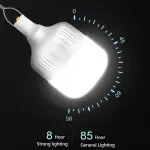
The fix is a pre-trip charging routine.
The night before leaving, charge three things together: phone, power bank, and camp light. Put them in the same visible location. In the morning, turn the camp light on for a quick check before packing. This takes less than a minute and removes a whole category of campsite stress.
Also pack the charging cable intentionally. A USB rechargeable light is much more useful if the cable travels with it. If it uses a common cable, keep one in the same bag as the light. If it uses a less common cable, label it or wrap it around the light before storage.
For two-night trips, a power bank gives you a second layer of safety. You can top off the light during the day, especially if you used it heavily the first night. Do not wait until the light is dead. Recharge when there is downtime: after breakfast, during a hike, or while driving.
Battery expectations should stay realistic. Small budget lights are designed for normal camp tasks, not all-night high-output use. Use the brightest mode only when you need it. For dinner, tent use, and general organization, a lower setting is usually enough.
Better setup: create a small "night kit" pouch with the rechargeable light, its cable, a backup headlamp or small flashlight, and spare charging bank access. Pack that pouch where it can be reached without unloading the whole car.
Mistake 5: Choosing the Brightest Light Instead of the Most Comfortable Light
Brightness sells lights. Comfort makes lights useful.
A high-output flashlight or lantern may look impressive in a store, but maximum brightness is not always helpful at a campsite. Too much direct light can glare into people's eyes, flatten shadows in strange ways, attract attention from neighboring campsites, and make it harder to see beyond the light source. Once your eyes adjust to a harsh beam, the area outside that beam can feel even darker.
Most campsite tasks need soft, even light:
- Seeing the stove controls.
- Reading food labels.
- Finding cups and utensils.
- Checking the tent entrance.
- Playing cards at the table.
- Packing trash before bed.
- Finding shoes in the tent.
For those jobs, a lower ambient glow often beats a narrow, powerful beam. A light hanging above the table on a moderate or low setting can be more useful than a flashlight aimed from one side. It reduces harsh shadows and lets multiple people work at once.
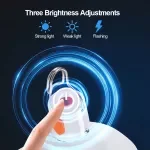
This is why lighting modes matter. A good camp light should not only be bright. It should be dimmable or at least have a softer setting. The low mode is not just for saving battery. It is the mode that makes the campsite pleasant after dark.
Position matters too. A bright light at eye level is annoying. A softer light above shoulder height is comfortable. A low light on the ground can create shadows and trip hazards. A light hung above the table gives the best balance for most tasks.
Better setup: start with the lowest useful setting. Increase brightness only for short tasks such as checking a spill, finding a dropped item, or walking a darker path.
Mistake 6: Assuming the Campfire Will Handle Lighting
A campfire feels bright when everyone is sitting close to it. It is not a reliable work light.
Firelight moves, flickers, throws strong shadows, and only lights a limited area. It is atmospheric, not practical. It can make faces glow and chairs feel cozy, but it will not reliably light a cutting board, cooler, stove control, dish bin, trash bag, or tent entrance.
This mistake causes real friction around dinner. People try to cook by firelight and then realize they cannot see whether food is done. Someone uses a phone flashlight over the stove. Another person moves the lantern from the table to the cooler. The whole meal turns into a relay race of bad lighting.
Separate the two jobs:
- Fire: warmth, atmosphere, conversation, marshmallows.
- Camp light: cooking, eating, cleaning, organizing, safety.
When the fire is going, place the LED light near the table or kitchen area instead of next to the fire pit. This gives the campsite two zones: a practical zone and a relaxing zone. People can move between them without carrying the only light back and forth.
This also helps with cleanup. After the fire dies down, you still need to collect utensils, close food containers, secure trash, check chairs, and find the path to the tent. Firelight gets weaker exactly when the final chores happen. A dedicated light keeps the end of the night from becoming messy.
Better setup: turn on the table light before starting dinner, even if the fire is already lit. Treat the fire as mood lighting, not task lighting.
Mistake 7: Leaving the Tent Without a Midnight Light Plan
The most annoying lighting problems often happen after everyone has gone to bed.
Someone wakes up and needs the bathroom. A child cannot find a water bottle. A zipper catches on fabric. Shoes are outside the door. The path to the bathroom crosses guy lines, roots, rocks, or cooler handles. Everyone is sleepy, and nobody wants to dig through bags for a flashlight.
A tent light plan should be simple enough to use half-awake.
Keep the light in one of three places:
- Hanging from the tent loop.
- In the same pocket every night.
- Next to the sleeping pad closest to the door.
Do not bury it in a backpack. Do not leave it outside on the table. Do not rely on one person remembering where they put it. The best midnight light is the one you can reach without fully waking up.
Use a soft mode inside the tent. A bright light in a small tent can wake everyone and make the interior feel harsh. You only need enough light to find shoes, unzip the door, and avoid stepping on gear. If the light can hang, keep it overhead for a few seconds, then carry it outside only if needed.
For group camping, it can help to keep one small light in each tent. If that is not possible, set a rule that the shared light returns to a central place before bed. The rule matters more than the exact location.
Better setup: before sleeping, say out loud where the light is: "The light is hanging by the door." That tiny verbal check prevents 2 a.m. confusion.
The One Light That Fixes Most of These Mistakes
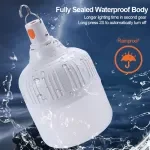
The USB Rechargeable LED Camping Light (#p-012357, $11.49) is not trying to replace every outdoor lighting tool. It is best understood as a simple campsite utility light: useful around the table, inside the tent, and near common task areas.
It helps because it solves the practical problems behind the seven mistakes:
- It protects phone battery: your phone stops being the primary flashlight.
- It can hang: overhead light works better for tables and tents.
- It can stand: you can still place it on a cooler, shelf, bench, or flat surface.
- It is rechargeable: you avoid disposable battery runs and can top it off from a power bank.
- It supports softer campsite use: ambient light is usually more helpful than a harsh beam.
- It is affordable: buying two is realistic for campers who want one table light and one tent light.
The best way to use it is not complicated:
- Charge it the night before the trip.
- Pack the charging cable with the light.
- Test it when you arrive.
- Hang it near the table before sunset.
- Move it into the tent before bed, or use a second light there.
- Recharge it during the day if the trip lasts more than one night.
The honest limit: this is not a rugged expedition lantern, a long-distance search beam, or a waterproof rescue light. It is not the right tool for backcountry navigation in bad weather or emergency response. For normal campground use, car camping, backyard camping, family tent trips, and casual weekend setups, it covers the jobs most people actually need.
If you camp often, the best setup is two small rechargeable lights rather than one oversized lantern. One light stays in the shared task zone. The other stays in the tent. That gives you redundancy without a complicated gear system.
Quick Camping Light Setup Checklist
Use this checklist before the first night:
- Charge the camp light before packing.
- Pack the correct charging cable.
- Bring a power bank for trips longer than one night.
- Test the light when you arrive.
- Choose a hanging point before sunset.
- Put the light near the table before cooking.
- Move one light inside the tent before bed.
- Keep the phone flashlight as backup only.
- Use low mode for shared areas whenever possible.
- Do one final table and ground check before sleeping.
For beginners, the most important items are simple: charge it, hang it, and put it back in the same place every night.
What to Look for in a Camping Light
Not every camp light needs premium features. For casual camping, prioritize usefulness over specs.
Hanging option: a hook, handle, clip, or loop makes the light much more flexible.
Stable base: standing mode is still useful when there is no hanging point.
USB rechargeability: charging from a wall plug, car, or power bank is easier than managing disposable batteries.
Low or soft mode: this is the setting most people use around the tent and table.
Simple controls: complicated mode cycling is annoying in the dark.
Reasonable size: a light that is easy to pack is more likely to come on every trip.
Clear storage habit: the light should live in a predictable pouch, bin, or tent pocket.
Avoid buying only for the highest lumen number. A campsite is not a warehouse. A usable light is one that helps people cook, clean, move, and settle down without glare.
Match the Light to the Trip, Not the Product Photo
The easiest way to choose camp lighting is to start with the trip type. A one-night backyard test does not need the same setup as a rainy three-night campground trip. The product photo usually shows a light floating in a perfect dark scene. Your real campsite has wet tables, crowded bins, half-zipped tents, cooler lids, tired people, and one missing spoon.
Use this quick decision table before packing:
| Trip Type | Main Lighting Risk | Best Setup |
|---|---|---|
| Solo overnight | Phone battery drain and tent organization | One rechargeable hanging light plus phone backup |
| Couple car camping | Dinner prep and tent access | One table light, then move it into the tent before bed |
| Family campsite | Multiple people need light at once | Two lights: one fixed table light, one tent light |
| Rainy weekend | Harder setup, darker evenings, wet gear | Rechargeable light kept under shelter, plus a headlamp |
| Campfire-focused trip | Over-reliance on firelight | LED task light near food area, fire kept for atmosphere |
| Beginner group trip | Nobody knows where the light is | Assign one fixed location and return it there every time |
This is also where the USB Rechargeable LED Camping Light makes the most sense: it is a flexible utility light, not a specialized expedition tool. It is useful when the job is shared visibility around normal campsite zones. It is less useful if the job is long-distance trail navigation, storm rescue, or all-night high-output lighting.
The buying rule is simple: if you need to light a table, tent, cooler, or small shelter, choose a soft rechargeable light that can hang. If you need to walk a dark trail, bring a headlamp. If you need to scan a field, bring a real flashlight. One product should not be forced to do every job.
When This Light Is the Wrong Choice
A trustworthy recommendation should also say when not to buy the product. The USB Rechargeable LED Camping Light is a good fit for casual camping, but it is not the right answer for every outdoor situation.
Do not make it your only light if you are backpacking in remote terrain. In that case, weight, weather resistance, battery redundancy, and hands-free movement matter more. A headlamp should be the primary light, with a small backup.
Do not expect it to replace a high-output lantern for a large group shelter. If ten people are cooking under a canopy, you may need brighter area lighting or multiple lights placed across the workspace.
Do not rely on it as a waterproof emergency light unless the product specifications clearly support that use. Campsites often involve dew, rain, spilled drinks, and wet tables. Keep budget rechargeable lights protected when weather turns.
Do not leave it running on the brightest setting just because the mode exists. Small rechargeable lights are most useful when used intelligently: low mode for tent and table, brighter mode for short searches, recharge during downtime.
This does not make the light weaker as a recommendation. It makes the recommendation more precise. For normal camping, the right question is not "Is this the strongest light?" The right question is "Does this solve the lighting problems I actually have after sunset?" For most table, tent, and cleanup problems, the answer is yes.
FAQ
Is one camping light enough for a weekend trip?
One light can work for a solo camper or a very small campsite, but two lights are better for most groups. Use one around the table or cooking area and one inside the tent. If you only bring one, move it deliberately: table before dinner, tent before bed.
Should I bring a headlamp too?
Yes, a headlamp is useful for walking, bathroom trips, and hands-free tasks away from the table. A hanging camp light and a headlamp solve different problems. The camp light creates shared ambient light. The headlamp gives one person directional light while moving.
Is a rechargeable light better than battery-powered lighting?
For casual camping, rechargeable lights are usually easier to manage because they can be topped off from a power bank. Battery-powered lights can still be useful as backups, especially for emergency kits, but they require you to track battery sizes and spare packs.
Where should I put the light inside the tent?
Hang it from the tent loop if your tent has one. If not, place it in the same pocket or corner every night. Keep it close enough to reach without climbing over bags or sleeping pads.
How bright should a camping light be?
For table, tent, and cleanup use, comfort matters more than maximum brightness. A soft, wide glow is usually better than a narrow beam. Use brighter settings only for short searches, setup tasks, or darker walking paths.
Can I rely on the campfire for light?
No. A campfire is good for warmth and atmosphere, but it is not reliable for cooking, cleaning, or finding gear. Use a dedicated light for task areas and let the fire stay decorative.
What is the biggest beginner lighting mistake?
The biggest mistake is waiting until dark to organize the light. Charge it before leaving, test it when you arrive, choose a hanging point before sunset, and keep it in a predictable place after dinner.
Browse Outdoor Lighting products