Article
Portable Pressure Washer Guide: When You Need Real Pressure And When A Rinse Pump Is Enough
Quick Answer
Portable Pressure Washer Guide: When You Need Real Pressure And When A Rinse Pump Is Enough: quick answer
Outdoor cleaning sounds simple until you try to choose the right tool. A driveway with years of dark buildup is not the same job as rinsing sand from...
- Topic: Outdoor Cleaning.
- Related product category: camping-hiking.
- This article uses one relevant product insertion and keeps the main answer in the article copy.
Why Portable Outdoor Cleaning Tools Are Easy To Misjudge
Outdoor cleaning sounds simple until you try to choose the right tool. A driveway with years of dark buildup is not the same job as rinsing sand from beach gear. Cleaning mud from a dog after a walk is not the same job as stripping algae from concrete. Washing a car in a driveway is not the same job as cleaning patio furniture on an apartment balcony. Yet many shoppers put all of these tasks into one category and search for "portable pressure washer" as if one small device can solve every outdoor cleaning problem.
That is where disappointment starts. Some portable tools are true pressure washers. They are designed to raise water pressure enough to remove stuck dirt from hard surfaces. Others are portable rinse pumps. They move water from a bucket, tank, or natural source and give you a controlled spray for washing, rinsing, showering, or light cleanup. Both can be useful, but they are not the same tool.
A true pressure washer is about force. It can clean concrete, siding, brick, decks, outdoor bins, and equipment when the dirt is bonded to the surface. It also requires more caution because too much pressure can damage paint, wood, soft stone, seals, screens, and car finishes if used incorrectly.
A portable rinse pump is about access and convenience. It helps when you do not have a hose nearby, do not want to carry a heavy washer, or only need a steady stream of water for light washing. It can be useful for camping, beach days, outdoor showers, muddy shoes, pet rinsing, dishwashing at camp, and gentle car pre-rinsing. It should not be sold as a driveway-restoration tool.
This guide helps you decide which type of portable outdoor cleaning tool actually fits the job. The matched product is the Portable Electric Outdoor Shower Pump - IPX7 Waterproof, 2 Flow Modes (#1752479). It is not a heavy-duty pressure washer. It is better understood as a compact electric rinse pump with two flow modes, a rechargeable battery, a long hose, and outdoor use cases such as camping showers, beach rinsing, car washing support, dishwashing, and pet cleaning. That distinction matters because honest product matching creates better user trust.
Start By Naming The Dirt
Before buying any outdoor cleaning tool, identify what you are trying to remove. Dirt type matters more than product category.
Loose dirt is the easiest. Sand, dust, fresh mud, grass clippings, and light pollen usually do not need high pressure. They need water access, a useful spray pattern, and maybe a brush or cloth. A portable rinse pump can be enough for these jobs because the dirt is not bonded tightly to the surface.
Sticky dirt is harder. Tree sap, bird droppings, sunscreen residue, food spills, road film, and dried mud often need a cleaning product, dwell time, and light agitation. Water alone may not solve the problem, even if it comes out with pressure. For sticky dirt, the best process is usually wet, loosen, wipe or brush, then rinse.
Embedded grime is where pressure becomes more important. Concrete, pavers, siding, outdoor steps, trash bins, and weathered decks can hold grime in texture and pores. A rinse pump will make them wet, but it may not lift the buildup. A true pressure washer is more appropriate if the goal is visible restoration.
Delicate dirt removal is a separate category. Outdoor furniture, painted railings, car panels, screens, patio cushions, and pet fur may need cleaning, but they can be damaged by aggressive pressure or harsh nozzles. In these cases, control is more useful than force.
Once you name the dirt, you can stop overbuying or underbuying. If most of your jobs are fresh mud, beach sand, camping gear, and pet rinsing, a compact water pump can be practical. If most of your jobs are concrete, algae, and siding buildup, look for a real pressure washer instead.
Understand Pressure, Flow, And Contact Time
Outdoor cleaning depends on three things: pressure, water flow, and contact time. Shoppers often focus only on pressure, but the other two can decide whether cleaning feels easy or frustrating.
Pressure is the force of the water. It helps dislodge dirt from a surface. Higher pressure can clean faster, but it can also damage surfaces. This is why pressure washers come with different nozzles and warnings. A narrow jet can cut into soft materials, peel weak paint, force water behind siding, or mark wood. More pressure is not automatically better.
Flow is the amount of water delivered over time. A tool with modest pressure but steady flow can rinse soap, sand, and loose mud efficiently. A tool with high pressure but low flow may blast a tiny area while taking longer to rinse a large object. For car washing, pet rinsing, camping showers, and dishwashing, flow comfort often matters more than raw pressure.
Contact time is how long water or cleaner sits on the dirt before you remove it. Many cleaning jobs fail because people spray and immediately rinse. Soap, degreaser, or outdoor cleaner often needs time to loosen residue. Pressure can help, but chemistry and patience do a large part of the work.
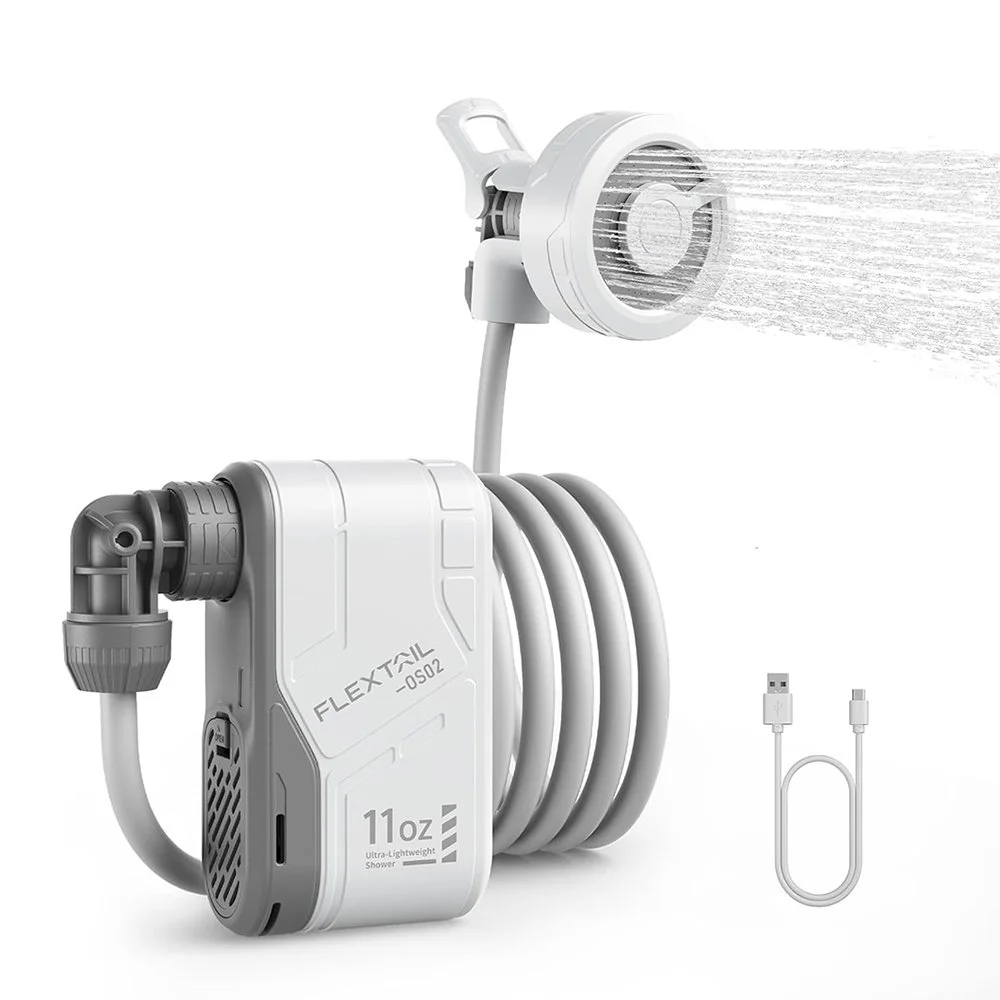
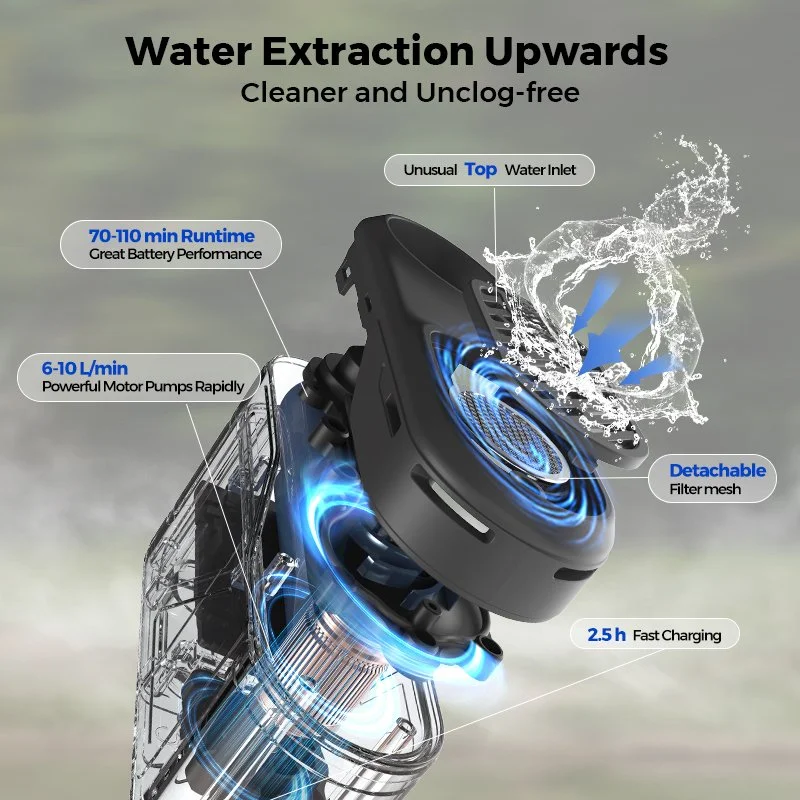
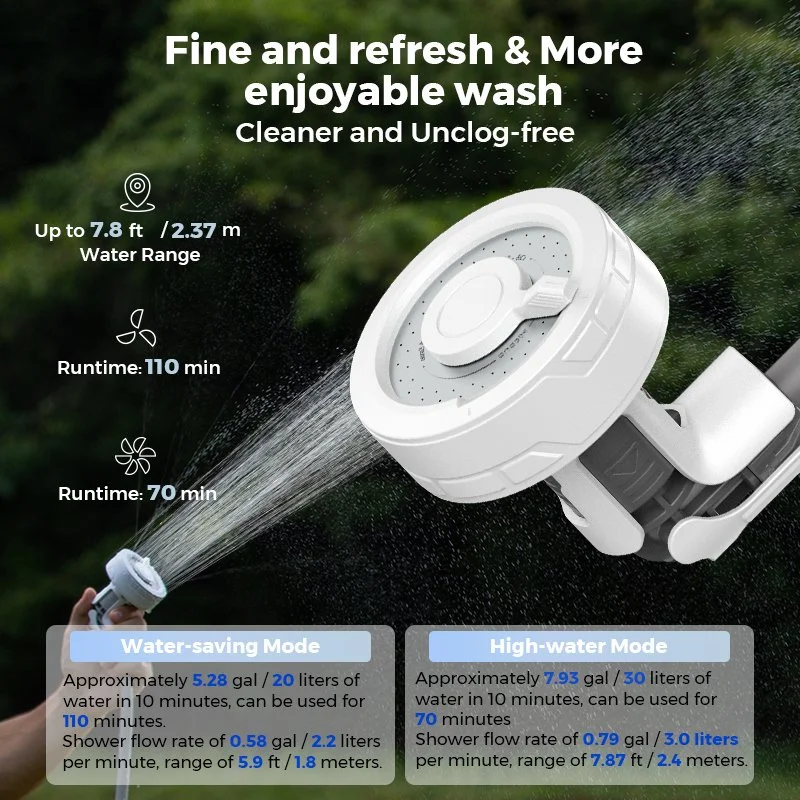
The #1752479 portable pump lists two flow modes: 2.2 L/min and 3.0 L/min. Those numbers place it in a rinse-and-wash category, not a concrete-stripping category. Its strength is moving water where you need it and giving you a controlled stream for everyday outdoor cleanup. It should be paired with realistic tasks: rinsing feet after the beach, washing dishes at camp, rinsing a dog gently, pre-rinsing car dust, or cleaning light mud from gear.
When A True Pressure Washer Makes Sense
A true pressure washer makes sense when dirt is stuck to a hard surface and manual scrubbing would take too long. Common examples include concrete driveways, paver patios, brick steps, outdoor trash bins, some deck surfaces, certain fences, garage floors, and heavily weathered outdoor equipment.
If the surface is hard, durable, and textured, pressure can save time. Concrete collects dark film in pores. Pavers collect dirt between edges. Trash bins hold residue and odor. Outdoor steps can become slippery. A true pressure washer can make these jobs much faster than a bucket and brush.
But even with a true pressure washer, the user must match the nozzle and distance to the surface. A narrow spray used too close can leave lines, marks, or damage. Wood can splinter. Paint can peel. Soft stone can etch. Window seals can leak. Siding can take water behind the panels. Good pressure washing is controlled cleaning, not maximum force.
You should consider a true pressure washer if you own a house with large hard outdoor surfaces, clean concrete or siding regularly, maintain outdoor equipment, or need enough force to remove built-up grime. A corded electric model may be enough for many homeowners. A gas model may be useful for frequent heavy jobs, but it adds noise, fuel, maintenance, and storage concerns.
You probably do not need a full pressure washer if your main jobs are light rinsing, camping, beach cleanup, pet washing, balcony cleaning, or washing small outdoor items. In those cases, portability and water access may matter more than force.
When A Portable Rinse Pump Is The Better Fit
A portable rinse pump is useful when the cleaning problem is not pressure but location. You need water where a hose is unavailable, inconvenient, or overkill.
Camping is a clear example. At a campsite, water access may be limited. A rechargeable pump with a hose can help with outdoor showers, rinsing cookware, cleaning muddy sandals, and washing hands away from the main water source. The job is not blasting grime off concrete. The job is making water usable.
Beach trips are another good fit. Sand gets on feet, chairs, coolers, toys, towels, and pet fur. A portable rinse pump can remove loose sand before it enters the car. High pressure is not needed and may be uncomfortable on skin or pets. A steady spray is more useful.
Pet cleaning also fits the rinse-pump category. Many pets need a gentle wash after mud, lake water, sand, or backyard play. A powerful pressure washer would be inappropriate and unsafe for direct pet use. A controlled portable pump can make rinsing easier if the temperature is safe and the animal tolerates the process.
Car washing is more nuanced. A rinse pump can help with pre-rinsing loose dust, rinsing soap from small areas, and washing a car where a hose is not available. It will not replace a true pressure washer for heavy road film, undercarriage grime, or professional foam-cannon setups. For apartment dwellers, campers, or people who wash lightly and carefully, a rinse pump can still be useful.
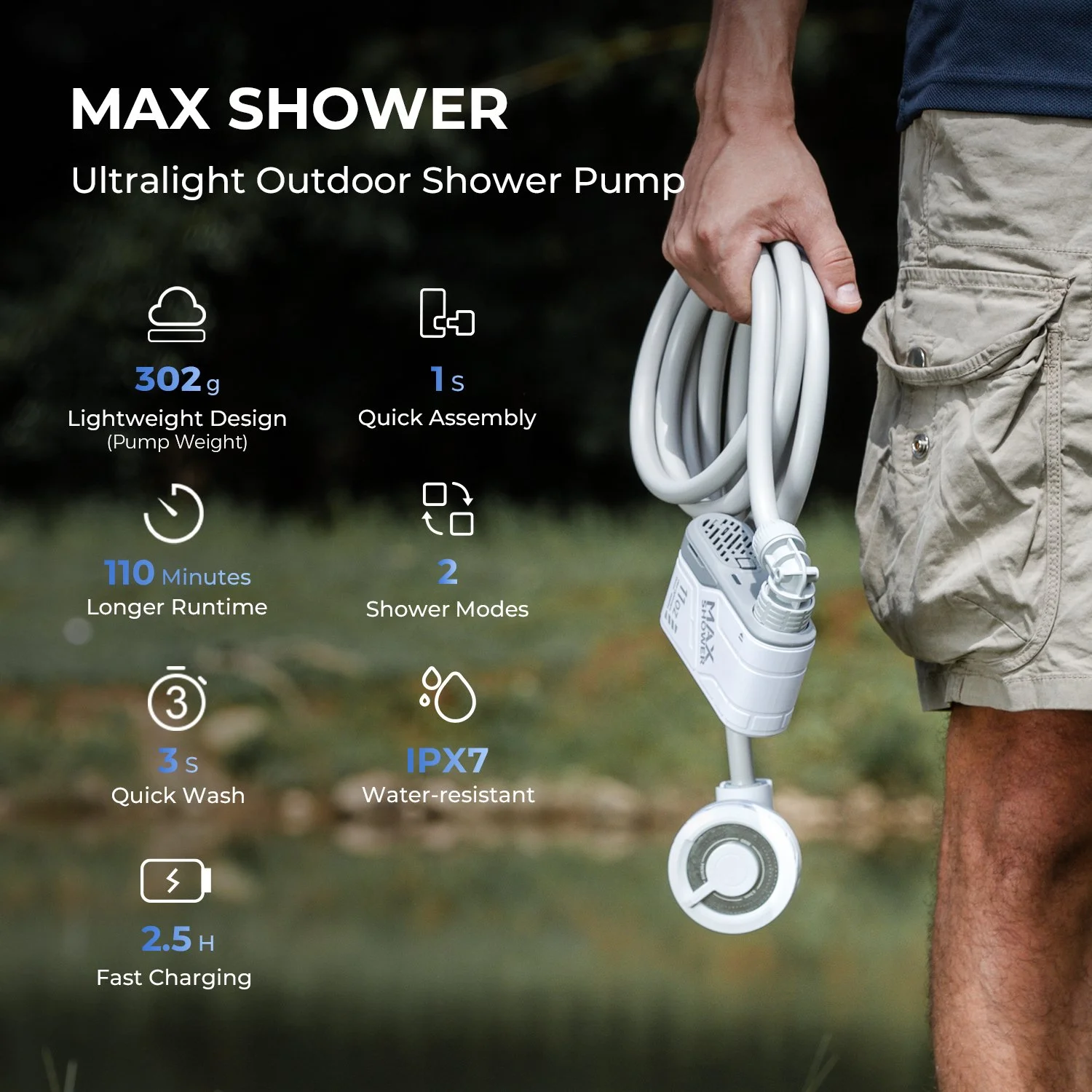
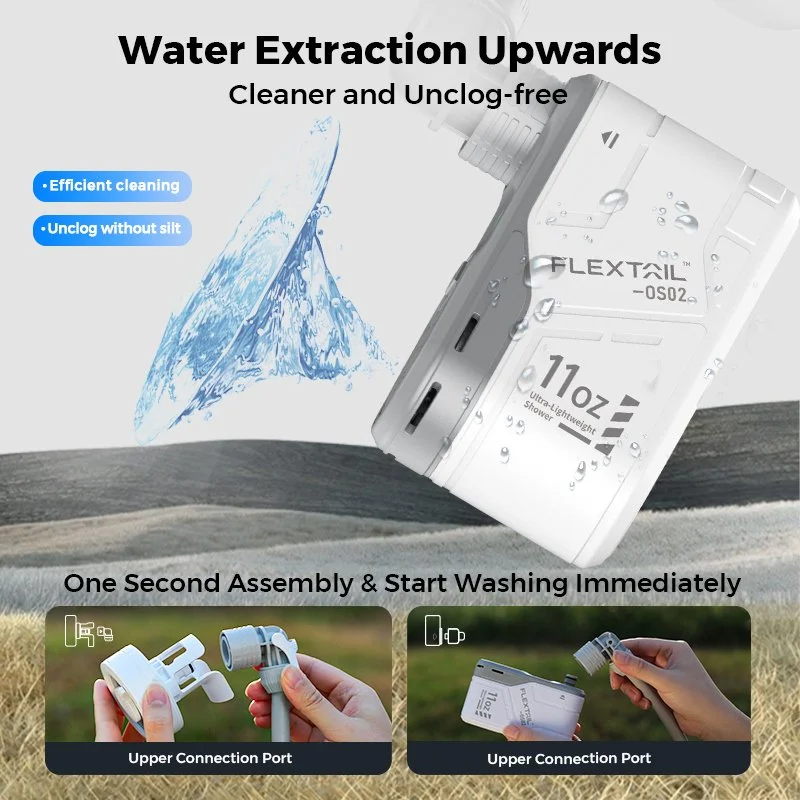
The Portable Electric Outdoor Shower Pump (#1752479) belongs in this category. Its IPX7 waterproof rating, rechargeable battery, Type-C charging, two flow modes, 7.2 ft hose, light weight, and outdoor cleaning use cases make sense for portable water delivery. That is a different promise from high-pressure surface restoration, and the article should keep that promise clear.
Surface Safety Comes Before Cleaning Speed
Outdoor cleaning mistakes often happen when people chase faster results. Water pressure, stiff brushes, and harsh cleaners can damage surfaces that look durable.
Cars need gentle methods. Strong pressure can force water into seals, damage loose trim, or worsen chipped paint. Even when using a true pressure washer, car washing should use appropriate nozzles, distance, and technique. With a rinse pump, the risk from pressure is lower, but you still need clean water, soft cloths, and proper wash methods to avoid scratching.
Wood needs caution. Deck boards, outdoor tables, and fences can be damaged by aggressive pressure. Soft or weathered wood is especially vulnerable. If the goal is to remove light dust or pollen, a rinse pump and brush may be enough. If the goal is to restore a deck, a true pressure washer may help but should be used carefully.
Painted surfaces need distance and mild cleaning. Old paint, peeling paint, and caulked seams can fail under pressure. Water can also be driven into cracks. Start gently and test a hidden area before cleaning a visible section.
Screens, vents, seals, electrical fixtures, outdoor outlets, and door thresholds should not be blasted. These areas are designed to resist normal weather, not concentrated force from a close nozzle. Use a gentle rinse and hand cleaning where needed.
Pets and people should never be treated like outdoor surfaces. Use safe water temperature, avoid eyes and ears, and keep pressure gentle. For pet rinsing, the advantage of a portable pump is controlled water delivery, not force.
Water Source Determines Convenience
A true pressure washer usually needs a reliable water source. Some models connect to a hose. Some portable models can draw from a bucket. A rinse pump may be designed specifically to pull water from a container. Before buying, check how the tool gets water and whether that matches your use case.
If you have a yard hose and outdoor outlet, a corded electric pressure washer may be practical. It can deliver stronger cleaning for hard surfaces and does not rely on battery runtime. The downside is setup time, storage, cords, and hose management.
If you do not have a hose, the tool must draw from a bucket, tank, lake, or portable water container. This is where compact pumps become useful. They allow cleaning away from fixed plumbing, but the amount of water you carry becomes the limit. A small bucket may be enough for feet, dishes, or pet paws. It will not be enough for a full driveway.
If you use natural water sources, think about filtration and debris. Sand, leaves, and grit can clog pumps and sprayers. Use a clean container when possible. Do not assume any pump can handle dirty water. Check product instructions before drawing from a lake, stream, or bucket with sediment.
The #1752479 pump includes a 7.2 ft hose, which helps create working distance between the water source and the item being cleaned. That is useful at campsites, beaches, and outdoor washing setups. It does not change the cleaning category: the tool still depends on available water and is best for rinse-oriented jobs.
Battery Runtime Should Match The Task
Cordless outdoor tools are convenient because they remove the outlet problem, but they introduce a battery problem. Runtime matters only when you compare it to the task.
A five-minute rinse after a beach trip does not need a large battery. A quick pet cleanup may need only a few minutes. Washing camp dishes may take intermittent use over a longer period. An outdoor shower may require more predictable runtime. Cleaning a large patio would require far more energy and water than a small pump is meant to provide.
The #1752479 product details list runtime up to 110 minutes on low mode and 70 minutes on high mode. Those figures should be understood as product claims under the listed modes, not as a guarantee for every situation. Water temperature, battery condition, flow mode, and usage pattern can affect real use. Still, long runtime is useful for camping and repeated light rinsing because the tool may be used several times during a trip.
Charging style matters too. Type-C charging is practical because many households already carry compatible cables and power banks. For camping, this can be useful if you have a power station, car adapter, or battery bank. Before relying on the pump away from home, charge it fully and test it.
If your main goal is heavy cleaning, do not let battery runtime distract you from pressure and water flow. A tool may run a long time but still lack the force for concrete or siding. Runtime is only valuable when the cleaning performance matches the job.
Flow Modes Are About Control
Two flow modes may not sound dramatic, but they can make a portable rinse tool more useful. Different jobs need different amounts of water.
Low flow is better when you want control or conservation. Camping dishes, hand rinsing, pet paws, sandy shoes, and small gear cleanup may not need a stronger stream. Lower flow can also stretch water supply when you are working from a container.
Higher flow is better for rinsing soap, sand, loose mud, or larger items. If you are rinsing beach chairs, a dog after a muddy walk, a cooler, or a small car section, a stronger flow can save time. But higher flow uses water faster, so it may drain a small bucket quickly.
The value of flow control is that you are not locked into one spray behavior. A fixed-output tool may be too weak for rinsing gear or too strong for gentle washing. With two modes, the user can match the stream to the task.
Again, flow is not pressure. A higher flow mode does not turn a rinse pump into a pressure washer. It simply gives more water movement. That is useful when the goal is rinsing, not stripping.
Car Washing: What A Portable Pump Can And Cannot Do
Car washing is one of the most common reasons people look for portable pressure washers. The right answer depends on the level of cleaning expected.
A portable rinse pump can be useful for pre-rinsing loose dust, wetting a panel before hand washing, rinsing soap from wheels or lower panels, washing in a place without hose access, and cleaning small areas after road dust or beach sand. It can also help rinse microfiber mitts or tools during the wash.
It cannot replace good wash technique. If dirt is stuck to paint, blasting or rubbing it incorrectly can scratch. Use clean water, a safe car wash soap, a soft wash mitt, and separate rinse water when possible. Work from cleaner upper panels to dirtier lower panels. Do not drag sandy cloths across paint.
A true pressure washer can support foam cannons and faster rinsing, but it still requires care. Too much force too close to the surface can damage trim, decals, weak paint, or seals. Stronger tools require stronger technique.
For apartment dwellers, renters, campers, or people who only need light car maintenance, #1752479 can fit as a portable rinse support tool. It is not the same as a garage pressure-washer setup. Its value is making water available where a hose is not.
Pet Cleaning: Gentle Is The Point
Pet cleaning is a strong use case for a portable rinse pump because pressure should stay gentle. Dogs may come home with muddy paws, sandy fur, lake water, pollen, or backyard dirt. A full bath may not be necessary every time, but a controlled rinse can keep dirt out of the house and car.
Use water temperature carefully. The #1752479 details mention a max water temperature of 140°F, but that does not mean hot water should be used on pets. Pet rinsing should be comfortable and safe, closer to lukewarm than hot. Test the water with your hand first.
Avoid spraying directly into eyes, ears, nose, or sensitive areas. Start with the paws or legs so the animal can adjust. Use the lower flow mode if the pet is nervous. Keep sessions short and calm. If the pet is afraid of pumps or water, introduce the tool gradually without forcing a full rinse on the first try.
A portable pump can also be useful after hikes, beach trips, or camping before the pet enters a tent, car, or rental space. The benefit is not deep cleaning. It is controlled cleanup at the moment dirt happens.
Dry the pet afterward, especially in cool weather. A rinse tool solves the water-delivery problem, but comfort and safety still depend on the person using it.
Camping And Outdoor Shower Use
Camping is where a portable electric pump can be more useful than a pressure washer. At camp, you often need water for multiple small tasks: rinsing hands, washing cookware, cleaning shoes, showering, rinsing sand, and handling pet messes. A high-pressure washer would be unnecessary, noisy, and harder to manage.
The #1752479 pump is well matched to this environment because it is lightweight, rechargeable, and designed for outdoor water movement. The hose gives more flexibility than a fixed faucet. Two flow modes let you choose between conserving water and rinsing faster. Type-C charging is convenient for travel setups.
Plan water supply before the trip. A pump does not create water; it moves water. Bring a clean container large enough for the tasks you expect. Keep drinking water separate from washing water. If using warm water, stay within product instructions and avoid unsafe temperatures.
For camp dishwashing, scrape food first, wash with appropriate soap, and rinse with controlled flow. Do not let food scraps enter waterways. Follow campsite rules about gray water disposal. A portable pump makes cleaning easier, but outdoor responsibility still matters.
For outdoor showers, privacy, drainage, water temperature, and battery charge matter. Test the pump at home before relying on it during travel. A small tool becomes much more useful when you already know how it behaves.
Outdoor Furniture And Patio Gear
Outdoor furniture often needs cleaning, but not all pieces should be pressure washed. Plastic chairs, resin tables, metal frames, cushions, umbrellas, and painted furniture require different approaches.
Loose dust and pollen can often be rinsed with a portable pump and wiped with a cloth. Mud may need a soft brush. Sticky residue may need mild soap and contact time. Cushions may need spot cleaning and thorough drying, not aggressive water force.
A true pressure washer may be useful for durable plastic furniture or hard patio surfaces, but use distance and a wide spray. Do not aim strong pressure at cushion seams, woven material, loose paint, or fragile joints. Water forced into cushions or seams can create drying problems.
For small patios, balconies, and apartment outdoor areas, a portable rinse pump can be enough for maintenance. It can rinse plant trays, balcony dust, chair legs, small mats, and gardening tools without requiring a hose. For heavy algae on concrete or stone, it will not be enough.
This is the difference between maintenance cleaning and restoration cleaning. A rinse pump helps with maintenance. A pressure washer handles restoration when the surface is appropriate.
What To Avoid Buying
Avoid buying a tool only because it uses the words "pressure" or "washer" in a loose way. Read the actual specifications and use cases. If the product is designed for showers, camping, pet rinsing, or dishwashing, treat it as a rinse pump unless it clearly lists pressure-washer performance.
Avoid assuming more force is safer or better. High pressure can damage surfaces. Low pressure may be more appropriate for cars, pets, cushions, painted items, and outdoor gear.
Avoid tiny water containers for big jobs. If the tool draws from a bucket, the bucket size limits your work. Rinsing shoes is different from washing a full patio.
Avoid fixed spray patterns if you need versatility. A tool that offers only one stream may be frustrating because outdoor jobs vary. Adjustable nozzles, flow modes, or spray options can make a compact tool more useful.
Avoid buying a gas pressure washer for occasional light cleaning unless you truly need it. Gas models can be powerful, but they bring fuel, storage, noise, maintenance, and startup concerns. For many light household jobs, that is more machine than needed.
Avoid using any outdoor cleaning tool near electrical outlets, fixtures, open doors, appliance vents, or damaged seals without caution. Water goes where it is pushed. Keep safety ahead of speed.
A Practical Decision Matrix
Choose a true pressure washer if your main jobs are concrete, pavers, siding, driveways, heavily soiled bins, durable outdoor equipment, or restoration-level cleaning. You need force, nozzle control, and a water source that can support the job.
Choose a portable rinse pump if your main jobs are camping showers, beach rinsing, pet cleanup, muddy shoes, small gear cleaning, dishwashing outdoors, balcony maintenance, gentle car pre-rinsing, or light patio furniture cleanup. You need water access and control more than force.
Choose a garden hose nozzle if you already have a hose and only need basic rinsing around the yard. It may be cheaper and simpler than a rechargeable pump if portability is not needed.
Choose hand tools and cleaner if the mess is sticky, greasy, or delicate. Soap, brushes, cloths, and contact time often matter more than pressure.
Do not choose based on the most dramatic demo. Choose based on the boring job you will do repeatedly. A tool that handles the weekly mess is more valuable than one that looks impressive once and then sits unused.
Where The Matched Product Fits
The Portable Electric Outdoor Shower Pump - IPX7 Waterproof, 2 Flow Modes (#1752479) fits best for portable rinsing and outdoor water delivery. The product details list two flow modes, IPX7 waterproof design, rechargeable battery, Type-C charging, lightweight body, a 7.2 ft hose, and use cases including camping showers, beach rinsing, car washing support, dishwashing, and pet cleaning.
Its strongest fit is mobility. It gives the user a way to move water without a fixed hose or outlet. That can be valuable for camping, travel, small outdoor spaces, and post-activity cleanup. It is also useful where high pressure would be inappropriate, such as pet rinsing or gentle gear washing.
Its limitation is also clear: it should not be described as a heavy-duty pressure washer. It will not replace a pressure washer for concrete restoration, stubborn siding grime, paint preparation, or large hard surfaces. Treating it honestly as a portable rinse pump makes the recommendation stronger, not weaker, because the reader understands exactly where it belongs.
For a household that wants a compact outdoor rinse tool, #1752479 is a sensible match. For a homeowner who wants to blast a driveway clean, the buying advice should point them toward a true electric or gas pressure washer instead.
Final Recommendation
The best portable outdoor cleaning tool is the one that matches the mess. If the problem is bonded grime on hard surfaces, you need real pressure. If the problem is water access, light rinsing, camping cleanup, pet washing, beach sand, or gentle car support, a portable rinse pump may be the better tool.
Do not let the category name make the decision for you. Compare the dirt type, surface durability, water source, battery needs, flow control, storage, and safety. A pressure washer that is too powerful can cause damage. A rinse pump used for heavy grime can disappoint. The right tool sits between those two mistakes.
For this article, the best matched product is the Portable Electric Outdoor Shower Pump - IPX7 Waterproof, 2 Flow Modes (#1752479). It works as a realistic recommendation for portable rinsing, outdoor washing support, camping, beach cleanup, pet rinsing, and light car or gear cleaning. It should be presented honestly as a compact rinse pump, not as a full pressure washer replacement.
When readers understand that difference, they can buy with clearer expectations and use the tool more effectively. That is the point of a good outdoor cleaning guide: not pushing the most powerful product, but matching the water, pressure, and surface to the job in front of them.
Browse Outdoor Cleaning products