Article
Resistance Bands for Beginners: 7 Exercises You Can Do in a Living Room
Quick Answer
Resistance Bands for Beginners: 7 Exercises You Can Do in a Living Room: quick answer
Resistance bands are one of the easiest ways to start strength training at home because they are cheap, compact, adjustable, and less intimidating than...
- Topic: Home Workout.
- Related product category: sport-outdoors.
- This article keeps the main answer in the article copy and places relevant product context inside the guide.
Quick Answer: Why Resistance Bands Are a Smart First Home Workout Tool
Resistance bands are one of the easiest ways to start strength training at home because they are cheap, compact, adjustable, and less intimidating than a rack of weights. A beginner can keep a set in a drawer, train in a living room, and build a full-body routine without a gym membership or large equipment.
The best beginner setup is not one random band. It is a small set with multiple tension levels. That matters because different muscles need different resistance. A band that feels easy for squats may feel too hard for shoulder work. A band that works for arm exercises may be too light for glutes. Numbered bands make progression easier because you can track which band you used instead of guessing by color or feel.
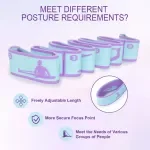
This guide uses the Numbered Loop Resistance Bands Set for Yoga, Pilates & Home Gym Workouts (#p-003574) as the product match because it fits the beginner use case: multiple resistance levels, simple loop design, low storage demand, and enough versatility for lower body, upper body, and core work.
The goal is not to copy a gym workout exactly. Bands train differently from dumbbells. They create more tension as they stretch, which means the hardest part of many exercises happens near the end of the movement. That can be useful for beginners because it encourages controlled reps, steady tempo, and cleaner movement.
You can get a real beginner workout from seven exercises:
- Banded glute bridge.
- Banded squat.
- Lateral band walk.
- Seated band row.
- Band pull-apart.
- Banded bicep curl.
- Banded Romanian deadlift.
Do them two or three times per week, keep the reps controlled, and increase tension only when form stays clean.
Before You Start: Safety Rules That Matter
Resistance bands look harmless, but they are still training equipment. A snapped band, bad anchor, or rushed rep can cause injury. The safety setup takes less than a minute and should happen before every session.
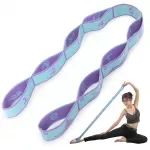
First, inspect the band. Look for cracks, cuts, thin spots, tears, sticky patches, or rough edges. If the band is damaged, do not use it and do not try to repair it. A band under tension can snap back quickly.
Second, clear the workout area. Move sharp table corners, pet toys, shoes, jewelry, and anything that could catch or cut the band. Bands should not rub against rough surfaces. Avoid using them on abrasive flooring, sharp furniture legs, or door edges unless the band is designed for that setup.
Third, control the release. Never let a stretched band snap back. Return slowly to the starting position on every rep. The lowering phase is part of the exercise, and it is also where beginners learn control.
Fourth, avoid pain. Muscle effort is normal. Sharp pain, joint pain, numbness, tingling, or pulling at an injury site is not something to push through. Stop, adjust, or choose a different exercise. People with medical conditions, recent injuries, pregnancy-related concerns, or balance limitations should check with a qualified health professional before starting a new exercise program.
Fifth, keep the first week easy. The first goal is not soreness. The first goal is learning the movement pattern. A band workout that leaves you unable to move the next day is not a better workout. It is usually a sign that the starting volume was too high.
How to Choose the Right Band Tension
The right band is the one that lets you finish the target reps with good form while still feeling challenged near the end.
Use this beginner rule: choose a band that makes reps 8 through 12 feel difficult, but not sloppy. If you cannot finish 8 clean reps, the band is too heavy. If you can do 20 reps without effort, the band is too light for that exercise.
Different exercises need different bands:
| Exercise Type | Typical Beginner Band | Why |
|---|---|---|
| Glute bridge | Medium | Large muscles can handle more tension |
| Squat | Light to medium | Form matters more than load at first |
| Lateral walk | Light to medium | Hip muscles fatigue quickly |
| Seated row | Light to medium | Upper-back control matters |
| Pull-apart | Light | Shoulders need clean range, not ego |
| Bicep curl | Light to medium | Easy to compensate with the back |
| Romanian deadlift | Medium to heavy | Hips and hamstrings can handle more |
Numbered bands are useful because you can write down the exact band used for each movement. That turns training into a trackable routine. For example: glute bridge with band 3, pull-apart with band 1, deadlift with band 4. The next week, you know what to repeat or progress.
Do not use the same band for every exercise just because it came out of the bag first. That is how beginners end up with squats that are too easy and shoulder exercises that are too hard.
Exercise 1: Banded Glute Bridge
Works: glutes, hamstrings, hips, core stability.
Setup: lie on your back with knees bent and feet flat on the floor. Place the loop band around both thighs, just above the knees. Keep feet about hip-width apart.
Movement: push through your heels, squeeze your glutes, and lift your hips until your body forms a straight line from shoulders to knees. Press your knees gently outward against the band. Hold for one second at the top, then lower slowly.
Beginner reps: 2 to 3 sets of 10 to 15 reps.
Common mistake: letting the knees collapse inward. The band is there to teach hip control. Keep light outward pressure the entire time.
Make it easier: use a lighter band or reduce the range of motion.
Make it harder: pause for three seconds at the top or move to a stronger band.
This is one of the best first band exercises because it teaches beginners what glute engagement feels like without requiring balance or complicated coordination.
Exercise 2: Banded Squat
Works: quads, glutes, hips, core.
Setup: place the band above your knees. Stand with feet about shoulder-width apart and toes slightly turned out.
Movement: sit your hips back as if lowering toward a chair. Keep your chest tall, knees tracking in the same direction as your toes, and feet flat. Stand by pushing through the floor and squeezing the glutes at the top.
Beginner reps: 2 to 3 sets of 8 to 12 reps.
Common mistake: chasing depth before control. A shallow, controlled squat is better than a deep squat with knees collapsing or heels lifting.
Make it easier: hold the back of a chair lightly for balance.
Make it harder: slow the lowering phase to three seconds or use a stronger band.
The band gives feedback. If your knees cave inward, you feel the band lose tension. That immediate feedback helps beginners learn alignment faster than bodyweight squats alone.
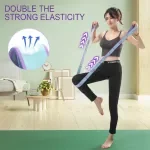
Exercise 3: Lateral Band Walk
Works: glute medius, hip stability, knee tracking.
Setup: place the band above the knees for the easiest version or around the ankles for a harder version. Bend slightly into an athletic stance.
Movement: step to the side with one foot, then bring the other foot in without letting the band go slack. Take 8 to 12 small steps in one direction, then return.
Beginner reps: 2 to 3 rounds each direction.
Common mistake: taking steps that are too large. Big steps usually make the torso sway and reduce control.
Make it easier: place the band above the knees and stand taller.
Make it harder: place the band lower, stay in a deeper squat, or slow each step.
This exercise is valuable because many beginners have weak side-hip control from sitting, walking straight forward, and avoiding lateral movement. Better hip control can make squats, stairs, and daily movement feel more stable.
Exercise 4: Seated Band Row
Works: upper back, lats, biceps, posture muscles.
Setup: sit on the floor with legs extended or slightly bent. Loop the band around the soles of your feet and hold both sides evenly. Sit tall.
Movement: pull your hands toward your lower ribs while squeezing your shoulder blades together. Keep elbows close to your sides. Pause briefly, then return slowly until arms are extended.
Beginner reps: 2 to 3 sets of 10 to 15 reps.
Common mistake: leaning backward to finish the pull. Keep your torso steady so the back muscles do the work.
Make it easier: bend the knees and use a lighter band.
Make it harder: sit taller, pause at the top, or shorten the band by gripping closer to the feet.
Rows are important in a home routine because daily life pushes many people into rounded shoulders: laptops, phones, driving, and couch posture. A simple row gives the upper back a job again.
Exercise 5: Band Pull-Apart
Works: upper back, rear shoulders, posture control.
Setup: hold the band in both hands at shoulder height, arms straight but not locked. Start with hands about shoulder-width apart.
Movement: pull the band apart by moving your hands away from each other. Keep shoulders down, ribs relaxed, and neck long. Stop when the band reaches the chest area or when you can no longer move cleanly. Return slowly.
Beginner reps: 2 sets of 8 to 12 reps.
Common mistake: shrugging the shoulders toward the ears. If that happens, use a lighter band or reduce the range.
Make it easier: hold the band wider so there is less tension.
Make it harder: hold the band narrower or pause for two seconds when fully opened.
This is a good light-band exercise. Many beginners try to go too heavy here. For shoulders, clean motion matters more than resistance.
Exercise 6: Banded Bicep Curl
Works: biceps, forearms, grip.
Setup: stand on the middle of the band with both feet or one foot. Hold the band ends with palms facing up. Keep elbows close to your sides.
Movement: curl your hands toward your shoulders without swinging your torso. Pause briefly, then lower for two or three seconds.
Beginner reps: 2 to 3 sets of 10 to 15 reps.
Common mistake: letting the elbows drift forward. Keep the upper arms mostly still.
Make it easier: stand on the band with one foot only or use a lighter band.
Make it harder: stand wider, use a stronger band, or slow the lowering phase.
Curls are simple, but they teach an important band habit: control the return. Do not let the band pull your hands down quickly.
Exercise 7: Banded Romanian Deadlift
Works: hamstrings, glutes, hips, lower-back control.
Setup: stand on the middle of the band with feet hip-width apart. Hold the band ends in front of your thighs. Keep knees slightly bent.
Movement: push hips back as if closing a car door with your backside. Keep your back flat and chest angled toward the floor. Stop when you feel a stretch in the hamstrings, then drive hips forward to stand tall.
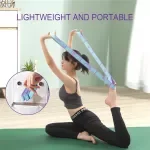
Beginner reps: 2 to 3 sets of 8 to 12 reps.
Common mistake: rounding the back instead of hinging at the hips. If your back rounds, reduce range and practice the hip hinge without the band first.
Make it easier: use a lighter band and shorter range.
Make it harder: use a stronger band, stand wider, or pause near the bottom.
The hinge pattern is useful beyond exercise. It teaches you how to bend to pick things up without turning every lift into a low-back movement.
The 25-Minute Beginner Living Room Workout
This routine fits a small room and uses only the band set.
Warm-up, 5 minutes:
- March in place for 60 seconds.
- Arm circles for 30 seconds each direction.
- Bodyweight squats for 10 reps.
- Easy glute bridges for 10 reps.
- Light band pull-aparts for 10 reps.
Main circuit, 2 to 3 rounds:
| Exercise | Reps |
|---|---|
| Banded glute bridge | 12 to 15 |
| Banded squat | 8 to 12 |
| Lateral band walk | 8 to 12 steps each way |
| Seated band row | 10 to 15 |
| Band pull-apart | 8 to 12 |
| Banded bicep curl | 10 to 15 |
| Banded Romanian deadlift | 8 to 12 |
Rest 30 to 60 seconds between exercises if needed. Beginners do not need to race through the workout. Clean reps matter more than speed.
Cool-down, 3 minutes:
- Slow breathing.
- Gentle hamstring stretch.
- Shoulder rolls.
- Hip flexor stretch.
Do this workout two or three times per week on non-consecutive days. A Monday-Wednesday-Friday schedule works well. If you are sore, start with two days per week.
How to Progress Without Buying New Gear
Progression is not only about heavier bands. A beginner can make the same band harder in several ways.
Add reps first. If you did 8 reps last week, aim for 10. If 10 feels clean, aim for 12.
Add sets second. Move from 2 sets to 3 sets before jumping to a harder band.
Slow the tempo. Lower for three seconds. Pause for one second. Move smoothly instead of bouncing.
Shorten the band. Holding the band closer or widening your stance increases tension.
Use a stronger numbered band. Move up only when you can complete the target reps without losing form.
Reduce rest carefully. Shorter rest can increase difficulty, but do not sacrifice technique.
A simple progression plan:
| Week | Goal |
|---|---|
| 1 | Learn the movements with light tension |
| 2 | Reach the top of the rep range on most exercises |
| 3 | Add one set to two or three exercises |
| 4 | Move one or two exercises to the next band |
This keeps progress steady without turning the workout into guesswork.
Common Beginner Mistakes
Using a band that is too heavy. If the band changes your form, it is too strong for that exercise.
Moving too fast. Fast reps often mean the band is doing the work on the way back. Slow down.
Skipping inspection. Bands wear out. Check them before use.
Training the same muscles every day. Strength training needs recovery. Two or three full-body sessions per week is enough for most beginners.
Ignoring the upper back. Many beginners only train glutes and legs with loop bands. Rows and pull-aparts balance the routine.
Letting bands snap back. Always control the return.
Anchoring carelessly. This guide avoids door anchors, but if you use one later, follow the manufacturer's instructions and test it carefully before loading the band.
The Product: Numbered Loop Resistance Bands Set
The Numbered Loop Resistance Bands Set for Yoga, Pilates & Home Gym Workouts (#p-003574, $18.49) fits the beginner routine because it removes several common barriers.
- Numbered resistance levels: easier to track progress than unlabeled bands.
- Loop design: works for glute bridges, squats, lateral walks, rows, pull-aparts, curls, and deadlift patterns.
- Small storage footprint: fits in a drawer, gym bag, or travel pouch.
- Low entry price: cheaper than dumbbells, machines, or a gym membership.
- Home-friendly: no rack, bench, or large floor setup required.
The best use is to assign each exercise a band number and record it. For example:
- Glute bridge: band 3.
- Squat: band 2.
- Lateral walk: band 1.
- Row: band 2.
- Pull-apart: band 1.
- Curl: band 2.
- Romanian deadlift: band 3.
That small note turns a cheap band set into a repeatable training system.
The honest limit: bands are not a full replacement for heavy loaded strength training if your goal is maximal strength, powerlifting, bodybuilding load progression, or advanced athletic performance. They are also not ideal if you refuse to train with control, because snapping and rushing reduce both safety and effectiveness. For beginners building a home workout habit, they are one of the best first tools.
When Resistance Bands Are the Wrong Choice
Resistance bands are versatile, but they are not always the best option.
Choose another tool or get coaching if you need heavy strength progression with precise loading. Dumbbells, barbells, machines, or cable systems may be better when exact load measurement matters.
Avoid band training without professional guidance if you have an injury that changes movement, an unstable joint, severe balance issues, or pain during basic bodyweight exercise.
Do not use old bands that have cracks or visible damage. A cheap replacement is better than a snapped band.
Do not choose bands if you know you will not control the return phase. Bands reward slow movement. They punish careless release.
This does not make bands a weak recommendation. It makes the use case clear. Bands are excellent for accessible home strength training, mobility-focused routines, travel workouts, warm-ups, and beginner habit building. They are less ideal when the goal requires heavy external load or professional rehab-level precision.
FAQ
Are resistance bands good for beginners?
Yes. Bands are beginner-friendly because they are low-cost, portable, adjustable, and usable in small spaces. The key is choosing the right tension and moving slowly enough to control every rep.
How often should beginners use resistance bands?
Most beginners can start with two or three full-body sessions per week on non-consecutive days. Recovery matters. If soreness is high, start with two sessions and build gradually.
How many reps should I do?
A practical beginner range is 8 to 15 reps per exercise. Choose a band that lets you finish the reps with clean form while feeling challenged near the end.
Can resistance bands build muscle?
Bands can help beginners build strength and muscle endurance when exercises are done consistently and progressed over time. For advanced strength goals, heavier equipment may eventually be needed.
Which band should I start with?
Start with the lightest band that creates real tension during the exercise. Use lighter bands for shoulders and pull-aparts, and stronger bands for glutes, squats, and deadlifts.
Are loop bands or tube bands better?
Loop bands are simple and effective for lower-body work, pull-aparts, rows, and travel workouts. Tube bands with handles can be useful for more cable-style exercises. Beginners can start with loop bands and add tube bands later if needed.
What should I do if a band hurts my knees or shoulders?
Stop the exercise and adjust. Use less tension, reduce range, or choose a different movement. Sharp pain is not a normal training signal.
How do I know when to move to a stronger band?
Move up when you can complete the top of the rep range with clean form for all sets. If form breaks immediately with the stronger band, return to the lighter one and progress more slowly.