Article
Why Microfiber Cloths Work: The Practical Science Behind Better Everyday Cleaning
Quick Answer
Why Microfiber Cloths Work: The Practical Science Behind Better Everyday Cleaning: quick answer
Microfiber cloths are often recommended for counters, glass, cars, electronics, mirrors, sinks, dusting, and spills. That can make the advice sound...
- Topic: Cleaning.
- Related product category: home-garden.
- This article uses one relevant product insertion and keeps the main answer in the article copy.
Microfiber Is Not Just A Softer Towel
Microfiber cloths are often recommended for counters, glass, cars, electronics, mirrors, sinks, dusting, and spills. That can make the advice sound lazy, as if every cleaning question ends with the same answer: "Use microfiber." But the reason microfiber keeps appearing in cleaning routines is not only trend or habit. It is because the material behaves differently from many ordinary cloths and disposable towels.
A normal cotton towel can absorb liquid and wipe surfaces. A paper towel can pick up a spill and be thrown away. A sponge can hold water and scrub. Microfiber overlaps with those tools, but it has its own advantage: it creates much more surface contact. The fibers are very fine, dense, and able to reach into small surface texture that a thicker fiber may miss. That helps the cloth lift dust, hold light soil, absorb liquid, and polish smoother finishes with fewer streaks.
The difference is most obvious on daily messes. A dry microfiber cloth can pick up dust from a shelf without requiring spray. A lightly damp microfiber cloth can wipe a counter without leaving it dripping wet. A clean dry microfiber cloth can finish a mirror or faucet with less lint than many paper towels. A microfiber kitchen towel can absorb sink splashes, dry dishes, and clean spills without falling apart after one use.
That does not mean microfiber is magic. It does not disinfect by itself. It does not make every cleaner unnecessary. It does not belong in every mess. It must be washed correctly. It can lose performance if coated with fabric softener or overloaded with detergent. It can scratch delicate surfaces if grit gets trapped in the cloth. Like any tool, it works best when the user understands what it is good at and where its limits are.
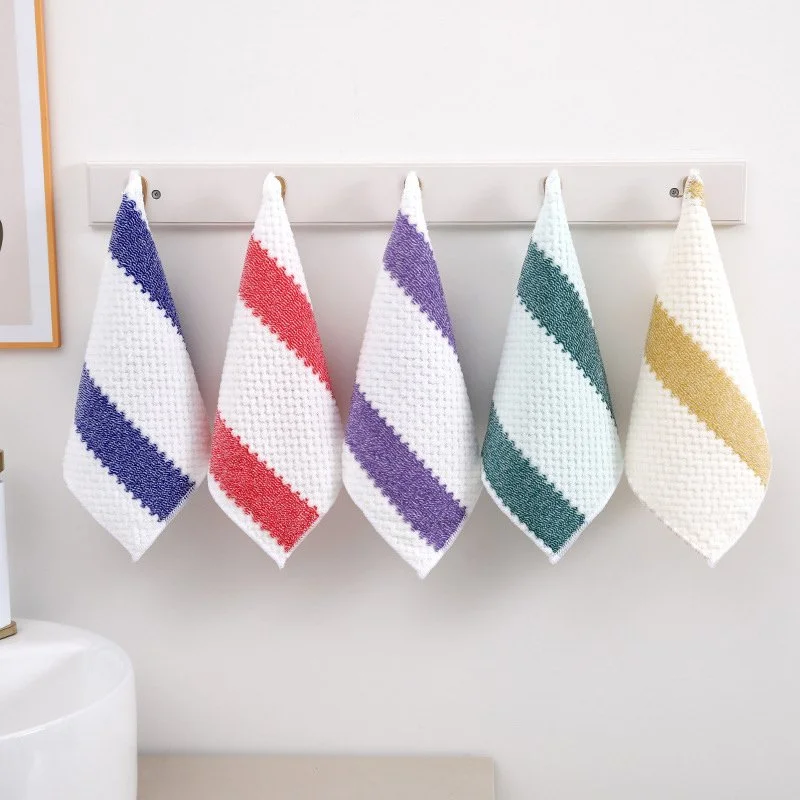
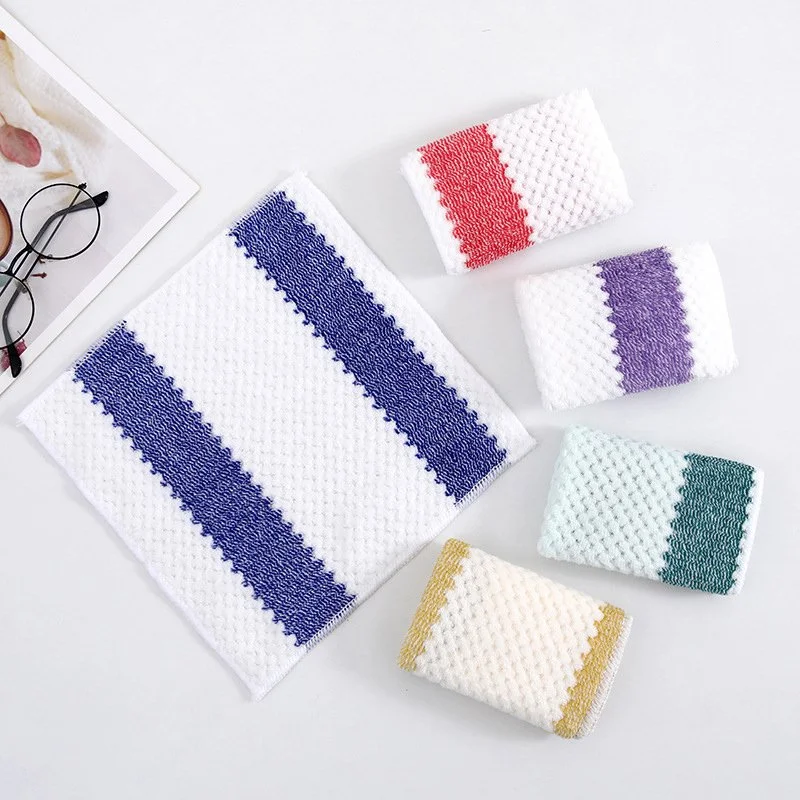
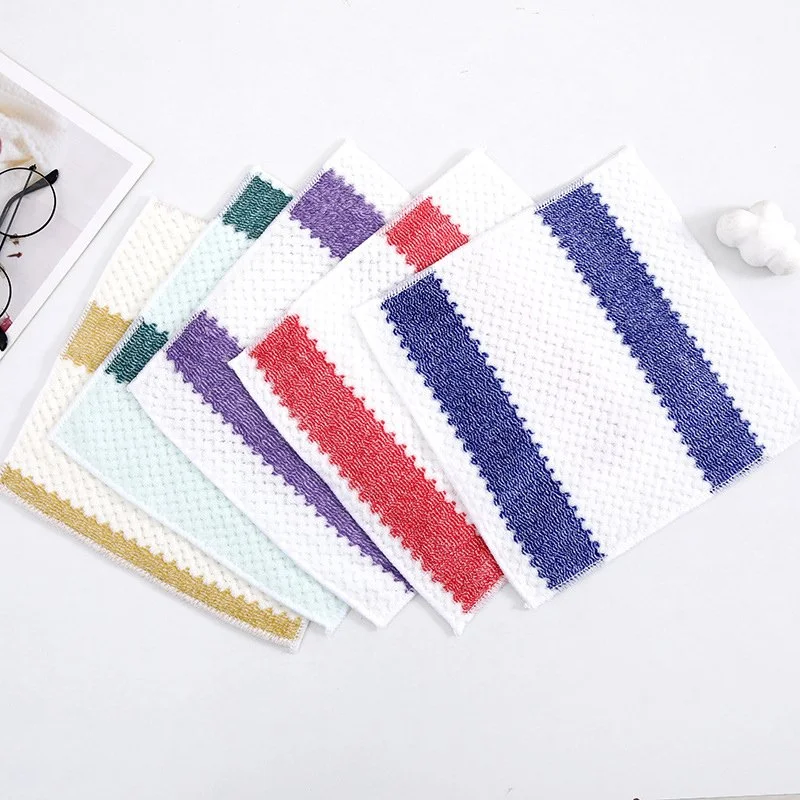
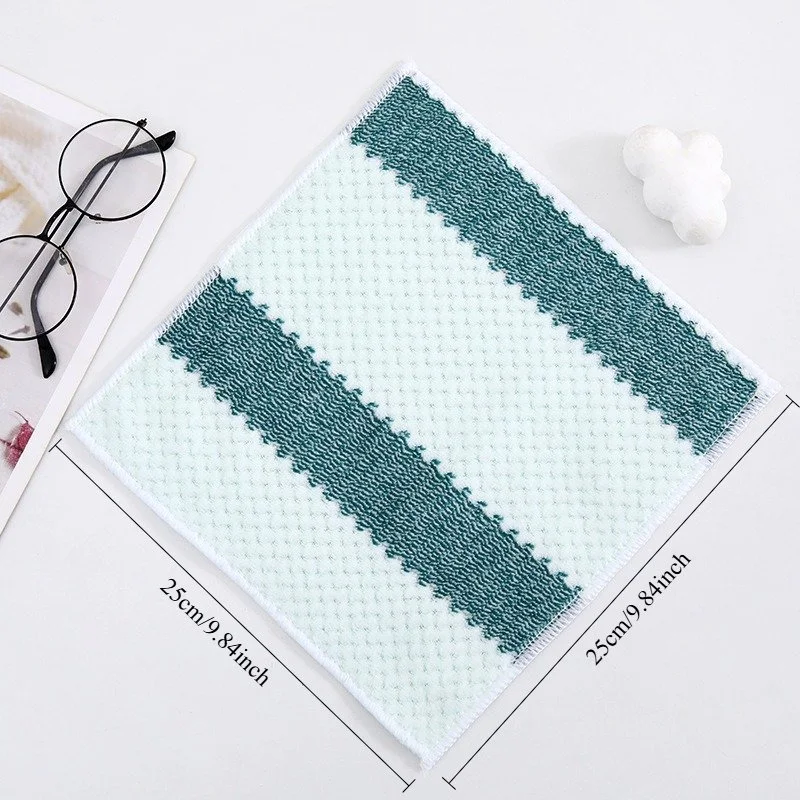
This article explains why microfiber works in practical household terms. The matched product is the Ultra-Absorbent Microfiber Kitchen Towels - 5 Pack Reusable Cleaning Cloths (#1795550), a reusable washable microfiber set intended for drying dishes, wiping countertops, cleaning spills, and general kitchen use. It fits this topic because the science only matters if it turns into a better daily routine.
What Microfiber Means
Microfiber refers to very fine synthetic fibers, commonly made from polyester, polyamide, or a blend. The exact construction varies by product, but the main idea is consistent: the fibers are much finer than those in many standard cloths. When many fine fibers are woven or knitted together, the cloth creates a dense cleaning surface with many contact points.
Those contact points matter because surfaces are not perfectly smooth. A countertop, faucet, cabinet door, glass table, phone screen, or stainless appliance can hold dust, oil, water spots, fingerprints, and food film in tiny irregularities. A thicker fiber may pass over some of that residue. A finer, denser cloth can make closer contact and lift more of it with less pressure.
Microfiber cloths are also designed to hold what they pick up. Dust and fine debris can become trapped in the fabric until the cloth is shaken, rinsed, or washed. This is why dry microfiber dusting often feels better than pushing dust around with a paper towel. The cloth can collect the dust instead of simply moving it from one side of the shelf to the other.
Absorbency is another advantage, but it depends on the cloth. Some microfiber towels are plush and designed for drying. Some are smooth and designed for glass or screens. Some are heavier utility cloths. Some are thin and cheap. A microfiber label alone does not guarantee the same performance for every job.
The #1795550 product is described as an ultra-absorbent microfiber kitchen towel set with a soft knit texture, reusable and washable construction, lightweight quick-drying use, and multi-purpose function. That description places it in the everyday kitchen cleaning category rather than a specialty glass-only or car-detailing-only category.
Why Fiber Size Changes Cleaning
Fiber size changes how a cloth touches a surface. Imagine trying to clean fine dust out of a shallow groove with a thick rope compared with a fine brush. The fine brush can reach more texture. Microfiber works on a similar principle at a much smaller scale.
The cloth does not need to be rough to be effective. In fact, one of microfiber's advantages is that it can clean many surfaces with softness rather than abrasion. It can lift dust and moisture because it has many fine fibers contacting the surface at once. That is different from scrubbing with a harsh pad.
This is why microfiber can be helpful on stainless steel, appliance fronts, mirrors, glass, and car interiors. The cloth can make broad contact without leaving as much lint as some disposable products. It can also be used lightly damp rather than soaking wet, which helps prevent streaking and water pooling around seams.
On the other hand, the fine structure can hold onto residue. That is useful when cleaning, but it means the cloth needs proper washing. If oils, detergent, lint, or fabric softener stay in the fibers, the cloth may smear. A microfiber cloth that once worked beautifully on glass can become frustrating if it is washed with fuzzy towels or dried with dryer sheets.
So the benefit and the maintenance requirement come from the same feature. Microfiber grabs and holds. That makes it effective, but it also means you must rinse and wash it well.
Dry Microfiber And Dust
Dry dusting is one of the easiest ways to see microfiber working. A dry microfiber cloth can pick up dust from shelves, TV stands, baseboards, cabinet fronts, window ledges, lamps, and dashboards without needing spray. This matters because spray can turn loose dust into a streaky film.
When dust is dry, it is easier to lift. If you wet it first, it can become gray residue, especially on dark furniture or glossy surfaces. That residue then needs more wiping. Dry microfiber avoids that by collecting loose particles before moisture enters the job.
Use a clean dry cloth and fold it into quarters. Wipe from high areas to low areas so anything that falls can be handled later. When one side of the cloth looks loaded, flip to a clean face. Do not keep wiping with the same dusty section until it starts dropping debris back onto surfaces.
This approach is useful before vacuuming. Dust shelves, baseboards, and furniture first. Then vacuum the floor. Cleaning in this order prevents you from vacuuming and then knocking fresh dust down afterward.
Paper towels can dust, but they often push dust, tear, or leave lint. Feather dusters can scatter dust into the air. A dry microfiber cloth is simple because it gives dust somewhere to go.
Damp Microfiber And Everyday Residue
A lightly damp microfiber cloth is one of the most useful tools in a kitchen. It can handle fingerprints, water rings, coffee drips, sink splashes, crumbs after the loose debris is removed, and light food film. The key word is lightly. Soaking wet cloths often cause more mess than they solve.
To prepare the cloth, wet it and wring it thoroughly. It should feel damp, not dripping. This lets the fibers loosen residue without flooding the surface. On counters, cabinet pulls, faucet handles, dining tables, appliance fronts, and sink edges, that control matters.
For sticky messes, give the moisture time to work. Hold the damp cloth on the spot for a moment, then wipe. If sugar, sauce, or dried food remains, rinse the cloth and repeat. For light grease, add a small amount of dish soap to the cloth, not a large amount to the entire counter. Too much soap can leave residue.
The #1795550 microfiber kitchen towels fit this daily use case because they are described as absorbent, washable, quick-drying, and suitable for countertops and spills. A five-pack is useful because the cloth used for sticky or greasy cleanup should not be the same one used later for polishing glass.
Damp microfiber is not a substitute for disinfecting when disinfection is required. If raw meat juices, pet mess, or illness-related cleanup is involved, use appropriate cleaning and disinfecting steps. Microfiber can be part of the wipe-up process, but water and cloth alone should not be oversold.
Wet Microfiber And Spills
Microfiber can absorb spills well, but technique still matters. Many people wipe spills immediately, which spreads the liquid. For water, tea, coffee, or light non-greasy spills, press the cloth onto the liquid first. Let the towel absorb. Then lift, refold, and wipe the remaining moisture.
For larger spills, use more than one cloth if needed. A saturated towel cannot absorb more liquid. If you keep wiping with it, you will push water around. This is why a set of several cloths is more useful than one favorite towel.
For sticky spills such as juice or soda, a first pass removes the liquid, but a second damp pass is usually needed to remove the sugar film. If the surface still feels tacky after drying, rinse the cloth and wipe again.
For oily spills, be careful. Microfiber can pick up oil, but oil can cling to the fibers and make washing harder. Use paper towels or another disposable option for the bulk of a heavy oil spill, then use microfiber with a small amount of dish soap for the finishing pass. This keeps your reusable cloths from becoming permanently greasy.
For raw-food liquids or pet accidents, do not force microfiber into the job. Disposable material may be more appropriate for the first pickup. A good cleaning system uses reusable cloths where they make sense and disposal where hygiene or practicality calls for it.
Why Microfiber Can Polish Better
Polishing is about removing the last thin film of moisture or residue. This is where microfiber often beats paper towels and cotton towels. A clean dry microfiber cloth can leave less lint and a more even finish on glass, mirrors, faucets, stainless steel, and glossy appliance fronts.
The two-cloth method is the easiest technique. Use one lightly damp microfiber cloth to clean. Use a second dry microfiber cloth to finish. The first cloth loosens fingerprints, soap film, and water spots. The second removes remaining moisture before it dries into streaks.
On mirrors, work from top to bottom with the dry cloth after cleaning. On stainless steel, wipe with the grain if visible. On faucets, pay attention to the base and handle areas because water collects there. On glass tables, use a clean cloth that has not handled grease.
If microfiber leaves streaks, the cloth may be dirty, overloaded with detergent residue, or previously used on oil. Wash it properly and reserve one cloth for glass and shine tasks. A dedicated finishing cloth often solves the problem.
The lesson is that microfiber polishing depends on cleanliness. The material helps, but a dirty cloth will not deliver a clean finish. Keep one towel from the set cleaner than the others if shiny surfaces matter in your home.
Why Microfiber Sometimes Smears
When microfiber disappoints, smearing is one of the most common complaints. The cloth wipes the surface, but instead of looking clean, the surface looks cloudy. This usually has a cause.
The first cause is too much moisture. A wet cloth can leave water behind. If that water contains soap, dust, or minerals, it dries as streaks. Use less water and follow with a dry cloth.
The second cause is detergent buildup. Too much laundry detergent can stay in the fibers. That residue transfers to glass, mirrors, counters, and stainless steel. Use a modest amount of detergent and rinse well.
The third cause is fabric softener or dryer sheets. These products are designed to coat fibers. That coating can reduce microfiber's ability to absorb and grab residue. If a cloth starts feeling slick or smearing after laundry, fabric softener may be part of the problem.
The fourth cause is oil. A cloth used for greasy stovetops or oily spills may later smear on glass. Keep greasy cloths separate from polishing cloths.
The fifth cause is using one cloth for too many jobs. A cloth that handled counters, sink water, soap, and a small food spill should not immediately be used on a mirror. Rotate cloths and fold them to expose clean faces.
Smearing is not proof that microfiber does not work. It is often proof that the cloth needs better washing, better job separation, or a drier technique.
Microfiber And Cleaning Products
Microfiber can reduce how much cleaning product you use for routine jobs, but it does not eliminate the need for cleaners. The right approach depends on the mess.
For dust, use microfiber dry. No spray needed. For light counter residue, use water first. For grease, add a small amount of dish soap. For bathroom residue, a suitable cleaner may be needed. For disinfecting, follow the label instructions of the disinfectant, including contact time. Wiping too soon can prevent a disinfectant from doing its job.
Avoid using harsh products casually with microfiber unless the product and surface call for them. Strong chemicals may affect the cloth over time, and they may be unnecessary for ordinary messes. Use the mildest effective method first.
Do not mix cleaning products on the cloth. If a microfiber towel was used with one cleaner, rinse it before using another. Some product combinations are unsafe, and residue can create streaks.
The #1795550 towels are described as reusable kitchen cleaning cloths. Their best role is not replacing all cleaning chemistry. Their best role is making everyday wiping more effective so heavy product use is not the default.
This distinction keeps the article honest. Microfiber is a better cleaning tool when matched to the right cleaner and task, not when treated like a chemical-free miracle for everything.
Microfiber vs Cotton
Cotton has strengths. It is absorbent, familiar, and useful for drying hands, dishes, and general household tasks. Many cotton towels are comfortable and durable. But for cleaning fine dust, polishing glass, and lifting light residue, microfiber often has an advantage because of its finer structure and closer surface contact.
Cotton towels can leave lint, especially when new or fluffy. They can also become heavy and wet during cleaning. A cotton dish towel may be excellent for drying hands but less satisfying on mirrors or stainless steel. It may push dust instead of holding it.
Microfiber is usually better when the job involves dust, shine, low-lint wiping, and controlled moisture. Cotton may be better when the job is general drying, high heat handling, or when a natural fiber is preferred for personal reasons.
The best home can use both. Use cotton towels for hand drying, dish drying if preferred, and general kitchen textile needs. Use microfiber for dusting, polishing, spill control, counter wiping, and surfaces where lint matters.
Do not turn the comparison into a moral choice. It is a tool choice. The right cloth is the one that fits the job and the washing routine.
Microfiber vs Paper Towels
Paper towels are useful because they are disposable. That makes them the right choice for certain messes: raw-food liquid, pet accidents, moldy residue, heavy grease, or anything you do not want in a laundry pile. They are convenient and sometimes more practical.
Microfiber is better for repeated safe jobs. Dusting, light spills, counters, mirrors, faucets, appliance fronts, glass tables, and car interiors are all places where a reusable cloth can perform well and reduce disposable use. It also holds together when wet instead of breaking down after a few wipes.
The mistake is using paper towels for every routine job or using microfiber for every risky job. Neither extreme is necessary. Use microfiber for ordinary repeatable cleaning. Use paper towels when disposal is the cleaner choice.
This approach is easier to maintain because it does not ask the household to become perfect. It simply moves the most common low-risk tasks to reusable cloths.
The #1795550 five-pack supports this shift because it gives several towels for rotation. If one cloth is wet, another is clean. If one handled a messy spill, another can be used for drying. A single cloth is rarely enough for a full routine.
Microfiber vs Sponges
Sponges are useful for dishwashing and scrubbing, but they stay wet easily. They can be good for soap and pressure, especially on plates, bowls, and cookware. They are less ideal for polishing, dusting, or wiping large smooth surfaces.
Microfiber cloths dry faster when hung or spread out, depending on construction. They cover larger areas comfortably and can be folded into clean sections. They are often easier to wash than a sponge because they can go into laundry. But they are not a direct replacement for every sponge task.
Use sponges for dishwashing when you need suds and scrubbing. Use microfiber for counters, sink edges, drying, and finishing. For greasy pans or stuck food, a sponge or brush may be better. For water spots on a faucet after washing, microfiber is better.
The two tools work well together. Wash dishes with a sponge or brush. Wipe the counter and faucet with microfiber. Rinse and squeeze the sponge. Hang the cloth to dry or put it in the laundry if dirty. That system keeps each tool in its strongest lane.
Job Separation Matters
Microfiber works best when cloths have assigned jobs. Without job separation, the cloth that cleaned a greasy stovetop may later be used on a mirror. The cloth that wiped the bathroom sink may end up on the kitchen counter. The cloth that touched outdoor dirt may be used on a screen. That is how a useful tool becomes a problem.
A simple system is enough. Keep one cloth for kitchen counters. Keep one for spills and sink work. Keep one for glass or polishing. Keep one for dusting. Keep one as backup or laundry rotation. If bathroom cloths are used, store them separately from kitchen cloths.
Color coding helps, but it is not required. If all cloths are the same color, use different storage locations, labels, or folded stacks. The point is to avoid cross-use.
The #1795550 product comes as a five-piece set, which fits a basic job system. A five-pack is not excessive. It gives enough cloths to separate tasks without creating a confusing pile.
When cloths are assigned, cleaning becomes faster because nobody has to wonder what the towel touched last. The tool is ready for the job.
Washing Microfiber Correctly
Washing is the part that protects microfiber performance. Use a mild detergent and avoid overloading the wash with too much soap. Wash microfiber separately from lint-heavy items like fluffy cotton towels, fleece, and blankets. Lint can cling to the cloth and later transfer to glass or counters.
Skip fabric softener and dryer sheets. They can coat the fibers and reduce absorbency. If the cloth has handled grease, rinse it with dish soap before laundry or wash it separately from your best polishing cloths. If it handled bathroom mess, keep it out of the kitchen rotation and wash appropriately.
Use cool or warm water unless the product care label says otherwise. Dry on low heat or air dry. Avoid high heat if the care instructions warn against it. Store cloths only when fully dry.
If a cloth smells even after washing, it may have been left damp too long, overloaded with residue, or washed poorly. Rewash it and let it dry fully. If it still performs badly, downgrade it to rough utility use.
Good washing turns microfiber into a long-term cleaning tool. Poor washing turns it into a smearing rag.
When Microfiber Is The Wrong Tool
Microfiber should not be used for everything. It is not the best first choice for raw meat juice, pet accidents, toilet-area contamination, heavy oil spills, wet paint, solvents, ash, outdoor grit, or anything with sharp debris. Those messes can contaminate, stain, load, or damage the cloth.
It is also not the right tool for every surface. Rough concrete, rusty metal, splintered wood, and heavily gritty outdoor items can trap particles in the cloth. Once grit is embedded, that cloth should not touch delicate surfaces again.
For disinfecting, microfiber can wipe, but it does not replace the disinfectant process. If a product label requires the surface to stay wet for a certain time, follow that instruction. A quick wipe with microfiber is cleaning, not necessarily disinfecting.
For screens, lenses, and delicate finishes, use only a clean cloth reserved for that purpose. A microfiber towel is not safe if it contains sand, crumbs, metal dust, or dried cleaner.
Knowing when not to use microfiber makes the recommendation stronger. It keeps the tool in the jobs where it truly helps.
A Practical Daily Routine
A simple routine can make microfiber useful without turning cleaning into a project.
In the morning or after meals, use a lightly damp microfiber cloth for kitchen counters and table surfaces. Brush away crumbs first. Wipe with the damp cloth. If the surface is wet, dry with a second cloth or let it air dry if appropriate.
During the day, use a designated spill cloth for water and light drink spills. Press first, then wipe. Rinse if the spill was sticky. Hang the cloth to dry or move it to laundry if dirty.
For dusting, use a dry cloth once or twice a week. Work from high surfaces to low surfaces. Keep that cloth dry unless it becomes part of another job.
For glass and faucets, use the two-cloth method. Damp clean, then dry finish. Keep one clean towel for this if streaks bother you.
At laundry time, wash microfiber separately, skip fabric softener, dry gently, and return each cloth to its assigned place. The routine is small, but it keeps the cloths working.
Where The Matched Product Fits
The Ultra-Absorbent Microfiber Kitchen Towels - 5 Pack Reusable Cleaning Cloths (#1795550) fits best as an everyday kitchen and light household cleaning set. Its product details describe microfiber material, soft knit texture, reusable and washable construction, lightweight quick-drying use, and multi-purpose function for drying dishes, wiping countertops, and cleaning spills.
The five-piece set is useful because microfiber performs better when cloths are rotated by job. One towel can handle counters. One can handle spills. One can be kept cleaner for drying and finishing. One can be used dry for dusting. One can stay in reserve or laundry rotation. That is a realistic system for a household that wants reusable cleaning without a large storage setup.
The product should not be described as a cure-all. It is not a disinfectant, not a substitute for every cleaner, and not the right first tool for every mess. Its value is in repeated low-risk cleaning tasks where absorbency, softness, washability, and quick drying matter.
For readers who are trying microfiber for the first time, #1795550 gives a simple entry point. The best way to judge microfiber is not by reading a claim. It is by assigning a few towels to real jobs and noticing which disposable towels, cotton rags, or sponges they replace naturally.
Final Recommendation
Microfiber works because fine, dense fibers create better surface contact, hold dust and light residue, absorb everyday spills, and polish smooth surfaces with less lint when the cloth is clean. It is especially useful dry for dusting, lightly damp for counters and daily residue, and clean and dry for finishing glass, faucets, and stainless steel.
The limits matter too. Microfiber must be washed correctly. It should be separated by job. It should not be treated with fabric softener. It should not be used as the first tool for risky biological messes, heavy oil, or gritty outdoor debris. It does not replace disinfecting when disinfecting is needed.
For this article, the best matched product is the Ultra-Absorbent Microfiber Kitchen Towels - 5 Pack Reusable Cleaning Cloths (#1795550). It supports the topic because it turns the science into a practical household system: several reusable towels, each assigned to a normal job, washed properly, and used often.
The best reason to use microfiber is not that it sounds advanced. It is that it lowers everyday cleaning friction. A good cloth is easy to grab, works with little water, handles repeated messes, and returns to the drawer after washing. That is what makes microfiber useful in a real kitchen, not just in a cleaning explanation.