Article
Beginner's Guide To Home Cleaning: Build A Simple Routine Before You Buy Too Much
Quick Answer
Beginner's Guide To Home Cleaning: Build A Simple Routine Before You Buy Too Much: quick answer
Learning how to clean a home can feel more confusing than it should. The cleaning aisle makes it look like every room needs a different spray, every...
- Topic: Cleaning.
- Related product category: home-garden.
- This article uses one relevant product insertion and keeps the main answer in the article copy.
Start With A System, Not A Closet Full Of Products
Learning how to clean a home can feel more confusing than it should. The cleaning aisle makes it look like every room needs a different spray, every surface needs a special cloth, and every problem needs a new gadget. A beginner can easily buy too much, store it badly, use half of it once, and still feel like the home is never fully clean.
The better approach is to build a small system first. A cleaning system answers a few practical questions: what gets cleaned daily, what gets cleaned weekly, which tools are used most often, where clean tools live, where dirty tools go, and which jobs need disposable materials or stronger products. Once those questions are clear, buying supplies becomes easier because each product has a job.
Most beginners do not need a complicated cleaning cart. They need reliable basics: reusable cloths, a vacuum or broom for floors, one or two suitable cleaners, a toilet setup, trash bags, gloves, and a simple laundry or reset habit. The goal is not to own every cleaning product. The goal is to remove the daily mess before it becomes a weekend rescue project.
This guide focuses on building that foundation. It is written for someone maintaining a first apartment, a new house, a shared rental, a dorm-style living space, or a home that has been cleaned randomly without a clear routine. It does not assume you have a large budget, a storage closet, or hours each week.
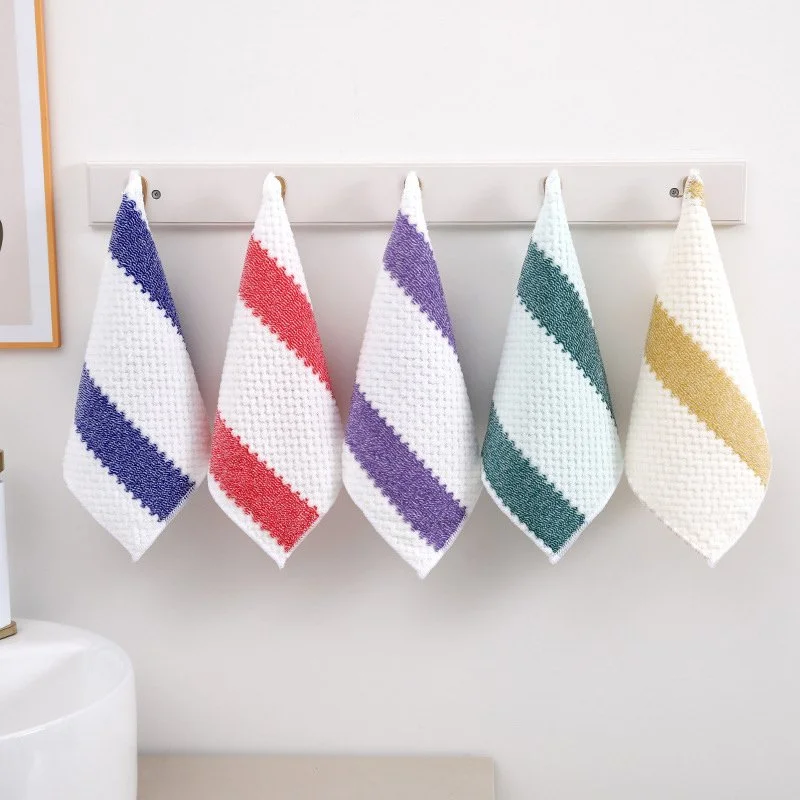
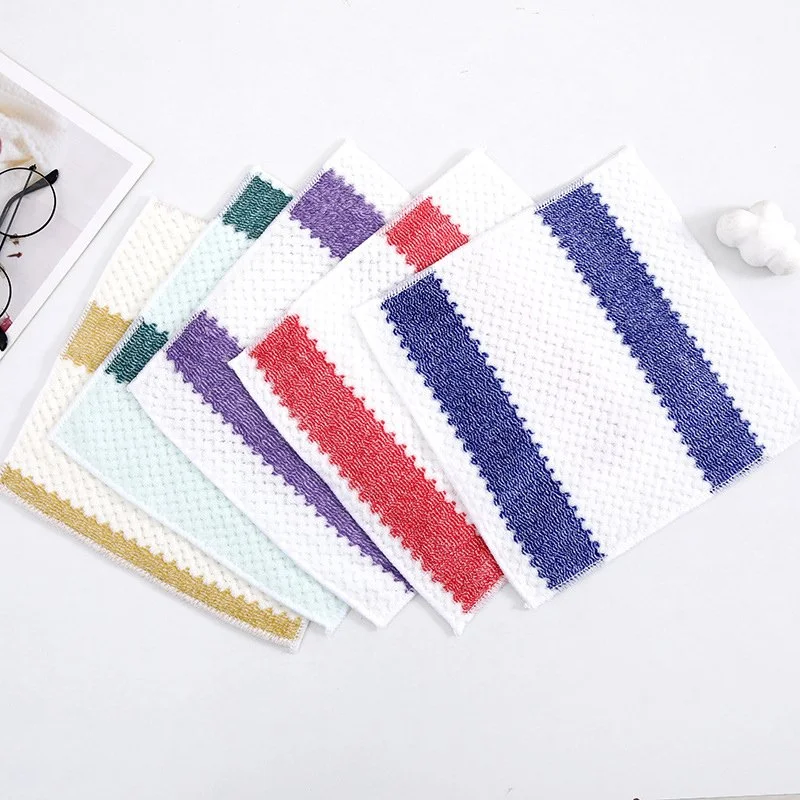
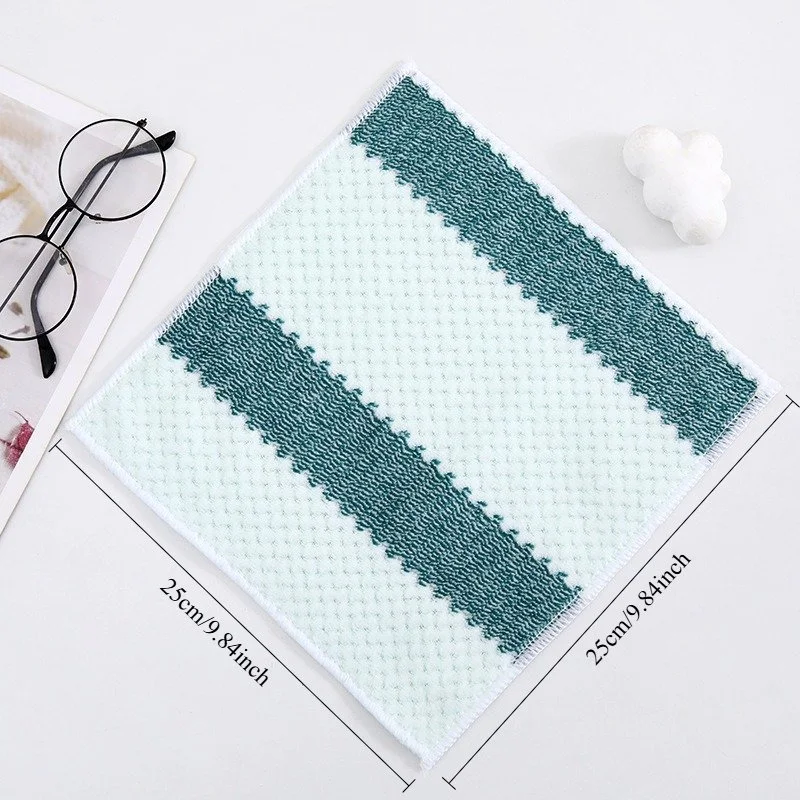
The matched product for this article is the Ultra-Absorbent Microfiber Kitchen Towels - 5 Pack Reusable Cleaning Cloths (#1795550). It fits because reusable microfiber cloths are one of the most useful beginner tools: they can wipe counters, handle safe spills, dry sink areas, dust surfaces, and reduce how often disposable towels are used for ordinary messes. A five-pack is enough to start a simple rotation without creating a confusing pile.
The Beginner Rule: Clean What You Touch Most
Beginners often start with deep cleaning because deep cleaning feels more serious. They scrub the oven, organize a closet, or buy special products for baseboards while the sink, counters, floors, and bathroom mirror keep getting dirty every day. That is backward.
Start with the areas you touch most: kitchen counters, sink, faucet handles, dining table, bathroom sink, toilet, floors near entrances, trash areas, and high-touch surfaces such as switches and handles. These areas affect how clean the home feels more than a perfectly detailed storage closet.
Daily mess is usually small. Crumbs on the counter. Toothpaste near the sink. Water around the faucet. Hair on the bathroom floor. Dust near the entry. Cups beside the sofa. Trash that did not make it to the bin. If these small messes are handled regularly, the home feels manageable. If they are ignored, every room starts to feel chaotic.
This is why microfiber cloths are useful for beginners. A clean damp cloth can reset a counter or sink edge in less than a minute. A dry cloth can remove dust from a shelf. A fresh cloth can handle a small spill before it spreads. The tool is simple, visible, and reusable.
Do not begin by trying to clean everything perfectly. Begin by cleaning the areas that give you the biggest visible improvement with the least effort. Once those stay under control, add deeper tasks.
The First Cleaning Kit Should Be Small
A beginner cleaning kit should not be a collection of every product recommended online. It should be a working kit that you can understand at a glance.
Start with reusable cloths, a floor tool, a toilet brush and toilet cleaner, a dish soap or mild cleaner for routine kitchen jobs, gloves, trash bags, and a place for dirty cloths. Depending on your home, you may also need a bathroom cleaner, glass cleaner, scrub brush, mop, or disinfectant. But do not buy specialty products until you know what problem they solve.
The most common beginner mistake is buying duplicates. Three bathroom sprays, four sponges, two glass cleaners, scented wipes, disposable dusters, and a random scrubber set do not create a routine. They create storage clutter. When there are too many choices, cleaning takes longer because you are deciding instead of doing.
Keep the kit easy to reach. Kitchen tools should be near the kitchen. Bathroom tools should be near the bathroom if safe and practical. Backup supplies should not crowd the counter. Dirty cloths should have a laundry place so they do not end up damp in the sink.
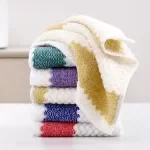
The #1795550 microfiber set works well as part of this small kit because five cloths can cover the most common light jobs. One for kitchen counters. One for spills. One for drying or polishing. One for dry dusting. One spare or laundry rotation cloth. That is enough structure for a beginner.
Learn The Difference Between Cleaning And Disinfecting
One reason beginners get overwhelmed is that cleaning advice mixes different goals. Cleaning removes visible dirt, dust, grease, crumbs, and residue. Disinfecting targets germs on a surface when a disinfectant is used correctly. Sanitizing, degreasing, descaling, deodorizing, and polishing are also different tasks.
For normal daily maintenance, cleaning is often the main goal. Wipe crumbs, remove spills, clean sink residue, vacuum debris, and keep trash moving. A microfiber cloth with water or mild soap can handle many of these jobs.
Disinfecting is needed in specific situations: raw meat prep areas, illness cleanup, certain bathroom tasks, pet accidents, and surfaces where a disinfectant is appropriate. In those cases, follow the product label. Many disinfectants need the surface to stay wet for a certain period. Spraying and immediately wiping may not achieve the intended result.
This distinction prevents overuse of harsh products. You do not need to disinfect every dusty shelf. You do not need strong cleaner for a water ring. You do need more than a casual wipe for raw-food juices. Match the method to the mess.
Microfiber is a cleaning tool. It can help remove soil and residue, but it should not be described as a disinfectant by itself. Beginners should understand that cloth choice, cleaner choice, contact time, and surface type all matter.
Build A Cloth System Early
Reusable cloths can make cleaning easier, but only if they are organized. A random pile of cloths creates problems: nobody knows which cloth touched the bathroom, which handled grease, or which is clean enough for glass.
Start with simple job separation. Keep one cloth for kitchen counters and table surfaces. Keep one for spills and sink moisture. Keep one cleaner cloth for mirrors, faucets, or polishing. Keep one dry cloth for dusting. Keep one backup. If you also use cloths in the bathroom, store them separately from kitchen cloths.
You can separate cloths by color, location, label, or habit. If all cloths look the same, put them in different bins or drawers. The system does not need to be pretty. It needs to prevent the wrong cloth from being used on the wrong surface.
Dirty cloth storage matters. Do not leave damp microfiber balled up on the counter or under the sink. Rinse it if needed, wring it, and hang it to dry before laundry, or place it in a breathable laundry bag if your setup allows. Damp closed storage creates odor.
Wash microfiber separately from lint-heavy towels and skip fabric softener. Too much detergent, dryer sheets, or fuzzy laundry can make microfiber smear or leave lint. A beginner who learns this early will get better results from the cloths and avoid thinking the material is bad.
Kitchen Cleaning For Beginners
The kitchen is the best room to simplify first because it gets dirty every day. Focus on a small repeatable reset rather than a dramatic deep clean.
After cooking or eating, clear dishes, throw away food packaging, move leftovers into storage, and wipe the main counter area. Brush crumbs away before using a damp cloth. Then wipe with a lightly damp microfiber cloth. If the counter is greasy, use a small amount of dish soap or a suitable cleaner. Rinse the cloth and wipe again if the surface feels sticky.
Pay attention to the sink. Food bits, soap residue, water spots, and damp sponges make the kitchen feel dirtier than it is. Rinse the sink after dishes, wipe the faucet area, and leave the sponge or brush where it can dry. A dry or mostly dry sink edge makes a visible difference.
Do not store every kitchen cleaner around the faucet. Keep active tools visible only if they are used daily. Backup supplies belong under the sink or in a cabinet. Counter space is for working, not storing half-used bottles.
Use paper towels or disposable material for raw meat juices, heavy oil, or messes you do not want in cloth laundry. Use microfiber for the everyday safe tasks: crumbs after brushing, water, coffee drips, dish drying, sink splashes, and light food residue.
The beginner kitchen routine should take minutes, not an hour. Clear, wipe, rinse, dry, and reset the tools.
Bathroom Cleaning For Beginners
Bathrooms become overwhelming when people wait until they look obviously dirty. A small routine prevents that.
Start with the sink and mirror. A damp microfiber cloth can remove toothpaste, water spots, and light residue from the counter and faucet. A clean dry cloth can finish the mirror or faucet if streaks bother you. Keep bathroom cloths separate from kitchen cloths.
Clean the toilet on a schedule, not only when it looks bad. A toilet brush and toilet cleaner are basic tools because this is one area where improvising is not helpful. Follow the cleaner instructions and keep the brush stored in a way that allows drying.
The shower or tub does not need to become a weekly disaster. Rinse soap residue when possible, let air circulate, and handle buildup before it hardens. If you have glass doors, a quick wipe or squeegee habit can reduce water marks. If you have a curtain, keep it spread out after showers so it dries.
Bathroom floors collect hair, lint, and dust. Vacuum, sweep, or use an appropriate floor tool regularly. Do not let hair collect until mopping becomes unpleasant.
Use disposable materials for high-contamination messes if that is safer and easier for your household. Reusable cloths are useful for mirrors and counters, but they do not need to handle every bathroom task.
Floor Cleaning For Beginners
Floors seem simple, but beginners often use the wrong order. Pick up objects first. Dust higher surfaces if needed. Then vacuum or sweep. Mop only after loose debris is removed.
If you mop before removing dust and crumbs, you create muddy streaks. If you vacuum before dusting, some dust falls onto the floor afterward. Cleaning high to low saves effort.
Choose the floor tool based on your home. Hard floors may need a broom, vacuum, or microfiber mop. Carpets need a vacuum. Rugs may need slower passes and direction changes. Entry mats need more attention because they collect grit from shoes.
Do not over-wet floors. Many floor types can be damaged by too much water or cleaner. Use the cleaner recommended for the surface and follow dilution instructions if relevant. More product does not mean cleaner floors. It can leave residue that attracts more dirt.
For beginners, the most important floor habit is frequency. A quick vacuum or sweep of high-traffic areas can be more useful than waiting two weeks for a perfect full-home floor day. Entryway, kitchen, bathroom, and dining areas usually need attention first.
Dusting For Beginners
Dusting is often ignored because it feels less urgent than dishes or floors. But dust affects how clean a home feels. It collects on shelves, electronics, window ledges, baseboards, lamps, frames, and furniture.
Use a dry microfiber cloth for routine dusting. Start high and move low. Fold the cloth so you can switch to a clean side as dust builds up. Do not spray every surface automatically. Many dusty surfaces clean better dry first.
For electronics, use a clean cloth reserved for delicate surfaces. Do not use a kitchen cloth that may contain crumbs or grease on a screen. For blinds, vents, and textured items, a brush attachment or duster may help.
Dust before vacuuming. This order lets loose dust fall before the floor is cleaned. If you vacuum first and dust second, you may need to vacuum again.
Beginners do not need to dust every object every week. Start with visible surfaces and high-dust areas: TV stand, bedroom surfaces, entry table, shelves near windows, and baseboards in main rooms. Rotate less visible areas later.
Laundry And Cleaning Cloths
Cleaning creates laundry. If that part is not planned, reusable tools become inconvenient.
Keep cleaning cloths separate from bath towels and clothing when possible. Microfiber can pick up lint from fluffy textiles, and bathroom or greasy cloths should not mix casually with everything else. Use a small bin, mesh bag, or assigned laundry area for used cleaning cloths.
Let wet cloths dry before they sit in a closed bin. If a cloth handled grease, rinse it with dish soap first. If it handled bathroom mess, keep it separate from kitchen cloths. If a cloth smells after washing, it may need better rinsing, more drying time, or retirement to rough work.
Do not use fabric softener on microfiber. It can coat the fibers and reduce absorbency. Use a modest amount of detergent. Dry gently or air dry according to care instructions.
This may sound like extra work, but it is a small routine. Once cloths have a place to go and a washing rule, they become easier than constantly reaching for disposable towels.
The Beginner Weekly Routine
A beginner routine should be realistic. If it requires deep cleaning every night, it will fail. Use short sessions.
Daily, do a small kitchen reset: clear dishes, wipe counters, rinse the sink, and take out trash if needed. Also reset visible clutter in the main living area. This does not mean organizing everything. It means returning obvious items to their homes.
Two or three times a week, vacuum or sweep high-traffic floors. Focus on kitchen, entry, bathroom, and main walkways. If you have pets, you may need more frequent quick passes.
Once a week, clean the bathroom sink, mirror, toilet, and floor. Wipe shower or tub surfaces if needed. Replace towels and check trash.
Once a week, dust visible surfaces and then vacuum. Do not try to dust every corner at first. Build consistency before detail.
Once a week, wash cleaning cloths and restock basics. Refill soap, check trash bags, replace old sponges if needed, and make sure tools are back in their places.
This routine can be adjusted, but the structure matters: daily reset, floor maintenance, bathroom maintenance, dusting, cloth laundry, and restocking.
Room-By-Room Starter Plan
In the kitchen, start with dish soap, microfiber cloths, sponge or brush, trash bags, and a safe cleaner for your counter type. Add specialty tools only when a recurring problem appears.
In the bathroom, start with toilet cleaner, toilet brush, bathroom-safe cleaner, microfiber cloths kept separate from kitchen cloths, gloves, and trash bags. If you have glass shower doors, add a squeegee or dedicated cloth later.
In the bedroom, focus on laundry, trash, dust, and floors. You usually do not need many cleaning products there. A dry microfiber cloth and vacuum or broom cover most needs.
In the living room, focus on dust, floors, upholstery crumbs, and clutter. A vacuum attachment and dry microfiber cloth are more useful than multiple sprays.
At the entry, focus on dirt prevention. A mat, shoe habit, broom, vacuum, or quick floor routine can reduce how much grit reaches the rest of the home.
This room-by-room view prevents overbuying. Each space gets what it actually needs.
Common Beginner Mistakes
The first mistake is buying too many products before building habits. Supplies cannot replace a routine.
The second mistake is cleaning only when the home looks bad. Small regular resets are easier than occasional rescue cleaning.
The third mistake is using too much cleaner. Extra product can leave residue, damage surfaces, or make rinsing harder. Follow instructions.
The fourth mistake is mixing cloths without a system. Kitchen, bathroom, grease, and glass tasks should not all share the same random towel.
The fifth mistake is mopping before removing loose dirt. Sweep or vacuum first.
The sixth mistake is ignoring storage. If tools are hard to find, cleaning becomes harder to start.
The seventh mistake is expecting motivation to appear. Design the routine so it is easy when you are tired: visible cloths, reachable vacuum, clear trash bags, and a short daily reset.
What To Buy Later
Once the basics are working, add tools based on real problems. If pet hair collects on upholstery, consider a specific vacuum attachment or pet hair tool. If hard water stains appear, add a cleaner appropriate for mineral buildup. If grout becomes a problem, add a grout brush. If floors need more than sweeping, add the right mop for the floor type.
Do not buy advanced tools because they look useful online. Buy them when you can name the job, surface, and frequency. A tool used weekly may be worth storing. A tool used once a year may not be.
Also avoid buying duplicates because the current system is disorganized. If you cannot find cloths, create a cloth drawer. If the cleaner is always missing, assign it a home. If the vacuum is dead, fix charging storage. Organization often solves the problem better than another purchase.
Beginners should let the home teach them what is needed. Clean for a few weeks with the basics. Notice the recurring friction. Then buy only what removes that friction.
How To Store The Cleaning Kit So You Actually Use It
Storage decides whether a beginner routine survives. If the cloths are in one room, the cleaner is in another, the gloves are under a pile of bags, and the vacuum is uncharged, cleaning feels harder than it is. The goal is to make the first step obvious.
Keep kitchen cleaning tools near the kitchen. A small drawer, under-sink bin, or shelf can hold microfiber cloths, dish soap, gloves, and backup sponges. Do not crowd the counter with supplies that are not used daily. The counter should stay usable; the storage should stay reachable.
Keep bathroom tools separate. A bathroom cloth should not migrate into the kitchen. If storage space allows, keep toilet cleaner, brush, gloves, and bathroom cloths in or near the bathroom. If you must store all cleaning products in one central location, use separate bins or labels so the categories stay clear.
Store floor tools where the mess starts. If the entryway collects grit, a broom or cordless vacuum should be easy to reach. If the vacuum is hidden behind boxes, quick floor cleaning will not happen. If it is cordless, return it to its charging spot after every use.
Dirty-tool storage matters as much as clean storage. Used microfiber cloths need a place to go. Trash bags need a clear refill location. Gloves need to dry. A sponge needs airflow. When the after-cleaning step is planned, the next cleaning session starts with ready tools instead of stale ones.
Good storage is not about making a perfect cabinet. It is about reducing hesitation. A beginner should be able to see the mess, grab the right tool, clean it, and put the tool back without searching.
What To Do When The Whole Home Feels Overwhelming
Beginners often fall behind, then feel stuck because every room needs attention. When that happens, do not start with the hardest job. Start with the reset that makes the home functional again.
First, collect trash. Walk through the home with a bag and remove obvious garbage from counters, tables, floors, bathroom surfaces, and the entry. This creates immediate visual progress.
Second, collect dishes and food items. Move cups, plates, wrappers, and containers back to the kitchen. Do not deep clean the kitchen yet. Just gather the food-related clutter into one place.
Third, clear one working surface. Choose the kitchen counter, bathroom sink, or dining table. Wipe it with a clean microfiber cloth. A single clean surface gives you a place to continue.
Fourth, handle the floor in the main walkway. Vacuum or sweep the path from entry to kitchen to bathroom. You do not need to clean every corner. Make movement through the home feel better.
Fifth, stop before you burn out. A beginner routine should build confidence, not create a cycle of exhausting rescue cleans. Once the home is functional, return to the weekly routine.
This low-energy reset is important because real homes are not always maintained perfectly. A good cleaning system includes a way back when things slip.
Where The Matched Product Fits
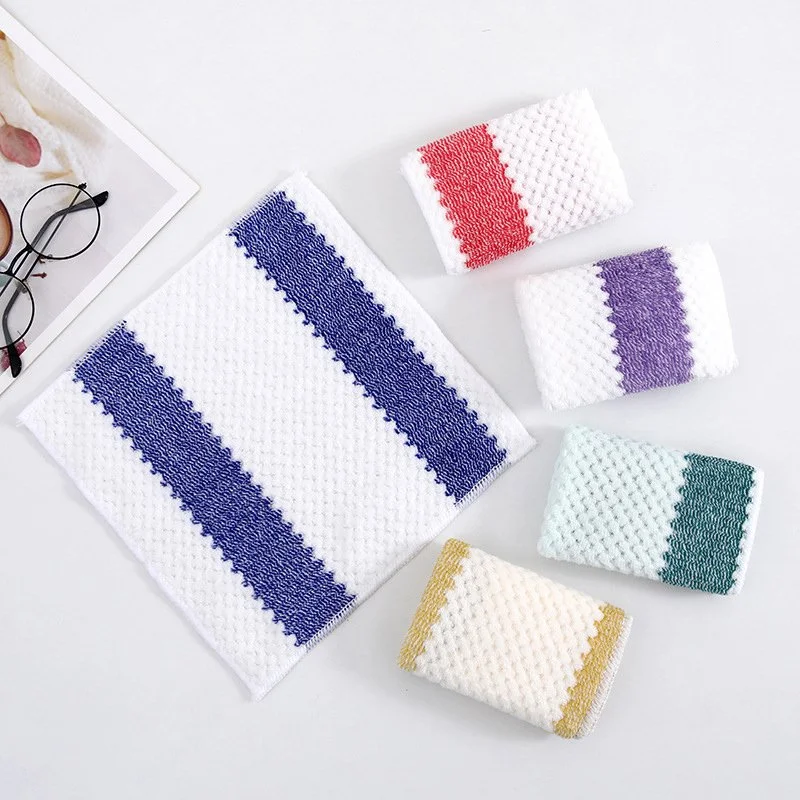
The Ultra-Absorbent Microfiber Kitchen Towels - 5 Pack Reusable Cleaning Cloths (#1795550) fits best as a beginner's first reusable cleaning cloth set. The product details describe microfiber material, soft knit texture, reusable and washable construction, lightweight quick-drying use, and everyday jobs such as drying dishes, wiping countertops, and cleaning spills.
The five-piece count works well for a beginner because it supports simple job separation. One cloth can handle kitchen counters. One can handle safe spills. One can dry sink areas or dishes. One can stay dry for dusting. One can remain clean as backup or rotate through laundry. That is a practical system without requiring a large cloth collection.
The product should not be positioned as the only cleaning tool a beginner needs. It does not replace a vacuum, toilet brush, trash bags, gloves, or appropriate cleaners. Its value is that it makes the most frequent light cleaning tasks easier and more repeatable.
For a beginner, that matters. The tool you use every day is more important than the specialty tool you store for rare jobs. A simple microfiber set can help build the habit of wiping small messes immediately instead of waiting for them to become bigger jobs.
Final Recommendation
If you are new to home cleaning, start small. Build a routine around the areas you touch most: kitchen counters, sinks, bathrooms, floors, trash, dust, and laundry. Buy tools that support those jobs. Avoid filling a cabinet with products before you know what you need.
Use microfiber cloths for safe routine cleaning, a suitable floor tool for loose debris, a toilet setup for bathroom maintenance, gloves and trash bags for practical hygiene, and cleaners matched to the surfaces in your home. Keep bathroom and kitchen cloths separate. Dust before vacuuming. Sweep or vacuum before mopping. Wash reusable cloths correctly.
For this article, the best matched product is the Ultra-Absorbent Microfiber Kitchen Towels - 5 Pack Reusable Cleaning Cloths (#1795550). It supports the beginner system because it is simple, reusable, washable, and useful for the small daily tasks that keep a home from feeling out of control.
The best beginner cleaning kit is not the biggest kit. It is the kit you understand, store properly, and actually use every week.