Article
Vacuuming Mistakes That Make Your Home Feel Dusty Even After You Clean
Quick Answer
Vacuuming Mistakes That Make Your Home Feel Dusty Even After You Clean: quick answer
Vacuuming looks straightforward: turn on the machine, move it across the floor, empty it later. That simplicity is why many people blame the vacuum...
- Topic: Cleaning.
- Related product category: home-garden.
- This article uses one relevant product insertion and keeps the main answer in the article copy.
Why Vacuuming Can Fail Even When The Vacuum Is Good
Vacuuming looks straightforward: turn on the machine, move it across the floor, empty it later. That simplicity is why many people blame the vacuum when floors still feel gritty, carpet still holds hair, or dust returns quickly after cleaning. Sometimes the vacuum really is underpowered or poorly designed. More often, the problem is how the vacuum is being used and maintained.
A vacuum cleaner is an airflow machine. It needs an open path from the floor head through the tube, dustbin, filters, and exhaust. It also needs the floor head to make good contact with the surface. If the dustbin is packed, the filter is clogged, the brush roll is wrapped with hair, the head is set wrong, or the user moves too fast, cleaning performance drops. The motor may still sound strong, but the pickup at the floor can be weak.
Cordless stick vacuums add another layer. They are convenient because they are easy to grab for quick cleanups, but users often run them on the wrong mode, store them without charging, ignore filters, or expect a lightweight tool to behave like a heavy deep-cleaning machine on every carpet. Convenience does not remove the need for technique.
This guide focuses on the mistakes that make homes feel dusty even after vacuuming. It also explains how to correct them without turning cleaning into a complicated routine. The matched product is the 28KPa Cordless Stick Vacuum Cleaner 6-in-1 Lightweight Rechargeable (#1795555). Its listed features, including a lightweight main unit, motorized swivel brush, LED lights, washable filters, wall-mount storage, and multi-use design, make it a relevant example for the habits described here.
The goal is not to shame normal cleaning shortcuts. The goal is to show why small changes matter. A vacuum works better when airflow stays clear, the brush roll contacts the floor, the filter is maintained, the right attachment is used, and the user gives the machine enough time to pick up debris.
Mistake 1: Vacuuming Too Fast
The most common vacuuming mistake is moving too quickly. Fast passes can make a room look cleaner because visible crumbs disappear, but fine dust, grit, pet hair, and debris trapped in carpet fibers may remain. A vacuum needs time for the brush roll and airflow to work.
On hard floors, speed affects how debris enters the floor head. If you move too quickly, larger crumbs can scatter or get pushed forward. Dust along baseboards can be missed. Under chairs and cabinets, the vacuum may pass over debris without fully drawing it in.
On carpet, speed matters even more. The brush roll must agitate fibers while airflow lifts loosened material. A fast pass may remove surface hair while leaving grit deeper in the pile. This is why carpet can still feel dull or dusty after vacuuming.
The fix is simple: slow down in the areas that matter. You do not need to crawl across the whole house. Use slower passes on entryways, kitchen edges, high-traffic walkways, rugs, pet zones, and carpeted areas. Use overlapping strokes instead of random back-and-forth movement.
For a cordless model like #1795555, the lightweight body can make slow passes easier because the machine is less tiring to guide. The LED floor lights can also help you see whether debris remains after the first pass. Let what you see guide your speed.
Mistake 2: Cleaning Only In One Direction
Many people vacuum a room in quick straight lines and call it done. That can work for light hard-floor dust, but carpet, rugs, and textured surfaces often need more than one direction. Debris can hide between fibers. Hair can lie in one direction and resist pickup from another.
Changing direction helps the brush roll reach fibers differently. On area rugs, use a forward pass, then a side or angled pass in high-use sections. On carpeted hallways, change direction occasionally rather than always following the same path. Around furniture, move the vacuum so the head approaches edges from more than one angle.
Hard floors also benefit from direction changes around table legs, cabinet toe kicks, and baseboards. Dust and crumbs collect in corners where a single straight pass may not reach.
This does not mean every room needs a perfect grid. Focus on problem areas. Entry mats, pet beds, dining tables, sofa fronts, and hallway carpet deserve extra attention. A few slower overlapping passes in those zones are more useful than racing across the whole room twice.
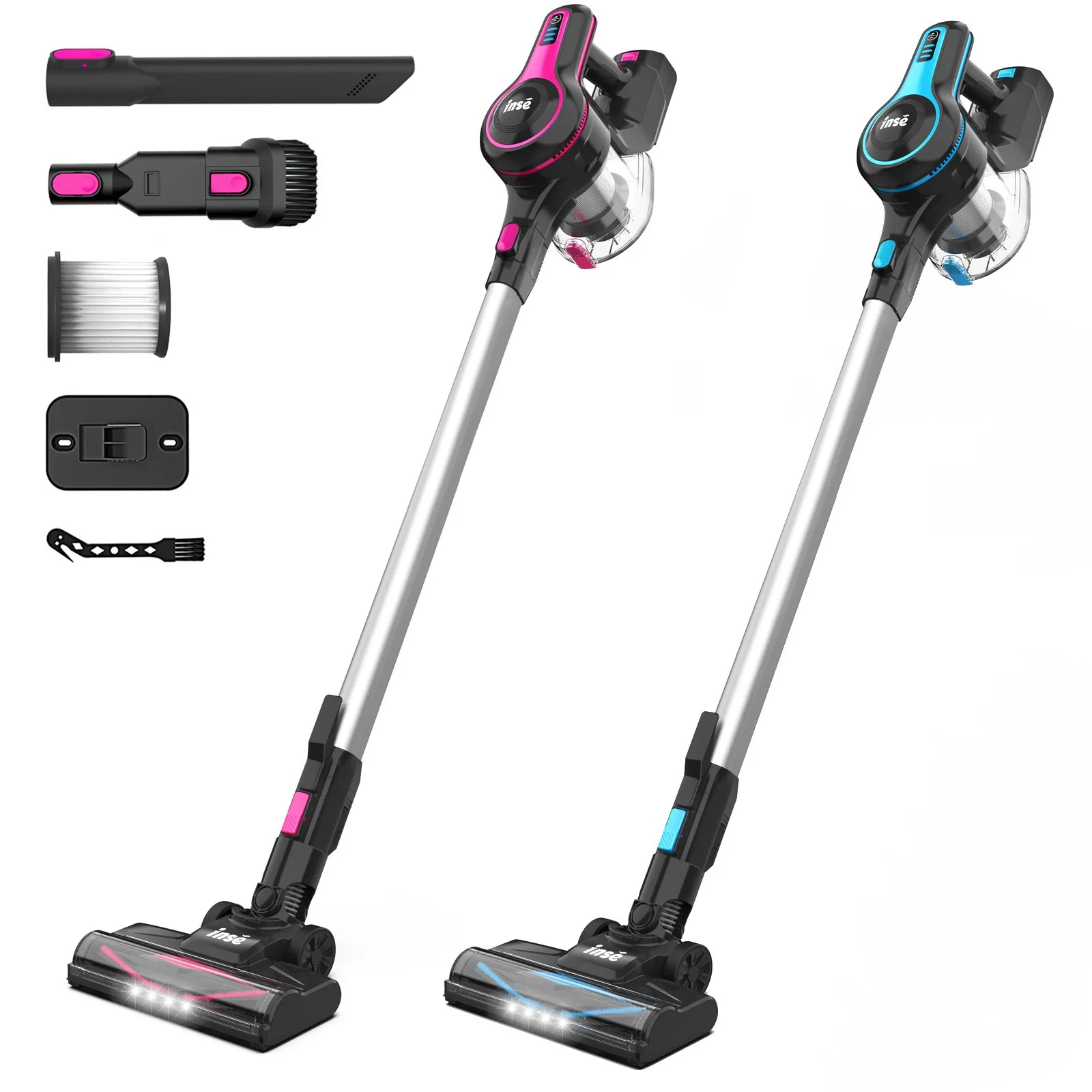
The swivel head on #1795555 is relevant here because maneuverability affects whether people actually clean around obstacles. A vacuum that turns easily is more likely to reach chair legs, sofa edges, and tight spaces where dirt accumulates.
Mistake 3: Waiting Too Long To Empty The Dustbin
A vacuum cannot perform well when airflow is restricted. A full dustbin creates resistance. Hair, lint, crumbs, and fine dust can compact in the bin and around the filter area. The vacuum may still turn on, but pickup weakens.
Many users wait until the bin looks completely full. That is too late for many machines. Empty before debris is packed tightly. If you have pets, long hair, rugs, or a lot of fine dust, the bin may need emptying more often than expected.
Cordless stick vacuums often have smaller dustbins than full-size uprights. That is not automatically a flaw. It is part of the compact design. But it means emptying should become part of the routine. For quick cleanups, empty when the debris reaches the fill line or after a larger session. For pet hair, empty sooner because hair takes up space quickly.
Also pay attention to where debris collects. Sometimes the visible bin is not full, but hair has clogged the entry point or cyclone area. If pickup suddenly drops, check the bin pathway before assuming the motor is weak.
The #1795555 product is a cordless stick vacuum, so this habit matters. The convenience of grabbing a light vacuum only works if the bin is kept clear. Emptying is not optional maintenance; it is part of performance.
Mistake 4: Ignoring Filters Until Suction Drops
Filters protect the motor and help manage fine dust, but they also restrict airflow when dirty. A clogged filter can make a vacuum feel weak even if the dustbin is empty. Many people clean floors for weeks or months without checking filters, then assume the vacuum is failing.
Most vacuums have more than one filtering stage. There may be a pre-motor filter, post-motor filter, foam filter, HEPA-style filter, or washable filter depending on design. Each has a different maintenance requirement. The product manual matters because not every filter should be washed, and not every washable filter can be reinstalled while damp.
If a filter is washable, rinse it according to instructions and let it dry fully. This can take longer than expected. Installing a damp filter can create odor, reduce airflow, or cause problems. Having a spare filter can help because one can dry while the other is in use.
If a filter is replaceable, track its condition. A filter that remains gray, clogged, torn, or smelly after cleaning may need replacement. Do not rely only on a calendar; use performance and condition.
The #1795555 listing mentions washable filters and multi-stage filtration. That makes filter care especially relevant. Washable does not mean maintenance-free. It means the user has a way to restore airflow if they follow the routine.
Mistake 5: Letting Hair Wrap Around The Brush Roll
The brush roll is where many vacuum problems begin. Hair, thread, string, pet fur, yarn, and fibers can wrap around the roller. As the wrap builds, the brush roll loses contact with the floor and may spin less effectively. On carpet, this can sharply reduce pickup. On hard floors, it can scatter debris or leave lines of dust.
Check the brush roll regularly if your home has long hair, pets, rugs, or sewing/craft fibers. Do not wait until the roller stops spinning. Turn off the vacuum, remove the battery if applicable, and follow the product instructions for cleaning the brush area. Many rollers can be removed or accessed through a panel. Some require cutting hair away carefully.
Use caution with scissors or blades so you do not cut bristles, belts, wiring, or the roller itself. If the brush head has a removable roller, clean it outside the vacuum body. Also check the end caps because hair can wrap tightly near the sides.
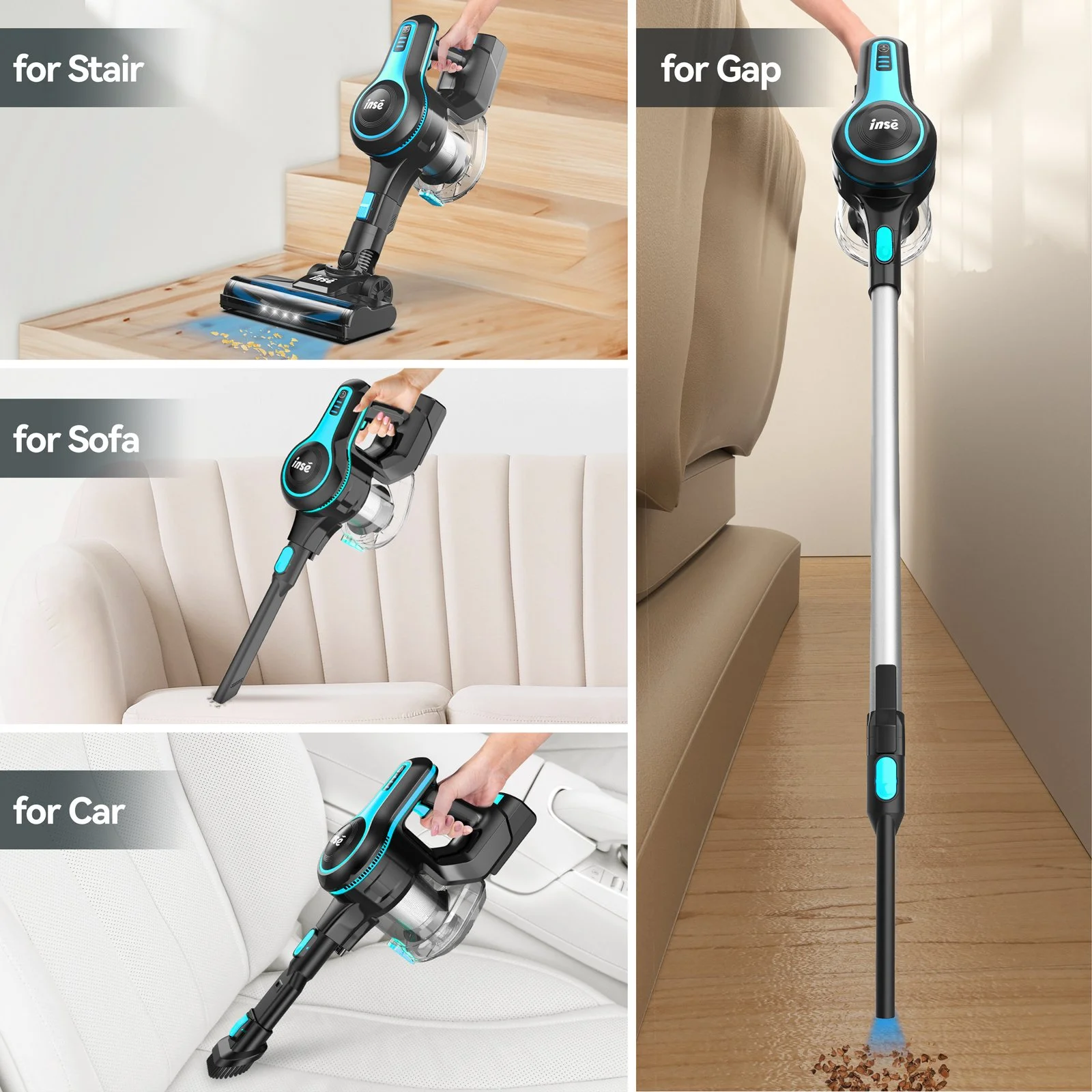
Brush maintenance is not only about performance. A clogged roller can strain the floor head and make the vacuum louder or harder to push. It can also cause burning smells if debris creates friction.
The motorized brush on #1795555 is a useful feature for pickup, but any motorized brush needs maintenance. The better the brush is at grabbing hair, the more important it is to remove wrapped hair before it becomes a problem.
Mistake 6: Using The Wrong Mode For Every Surface
Cordless vacuums often have several power modes. The mistake is using one mode for everything. Some users run max mode constantly and drain the battery quickly. Others stay in low mode and wonder why rugs still hold debris.
Use lower or standard power for light hard-floor dust, quick daily crumbs, and easy surfaces. Use stronger modes for rugs, carpet, pet hair, entry mats, and stubborn debris. If the vacuum has automatic or adjustable settings, learn when they help and when manual control gives better results.
Max mode is not a badge of seriousness. It is a tool for harder moments. If you use it for the whole home, runtime drops and cleaning may end before the job is complete. For many homes, a better strategy is normal mode for routine passes and higher power only in problem zones.
Also pay attention to brush behavior. Some hard floors do better with gentler settings so debris is not scattered. Some rugs need more suction but may resist the floor head if power is too high. The right mode is the one that cleans without making the vacuum hard to control.
The #1795555 listing includes multiple performance features and runtime claims. To get the best use from a cordless vacuum like this, the user should think in zones: light debris mode, normal cleaning mode, and extra-power passes only where needed.
Mistake 7: Vacuuming Before Dusting
Vacuuming the floor before dusting high surfaces creates extra work. Dust from shelves, tables, blinds, frames, counters, baseboards, and furniture eventually falls. If you vacuum first and dust afterward, some of that debris lands on the clean floor.
The better order is high to low. Dust upper shelves, tables, counters, furniture, lamps, and baseboards first. Then vacuum the floor. This order lets gravity work with you instead of against you.
Dry microfiber is useful before vacuuming because it can pick up dust without turning it into wet residue. For heavy dust, fold the cloth and switch to a clean face as it loads. For surfaces above eye level, use an appropriate duster or attachment.
After dusting, wait a short moment if needed for airborne dust to settle, then vacuum. This is especially useful in rooms with open shelves, pet areas, or ceiling fans.
The #1795555 vacuum can support the second half of this routine because cordless access makes it easier to vacuum after quick dusting. The best cleaning tool sequence is often simple: dust first, vacuum last.
Mistake 8: Skipping Attachments
Many people use the main floor head for everything, then complain that corners, stairs, sofa edges, and car interiors are still dirty. Attachments exist because one floor head cannot reach every mess.
A crevice tool is for narrow gaps: baseboard edges, sofa cushions, car seats, sliding-door tracks, corners, and the space between appliances. A dusting brush is for vents, shelves, lampshades, keyboards, blinds, and delicate surfaces. A handheld configuration is for stairs, upholstery, car interiors, and quick above-floor cleaning.
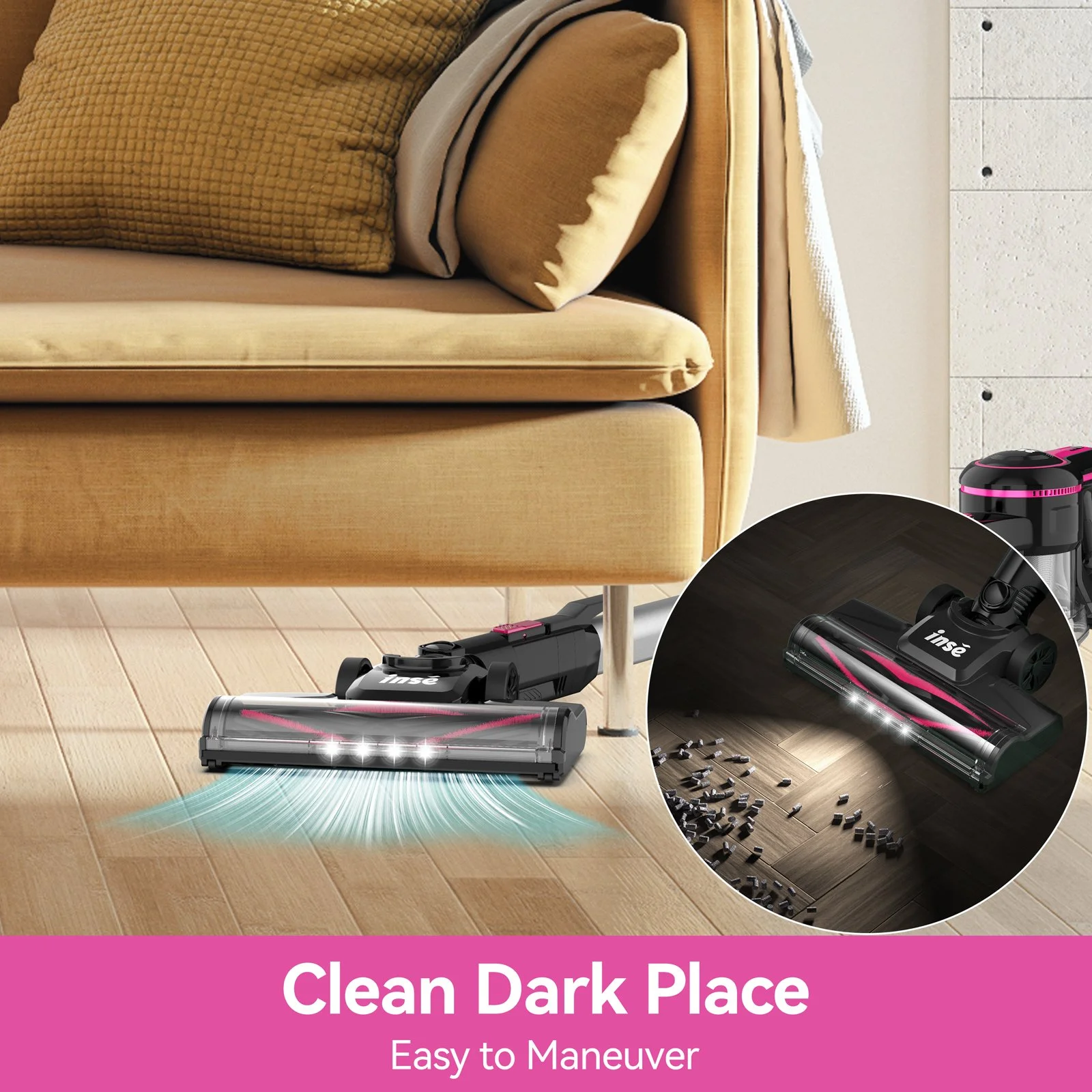
Skipping attachments leaves dirt in the places people notice later. The main floor may look clean, but dust gathers along edges. Crumbs stay under cabinet lips. Hair remains on stairs. Debris hides in the sofa. Then the home feels dirty even after vacuuming.
Do not use every attachment every time. Use the right one for the problem area. Once a week, spend a few minutes on edges and upholstery rather than only open floors. This adds more visible improvement than repeating the same floor pass.
The #1795555 product is described as a 6-in-1 lightweight rechargeable vacuum suitable for stairs, furniture, car interiors, hard floors, and carpets. Those use cases only matter if the user actually converts the vacuum and uses the attachments.
Mistake 9: Treating All Floors The Same
Hard floors, rugs, carpet, stairs, mats, and upholstery need different technique. Treating them the same leads to missed dirt or wasted effort.
Hard floors need controlled passes that do not scatter debris. Start with visible crumbs and edges. Use LED lights if available to reveal dust near baseboards and under furniture. Avoid pushing debris forward repeatedly; angle the head or slow down if crumbs scatter.
Area rugs need slower passes and sometimes a second direction. Lightweight rugs may bunch if the vacuum grabs too hard, so hold the edge or reduce power if needed. Thick rugs may need stronger suction and more patience.
Carpet needs overlap and attention to traffic lanes. Entryways and hallways collect grit. Pet areas collect hair and dander. These zones need more careful passes than unused corners.
Stairs need handheld mode or appropriate attachments. Trying to clean stairs with the full stick body can be awkward and unsafe. Use a stable position and keep the cord-free advantage under control; cordless does not mean careless.
Upholstery needs attachments and gentle technique. Do not jam the main floor head onto a sofa if a smaller tool is better. Match the tool to the surface.
Mistake 10: Ignoring Edges And Baseboards
Floors often look clean in the center and dirty around the edges. Dust, crumbs, hair, pet fur, and grit collect along baseboards, under cabinet toe kicks, beside furniture legs, and near thresholds. A quick center-room vacuum does not reach these areas well.
Use the crevice tool along baseboards and corners periodically. You do not need to do every edge every day. Focus on high-traffic areas: kitchen baseboards, entryways, hallways, pet feeding zones, bathroom edges, and under dining chairs.
LED lights on a floor head can help show edge dust, but attachments still matter. A floor head may not seal tightly enough along every baseboard. A crevice tool concentrates airflow where the dirt sits.
Edges also reveal whether dusting order is working. If baseboards collect dust quickly, dust higher surfaces first and vacuum edges after. If pet hair collects in corners, add a quick edge pass to the weekly routine.
The #1795555 model's lightweight design and attachment format make edge cleaning more realistic because the vacuum can move from floor mode to handheld or crevice mode without dragging out a separate machine.
Mistake 11: Storing The Vacuum Where It Is Hard To Use
Storage affects cleaning frequency. A vacuum buried in a closet behind other items gets used less. A cordless vacuum that is not returned to its charger may be dead when needed. A machine without a clear home becomes clutter.
Choose a storage spot near the messes you clean most often. Kitchen crumbs, entryway dirt, pet hair, and stair dust are common daily triggers. A wall mount near the kitchen, laundry room, pantry, mudroom, or utility area may work better than a far closet.
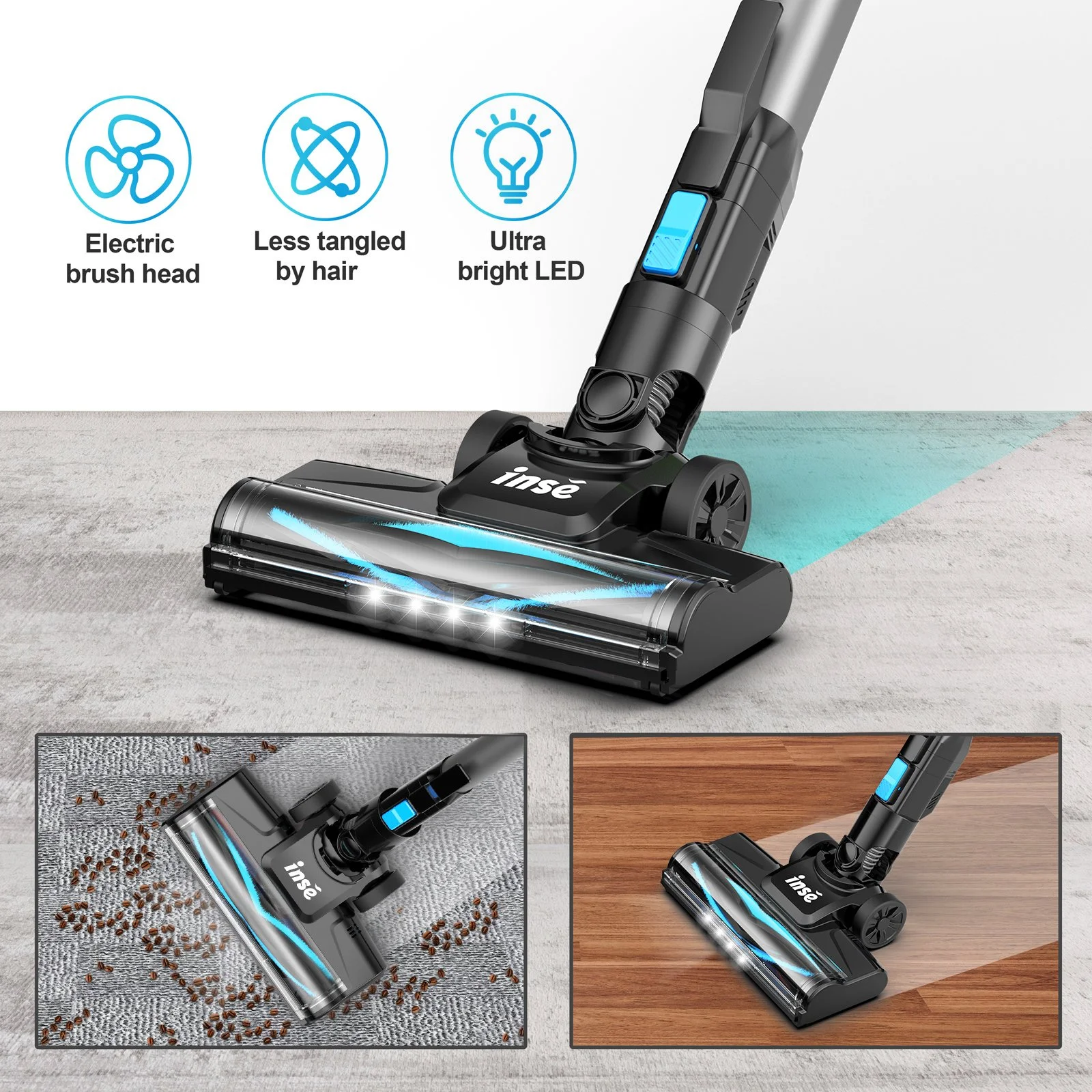
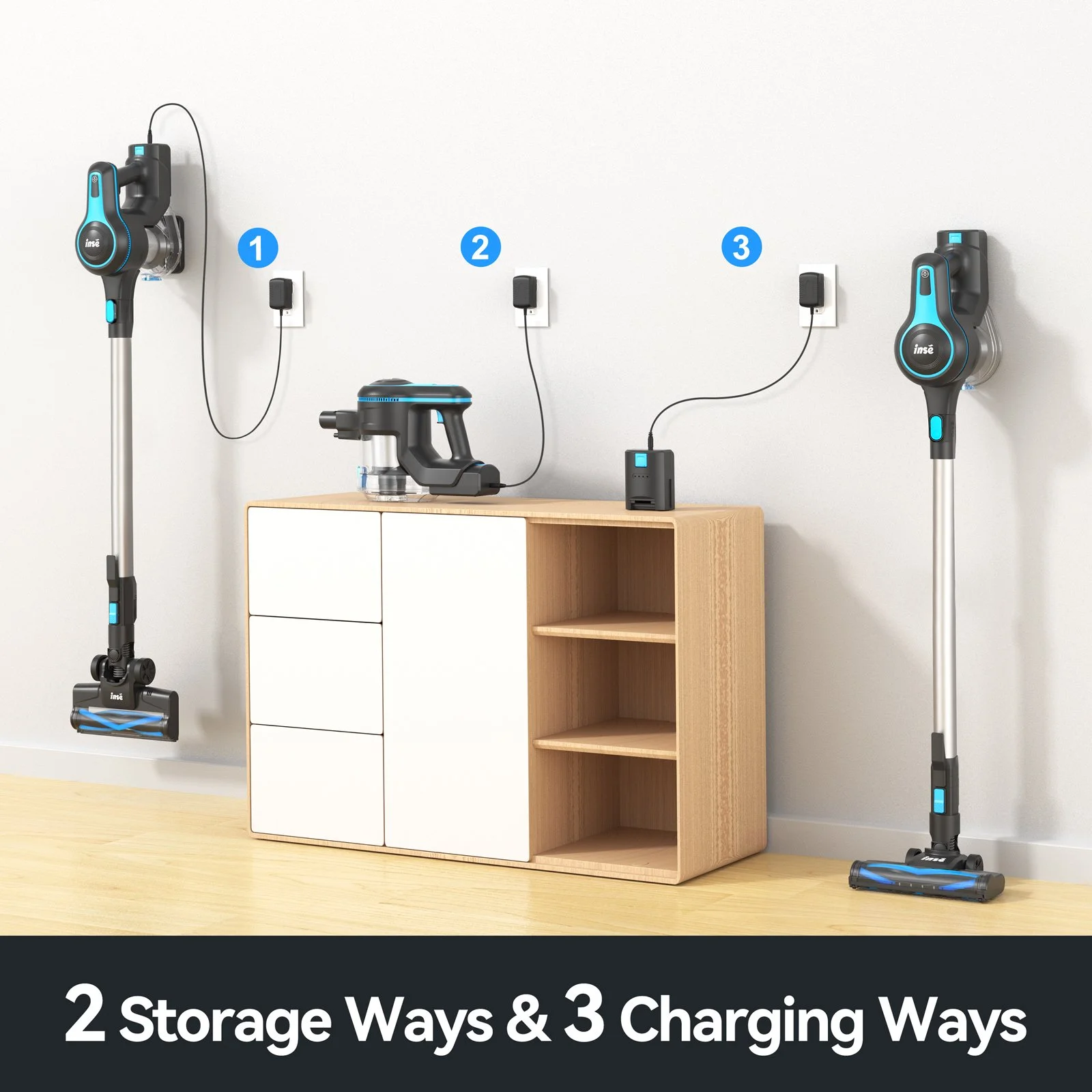
Make charging automatic. If the vacuum has wall-mount storage, use it if your space allows. Return the vacuum after each use. Store attachments near the vacuum so they are not lost. A cordless vacuum loses much of its value if it is never charged or if attachments are scattered around the house.
The #1795555 product details mention wall-mount storage. That feature supports a key habit: low-friction access. When the vacuum is visible, charged, and easy to grab, small messes are cleaned before they spread.
If you rent or cannot drill, find another stable charging location. The principle is the same: the vacuum needs one home, not a random corner.
Mistake 12: Expecting One Vacuum To Do Every Job Perfectly
Cordless stick vacuums are excellent for convenience, but they are not always the best tool for every cleaning job. A lightweight cordless vacuum may be ideal for hard floors, stairs, furniture, quick kitchen cleanup, and routine pet hair. It may not replace a heavy upright for deep carpet in every home.
This expectation problem creates unfair disappointment. If a user buys a light cordless vacuum and expects it to restore thick carpet, clean a construction mess, handle wet spills, and run at max mode for a large house, the tool will feel weak. That does not mean it has no value. It means the job expectation was wrong.
Use each vacuum for its lane. A cordless stick can handle frequent daily maintenance. A shop vacuum may be needed for garage debris. A carpet cleaner may be needed for wet stains. A full-size vacuum may be better for deep carpet. A handheld attachment may be better for cars.
The #1795555 product is best understood as a versatile cordless cleaner for routine home use across hard floors, carpets, stairs, furniture, and car interiors. It should be evaluated by those tasks, not by jobs that require a different category of machine.
When expectations are realistic, the tool gets used more and judged more fairly.
Mistake 13: Vacuuming Over Things That Should Be Picked Up First
Vacuums are not trash cans. Small debris is fine, but some objects can clog, damage, or tangle the machine. Coins, screws, toy pieces, hair ties, wet food, glass, large paper scraps, string, cords, and sticky messes should be picked up first.
Before vacuuming, scan the floor. Remove objects that could block the tube or damage the brush roll. Pick up long strings and cords. Check under dining tables for larger food pieces. If something is wet, do not vacuum it with a dry vacuum unless the machine is designed for wet use.
This habit protects the vacuum and saves time. A quick scan is faster than clearing a clog later. It also prevents unpleasant dustbin surprises.
Cordless vacuums are convenient, so people often grab them quickly without preparing the floor. Keep the convenience, but add a ten-second scan. That is enough to avoid many preventable problems.
Mistake 14: Not Checking For Blockages
When suction drops suddenly, many users assume the battery is weak, the motor is failing, or the vacuum is poor quality. Often the issue is a blockage.
Check the floor head first. Look for debris stuck in the intake or brush area. Then check the wand or tube. Long debris, paper, hair clumps, and small objects can lodge inside. Then check the dustbin entry and filter area. A blockage at any point restricts airflow.
Use the product manual for safe disassembly. Do not force parts apart. Do not push sharp objects into the tube if they could damage internal surfaces. If the machine has washable parts, dry everything fully before reassembly.
Blockages are more likely after cleaning large crumbs, pet hair piles, dried leaves, craft debris, or anything irregularly shaped. If the vacuum sound changes suddenly, stop and inspect rather than continuing to run it.
Good maintenance is mostly observation. Notice when the sound, airflow, brush movement, or pickup changes. The vacuum often tells you something is wrong before it stops working.
Mistake 15: Forgetting The Car And Furniture Until They Are Bad
Vacuuming is often treated as floor-only cleaning, but dust and crumbs also collect on furniture, stairs, mattresses, car seats, and upholstery. When those areas are ignored, the home can still feel dusty even if floors are clean.
Use handheld mode for sofa seams, chair cushions, stairs, car mats, car seats, and fabric headboards. Use the crevice tool where crumbs fall. Use a brush attachment on delicate surfaces if appropriate. Short frequent sessions are easier than waiting until debris is embedded.
Cars especially benefit from cordless vacuums. A quick clean after a road trip, grocery run, pet ride, or beach day prevents dirt from becoming part of the interior. Keep attachments accessible so car cleaning does not become a separate project.
The #1795555 product details mention car interiors, furniture, and stairs. Those use cases are valuable because a cordless vacuum can move beyond open floors. But the user has to build those areas into the routine.
Once a week, choose one above-floor zone: sofa, stairs, car, or entry bench. Cleaning one zone regularly is more sustainable than trying to deep-clean everything at once.
A Better Weekly Vacuum Routine
A better vacuum routine does not have to take much longer. It simply uses the right order and habits.
First, pick up objects that should not be vacuumed. Remove cords, toys, coins, large food pieces, and wet messes. Second, dust high surfaces if the room needs it. Use a dry cloth for shelves, tables, and baseboards. Third, vacuum edges and corners in the rooms that collect the most dirt. You do not need every edge every time, but rotate through them weekly.
Fourth, vacuum open floors with slower overlapping passes. Use normal mode for easy surfaces and stronger mode only for rugs, mats, and pet zones. Fifth, use attachments for one above-floor area: stairs, sofa, car, or vents. Sixth, empty the dustbin and check the brush roll if the session collected hair.
Finally, return the vacuum to its charging home. This last step matters because it prepares the tool for the next quick cleanup.
This routine turns vacuuming from a random movement pattern into a repeatable system. It helps floors stay cleaner, protects the vacuum, and makes the next session easier.
Where The Matched Product Fits
The 28KPa Cordless Stick Vacuum Cleaner 6-in-1 Lightweight Rechargeable (#1795555) fits this article because many vacuuming mistakes are really about convenience, mode choice, maintenance, and using attachments correctly. Its product details list up to 28KPa suction, up to 48 minutes of runtime, lightweight main unit, motorized swivel brush, LED lights, 5-stage filtration, washable filters, and wall-mount storage.
The strongest fit is routine cleaning. A lightweight cordless vacuum is easier to grab for daily debris, pet hair, kitchen crumbs, stairs, and car interiors. LED lights help users see dust they might otherwise miss. A motorized swivel brush supports better floor contact. Washable filters make maintenance easier if the user actually cleans and dries them. Wall-mount storage supports the habit of keeping the vacuum charged and accessible.
The product should not be presented as a solution to every mistake by itself. It cannot empty its bin for the user, remove hair from its brush roll, choose the right cleaning order, or prevent someone from moving too fast. The value of the product is that it supports better habits with a convenient design.
For readers who already own a cordless vacuum, this article still applies. Most of the improvements come from technique and maintenance. For readers considering #1795555, the key lesson is to buy the vacuum and the routine together. A good tool works best when the user keeps airflow clear, filters clean, brush rolls free, and attachments in use.
Final Recommendation
If your home still feels dusty after vacuuming, do not assume the vacuum is useless. Check the habits first. Slow down. Change direction on rugs and carpet. Empty the bin before it is packed. Clean the filters. Remove hair from the brush roll. Use the right mode. Dust before vacuuming. Use attachments for edges, stairs, upholstery, and cars. Store the vacuum where it stays charged and easy to grab.
For this article, the best matched product is the 28KPa Cordless Stick Vacuum Cleaner 6-in-1 Lightweight Rechargeable (#1795555). It supports the corrected routine because it is lightweight, cordless, multi-use, wall-mountable, and built for floors, stairs, furniture, and car interiors. Those features are useful only when paired with good maintenance and realistic expectations.
Better vacuuming is not about making more passes mindlessly. It is about giving the machine airflow, contact, time, and the right attachment for the job. Fix those things, and even ordinary cleaning sessions become more effective.