Article
Cleaning Myths That Are Making Your Home Dirtier
Quick Answer
Cleaning Myths That Are Making Your Home Dirtier: quick answer
Cleaning advice often sounds convincing because the result is hard to measure. A surface may look shiny for a minute, smell strongly of cleaner, or...
- Topic: Cleaning.
- Related product category: home-garden.
- This article uses one relevant product insertion and keeps the main answer in the article copy.
Why Cleaning Myths Spread So Easily
Cleaning advice often sounds convincing because the result is hard to measure. A surface may look shiny for a minute, smell strongly of cleaner, or feel wet enough to seem disinfected. That does not always mean it is clean, safe, or maintained correctly. Some habits actually leave residue, move dirt around, damage finishes, spread contamination, or make the next cleaning session harder.
The most common cleaning myths come from three places: using more product than needed, using one method on every surface, and confusing smell with cleanliness. A home does not get cleaner because the spray is stronger, the scent is louder, or the cloth is wetter. It gets cleaner when the right method removes the right mess from the right surface.
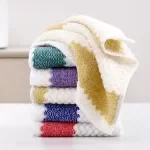
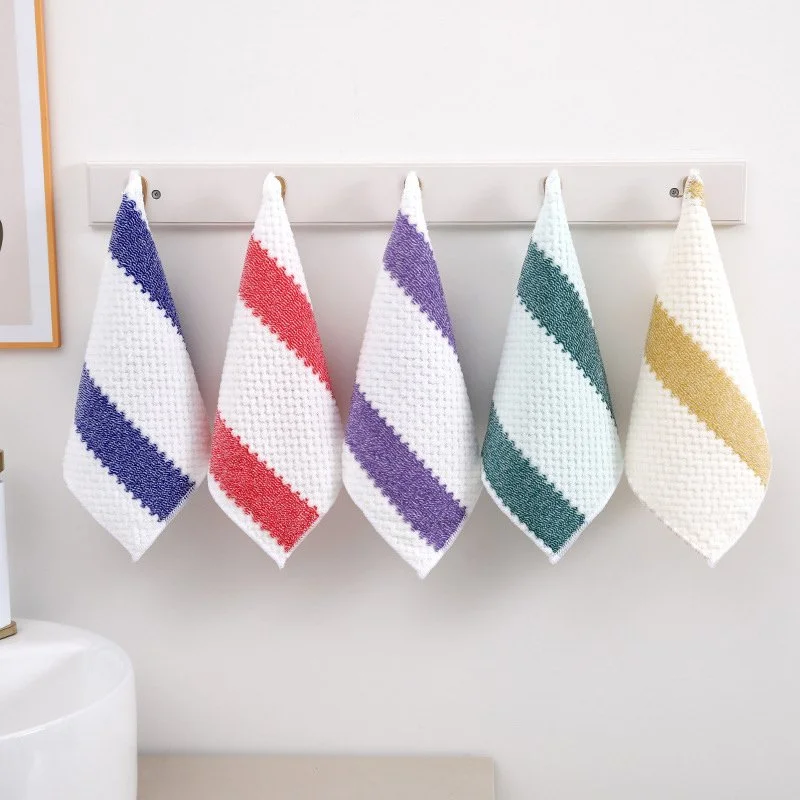
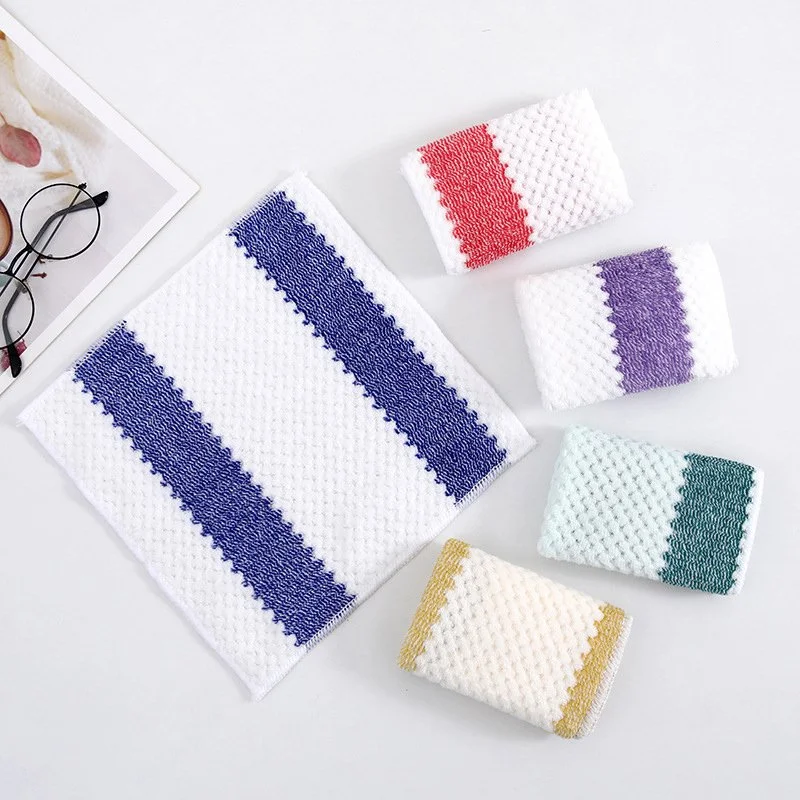
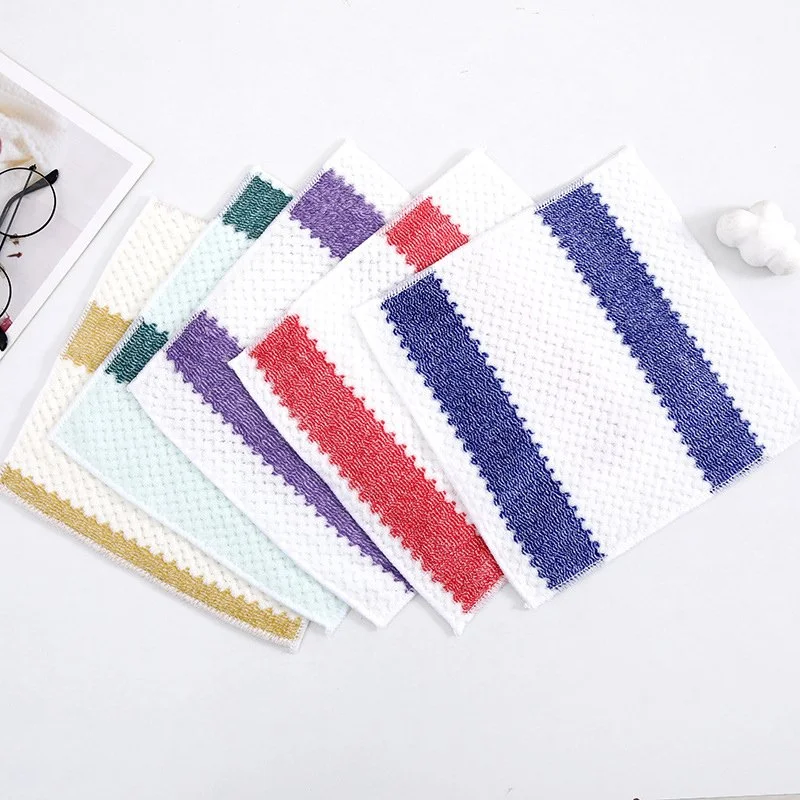
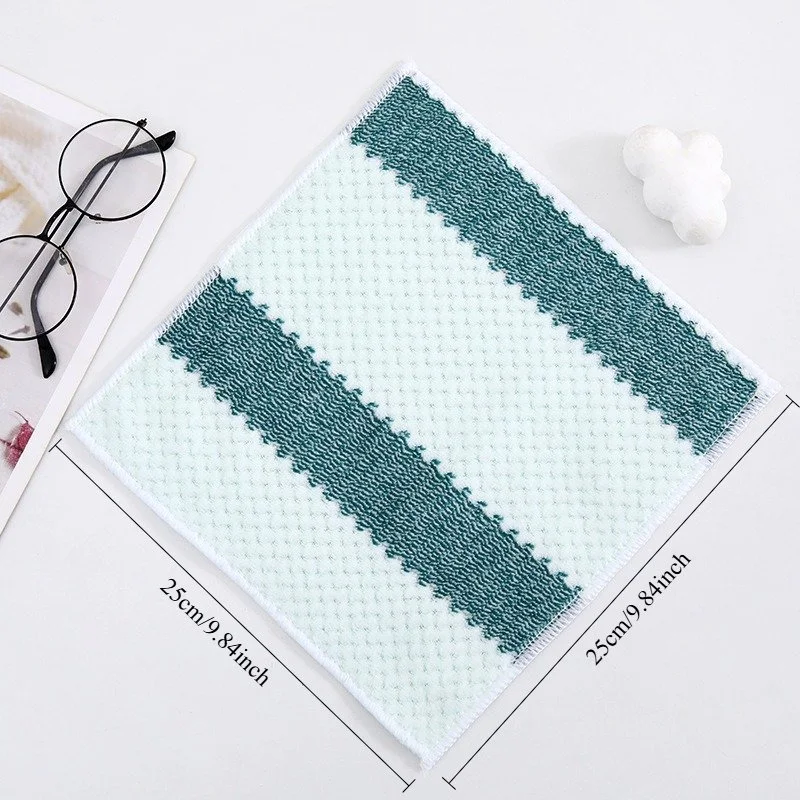
This article breaks down the myths that waste effort in kitchens, bathrooms, floors, dusting, cloth care, and appliance maintenance. The matched product is the Ultra-Absorbent Microfiber Kitchen Towels - 5 Pack Reusable Cleaning Cloths (#1795550). A microfiber set is relevant because many myths involve wiping: using one cloth everywhere, over-wetting surfaces, smearing residue, or cleaning in the wrong order. The product helps only when it is used with a clear system.
Myth 1: More Cleaner Means A Cleaner Surface
More cleaner often means more residue. Extra soap, floor cleaner, disinfectant, glass spray, or all-purpose cleaner can leave a film that attracts dust and dirt. Floors may feel sticky. Counters may smear. Glass may streak. Appliances may look dull.
The better method is to use the amount recommended on the label, give the product time to work if needed, and rinse or wipe away residue when the surface requires it. For routine messes, a lightly damp microfiber cloth may be enough before any spray is involved.
This myth is especially common with mopping. People add extra cleaner because the floor looks dirty, then the floor becomes tacky, then it collects more dirt, then they add even more cleaner next time. Breaking that cycle usually means vacuuming first, using less product, rinsing correctly, and changing dirty mop water.
Myth 2: If It Smells Clean, It Is Clean
Fragrance is not cleaning. A strong lemon, pine, lavender, or bleach-like smell can make a room feel freshly cleaned, but scent does not prove that soil was removed or that germs were addressed correctly. It may only mean the surface has fragrance on top of dirt.
Some homes also become harder to evaluate when fragrance masks odor. A trash can, sponge, drain, pet area, or damp cloth may still be dirty even if the air smells like cleaner.
Focus on removal and drying. Clear debris, clean the surface, rinse if required, dry where moisture causes problems, and let air circulate. Scent can be pleasant, but it should not be the measurement.
Myth 3: Vinegar Cleans Everything
Vinegar is useful for some mineral buildup and light household tasks, but it is not universal. It can damage natural stone, some grout, waxed surfaces, certain appliance parts, and finishes that do not tolerate acidity. It is also not the right cleaner for every greasy or contaminated mess.
The mistake is treating vinegar as a safe default because it feels natural. Natural does not mean harmless to every surface. Acid is still acid.
Use vinegar only where the surface and task make sense. If you are dealing with stone counters, sealed surfaces, electronics, wood finishes, or appliance interiors, check the manufacturer's guidance first. For many everyday kitchen wipes, mild dish soap and water are more predictable than vinegar.
Myth 4: Bleach Is The Best Cleaner For Everything
Bleach can disinfect when used correctly, but it is not a general-purpose dirt remover. It does not remove grease well, it can damage fabrics and finishes, and it must be used with ventilation and label directions. It should never be mixed with other cleaners.
Many people spray bleach-based products on dirty surfaces and wipe immediately. That can fail twice: soil may remain, and the disinfectant may not stay wet long enough to work as intended.
The better approach is to clean first when a surface is visibly dirty, then disinfect only when the task calls for it. Raw meat prep areas, illness cleanup, certain bathroom tasks, and high-risk messes may need disinfecting. A dusty shelf usually does not.
Myth 5: One Cloth Can Clean The Whole Room
One cloth can quickly become a dirt-transfer tool. If the same cloth wipes a greasy stovetop, then a dining table, then a faucet, then a bathroom surface, it is not cleaning evenly. It is moving residue and contamination from one place to another.
A reusable cloth system needs separation. Kitchen counters, safe spills, glass, dry dusting, bathroom surfaces, and high-contamination tasks should not all share the same random towel.
The #1795550 five-pack supports a better routine because it gives enough cloths for role assignment. One cloth can be for counters, one for sink drying, one for spills, one for dusting, and one for backup or laundry rotation. If bathroom cloths are used, keep them separate from this kitchen set or clearly label them.
Myth 6: Microfiber Works The Same No Matter How You Wash It
Microfiber can lose performance when washed badly. Fabric softener, dryer sheets, lint-heavy laundry, too much detergent, and trapped grease can make microfiber smear or leave lint. A cloth that once picked up dust may start pushing it around.
Wash microfiber separately from fuzzy towels when practical. Use a modest amount of detergent. Skip fabric softener. Let cloths dry fully before storage. Rinse greasy cloths before laundry.
The material matters, but the maintenance matters too. A microfiber cloth is not a disposable wipe. It is a reusable tool that needs a simple care routine.
Myth 7: Dusting Last Saves Time
Dusting after vacuuming can undo floor cleaning. Dust falls from shelves, screens, lamps, blinds, baseboards, and furniture. If the floor has already been vacuumed, some of that dust ends up where you just cleaned.
Clean high to low. Dust shelves, furniture, fans, and trim first. Then vacuum or sweep. Mop after loose debris is gone.
A dry microfiber cloth is useful for routine dusting because it can trap light dust without requiring spray. Fold the cloth so multiple clean sides are available. Shake or wash it after use rather than letting dust build into the fabric.
Myth 8: Mopping Cleans Any Dirty Floor
Mopping a floor covered in crumbs, hair, dust, or grit creates dirty water and streaks. It can also drag debris across the surface. Mopping is a wet finishing step, not the first step.
Vacuum or sweep before mopping. Pay attention to corners, under cabinets, around dining chairs, pet bowls, and entry mats. Then mop with the right cleaner and the right amount of water for the floor type.
Too much water can damage some wood, laminate, and other flooring. Too much cleaner can leave film. A better floor routine is dry debris removal first, controlled moisture second, and enough drying time.
Myth 9: Hot Water Is Always Better
Hot water can help with grease, but it is not always the right choice. It can set some stains, damage certain fabrics, warp materials, or make some cleaners behave differently than intended. Appliance and textile care instructions exist for a reason.
For routine wiping, warm water and mild soap are often enough. For laundry, stains, and delicate surfaces, match the temperature to the material. For pet messes, bodily fluids, or protein stains, avoid assuming hot water is automatically best.
Good cleaning is controlled cleaning. Temperature is one tool, not a universal rule.
Myth 10: Disinfecting Replaces Cleaning
Disinfecting targets germs. Cleaning removes soil. A disinfectant sprayed over crumbs, dust, grease, soap scum, or food residue may not contact the surface properly. Many disinfectants also require a wet contact time.
Clean visible mess first. Then disinfect if the situation calls for it. Do not disinfect every surface out of habit, and do not skip cleaning because disinfectant was sprayed.
This distinction is important in kitchens and bathrooms. Raw-food mess, illness cleanup, and toilet areas require more care than ordinary dust. A microfiber cloth can help remove soil, but it is not a disinfectant by itself.
Myth 11: Paper Towels Are Always More Sanitary
Paper towels are useful for contaminated, greasy, or disposable-only messes. But they are not automatically better for every job. They can shred, leave lint, smear glass, or become wasteful for routine safe spills and counter drying.
Reusable microfiber is practical for daily safe tasks: drying sink edges, wiping counters after crumbs are removed, dusting, polishing faucets, and cleaning light spills. Paper towels still belong in the system for raw meat juices, pet accidents, heavy grease, or messes you do not want in laundry.
The better rule is not paper versus cloth. It is matching the material to the mess.
Myth 12: A Wet Sponge Is Fine By The Sink
A damp sponge or brush trapped in a puddle can smell and deteriorate quickly. The sink area looks dirtier when tools sit wet on the counter, leak soap, or collect food particles.
Let sponges and brushes dry. Store them upright or in a holder that drains. Wipe the sink edge so water does not pool. Replace tools that smell, crumble, or look damaged.
This is where small daily habits matter more than deep cleaning. A quick sink reset prevents the wet-zone mess from spreading across the counter.
Myth 13: Cleaning Products Work Instantly
Some products need dwell time. Degreasers, descalers, disinfectants, bathroom cleaners, and stain removers may need minutes on the surface. Spraying and wiping immediately can waste product and leave the problem behind.
Read the label. Let the cleaner work when the instructions call for it. Keep the surface wet for the required period if disinfecting. Then wipe, rinse, or dry as directed.
Patience can replace scrubbing. The right contact time often does more than extra force.
Myth 14: Scrubbing Harder Is Always Better
Aggressive scrubbing can scratch stainless steel, dull finishes, damage nonstick coatings, fuzz wood, harm grout, and wear down surfaces. A rough pad may remove the stain and the finish.
Start with the gentlest method that can reasonably work: soak, dwell time, soft cloth, mild cleaner, non-scratch sponge, or surface-safe brush. Increase force only when the material can handle it.
Microfiber is useful because it gives mechanical cleaning without being as aggressive as many scrub pads. It is not enough for every stain, but it is a good first pass on many safe hard surfaces.
Myth 15: A Cleaning Checklist Should Be Perfect
A perfect checklist that nobody follows is worse than a simple checklist that survives busy weeks. Homes have different schedules, mess patterns, pets, cooking habits, climates, and storage limits. A rigid routine can fail because it does not fit the actual household.
Build around what gets dirty fastest. Kitchens, bathrooms, entryways, trash, floors, and laundry usually need the most consistent attention. Less visible details can rotate monthly or seasonally.
If the home falls behind, use a reset: trash first, dishes second, one clear surface third, floor path fourth, laundry or towels fifth. Then return to the routine.
Where These Myths Cause The Most Trouble
In the kitchen, cleaning myths usually show up as residue. Too much cleaner on counters, too much soap on cabinet fronts, too much floor cleaner in mop water, and too many wet wipes around the sink can make the room feel dirty again quickly. The kitchen also has the highest cross-contamination risk because food, grease, water, trash, raw ingredients, and hands all meet in one space.
A better kitchen routine starts dry. Brush crumbs away before wiping. Use a damp microfiber cloth for safe residue, then a dry cloth if the surface streaks. Use paper towels or disposable material for raw meat juices and other messes that should not enter cloth laundry. Keep dish tools where they can dry. Do not leave one wet cloth beside the sink all day and use it on every surface.
In the bathroom, myths usually involve fragrance and bleach. A bathroom can smell strongly of cleaner while still having soap scum, toothpaste, hair, mineral deposits, and moisture trapped around the faucet, toilet base, or shower edge. Stronger smell does not solve buildup. The right method is to remove visible soil, use bathroom-safe cleaners where needed, give products time to work, rinse when required, and dry areas that collect water spots.
In living rooms and bedrooms, the biggest myth is dusting last. Dust from shelves, screens, lamps, blinds, fans, and trim ends up on floors and fabric. If you vacuum first, the room may look clean for an hour and dusty again by evening. Dust high surfaces first, then floors.
In entryways, the myth is that cleaning starts inside the home. Dirt prevention starts at the door. Mats, shoe storage, pet paw wipes, and quick floor passes reduce the amount of grit that reaches the rest of the house. A five-minute entry reset can save a full-room floor clean later.
How To Diagnose A Cleaning Problem
If a surface looks clean but feels sticky, suspect too much cleaner, not too little cleaning. Wipe once with a clean damp cloth, rinse the cloth, wipe again, and dry. If the sticky feeling improves, residue was the problem.
If glass or stainless steel streaks, check moisture and cloth condition. Too much spray can smear. A cloth washed with fabric softener can leave film. A cloth already loaded with grease or dust will not polish well. Use a clean lightly damp cloth first, then a dry cloth to buff.
If floors look dull after mopping, check three things: loose debris, cleaner amount, and dirty water. Sweep or vacuum first. Use the recommended dilution. Change water before it becomes gray. Let the floor dry fully before judging the finish.
If the bathroom smells musty after cleaning, look for moisture rather than adding fragrance. Damp towels, wet bath mats, a closed shower curtain, a clogged drain, a dirty toilet base, or a sponge left in a puddle can keep odor alive.
If dust returns quickly, check the order of cleaning and the tools. Dust high to low. Vacuum with a clean filter and empty bin. Wash dusting cloths. Reduce clutter on surfaces where dust collects.
If a cleaning habit keeps failing, reduce the number of steps. The best method is often the one people will repeat. A simple cloth rotation, visible supplies, and clear storage beat a complicated product collection.
When Disinfecting Actually Matters
Disinfecting is important in the right situations. It is simply not the same as routine cleaning. Use disinfectant when there is a real hygiene reason: raw meat preparation, illness in the home, toilet areas, certain bathroom surfaces, trash residue, bodily fluids, or high-touch surfaces during contagious illness.
For disinfectants to work as intended, the surface often needs to stay wet for a specified contact time. That means a quick spray-and-wipe may not accomplish the goal. Labels also matter because some disinfectants are not safe for every surface.
There are also situations where cleaning is enough. Dusty shelves, coffee rings, crumbs, fingerprints on cabinet doors, and ordinary sink splashes do not always need disinfectant. Overusing disinfectant can waste product, create residue, and expose surfaces to unnecessary chemicals.
The practical sequence is: remove visible soil, apply disinfectant only when needed, allow the correct contact time, then rinse or dry if the product directions call for it. Store disinfectants away from children and pets, and never mix bleach with ammonia, vinegar, or other cleaners.
A Better Microfiber System
Microfiber works well because fine fibers can lift dust and residue from many hard surfaces. But a microfiber towel is only as clean as its last job.
Use separate cloth categories. A kitchen counter cloth should not become a toilet cloth. A grease cloth should not become a glass cloth. A pet cleanup cloth should not go into normal counter rotation. If all cloths look the same, separate them by storage location or label bins.
Fold the cloth before using it. A folded towel gives multiple clean faces. When one face loads with dust or residue, flip to a clean face instead of smearing the same dirt across the whole surface. This small habit makes microfiber feel more effective without adding more product.
Control moisture. Dry microfiber is useful for dust. Lightly damp microfiber is useful for counters, cabinet fronts, appliance exteriors, faucets, and safe spills. Wet microfiber is useful only when the task needs more water. Over-wet cloths leave streaks and can push dirty water into seams.
Wash cloths in a way that preserves performance. Avoid fabric softener and dryer sheets that leave coating. Avoid mixing with lint-heavy towels when practical. Rinse greasy cloths before laundry. Let damp used cloths dry before they sit in a closed bin. Retire cloths that smell, smear, or feel rough.
The #1795550 five-pack fits this system because five cloths are enough to assign roles. The product becomes more valuable when the article teaches readers how to use the set correctly.
A Better Cleaning System
Use this order for most rooms:
- Pick up items that do not belong.
- Remove trash and dishes.
- Dust high surfaces.
- Wipe visible spots and safe touchpoints.
- Vacuum or sweep loose debris.
- Mop only after debris is gone.
- Dry wet zones and put tools away.
Use this material logic:
- Microfiber for safe routine wiping, drying, dusting, and polishing.
- Paper towels for contaminated, greasy, or disposable messes.
- Sponges or brushes for dishes and scrubbing tasks.
- Disinfectant only where disinfection is needed and label directions can be followed.
- Specialty cleaners only when the surface or problem requires them.
This system is simple, but it prevents most myth-based cleaning errors.
Quick Myth Check Before You Clean
Before starting a job, ask five questions.
First, what is the mess? Dust, grease, mineral buildup, soap scum, food residue, pet mess, and germs need different methods. Naming the mess prevents random spraying.
Second, what is the surface? Stone, wood, stainless steel, glass, painted cabinets, laminate floors, tile, grout, fabric, and plastic all have different limits. A cleaner that works on one surface can damage another.
Third, does the mess need removal, disinfection, or both? Most everyday cleaning starts with removal. Disinfection comes later only when there is a hygiene reason and the product can be used correctly.
Fourth, what tool should touch it first? Dry cloth, damp cloth, paper towel, sponge, brush, mop, vacuum, or specialty pad all behave differently. Start with the least aggressive tool that can work.
Fifth, what happens after cleaning? Many failures happen after the wipe: damp cloths are sealed in bins, sponges sit in puddles, floors dry sticky, or tools are put away dirty. The after-step decides whether tomorrow's cleaning starts clean or already behind.
This short check turns myth-based cleaning into decision-based cleaning. It also makes product recommendations more credible because the tool is matched to the job instead of being presented as a cure-all.
Where The Matched Product Fits
The Ultra-Absorbent Microfiber Kitchen Towels - 5 Pack Reusable Cleaning Cloths (#1795550) fits this article because many cleaning myths involve wiping technique and cloth management. Its product details describe microfiber material, reusable washable construction, quick-drying use, and common kitchen tasks such as drying dishes, wiping counters, and cleaning spills.
The five-piece count supports job separation. A single cloth is too easy to misuse across the whole home. A small set makes it realistic to keep one cloth for kitchen counters, one for sink drying, one for safe spills, one for dusting, and one spare.
The product should be positioned as a support tool, not a magic cleaner. It works best when paired with correct cleaner amounts, correct surface choice, clean-to-dirty order, and proper washing.
A good rule of thumb: if the product gets stronger but the result gets stickier, you used too much. If the room smells stronger but the dirt still shows, scent replaced cleaning. If the cloth gets reused across every job, it stopped being a tool and became a transfer surface.
Final Recommendation
Stop measuring cleaning by smell, foam, wetness, or effort. Measure it by whether soil was removed, the right surface was protected, residue was avoided, and tools were left ready for next time.
For this article, the best matched product is the Ultra-Absorbent Microfiber Kitchen Towels - 5 Pack Reusable Cleaning Cloths (#1795550). It supports better cleaning habits because it makes safe routine wiping, drying, dusting, and cloth rotation easier.
Most cleaning myths disappear when you slow down and ask one practical question: what is the mess, and what is the least damaging way to remove it?
The best cleaning habit is not the loudest one. It is the one that removes dirt, protects the surface, and leaves the room easier to maintain next time.
That is why a small cloth rotation and a simple order of operations matter more than buying another bottle. Start there.