Article
The Complete Home Cleaning Checklist: Daily, Weekly, Monthly, And Seasonal
Quick Answer
The Complete Home Cleaning Checklist: Daily, Weekly, Monthly, And Seasonal: quick answer
A cleaning checklist should make the home easier to maintain, not turn ordinary cleaning into a second job. The best schedule separates small daily...
- Topic: Cleaning.
- Related product category: home-garden.
- This article uses one relevant product insertion and keeps the main answer in the article copy.
How To Use This Checklist
A cleaning checklist should make the home easier to maintain, not turn ordinary cleaning into a second job. The best schedule separates small daily resets from weekly maintenance, monthly detail work, and seasonal deep cleaning. When those jobs are mixed together, people either clean too much on random days or avoid cleaning until the whole home feels behind.
This checklist is designed for a normal home, apartment, shared rental, or small family space. It assumes the reader wants a realistic routine, not a perfect house. Some homes need more frequent floor cleaning because of pets, children, cooking habits, outdoor dirt, allergies, or climate. Other homes can stretch certain tasks longer. Use the timing as a starting point and adjust based on what actually gets dirty.
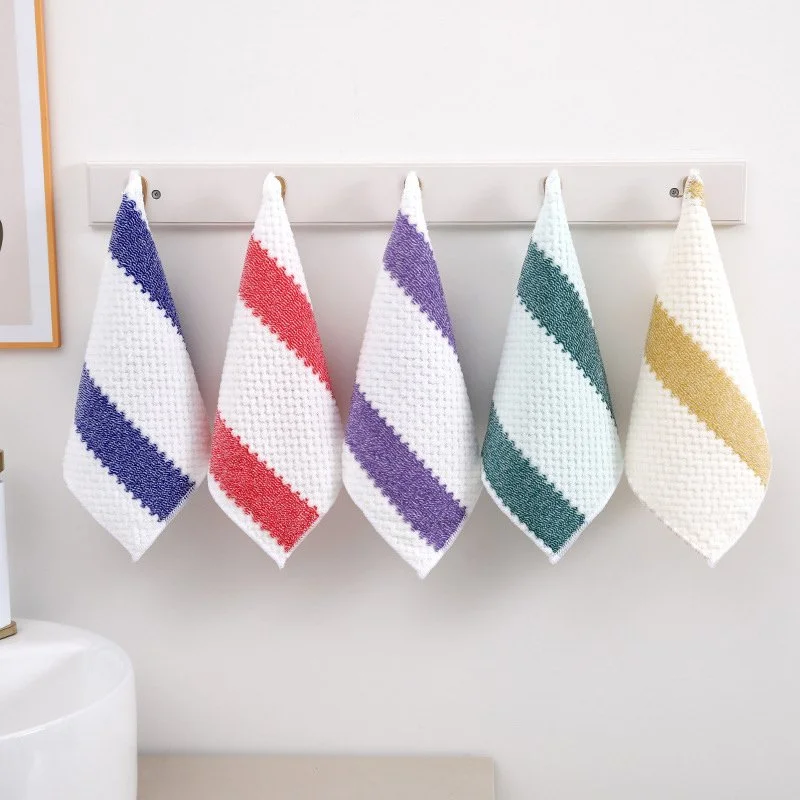
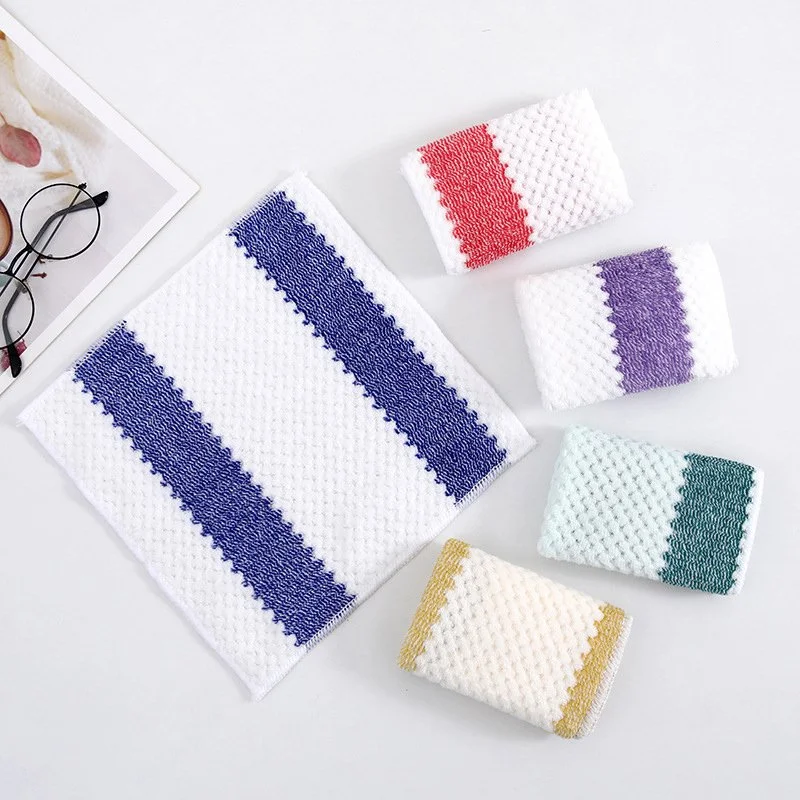
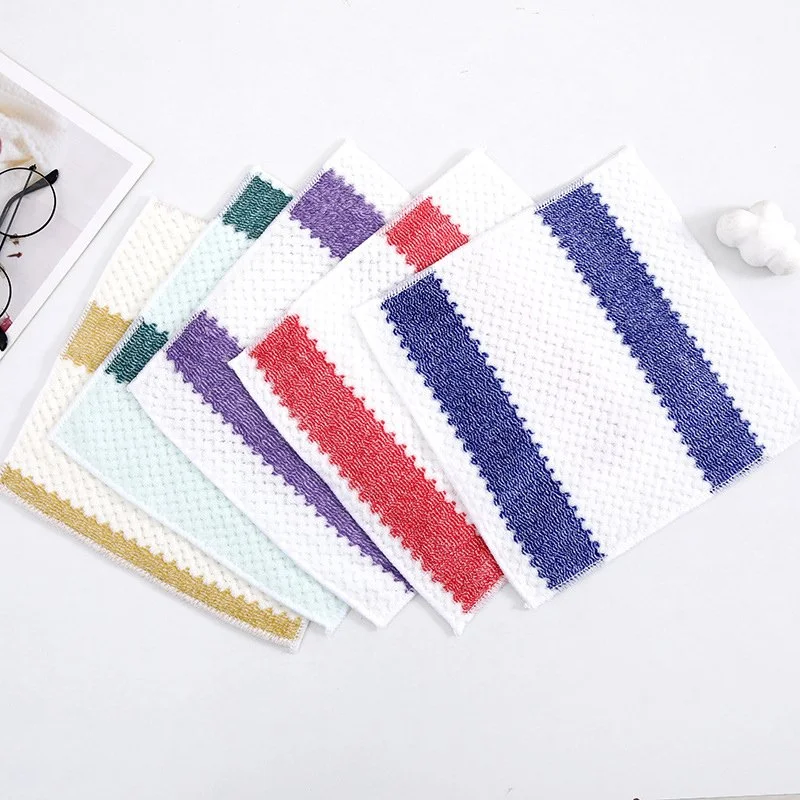
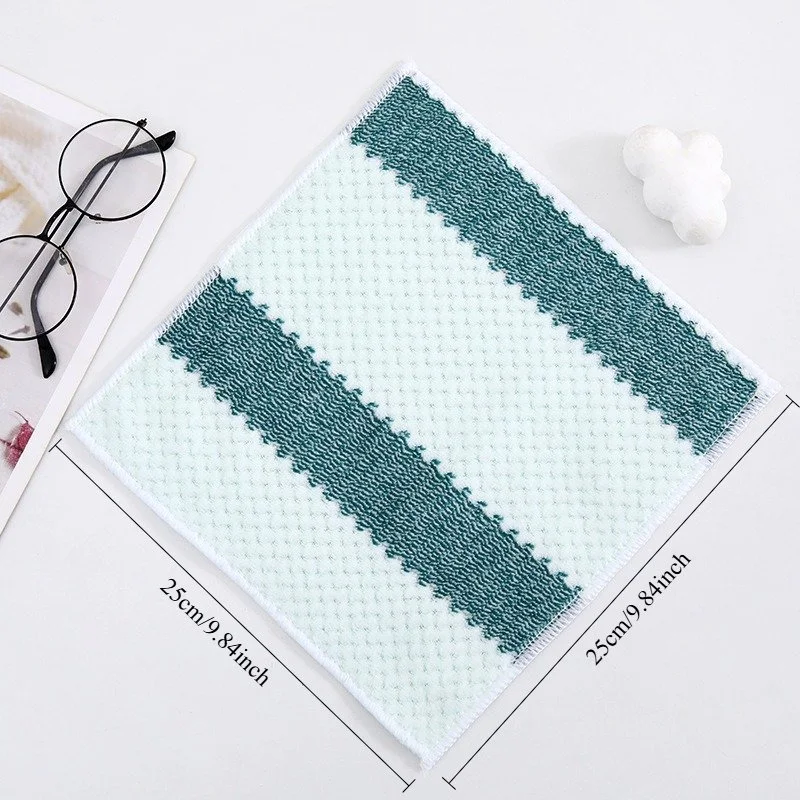
The matched product for this checklist is the Ultra-Absorbent Microfiber Kitchen Towels - 5 Pack Reusable Cleaning Cloths (#1795550). A washable cloth set fits the routine because many daily and weekly jobs are small wipes: counters, sink splashes, table surfaces, faucets, shelves, and safe spills. The product should not replace disinfectant, toilet tools, paper towels for contaminated messes, or floor tools. Its value is that it gives the routine a reusable wiping system.
The Simple Rule: Daily Reset, Weekly Clean, Monthly Detail
Daily tasks should be short and visible. They keep dishes, crumbs, trash, sink moisture, and surface clutter from building up. Daily cleaning is not supposed to include every room. It is a reset.
Weekly tasks handle the areas that need actual cleaning: bathrooms, floors, dust, towels, appliance fronts, and trash bins. Weekly cleaning should make the home feel fresh without requiring a full deep clean.
Monthly tasks reach the places that are easy to forget: baseboards, cabinet fronts, vents, light fixtures, under furniture, small appliances, filters, and window tracks. These jobs do not usually need daily attention, but ignoring them for months makes the home feel dusty even when the main surfaces are clean.
Seasonal tasks are bigger projects. Oven interiors, windows, curtains, outdoor cleaning, storage areas, and full-room decluttering often need more time and better planning. Treat them as scheduled projects, not spontaneous punishments for falling behind.
Daily Cleaning Checklist
- [ ] Make or straighten the bed.
- [ ] Put dishes in the sink or dishwasher.
- [ ] Wipe kitchen counters after cooking or food prep.
- [ ] Wipe the dining table or main eating area.
- [ ] Rinse the kitchen sink and clear food scraps.
- [ ] Dry sink edges and faucet splashes.
- [ ] Throw away obvious trash from counters and tables.
- [ ] Take out trash if the bin is full or contains odor.
- [ ] Do a two-minute clutter reset in the main living area.
- [ ] Sweep or vacuum visible crumbs in high-traffic spots.
- [ ] Hang towels so they dry.
- [ ] Squeegee or wipe shower walls if hard water spots build quickly.
- [ ] Put used cleaning cloths in a drying or laundry spot.
The daily list should take about 10 to 20 minutes. If it takes longer, the list is probably being used as a deep-clean list. Keep it basic: clear, wipe, rinse, dry, trash, and reset.
Microfiber cloths are most useful in this part of the schedule. Assign one cloth to kitchen counters, one to sink drying, one to safe spills, one to light dusting, and one as backup. That gives the five-pack a purpose instead of letting all cloths become a random pile.
Weekly Cleaning Checklist
- [ ] Vacuum carpets, rugs, and high-traffic hard floors.
- [ ] Sweep or vacuum before mopping.
- [ ] Mop hard floors where needed.
- [ ] Clean toilets, including exterior surfaces and handles.
- [ ] Wipe bathroom counters, sinks, faucets, and mirrors.
- [ ] Clean shower or tub surfaces before buildup hardens.
- [ ] Change bath towels and kitchen towels.
- [ ] Wash cleaning cloths separately from lint-heavy laundry when possible.
- [ ] Dust visible shelves, TV stands, nightstands, and tables.
- [ ] Wipe kitchen appliance exteriors.
- [ ] Clean stovetop surface after heavy cooking.
- [ ] Empty bedroom, bathroom, and office trash bins.
- [ ] Check entryway mats and shake or vacuum them.
- [ ] Restock soap, trash bags, toilet paper, and paper towels.
- [ ] Inspect sponges and brushes; replace anything smelly or damaged.
A weekly routine works best when it has an order. Pick up clutter first, dust second, vacuum or sweep third, mop last. Cleaning in this order prevents dust and crumbs from falling onto already-clean floors.
Do not try to wash every surface with the same cloth. Keep bathroom cloths separate from kitchen cloths. If the cloths are identical, separate them by storage location. A simple bin or drawer can prevent cross-use.
Monthly Cleaning Checklist
- [ ] Clean the inside of the microwave.
- [ ] Wipe cabinet fronts and drawer pulls.
- [ ] Wipe baseboards in high-traffic rooms.
- [ ] Dust door frames and window trim.
- [ ] Clean window sills and tracks.
- [ ] Dust ceiling fan blades and light fixtures.
- [ ] Vacuum under sofa cushions and accessible furniture.
- [ ] Clean under beds if dust collects there.
- [ ] Wash bath mats and shower curtains or liners as appropriate.
- [ ] Descale coffee maker or kettle if mineral buildup is present.
- [ ] Check vacuum filters and brush rolls.
- [ ] Wipe trash cans if residue or odor is present.
- [ ] Clean around pet feeding areas.
- [ ] Wipe pantry shelves or cabinet shelves with visible crumbs.
- [ ] Review cleaning supplies and remove empty bottles.
Monthly cleaning should focus on accumulation. Dust, hair, mineral spots, grease film, crumbs, lint, and residue build slowly. These tasks are easy to ignore because they rarely look urgent on day one. They become frustrating when they are left for half a year.
Use microfiber carefully here. A dry cloth is useful for dusting baseboards, shelves, and fixtures. A damp cloth is useful for cabinet fronts and safe hard surfaces. For greasy cabinets, use a mild cleaner or dish soap solution and rinse as needed. For bathroom or pet residue, use appropriate cleaners and separate cloths.
Seasonal Deep Cleaning Checklist
- [ ] Deep clean the oven if it is used heavily.
- [ ] Clean behind and under the refrigerator if accessible.
- [ ] Wash windows inside and outside where safe.
- [ ] Wash or vacuum curtains, blinds, and fabric shades.
- [ ] Vacuum mattress surfaces and rotate if recommended.
- [ ] Clean closet floors and storage corners.
- [ ] Declutter one room or category completely.
- [ ] Review expired pantry items, cleaners, batteries, or supplies.
- [ ] Clean garage, patio, balcony, or outdoor storage zones.
- [ ] Pressure wash suitable exterior surfaces if needed.
- [ ] Clean gutters only with safe equipment or professional help.
- [ ] Wash outdoor furniture before storage or peak use.
- [ ] Check smoke detector batteries and basic home safety supplies.
Seasonal cleaning is where many checklists become unrealistic. You do not need to do every seasonal task in one day. Split them by weather and need. Windows make sense when weather is mild. Outdoor cleaning makes sense before heavy use. Storage cleanup makes sense before holidays, moves, or seasonal clothing changes.
The goal is to prevent forgotten areas from becoming major projects. A seasonal checklist gives those tasks a place to live.
Room-By-Room Daily Priorities
In the kitchen, prioritize dishes, food residue, counters, sink edges, trash, and floor crumbs. A kitchen can look messy quickly because it combines water, food, grease, packaging, and tools. A short reset after meals prevents most problems.
In the bathroom, prioritize sink residue, toilet maintenance, towel drying, and floor hair. A full bathroom clean does not need to happen daily, but moisture and toothpaste should not sit for days.
In the living room, prioritize trash, cups, clutter, pet hair, and visible dust. Most living room cleaning is really resetting objects to their homes.
In the bedroom, prioritize laundry, trash, bed reset, surfaces, and floors. Bedrooms often feel messy because clothes and small items do not have a consistent landing place.
In the entryway, prioritize dirt prevention. Mats, shoes, bags, umbrellas, pet leashes, and outdoor debris can spread mess into the rest of the home. A clean entry lowers the workload everywhere else.
How To Build A Cloth Rotation
Reusable cloths only help if they are managed. A five-piece set can support a simple home system:
- Cloth 1: kitchen counters and table.
- Cloth 2: sink drying and faucet splashes.
- Cloth 3: safe spills and quick cleanup.
- Cloth 4: dry dusting.
- Cloth 5: clean backup or laundry rotation.
If you use cloths in the bathroom, add separate bathroom cloths or clearly separate them from kitchen cloths. Do not use the same cloth on a toilet exterior and then on a counter. Job separation matters more than color, but color makes the system easier.
Wash microfiber without fabric softener. Avoid dryer sheets if they leave coating or lint. Let damp cloths dry before sealing them in a bin. If a cloth handled grease, rinse it before laundry. If a cloth smells after washing, improve drying, reduce detergent buildup, or retire it to rough cleaning.
The #1795550 microfiber towel set fits this checklist because it supports the most frequent non-contaminated tasks. It helps with consistency: a cloth is available when the daily reset starts.
Weekly Schedule Option
Some people prefer a single weekly cleaning block. Others prefer one task per day. Both can work.
For a split schedule, try this:
- Monday: bathroom sinks, toilets, mirrors, and towels.
- Tuesday: dust visible surfaces.
- Wednesday: vacuum carpets, rugs, and high-traffic hard floors.
- Thursday: mop hard floors and clean entry mats.
- Friday: kitchen appliance fronts, stovetop, and trash bins.
- Saturday: one monthly detail task.
- Sunday: laundry reset and supply check.
This schedule prevents the weekend from becoming the only cleaning window. If a day is missed, do not restart the whole week. Move the task forward or skip the least urgent item.
Fast Reset For A Messy Day
When the home feels behind, use a 30-minute reset:
- First 5 minutes: collect trash.
- Next 5 minutes: collect dishes and food items.
- Next 5 minutes: clear one counter or table.
- Next 5 minutes: wipe kitchen counters and sink edge.
- Next 5 minutes: vacuum or sweep the main walkway.
- Final 5 minutes: put cleaning tools away and start one laundry load if needed.
This reset is not deep cleaning. It restores function. A good checklist should include a way back when real life interrupts the routine.
How To Adjust The Checklist For Your Home
A checklist works only when it matches the home. A small apartment, a family house, a pet household, and a shared rental do not get dirty in the same way. Use the main schedule as the base, then raise or lower the frequency around the areas that create the most mess.
For a small apartment, reduce duplicate tasks and focus on the kitchen, bathroom, entry, and visible floor. There may be fewer rooms, but clutter becomes visible faster because each surface has more jobs. A daily two-minute reset matters more than a long weekend cleaning block. Keep the microfiber towels, trash bags, and basic cleaner in one easy place so the routine does not require digging through storage.
For a family home, build around traffic. Entry floors, kitchen counters, bathroom sinks, dining areas, and laundry zones usually need the most frequent attention. The checklist should not depend on one person remembering everything. Assign repeatable jobs by zone: one person clears the table, one handles trash, one resets towels, one checks floors. Even young children can return shoes, cups, toys, and laundry to the right area when the expectation is simple.
For pet households, increase floor and fabric maintenance. Pet hair collects under chairs, along baseboards, near feeding stations, on sofas, and around beds. Vacuuming may need to happen several times a week in high-shed seasons. Pet bowls should be washed often, and the area around feeding stations should be wiped before residue hardens. Use separate cloths for pet areas so kitchen cloths do not become mixed with pet messes.
For homes with allergies, dust control matters more than appearance. Dust higher surfaces before vacuuming. Wash bedding regularly. Vacuum soft furniture and rugs more often. Check filters and vents on a schedule. Avoid shaking dusty cloths indoors. A dry microfiber cloth can help trap light dust, but it should be washed before it becomes overloaded.
For shared rentals, write the checklist around common areas. Bathrooms, kitchens, trash, floors, and entryways need clear ownership. A shared checklist fails when every task belongs to everyone. Rotate responsibility or assign fixed zones. Keep backup supplies visible so one missing roll of trash bags does not become a week of avoided cleaning.
The Right Cleaning Order
The order of cleaning saves time. If you clean in the wrong order, you repeat work.
Start by removing objects that do not belong. Dishes, laundry, mail, shoes, toys, and trash block the surfaces that need cleaning. Do not start spraying or wiping while clutter is still covering the counter.
Next, dry dust visible surfaces. Dust shelves, tables, cabinet tops, TV stands, baseboards, and trim before cleaning floors. Dust falls. If the floor is already clean, the dust lands where you just worked.
Then handle wet surfaces. Wipe kitchen counters, bathroom sinks, faucets, tables, and appliance fronts. Use the right moisture level. A lightly damp microfiber cloth is often enough for dust, fingerprints, sink splashes, and safe food residue. Grease, raw-food contamination, toilet areas, and bathroom buildup require appropriate cleaners and separate tools.
After that, vacuum or sweep. Remove crumbs, hair, grit, and loose debris before mopping. Mopping over dry debris creates streaks and pushes dirt into corners. Pay attention to entryways, under dining chairs, around pet bowls, and beside trash cans.
Mop last when floors need it. Use the cleaner and water level appropriate for the floor type. Too much water can damage some floors and leave residue. Let floors dry before putting rugs and objects back.
Finish by resetting tools. Rinse cloths, hang damp towels, empty vacuum bins when needed, return cleaners to storage, and replace anything that ran out. The reset is part of the checklist because tomorrow's cleaning depends on tools being ready.
A Simple Cleaning Supply Station
A cleaning routine is easier when supplies are organized by use. The goal is not to own more products. The goal is to reduce the steps between noticing a mess and fixing it.
A basic kitchen station can include a few microfiber towels, dish soap, a safe counter cleaner if needed, trash bags, sponge or brush, and paper towels for messes that should not go into cloth laundry. Store these close to the sink or prep area.
A bathroom station can include toilet cleaner, toilet brush, bathroom-safe cleaner, glass cloth or mirror cloth, gloves, and spare trash bags. Keep bathroom tools separate from kitchen tools. If children or pets are present, store chemicals securely and follow label directions.
A floor station can include a vacuum, broom, dustpan, mop, floor cleaner, and spare filters or mop pads. If the vacuum is cordless, return it to the charger after every use. If the mop pads are washable, give dirty pads a breathable place to dry before laundry.
A laundry station can include detergent, stain treatment, mesh bags for delicate items, and a place for dirty cleaning cloths. Do not seal damp microfiber in a closed container. Let it dry first or wash it promptly.
The #1795550 microfiber five-pack fits best in the kitchen station and daily reset station. Keep the cloths visible enough that people use them, but not mixed into bathroom or pet cleanup. When clean cloths are easy to reach, the checklist becomes less dependent on motivation.
Mistakes That Make Checklists Fail
The first mistake is making the daily list too long. Daily cleaning should be a reset, not a whole-home service.
The second mistake is ignoring the order of operations. Pick up first, dust before floors, vacuum before mopping, and wipe wet areas before they dry into spots.
The third mistake is using too much cleaner. Extra product can leave residue that attracts dirt and makes surfaces feel sticky.
The fourth mistake is using one cloth for everything. Separate kitchen, bathroom, glass, grease, and pet messes.
The fifth mistake is never restocking. A routine fails quickly when trash bags, clean cloths, filters, or soap are missing.
The sixth mistake is treating seasonal work as an emergency. Put larger jobs on the calendar and do them in small blocks.
How To Turn The Checklist Into A Habit
A checklist becomes useful when it is attached to a trigger. Without a trigger, it becomes another document that people mean to use later. Choose one daily trigger and one weekly trigger.
For the daily reset, attach the checklist to an existing routine. Good triggers include after dinner, after the dishwasher is loaded, before the coffee maker is set for the next morning, after the kids go to bed, or before leaving the kitchen at night. The trigger should already happen most days. That makes the cleaning routine less dependent on willpower.
For the weekly clean, choose a time block that fits the household's energy. Some people clean best on Friday afternoon because they want the weekend open. Some prefer Saturday morning. Some prefer splitting tasks across weeknights. The correct choice is the one that repeats.
Use a visible checklist only for tasks that are commonly missed. If everyone already takes out trash when the bin is full, that task does not need attention. If bathroom towels always stay damp in a pile, that task deserves a visible reminder. A shorter visible checklist often works better than a complete checklist posted on a wall.
Build a reset basket for fast cleaning. Put two clean microfiber towels, a small trash bag, a safe surface cleaner, and any room-specific tool in a portable caddy. Walk through the room once for trash, once for misplaced items, and once for surfaces. This prevents the common pattern of walking back and forth for supplies.
Track completion lightly. A checklist should not create guilt. If the home is functional, the system is working. If the same task fails every week, redesign the task. Move the supplies closer, reduce the frequency, assign it to a different day, or break it into a smaller action.
The best habit test is simple: can the routine survive a busy week? If yes, keep it. If no, simplify it until it can.
A final maintenance check once a month keeps the system honest. Look at the checklist and remove tasks that no longer matter. Add tasks that keep being forgotten. Replace worn cloths, broken brushes, clogged filters, and empty cleaners before they interrupt the next reset. A checklist should change with the home, not freeze the home into an unrealistic plan.
Where The Matched Product Fits
The Ultra-Absorbent Microfiber Kitchen Towels - 5 Pack Reusable Cleaning Cloths (#1795550) fits best as the reusable cloth system for daily and weekly maintenance. The product details describe microfiber material, reusable washable construction, lightweight quick-drying use, and common kitchen jobs such as drying dishes, wiping counters, and cleaning spills.
The five-pack matters because a checklist needs rotation. One cloth cannot stay clean, dry, and available for every job. Five cloths are enough to create a small system without building a crowded cleaning drawer.
This product should be positioned honestly. It is not a disinfectant. It is not a mop, vacuum, or toilet tool. It is a practical wiping and drying set for safe routine cleaning tasks. Paired with the right cleaners and a clear schedule, it reduces friction in the daily reset.
Final Recommendation
Use this checklist as a working routine, not a strict rulebook. Clean daily touchpoints often, clean bathrooms and floors weekly, handle dusty details monthly, and schedule seasonal jobs before they become overwhelming.
For this article, the best matched product is the Ultra-Absorbent Microfiber Kitchen Towels - 5 Pack Reusable Cleaning Cloths (#1795550). It supports the checklist because many of the highest-frequency jobs are simple wipes, drying passes, dusting passes, and safe spill cleanups.
The most useful cleaning checklist is the one that survives a busy week. Keep the routine visible, keep tools close, and adjust the frequency to the way your home actually gets dirty.
For print or CMS use, keep the visible checklist near the top and the explanatory sections below it. Readers who want quick tasks can scan immediately, while readers who need a system can continue into the guidance.