Article
Travel Tech Accessories Under $50 (6 Picks That Earn Their Carry-On Space)
Quick Answer
Travel Tech Accessories Under $50 (6 Picks That Earn Their Carry-On Space): quick answer
There's a kind of travel frustration no itinerary can fix: your technology stops working exactly when you need it. You land at 11 p.m. with 6% battery...
- Topic: Gadgets.
- Related product category: gadgets.
- This article keeps the main answer in the article copy and places relevant product context inside the guide.
There's a kind of travel frustration no itinerary can fix: your technology stops working exactly when you need it. You land at 11 p.m. with 6% battery and a hotel room whose only outlet hides behind the nightstand. Your earbuds were paired to your laptop and now refuse to connect to your phone without a ritual in the Bluetooth settings. The seatback screen has a headphone jack your earbuds can't use. And somewhere between the hotel and the rental car, the one cable that charges everything has vanished into your bag. Every frequent traveler knows these failure points. Airports are the worst: a dying phone and a charging station that's full, broken, or demands you stand in a corner for forty minutes. Bluetooth pairing chaos is a close second — devices remember their last connection, not the one you need now, and switching earbuds between phone, laptop, and hotel speaker is an exercise in patience. Airplane entertainment adds its own cruelty: most seatback systems still use the 3.5mm jack, and a growing share of travelers no longer own wired headphones. Add packing weight — every gram you carry through security is a gram you carry through the terminal, the flight, and the hotel lobby — and the carry-on rule writes itself: nothing that does one job, nothing that needs its own charger. That rule is what this list is built on: six travel tech accessories under $50, each chosen to solve one specific, predictable problem — dead-device panic, pairing friction, airplane audio, cable chaos. The recommendations are restrained: the specs are what the listings state, limitations are called out honestly, and nothing claims to be something it isn't. A $15 speaker won't replace a sound system; foldable headphones trade isolation for portability. Knowing that before you buy is the point.
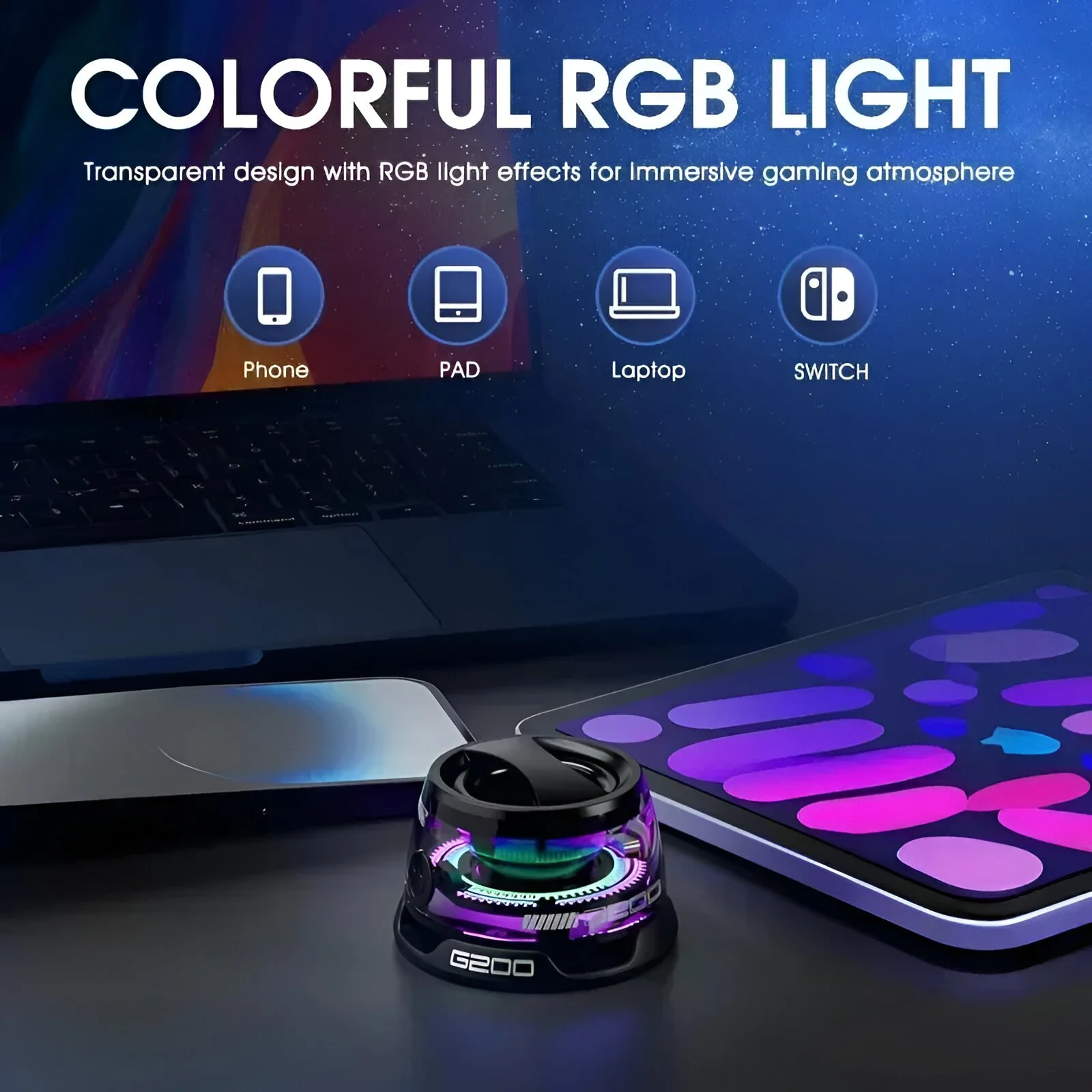
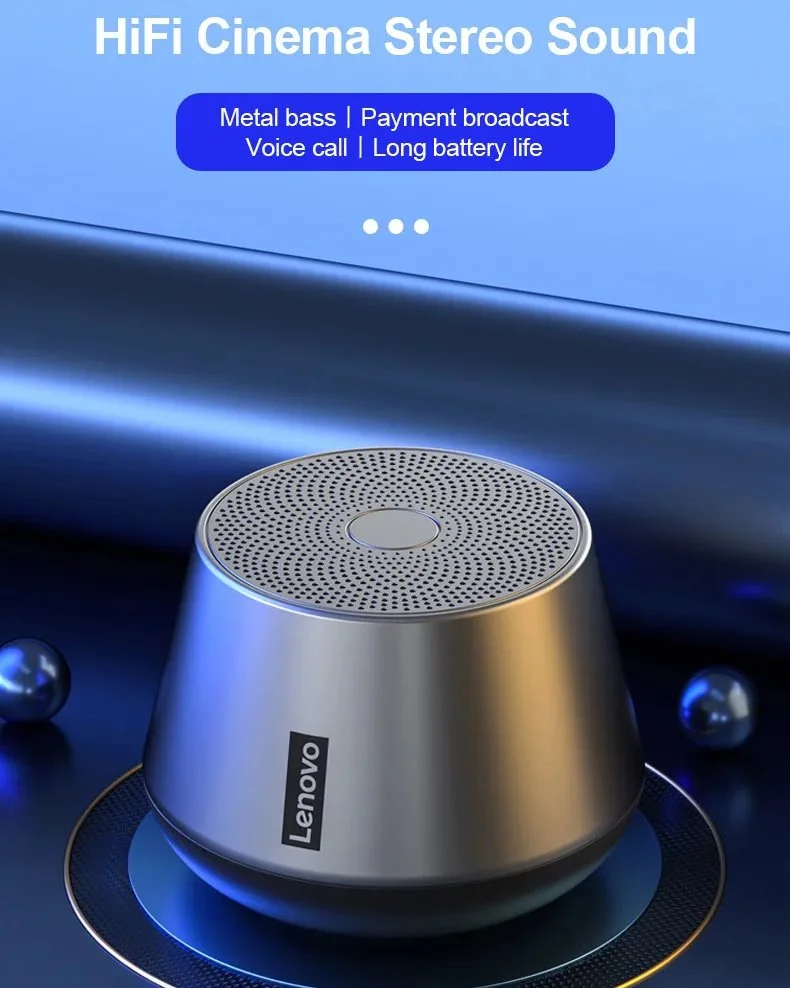
The Portable Bluetooth 5.3 Mini Speaker with RGB Light & Magnetic Phone Stand — $15.49
The problem it solves: A compact speaker-and-phone-stand combination can make a hotel room or rental more convenient when you want hands-free audio, a video call, or a place to prop up a phone while packing. Its usefulness depends on the room size, the phone's case, and the speaker's actual battery performance. What you're getting: A small speaker-and-stand combination whose listing states Bluetooth 5.3 and a magnetic phone stand. Bluetooth version alone does not guarantee range, latency, or pairing behavior, so treat the specification as one compatibility detail rather than a performance promise. Confirm whether your phone case works with the stand and whether the product page lists battery capacity or playback time. Who it's for: Hotel and Airbnb travelers who want room audio without packing a full-size speaker. Anyone who likes having a phone stand for hands-free calls or video in a rental kitchen. Budget gift-buyers who want one gadget that does two jobs. It also works as a beach or picnic speaker if you don't need waterproofing. Honest limits: The listing doesn't state a battery life, and on a travel speaker that's the spec you actually care about — treat it as an unknown until you've timed it yourself, and don't rely on it for a full day out. The RGB light is a party feature, not a travel feature; it's fun in a hotel room but it eats battery for no audio benefit. A mini speaker is also a mini speaker: it's fine for a bedroom or a small apartment living room, but it won't fill a big space or produce real bass. And the magnetic stand means the phone rides on top — great until you grab the speaker and the phone comes with it. [Portable Bluetooth 5.3 Mini Speaker with RGB Light & Magnetic Phone Stand — $15.49](/products/portable-bluetooth-5-3-mini-speaker-with-rgb-light-and-magnetic-phone-p-008121)
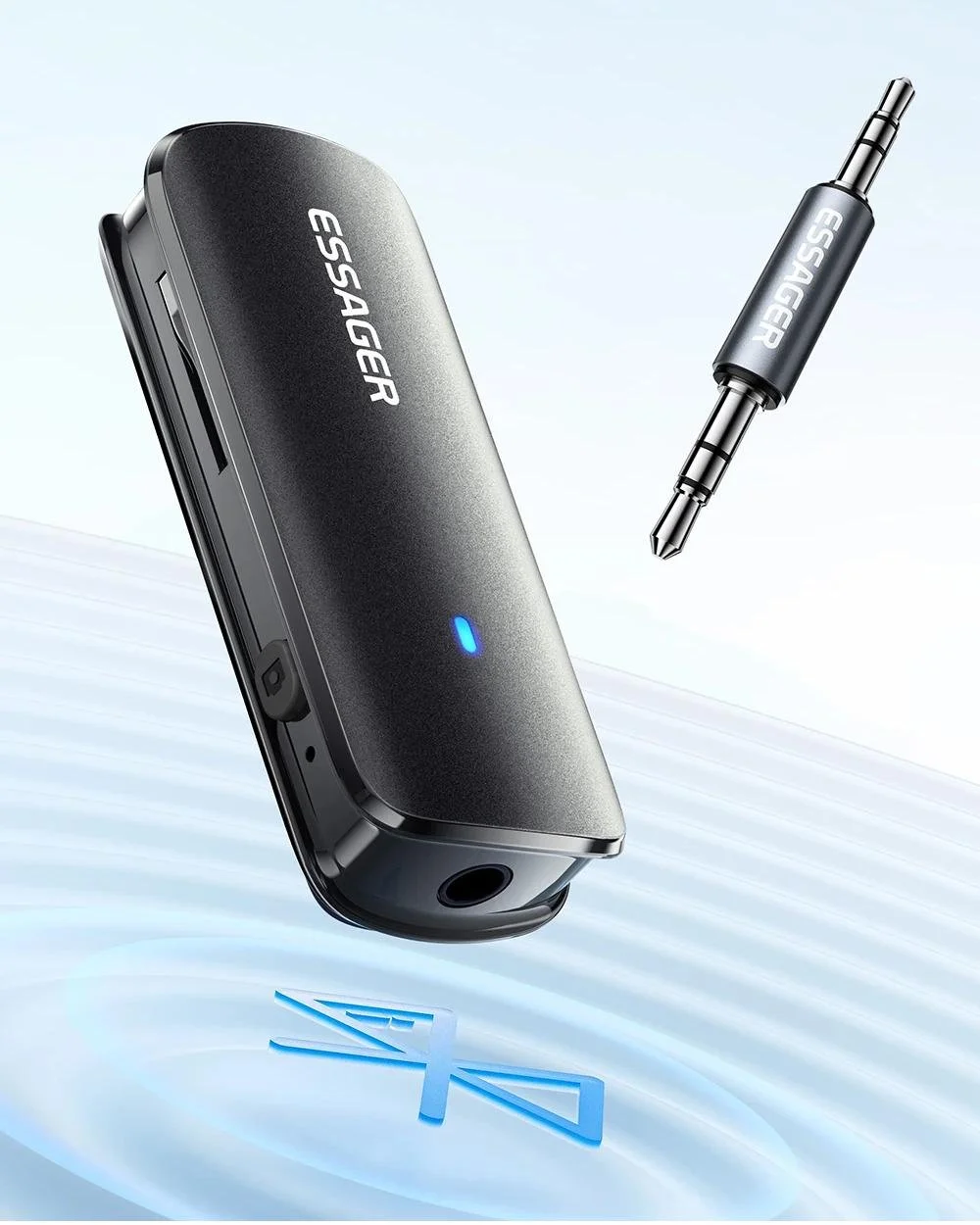
The Bluetooth 5.3 Type-C to 3.5mm Audio Adapter with TF Card Slot — $19.99
The problem it solves: Airplane seatback screens still use the 3.5mm headphone jack, and your modern phone and earbuds don't. This is one of the most annoying gaps in travel: a six-hour flight with hundreds of movies, and the only way to hear them is the airline's earbuds, which feel designed by people who hate ears. This adapter is the bridge. It plugs into the seatback's headphone jack with its 3.5mm end, then pairs wirelessly over Bluetooth 5.3 to your own earbuds or headphones — so you get your good audio on the plane's screen without carrying a single wired headphone. The TF card slot is the second trick: load an SD card with movies or music and it plays files directly, no phone battery involved. What you're getting: A Bluetooth 5.3 transmitter disguised as a tiny dongle, with a 3.5mm plug on one end and a TF (microSD) card slot on the side. 5.3 matters here for a different reason than it does on a speaker: planes are crowded with wireless signals, and newer Bluetooth handles interference better — the difference between enjoying a movie and re-pairing mid-flight. The Type-C in the name refers to its charging input, so you can top it up between flights. The TF slot turns it into a tiny offline media player: load it with files, plug it into the seatback or a car aux port, and you've got entertainment that doesn't touch your phone at all. Who it's for: Anyone with Bluetooth-only earbuds who flies more than twice a year — this is the cheapest fix for the seatback problem that exists. Long-haul fliers who want their own audio on plane screens. Drivers of older cars with aux-only inputs. Offline-media fans who'd rather carry an SD card than stream from a draining phone. Honest limits: There's a catch: Bluetooth adds slight latency — fine for movies, noticeable in games or tight audio sync. More importantly, it's a small battery-powered device that needs charging between uses — forget, and you're back to airline earbuds. The pairing is also a two-device dance: your earbuds pair to the adapter, not to the plane, so you manage connections on a gadget that has no screen. And the TF slot only plays supported formats — test your library at home, not on the plane. [Bluetooth 5.3 Type-C to 3.5mm Audio Adapter with TF Card Slot — $19.99](/products/bluetooth-5-3-type-c-to-3-5mm-audio-adapter-with-tf-p-008012)
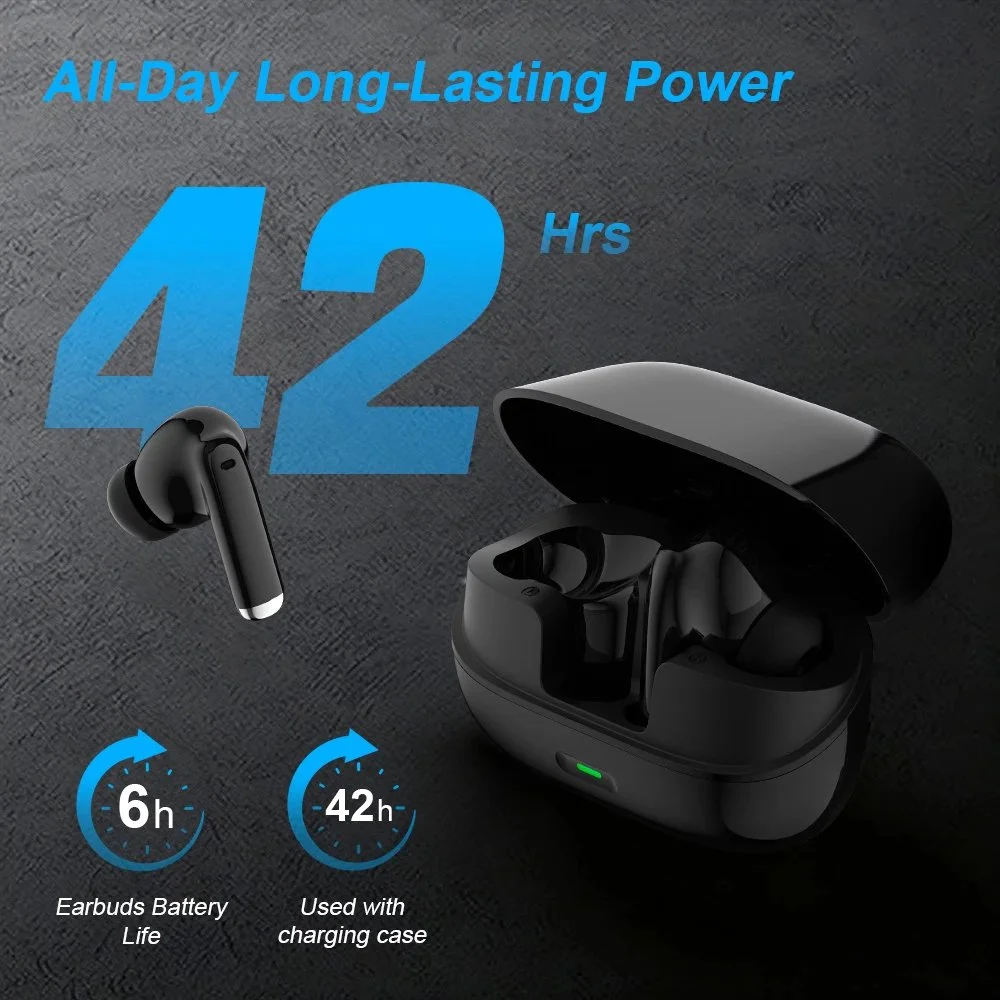
The Flip-Style True Wireless Bluetooth In-Ear Earphones with Mic & Volume Control — $26.49
The problem it solves: Travel earbuds get punished. They're shoved into pockets, dropped between seat cushions, and expected to survive the gym, the airport, and the hotel in one day. True wireless earbuds solve the two biggest travel complaints — the cable that snags on door handles and the pairing dance — by being entirely self-contained. The flip-style case is the travel-friendly part: it closes like a compact, protecting the buds in your bag, and the buds have physical volume and call controls, so you never dig your phone out in a crowded terminal. What you're getting: A pair of true wireless in-ear earbuds with a microphone built into each bud and on-bud volume controls — the two features that separate travel earbuds from desk earbuds. The mic makes them a hands-free headset for calls from the lounge or rental car, and on-bud volume control means no digging for the phone during boarding. There's no cable to snag, and the case charges the buds between uses, so they're always topped up when you take them out. Who it's for: Travelers who want one audio solution that works for music, calls, and videos without carrying anything wired. People who've lost or broken a pair of wired earbuds on a trip and want something that survives being tossed in a bag. Anyone who takes calls on the move — the built-in mic makes these a genuine hands-free option, not just a music accessory. Honest limits: True wireless has a real weakness: the battery is tiny, and the case isn't optional — it's the only practical way to last a day. Forget it in the hotel and you'll ration listening time by afternoon. The case itself needs charging too, so you're managing two batteries instead of one. Small earbuds also mean small drivers: they'll sound fine for podcasts and pop music, but they won't reproduce the depth of over-ear headphones. And the mic picks up wind and background noise — fine for a quick call, rough in a noisy terminal. Pairing is also single-device at a time; switching between your phone and laptop means going back into the Bluetooth settings. [Flip-Style True Wireless Bluetooth In-Ear Earphones with Mic & Volume Control — $26.49](/products/flip-style-true-wireless-bluetooth-in-ear-earphones-with-mic-and-volume-p-008002)
The Portable Bluetooth 5.0 Stereo Speaker with Deep Bass & Waterproof Design — $30.49
The problem it solves: The best travel moments happen near water — the beach, the pool, the riverside terrace — and that's exactly where ordinary speakers die. A waterproof rating separates a speaker that survives splashes and rain from one that becomes an expensive paperweight on day two. This one is built for that scenario: the speaker you don't panic about, the one that can sit on a pool deck, catch a splash, and keep playing. Stereo sound also fills a space better than a single driver — a real upgrade over a phone speaker on a rental patio. What you're getting: A Bluetooth 5.0 stereo speaker with a waterproof design and a "deep bass" tuning. Stereo means two drivers, giving music width instead of a mono thump. Waterproofing is the headline feature — it lets you stop guarding the speaker and start enjoying the trip, poolside, beachside, or in a steamy bathroom. Bluetooth 5.0 is a generation behind the 5.3 on the other speaker here, but fully current in practice: stable pairing, good range, low power draw. Who it's for: Beach and pool travelers who want music without treating the speaker like a fragile object. People who want better-than-phone audio in a rental with a patio or balcony. It's also a solid pick for road trips, where a waterproof speaker can live in the door pocket or on the tailgate without special care. If you mostly listen in hotel rooms instead of near water, the cheaper mini speaker on this list covers that job for half the price. Honest limits: Waterproof doesn't mean indestructible — it means the speaker survived the rated conditions, not that it floats or survives being left out in a storm. And "deep bass" is doing a lot of work in that title: physics limits what small portable drivers can produce, so expect decent punch for a speaker this size, not the chest-thumping low end of a bigger unit. Battery life isn't stated in the listing — same unknown as the mini speaker: charge it overnight, don't trust a full day of playback. [Portable Bluetooth 5.0 Stereo Speaker with Deep Bass & Waterproof Design — $30.49](/products/portable-bluetooth-5-0-stereo-speaker-with-deep-bass-and-waterproof-design-p-008119)
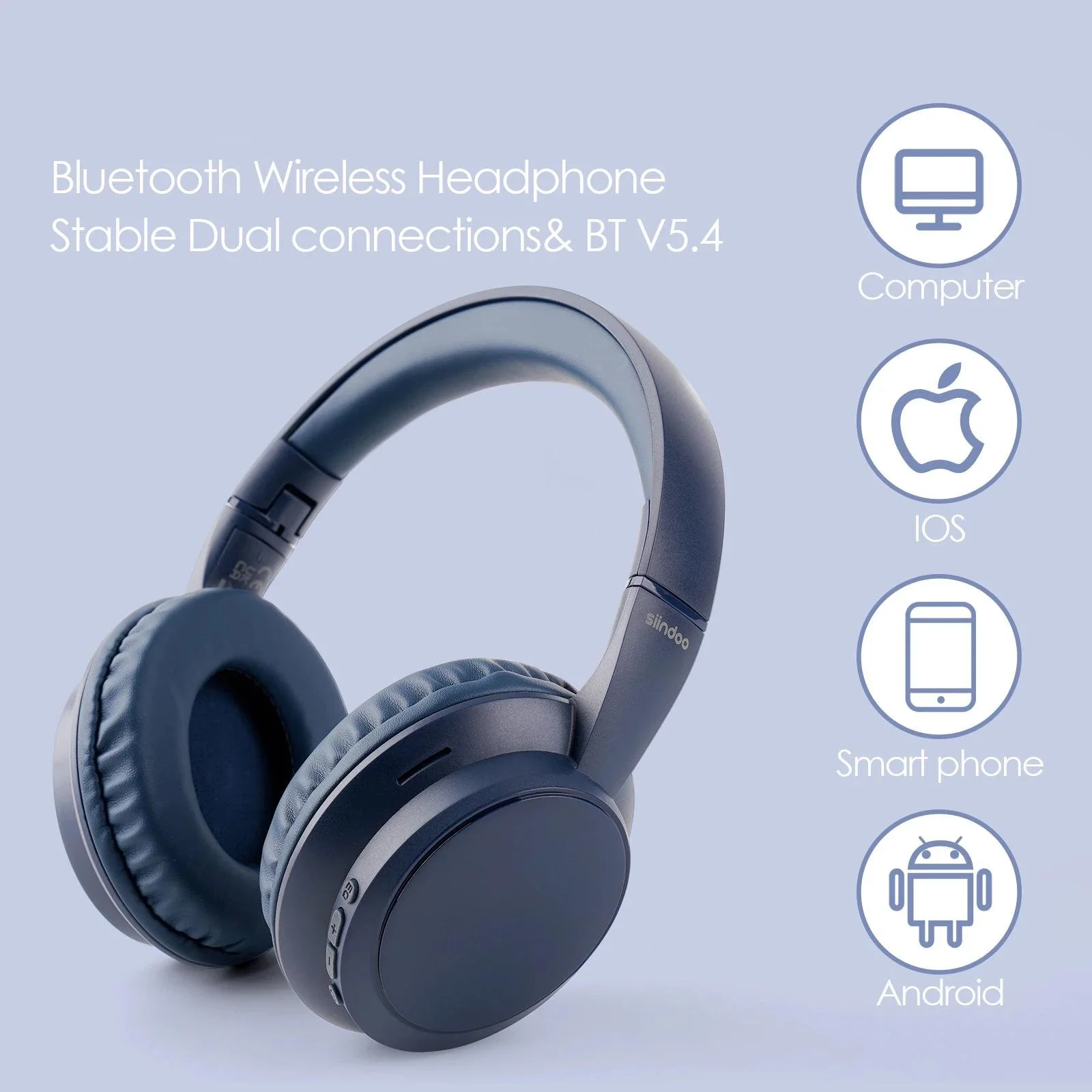
The Wireless Bluetooth Over-Ear Headphones with 60-Hour Playtime & Foldable Design — $38.49
The problem it solves: Long flights are an endurance test for headphones. A 9-hour red-eye with layovers means 12-plus hours of audio, and most earbuds — including the pair above — tap out long before landing. Over-ear headphones answer this: bigger batteries, bigger drivers, a fit that stays comfortable for hours. The two specs in the title are the whole travel story. Sixty hours of playtime means you can fly across the ocean, use them for a week of commutes, and still not have charged them — it kills the "when did I last charge these" anxiety that follows every trip. And the foldable design lets them live in a carry-on or daypack without dominating the bag. What you're getting: Over-ear wireless headphones with a 60-hour playtime rating and a folding hinge. The 60-hour figure is the standout spec here — roughly triple what most wireless headphones claim — and it means you charge between trips, not between uses. The folding hinge is the other half: non-folding headphones are a hard shape in a packed bag; folding ones slide into a side pocket. Wireless means no cable on the plane, and the over-ear design gives passive isolation from a pad sealed around your ear. Who it's for: Long-haul fliers who've had earbuds die over the ocean and never want to repeat it. Travelers who pack light and need one audio device that covers the flight, the airport, and the hotel. Anyone who finds in-ear buds uncomfortable for hours of continuous wear and wants the cushioned, over-ear fit. Commuters who fly occasionally and want a single pair of headphones that survives both worlds. Honest limits: Foldable headphones make a real trade: the hinge and the thinner pad design that make them packable also weaken noise isolation. A folding pair never blocks sound like full-size pads — and nothing here claims active noise canceling, so in a loud cabin you'll still hear the engines, just quieter. Sixty hours is the manufacturer's rating; real-world playtime depends on volume, and Bluetooth always draws power, so treat 60 hours as the ceiling, not the norm. Over-ear headphones are also bulkier and warmer than earbuds — fine for a flight, annoying in a hot climate or a packed daypack. And pairing is single-device, like every wireless device here: switching from your phone to the hotel TV means a trip to the settings. [Wireless Bluetooth Over-Ear Headphones with 60-Hour Playtime & Foldable Design — $38.49](/products/wireless-bluetooth-over-ear-headphones-with-60-hour-playtime-and-foldable-design-p-008005)
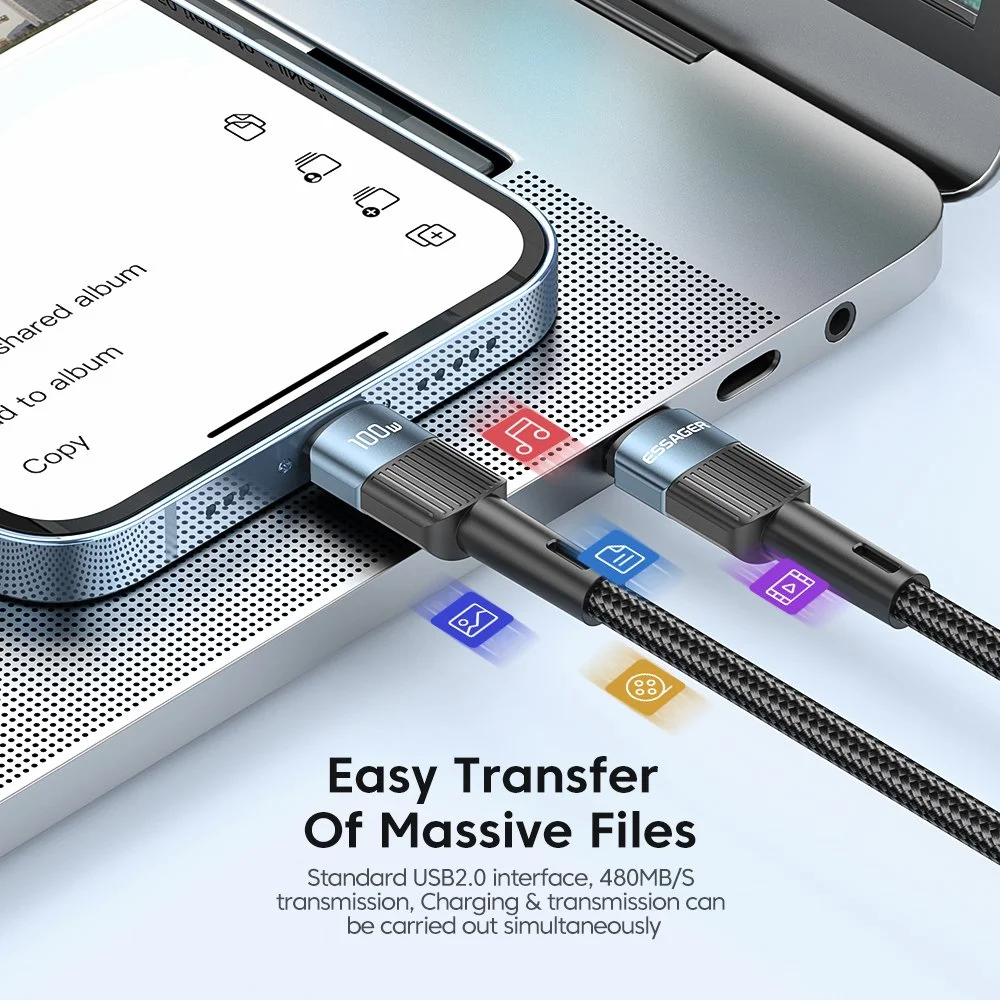
The 100W 2-in-1 USB-C Fast Charging & Data Cable — $46.49
The problem it solves: Carrying fewer cables can simplify travel when your laptop, tablet, phone, and power bank all use compatible USB-C ports. A single higher-rated USB-C cable may cover more than one device, but it does not replace a device-specific cable or charger when the connector, power profile, or data requirement differs. What you're getting: A USB-C to USB-C cable whose listing states 100W charging and data transfer. Actual charging speed depends on the charger, the device, the cable's supported protocol, and any power-management limits. Confirm the stated length and data-transfer specification before relying on it for a laptop or camera workflow. Who it's for: Travelers who carry a laptop and a phone and are tired of packing two cables. Anyone who's landed somewhere and discovered the only cable they packed can't charge their laptop. Digital nomads and business travelers who move between devices all day. Minimalists who want their electronics to fit in one pouch. Honest limits: The 100W rating is the cable's maximum, not a promise: a 100W cable with a 30W charger still delivers 30W. The listing doesn't state the length, and length is the travel spec that matters most — too short to reach the outlet under an airport seat and you'll curse it. A 2-in-1 cable has no magic — it's still one cable, so carry a cheap spare. And it's a cable, not a hub: it transfers files between two devices, not extra ports or multi-device charging. Buy it for what it is — the one reliable cable that covers everything you carry. [100W 2-in-1 USB-C Fast Charging & Data Cable — $46.49](/products/100w-2-in-1-usb-c-fast-charging-and-data-cable-p-008050)
Comparison Table
| Product | Price | Travel Role | Best For | Honest Limit |
|---|---|---|---|---|
| [Mini Speaker w/ RGB & Phone Stand](/products/portable-bluetooth-5-3-mini-speaker-with-rgb-light-and-magnetic-phone-p-008121) | $15.49 | Hotel room audio + phone stand | Budget room sound, video calls | Battery life unstated; RGB eats battery |
| [Bluetooth Type-C to 3.5mm Adapter](/products/bluetooth-5-3-type-c-to-3-5mm-audio-adapter-with-tf-p-008012) | $19.99 | Airplane seatback audio bridge | Flying with Bluetooth-only earbuds | Needs charging; adds Bluetooth latency |
| [True Wireless In-Ear Earphones](/products/flip-style-true-wireless-bluetooth-in-ear-earphones-with-mic-and-volume-p-008002) | $26.49 | Everyday audio + calls | Light packers, hands-free calls | Tiny batteries; case charging mandatory |
| [Portable Stereo Speaker, Waterproof](/products/portable-bluetooth-5-0-stereo-speaker-with-deep-bass-and-waterproof-design-p-008119) | $30.49 | Beach/pool/patio audio | Water-adjacent travel | Bluetooth 5.0; bass limited by size |
| [Over-Ear Headphones, 60-Hour Playtime](/products/wireless-bluetooth-over-ear-headphones-with-60-hour-playtime-and-foldable-design-p-008005) | $38.49 | Long-haul flight audio | Red-eyes, long layovers | Weaker isolation than full-size; bulky |
| [100W 2-in-1 USB-C Charging & Data Cable](/products/100w-2-in-1-usb-c-fast-charging-and-data-cable-p-008050) | $46.49 | One cable for every device | Laptop + phone travelers | Length unstated; 100W is a ceiling |
How to Pack Travel Tech Without Overpacking
Start with the devices, then choose the accessories. If you are carrying only a phone, earbuds, and a small speaker, you may not need a 100W cable. If you are carrying a laptop, tablet, phone, and power bank, one higher-rated USB-C cable plus one spare cable is more useful than three unknown cables from a drawer. Use one small pouch for charging and one for audio. The charging pouch should hold the main USB-C cable, a spare cable, and the wall adapter you actually use. The audio pouch should hold earbuds or headphones, the airplane adapter if you fly with Bluetooth-only earbuds, and any device-specific dongle. Keeping those categories separate matters when you are standing at a gate, in a rideshare, or beside a hotel bed trying to find the right connector. Before leaving, test the full chain once: device, cable, charger, adapter, earbuds, and speaker. The airport is the worst place to discover that a cable charges a phone but not a laptop.
FAQ
1. Can I use my Bluetooth earbuds with airplane seatback entertainment? Only with a bridge device. Seatback screens still output audio through the 3.5mm headphone jack, and most don't support Bluetooth pairing directly. The fix is an adapter like the Bluetooth Type-C to 3.5mm adapter on this list: it plugs into the seatback jack and transmits audio wirelessly to your earbuds. It's a small battery-powered device, so charge it before the flight and expect slight Bluetooth latency — fine for movies, noticeable in games. 2. How much battery do true wireless earbuds really need from the case? More than you'd think. True wireless earbuds have tiny batteries — typically a few hours of playback per charge — and the case is the only practical way to keep them alive through a travel day. You're managing two batteries: the buds and the case. If you leave the case in the hotel room, expect to run out of listening time by mid-afternoon. Travel with them and charge the case every night like your phone, and it'll cover you all day. 3. Do foldable headphones have weaker noise isolation? Yes, and it's a real trade, not a spec-sheet detail. The folding hinge and the slimmer ear pads that make headphones packable also mean they don't seal around your ear as completely as a full-size pair with thick memory-foam pads. None of the headphones on this list claim active noise canceling, so on a loud flight you'll hear engines, chatter, and the baby — just at a reduced level. Foldable headphones are a packing compromise; buy them knowing that. 4. Is a 100W cable worth it if I only carry a phone? Probably not — a phone draws far less than 100W, and a cheaper standard cable handles it fine. The 100W rating matters when you carry a laptop: most ultrabooks need between 45W and 100W over USB-C Power Delivery, and a cable rated below that becomes the bottleneck that charges your laptop at a crawl. If you travel with a laptop, a 100W cable is the one cable that covers everything you own. If you don't, spend the money on another pick on this list. 5. What's the difference between Bluetooth 5.0 and 5.3 for travel? In practical terms, not much — but 5.3 is the current generation. Newer Bluetooth versions pair faster, handle interference better, and use slightly less power, which matters in crowded places like airports and airplanes where wireless signals compete. The speaker on this list uses 5.0; the mini speaker and adapter use 5.3. Neither will give you trouble in normal use — 5.3 is just the slightly better choice when buying new. 6. What should I buy first if I travel with tech and have $50? Start with the problem you hit most often. If you fly with Bluetooth-only earbuds, an adapter may be useful for seatback audio, provided it supports the setup you need. If you carry a laptop and a phone, a higher-rated USB-C cable may reduce the number of cables you pack. If long flights are the concern, compare the seller's stated playback time, comfort, and charging method before choosing over-ear headphones. Buy for the problem you are most likely to encounter, not the longest feature list.