Article
Top 10 Most Popular Pet Toys (August 2026 Monthly Ranking)
Quick Answer
Top 10 Most Popular Pet Toys (August 2026 Monthly Ranking): quick answer
Every month we re-rank the pet toys in the PickByU catalog by what pet owners are actually gravitating toward: the toys getting the most orders, the strongest repeat interest, and the clearest "this solved the problem" signals. Th
- Topic: Pet Toys / Monthly Ranking.
- Related product category: pet-toys.
- This article keeps the main answer in the article copy and places relevant product context inside the guide.
What This Ranking Is (And Isn't)
Every month we re-rank the pet toys in the PickByU catalog by what pet owners are actually gravitating toward: the toys getting the most orders, the strongest repeat interest, and the clearest "this solved the problem" signals. This is the August 2026 edition. It is not a permanent Hall of Fame, and it is not a lab test. It is a monthly buying snapshot of the toys people are choosing right now.
That distinction matters. Pet toys are seasonal, habit-driven, and extremely dependent on the animal in front of you. A toy can be popular because it solves a summer boredom problem, because work-from-home owners need hands-free entertainment, or because a simple chew has outlasted prettier plush toys in real homes. If you checked in last month, you'll notice the list moved: chew toys climbed, a cooling toy entered for the first time, and automatic cat play stayed strong because August buyers are trying to keep pets busy while the house is hot and the humans are still working.
Three honest rules about this list:
- Popularity 鈮?"best for your pet." These are the toys people buy most, not the toys a vet would prescribe. A $45 automatic toy can be the most popular while a $6 rope toy is the right buy for your specific dog. We note who each toy is not for.
- Price is not quality. The two most durable toys on this list cost $17.49 and $18.49. The most expensive toy ($45.49) is a convenience product 鈥?you're paying for automation, not indestructibility.
- The list refreshes monthly. Next month some of these will fall out. That's the point 鈥?pet toy demand is seasonal and trend-driven, and a ranking that never changes is a lie.
All prices from the PickByU catalog, checked 2026-08-07.
The Top 10
10. Interactive Dog & Cat Plush Chew Toy 鈥?Squeaky, Soft 鈥?$15.49 (p-002640)
Why it's on the list: the "both species" plush is the default buy for multi-pet households 鈥?one toy, two pets, zero arguments over whose toy it is. The squeaker gives instant feedback (which is what keeps dogs engaged), and the soft plush works for cats who like to bunny-kick.
Who it's NOT for: power chewers. This is a supervised-play toy, not a "leave it with the chewer" toy. If your dog has destroyed a plush in under an hour before, skip this one.
9. Feather Cat Teaser Wand Set with Interchangeable Heads 鈥?$15.95 (p-002732)
Why it's on the list: teaser wands are the #1 owner-interactive cat toy 鈥?and this one earns its spot with interchangeable heads (feathers, bells, different textures), which means one wand covers the "she's bored of the red feather" problem for months instead of weeks.
Who it's NOT for: owners who want a solo toy. A wand requires you to hold it. If you need the cat to entertain itself while you work, this isn't the pick 鈥?the automatic toys further down the list are.
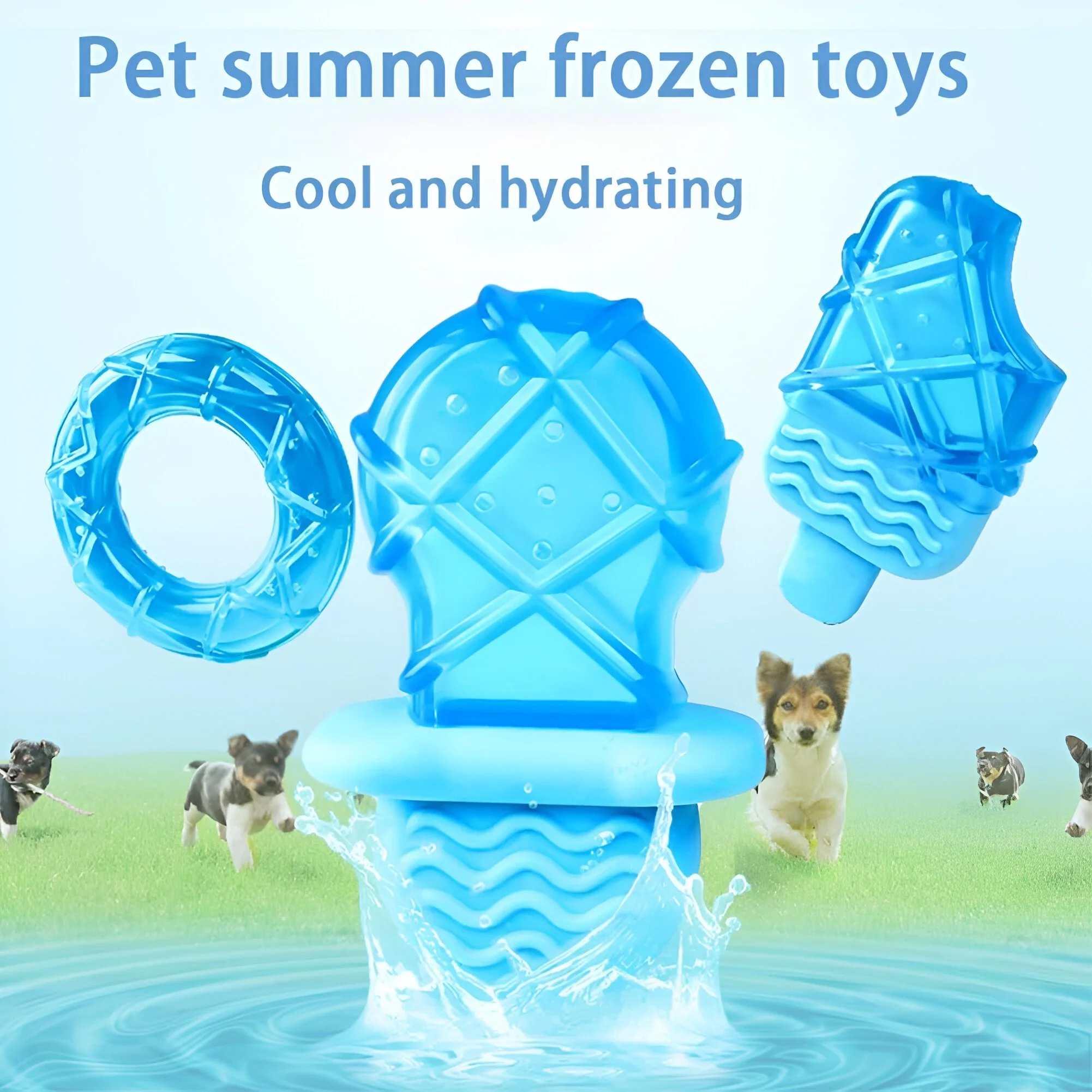
8. Dog Cooling Popsicle Chew Toy 鈥?$17.49 (p-002718)
Why it's on the list: this is the August entry. It's a chew toy designed to be frozen 鈥?the cooling sensation entertains a hot dog for longer than a normal chew, and it's the toy that solves "my dog won't settle on hot days." It entered at #8 on its first month, which is fast for a seasonal product.
Who it's NOT for: dogs who don't chew for fun (some dogs won't touch a chew unless it's food-flavored), or puppies with baby teeth who might find frozen toys too hard. For a normal adult dog on a hot month, it's the right buy.
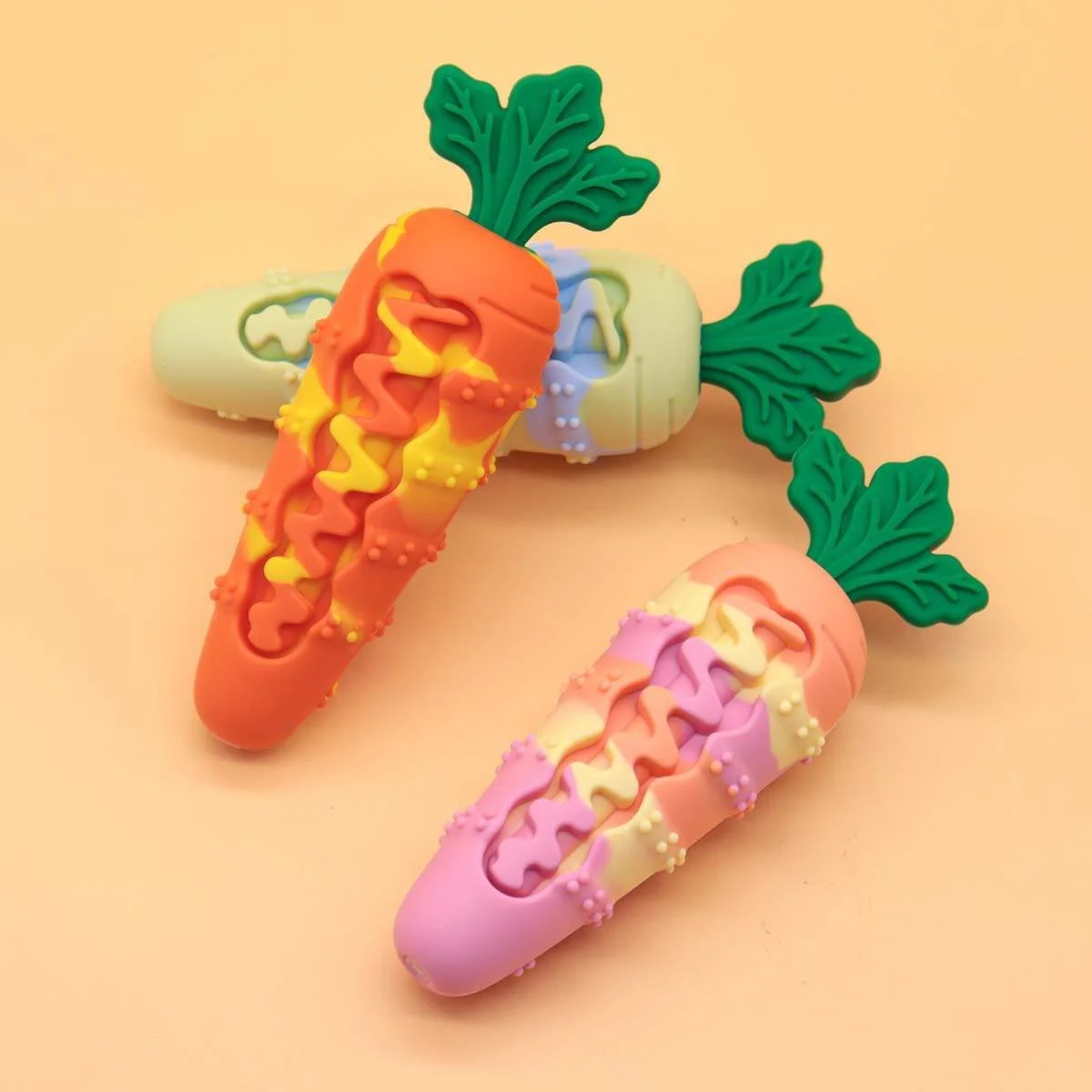
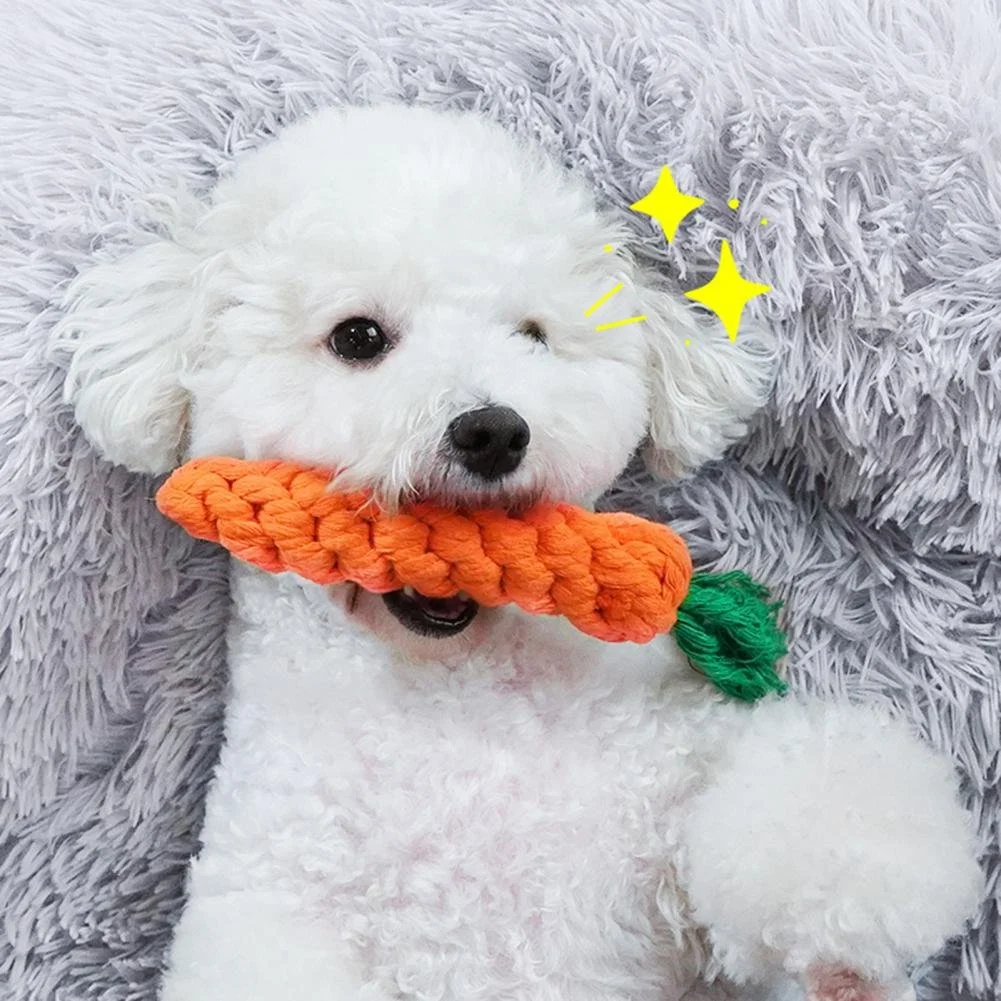
7. Carrot-Shaped Cotton Rope Dog Chew Toy for Dental Health 鈥?$18.49 (p-002979)
Why it's on the list: the rope toy with a dental-health angle is a perennial 鈥?pet owners will always pay a few extra dollars for "cleans teeth while playing" over "is fun." The cotton rope texture scrubs teeth as the dog chews, and the carrot shape gives a grip point for tug-of-war.

Who it's NOT for: dogs who swallow stringy material. Rope toys shed fibers 鈥?if your dog chews aggressively and swallows pieces, a solid rubber toy is safer.
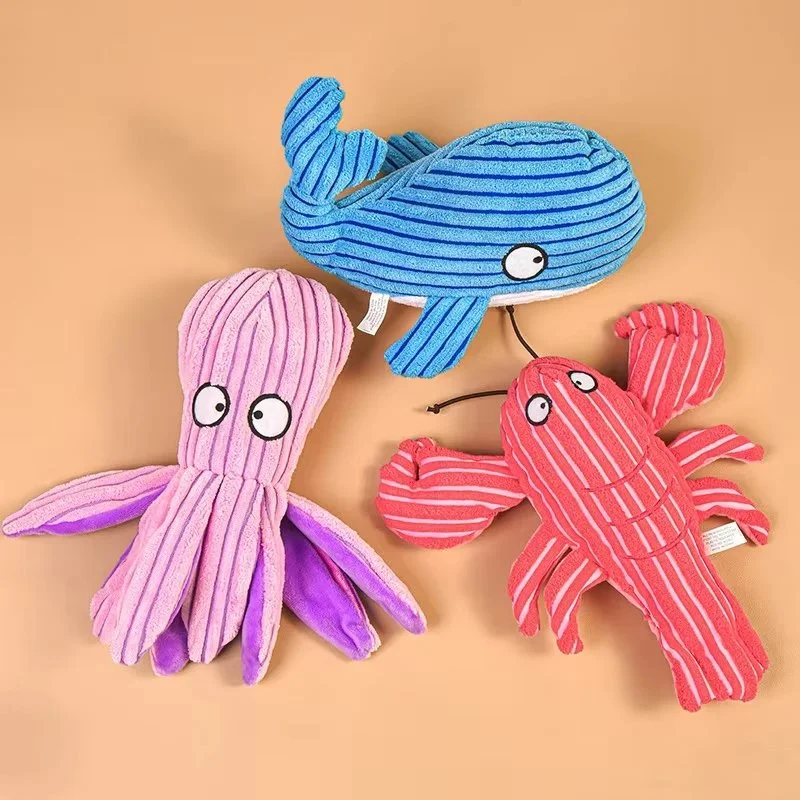
6. Cute Lifelike Plush Dog Toys 鈥?$19.95 (p-002883)
Why it's on the list: the "lifelike" plush trend is running strong 鈥?owners are buying the toy that looks like a real animal (a hedgehog, a squirrel, a rabbit) for the aesthetic as much as the play. It's the toy that sits on the couch looking cute between play sessions.
Who it's NOT for: the "it looks like a real animal, my terrier wants to kill it" problem 鈥?some prey-driven dogs get more aggressive with lifelike toys. Know your dog's drive before buying this one.
5. Interactive Squeaky Dog Toy for Teething, Chewing & Fetch 鈥?$22.49 (p-003094)
Why it's on the list: the three-in-one pitch (teething + chewing + fetch) makes it the default "I don't know what toy to get" answer 鈥?and that's a powerful position in the ranking. One toy that covers the three most common dog-play needs.
Who it's NOT for: dogs over 40 lbs who fetch hard 鈥?this is a medium-duty toy, not a heavy-fetch durable. For big retrievers, look at the chew stick below.
4. Three-Layer Bee Shaped Track Cat Toy with Detachable Switch 鈥?$25.49 (p-002608)
Why it's on the list: track toys (balls running around a circular track) are the highest-repeat-purchase cat toy category, and the bee-themed three-layer version adds the vertical dimension cats love. The detachable feature means it breaks down for storage 鈥?which sounds minor until you own one.
Who it's NOT for: cats who ignore track toys (some cats never engage with the ball-in-track mechanic) or owners who need something silent 鈥?the ball rolling does make noise.
3. Durable Squeaky Carrot Plush Dog Chew Toy 鈥?Teething Relief 鈥?$28.99 (p-002627)
Why it's on the list: the "durable squeaky" is the sweet spot of the dog-toy market 鈥?it squeaks (which dogs love) but it's reinforced (which owners need). This is the #3 most popular because it's the answer to the most common complaint in dog-toy reviews: "it squeaked for a day then died." This one survives.
Who it's NOT for: extreme power chewers (Pitbulls, Malinois, determined Labs) 鈥?"durable" here means weeks, not months. For those dogs, the chew stick at #2 is the pick.
2. Durable Dog Chew Stick Tooth Cleaning Toy for Puppies & Adults 鈥?$33.49 (p-002653)
Why it's on the list: the chew stick is the closest thing to a "safe bet" in the dog-toy world 鈥?dogs chew it, it cleans teeth, it lasts. It holds the #2 spot month after month because it's the toy owners buy again when the cute plush dies. The dental angle justifies the price.
Who it's NOT for: soft-mouthed dogs who don't chew aggressively 鈥?they'll lose interest in a hard chew stick. And small breeds need the small size, not the large.
1. Automatic Smart Cat Toy with Feather Teaser, Bell & LED 鈥?$45.49 (p-002906)
Why it's #1: the automatic cat toy is the most-purchased item this month, and the reason is simple 鈥?it's the only toy on this list that entertains the cat while you work. Feather teaser + bell + LED keeps a cat engaged for 15-20 minute cycles with zero human involvement. For the work-from-home cat owner 鈥?the largest cat-owner segment right now 鈥?this is the toy that pays for itself in "she stopped attacking my keyboard."
Who it's NOT for: cats who are scared of moving mechanical toys (some are, especially older cats), and owners who expect it to run all day 鈥?it's a supervised-cycles toy, not a 24/7 babysitter. Also, it's the most expensive item on this list 鈥?if your budget is $20, the wand at #9 or the track at #4 serves the same cat better.
How to Read the August Ranking
The list is not simply "most expensive to cheapest" or "cutest to least cute." It is a picture of what pet owners are buying when a real problem shows up at home. For dogs, that problem is usually chewing, teething, boredom, or heat. For cats, it is often solo stimulation: the owner needs the cat to stop attacking cords, keyboards, curtains, or ankles. That is why the #1 toy is automatic, while several dog toys below it are more durable and less expensive.
The smartest way to use this ranking is to start with the behavior, not the toy:
- If your dog destroys plush: skip the cute options and start with the chew stick or rope-style toys.
- If your dog gets bored but does not chew hard: squeaky plush and fetch-friendly toys make more sense than hard rubber.
- If your cat wants human movement: the feather wand is better than the track toy.
- If your cat needs solo play: the automatic smart toy or track toy is the safer first pick.
- If your pet gets hot and restless in August: the cooling chew is seasonal, but that does not make it gimmicky; it simply has a narrower use window.
That is the main editorial rule behind this list: popularity can tell you what is working for other households, but matching the toy to your pet's behavior is what prevents wasted money.
What Changed This Month
August created three visible shifts in the ranking. First, cooling and chew-focused dog toys moved up because hot weather turns ordinary boredom into restlessness. A dog that sleeps through winter afternoons may pace in August, especially after shorter walks or less outdoor play. A frozen chew toy earns attention because it solves the heat-and-boredom combination in one object.
Second, owner-free cat toys stayed strong. The automatic smart cat toy is expensive, but it solves a modern owner problem: cats need movement at exactly the moment owners are in meetings, cooking, or trying to work. This is why a $45.49 toy can outrank cheaper cat options. The buyer is not only paying for feathers, bells, and LEDs; they are paying for a few quiet blocks of time.
Third, "durable but not ugly" dog toys performed better than novelty-only plush. Pet owners still like cute toys, but the repeat-purchase signal favors toys that survive more than one enthusiastic session. The carrot chew and toothbrush chew stick show that durability does not have to look industrial. The best-performing toys in this batch either hold up better, solve a specific daily problem, or give the owner an obvious reason to buy again.
Match the Toy to the Pet
For power chewers, start with the durable dog chew stick, then consider the rope chew if your dog does not swallow fibers. Avoid plush unless you plan to supervise every session.
For puppies and teething dogs, choose softer chewing textures and watch for loose pieces. Teething toys should soothe, not challenge the jaw like a heavy-duty adult chew.
For small dogs, check size and weight before buying. A toy can be technically safe and still too large to carry or too heavy to make play satisfying.
For cats who need interaction, the feather wand is still the cleanest owner-led option. It works because you control the movement, speed, pauses, and hiding behavior that make the toy feel like prey.
For cats who need independent play, the automatic toy and track toy are stronger choices. They will not replace human play, but they can reduce the "I'm bored, notice me" cycle during work hours.
For multi-pet homes, buy for the most destructive animal first. A plush that is fine for a cat may be unsafe if a dog steals it and shreds it. Shared toys only work when the roughest pet in the house can use them safely.
The Buyer's Shortcut: Choose the Problem First
Most bad pet-toy purchases happen because the owner starts with the product photo. A plush looks cute, a smart toy looks clever, a rope toy looks practical, and the checkout decision happens before anyone names the problem. The better shortcut is simple: write down the behavior you are trying to change. Is the dog chewing chair legs? Is the cat waking you at 5 a.m.? Is the puppy teething? Is the pet bored because summer walks are shorter? The answer points to a toy type faster than any ranking can.
For a dog that chews furniture, the goal is not "fun." The goal is safe redirection. That means the durable chew stick, rope chew, or cooling chew makes more sense than a lifelike plush. For a dog that wants social play, the fetch-and-squeak toy may be better because it gives the owner a way to join the session. For a cat that hunts ankles, the feather wand lets you redirect prey drive into a controlled hunt. For a cat that interrupts work, the automatic smart toy or three-layer track is the more honest solution because the human does not have to drive every movement.
Budget also changes once the problem is clear. A $45.49 automatic cat toy is expensive if you compare it to a $15.95 wand. It is less expensive if it buys a daily window of focused work. A $33.49 chew stick looks pricey beside a $15.49 plush, but if the plush is destroyed in two days and the chew stick lasts for weeks, the cheap option was never cheap. The right toy is not always the one with the lowest price. It is the one that survives the use case you actually have.
Safety and Supervision: The Part Popularity Cannot Solve
Popularity is useful, but safety is personal. Two pets can use the same toy in completely different ways. One dog gently mouths a rope toy and carries it around the house; another dog strips it into fibers and swallows the pieces. One cat bats a feather toy for ten minutes and walks away; another chews off the string. The product category matters, but the pet's behavior matters more.
Start every new toy with a supervised first session. Watch for three things: how hard the pet bites, whether the pet tries to swallow pieces, and whether the toy creates frustration instead of play. A dog that clamps down and twists needs tougher materials than a dog that mouths and releases. A cat that chews string needs wand toys stored away after play, not left on the floor. A puppy with baby teeth needs softer textures than an adult dog with a strong jaw.
Replace toys before they fully fail. Loose squeakers, torn seams, exposed stuffing, shredded rope fibers, cracked plastic, and missing feathers are not cosmetic issues; they are the moment a toy changes from entertainment to a swallowing risk. This is especially important in multi-pet homes because the pet that damages the toy may not be the pet who originally received it. If a dog can access the cat's plush or a cat can drag a loose string under furniture, the household needs a shared safety rule, not just individual toy choices.
Dog Toys vs. Cat Toys: Why the Ranking Mixes Both
This monthly ranking includes dog and cat toys together because pet buyers often shop that way, especially in households with more than one animal. But the buying logic is different. Dog toys are usually judged by durability, chewing satisfaction, fetch value, teething comfort, and whether the toy gives the dog something acceptable to destroy. Cat toys are judged by movement, novelty, prey simulation, sound, hiding behavior, and whether the toy works with or without the owner.
That difference explains the shape of the list. Dog products dominate the middle because there are more ways for a dog toy to solve a daily problem: chewing, dental texture, teething, heat, fetch, and comfort. Cat products appear where movement matters most: wand play, track play, and automatic play. The #1 automatic smart cat toy is not the most durable product here, and it is not the cheapest. It wins because cat owners are buying independent motion, and independent motion is one of the hardest things to create without a device.
For dogs, the best first question is: "What does my dog do with a toy after the first five minutes?" If the answer is chew, choose durability. If the answer is chase, choose fetch or squeak. If the answer is carry, a softer plush may work. For cats, the best first question is: "Does my cat want me involved?" If yes, choose the wand. If no, choose the automatic toy or track toy. The species split makes the ranking easier to use because it prevents a common mistake: buying a toy that fits the owner's taste but not the animal's play language.
Best Picks by Household Type
For a first-time dog owner, the safest starter pair is one durable chew and one supervised soft toy. That combination teaches you what the dog actually does: chew, carry, tug, fetch, or shred. If the dog ignores the chew and loves the squeaker, you learned something useful before buying five more hard toys. If the plush dies instantly, you learned to move up to tougher textures.
For a first-time cat owner, start with one human-led toy and one independent toy. The feather wand tests whether the cat likes chase-and-pounce play with you controlling the movement. The track toy tests whether the cat will engage without your hand in the game. If both fail, the cat may need scent, hiding, or food-puzzle stimulation instead of motion-first toys.
For a busy work-from-home household, prioritize toys that reduce interruption without removing interaction completely. The automatic smart cat toy can cover short play cycles while you are in meetings, but it should not replace owner-led play. A dog cooling chew or chew stick can create a calm window after a walk, but it still needs supervision until you know how the dog handles it.
For a multi-pet household, avoid assuming one toy can serve everyone. Shared toys are convenient, but they create the most safety risk. A cat-safe plush may not survive a dog. A dog rope may be too heavy or uninteresting for a cat. If pets share space, store fragile cat toys away after play and buy dog toys to the durability level of the strongest chewer in the house.
For a gift buyer, choose the toy with the lowest behavior risk. A feather wand is a safe cat gift because it is inexpensive, interactive, and easy to store. A durable chew stick is a safer dog gift than a plush if you do not know the dog's chewing style. Avoid high-priced automatic toys unless you know the pet is not fearful of motion and sound.
When to Skip the Popular Toy
There are times when the most popular item is the wrong buy. Skip the automatic smart cat toy if the cat is easily startled by motor noise, lights, or sudden movement. A cautious senior cat may prefer a slow wand session to a device that darts and flashes. Skip the cooling chew if your dog does not enjoy chewing, because freezing a toy does not create chewing interest by itself. Skip lifelike plush if your dog has strong prey drive and tends to shake or disembowel toys.
Also skip any toy that asks you to manage a behavior you already know you cannot supervise. Rope toys are useful, but not for a dog that swallows fibers. Feather toys are excellent, but not if they are left out for a cat that chews strings overnight. Squeakers are engaging, but not for a dog that immediately tries to extract and swallow the squeaker. The ranking can show demand. It cannot know the pet living in your house.
The practical rule is to buy one toy, test it, and then expand within that category. If a chew stick works, buy another texture. If a wand works, buy more interchangeable heads. If a track toy works, consider a second independent-play option. If a toy fails, do not keep buying prettier versions of the same failed idea. Change the mechanism, not just the design.
The Ranking Rules (How This List Works)
- Data source: ranking by actual order/interest signals from the PickByU catalog during the trailing month (July 2026), filtered to physical pet toys, $15-50 range.
- What moves the list: seasonal demand (cooling toys in summer, cozy toys in winter), new arrivals, and durability feedback. A toy that gets "it broke in a day" patterns drops.
- What doesn't: our opinion. This is a popularity ranking, not an editorial pick list. The editorial picks live in our "Best of" guides; this page answers "what is everyone buying right now."
- Monthly refresh: this page updates the first week of each month. Bookmark it if you buy pet toys regularly 鈥?the list will tell you when a trend is real.
FAQ
Q: Why is the most popular toy also the most expensive? A: Because the automatic toy solves a time problem, not just a play problem 鈥?and time is what the biggest buyer segment (working cat owners) values most. Popularity tracks "what problem is most urgent," not "what's cheapest."
Q: Should I just buy #1? A: Only if you have a cat (it's a cat toy) and your cat tolerates mechanical toys. The ranking answers "what are people buying" 鈥?the "Best of" guides answer "what should I buy." Different questions.
Q: Do these prices change? A: They can. The ranking refreshes monthly and prices are checked on the publish date. The $17.49 cooling toy may be $19.99 by winter 鈥?but by winter it likely won't be in the top 10 anyway.
Q: Are the seasonal toys (like the popsicle chew) worth it? A: For the 2-3 months they're relevant, yes 鈥?a frozen chew keeps a hot dog entertained longer than any room-temperature toy. Just don't expect it to be a year-round favorite; that's why it's a #8 debut, not a #1.
Q: What's the best value on this list? A: By "price per hour of entertainment," the durable chew stick ($33.49, #2) wins 鈥?it lasts weeks. By "price per happy pet owner," the wand set ($15.95, #9) wins for cats. The $45 automatic toy is the worst value and the most popular 鈥?which tells you the value of time beats the value of money for most buyers.
Sources
- PickByU catalog order/interest data, July 2026 (ranking basis)
- Serper research: "most popular pet toys 2026" (market context)
- Pet toy durability discussion references (r/dogs, r/cats community patterns)
Prices and availability from PickByU catalog, checked 2026-08-07. Product performance claims are spec-based, not from hands-on testing.
Browse Pet Toys / Monthly Ranking products