Article
Eco-Friendly Pet Toys: What to Actually Look For (Not Greenwashing)
Quick Answer
Eco-Friendly Pet Toys: What to Actually Look For (Not Greenwashing): quick answer
"Eco-friendly" is one of the easiest labels to print and one of the hardest labels for a pet owner to verify. A toy can be beige, rope-textured,...
- Topic: Sustainability.
- Related product category: pet-toys.
- This article uses one relevant product insertion and keeps the main answer in the article copy.
The Problem With "Green" Pet Toys
"Eco-friendly" is one of the easiest labels to print and one of the hardest labels for a pet owner to verify. A toy can be beige, rope-textured, covered in leaves on the package, and still be mostly synthetic. Another toy can be made from a natural fiber but fall apart in two days, which means it gets replaced again and again. A third toy can use recycled plastic and last for years, but be completely wrong for a dog who chews pieces off and swallows them.
That is why eco-friendly pet toys need two filters, not one.
The first filter is pet safety. A toy has to make sense for the animal's mouth, claws, chewing style, and supervision level. If a cat eats fibers or a puppy swallows chunks, the material's environmental story does not help.
The second filter is lower impact. A toy should use materials more responsibly, last long enough to justify its production, avoid unnecessary packaging, and have a realistic end-of-life path. Not a fantasy end-of-life path. A real one, in the home and community where the buyer actually lives.
This is where greenwashing usually slips in. A product points to one nice-sounding feature and asks you to ignore the rest. It says "natural" but does not name the fiber. It says "biodegradable" but does not say under what conditions. It says "recyclable" but uses mixed materials glued together in a way no local recycler will touch. It says "sustainable" but falls apart faster than the cheap toy it was supposed to replace.
For pet toys, the better question is not "Is this green?" The better question is: what exactly is lower-impact about this toy, and does that claim still matter after my pet uses it?
Start With the Least Wasteful Toy: The One You Do Not Keep Replacing
The most overlooked sustainability factor is replacement rate. A toy made from a nice material is not automatically a better choice if it gets destroyed every weekend. Manufacturing, shipping, packaging, returns, and disposal all count.
Durability is not the same as indestructibility. It means the toy lasts an appropriate amount of time for its purpose. A cat chew made from jute and silvervine may not need to survive years. It needs to survive enough safe chewing sessions to make sense. A dog tug toy used daily by a strong chewer needs a much higher durability standard.
This is where pet owners have to be honest about their own animal. A gentle cat who rubs, licks, and lightly bites can use natural-fiber toys well. A dog who shreds fabric and eats the pieces may need a different approach. A "sustainable" toy that becomes a swallowing hazard is not sustainable in any useful way.
Think in cost per safe use, not just purchase price. A $4 toy that lasts three minutes and goes to the trash is expensive in material terms. A $12 toy that lasts months, cleans well, and stays safe may be the lower-waste choice. The best eco choice is often the boring one that survives normal use without drama.
You can also reduce waste by buying fewer toys in better categories. Many pets do not need a mountain of novelty. They need a small rotation: one chew, one chase toy, one scratch or tug surface, one puzzle or feeding toy, and one comfort object. When each toy has a job, you stop buying random fillers.
Natural Fibers: Good, But Not Automatically Safe
Natural fibers can be a strong choice for lower-impact pet toys, especially for cats and light chewers. Jute, hemp, sisal, cotton, wool, and similar fibers can offer good texture without relying on virgin plastic. They also tend to make more intuitive sense at end of life than mixed-material plush toys filled with synthetic stuffing.
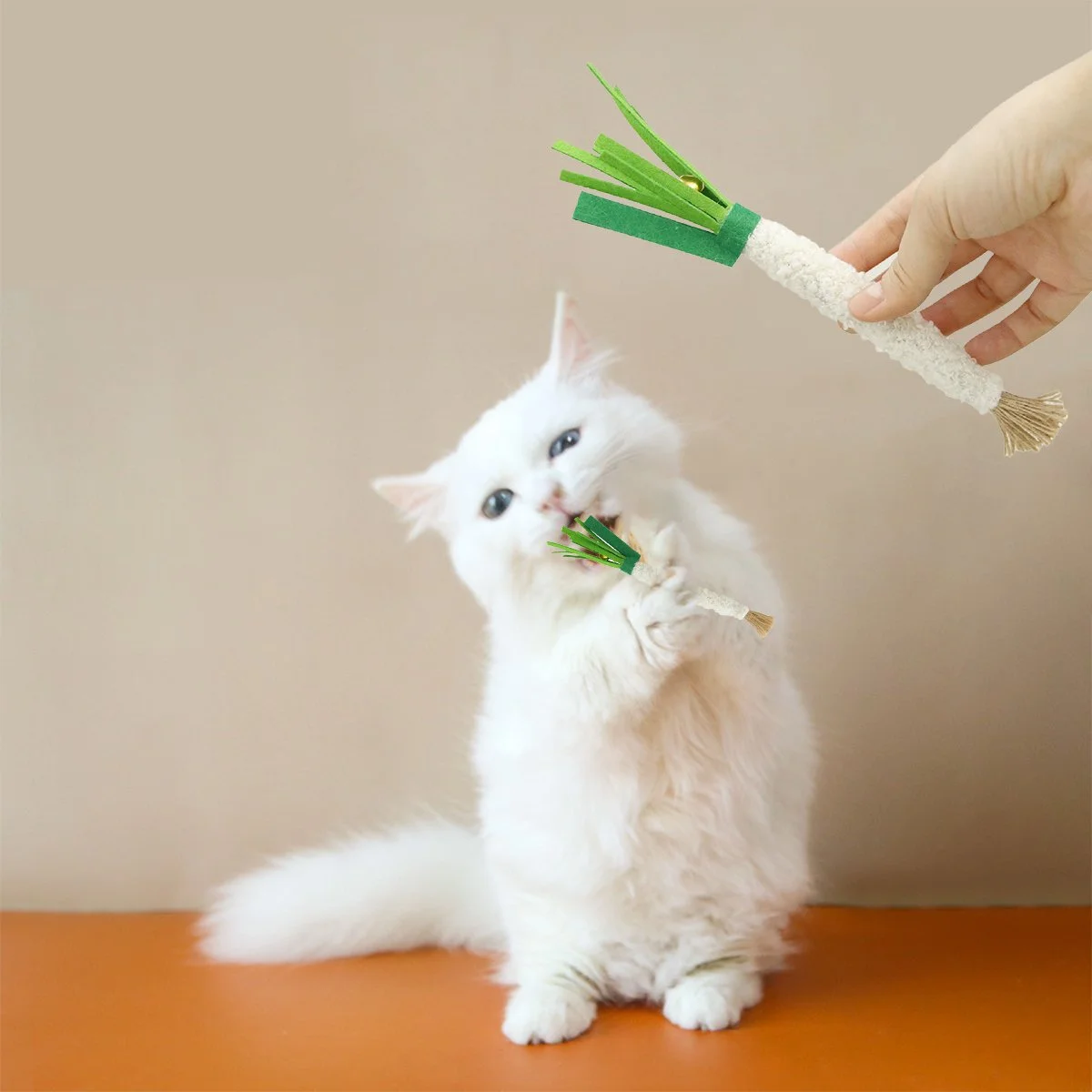
But "natural" is not a safety guarantee. Natural fibers can still fray, shed, mold if left damp, or become swallowing hazards if the pet eats them. A rope toy is not safe just because the rope is plant-based. A cat toy is not safe just because it looks rustic.
Jute is useful for cats because it has a dry, grabby texture that many cats like to bite and rake. It can work well in chew toys, kicker toys, and scratch-adjacent designs. The risk is loose fibers. If your cat pulls strands and eats them, remove the toy.
Hemp and cotton can be pleasant for soft toys and rope-style items, but construction matters more than the label. A tightly woven toy with secure seams is very different from a loose braid that starts shedding immediately. Organic cotton may reduce some agricultural concerns, but the finished toy still needs safe dyes, stitching, and stuffing choices.
Sisal is common in scratchers and posts. It is often more useful as a scratching material than as a chew material. If a toy includes sisal, look at how it is attached. Glue-heavy construction, loose wrapping, and tiny glued-on decorations weaken the safety case.
Wool or felt toys can be good for cats who bat and carry, but less ideal for pets who chew and swallow fuzz. Again, the behavior decides.
The practical test is simple: after a few sessions, is the toy still one object? If the answer is no, the fiber may be natural, but the toy is not right for that pet.
Recycled Plastic and Rubber Are Not the Enemy
It is tempting to assume natural materials are always better and plastic is always worse. Pet toys are not that simple.
Recycled plastic, recycled rubber, and durable synthetic materials can make sense when they replace virgin materials and produce a toy that lasts, washes, and stays intact. A sturdy recycled-material puzzle feeder may prevent dozens of disposable boredom purchases. A washable rubber toy that lasts for years may be a better choice for a strong chewer than a natural-fiber toy that becomes debris.
The problem is vague claims. "Made with recycled materials" should make you ask: how much, which part, and can the toy still be used safely by my pet? A toy with a recycled hang tag and a conventional plastic body is not the same as a toy where the main structure uses recycled content.
Rubber also needs context. Natural rubber can be a good material for chew toys, but some pets destroy it quickly. Synthetic rubber can be durable, but the manufacturer should be clear about intended use, size, and supervision. For dogs especially, the right hardness matters. A durable toy that is too hard can be bad for teeth. A soft toy that tears into chunks can be bad for the gut.
For cats, plastic track toys and puzzle feeders may be acceptable if they are sturdy, washable, and long-lasting. They are not "eco" because they look green. They are lower-waste only if they reduce replacement and stay useful for years.
The honest answer is that materials have trade-offs. A lower-impact toy is usually the result of material, construction, durability, cleaning, packaging, and pet fit working together. One feature alone does not carry the whole claim.
Be Careful With "Biodegradable" and "Compostable"
"Biodegradable" is one of the most abused words in product marketing. It sounds like the object will politely disappear into the earth after use. In real life, degradation depends on material, time, temperature, moisture, oxygen, microbes, and disposal conditions.
Some compostable materials require industrial composting conditions. Many households do not have access to those facilities. Some plant-based plastics are not home-compostable. Some biobased plastics can behave like conventional plastics if they are chemically similar. A toy being made partly from plants does not automatically mean it will break down in your backyard compost bin.
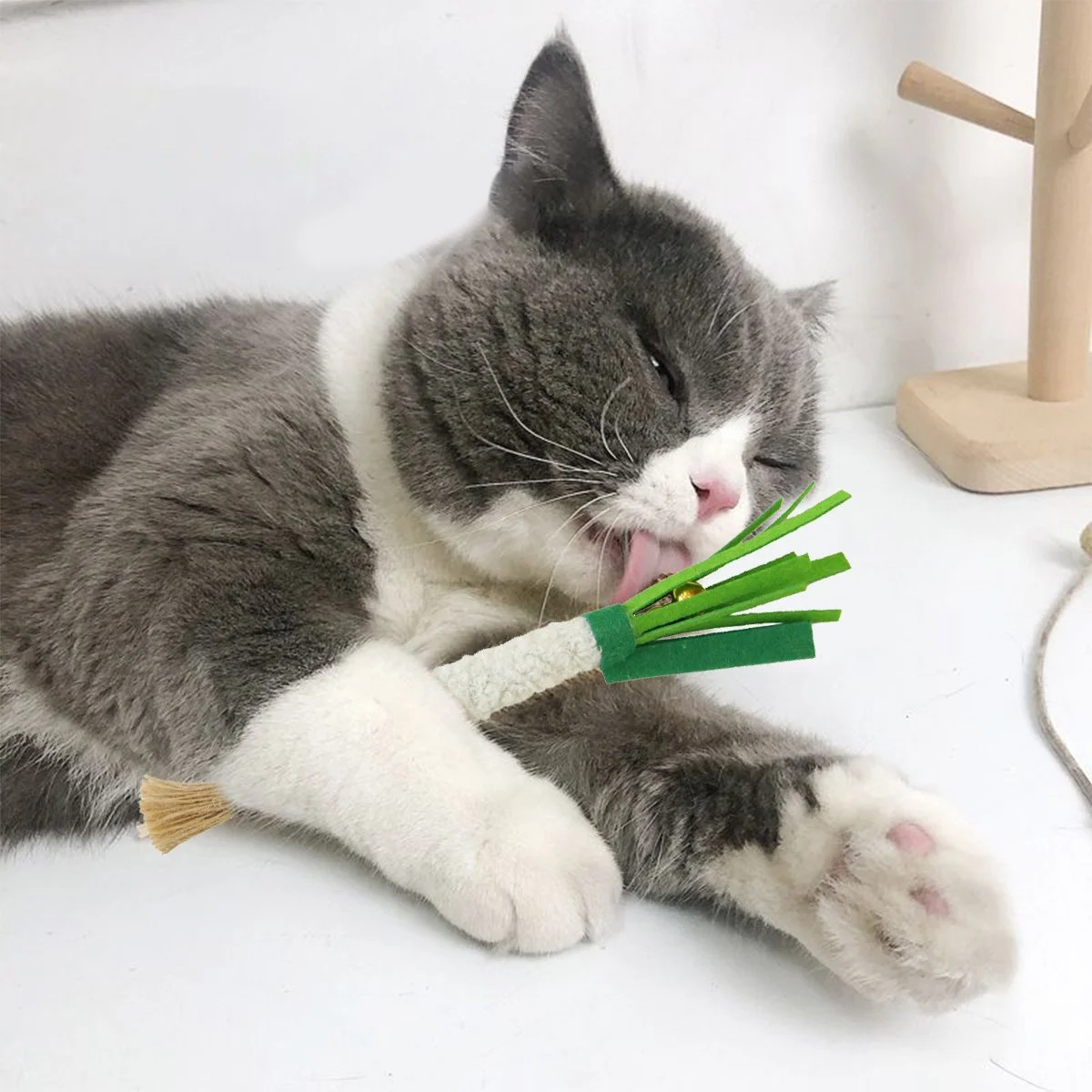
For pet toys, there is another issue: mixed construction. A toy might contain natural fiber, synthetic thread, plastic squeakers, glue, dyes, stuffing, metal bells, or coatings. Even if one component is compostable, the whole toy may not be.
This does not mean every biodegradable claim is fake. It means the claim needs details. Good claims explain what part of the product is compostable or biodegradable, under what conditions, and what the owner should do at end of life. Weak claims rely on a single word.
If you cannot verify the disposal path, focus on reduction and durability first. A toy that lasts longer and prevents unnecessary replacement is a real improvement you can control. A vague promise about biodegradation somewhere else is less useful.
Dyes, Glue, Stuffing, and Small Parts Matter
Eco marketing often talks about the main material and ignores the parts pets actually destroy first.
Dyes matter because pets put toys in their mouths. You do not need every toy to be undyed, but you do want colorfast, pet-appropriate materials. If color rubs off when damp, if the toy has a harsh chemical smell, or if the seller cannot describe the dye or finish at all, be cautious.
Glue matters because many low-quality toys rely on glued-on details. Eyes, noses, ribbons, labels, and decorative patches may make a toy more attractive to humans and more dangerous to pets. A lower-impact toy with plastic decorations glued to the outside is still a toy with detachable parts.
Stuffing matters because many plush toys are a mystery inside. Synthetic stuffing is common and not automatically unsafe, but it changes the end-of-life story. If a toy claims to be natural because the outer fabric is cotton while the inside is polyester fill and a plastic crinkle sheet, that is a partial claim, not a whole-toy claim.
Thread matters too. Seams are where chewers begin. A well-stitched toy with fewer decorative parts is usually better than a toy that looks charming but opens quickly.
For cats, pay attention to bells, feathers, strings, and loose fibers. For dogs, pay attention to squeakers, foam, rubber chunks, and small attachments. The greener choice is the one your pet can use without turning it into fragments.
The Anti-Greenwashing Checklist
Use this checklist before buying an eco-labeled pet toy:
- Does the product name the main material clearly?
- Does it say whether the claim applies to the whole toy or one part?
- Is the toy durable enough for your pet's actual play style?
- Can it be cleaned?
- Are there loose strings, glued parts, plastic eyes, or fragile decorations?
- Does the seller explain end-of-life disposal realistically?
- Is the packaging minimal or excessive?
- Does the toy replace a real need, or is it just another novelty item?
Specific claims are more trustworthy than broad claims. "Jute rope body with refillable silvervine pouch" tells you more than "green cat toy." "Made with 80% recycled rubber" tells you more than "earth-friendly." "Plastic-free except for the internal squeaker" tells you more than a leaf icon.
Also watch for irrelevant claims. A toy can advertise that it is free from a chemical that was never used in that toy category anyway. That sounds reassuring but may not mean much. A better label tells you what the toy is made from, why that material was chosen, and how to use it safely.
The best eco claims survive follow-up questions. The weak ones collapse as soon as you ask what, how much, and compared with what.
Silvervine, Catnip, and Waste
For cat toys, the scent ingredient matters because ignored toys are waste too. A toy that looks sustainable but never gets used is just a future trash item with better branding.
Catnip works for many cats, but not all. Silvervine often gets attention from cats who ignore catnip, which can make it useful for reducing wasted trial-and-error purchases. That does not automatically make silvervine more sustainable in every supply chain. It means response rate is part of the practical sustainability picture.
If your cat responds strongly to silvervine, a simple refillable or naturally scented toy may give more play value than several decorative toys the cat ignores. If your cat responds badly, becomes possessive, or chews too aggressively, the scent is not worth it. Pet fit still comes first.
Look for refillable scent pouches when possible. Refillability can extend the life of a toy because the owner can refresh interest without replacing the whole object. Make sure the closure is secure. A refill pouch that your cat can open and empty is not a good unsupervised choice.
Store catnip and silvervine toys in an airtight container when not in use. This keeps scent fresher and makes rotation more effective. You may get more use out of fewer toys simply by not leaving all of them on the floor all month.
Product Spotlight
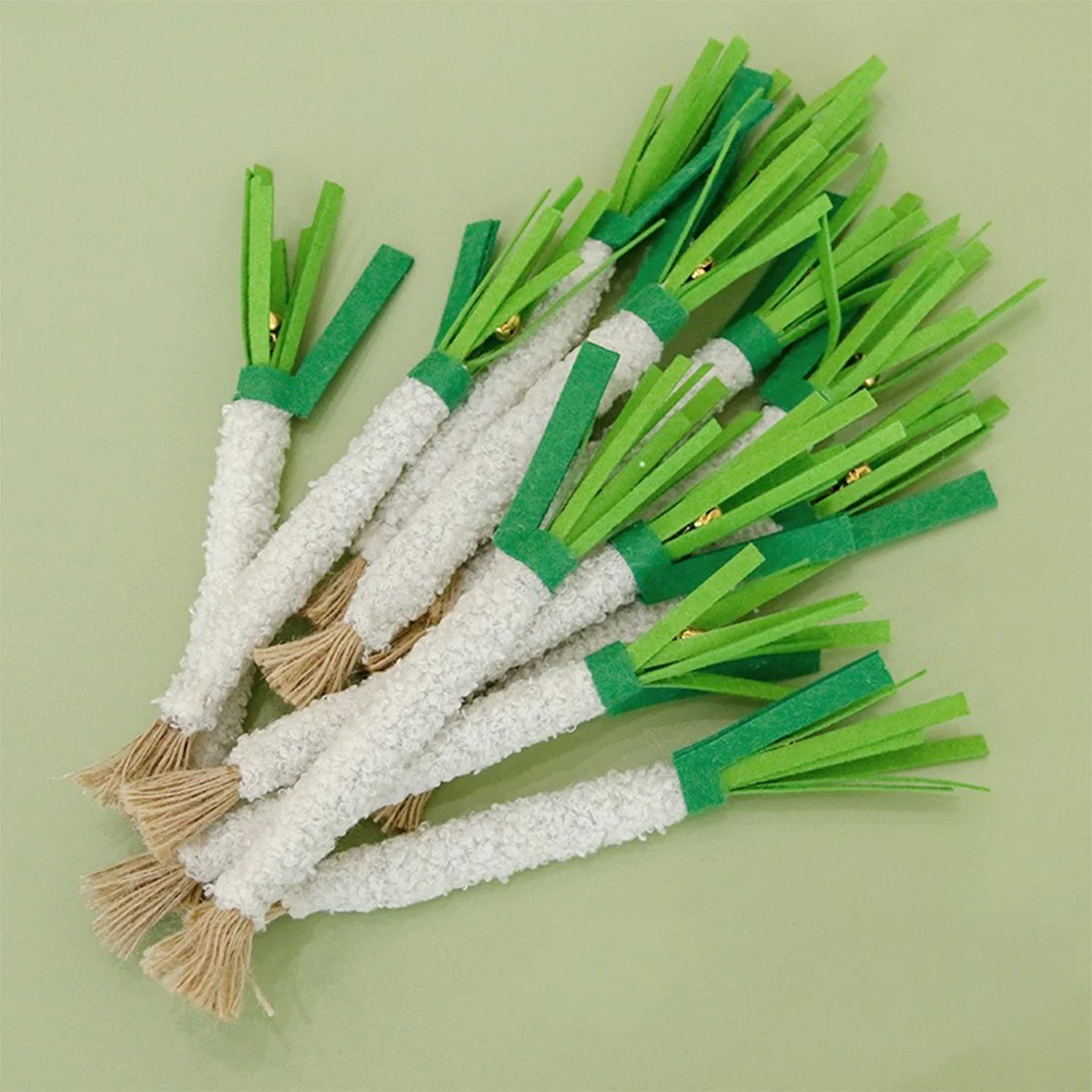
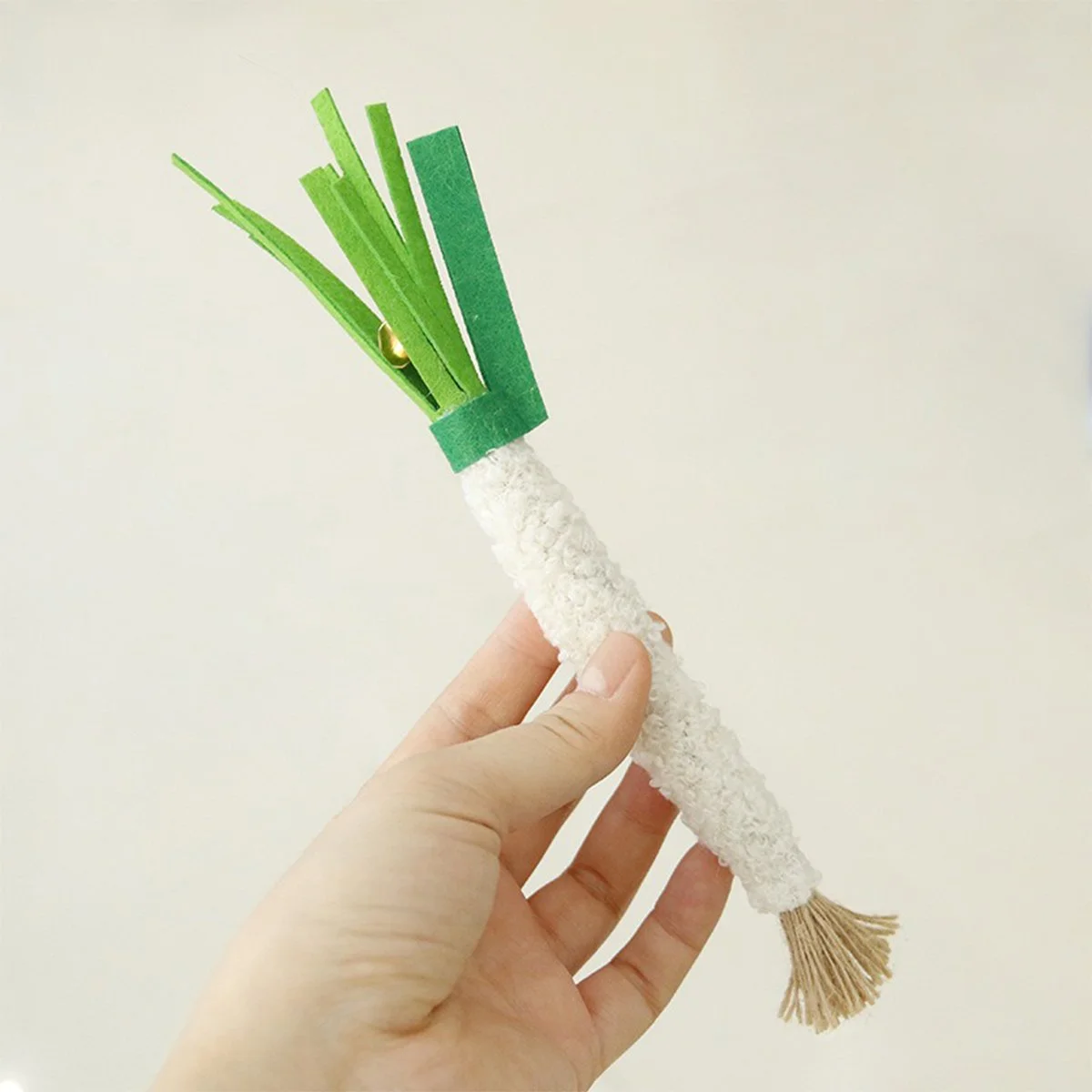
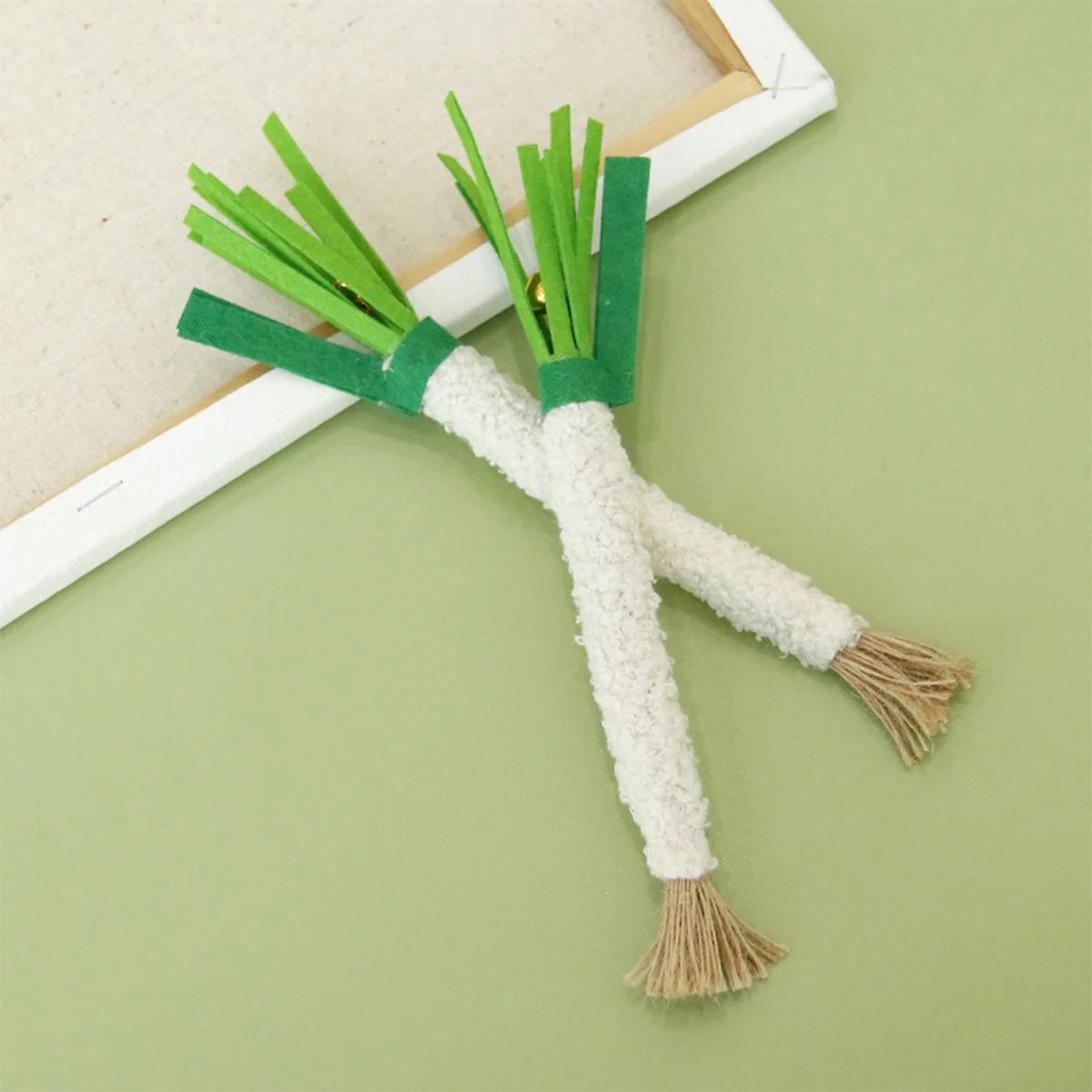
Eco-Friendly Silvervine Cat Chew Toy with Jute Rope (#1804159)
This toy fits best for cats who like to bite, rub, and rake natural textures. The jute rope gives the toy a simple plant-fiber body, while silvervine adds scent-based interest for cats who respond to it. That combination makes sense when the goal is fewer ignored toys and more focused chewing or rubbing sessions.
Best use: introduce it during supervised play first. Watch whether your cat rubs, bites lightly, kicks, or pulls fibers. If the cat uses it without shredding, it can become part of a rotation. If the cat eats strands, loosens the rope, or guards the toy after scent exposure, use it only briefly or remove it.
The strongest sustainability case is not that one material is perfect. It is that the toy has a clear purpose, fewer unnecessary parts, and enough cat appeal to avoid becoming unused clutter.
Cleaning Extends the Environmental Value
A toy that can be cleaned lasts longer. That sounds obvious, but many pet toys fail because they become dirty, smelly, or sticky before they physically break.
Natural-fiber toys should be kept dry unless the manufacturer says they can be washed. Damp rope, stuffing, or fiber can hold odor and may degrade faster. If a toy smells sour or stays wet, retire it.
Plastic and rubber toys should be washed according to the manufacturer's instructions, especially food puzzles and chew toys. A durable toy that is never cleaned may become unpleasant enough that the pet stops using it, which shortens its real life.
Rotation helps here too. Keep a small number of active toys and store the rest. Inspect toys when they come out of storage. This reduces overuse, keeps scents more interesting, and makes damage easier to notice.
Repair only when repair is genuinely safe. Sewing a seam on a soft cat toy may be fine if the repair is sturdy and the cat is not a fabric eater. Gluing a chewed dog toy back together is usually not a good idea. A repaired toy should be safer after repair, not just less visibly broken.
DIY and Upcycled Toys Can Be Great, With Limits
Some of the lowest-waste pet toys are homemade: cardboard boxes, paper bags with handles removed, fabric scraps tied into supervised tug toys, toilet paper tubes with food inside, or old towels used for scent games.
DIY works best when the materials are clean, simple, and easy to inspect. Avoid staples, tape loops, plastic handles, loose buttons, elastic, long strings, and anything treated with strong chemicals or fragrance. Do not assume "it was already in the house" means "it is safe for the pet."
Cardboard is useful for cats who scratch, hide, and pounce. It is less useful for pets who eat cardboard. Fabric scraps can be good for gentle play, but not for dogs who swallow cloth. Paper can be fun, but glossy coatings and inks may not be ideal for chewers.
The advantage of DIY is that it reduces unnecessary purchases and lets you learn what your pet actually likes. If your cat ignores three expensive toys but loves a plain cardboard tunnel, that is valuable information. Buy less around the fantasy cat and more around the cat you actually have.
What to Avoid
Avoid buying toys only because they look natural in product photos. Beige fabric, wood textures, and leaf icons are design choices, not proof.
Avoid toys that combine too many materials without explanation. A little fabric, a little plastic, a glued bell, a synthetic feather, a foam core, and a shiny package may make recycling or composting unrealistic.
Avoid "eco" toys that are wrong for your pet's mouth. A natural rope toy is not a good dog toy if your dog eats rope. A recycled plastic toy is not a good cat toy if your cat chews brittle edges. A wool ball is not safe if your pet swallows fuzz.
Avoid overbuying. Sustainability and impulse shopping are not friends. A curated toy rotation beats a drawer full of unused "green" products.
Avoid guilt-based buying. You do not need the perfect zero-impact toy. You need better choices made consistently: fewer replacements, safer materials, clearer claims, less packaging, more repairable or cleanable designs, and toys that your pet genuinely uses.
Cat Toys and Dog Toys Need Different Tests
The same material can be a good choice for one pet and a poor choice for another. This is where many eco toy guides get too simple.
Cats often care about texture, scent, light movement, and whether the toy is easy to grab. A small jute chew, wool ball, cardboard scratcher, or refillable scent toy can make sense because the cat is rubbing, batting, biting lightly, or bunny-kicking in short sessions. The main risk is loose pieces, strings, feathers, bells, and fibers that get swallowed.
Dogs often apply more jaw pressure. A material that works for a cat may become debris in a dog's mouth. For dogs, the sustainability question has to include chew strength, tooth safety, choking risk, and whether the toy breaks into dangerous pieces. Natural is not enough. A dog toy needs the right size, give, and supervision category.
Small pets need another level of caution. Rabbits, guinea pigs, and other small animals may chew constantly, and some materials that look harmless for cats or dogs are not appropriate for them. If a toy is marketed broadly as "for pets," do not assume it fits every species. Species-specific safety matters more than eco language.
The practical rule is to judge the toy in the mouth that will actually use it. A sturdy jute cat toy is not automatically a dog chew. A recycled rubber dog toy is not automatically a cat toy. A cardboard box is enrichment for one animal and a snack for another. Sustainability only counts after suitability.
End-of-Life: What Happens When the Toy Is Done?
A toy's final stage is where many green claims become less impressive. Pet toys are often dirty, mixed-material, chewed, glued, stitched, scented, or contaminated with food. That makes recycling and composting harder than product photos suggest.
Before you buy, think about the likely ending. Can the toy be separated into materials? Is the scent pouch removable? Is the metal bell attached in a way you can cut off? Is the toy mostly one material, or is it a layered object that will go straight to trash?
For natural-fiber toys, composting may sound reasonable, but only if the whole object is compostable and your local system accepts it. Dyes, synthetic thread, glue, stuffing, and pet saliva can complicate the choice. When in doubt, do not put mixed pet toys into compost you use for food plants.
For plastic and rubber toys, check local recycling rules. Many toys are not accepted because they are the wrong resin, too small, mixed with other materials, or too damaged. A "recyclable" claim matters only if the product can realistically enter a recycling stream where you live.
Sometimes the most responsible end-of-life decision is trash, followed by buying better next time. That is not failure. It is more honest than wish-cycling a chewed toy into a bin where it may contaminate the stream.
You can extend life before disposal by using toys in stages. A plush toy that is no longer safe for unsupervised play may still work as a supervised scent toy if intact. A cardboard scratcher that is worn on one side may be flipped. A puzzle feeder with a missing decorative part may remain useful if the working structure is still safe. Once a toy becomes a swallowing, cutting, choking, or hygiene risk, retire it.
The Simple Rule
The best eco-friendly pet toy is not the one with the loudest claim. It is the one that is safe for your pet, made with transparent materials, durable enough for its purpose, easy to clean, minimally packaged, and realistic to dispose of when its life is over.
Sometimes that will be a jute cat chew. Sometimes it will be a washable rubber puzzle feeder. Sometimes it will be a cardboard box you already had. The category matters less than the thinking.
Buy for the animal first, then evaluate the environmental claim. If both pass, you have a good toy. If only the marketing passes, leave it on the shelf.