Article
Puppy Teething Timeline: What To Give Your Puppy At Each Stage
Quick Answer
Puppy Teething Timeline: What To Give Your Puppy At Each Stage: quick answer
Puppy teething can make a normal puppy look impossible to manage. The puppy bites sleeves, chews table legs, grabs shoes, mouths hands, attacks...
- Topic: Puppy Care.
- Related product category: pet-toys.
- This article keeps the main answer in the article copy and places relevant product context inside the guide.
Puppy Teething Is A Stage, Not A Bad Habit
Puppy teething can make a normal puppy look impossible to manage. The puppy bites sleeves, chews table legs, grabs shoes, mouths hands, attacks blankets, and seems to look for something new to destroy every few minutes. It is frustrating because the behavior is constant, but it is not random. A teething puppy has sore gums, new teeth moving through the mouth, weak impulse control, and a strong need to explore the world by chewing.
The goal is not to stop chewing. Puppies need to chew. The goal is to guide chewing toward safe objects, match the chew texture to the puppy's dental stage, protect household items, and notice signs that a mouth problem needs veterinary attention. A toy that is useful at 10 weeks may be too soft at 7 months. A hard chew that seems durable for an older puppy may be too risky for fragile baby teeth. Timing matters.
Most puppies move through three broad stages. The first stage is early mouthing, when baby teeth are present and the puppy is learning what the mouth can do. The second stage is active teething, when baby teeth fall out and adult teeth erupt. The third stage is adult teeth settling, when the puppy may look finished but still has a strong chewing need and more bite force. Each stage needs a different strategy.
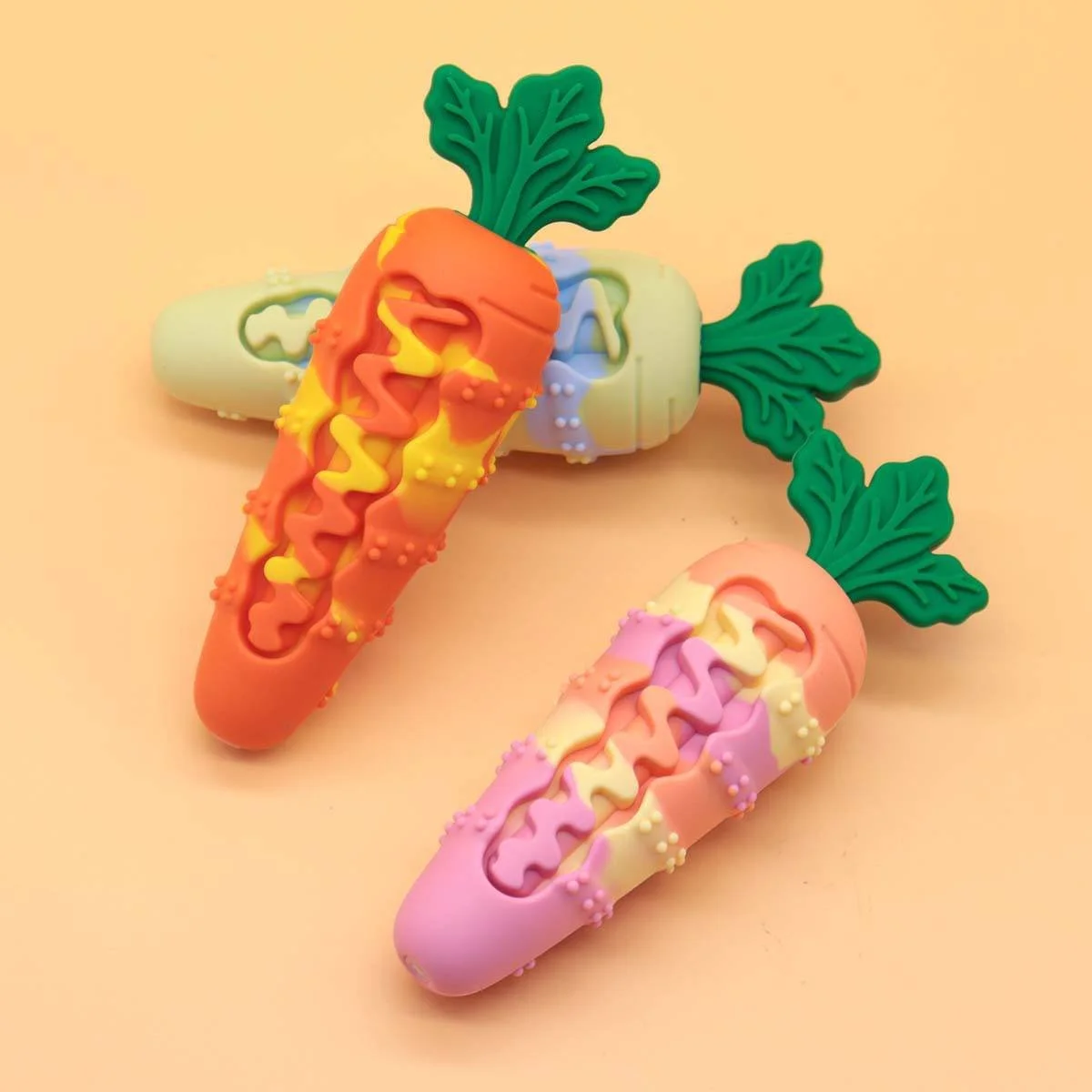
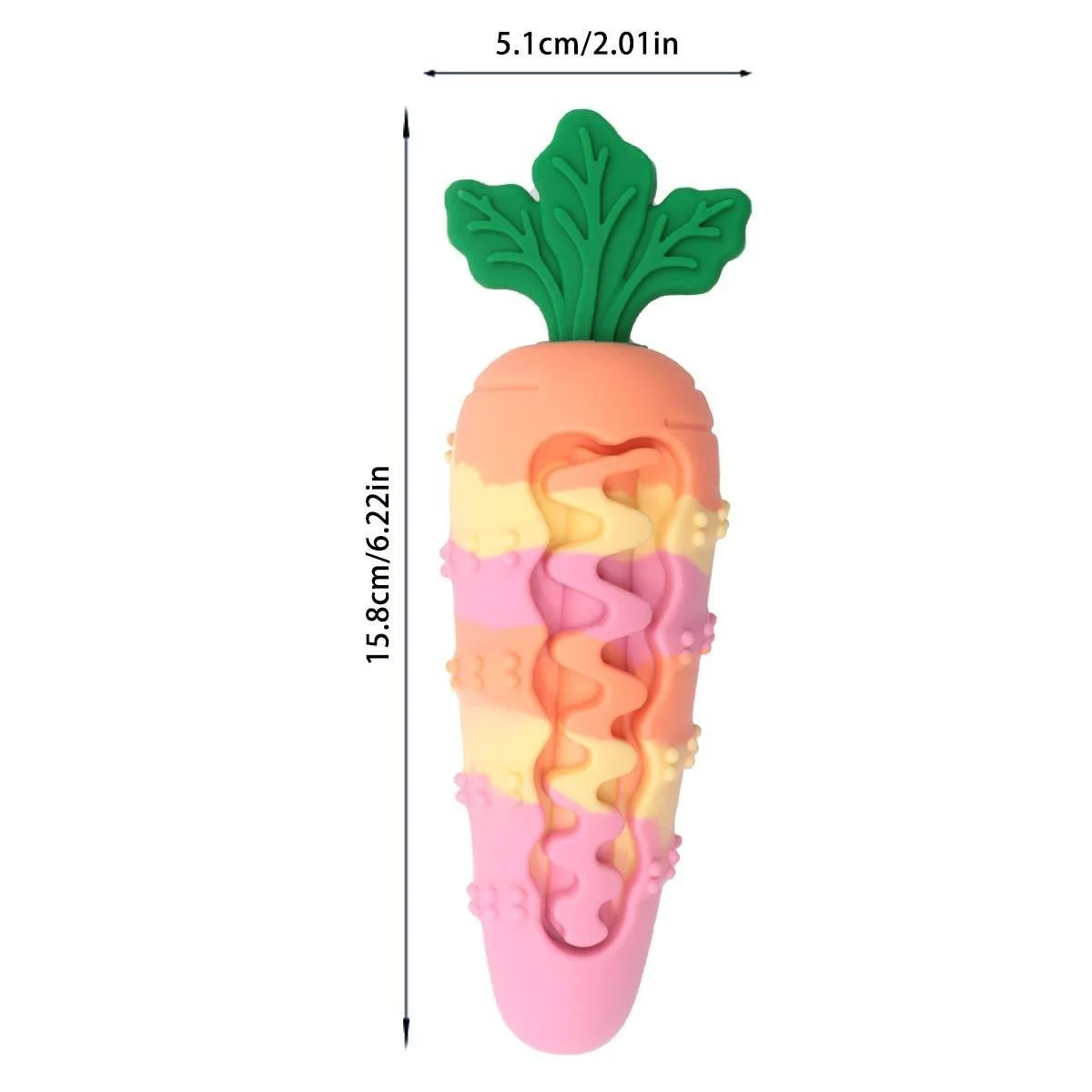
This guide gives a practical timeline, explains what chew toys make sense at each point, and shows how to use one puppy teething product without pretending it solves every problem. The Durable Squeaky Carrot Plush Dog Chew Toy - Teething Relief for Puppies & Adults (#1799414) fits best as a supervised comfort chew and play object for puppies that need a softer, engaging outlet. It should be part of a larger plan, not the only chew in the house.
The Teething Timeline In Plain English
Puppies are usually born without visible teeth. Baby teeth begin to come in during the first few weeks of life. By the time many puppies go to new homes, they already have sharp baby teeth and are entering the mouthy stage. Those teeth are small, needle-like, and fragile compared with adult teeth.
From about 8 to 12 weeks, many puppies are not in the hardest teething pain yet, but they mouth everything. They bite because they are exploring, playing, learning bite pressure, and trying to soothe mild gum discomfort. This is the stage when people often think the puppy is aggressive. Most of the time, the puppy is overstimulated, tired, or using normal puppy play with human skin because better options have not been taught.
From about 12 to 24 weeks, teething usually becomes more intense. Baby teeth loosen and adult teeth begin pushing through. Some puppies chew more urgently. Some drool more. Some have light gum bleeding. Some become pickier with food for a short time. The peak is often around 4 to 5 months, though individual puppies vary.
From about 6 to 8 months, most adult teeth are in, but chewing does not disappear. The jaw is stronger, the puppy has more stamina, and chewing has also become a habit. This is when many owners make a mistake: they assume teething is over and stop providing enough legal chew outlets. The puppy then moves to furniture, shoes, bedding, or hard household items.
The exact timeline can vary by breed, size, and individual development. Small breeds may retain baby teeth more often. Large breeds may move quickly into powerful chewing. The safest plan is to match toys to what is happening in the mouth, not only to the puppy's age.
Stage 1: 8 To 12 Weeks, Soft Mouthing And Exploration
At 8 to 12 weeks, the puppy is usually full of sharp baby teeth. These teeth can hurt human hands, but they are not built for hard chewing. Avoid very hard chews, bones, antlers, thick nylon, and anything that requires heavy pressure. If you would worry about the item cracking a fragile tooth, do not give it to a young puppy.
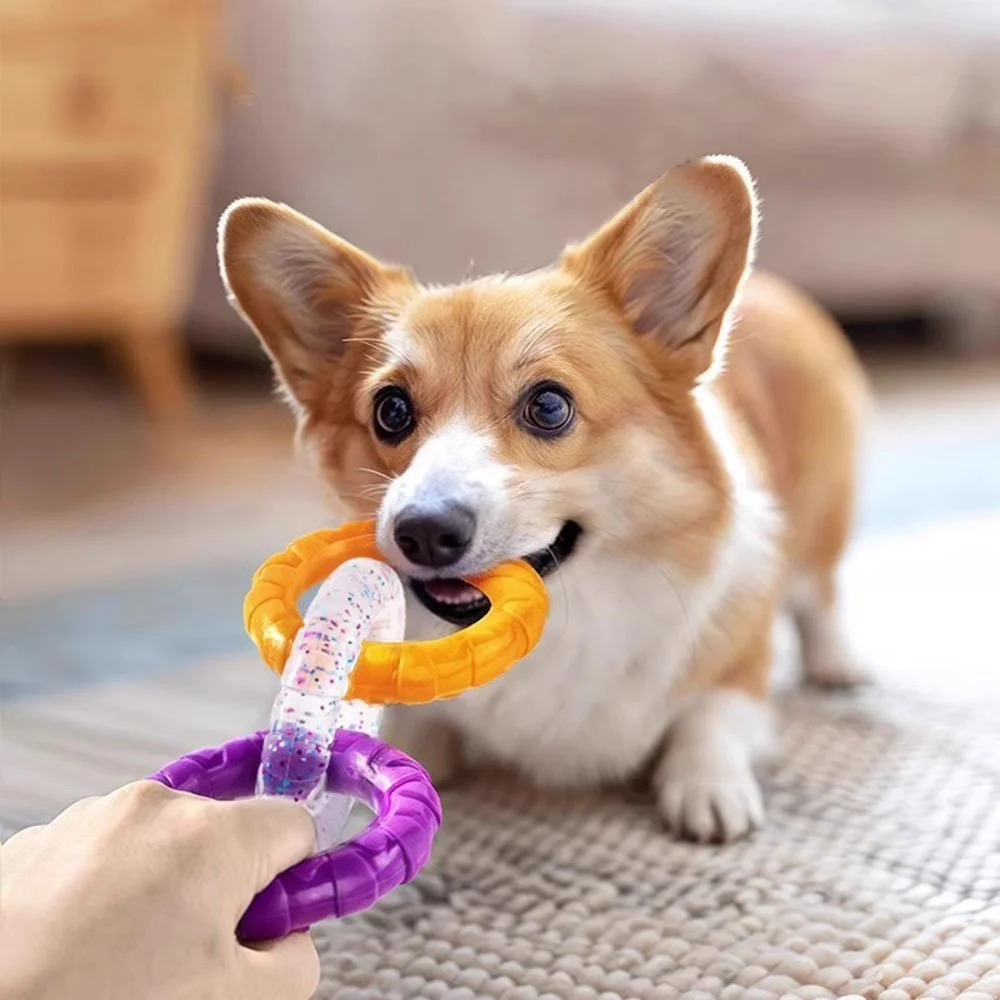
The best toys at this stage are soft, flexible, and easy to grip. Soft plush toys, puppy-safe rubber, gentle rope toys, and soft textured chew toys can work. The toy should be small enough for the puppy to carry but not small enough to swallow. It should not have loose parts, weak seams, plastic eyes, or pieces that can be torn off quickly.
This is also the stage for teaching redirection. Keep legal chew toys in every room where the puppy spends time. When the puppy bites a hand, sleeve, or furniture edge, calmly interrupt and offer an approved toy. Do not wave the toy wildly in the puppy's face if the puppy is already overstimulated. Make the replacement easy and obvious. If the puppy takes it, praise quietly and let the puppy chew.
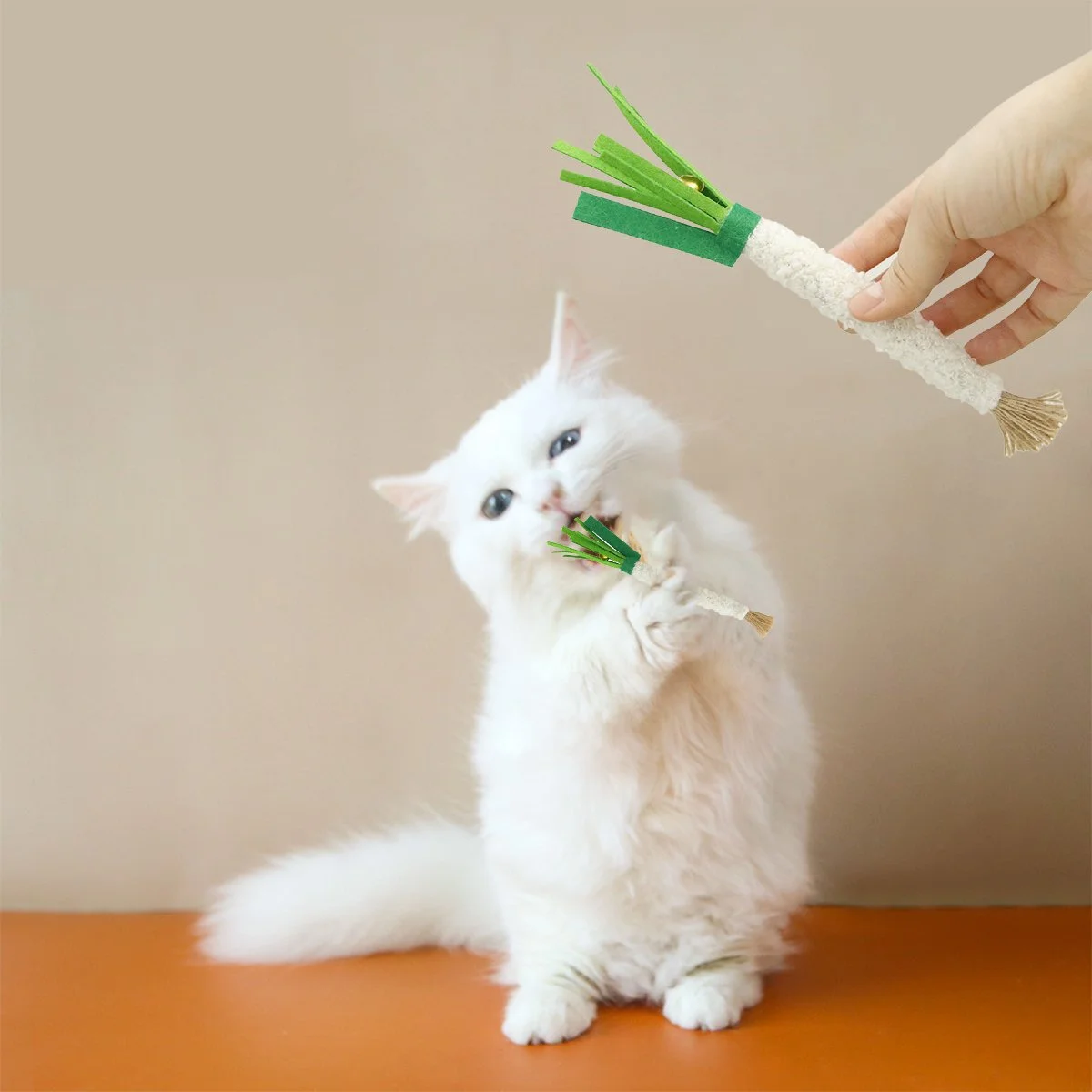
The Durable Squeaky Carrot Plush Dog Chew Toy (#1799414) can fit this stage for supervised play because it offers a soft, engaging object instead of a hard chew. The squeaky feature may make it interesting, and the teething-relief positioning matches the need for a gentle outlet. However, use it with supervision. If the puppy tries to rip fabric or focus on seams, take it away and switch to a simpler chew.
At this age, many biting episodes are not really about teething pain. They are about tiredness. Puppies need a lot of sleep. If the puppy bites harder and harder, ignores toys, grabs clothing, and cannot settle, the answer may be a nap, not another toy.
Stage 2: 12 To 16 Weeks, Chewing Gets More Urgent
Around 12 to 16 weeks, many puppies begin moving into more active teething. You may notice more chewing, more drool, and a stronger need to keep the mouth busy. Some baby teeth may begin to loosen. You may find tiny teeth on the floor, though many puppies swallow them without any problem.
This stage needs chew variety. One texture is rarely enough. Offer a soft chew for comfort, a flexible rubber chew for gum pressure, and a cold option for short relief. A damp washcloth twisted and chilled can help some puppies, but it must be supervised. Do not let the puppy shred and swallow cloth. Freezer-safe rubber toys can also be helpful if the puppy already uses them safely.
Cold works because it can soothe irritated gums. It should not become extreme. Avoid rock-hard frozen items that require the puppy to bite with heavy pressure. The cold chew should have some give. If it is too hard for the puppy's current teeth, it is not a good teething tool.
This is a good stage to create a chew schedule. Give the puppy a legal chew before the usual problem times: after waking, after meals, during evening energy spikes, and when people sit down and become less available. Many puppies chew furniture because nothing better is ready when the urge hits.
Use the carrot teething toy as one of the easy-access options, especially during supervised family time. It can redirect the puppy from hands and clothing into a safer object. If the squeaker makes the puppy too excited, use it for short play sessions rather than calm chewing. The same toy can have different effects depending on the puppy's arousal level.
Do not punish mouthiness harshly. Yelling, tapping the nose, or forcing the mouth closed can increase excitement or fear. Calm management works better: redirect, remove access, give the puppy rest, and reward chewing the right item.
Stage 3: 16 To 24 Weeks, Peak Teething Pressure
The 16 to 24 week period is often the hardest. Adult teeth are erupting, baby teeth are falling out, and the puppy may chew as if the mouth never gets comfortable. This is the phase when furniture legs, baseboards, shoes, remote controls, and rugs are at the most risk. The puppy is not trying to be difficult. The mouth is changing fast.
During peak teething, rotate chew textures but keep rules consistent. Use flexible rubber, soft teething toys, supervised rope, frozen options, and safe food-based chews if they suit the puppy's stomach. Do not hand over everything at once. Too many toys on the floor can become background clutter. A small rotation keeps each item more interesting.
Match chew intensity to the puppy. Some puppies gently gnaw. Some clamp down and try to destroy. Some shred fabric. Some swallow pieces. A toy that works for one puppy may be unsafe for another. Check every chew session. If the toy is breaking apart, remove it. If the puppy is chewing calmly, let the session continue.
This is also the stage where management matters most. A puppy with free access to the whole house will find bad chew options. Use gates, pens, crates, leashes, and supervised rooms. Keep shoes, cords, laundry, children's toys, and bags out of reach. The more the puppy practices chewing illegal items, the more those items become part of the habit.
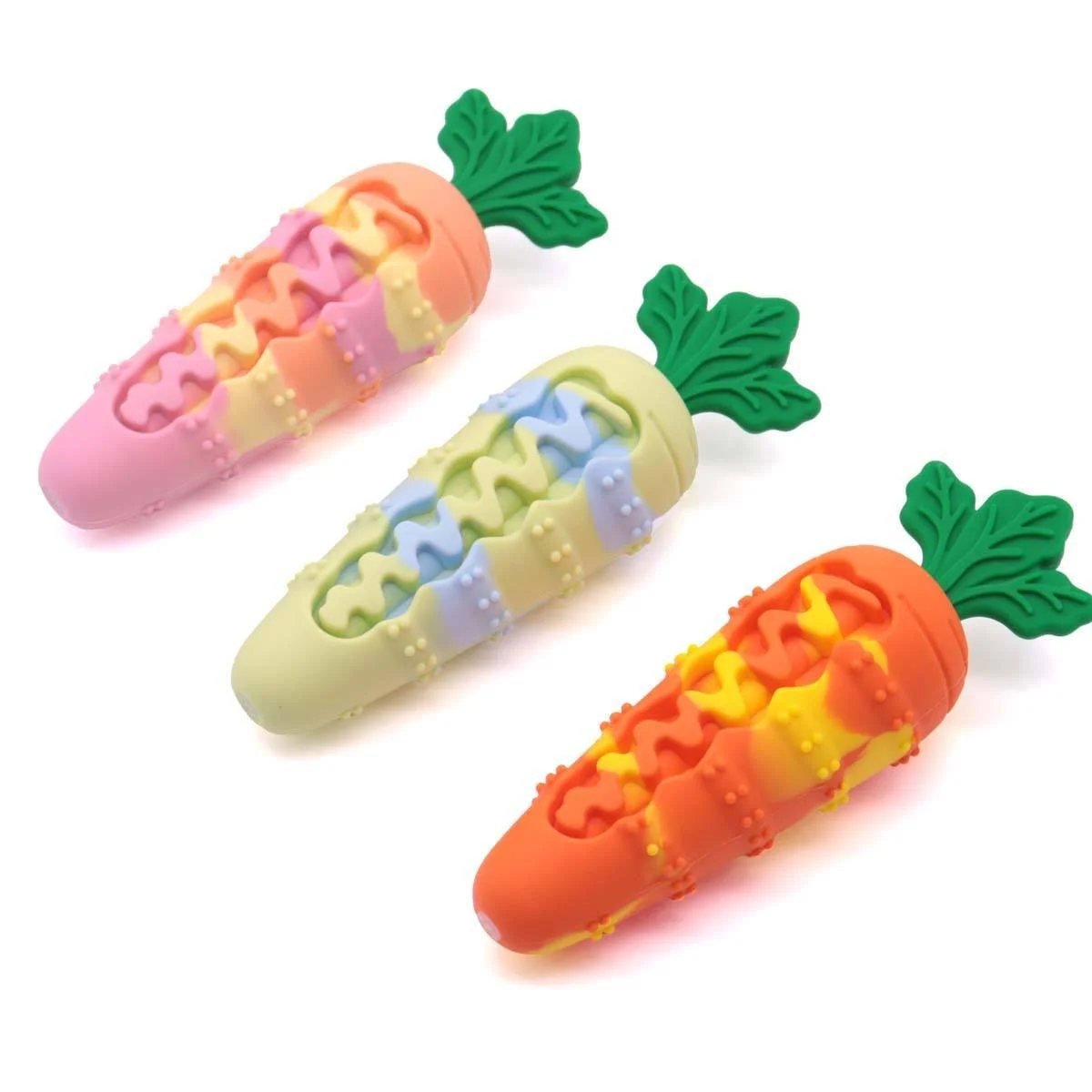
The #1799414 carrot chew toy fits best here as a supervised redirection and comfort toy, not as the only serious chew. It is useful when the puppy wants something soft and engaging. Pair it with other stage-appropriate chew options so the puppy can choose pressure levels safely. If the puppy needs stronger gum pressure, a flexible rubber chew may satisfy better. If the puppy wants comfort, the carrot toy may be the one the puppy carries and mouths.
Expect some blood spots during this period. Light spotting on toys can happen when baby teeth loosen. Heavy bleeding, swelling, refusal to eat, or obvious pain is not something to ignore.
Stage 4: 6 To 8 Months, Adult Teeth Are In But Chewing Remains
By 6 to 8 months, many puppies have most or all adult teeth. The sharp baby teeth are gone, but the chewing habit remains. The puppy also has more bite force. This is why the toy plan needs to change again.
Some soft puppy toys that were safe at 12 weeks may be destroyed quickly at 7 months. Inspect older toys. Retire damaged plush, loose rope, torn rubber, and items that have become too small for the puppy's mouth. A growing puppy can turn yesterday's safe toy into today's choking risk.
At this stage, the focus shifts from pain relief to healthy chewing habits. The puppy still needs daily legal chewing, especially during quiet times. Durable rubber, appropriate dental chews, food puzzle chews, and tougher supervised toys may become more useful. The exact choice depends on the dog's size, chewing style, and dental health.
The carrot teething toy may still be useful for gentle play, comfort, and supervised chewing, especially for small to medium puppies that do not shred plush-style toys. But if the puppy now destroys it quickly, it has aged out of that use. Do not keep a toy in rotation just because it was helpful earlier.
This is also the time to protect adult teeth. Hard does not always mean better. Very hard chews can damage teeth. A practical rule many owners use is that a chew should not be so hard that you would be afraid to press it firmly against your own knee. That is not a medical test, but it helps people avoid obviously rock-hard items. When in doubt, ask a veterinarian what is appropriate for your dog's mouth and breed.
Chewing after teething is normal. Destructive chewing is usually a management and outlet problem. Keep legal chews available, continue training, and do not assume the puppy should simply "know better" because the adult teeth have arrived.
Choosing Safe Teething Toys
A safe teething toy has the right size, texture, durability, and supervision level for the puppy in front of you. Size is first. A toy should not fit entirely into the puppy's mouth. It should be easy to hold and chew but not easy to swallow. As the puppy grows, reassess size.
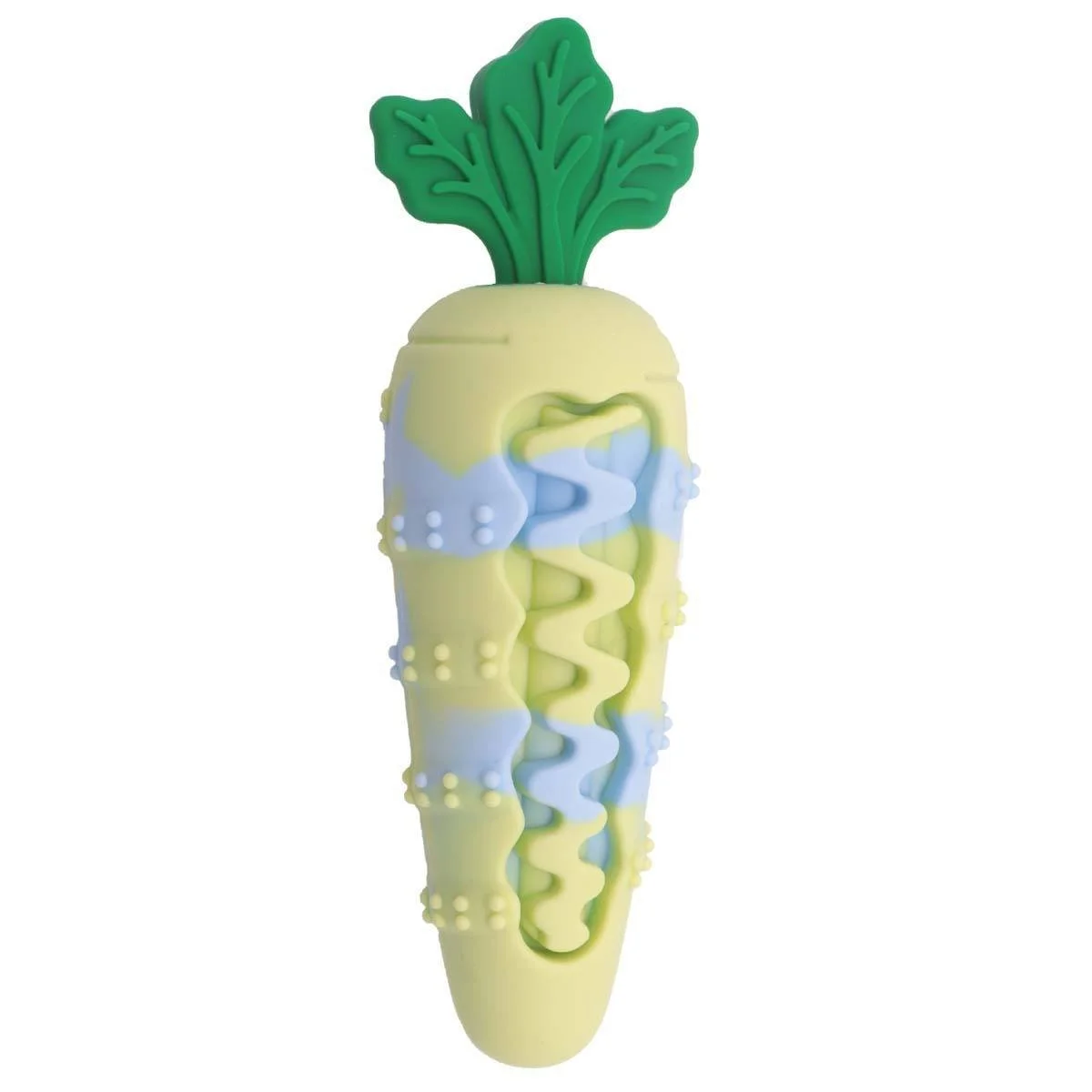
Texture is second. Young puppies need softer textures. Peak teething puppies often need a mix of soft, flexible, and cool textures. Older puppies may need more durable options, but still not rock-hard items. If the toy has ridges or texture, those features can help massage gums, but they should not be sharp.
Durability is third. No toy is safe if it breaks into swallowable pieces. Inspect seams, squeakers, rope strands, rubber edges, and stuffing areas. A squeaky toy can be useful, but the squeaker itself can become dangerous if the puppy opens the toy. Supervision is especially important for squeaky plush toys.
Cleaning also matters. Teething toys get saliva, food residue, and sometimes light blood on them. Choose toys that can be wiped, rinsed, or washed according to their material. Rotate toys out when they become dirty. A clean toy is more appealing and safer for daily use.
Finally, consider the puppy's behavior. A gentle mouther and a power chewer do not need the same toy. A puppy that swallows fabric should not have fabric toys without close watching. A puppy that guards chews may need lower-value items, more space, and training support. The safest toy is the one that fits both the mouth and the behavior.
How To Stop Puppy Biting Hands And Clothes
Puppy biting during teething often targets humans because people move, react, and smell interesting. Sleeves, pant legs, shoelaces, and fingers are more exciting than a toy lying on the floor. Redirection has to be active enough to compete.
Keep a toy within reach before interacting with the puppy. If you sit on the floor with an empty hand, the puppy may choose your hand. If you offer a soft chew or teething toy before the puppy escalates, the puppy has a better option from the start. The #1799414 carrot toy can work in this role if the puppy likes soft, squeaky chew objects.
When the puppy bites skin, pause movement. Do not jerk your hand away repeatedly, because that can turn the hand into a game. Offer the toy against the puppy's mouth. If the puppy takes it, praise and continue calmly. If the puppy keeps lunging for skin or clothing, end the interaction briefly. Step over a gate, stand still, or give the puppy a rest break.
Look for patterns. If biting increases in the evening, plan a chew session before the evening chaos begins. If biting happens after walks, the puppy may be overtired. If biting happens during play, the game may be too intense. If biting happens when people sit on the sofa, keep chew toys beside the sofa and reward the puppy for settling with one.
Children need special management. Puppies often bite children because children move fast and make exciting sounds. Do not expect a child to train the puppy alone. Use barriers, adult supervision, and structured toy play.
The goal is not to make the puppy feel punished for having a sore mouth. The goal is to teach, repeatedly and calmly, what the mouth should choose.
Protecting Furniture During Teething
A teething puppy should not be given full access to every room. That is not realistic training. It is an invitation to practice chewing the wrong things. Management is part of teaching.
Start with the most common targets: shoes, cords, rugs, chair legs, baseboards, laundry, remote controls, pillows, and children's toys. Remove what can be removed. Block what cannot be removed. Use gates, closed doors, pens, and leashes to keep the puppy in spaces you can supervise.
Offer legal chews in the same areas where the puppy wants to chew. If the puppy chews the coffee table while the family watches TV, keep approved toys near the coffee table. If the puppy grabs shoes by the door, do not just say no. Move the shoes and place a legal chew nearby before the puppy rehearses the habit again.
Use chew sessions as prevention. A puppy who has already had 15 minutes of satisfying chewing may be less likely to attack the furniture during the next quiet period. This is especially helpful after meals, after naps, and during evening energy spikes.
Do not let the puppy practice illegal chewing while you are distracted. If you are cooking, working, or on a call, use a pen, crate, or tether with a safe chew. Freedom should increase as the puppy proves reliability. It should not be given all at once.
Furniture protection sprays may help some households, but they are not enough alone. A bad taste does not teach the puppy what to chew instead. Always pair deterrents with better legal options.
Food, Cold, And Teething Relief
Cold can help teething puppies, but it should be used thoughtfully. A chilled toy, a supervised cold washcloth, or a freezer-safe rubber chew can provide short relief. The item should not be so frozen and hard that the puppy has to bite against a solid block. Flexible cold is usually safer than rock-hard cold.
Food-based relief can help some puppies. Softened kibble in a puppy-safe toy, frozen plain puppy-safe fillings, or vet-approved dental chews may be useful depending on age and stomach tolerance. Keep portions reasonable. Teething is not a reason to overload the puppy with rich treats. Digestive upset creates a new problem.
Watch for resource guarding around food chews. A puppy that stiffens, growls, gulps, or runs away with chews may need a different plan and training support. Do not grab high-value chews from the puppy's mouth as a routine. Trade calmly and teach release skills over time.
If the puppy refuses food for more than a short period, seems unable to chew, or appears painful, do not assume it is normal teething. Puppies may have retained baby teeth, mouth injuries, infected areas, or other issues that need a veterinarian.
The most effective teething relief is usually a combination: safe chew textures, occasional cold, enough sleep, controlled freedom, and supervision.
Warning Signs That Need Attention
Light gum irritation and small blood spots on toys can happen during teething. That does not mean every sign is normal. Some symptoms should be taken seriously.
Call a veterinarian if the puppy refuses food for more than 24 hours, has heavy bleeding, has a swollen face or jaw, seems extremely painful, paws constantly at the mouth, has a bad mouth odor that appears suddenly, or has an adult tooth growing beside a baby tooth that does not fall out. Retained baby teeth are especially important in small breeds and can affect how adult teeth settle.
Also pay attention to broken teeth. Puppies chew inappropriate objects quickly. A cracked baby tooth or damaged adult tooth can become painful. If the puppy suddenly avoids chewing on one side, cries when chewing, or drops food, the mouth should be checked.
Swallowed toy pieces are another concern. If a puppy destroys a toy and pieces are missing, monitor closely and contact a veterinarian if there is vomiting, lethargy, appetite loss, abdominal pain, or stool changes. Prevention is better: inspect toys often and remove damaged ones early.
A teething article should not make owners afraid of normal chewing, but it also should not normalize clear warning signs. Teething is common. Dental problems still happen.
A Practical Daily Teething Routine
Morning is a good time for a soft chew or gentle toy because many puppies wake up ready to mouth. Take the puppy out, offer breakfast, then provide a legal chew during the first quiet period. This prevents the puppy from searching for furniture or clothing while the household gets busy.
After naps, prepare a toy before opening the crate or pen. Puppies often wake with energy and mouthiness. If the first available object is a hand, sleeve, or rug, that becomes the game. If the first available object is an approved teething toy, you start the session correctly.
During training, keep sessions short. Teething puppies can lose focus quickly. Use toys between short training reps. A quick chew break can lower frustration and help the puppy reset.
Evening is often the hardest time. Many puppies become overtired and bite more intensely. Plan a predictable routine: potty, short play, chew session, calm rest. The carrot teething toy can be used here if it helps the puppy settle, but if the squeaker increases excitement, switch to a quieter chew for bedtime.
Before bed, inspect the toy setup. Do not leave unsafe plush or squeaky toys with an unsupervised puppy unless you know the puppy does not chew destructively and the toy is designed for that use. Many teething toys are for supervised sessions, not overnight access.
Consistency matters more than having many toys. A puppy learns faster when the same legal options appear at the same problem times.
Final Recommendation
Puppy teething becomes easier when you treat it as a timeline. Young puppies need soft, gentle, easy-to-grip toys. Peak teething puppies need a rotation of safe textures, supervised cold relief, and strong household management. Older puppies need more durable legal chewing without moving straight to rock-hard items that could damage teeth.
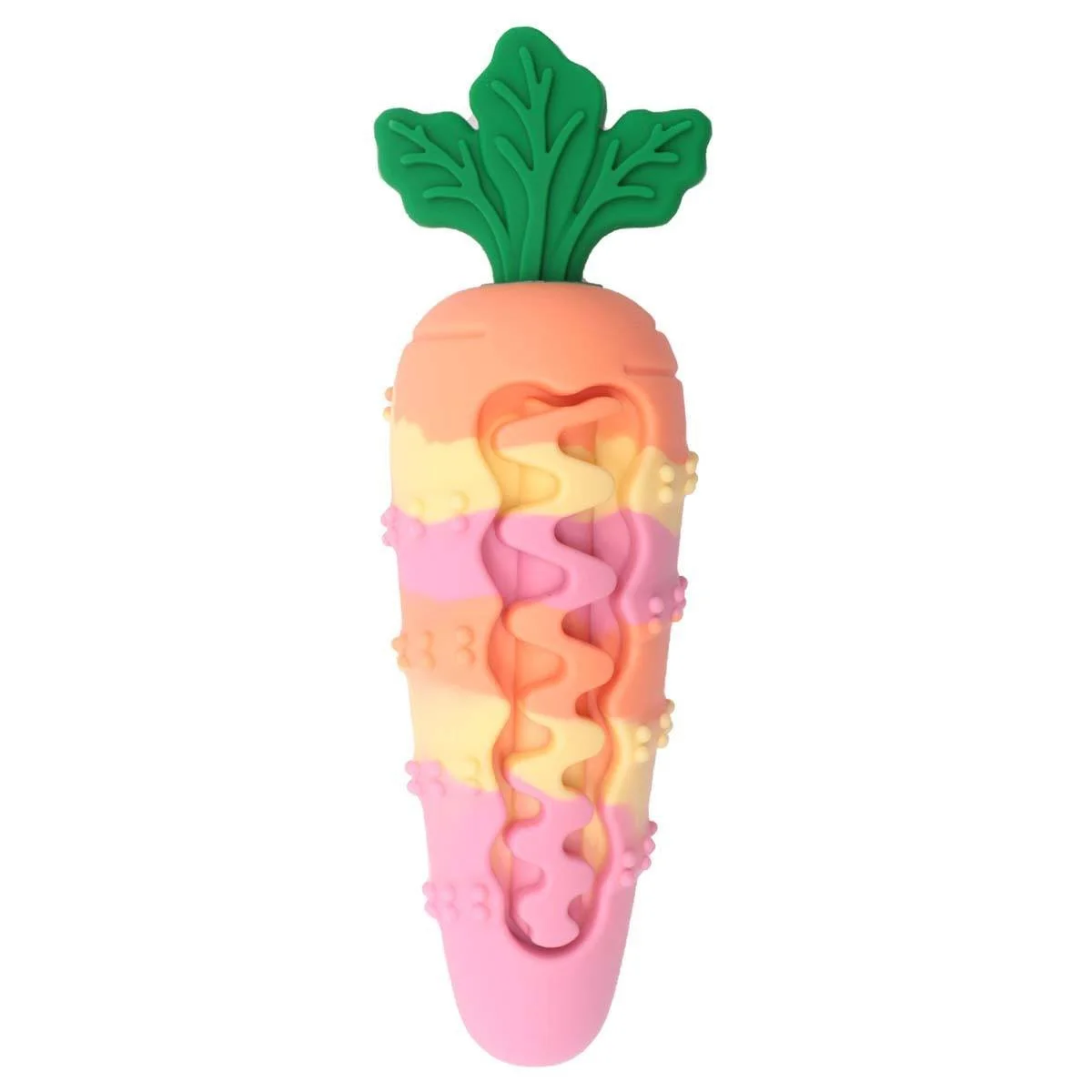
The best product match for this article is the Durable Squeaky Carrot Plush Dog Chew Toy - Teething Relief for Puppies & Adults (#1799414). It fits as a supervised soft teething and redirection toy, especially for puppies that need something more appropriate than hands, sleeves, or furniture. Because it has a squeaky element and a soft chew format, it should be inspected often and removed if the puppy starts tearing it apart.
No single toy solves teething. The strong plan is a small rotation of stage-appropriate chews, predictable chew times, enough sleep, protected rooms, and quick attention to dental warning signs. When the puppy always has a better legal option ready before the chewing urge peaks, teething becomes much more manageable.