Article
The Small Apartment Storage Checklist: 10 Problems, 10 Fixes, 1 Weekend
Quick Answer
The Small Apartment Storage Checklist: 10 Problems, 10 Fixes, 1 Weekend: quick answer
Small apartments do not usually feel crowded because every item is wrong. They feel crowded because too many useful items have no assigned place. One...
- Topic: Storage & Organization.
- Related product category: home-garden.
- This article keeps the main answer in the article copy and places relevant product context inside the guide.
Quick Answer: Small Apartments Need Storage Rules, Not More Bins
Small apartments do not usually feel crowded because every item is wrong. They feel crowded because too many useful items have no assigned place. One bulk rice bag lands on the kitchen floor. A coat moves from chair to bed to chair. Extra shampoo bottles collect under the sink. Mail sits on the dining table. Shoes spread across the entryway because there is no defined shoe zone.
The answer is not to buy random baskets and hope the apartment becomes organized. Baskets can hide clutter for a week, but they do not fix the system. The better approach is to give every high-friction category a specific home, then remove storage from places that should stay clear: counters, floors, chairs, tables, and sink edges.
This small apartment storage checklist is built around ten common failure points:
- Bulk dry food bags that slump, spill, and attract pests.
- Cabinets that hide everything behind everything else.
- Counters that become permanent storage.
- Clothes that need an in-between spot.
- Closet floors that turn into box zones.
- Drawers that bury shirts in stacks.
- Bathroom bottles with no category system.
- Damp towels with poor airflow.
- Entryways that collect keys, mail, bags, and shoes.
- Seasonal items using prime storage all year.
You can handle all ten in one weekend if you make the goal realistic. The goal is not a minimalist apartment. The goal is a functional apartment where daily items are easy to reach, rarely used items are out of the way, food stays protected, and visible surfaces stop carrying the whole household.
The Small Apartment Rule: Storage Must Follow Frequency
Before buying any organizer, sort the apartment by frequency of use.
Daily items should live at the easiest height and easiest reach: eye-level shelves, front cabinet space, top drawers, entry hooks, and the part of the counter that is truly needed for daily work.
Weekly items can live one step farther away: middle shelves, lower drawers, stackable bins, under-sink organizers, or a closet shelf that requires a small reach.
Monthly or seasonal items should move to the least convenient locations: top shelves, under-bed bins, back-of-closet boxes, labeled storage totes, or another secondary storage area.
Most small apartments become frustrating because this order is reversed. A fondue set gets eye-level cabinet space while the everyday pan is wedged behind it. Winter scarves occupy the easy closet shelf in July. Bulk rice sits on the floor because the pantry shelf is full of backup mugs. Extra beauty products take the front of the medicine cabinet while the toothbrush and daily moisturizer fight for room.
The simple test is this:
If you use it daily, it should not require digging. If you use it once a season, it should not occupy prime storage.
This checklist applies that rule room by room.
Problem 1: Bulk Food Bags Everywhere
Bulk food is efficient until it enters a small kitchen. A large bag of rice, flour, sugar, pet food, oats, or beans is cheap per serving, but the package is usually terrible for apartment storage. It slumps. It tears. It does not stack. It may not reseal well. It takes more shelf space than the food itself. If it ends up on the floor, it makes the kitchen look smaller immediately.
There is also a practical food-storage reason to fix this. USDA guidance for dry goods notes that rice, cereal, pasta, and similar foods can lose quality when exposed to dampness and that packaging should be checked for holes that let moisture or insects in. Extension guidance on pantry pests is even more direct: dried foods should be stored in clean, tight containers, and pantry areas should be kept clean and dry.
Fix: move bulk dry goods into sealed, stackable containers.
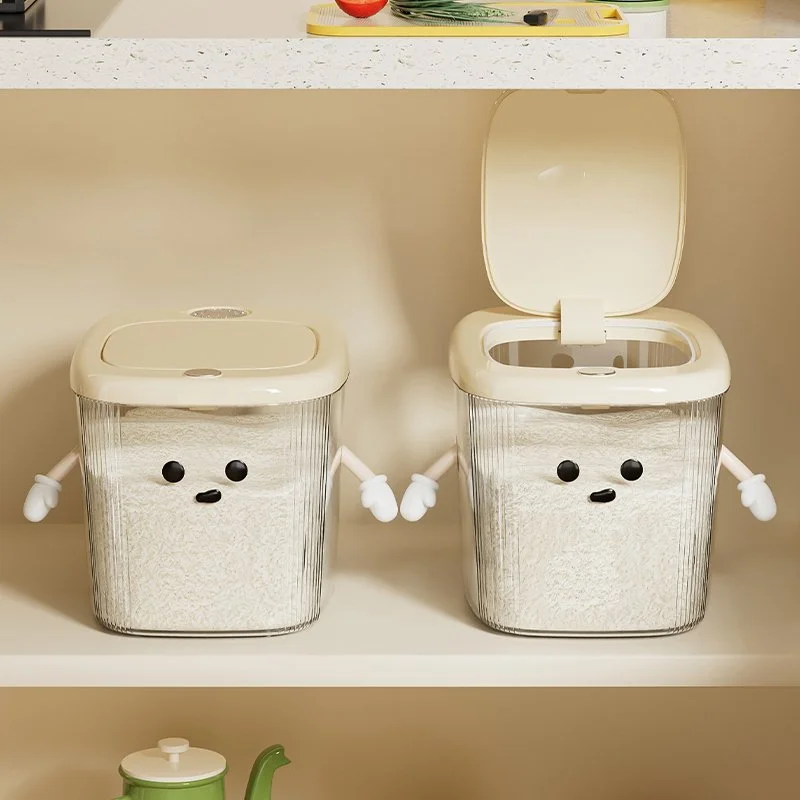
The Sealed Large-Capacity Rice Storage Bin with Moisture & Insect Protection (#p-000079, $74.49) is the anchor product for this problem because it solves the exact failure that makes small kitchens messy: the loose bulk bag. A sealed bin gives the food a shape. It closes more reliably than a folded bag. It protects against moisture and insects better than an open package. It can sit on a shelf or in a cabinet without collapsing into other items.
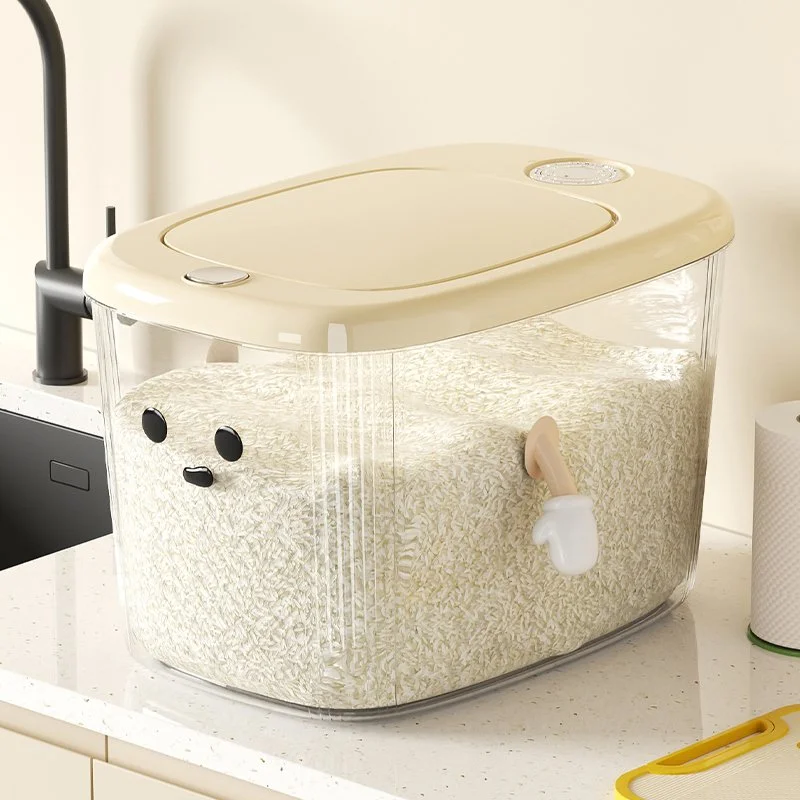
Use this rule:
- One large bin for rice, flour, sugar, oats, pet food, or another staple you actually buy in bulk.
- One smaller container for the active portion if the large bin is stored in a less convenient place.
- No open bulk bags on the floor.
- No mixing old and new food unless the container has been cleaned and the older food is still safe and fresh.
This is the highest-impact kitchen fix because it changes both cleanliness and space. A lumpy bag on the floor makes the whole kitchen feel temporary. A sealed bin turns the same amount of food into a controlled storage unit.
Problem 2: Cabinets With No Visibility
Deep cabinets are not automatically useful. In a small apartment, a deep cabinet often becomes a place where items disappear. You push extra bowls to the back. You stack containers without lids. You forget what is behind the oil bottle. Then you buy duplicates because you cannot see what you already own.
Fix: create cabinet zones by frequency and shape.
Start with one cabinet at a time. Empty it completely. Wipe the shelf. Put back only what belongs in that cabinet. Group by job, not by wishful thinking:
- Cooking zone: oil, salt, pepper, spices, daily pans, cutting boards.
- Eating zone: plates, bowls, mugs, glasses.
- Food zone: dry goods, snacks, breakfast items, baking ingredients.
- Backup zone: extra paper goods, extra condiments, backup cleaning supplies.
Then assign position:
- Front and middle: items used daily.
- Back: items used monthly.
- Top shelf: light items used rarely.
- Lower shelf: heavier items that are safer to lift from below shoulder height.
Shelf risers can help when plates, bowls, and mugs are stacked too high. Clear bins can help small packets, snacks, and baking items stay grouped. Turntables can help oils or condiments in corner cabinets. But the tool is less important than the rule: every item must be visible or easy to pull out as a group.
Do not keep "maybe someday" kitchen tools in prime cabinet space. If you cook every day with one pan, that pan deserves better storage than the appliance you use twice a year.
Problem 3: The Counter Is Acting Like a Shelf
Small kitchen counters are work surfaces. When the counter becomes storage, cooking becomes irritating. You move bottles to chop vegetables. You move appliances to wipe crumbs. You move mail to make coffee. Every task starts with clearing space, so the kitchen always feels worse than it is.
Fix: reduce the counter to daily-use stations.
A working small-apartment counter should usually hold only:
- One daily appliance, such as a coffee maker, kettle, or toaster.
- One dish soap and sponge or brush station.
- One small tray for the few items that truly belong there.
Everything else needs a cabinet, shelf, drawer, hook, rail, or bin. If an appliance is used less than three times a week, it should probably leave the counter. If spices sit on the counter because the cabinet is full, the cabinet needs editing. If mail lands on the counter, the entryway needs a landing zone.
The counter reset is simple:
- Remove every item.
- Clean the surface.
- Put back only the items used every day.
- Assign every removed item a real home.
- Recheck the counter after dinner for one week.
If the same item returns to the counter every night, it does not have a good enough home yet.
Problem 4: The Chair Has Become a Closet
The clothes chair is not a character flaw. It is a missing category. Most closets handle clean clothes and laundry baskets handle dirty clothes, but many people need a third category: worn once, not dirty, not ready to fold away.
In a small bedroom, that category often lands on a chair. Then the chair disappears under jeans, hoodies, pajamas, and sweaters. The room looks messy even if the rest of the apartment is functioning.
Fix: create a visible "worn but not dirty" station.
Good options:
- A wall hook rack.
- Over-door hooks.
- A narrow valet stand.
- A small open basket for rewearable lounge clothes.
- One dedicated hanger section in the closet.
The station must be easy enough to use when tired. If it requires folding, opening a drawer, or rearranging hangers, it will fail. Hooks are often best because they are fast.
Set one limit: the station is not long-term storage. If the hooks are full, something must move to laundry or back to the closet. This turns a messy pile into a controlled queue.
Problem 5: The Closet Floor Is Doing Too Much
When a small apartment runs out of shelves, the floor becomes the overflow shelf. Boxes, bags, shoes, cords, blankets, and random equipment collect under hanging clothes. The closet becomes harder to clean, harder to use, and visually heavier.
Fix: move floor storage into vertical or contained storage.
The floor rule is strict: the floor should hold furniture legs, a shoe rack, or stackable bins. It should not hold loose bags, random boxes, or unpacked piles.
Try this sequence:
- Pull everything off the closet floor.
- Throw away broken boxes, empty packaging, and bags you are keeping for no reason.
- Group the remaining items by category.
- Put shoes on a rack or in clear boxes.
- Put soft seasonal items in under-bed bags or labeled bins.
- Use vertical hanging organizers for accessories, folded sweaters, or small bags.
Small apartments reward height. Over-door organizers, hanging shelves, stackable bins, and shelf dividers convert unused air into storage. The floor should be the last place you store something, not the first.
Problem 6: Drawers Hide Clothes Instead of Storing Them
Traditional stacked folding works poorly in shallow apartment drawers. Shirts stack on top of shirts. The top items get worn. The bottom items disappear. Eventually the drawer gets messy because finding one shirt means disturbing ten others.
Fix: fold vertically and divide by type.
Vertical folding is useful because it makes each item visible from above. Instead of lifting a stack, you scan rows. This can work for T-shirts, workout clothes, pajamas, leggings, socks, and lightweight sweaters.
Use drawer dividers if categories slide into each other. The categories should be simple:
- Shirts.
- Workout clothes.
- Sleepwear.
- Socks and underwear.
- Seasonal accessories.
Do not overfill the drawer. If you must press the clothes down to close it, the drawer is not organized. It is compressed. Remove the least-used items and place them in seasonal storage or donate them if they are no longer useful.
The key measurement is not how much can fit. It is whether you can remove one item without wrecking the drawer.
Problem 7: Bathroom Bottles Have No Category System
Bathrooms collect small items faster than almost any other room: shampoo, conditioner, razors, toothpaste, skincare, sunscreen, medicine, hair tools, travel bottles, sample packets, cleaning sprays, cotton swabs, and first-aid supplies. Because the items are small, they feel harmless. Together they consume every shelf.
Fix: sort by category, then set a container limit.
Use categories:
- Daily face and body care.
- Hair care.
- Oral care.
- First aid and medicine.
- Backup supplies.
- Cleaning supplies.
- Travel-size items.
Check expiration dates on medicine, sunscreen, and skincare. Remove anything empty, expired, separated, leaking, or unused for a long time. Then give each category one container or shelf zone.
The container limit matters. Without a limit, backup products keep multiplying. If the backup hair-care bin is full, do not buy another shampoo until there is space. If the travel-size bag is full, stop collecting hotel minis.
For under-sink storage, use bins that can be pulled out. Under-sink spaces are awkward because pipes interrupt the shelf. A pull-out bin lets you reach the back without crawling into the cabinet.
Problem 8: Towels Have Storage But No Airflow
Towels need air more than they need a perfect fold. In small bathrooms, towels often get stacked damp, crowded onto one hook, or pushed into a cabinet before they are dry. That creates odor and can contribute to moisture problems.
EPA mold guidance emphasizes that indoor mold control is moisture control: reduce humidity, increase ventilation, use exhaust fans when needed, and dry damp materials quickly. Towels are not building materials, but the principle is the same. Damp textiles should not sit in a pile.
Fix: separate drying from storing.
Use two towel zones:
- Dry storage: folded clean towels in a cabinet, basket, shelf, or over-toilet storage.
- Active drying: hooks, bars, or over-door racks with enough space for towels to dry.
One hook crowded with three towels is not a drying system. If space is tight, use over-door hooks, a wall-mounted rack, a towel ladder, or individual hooks spaced apart. The better solution is the one that gets towels dry by the next use.
If the bathroom has a fan, use it during showers and afterward. If there is a window, open it when practical. If towels still stay damp, reduce the number hanging at once or switch to thinner towels that dry faster.
Problem 9: The Entryway Has No Landing Zone
The entryway is where clutter becomes automatic. You walk in tired and carrying keys, mail, sunglasses, a bag, shoes, a receipt, and maybe a package. If there is no landing zone, those items spread to the nearest surface.
Fix: build a landing zone with four parts.
The landing zone should include:
- A tray or bowl for keys and wallet.
- A hook for bags or jackets.
- A shoe spot with a strict capacity.
- A mail bin or file that gets cleared weekly.
The shoe spot is especially important. Small apartment entryways are not shoe warehouses. Decide how many pairs can live by the door. Usually two to four pairs is enough: current daily shoes, house shoes, and weather-specific shoes. Everything else goes to the closet.
Mail also needs a limit. A tray can hold incoming mail, but it cannot become archive storage. Set one weekly reset. Recycle junk mail, file important documents, and remove packaging. If the mail tray overflows, it is no longer a landing zone. It is a paper pile.
The best landing zone is small, visible, and slightly strict. It should catch the daily drop without inviting the whole apartment to move there.
Problem 10: Seasonal Items Occupy Prime Space
Seasonal items are awkward because they are useful, but not now. Winter coats, holiday decor, extra blankets, fans, beach towels, guest linens, luggage, and seasonal shoes can take over the most convenient storage even when they are used for only part of the year.
Fix: use the worst-location rule.
The worst-location rule means the least-used items get the least convenient storage. Put seasonal categories in:
- Top closet shelves.
- Under-bed bins.
- Back-of-closet labeled boxes.
- Luggage stored inside luggage.
- High cabinets.
- A secondary storage shelf.
Label everything. A clear label saves you from opening five boxes next season. Keep categories narrow enough that the label is meaningful: "winter hats and gloves" is better than "miscellaneous." "holiday lights" is better than "decor."
Do a seasonal swap twice a year. Move current-season items forward and off-season items back. This one habit prevents summer gear from blocking winter coats and prevents holiday decor from owning the easiest shelf in March.
The One-Weekend Plan
Do not try to redesign the entire apartment in one endless session. Small-apartment storage improves faster when each room gets a timed reset.
Saturday Morning: Kitchen
Time: 2 to 3 hours.
Start with bulk food and cabinets. Move rice, flour, sugar, oats, or pet food into sealed containers. Check packages for holes, spills, and expired food. Wipe shelves. Put daily cooking items where they are easiest to reach. Remove anything that does not belong in the kitchen.
Finish by clearing the counter. Keep only true daily stations.
Saturday Afternoon: Bedroom and Closet
Time: 2 to 3 hours.
Create the worn-but-not-dirty station first because it prevents the chair pile from returning. Then clear the closet floor. Add stackable bins, shoe storage, or hanging organizers only after you know what categories need homes.
Finish with one drawer. Fold vertically and remove anything that makes the drawer hard to close.
Sunday Morning: Bathroom
Time: 1.5 to 2 hours.
Sort bottles by category. Check expiration dates. Remove duplicates, empty products, and unused travel sizes. Put daily items in easy reach and backup items in a pull-out bin or less convenient storage.
Then fix towel airflow. Add hooks, separate towels, and remove damp piles.
Sunday Afternoon: Entryway and Seasonal Storage
Time: 1.5 to 2 hours.
Build the landing zone: tray, hook, shoe spot, mail bin. Then move seasonal items out of prime space. Label every bin.
Finish with a ten-minute reset walk through the apartment. Look only at surfaces: counters, tables, chairs, floors, sink edges. Anything sitting there must either get a home or be removed.
What to Buy First
Do not buy every organizer at once. Buy based on the problem that is creating the most friction.
| If Your Biggest Problem Is... | Buy First | Skip For Now |
|---|---|---|
| Bulk rice or flour bags | Sealed large-capacity food bin | Decorative pantry baskets |
| Deep cabinet chaos | Clear pull-out bins or shelf risers | More random containers |
| Counter clutter | Under-cabinet or cabinet storage | New countertop trays |
| Chair clothes | Hooks or valet stand | More hangers |
| Closet floor piles | Stackable bins or shoe rack | Decorative boxes with no labels |
| Bathroom bottle overload | Pull-out bins or divided caddies | Extra product stockups |
| Damp towels | Hooks, towel bar, or over-door rack | More towel sets |
| Entryway mess | Tray, hooks, small shoe rack | Large console table |
| Seasonal overflow | Labeled under-bed or top-shelf bins | More prime-space baskets |
The best organizer is not the prettiest one. It is the one that changes the behavior causing the mess.
The Product: Sealed Large-Capacity Rice Storage Bin
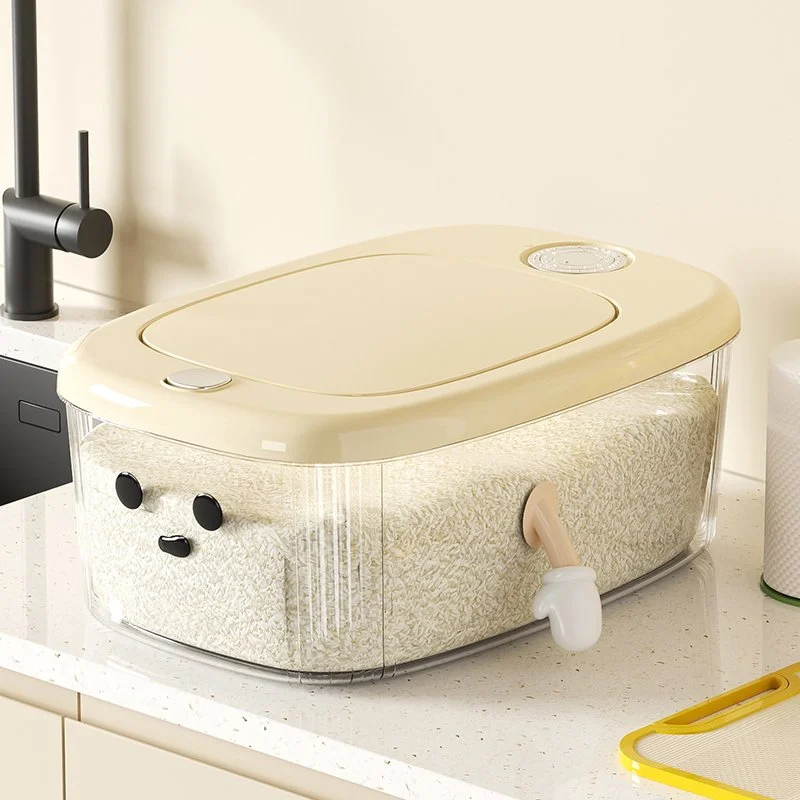
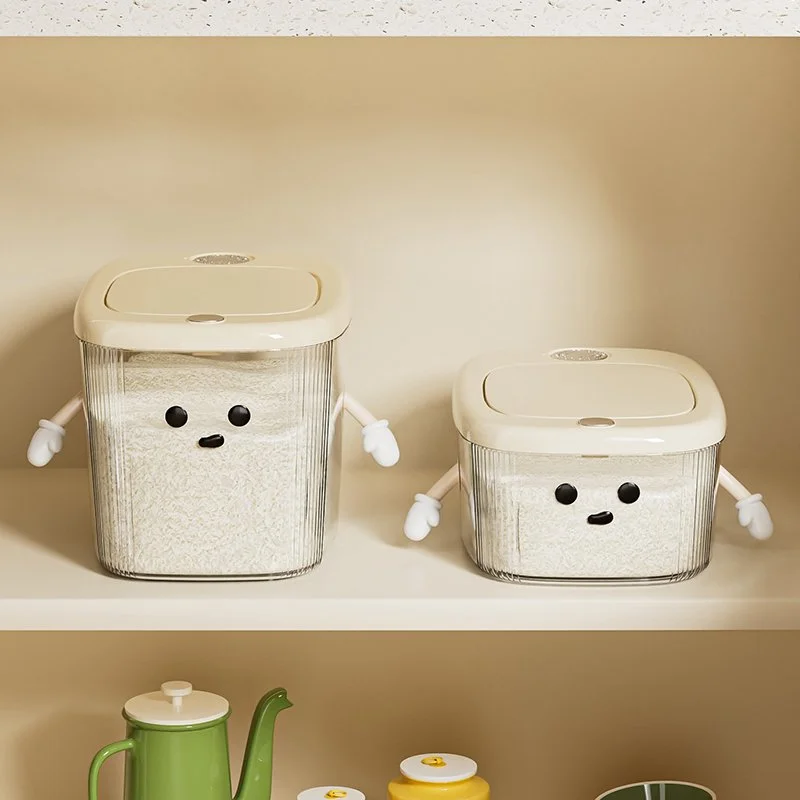
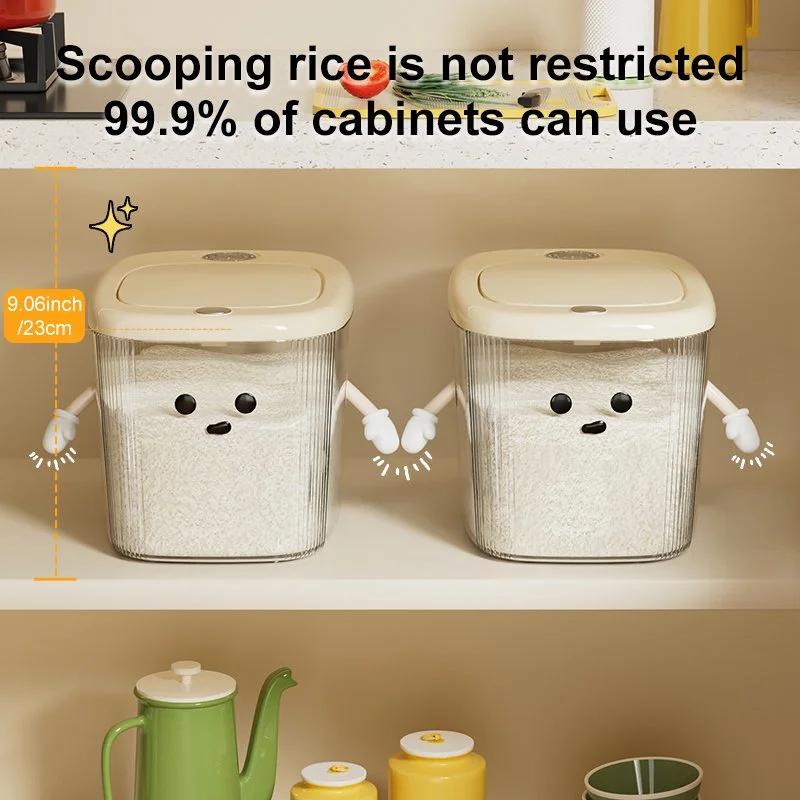
The Sealed Large-Capacity Rice Storage Bin with Moisture & Insect Protection (#p-000079, $74.49) belongs in this checklist because bulk dry food is one of the least apartment-friendly categories. The product turns a loose staple bag into a cleaner, more stable, more stackable storage unit.
It is strongest for:
- Rice.
- Flour.
- Sugar.
- Oats.
- Dry beans.
- Pet food, if the size and cleaning routine fit.
- Other dry staples bought in larger quantities.
The useful features are straightforward:
- Sealed lid: helps protect dry goods from moisture exposure and kitchen odors.
- Insect protection: supports the pantry-pest prevention advice to keep dried foods in tight containers.
- Large capacity: reduces the need to keep a floppy bulk bag on the floor or counter.
- Stackable shape: makes the food behave like apartment storage instead of warehouse packaging.
- Cleaner dispensing: reduces spills that can attract pests and make cabinet cleaning harder.
The honest limit is important. A storage bin does not fix old food, poor rotation, or a dirty pantry shelf. You still need to clean the container before refilling, avoid mixing questionable old food with fresh food, keep the storage area dry, and inspect dry goods occasionally.
It is also not the first purchase for every apartment. If you do not buy bulk dry goods, spend money elsewhere first. But if a rice bag, flour bag, or pet-food sack is living on the floor, this type of sealed bin is one of the most direct upgrades you can make.
Maintenance Rules That Keep the System Working
The weekend reset matters, but maintenance keeps it from collapsing.
Use these small rules:
- One-minute counter reset: clear the kitchen counter every night after dinner.
- Weekly mail reset: empty the mail tray before it becomes a paper archive.
- Monthly pantry check: check dry goods for spills, damaged packaging, and low stock.
- Seasonal swap: move current-season items into easy reach and off-season items into harder storage.
- Container limit: when a bin is full, do not buy more of that category until something leaves.
- No floor storage without a container: loose items on the floor are a sign the system needs adjustment.
- No unlabeled seasonal bins: if you cannot identify it next season, the label failed.
The best sign of success is not that the apartment looks staged. The best sign is that cleanup gets faster. A functional small apartment can return to order in ten minutes because every item already has a home.
FAQ
What is the best storage idea for a small apartment?
The best first step is assigning storage by frequency of use. Daily items get easy access, weekly items move one step away, and seasonal items move to the hardest-to-reach spaces.
How do I organize a small kitchen with no pantry?
Use sealed containers for dry goods, shelf risers for vertical cabinet space, and strict counter rules. If you buy bulk rice or flour, move it from the original bag into a sealed bin.
Are storage bins worth it in a small apartment?
Yes, but only when each bin has a category and a location. Random bins can hide clutter. Labeled, category-specific bins can make shelves, closets, and under-bed spaces easier to use.
How do I stop my apartment from feeling cluttered?
Clear visible surfaces first: counters, tables, chairs, floors, and sink edges. Then give recurring clutter categories a home, such as hooks for worn clothes or a landing zone for keys and mail.
Should I store dry food in airtight containers?
For many dry goods, airtight plastic, glass, or metal containers add protection against moisture, damaged packaging, and pantry pests. USDA and extension resources recommend checking packaging and using protective containers for dry goods.
How do I store towels in a small bathroom?
Separate clean towel storage from active drying. Use hooks, bars, or over-door racks so damp towels have airflow instead of sitting in a pile.
What should go under the bed?
Use under-bed storage for seasonal, low-frequency, or soft items: extra blankets, off-season clothes, holiday linens, or guest bedding. Avoid using it for daily items because the access is inconvenient.
How many shoes should stay by the door?
Usually two to four pairs is enough. Keep the current daily pairs near the entry and move the rest to closet storage.
Browse Storage & Organization products