Article
Microfiber Cleaning Cloth Hacks: A Practical System For Cleaner Surfaces And Less Waste
Quick Answer
Microfiber Cleaning Cloth Hacks: A Practical System For Cleaner Surfaces And Less Waste: quick answer
Microfiber cloths look simple, but they are not just softer versions of cotton rags. A good microfiber towel is built from very fine synthetic fibers...
- Topic: Cleaning Tools.
- Related product category: home-garden.
- This article uses one relevant product insertion and keeps the main answer in the article copy.
Why Microfiber Works Best When You Use It Deliberately
Microfiber cloths look simple, but they are not just softer versions of cotton rags. A good microfiber towel is built from very fine synthetic fibers that create more contact points against a surface. That extra contact helps the cloth pick up dust, lift light grease, absorb liquid, and polish smooth finishes with less effort than many ordinary towels. Used well, microfiber can reduce how often you reach for paper towels, disposable wipes, and heavy spray cleaners.
The problem is that many people use microfiber as if every cloth works the same way. They grab one towel, wipe everything in the room, rinse it quickly, and throw it into normal laundry with bath towels and fabric softener. After a few weeks, the cloths feel less grippy, leave lint behind, smell stale, or start smearing instead of cleaning. That is usually not because microfiber is overrated. It is because the cleaning system around it is weak.
Microfiber performs best when three things are handled correctly: which cloth is used for which job, how wet the cloth is, and how the cloth is washed after use. Those details sound small, but they decide whether the cloth lifts dirt or simply moves it around. A dry cloth is useful for dust. A barely damp cloth is useful for counters, cabinet doors, appliance fronts, and many everyday spills. A clean dry cloth used after a damp pass can polish glass, stainless steel, faucets, and mirrors. A dirty cloth used everywhere can create the exact opposite result.
This guide is not about collecting dozens of specialty cleaning tools. It is about turning a small stack of reusable microfiber towels into a simple household routine. The goal is cleaner kitchen counters, less streaky glass, faster bathroom wipe-downs, fewer paper towel runs, and less confusion about what to do with the cloth after it touches grease, dust, toothpaste, coffee, or sink water.
The matched product for this article is the Ultra-Absorbent Microfiber Kitchen Towels - 5 Pack Reusable Cleaning Cloths (#1795550). A five-pack is a practical size because it lets one cloth stay in use, one dry, one wait for laundry, and a couple remain clean for specific tasks such as glass, counters, or spills. The product is not presented as a miracle cleaner. It is useful because it fits the routine: reusable, washable, lightweight, quick-drying, and suited to everyday kitchen wiping and small household cleaning jobs.
Start With A Job System, Not A Random Stack
The first hack is to stop treating every cloth as interchangeable. A random pile creates two problems. First, you never know whether the towel in your hand was last used on a greasy stovetop, a bathroom sink, a pet bowl, or a dusty shelf. Second, the cloths wear out faster because high-mess jobs and delicate jobs get mixed together.
Give each cloth a job category. You do not need a complicated professional system. A normal home can start with four categories: kitchen counters and food-prep surfaces, sink and spill cleanup, glass and shine surfaces, and general dusting. If you have enough cloths, keep bathroom cloths separate from kitchen cloths. If all your cloths are the same color, mark a corner with a laundry-safe pen, store them in separate bins, or fold them into separate drawers.
The point is not perfection. The point is reducing obvious cross-use. A towel used to wipe greasy backsplash should not become the towel used to polish a mirror. A cloth used around the bathroom sink should not be the one you grab for the cutting board area. A cloth used for dry dusting should stay dry until the dusting job is finished.
A five-pack makes this easier than a single cloth because each towel can have a purpose. One can live near the sink for quick water spills. One can be reserved for counters. One can be kept clean for glass and stainless steel. One can be used dry for dusting. One can rotate through laundry or act as backup. When a cloth has a clear job, you hesitate less and clean more consistently.
Use The Right Moisture Level
Moisture control is the difference between a satisfying wipe and a streaky mess. Microfiber can be used dry, lightly damp, or wet, but those are different tools.
Use a dry microfiber cloth for dust, crumbs, loose hair, dry fingerprints, TV stands, shelves, cabinet fronts that are not greasy, and electronics exteriors. Dry microfiber grabs loose particles better than a wet towel because it does not turn dust into paste. If you wet the cloth too early, the dust that would have lifted away can become gray streaks that need a second cleaning pass.
Use a lightly damp cloth for most everyday cleaning. Run the cloth under water, wring it hard, and then wring it again. It should feel cool and flexible, not dripping. This level works well for kitchen counters, table surfaces, appliance handles, cabinet pulls, dining chairs, and small spills that have not dried into heavy residue.
Use a wetter cloth only when the surface actually needs moisture. Dried sauce, sticky drink residue, sugar, and food splatter may need a short soak or a wetter pass. Even then, follow with a dry or barely damp cloth so the surface does not stay wet. On wood, laminate, electronics, and painted surfaces, too much water can cause problems.
This simple rule prevents many cleaning frustrations: start drier than you think, then add moisture only if the mess demands it. A soaking towel feels productive, but it often spreads dirty water into seams, edges, grout, and appliance trim. A controlled damp cloth cleans more precisely.
Fold The Cloth Before You Wipe
One of the most useful microfiber habits is also the easiest: fold the cloth into quarters before you start. A folded towel gives you several clean working faces. When one face gets dirty, flip to the next. When that one is used, refold. This prevents you from dragging the same oily, dusty, or wet area across every surface.
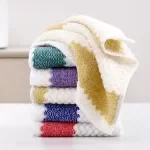
Folding also makes the cloth easier to control. A loose towel bunches up in your hand, creates uneven pressure, and often leaves little missed areas. A folded rectangle gives a flatter cleaning surface. It lets your hand press evenly across counters, glass, and appliance doors. It also keeps your fingertips from pushing through the cloth and leaving streaks.
Use the folded method for mirrors, faucets, tabletops, refrigerator doors, cabinet fronts, and car interiors. It is especially useful on stainless steel because uneven pressure can leave visible wipe patterns. Wipe with one clean face, flip, then buff with a dry face.
If the cloth becomes fully dirty, do not keep refolding forever. Put it in the laundry pile and take a fresh one. The folding method extends the usable area of one towel, but it does not make a dirty towel clean again.
Dust Before You Spray Or Wipe Wet
Many people clean in the wrong order. They spray a surface, wipe it, and then wonder why the finish looks cloudy. The hidden problem is loose dust. When dust meets liquid, it can become a thin film. On dark furniture, glossy counters, glass shelves, and stainless steel, that film shows up immediately.
Dry dust first. Use a clean dry microfiber cloth and work from higher surfaces down to lower surfaces. Door frames, open shelves, the top of the refrigerator, light switch plates, cabinet trim, and baseboards all collect fine dust. Wiping them dry before wet cleaning means less residue and fewer repeat passes.
This is also useful in the kitchen. Before cleaning a countertop, brush crumbs into your hand or onto the floor for vacuuming. Then use the damp cloth. If you wet crumbs and flour first, they become paste. If you remove them dry, the damp cloth can handle the remaining film.
For quick daily cleaning, you may not need spray at all. A lightly damp microfiber towel is enough for many surfaces that are only dusty, lightly sticky, or marked by fingerprints. Save cleaning solution for messes that actually need it, such as raw-food areas, stubborn grease, bathroom residue, or surfaces that require disinfecting.
Use The Two-Cloth Method For Glass And Shine
Glass, mirrors, faucets, stainless steel, and glossy appliance fronts are where microfiber either looks impressive or disappointing. The common mistake is trying to clean and dry with the same wet cloth. The surface may become clean, but it often dries with streaks because residue and moisture remain behind.
Use two cloths. The first cloth should be lightly damp. It loosens fingerprints, toothpaste spots, water marks, and light film. The second cloth should be clean and dry. It removes the remaining moisture and buffs the surface before water marks can form.
For mirrors, wipe the damp cloth across the surface in overlapping passes. Do not oversaturate the glass. Then immediately use the dry cloth from top to bottom. On faucets, wrap the dry cloth around the base and handle areas where water collects. On stainless steel, wipe with the grain when the grain is visible.
This method also works on the outside of microwaves, refrigerator handles, toaster fronts, glass tables, and shower door touch-up spots. It is not magic. It simply separates cleaning from finishing. One cloth loosens the soil. The second cloth leaves the surface dry and even.
Reserve one of your microfiber towels for this job if possible. A towel that has been used on grease or heavy spills may still look clean but leave faint streaks on glass. A dedicated glass cloth saves time because it stays cleaner longer.
Handle Grease With Less Soap
Microfiber is strong in kitchens because it can lift light oil and food film with very little product. That does not mean soap is never needed. It means most people use too much soap in the wrong place.
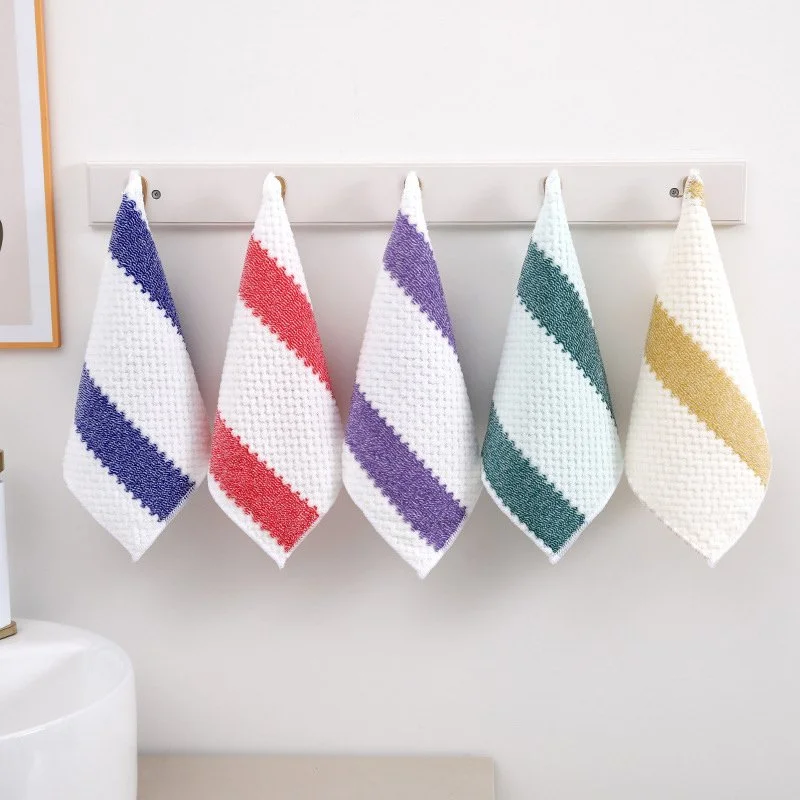
For light grease on counters, cabinet pulls, and appliance handles, start with a warm damp microfiber towel. Wipe slowly and let the cloth make full contact. If the surface still feels slick, add one small drop of dish soap to the cloth, not to the entire counter. Work the spot, rinse the cloth, wring it well, and wipe again. Finish with a dry towel if the surface shows streaks.
Putting soap directly on the cloth gives you control. Spraying or spreading too much cleaner across the whole area can leave residue that attracts more dust and fingerprints. It can also create extra rinsing work. The aim is not to make the kitchen smell like cleaner. The aim is to remove the film without leaving a new film behind.
For heavy grease above the stove, do not expect one microfiber towel to do the whole job. Use a degreasing cleaner appropriate for the surface, let it work for the recommended time, then wipe with microfiber. Rinse and repeat if needed. When the cloth gets loaded with oil, stop and switch to a clean one. A saturated towel will smear.
The Ultra-Absorbent Microfiber Kitchen Towels - 5 Pack Reusable Cleaning Cloths (#1795550) fits this part of the routine because kitchen messes need rotation. You can use one towel for the greasy job, one for the rinse pass, and one clean towel for drying or polishing. That is more effective than trying to make one cloth do every step.
Treat Spills By Type
Not every spill should be handled the same way. Microfiber is absorbent, but the best first move depends on what was spilled.
For water, tea, coffee without milk, and light sink splashes, press the cloth onto the liquid first. Let it absorb before wiping. If you wipe immediately, you may push the spill under appliances, into grout lines, or across a larger area. Press, lift, refold, then wipe.
For sticky spills such as juice, soda, syrup, or sauce, start by picking up the excess with a folded cloth or paper if the spill is very thick. Then use a warm damp microfiber towel to dissolve the sticky film. Rinse the towel, wring it, and wipe again. Sticky spills often need two passes because sugar dries into a thin invisible layer that still feels tacky.
For oily spills, use caution. Microfiber can pick up oil, but oil can cling to the fibers and make laundering harder. Use a small amount of dish soap after the first pickup, and do not toss an oil-loaded cloth directly into a mixed laundry pile. Rinse it well at the sink first and wash it separately from clothing.
For raw meat juice, pet accidents, or bathroom contamination, be conservative. Microfiber can be cleaned, but some messes are better handled with disposable material first, followed by proper cleaning or disinfection. Reusable cloths are valuable, but hygiene matters more than saving one paper towel.
Build A Ten-Minute Kitchen Reset
Microfiber is most useful when it is part of a daily reset, not only a deep-cleaning tool. A ten-minute kitchen reset can keep the room from sliding into a bigger weekend job.
Start with dry debris. Move dishes to the sink or dishwasher, clear food packaging, and brush crumbs from counters. Then use a damp microfiber towel for counters, the table, and high-touch areas such as refrigerator handles, faucet handles, cabinet pulls, and the microwave button panel. If the stovetop has light splatter, wipe it while it is cool. Use a small drop of dish soap only where grease needs it.
Next, use a clean dry towel or a reserved glass towel for finishing. Buff the faucet, sink edge, appliance fronts, and any glossy areas that show water marks. If the sink is stainless steel, a dry microfiber towel can make it look cleaner even when you do not do a full scrub.
End by hanging the damp towel where it can dry before laundry. Do not leave wet microfiber in a ball under the sink. That is how clean tools start smelling like old sponges. A simple hook, rail, or open basket is enough as long as air can move around the cloth.
This reset works because it is small. You are not deep cleaning the oven, emptying the pantry, or scrubbing grout. You are removing the daily film that makes the kitchen feel neglected. Done consistently, it reduces the need for harsh catch-up cleaning.
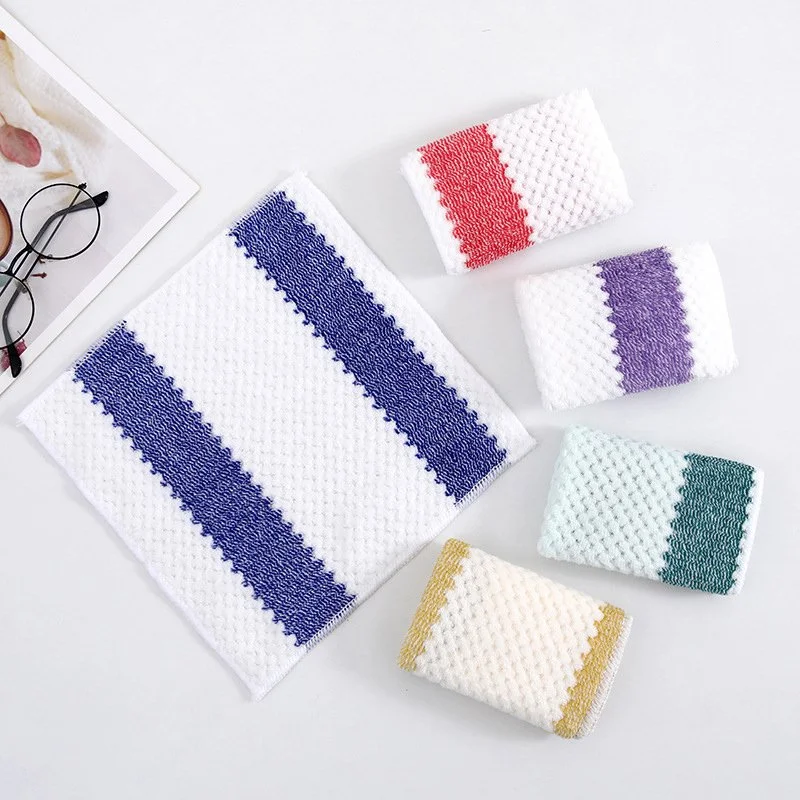
Use Microfiber In The Bathroom Without Mixing It With Kitchen Cloths
Bathrooms are where microfiber can save time, but they require stricter separation. Keep bathroom cloths separate from kitchen cloths. If you only have one pack, assign specific towels and store them in different places.
For the sink area, a lightly damp microfiber towel can remove toothpaste spots, water marks, soap residue, and fingerprints from the counter and faucet. Follow with a dry cloth on shiny metal if you want a polished look. For mirrors, use the two-cloth method. For shower glass, use microfiber for maintenance between deeper cleans, especially after water spots start forming but before mineral buildup becomes heavy.
Do not use the same bathroom cloth for toilets and then for faucets or counters. If you use microfiber around the toilet, dedicate that cloth to toilet-adjacent cleaning and wash it separately. Many households may prefer disposable material for the dirtiest bathroom tasks. That is fine. The point is to use microfiber where it is helpful without pretending every mess belongs in the same reusable towel routine.
Bathroom cloths should dry quickly after use. Rinse out soap residue, wring thoroughly, and hang before washing. Soap, toothpaste, and body product residue can cling to fibers if left to dry in a wet ball. A quick rinse protects the cloth and prevents odor.
Protect Screens And Delicate Surfaces
Microfiber is often the safest everyday choice for screens, but only when the cloth itself is clean. A towel that has picked up crumbs, grit, or dried cleaning product should not touch a phone, laptop, monitor, camera lens, or television screen.
For screens, start dry. Turn the device off if practical so smudges are easier to see. Wipe gently with a clean microfiber cloth. Do not press hard. If a mark remains, lightly dampen a corner of the cloth with water, wipe the mark, then use the dry part to finish. Avoid spraying liquid directly onto screens because moisture can run into edges and ports.
Do not use the same towel you use for counters unless it has been washed and inspected. Kitchen towels can carry oil, grit, or soap residue. Those may create smears or scratches. If screen cleaning is common in your home, reserve one small microfiber cloth for electronics and store it in a drawer or bag where it stays clean.
The same idea applies to piano finishes, glossy cabinets, decorative glass, watch faces, and eyeglasses. The cloth matters, but cleanliness of the cloth matters more. Microfiber is gentle only when it is free of trapped debris.
Use Microfiber For Car Interiors
Car interiors collect dust, skin oil, sunscreen, drink residue, and lint. Microfiber handles many of these jobs well because it can clean without soaking the dashboard or leaving lint behind.
Use a dry microfiber cloth first on the dashboard, console, vents, display surrounds, cup holder edges, and door panels. Fold the cloth and use a clean face as it picks up dust. For fingerprints on glossy trim or infotainment screens, use a clean dry cloth and very light pressure. For sticky cup holder residue, use a damp cloth, then dry the area so moisture does not sit in seams.
Do not spray cleaner directly onto buttons, screens, vents, or seams. If a cleaning product is needed, apply it to the cloth lightly, then wipe. Car interiors have many small gaps where liquid can cause problems. A controlled damp microfiber towel is safer than flooding the surface.
Keep one microfiber towel in the car, but store it clean. Do not let it sit loose on the floor collecting grit. A small pouch in the glove compartment or door pocket keeps it ready for dust, sunglasses, phone screens, and quick spills.
Clean Stainless Steel With Direction And Patience
Stainless steel can make a kitchen look clean, but it also shows every bad wiping habit. Fingerprints, water marks, and uneven cleaner residue stand out. Microfiber helps most when you slow down and wipe in a consistent direction.
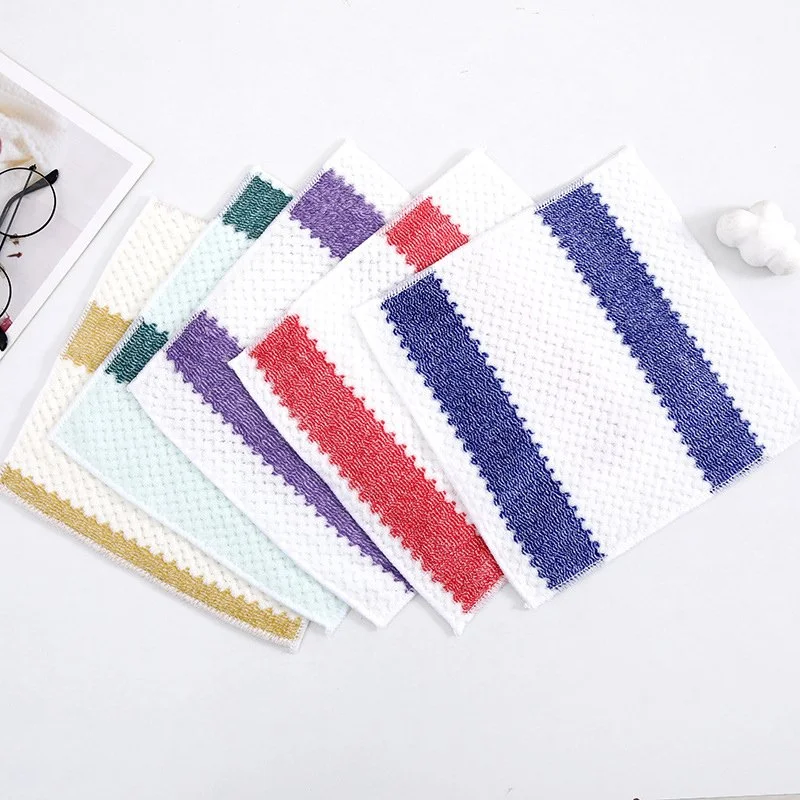
First remove crumbs and loose dust with a dry towel. Then use a lightly damp cloth to wipe handles and high-touch areas. If the appliance has a visible grain, wipe with it. If you wipe in circles on brushed stainless steel, the pattern can look uneven even when the surface is clean.
After the damp pass, use a dry microfiber towel to buff. This step matters. Stainless often looks streaky because water and cleaner dry in place. A dry towel removes that moisture before it settles. For stubborn fingerprints, a tiny amount of dish soap on the damp cloth can help, followed by a clean damp rinse pass and dry buff.
Avoid using an oily cloth from stovetop cleaning on stainless appliance fronts. It may leave a film that attracts more fingerprints. This is another reason to keep job categories separate.
Wash Microfiber So It Keeps Working
Microfiber care is where many households lose the benefits. The fibers can trap lint, soap residue, oil, and fabric-softener coatings. Once that happens, the towel may smear, smell, or stop absorbing well.
Wash microfiber separately from lint-heavy laundry such as cotton bath towels, fleece, socks, and fluffy blankets. Lint can cling to microfiber and later transfer to glass, screens, and counters. Use a mild detergent and avoid using more than necessary. Too much detergent can remain in the fibers.
Skip fabric softener and dryer sheets. They are designed to coat fibers, which is the opposite of what you want for a cleaning cloth. That coating can reduce absorbency and make the cloth feel slick. If the towels smell stale, rinse them well and wash separately. Do not try to cover odor with fragrance.
Use cool or warm water unless the product care label says otherwise. High heat can be hard on synthetic fibers over time. Dry on low heat or air dry. Do not iron microfiber. Do not wash it with heavily oily shop rags or greasy kitchen towels unless you pre-rinse and keep that load separate from delicate cloths.
After washing, store cloths fully dry. A closed plastic bin is fine only if the towels are dry. Damp storage creates odor. For kitchen use, keep a few folded towels near the sink or cleaning area so they are easy to grab. Convenience is what makes the reusable habit stick.
Know When Microfiber Is The Wrong Tool
Microfiber is versatile, but it is not the right answer for every job. Do not use a normal kitchen microfiber towel on rough outdoor concrete, sharp metal edges, heavy paint, tar, wet ash, or anything that may permanently load the fibers with grit or chemicals. Those jobs can ruin a cloth and make it unsafe for delicate surfaces later.
Avoid using your best microfiber towels with bleach unless the care instructions allow it and the task requires it. Bleach and strong chemicals can shorten the life of some fibers. If disinfection is required, follow the instructions for the disinfecting product and surface. Microfiber can help with wiping, but it does not replace proper disinfectant contact time when disinfection is the goal.
Do not use a cloth from a dirty job on a delicate job just because it has been rinsed. Grit can stay trapped. A towel used for garage cleanup should not become a screen cloth. A towel used for bathroom floors should not become a kitchen counter towel. When a cloth has been downgraded to rough work, keep it in that category.
This is how you get better value from the set. The cleanest towels handle food surfaces, glass, and delicate finishes. Older towels handle rougher utility jobs. Damaged towels retire. A simple life cycle keeps the system hygienic and practical.
How Many Microfiber Towels A Home Needs
The right number depends on how often you clean and how often you do laundry. A small apartment may work well with five to eight cloths. A larger home may need ten to twenty, especially if bathroom cloths, kitchen cloths, dusting cloths, and car cloths are kept separate.
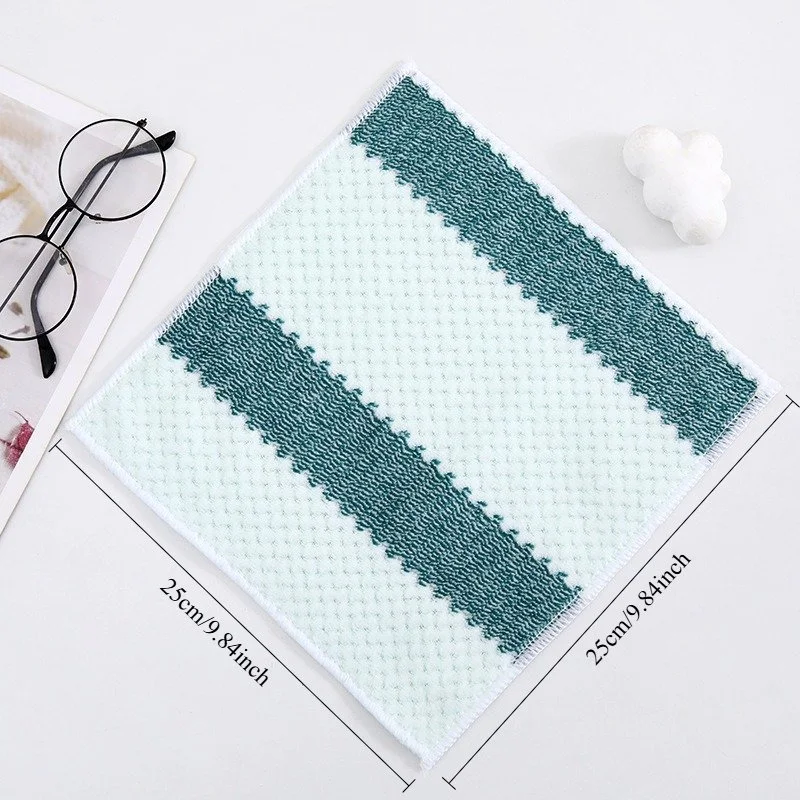
A five-pack is a useful starting point because it forces you to assign jobs carefully. For example: one counter cloth, one spill cloth, one glass or polishing cloth, one dry dusting cloth, and one backup or laundry rotation cloth. If you find yourself constantly short, add another set rather than overusing dirty towels.
Do not judge the system by how many cloths are in the drawer. Judge it by whether clean towels are available when needed, dirty towels have a place to go, and nobody has to guess which cloth belongs to which job. A smaller organized set is better than a large confusing pile.
For families, make the system visible. Store kitchen cloths in one drawer or basket. Store bathroom cloths somewhere else. Put used cloths in a small laundry bag or open bin. If people know where clean cloths are and where dirty ones go, they are more likely to use them correctly.
A Practical Weekly Routine
A good microfiber routine should fit normal life. It should not require a cleaning calendar that nobody follows.
Daily, use one kitchen cloth for counters and high-touch areas. Rinse and hang it after use. Use a separate cloth for big spills or greasy jobs. If a cloth touches raw-food mess, pet mess, heavy grease, or bathroom contamination, move it out of normal rotation immediately and wash appropriately.
Two or three times a week, use a dry cloth for dust-prone areas: TV stand, shelves, entry table, cabinet fronts, and baseboards. Dust before vacuuming so debris that falls can be picked up from the floor.
Weekly, use the two-cloth method on mirrors, faucets, stainless steel, and appliance fronts. This does not have to be a full deep clean. A few minutes of damp wiping and dry buffing can make the home look much cleaner.
When laundry day comes, wash microfiber separately, avoid fabric softener, dry gently, and put each cloth back into its category. This last step is important. If all the clean towels get tossed together randomly, the system slowly disappears.
Where The Matched Product Fits
The Ultra-Absorbent Microfiber Kitchen Towels - 5 Pack Reusable Cleaning Cloths (#1795550) fits best as an everyday kitchen and light household cleaning set. The product details describe a microfiber material, reusable and washable construction, lightweight quick-drying use, and a five-piece set. That combination is useful for wiping countertops, drying dishes, cleaning small spills, and keeping a few cloths available for rotation.
The five-piece count is the practical advantage. One towel can handle the current counter wipe. One can be reserved for dishes or sink-area moisture. One can stay clean for polishing. One can be used for dry dusting. One can sit in backup while the used towels dry or wait for laundry. That is enough structure for a real home without making the routine feel complicated.
Use the product where it matches the article: kitchen spills, countertop maintenance, light dusting, sink-area drying, and everyday wipe-downs. Do not oversell it as a replacement for every cleaning product or every disinfecting step. It is a reusable cloth set, and its value comes from repeated small jobs done well.
Final Recommendation
Microfiber cloths are worth using, but they work best as a system. Assign cloths by job. Control moisture. Fold before wiping. Dust before wet cleaning. Use two cloths for glass and shine. Use less soap on grease. Wash the towels separately and skip fabric softener. Keep bathroom cloths away from kitchen cloths. Retire rough-job cloths before they damage delicate surfaces.
The biggest improvement is not one dramatic cleaning trick. It is reducing small daily friction. When clean cloths are easy to find, dirty cloths have a place to go, and each towel has a job, cleaning becomes faster and less wasteful. You use fewer disposable wipes, reach for fewer paper towels, and get better results from ordinary water, mild soap, and good wiping technique.
For this topic, the best matched product is the Ultra-Absorbent Microfiber Kitchen Towels - 5 Pack Reusable Cleaning Cloths (#1795550). It supports the article because it gives the reader a simple reusable set for the exact habits described here: kitchen wiping, dish drying, spill cleanup, light dusting, and regular rotation through laundry.
Browse Cleaning Tools products