Article
Senior Cat Toys: 6 Ways to Keep Your Aging Cat Active
Quick Answer
Senior Cat Toys: 6 Ways to Keep Your Aging Cat Active: quick answer
An older cat may not launch across the room the way it did at three years old. It may not chase a feather wand up the wall, sprint after every crinkle...
- Topic: Senior Cat Care.
- Related product category: pet-toys.
- This article keeps the main answer in the article copy and places relevant product context inside the guide.
Senior Cats Still Want a Life, Not Just a Bed
An older cat may not launch across the room the way it did at three years old. It may not chase a feather wand up the wall, sprint after every crinkle ball, or wrestle a kicker toy with the same force. That does not mean the cat is done playing.
It usually means the play has to change.
Senior cats need toys that respect slower joints, changing eyesight, possible dental sensitivity, lower stamina, and a stronger preference for comfort. They also need owners to notice smaller signals. A young cat may make play obvious by pouncing, climbing, and demanding attention. A senior cat may only track a toy with the eyes, tap it once, rub its face against it, or sit near the toy box at the same time every evening.
Those small signals matter. Play is not only exercise. It is routine, confidence, sensory input, bonding, and mental engagement. For an older indoor cat, a few minutes of safe play can keep the day from shrinking into meals and sleep.
The goal is not to make a senior cat act young. The goal is to give the cat age-appropriate ways to still behave like a cat: watch, stalk, sniff, bat, chew, scratch, search, and choose.
First: Separate Aging From Pain
Many cats are considered senior around 11 years old, and some age-related changes begin earlier. But age alone should not be used to explain every behavior change.
If your cat suddenly stops jumping, hides more, avoids being touched, stops grooming, misses the litter box, loses weight, gains weight, vocalizes at night, seems disoriented, or refuses play it used to enjoy, do not assume it is "just old age." Pain, arthritis, dental disease, vision changes, kidney disease, thyroid disease, and cognitive changes can all affect play.
Toys help with enrichment. They do not diagnose discomfort. A senior cat who wants to play but cannot move comfortably needs veterinary attention, not a more exciting feather.
That said, many older cats still enjoy play when the game is modified. Lower the height. Slow the movement. Shorten the session. Add traction. Use scent. Make the target easier to catch. Let the cat win without requiring a huge jump.
Good senior play starts with this question: what can my cat do comfortably today?
1. Move the Game to the Floor
Floor-level play is often the biggest improvement for senior cats. A cat who ignores an overhead wand may happily bat at the same toy when it slides past a paw.
Keep movement low and reachable. Drag a soft toy slowly along the edge of a rug. Wiggle a wand attachment around a box. Roll a light ball across a carpeted area. Place a catnip toy beside the cat and let the cat choose whether to rub, bite, or kick.
Use surfaces that help the cat stay stable. Rugs, yoga mats, carpet runners, and textured blankets can make play feel safer than slick hardwood or tile. If the cat slips once, it may decide the whole game is not worth it.
Avoid turning every play session into a jumping test. Some senior cats still enjoy a small hop onto a couch or low platform, but high leaps and quick turns can be uncomfortable. If your cat hesitates before jumping, lands stiffly, or avoids furniture it used to use, keep play lower.
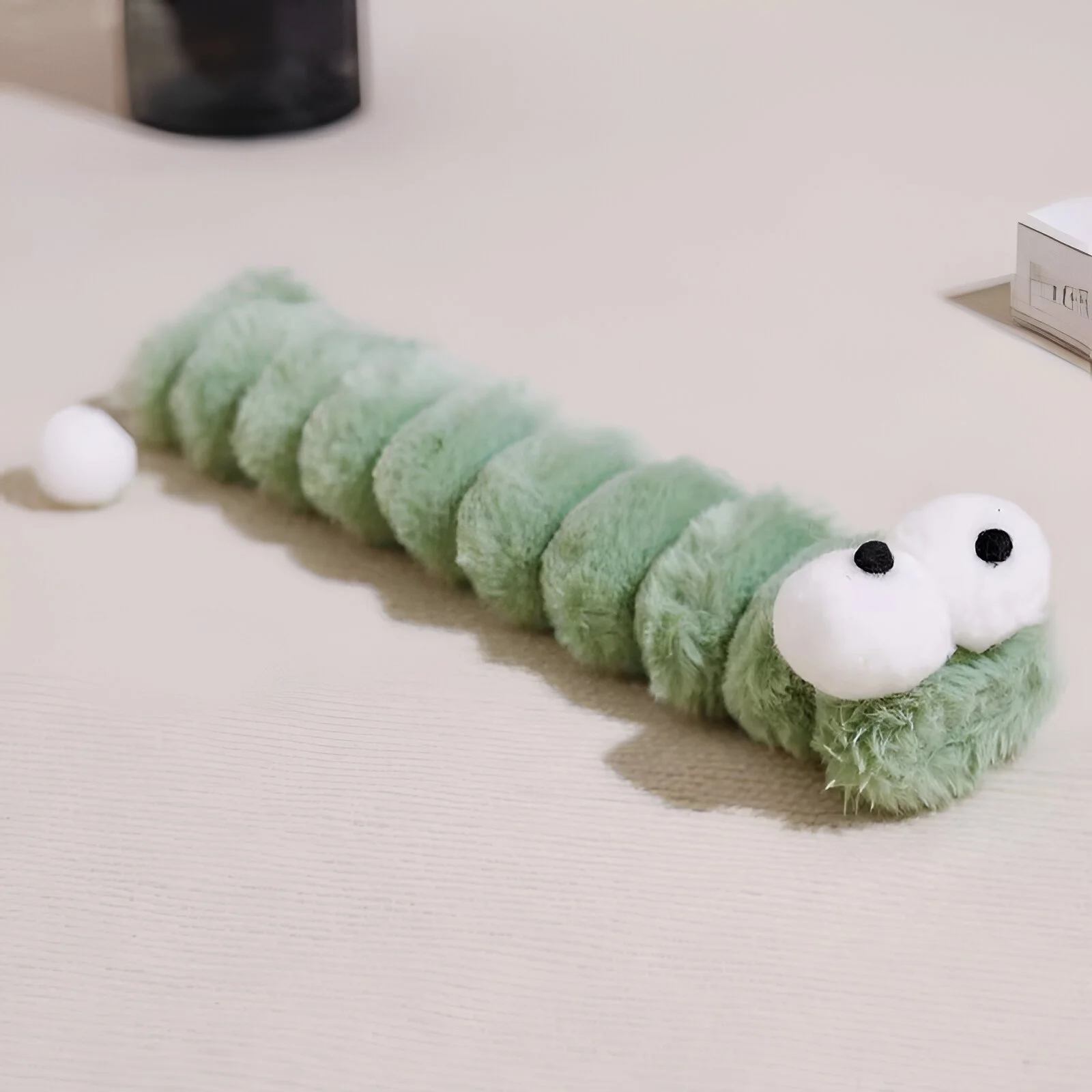
Floor play does not have to be boring. You can still create a hunt. Move the toy behind a chair leg, pause near a tunnel, let it disappear under the edge of a towel, or make it "hide" beside a scratcher. The cat gets the mental work without the physical risk.
2. Use Scent More Than Speed
Senior cats may rely more on scent, texture, and routine, especially if vision or hearing is changing. A toy does not need to move fast to be interesting. It may need to smell familiar, feel good to the mouth, or appear in a predictable place.
Catnip and silvervine can be useful for cats who respond to them. Not every cat does, and response can change with age. If your cat ignores catnip, try silvervine or a plain soft toy with movement. If your cat becomes too intense or guards scented toys, use them briefly and put them away afterward.
Store scented toys in a sealed container between sessions. This keeps the scent more noticeable and makes the toy feel special when it comes out. You do not need to overwhelm the cat with scent. A light refresh is enough for many seniors.
Scent games can be simple. Hide a small treat or favorite toy in an easy place. Let the cat watch at first. Place it behind a low box, under the edge of a paper bag with handles removed, or beside a familiar bed. Say the same cue each time if you want a routine.
Texture also matters. Some senior cats like soft plush because it is easy to hold. Some prefer jute, cardboard, or woven surfaces because they can rake lightly. Cats with dental sensitivity may avoid hard toys. If your cat drops food, paws at the mouth, drools, or suddenly dislikes chew toys, check with a veterinarian.
The older the cat gets, the more useful subtle toys become. A good senior toy does not have to race. It has to invite.
3. Make Sessions Shorter, But More Predictable
A young cat may play in wild bursts. A senior cat may prefer three minutes, a break, and another small invitation later.
Short sessions are not failed sessions. They are often the right sessions. Two to five minutes of real engagement can be plenty for an older cat, especially if repeated once or twice during the day.
Try predictable play windows:
- a soft toy after breakfast
- a floor wand session in the late afternoon
- a scent toy before evening rest
- a food puzzle before bedtime
Predictability helps senior cats because routine itself can feel safe. The cat learns when the opportunity appears and does not have to spend energy asking for it.
Stop before the cat is annoyed. If the cat turns away, starts grooming, walks off, lies down with no interest, flicks the tail sharply, or gives you the slow "enough" look, end the session. Put the toy away and try again later.
Do not push for duration. Owners often want to see a senior cat play "properly," so they keep trying after the cat is done. That can make the toy less appealing next time. Leave the cat wanting a little more.
For cats with health limitations, ask your veterinarian what level of movement is appropriate. A cat with arthritis, heart disease, respiratory disease, or recent illness may need a gentler plan.
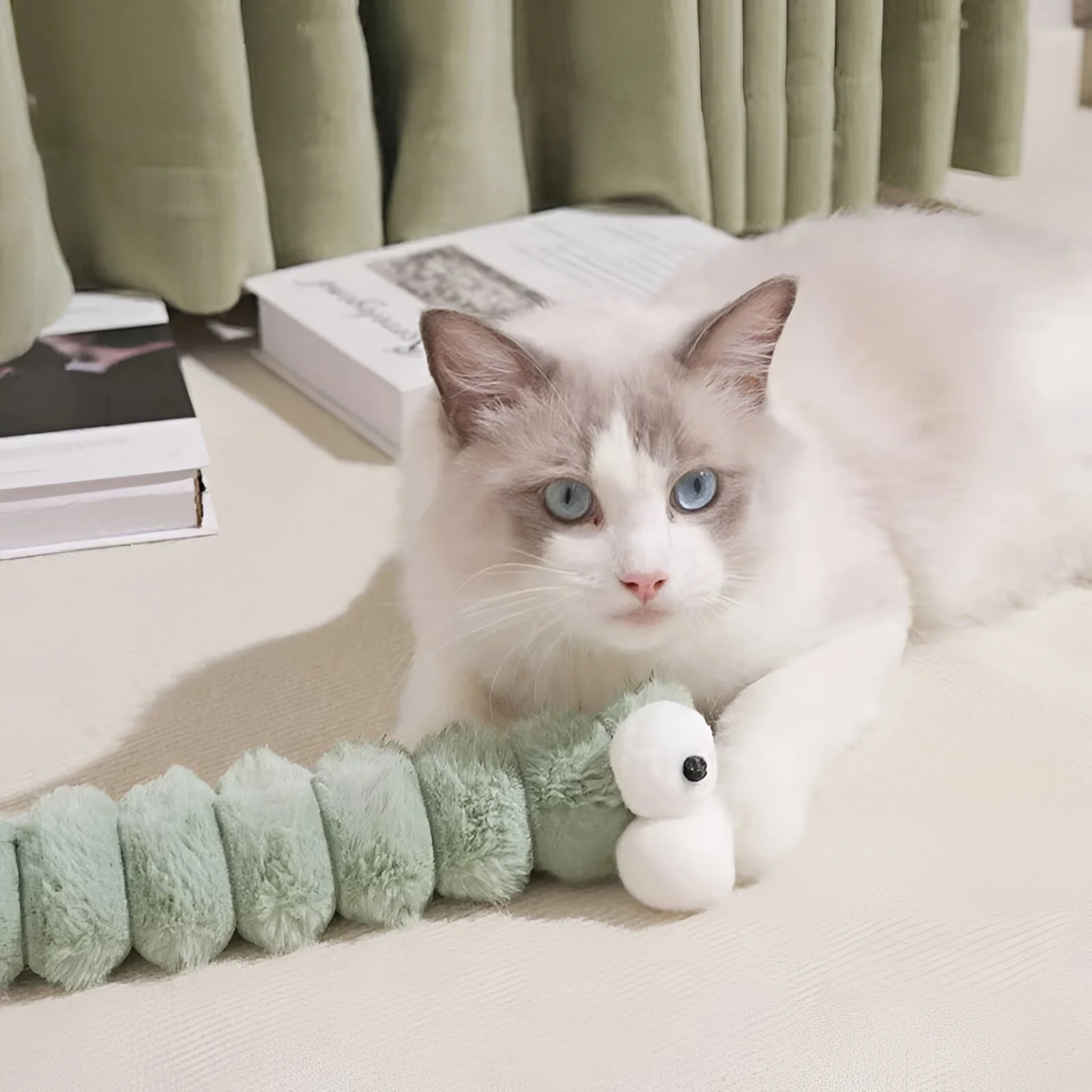
4. Choose Toys That Can Be Caught Easily
Senior cats should not have to fail ten times before they get one win. Difficult prey can be exciting for young athletic cats. For older cats, too much difficulty often turns into quitting.
Use toys that are easy to pin, bat, bite, or rub:
- soft plush toys
- small kicker toys
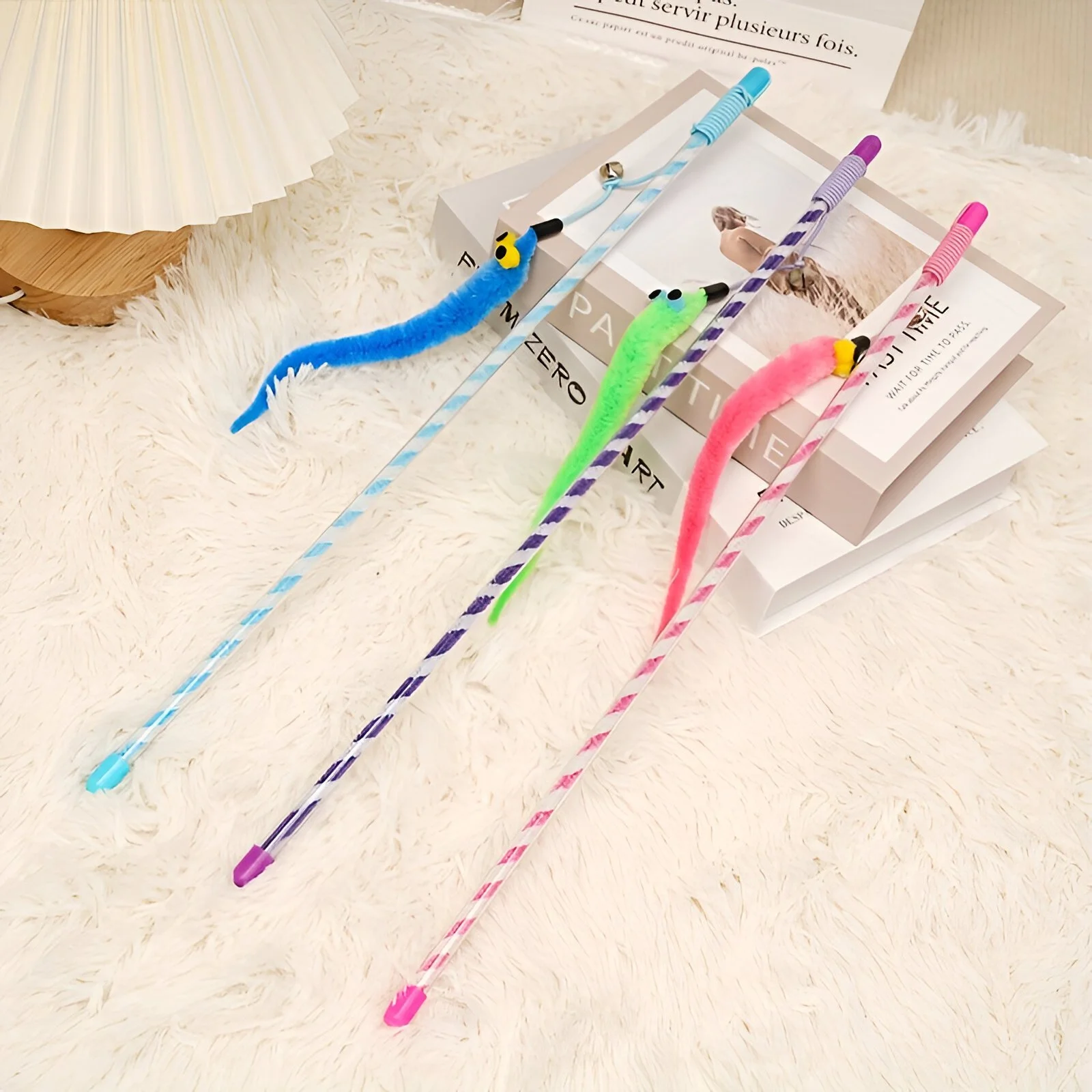
- low wand attachments
- lightweight balls
- crinkle toys without loose pieces
- catnip or silvervine chew toys
- shallow puzzle feeders
- cardboard scratchers
The toy should not be tiny enough to swallow or hard enough to be uncomfortable. It should have a clear target area. A soft toy the cat can hold against the floor often works better than a fast dangling object.
Let the cat catch the toy frequently. If using a wand, make the toy slow down and "make mistakes." Let it land. Let the cat pin it. Let the cat bite for a few seconds before you reset. The catch is the satisfying part.
For cats who like batting but not chasing, place toys within paw reach and move them only slightly. A senior cat lying on its side and tapping a toy is still playing. Do not judge the session by kitten standards.
For cats who like carrying, use lightweight toys that are easy to grip. If the cat brings the toy to a bed or food area, that may be part of the enjoyment.
5. Keep the Mind Working Gently
Senior enrichment is not only physical. Easy problem-solving can make the day richer without asking the cat to leap or sprint.
Food puzzles can help, but start at the lowest difficulty. A senior cat should not have to fight a complicated puzzle for dinner. Use shallow trays, rolling toys that release food easily, lick mats if appropriate, or small food searches around a safe room.
If your cat eats a medical diet, use the approved food. If your cat has weight, kidney, dental, or digestive issues, check treat choices carefully.
A simple senior puzzle might be:
- three shallow cups with one treat visible
- kibble scattered on a snuffle mat
- a treat placed in a low cardboard egg carton
- a favorite toy partly hidden beside a box
- a lick mat with a small portion of wet food
The goal is success, not frustration. If the cat walks away, make it easier. If the cat paws confidently, increase difficulty a little next time.
Mental work also includes choice. Let the cat choose between two toys. Offer a scent toy and a soft ball. See which one gets attention. Senior cats often appreciate being invited rather than managed.
6. Build the Room Around the Cat
Toy choice matters less if the room makes movement uncomfortable.
Add traction where the cat plays. Place rugs or runners on slick paths. Put a low step beside favorite furniture. Keep toys near places the cat already rests. A senior cat may not cross the house for play, but it may engage if the toy appears within easy reach.
Use low hiding places. A cardboard box with a cutout, a tunnel with a wide opening, or a blanket edge can make play interesting without requiring jumping. Put scratchers horizontally or at a gentle angle if vertical posts are harder now.
Keep water, litter, resting spots, and favorite perches accessible. A cat who has to struggle through the home may conserve energy and ignore play.
Lighting can help cats with changing vision. Avoid very dim play areas if the cat seems to lose track of toys. Contrast matters too. A pale toy on a pale floor may disappear. Try darker or brighter toys depending on the surface.
Sound matters. Some senior cats become more sensitive to loud toys. A loud electronic toy may be more stressful than enriching. Softer crinkle, scent, and texture may work better.
The room should make play easier to say yes to.
Signs Your Senior Cat Still Wants to Play
Senior cats often signal interest quietly. Watch for:
- following a toy with the eyes
- tail tip twitching when a toy appears
- pawing without standing up
- cheek rubbing on toys
- kneading near a toy
- lying beside the toy basket
- vocalizing at a routine play time
- watching another cat play
- batting once, then waiting
- carrying a toy to a resting spot
These count. A senior cat does not need to sprint for play to matter.
You may also notice interest in routine rather than intensity. The cat comes to the same rug after dinner. It sits near the same drawer where toys are stored. It perks up when you open the container with catnip toys. Those are invitations.
Respond gently. Offer the toy. Let the cat set the pace. End before the cat gets tired.
Match the Toy to the Limitation
Senior cats do not all age the same way. The right toy depends on what has changed.
If mobility is the main limitation, choose toys that work from a lying or sitting position. Soft plush toys, low rolling balls, flat crinkle mats, and short wand movements can let the cat play without standing for long. Place the toy near the cat, then move it away slightly so the cat reaches rather than lunges.
If vision is changing, use sound, scent, and contrast. A toy with a gentle crinkle, a familiar scent, or a color that stands out from the floor may be easier to track. Avoid fast movements that disappear suddenly. Let the toy make small, predictable sounds before it moves.
If hearing is changing, do not rely on bells or verbal excitement. Use visual movement and scent. Tap the floor lightly with the toy, move it across the cat's field of view, or place it where the cat will find it during a normal route.
If dental comfort is an issue, choose soft toys and avoid hard chew items. A cat may still enjoy rubbing, pawing, and holding a toy even if biting is uncomfortable. Sudden changes in chewing or drooling deserve a vet check.
If the cat is easily startled, avoid automatic toys that lurch, buzz, or change direction sharply. Senior cats often prefer predictable invitations. A toy that moves gently because you move it may be better than one that starts without warning.
If weight management is the goal, use low-impact movement and small food-search games. Do not make every enrichment activity treat-heavy. Use measured portions, movement games, and scratcher placement to encourage activity without overfeeding.
The point is to choose for the barrier, not the birthday. "Senior" is not one play style.
A Gentle Daily Play Plan
A senior cat does not need a complicated enrichment calendar. A few repeatable moments are enough.
Morning can be a sensory check-in. Offer a soft toy, scent toy, or low wand movement near the cat's usual waking spot. Keep it easy. The cat may only sniff, paw, or rub. That still starts the day with choice.
Midday can be passive enrichment. Open access to a safe window perch, low heated bed if appropriate, scratcher, or quiet room with familiar toys. If the cat is alone during the day, place one or two safe toys in predictable spots rather than scattering toys everywhere.
Late afternoon is often a good time for more active play. Try a low wand session, rolling toy, or gentle search game. Keep the surface stable and the session short. Let the cat catch the toy before interest fades.
Evening can be mental work. Use a simple food puzzle, lick mat, or treat search with part of the normal food allowance. This can help a senior cat settle into the night without asking for a high-energy chase.
Before bed, avoid overstimulating games unless your cat clearly relaxes afterward. Some seniors become vocal or restless at night. A predictable quiet routine may help more than exciting play.
A useful day might look like this:
- morning: two minutes with a soft scent toy
- afternoon: window watching and scratcher access
- early evening: three-minute floor wand session
- night: easy food search or lick mat
That is not a lot of time. The value is consistency.
Troubleshooting Senior Cat Play
My senior cat watches but will not move.
Watching can still be engagement. Make the toy easier and closer. Use scent, slower movement, and a stable surface. If the cat seems interested but hesitant, the body may not trust the movement. Reduce the physical demand.
My cat only plays lying down.
That is fine. Move the toy within paw range, let the cat bat from the side, and count it as play. Lying-down play can still use eyes, paws, shoulders, and brain.
My cat loved catnip before but ignores it now.
Response can vary. Try a fresher toy, silvervine, a different texture, or movement instead of scent. If the cat's overall interest in food, play, and social contact has changed, look beyond the toy.
My cat gets irritated quickly.
The session may be too long, too close, too fast, or physically uncomfortable. Stop earlier. Keep the toy away from the belly and feet if those areas are sensitive. Offer more control and fewer surprises.
My cat wants to play but gives up after one miss.
Lower the difficulty. Let the toy move slower, land more often, and get caught sooner. Senior cats should not have to earn every win through athletic effort.
My cat has multiple health issues.
Use enrichment that does not depend on intensity: scent, food search, gentle grooming if enjoyed, window watching, soft textures, and choice. Ask your veterinarian what activity level is appropriate.
My younger cat steals the senior cat's toys.
Give the senior cat private sessions. Younger cats often dominate fast-moving games. A closed room, quiet corner, or separate play time lets the older cat engage without competition.
Troubleshooting senior play is mostly about respecting small answers. If the cat gives you one paw tap today, build from that. Do not demand the leap you remember from years ago.
The 60-Second Comfort Check
Before play, look at the cat and the space.
Is the cat already resting comfortably, or does it look tense? Did it eat normally? Is it moving with the usual gait? Is there a clear path to walk away if it does not want the toy? Senior cats need an exit. A cat who feels trapped may reject the game even if the toy is good.
Check the surface. Slick floors can make an older cat cautious. Add a rug or move the game to carpet. Check the toy. Is it clean, soft, intact, and easy to grip? Are there loose threads or hard pieces? Check the distance. A toy placed right against the face can feel intrusive. A toy placed just within reach is usually more polite.
Check the temperature and comfort of the room too. Some older cats avoid cold floors or drafty spaces. A sunny rug, warm blanket, or familiar bed edge may turn a refused toy into an accepted one.
Finally, check your expectations. If you want a chase and the cat offers a nose touch, accept the nose touch. The fastest way to improve senior play is to reward the smallest willing engagement and stop before the cat has to refuse.
Product Spotlight
Plush Cat Chew Toy with Catnip (#1804161)
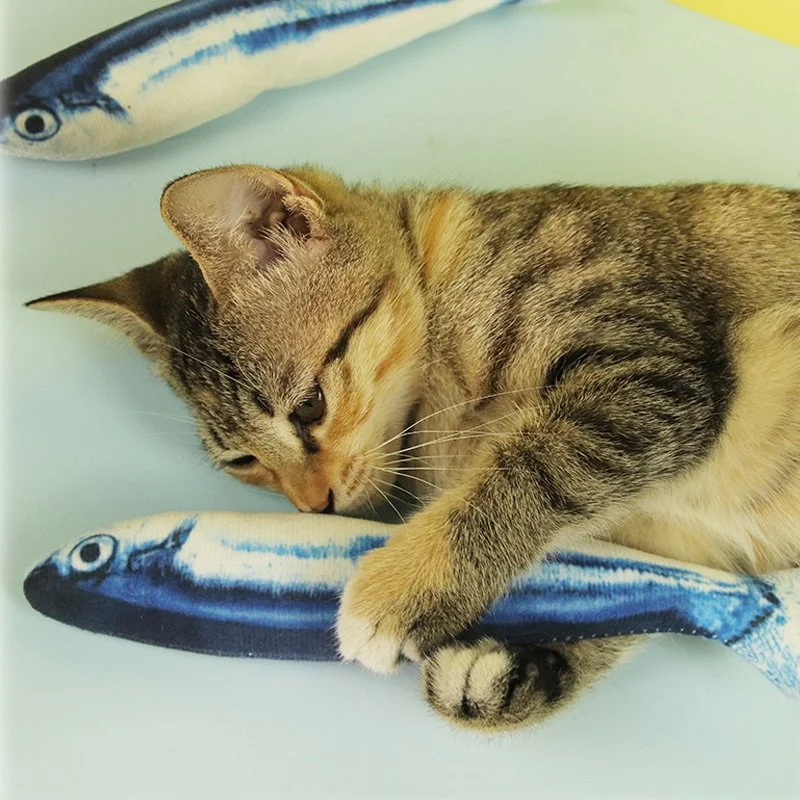
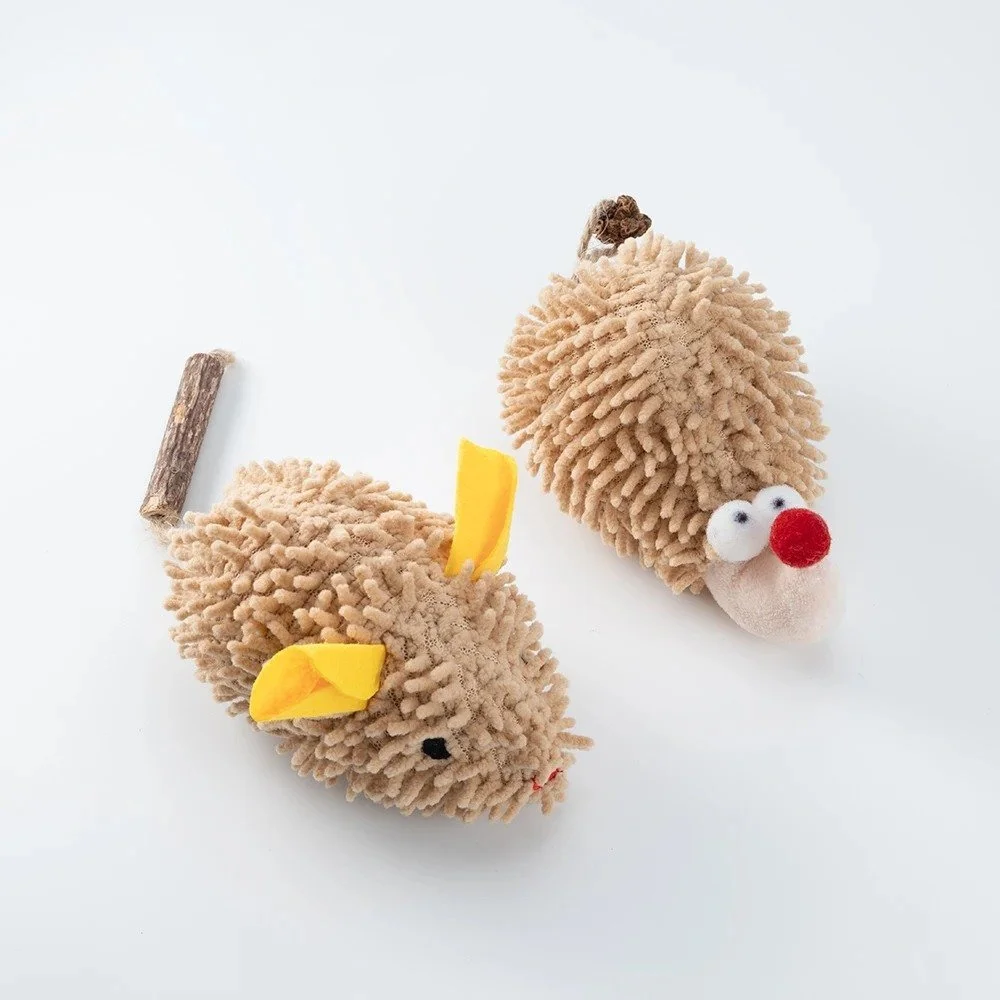
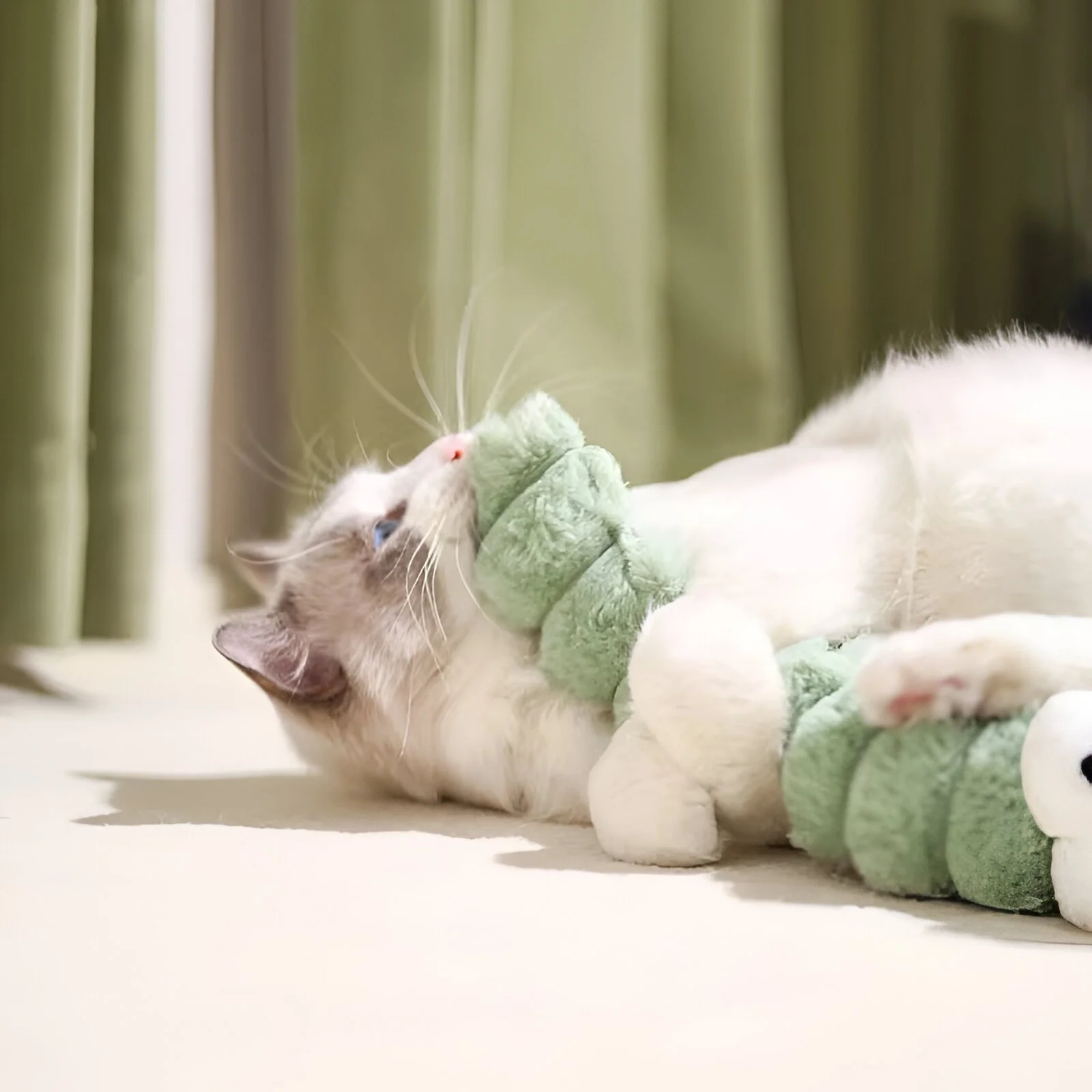
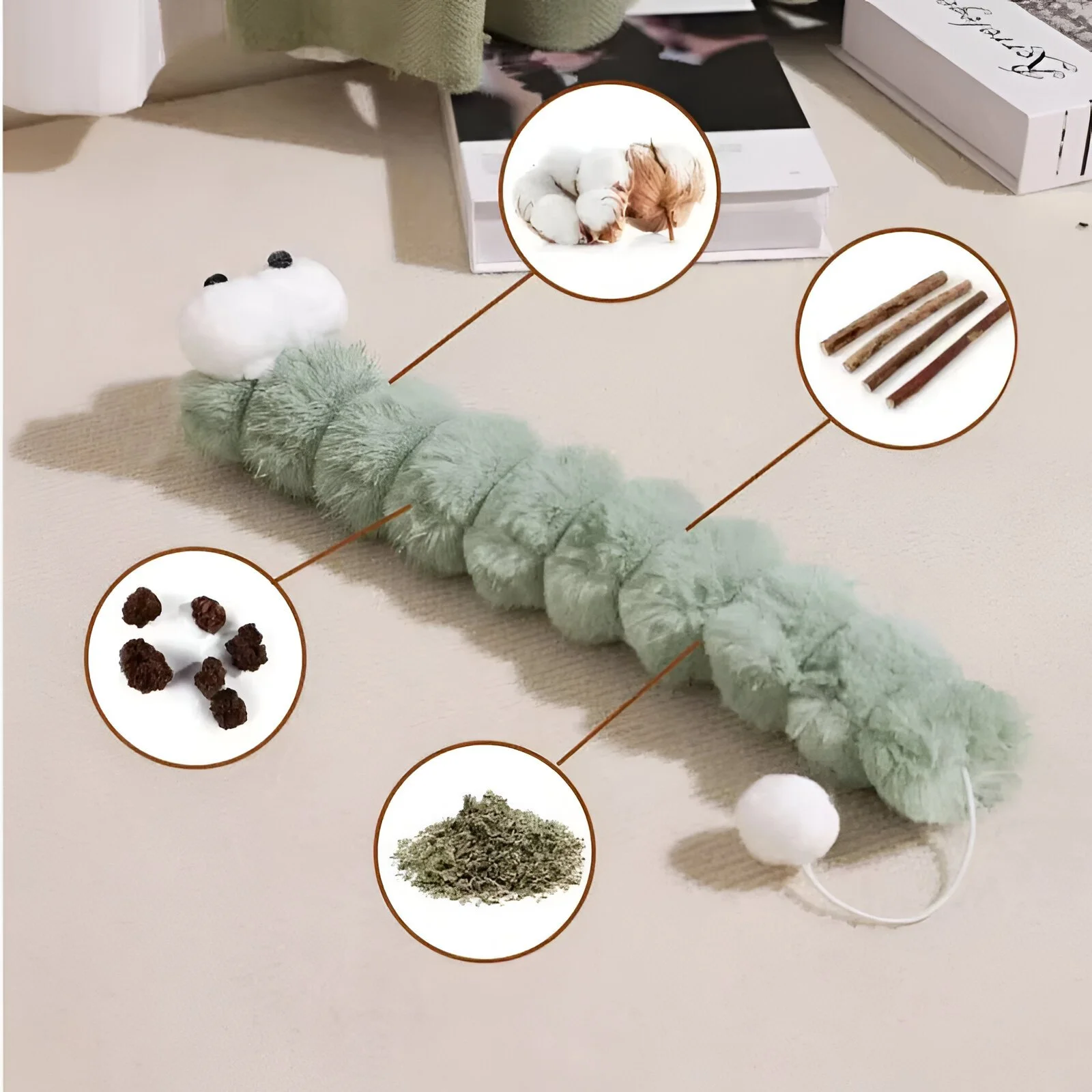
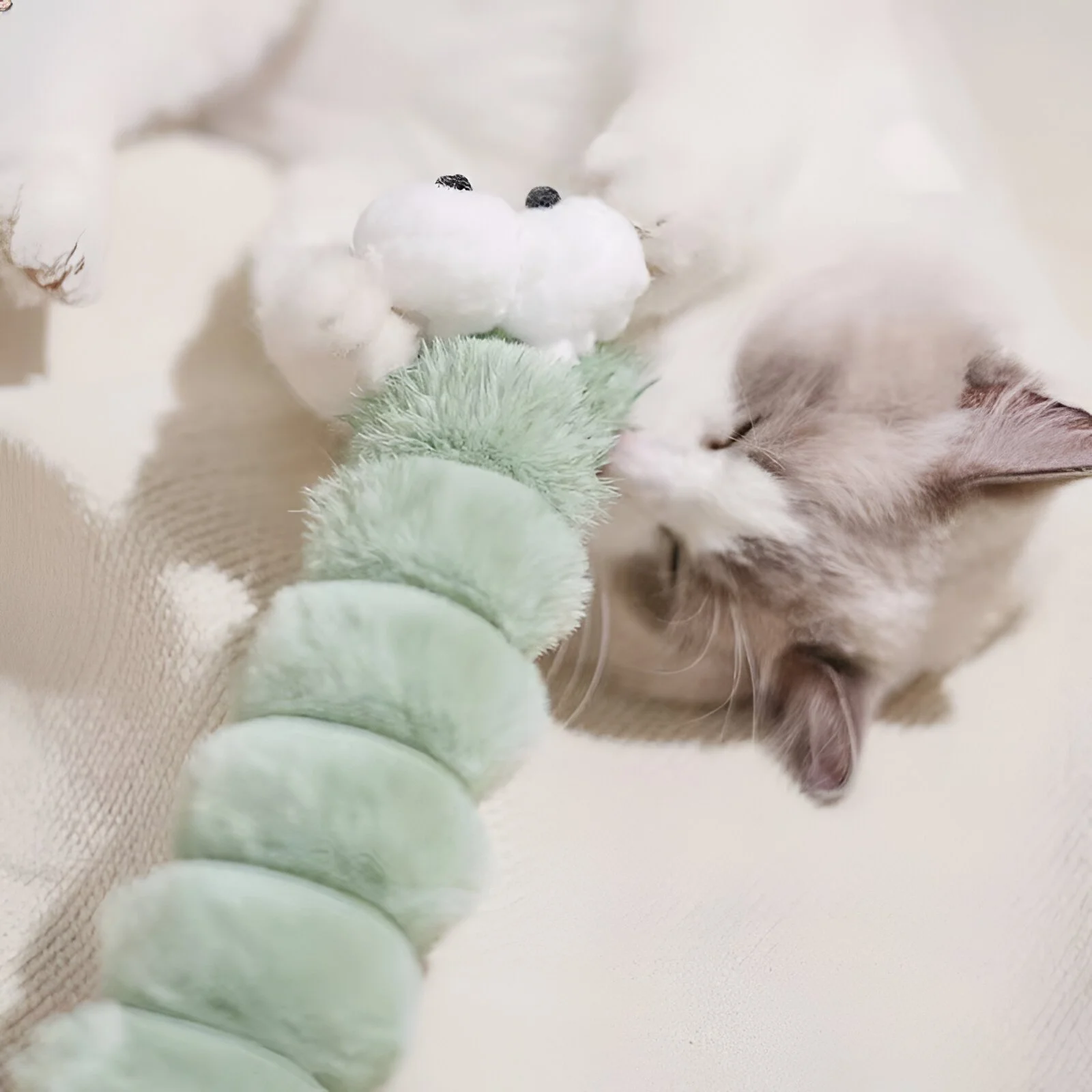
This toy fits senior cats best as a low-impact scent and texture option. The plush body is easy to bat, rub, or hold against the floor, while catnip can add interest for cats who respond to it. It makes more sense for gentle supervised play than for high-energy chasing.
Best use: warm the toy briefly in your hands, place it near the cat's front paws, and let the cat decide whether to sniff, rub, paw, bite, or ignore it. Do not shove it into the cat's face. If the cat engages for one or two minutes, that still counts.
Put it away between sessions to keep the scent more meaningful. Remove it if seams loosen, stuffing appears, or the cat chews pieces off. For seniors with dental sensitivity, watch whether biting seems comfortable.
Safety and Comfort Rules
Senior cat play should never look forced. Avoid high jumps, slick floors, sudden loud toys, and games that require sharp turns. Avoid strings, ribbons, or feathers left out unsupervised. Avoid toys with tiny detachable parts.
Inspect toys more often if your cat chews. Senior cats may be less destructive than kittens, but some still pull fibers, eat stuffing, or chew seams.
Watch for signs of discomfort:
- limping after play
- reluctance to jump
- hiding after activity
- panting
- sudden irritability
- biting when touched
- avoiding a toy that used to be loved
- grooming one joint repeatedly
If play seems to hurt, stop and get advice. A good toy should improve quality of life, not ask the cat to push through pain.
The best senior cat toy is not the fanciest one. It is the one your cat can use comfortably, safely, and willingly. A two-minute paw tap on a soft toy can be better than a dramatic chase your cat does not want.
Old cats still have instincts. They just need the game translated.
If you are unsure whether a toy is working, look at the hour after play. A good senior session often ends with calm grooming, a nap, relaxed social contact, or the cat returning to a favorite resting spot. A poor session may end with hiding, irritability, limping, or avoiding the room. The after-effect tells you as much as the play itself.
Keep notes for a week if your cat's needs are changing. Which toys get a glance? Which ones get a paw? Which time of day works? Senior cats often improve when owners stop asking for big play and start repeating small, successful invitations.
Browse Senior Cat Care products