Article
7 Signs Your Cat May Be Depressed, Bored, or Unwell
Quick Answer
7 Signs Your Cat May Be Depressed, Bored, or Unwell: quick answer
A quiet cat is not automatically a depressed cat. A cat that sleeps more, hides, avoids play, eats less, over-grooms, or misses the litter box may be...
- Topic: Cat Health.
- Related product category: pet-toys.
- This article uses one relevant product insertion and keeps the main answer in the article copy.
Start With The Important Distinction
A quiet cat is not automatically a depressed cat. A cat that sleeps more, hides, avoids play, eats less, over-grooms, or misses the litter box may be bored, stressed, frightened, in pain, sick, or reacting to a change in the home. Those possibilities can look similar from the outside.
That is why the safest first step is not to diagnose your cat from a checklist. The safest first step is to notice the change, write down what is different, and contact a veterinarian when the change is sudden, persistent, or connected to eating, drinking, litter box use, breathing, pain, weight loss, or grooming problems.
Cats are especially easy to misread because they often hide illness. A cat may become quieter before any obvious symptom appears. Owners may describe the cat as lazy, moody, stubborn, or old when the real issue is dental pain, arthritis, nausea, urinary discomfort, kidney disease, thyroid disease, stress, grief, or a home environment that no longer gives the cat enough safe activity.
This guide uses the word "depressed" in the everyday owner sense: a cat that seems withdrawn, less interested, less engaged, or emotionally flat. It does not replace veterinary diagnosis. The goal is to help you decide what to watch, what to change at home, and when toys and enrichment can help.
The Quick Check: When To Call A Vet First
Before buying a new toy, look for medical red flags.
Call a veterinarian promptly if your cat:
- Stops eating or eats much less than normal.
- Has repeated vomiting or diarrhea.
- Strains in the litter box or cannot urinate.
- Hides suddenly and will not come out for normal routines.
- Loses weight or feels thinner along the spine and hips.
- Breathes with effort or open-mouth breathing.
- Has a dull coat, hunched posture, limping, or obvious pain.
- Over-grooms until skin is red, scabbed, or bald.
- Stops grooming and becomes greasy, matted, or dirty.
- Shows sudden aggression that is unusual for that cat.
Appetite deserves special attention. Cornell's Feline Health Center explains that loss of appetite is a broad clinical sign and can have serious consequences if it persists. For an adult cat, a full day without eating is enough reason to contact a vet. For a very young kitten, the safe window is even shorter.
If the veterinarian rules out urgent medical problems, then enrichment, routine, environmental changes, and better play can become the next layer of care.
Sign 1: Sleeping More, But Not Resting Well
Cats sleep a lot. Many healthy cats sleep much of the day, especially older cats and cats that are active at dawn, dusk, or night. Sleep alone is not the problem.
The concern is a change from your cat's normal pattern. A cat that used to greet you, patrol the home, climb to a window, ask for food, or play in short bursts but now stays in one spot for most of the day may be telling you something has changed.
Look at the quality of the rest. A relaxed cat often stretches, changes position, responds to normal household activity, and wakes with interest when a familiar routine begins. A cat that seems withdrawn may stay tucked, avoid eye contact, resist moving, or wake without engaging.
Possible causes include pain, illness, boredom, stress, aging changes, poor sleep due to noise, lack of stimulation, or grief after losing a companion. Do not assume it is emotional until medical causes are considered.
What to do at home:
- Track sleep location and activity for several days.
- Notice whether the cat still comes for meals, treats, grooming, or play.
- Add gentle low-pressure invitations: a wand toy dragged slowly, a treat puzzle, or a warm resting place near family activity.
- Avoid forcing interaction. Let the cat approach.
A toy can help only if the cat feels well enough to engage. If the cat seems weak, painful, or uninterested in food, the toy is not the next step. The vet is.
Sign 2: Losing Interest In Play
A cat that stops playing is worth noticing. Play is not just entertainment. For cats, play is practice hunting: watching, stalking, pouncing, grabbing, kicking, biting, and resetting.
A young or middle-aged cat that suddenly ignores favorite toys may be bored with those toys, but it may also be uncomfortable, overweight, anxious, or sick. Dental pain can make biting toys unpleasant. Arthritis can make jumping or pouncing harder. Stress can make a cat feel too unsafe to play in an open room.
The fix depends on the reason.
If the cat is bored, novelty and rotation help. Put away old toys for a week, then reintroduce them. Use different textures: feathers, soft plush, crinkle, catnip, balls, tunnels, and puzzle feeders.
If the cat is nervous, change the play setting. Play near a hiding place, not in the middle of an exposed room. Drag the toy away from the cat like prey instead of waving it toward the cat's face. Keep the session short.
If the cat is older or less mobile, use ground-level play. Slow wand movement, kicker toys, treat puzzles, and soft toys may work better than high jumps.
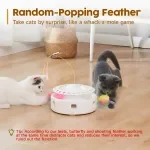
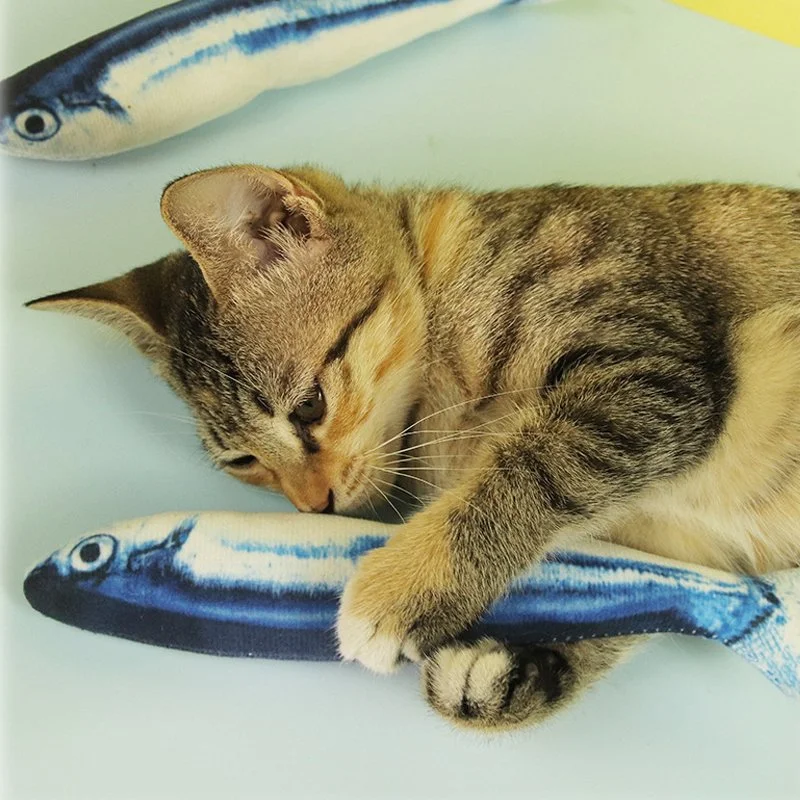
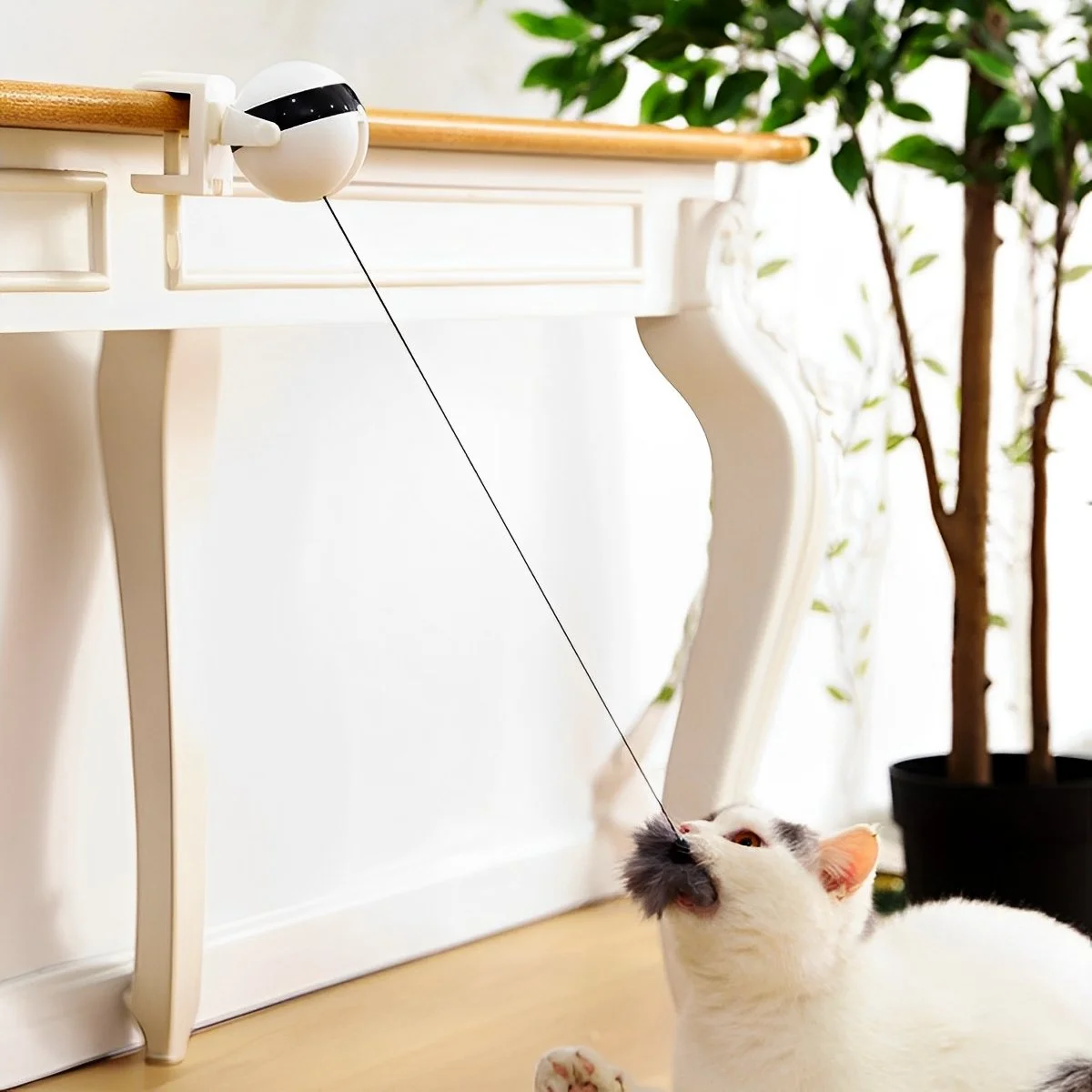
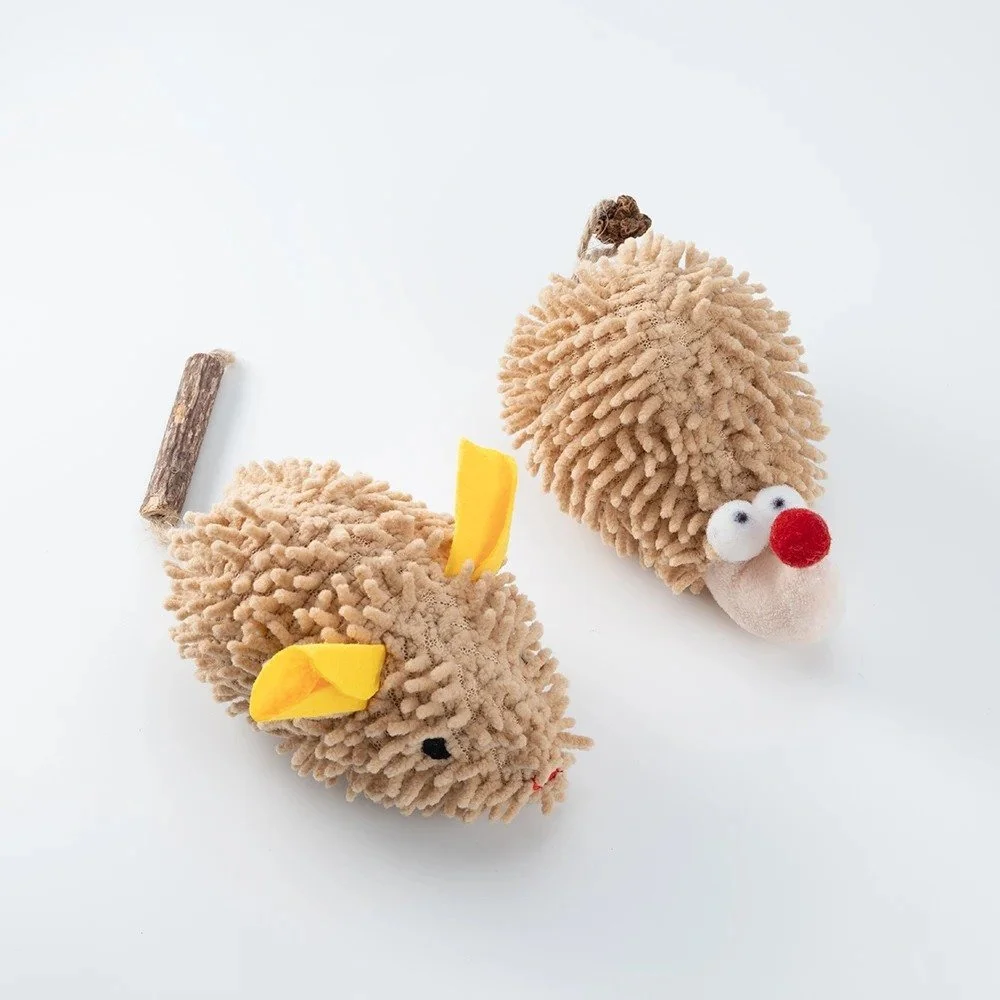
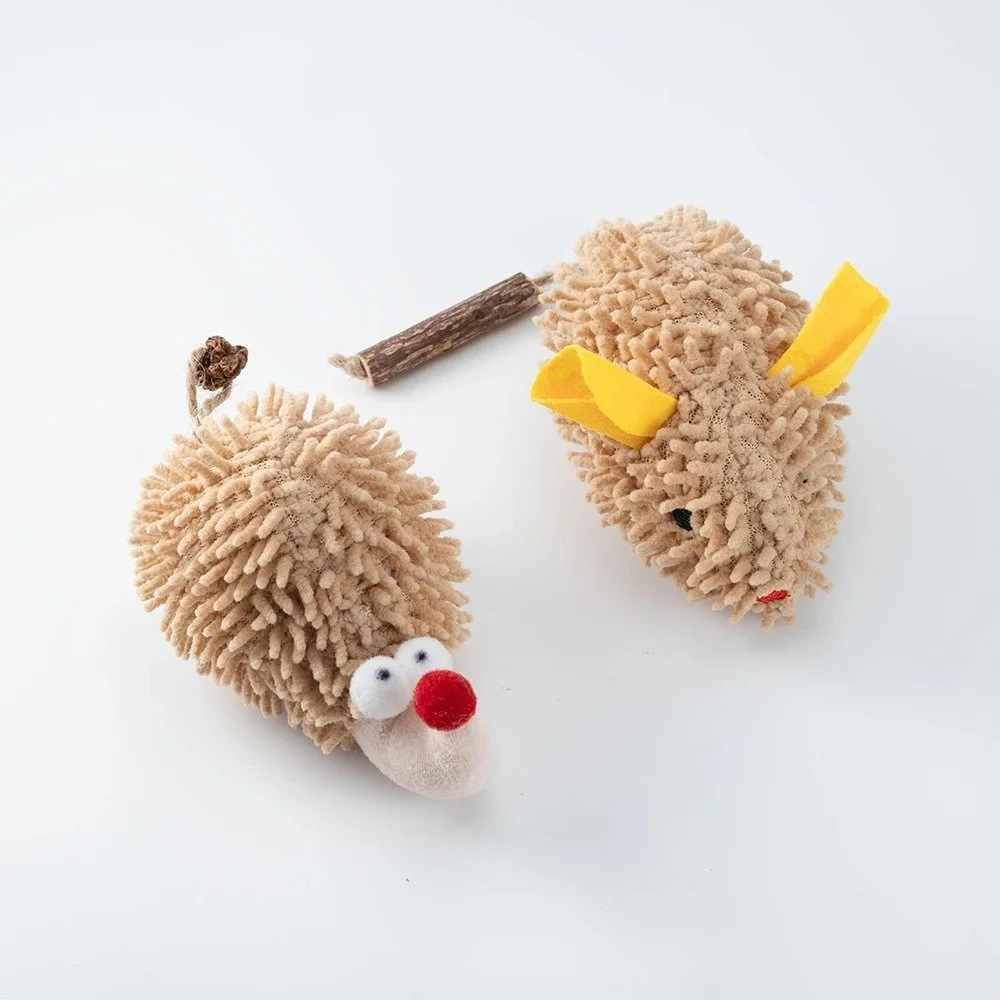
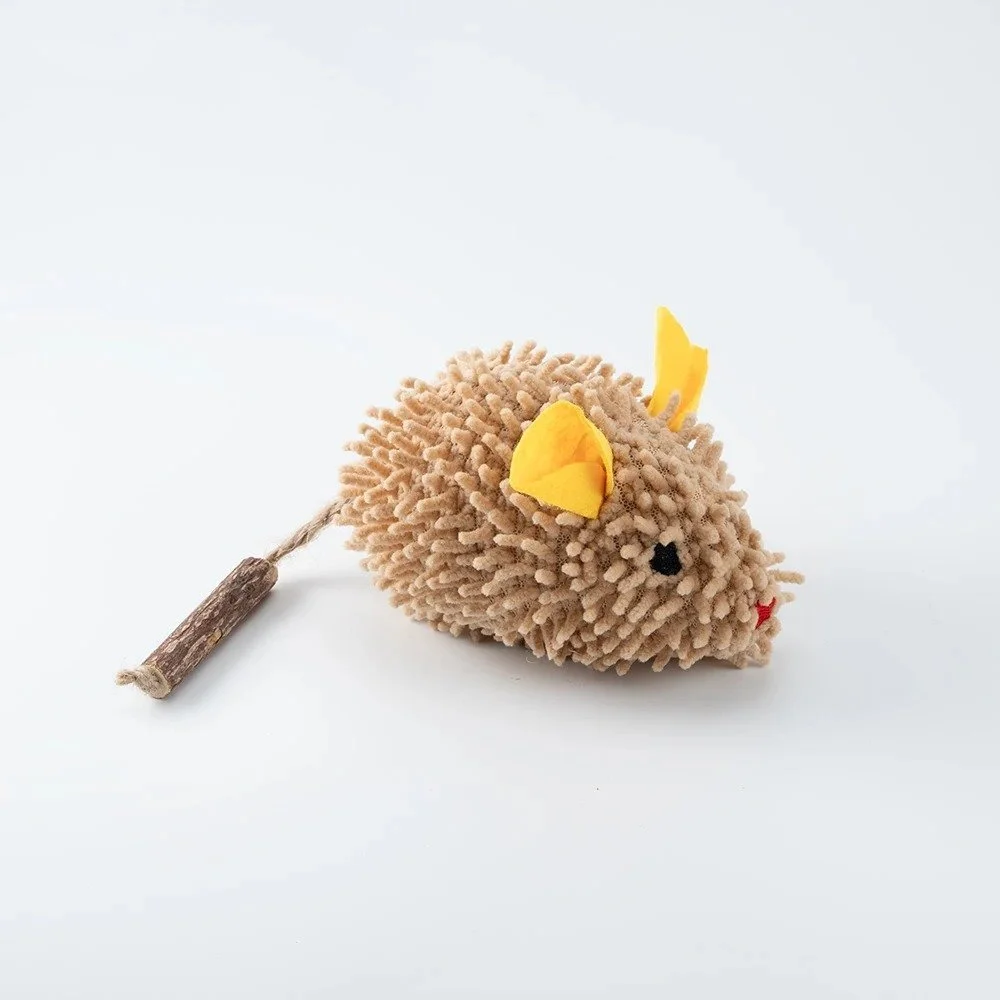
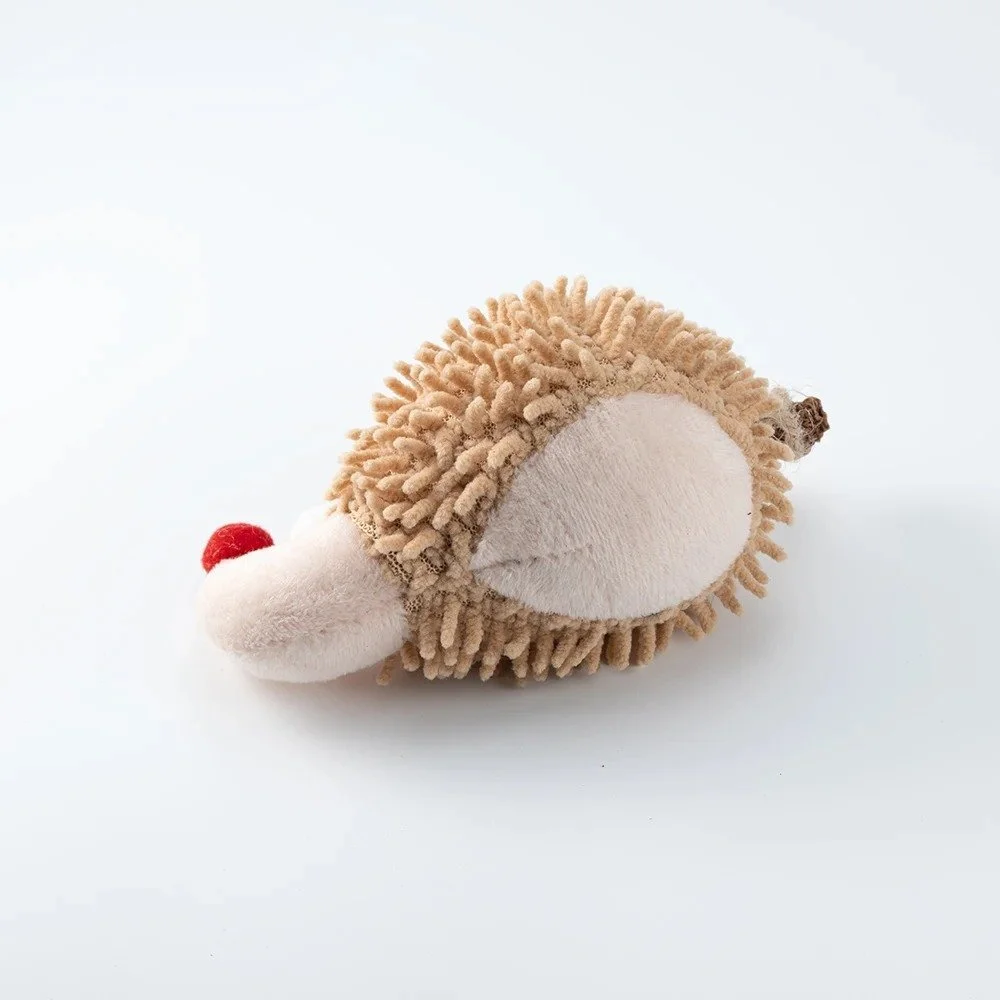
The matched PickByU products are relevant here when used correctly. The Interactive Plush Hedgehog Mouse Catnip Toy for Cats (#1785163 / p-002691) fits scent-driven and plush-prey play. The Interactive Catnip Fish Kicker Toy (#1772469 / p-002803) fits cats that like grabbing with front paws and kicking with back legs. The Interactive Automatic Cat Toy with Retractable Teasing Ball (#1804153 / p-002611) fits cats that respond to unpredictable movement, but it should still be introduced with supervision.
The goal is not to make the cat perform. The goal is to create a small moment of interest and repeat it consistently.
Sign 3: Hiding More Than Usual
Hiding is normal for cats in small doses. Many cats like boxes, closets, under-bed spaces, and quiet corners. Hiding becomes a concern when it is new, constant, or paired with appetite change, litter box change, aggression, weight loss, or reduced grooming.
A hiding cat may be afraid. It may be avoiding another pet. It may be overwhelmed by visitors, children, noise, construction, a new baby, a new kitten, or a moved litter box. It may also be ill or painful.
Do not pull a hiding cat out unless there is an emergency. Forced handling can make the hiding worse. Instead, make the environment easier to navigate.
Helpful changes:
- Add safe resting places in rooms where people spend time.
- Give the cat vertical options such as a perch, shelf, or cat tree.
- Keep food, water, and litter boxes accessible without crossing another pet's territory.
- Use calm routines. Feed and play at predictable times.
- Place a toy near the edge of the hiding zone and move it away slowly, like prey.
If hiding begins suddenly or the cat also eats less, call the vet. If the cat is medically stable but stressed, enrichment should be quiet and choice-based. A cat does not need more stimulation in that moment. It needs control, safety, and gradual engagement.
Sign 4: Grooming Changes
Grooming can change in two directions.
Some cats over-groom. They lick one area repeatedly until fur becomes thin or bald. The belly, inner legs, and sides are common areas owners notice. This can be connected to stress, but it can also be caused by fleas, allergies, pain, skin disease, parasites, or other medical problems.
Other cats under-groom. Their coat becomes greasy, clumpy, dandruff-heavy, or matted. This can happen when a cat is overweight, arthritic, sick, older, painful, or too low-energy to maintain normal grooming.
Both directions need attention. Do not assume over-grooming is "just anxiety" and do not assume poor grooming is "just laziness." The skin and coat are often visible clues to a health problem.
What to do:
- Photograph the affected area so you can track changes.
- Check for fleas, scabs, redness, broken skin, or swelling.
- Book a vet exam if grooming changes persist or skin is irritated.
- Reduce stressors while waiting for the appointment.
- Offer low-pressure enrichment that does not require jumping or intense movement.
For cats that are medically cleared but stress-grooming, structured play can help because it gives the cat another outlet. Wand play, kicker toys, and food puzzles can redirect some nervous energy. The change is usually gradual, not instant.
Sign 5: Appetite Or Weight Changes
A depressed, bored, stressed, or sick cat may eat less. Some cats may also overeat when bored or when food is the only interesting part of the day. Both patterns matter.
Eating less is more urgent. Cats are not small dogs. They do not tolerate prolonged food refusal well. If your cat skips meals, eats only a few bites, or turns away from favorite food, treat it as a health signal.
Eating more can also be medical. Increased hunger can be connected to thyroid disease, diabetes, poor nutrient absorption, or other issues. Weight gain can worsen mobility, reduce play, and make grooming harder.
At home, measure instead of guessing. Note how much food you serve and how much remains. Weigh the cat regularly if possible. Watch water intake and litter box output.
Enrichment can help with boredom-related eating after medical causes are considered. Use puzzle feeders, treat balls, or hidden kibble to make part of the meal require searching. VCA's indoor-cat enrichment guidance recommends using puzzle toys and hiding parts of the daily food ration to encourage natural behavior.
The key is to use the cat's normal food allowance. Do not solve boredom by adding unlimited treats.
Sign 6: Litter Box Avoidance Or Changes
Litter box problems are not spite. They are information.
A cat may avoid the litter box because of urinary pain, constipation, arthritis, stress, dirty litter, box location, box size, litter texture, conflict with another pet, or fear connected to the area.
Some litter box changes are urgent. Straining, repeated trips, crying in the box, blood, or inability to urinate can be an emergency, especially for male cats. Do not wait to see whether behavior improves.
If the vet rules out medical issues, inspect the setup:
- Is the box large enough?
- Is the entry easy for an older or painful cat?
- Is the box clean enough?
- Is it placed in a quiet but accessible area?
- Can another pet block the route?
- Did you recently change litter type?
- Does the cat have enough boxes for the number of cats in the home?
A stressed cat may need environmental changes before play increases. Add safe pathways, reduce conflict, and make essential resources easy to reach. Toys are useful, but they cannot compensate for a litter box setup the cat avoids.
Sign 7: Less Response To The World
A withdrawn cat may stop reacting to normal household cues. The can opens and the cat does not come. A toy moves and the eyes do not track. Birds appear outside and the cat stays turned away. Family members enter the room and the cat does not acknowledge them.
This reduced response can look emotional, but it can also reflect pain, hearing or vision changes, fever, weakness, nausea, stress, or cognitive changes in senior cats.
Try a gentle response check:
- Does the cat respond to food smell?
- Does it track slow movement?
- Does it turn toward familiar voices?
- Does it react differently at dawn or evening?
- Does it avoid jumping, stairs, or high places?
- Does it seem confused in familiar rooms?
If the response change is sudden, call the vet. If it is gradual, record examples and bring them to the appointment. Small details help: "She no longer jumps to the windowsill" is more useful than "She seems sad."
When medical problems are ruled out, build engagement through tiny sessions. One minute of watching a wand toy is a start. Sniffing a catnip toy is a start. Batting once at a rolling ball is a start. Do not measure progress only by wild play.
What Enrichment Actually Does
Enrichment gives indoor cats more chances to act like cats. That means hunting, searching, climbing, hiding, scratching, resting safely, watching movement, using scent, and choosing when to interact.
A toy is only one part of enrichment. A good plan usually includes:
- Interactive play with a human.
- Solo toys for batting, kicking, or carrying.
- Food puzzles or hidden kibble.
- Vertical space.
- Window viewing.
- Scratching surfaces.
- Quiet hiding places.
- Predictable feeding and play routines.
- Toy rotation to keep novelty.
VCA's enrichment guidance emphasizes that cats have individual preferences. That matters. A cat that ignores a feather may love a crinkle fish. A cat that ignores a ball may stalk a slow wand. A cat that ignores catnip may respond to silvervine, food puzzles, or window watching.
The best enrichment plan starts with observation. What does your cat still do willingly? Watch birds? Smell shoes? Chase shadows? Knead blankets? Scratch cardboard? Hide in boxes? Those clues tell you what kind of toy or setup is most likely to work.
A 14-Day Reset Plan
Use this plan only if your cat is eating, using the litter box normally, breathing normally, and not showing urgent medical signs. If you are unsure, ask your vet first.
Days 1-2: Observe and record. Write down meals, water, litter box use, hiding, grooming, and play response. Do not overhaul everything at once.
Days 3-4: Add one predictable play window. Choose a time when your cat is naturally more alert. For many cats that is morning or evening. Use a wand, catnip mouse, kicker toy, or slow-moving automatic toy. Keep the session short.
Days 5-6: Add scent or food enrichment. Offer a small catnip plush, fish kicker, treat puzzle, or a few pieces of kibble hidden in easy spots. Use normal food allowance.
Days 7-8: Improve the environment. Add a box, perch, window blanket, scratcher, or quiet resting spot in a socially useful room.
Days 9-10: Rotate toys. Remove stale toys and reintroduce one older toy as if it is new. Keep string and wand toys stored when not supervised.
Days 11-12: Increase choice. Offer two different play styles: one chase toy and one scent or kicker toy. Let the cat choose.
Days 13-14: Review. Is the cat eating normally? Hiding less? Grooming better? Showing more interest? If there is no improvement, or if any symptom worsens, schedule a vet check or follow up with your veterinarian.
This plan is not a cure. It is a structured way to stop guessing and start testing what helps.
Product Fit: Which Toy Matches Which Symptom Pattern
For cats that ignore old toys but still respond to scent, use the Interactive Plush Hedgehog Mouse Catnip Toy for Cats (#1785163 / p-002691). It is a strong product-plan lead candidate with a 96 content score. Position it as a scent-and-prey style toy for cats that enjoy small plush objects.
For cats that need physical grabbing and kicking, use the Interactive Catnip Fish Kicker Toy (#1772469 / p-002803). Its fish shape, plush body, crinkle sound, and catnip angle fit evening play and solo supervised play. The product plan gives it a 92 content score and P0 lead status.
For cats that respond to movement but owners cannot always create wand motion manually, use the Interactive Automatic Cat Toy with Retractable Teasing Ball (#1804153 / p-002611). It is a guide recommendation candidate with an 84 content score. Position it carefully: automatic motion can support engagement, but it should not replace human play, and it should be introduced under supervision.
No toy should be sold as a treatment for depression. The correct claim is narrower and more trustworthy: toys can support enrichment, encourage movement, create routine, and help owners rebuild interaction after medical issues are considered.
How To Build A Low-Risk Enrichment Kit
A useful cat enrichment kit does not need to be large. It needs to cover several natural behaviors without overwhelming the cat. For a withdrawn indoor cat, start with a small set of tools that can be introduced one at a time.
The first item should support stalking and chasing. A wand toy is usually the easiest choice because the owner controls speed, distance, and intensity. Move the toy like prey: along the floor, around a corner, behind a chair leg, or slowly under tissue paper. Avoid frantic waving near the cat's face. Many cats disengage when the toy feels too aggressive.
The second item should support grabbing and kicking. A kicker toy or plush fish gives the cat something to hold with the front paws and kick with the back legs. This matters for cats that show interest but do not want to run across the room. It also gives the play session a satisfying ending, because the cat can actually catch the toy.
The third item should support scent. Catnip toys, silvervine toys, or scented plush toys can invite interaction from cats that are not ready for active chasing. Not every cat responds to catnip, and kittens may respond less strongly than adults. If one scent does nothing, that does not mean enrichment has failed.
The fourth item should support food searching. Use a simple puzzle feeder, treat ball, snuffle-style mat made for cats, or a few pieces of kibble hidden in easy places. Food searching should be easy at first. A cat that fails repeatedly will not become enriched; it will become frustrated.
The fifth item is not a toy at all. It is a safe viewing or resting place. A window perch, stable shelf, box near family activity, or soft bed in a quiet corner can reduce stress because the cat has somewhere to choose. Choice is part of enrichment.
Introduce one item every few days. Watch body language. Forward ears, soft eyes, sniffing, pawing, relaxed tail movement, and returning to the area later are good signs. Flattened ears, tail thrashing, hiding deeper, hissing, or leaving the room mean the session should become easier or stop.
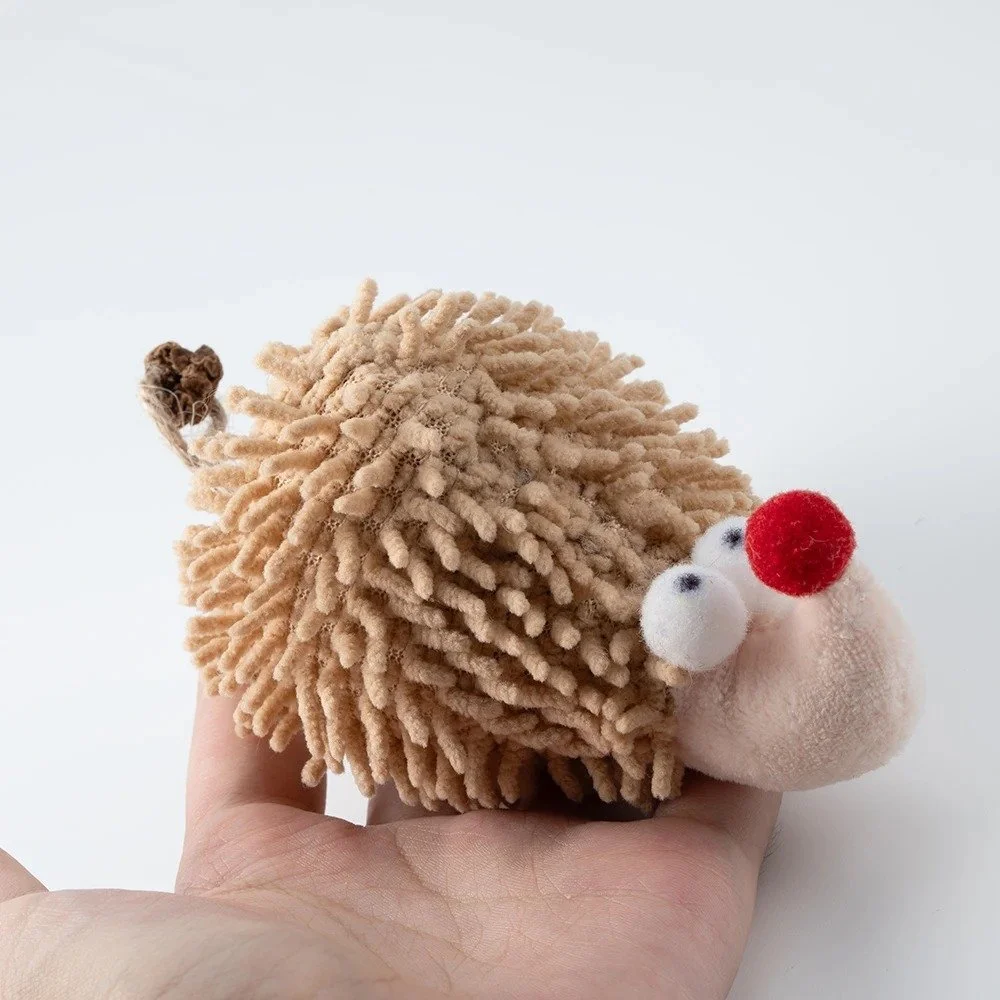
For PickByU content, this section creates a clear product ladder. The hedgehog mouse supports scent and prey play, the catnip fish supports grabbing and kicking, and the automatic teasing ball supports movement when introduced carefully. Together, they work better as a rotation than as a pile of toys left on the floor.
Common Mistakes
The first mistake is waiting too long when appetite changes. Food refusal is not a personality phase.
The second mistake is buying one toy and expecting it to fix a whole environment. A bored indoor cat may need perches, scratchers, food puzzles, hiding places, and daily play.
The third mistake is forcing play. A withdrawn cat needs invitation, not pressure.
The fourth mistake is using only laser pointers. Some cats become frustrated if they can never catch anything. If you use a laser, end with a physical toy or treat the cat can capture.
The fifth mistake is leaving string toys out. Wand strings, ribbons, cords, and elastic can be dangerous if chewed or swallowed.
The sixth mistake is ignoring pain. A cat that will not jump may not be bored. It may hurt.
The seventh mistake is changing everything at once. Cats often dislike sudden change. Add enrichment gradually.
Final Recommendation
If your cat seems lazy, sad, bored, or withdrawn, do not argue with the label. Focus on the change.
First, check for medical red flags: appetite, weight, litter box use, grooming, breathing, pain, mobility, and sudden behavior shifts. Call a veterinarian when those signs appear. Cats can hide illness, and early quietness may be the only clue.
Second, rebuild enrichment in small steps. Use daily short play, toy rotation, food puzzles, scent toys, kicker toys, window access, vertical space, hiding options, and predictable routines.
Third, match the toy to the cat. Use catnip plush toys for scent interest, kicker toys for grab-and-bunny-kick play, automatic motion toys for cats that track movement, and wand toys for interactive hunting games.
For PickByU, the best product positioning is enrichment support, not medical treatment. The Interactive Plush Hedgehog Mouse Catnip Toy and Interactive Catnip Fish Kicker Toy are strong lead candidates for scent and prey-style engagement. The Interactive Automatic Cat Toy with Retractable Teasing Ball is a useful guide recommendation for movement-based stimulation.
A cat that plays for one minute today may play for three minutes next week. That is still progress. The goal is not to force happiness. The goal is to notice your cat early, rule out illness, and give the cat more safe reasons to participate in daily life.