Article
How to Choose Safe Chew Toys for Puppies (Avoid an Expensive Emergency)
Quick Answer
How to Choose Safe Chew Toys for Puppies (Avoid an Expensive Emergency): quick answer
Puppies do not chew because they are being difficult. They chew because their mouths are how they explore, self-soothe, and get through teething. The...
- Topic: Dog Safety.
- Related product category: pet-toys.
- This article keeps the main answer in the article copy and places relevant product context inside the guide.
The Risk
Puppies do not chew because they are being difficult. They chew because their mouths are how they explore, self-soothe, and get through teething. The trouble is that a puppy does not know the difference between a safe chew, a toy that is too hard, a squeaker that can be swallowed, and a broken piece of plastic that should have been thrown away yesterday.
That is why puppy chew toys are not just about entertainment. They are a safety decision. The wrong toy can lead to cracked teeth, choking, gum irritation, swallowed fabric, intestinal blockage, or a habit of chewing household objects that becomes harder to stop later. Emergency care for swallowed toy pieces can be expensive, stressful, and avoidable in many cases.
The safest toy is not always the toughest toy. This is where new dog owners get misled. "Durable" sounds good, but a toy can be durable because it is too hard for young teeth. "Indestructible" sounds good, but nothing is truly indestructible when a determined puppy is bored, teething, or left unsupervised. "Soft" sounds safe, but soft toys can still be dangerous if the puppy opens a seam and swallows stuffing.
Choosing safe chew toys means matching the toy to four things:
- your puppy's age
- your puppy's size
- your puppy's chewing style
- the amount of supervision you can give
A toy that is safe for a calm 10-week-old puppy during supervised play may be unsafe for a six-month-old power chewer left alone in a crate. Safety changes as the puppy grows. You are not choosing one perfect toy. You are building a system that changes with the dog.
Understand the Puppy Chewing Timeline
Before buying chew toys, it helps to know what stage your puppy is in. The same toy does not make sense for every month.
8 to 12 weeks: soft exploration
At this stage, puppies are usually learning the world with their mouths. They mouth hands, blankets, shoelaces, plush toys, chair legs, and anything that moves. Their jaws are not fully developed, but they can still tear weak seams or swallow small parts. Soft supervised toys are useful here because the goal is redirection, not serious chewing power.
3 to 6 months: active teething
This is the hardest stage for many owners. Gums can feel uncomfortable, and puppies often chew more intensely. They need safe textures, cold options, and frequent redirection. A toy that worked at 10 weeks may suddenly be destroyed in minutes. Inspection becomes more important.
6 to 12 months: stronger jaws and habits
The puppy may have adult teeth, more confidence, and more jaw strength. Some dogs calm down. Others become more destructive because chewing has become a favorite activity. At this stage, toy choice must be based on actual chew style rather than age alone.
After one year: adult pattern
Many dogs keep chewing into adulthood, but the reason changes. It may be relaxation, boredom, stress relief, play, or habit. The puppy safety rules still help, but by then you should know whether your dog is a nibbler, shredder, squeaker hunter, or serious power chewer.
Do not assume your puppy "grew out of" risk just because they got bigger. Bigger puppies can swallow bigger pieces.
What the Right Chew Is Supposed to Solve
People usually shop for puppy chew toys as if there is one job to do: survive. That is too narrow. A good chew toy should solve the specific problem in front of you.
If the puppy is teething, the toy should give the mouth something flexible, cool, or textured enough to take the edge off sore gums. If the puppy is chewing cabinet legs because it is bored, the toy should be more rewarding than the furniture. If the puppy is restless in the evening, the toy should help it settle instead of turning bedtime into a wrestling match.
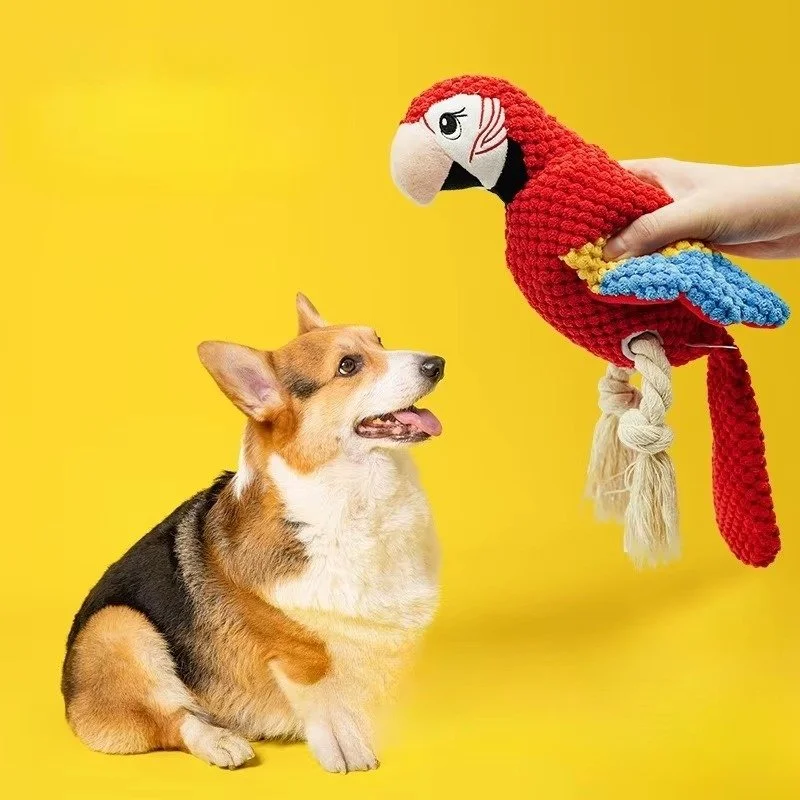
That is why "best puppy chew toy" is the wrong question. The better question is: what am I trying to stop, and what kind of mouth do I have today?
A toy can fail in several different ways:
- too hard for the teeth
- too small for the mouth
- too exciting for bedtime
- too fragile for the chewing style
- too boring to replace the forbidden item
Many bad purchases happen because the owner is shopping from fear, not observation. The puppy looks intense, so the owner buys the toughest thing on the shelf. Then the puppy ignores it, destroys it, or gets hurt on it. Safer choices start with watching what the puppy actually does. Does it nibble, clamp, shred, carry, or hunt for squeakers? A toy that matches the behavior is usually safer than a toy that only sounds strong.
Timing matters too. A puppy that needs a chew is not always asking for a chew. Sometimes the real issue is hunger, a missed potty break, a skipped nap, or plain overstimulation. If the puppy is frantic, a toy helps only after you reduce the noise around the toy. A short walk, a bathroom break, or ten quiet minutes may solve more than any product.
Match the Material to the Mouth
The safest material is the one that fits both the puppy and the moment. Soft plush works for gentle mouthing and early comfort, but only if the seams are tight and the puppy is supervised. Flexible rubber is usually the best middle ground because it gives a puppy something to compress without becoming a tooth hazard. It can also be chilled or stuffed, which makes it more useful during teething.
Rope toys sit in a middle zone. They can be useful for short, supervised tug sessions and light chewing, but only if your puppy does not swallow threads. Once rope starts fraying, it stops being a toy and starts becoming a cleanup problem. If your puppy tears fibers and eats them, rope is the wrong material.
Very hard chews are where many buyers get misled. Nylon bones, hard plastic toys, antlers, and hooves are often sold as tough solutions, but tough is not the same as puppy-safe. A toy that feels reassuring in your hand can still be too hard for a young dog's mouth. If you cannot make any visible impression with your fingernail, be cautious. If it hurts your knee when you press it firmly, it is probably too much for a teething puppy.
Flat fabric toys, crinkle toys, and stuffingless plush can work for puppies that like to carry and mouth rather than destroy. They are still supervision toys, not crate toys. If the dog opens seams quickly, the material itself is not the main question anymore. The dog has told you that the toy is a short-session item only.
Material choice is also about the job, not just the mouth. A toy for teething relief should be different from a toy for fetch, and both should be different from a toy for solo settling. One puppy can use three different toys in one day and need each one for a different reason.
Rule 1: Choose Softer Than You Think
Hard toys are one of the most common beginner mistakes. New owners see a puppy chewing aggressively and think, "I need something tougher." Sometimes the safer answer is actually softer, more flexible, and easier on the teeth.
Use the knee test. Press the toy firmly against your kneecap. If it hurts you, it may be too hard for a puppy's teeth. Use the fingernail test too. If you cannot make any dent or impression with a fingernail, be cautious with young puppies, especially during teething.
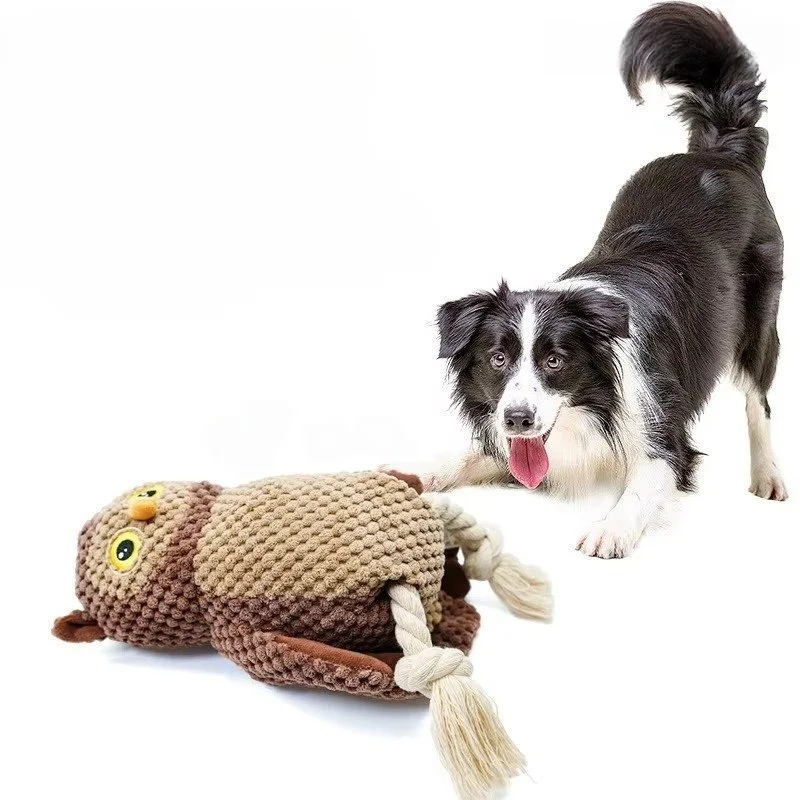
This does not mean every toy must be floppy. It means puppy toys should have some give. Rubber can be useful if it flexes. Plush can be useful if it is supervised. Rope can be useful if the puppy is not swallowing threads. Frozen cloth can be useful if it is used briefly and checked often. The point is to avoid giving a young dog something so hard that the tooth loses the fight.
Be careful with:
- antlers
- hooves
- cooked bones
- very hard nylon chews
- hard plastic toys
- rocks or sticks used as "natural" chew objects
Some adult dogs handle hard chews better than others, but puppies are a different category. They bite with enthusiasm and poor judgment. They do not understand dental risk. Your job is to make the safe choice before they learn the painful lesson.
If your puppy seems desperate to chew hard surfaces like chair legs, do not respond by giving the hardest chew in the store. Try a safe rubber chew, a chilled teething toy, a soft tug session, or a food-stuffed toy that gives the mouth something satisfying to work on.
Rule 2: Size Up Before the Toy Looks Too Small
Puppies grow faster than owners update their toy baskets. A toy that looked oversized in week one may become a choking risk a month later. Size safety is not a one-time check. It is a recurring habit.
A simple rule: if the toy can fit entirely behind the front teeth and into the back of the mouth, it is too small. The danger zone is not only swallowing. A puppy can wedge a ball, small plush, or chew piece far back enough that removing it becomes difficult.
For balls, choose a size too large to swallow but not so large that the puppy has to strain the jaw. For plush toys, avoid tiny pieces attached to the outside: small eyes, ribbons, plastic parts, decorative buttons, and weak stitched-on accessories. For chew sticks, check both length and diameter. Thin chews can become short swallowing hazards as they wear down.
Re-check size every month during the first year. Put it on the same schedule as nail trims or flea prevention reminders. If the toy looks small now, it will not get safer later.
Shape matters too. Round toys can roll into exciting places, but they can also become choking hazards if undersized. Long toys are easier to grab and remove from the mouth, but they may invite tugging or shredding. Flat toys are often easier for small puppies to mouth. Choose based on the way your puppy plays.
If you have multiple dogs, size for the largest mouth in the house, not the smallest. A toy purchased for a small puppy can be dangerous if an adult dog steals it.
Rule 3: Match the Toy to the Chewing Style
Age and size matter, but chewing style matters just as much. Two puppies from the same litter can treat the same toy completely differently. One may carry it around gently. Another may open it like a surgeon and remove every internal part.
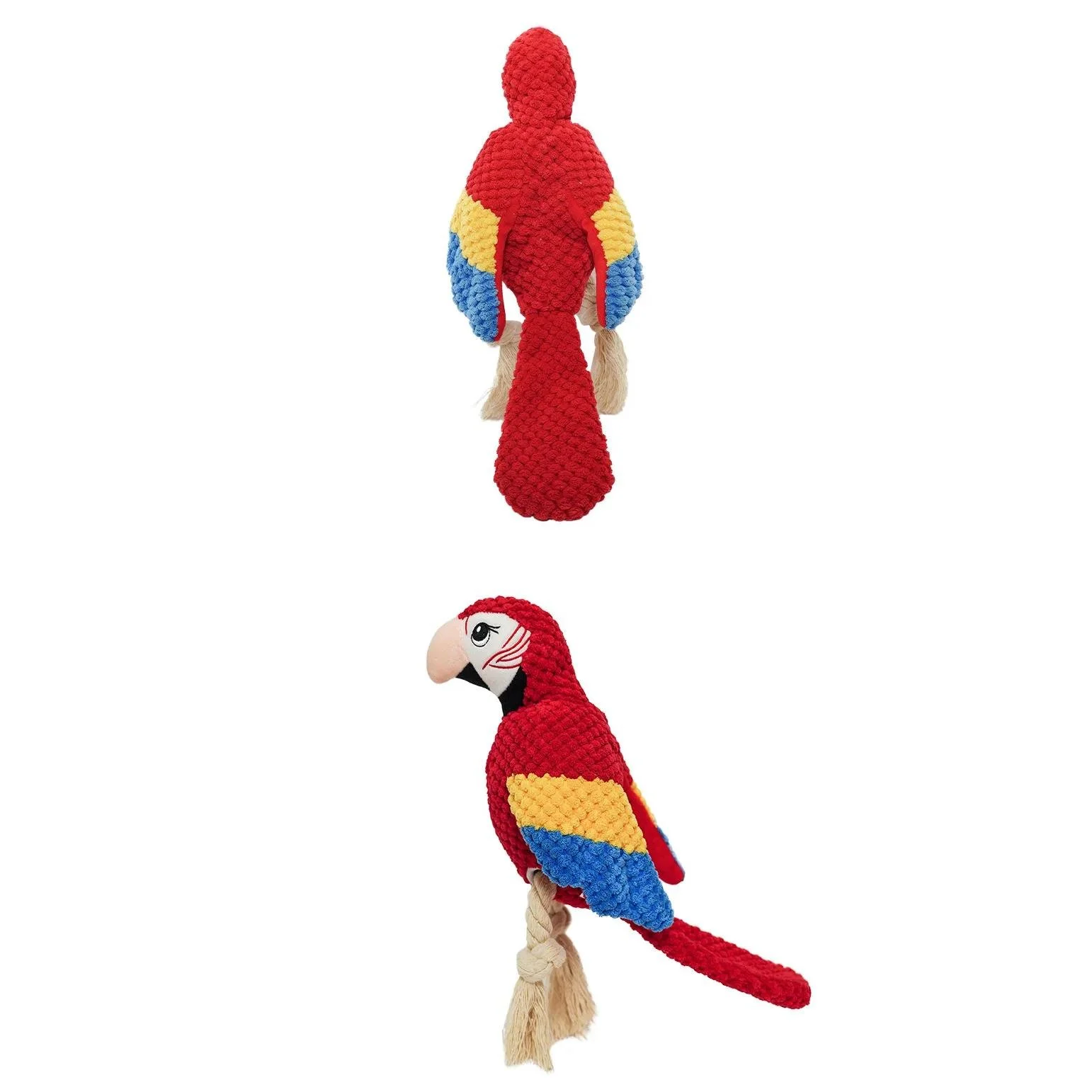
Watch what your puppy does in the first five minutes with a toy.
The mouther
This puppy holds, licks, and gently chews. Soft plush, flexible rubber, and textured teething toys may work well. Supervision is still needed, but the risk is lower.
The shredder
This puppy tries to tear seams, remove fabric, peel labels, and create holes. Plush toys should be supervised only. Stuffingless options or tougher fabric toys may be safer, but even those need inspection.
The squeaker hunter
This puppy is not playing with the toy. They are trying to reach the sound mechanism inside. Once you see this pattern, squeaky toys should become short-session supervised toys, not crate toys or unsupervised toys.
The power chewer
This puppy clamps down hard and keeps working. They need durable, flexible chew options sized properly for the mouth. Avoid toys that break into sharp pieces or chunks.
The food-motivated solver
This puppy stays engaged when food is involved. Food-stuffed rubber toys, slow-feeding toys, and simple puzzles can redirect chewing into structured work.
Once you identify the style, buying becomes easier. You stop shopping by label and start shopping by behavior. "For puppies" on the package is less useful than knowing whether your puppy swallows fabric, hunts squeakers, or loses interest unless food is involved.
Rule 4: Treat Squeakers and Stuffing as Supervised Features
Squeaky plush toys can be great for puppies. They create excitement, encourage play, and give the puppy a target that is more appropriate than hands, socks, or furniture. But squeakers and stuffing are not harmless once the toy is damaged.
The danger is not the squeak sound. The danger is the small internal part that some puppies try to remove and swallow. If your puppy mouths a squeaky toy gently, supervised play may be fine. If your puppy immediately bites one spot until the squeaker is exposed, that toy should not be left out.
Use a three-level supervision system:
Green: low-risk supervised play
The puppy mouths the toy, carries it, and stops when redirected. You can use the toy during play sessions while watching.
Yellow: close supervision
The puppy targets seams, bites hard, or tries to remove the squeaker. Use only for short sessions. Inspect immediately afterward.
Red: remove
The toy has a tear, exposed stuffing, exposed squeaker, missing fabric, loose pieces, or wet weakened seams. Throw it away or repair it only if it can be made truly safe.
Stuffing deserves the same caution. A little fluff on the floor may look harmless, but swallowed stuffing can create problems, especially if the puppy eats a lot of it. Some puppies spit stuffing out. Others swallow it quickly. Know which kind of puppy you have.
If your puppy loves plush texture but destroys stuffed toys, consider stuffingless plush toys, flat crinkle toys, or supervised plush sessions followed by a safer chew. Do not leave damaged plush in the toy basket because "they still like it." Puppies like plenty of unsafe things.
Build a Toy Drawer, Not a Toy Graveyard
One basket full of random leftovers does not make a good puppy system. It usually makes the living room look busy and makes it harder to notice when something has gone bad. A better setup is a small rotation of toys with clear jobs.
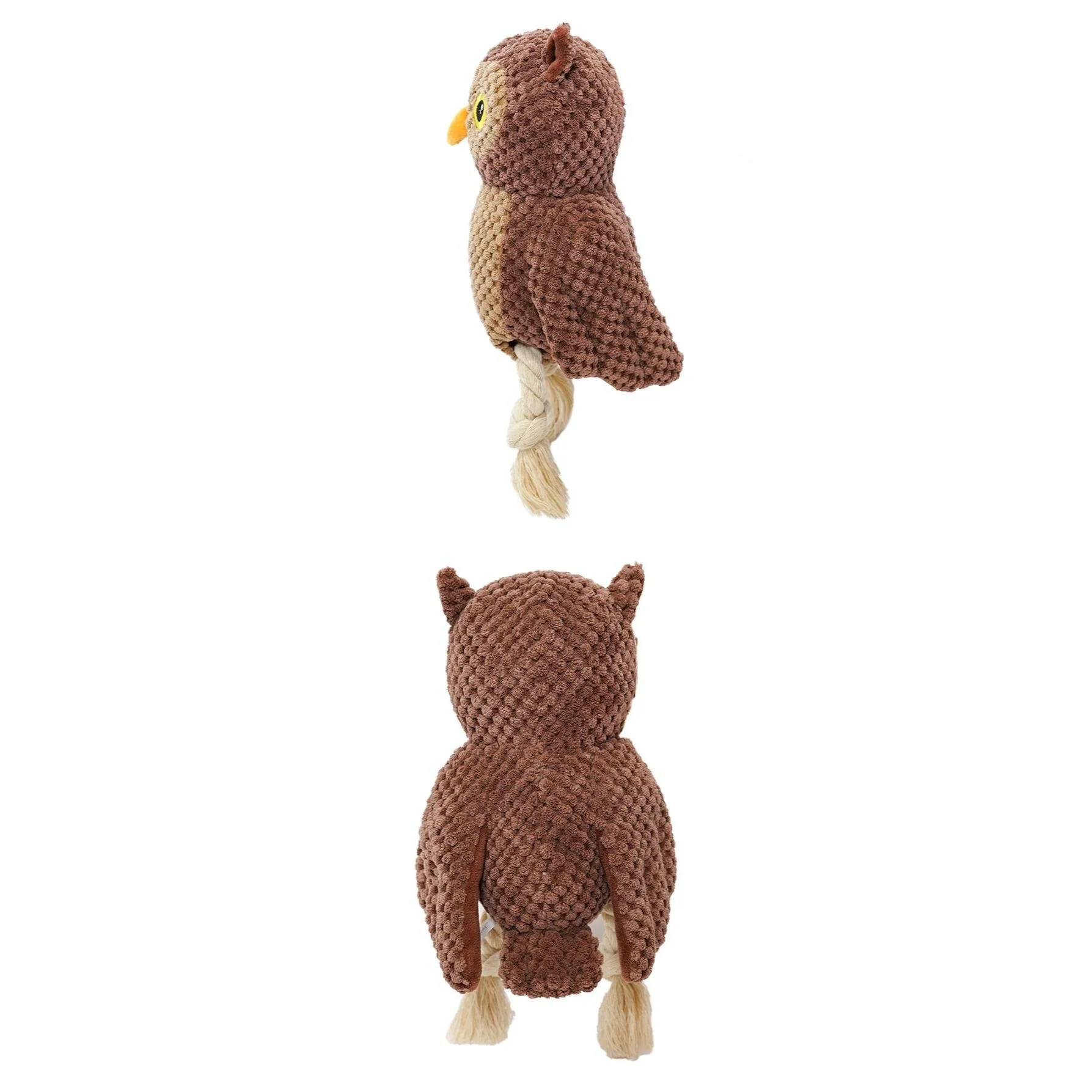
Keep one soft supervised toy for gentle mouth play. Keep one flexible chew for teething pressure. Keep one food-stuffed toy for days when the puppy needs to slow down and think. Keep one carry toy or flat toy for calm play around the house. That is usually enough for most households, especially in the early months.
The point of rotation is not novelty for its own sake. It is wear control and behavior control. A toy that stays out all day gets chewed harder and inspected less often. A toy that appears on purpose tends to hold more value, and it is easier for you to notice when the puppy changes how it uses it.
Rotation also keeps you honest about what the puppy actually likes. If a toy has been ignored for three weeks, it is not part of the real system. Put it away or retire it. The same goes for toys that only work in a specific mood. A puppy may love one toy in the morning and hate it at night. That is normal. The job is to match the toy to the moment, not to force one object to solve everything.
Rule 5: Rotate by Need, Not by Random Choice
Toy rotation is not only for novelty. For puppies, it is a safety and behavior tool. Different moments call for different textures and energy levels.
A useful daily rotation looks like this:
Morning: gentle mouth toy
After waking, many puppies are playful but not yet frantic. A soft plush or gentle tug toy can redirect morning mouthing away from hands and sleeves.
Midday: teething relief
During teething months, gums may bother the puppy more after activity. A flexible rubber chew, chilled safe teething toy, or food-stuffed chew can give the mouth something productive to do.
Afternoon: mental work
If the puppy gets restless before dinner, use a food puzzle or stuffed toy. This turns chewing into problem-solving and can reduce demand barking or furniture chewing.
Evening: calming chew
Before bedtime, choose a safe chew that encourages settling rather than wild play. Avoid squeaky toys at this time if they make your puppy more excited.
Rotation also prevents overuse. A puppy that has one favorite toy may destroy it faster because it is always available. By rotating, you reduce wear and make inspection easier. When a toy comes out of rotation, check seams, surface texture, size, and missing pieces before it returns.
Do not rotate in unsafe items just because the puppy likes them. Old socks, shoes, and towels can teach the wrong lesson. The puppy cannot understand why one sock is allowed and another sock is expensive. Keep household items out of the chew system unless you are comfortable with the puppy generalizing that behavior.
What to Look For on the Shelf
The package copy is usually more confident than the product deserves. A safer buying checklist is boring, but boring is useful.
Look for a size guide that matches your puppy right now, not the dog you think you will have in six months. Look for a material description that makes sense. Look for seams, joints, and attachment points that appear simple rather than decorative. The more tiny parts a toy has, the more likely a curious puppy is to find the weak spot first.
Look for clear washing or cleaning instructions. Puppies make toys dirty quickly, and dirty toys do not stay safe forever. A toy that cannot be cleaned is often a short-life item, even if it survives the chewing.
Be skeptical of phrases like "indestructible," "unbreakable," or "for aggressive chewers" when the toy is also marketed to puppies. Those phrases can be useful for adult dogs in some cases, but they do not tell you whether the toy is appropriate for a teething mouth. The puppy label matters more than the toughness label.
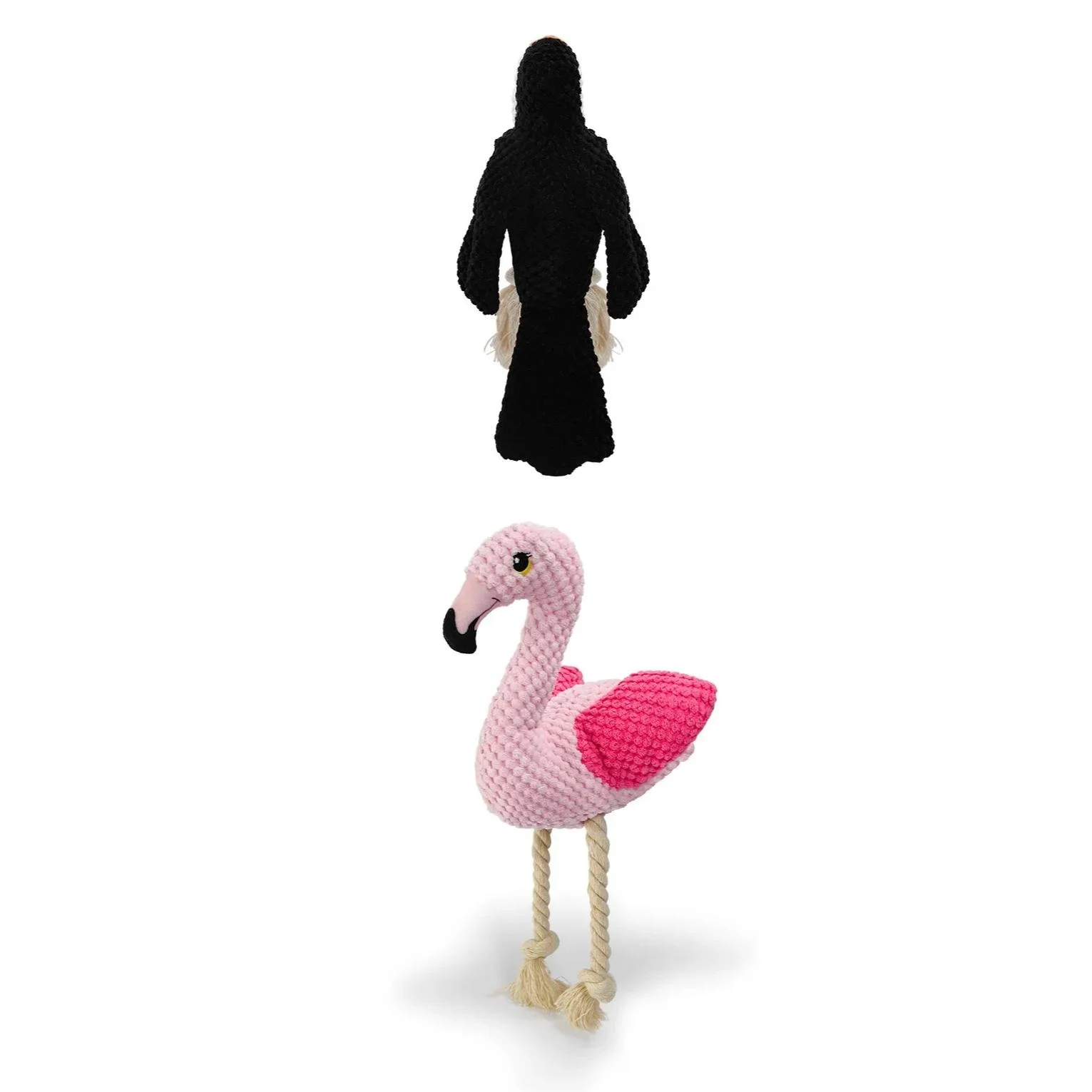
If the product description does not explain when to supervise, when to remove the toy, and what size dog it fits, that is a sign the seller is asking you to guess. Guessing is how puppies end up with the wrong toy.
The 60-Second Toy Inspection
A safe puppy toy can become unsafe quickly. Build a short inspection habit instead of waiting for obvious damage.
Pick up the toy and check:
- Is it smaller than it used to be?
- Are there missing pieces?
- Are seams loose?
- Is stuffing visible?
- Is the squeaker exposed or shifting?
- Is the rubber cracked?
- Are rope threads coming off?
- Does it smell sour or dirty?
- Is it now too small for the puppy's current mouth?
This takes less than a minute. Do it daily for favorite toys and weekly for the whole basket. If you find damage, remove the toy before the puppy finds the weak spot again.
Clean toys as part of inspection. Dirty toys can irritate the mouth or smell so interesting that the puppy chews them harder. Wash fabric toys when appropriate, rinse rubber toys, and dry everything fully before returning it.
When in doubt, throw it out. Replacing a toy is cheaper than gambling with a swallowed piece.
What Not to Give a Puppy
Some items are popular because dogs like them, not because they are safe for every puppy.
Be cautious with:
- cooked bones, which can splinter
- very hard chews that fail the knee test
- toys with small glued-on parts
- tennis balls small enough to lodge in the mouth
- plush toys with weak seams for shredders
- rope toys for puppies that swallow threads
- old shoes, socks, or clothing
- sticks from outside
- toys meant for much smaller dogs
This does not mean every puppy will be harmed by every item on the list. It means the risk is high enough that a safer alternative usually makes more sense. Puppy safety is about reducing predictable problems before they become urgent.
Product Spotlight
Plush Parrot Squeaky Dog Toy (#1804135)
This plush toy fits best as a supervised soft-play option for puppies and small breeds, especially during gentle morning play or short owner-led sessions. The soft exterior is more appropriate for mouthing than hard chewing, but the squeaker means it should not be treated as an unsupervised crate toy for puppies that like to open seams.
Best use: offer it during a supervised play window, watch whether your puppy mouths or tries to dissect it, then put it away after the session. If the seam loosens, the squeaker shifts, or stuffing appears, remove it immediately. For puppies that love plush texture but chew intensely, pair this kind of toy with a separate safer chew for serious teething relief.
Emergency Red Flags
Call a veterinarian promptly if your puppy:
- swallows part of a toy
- gags repeatedly or paws at the mouth
- vomits after chewing a toy
- refuses food after a chewing session
- has a swollen or bleeding mouth
- cries when chewing
- has diarrhea after eating fabric, stuffing, or rubber
- seems lethargic or painful
If your puppy swallowed a toy piece and is not yet showing dramatic symptoms, do not treat that as a free pass. Some objects move through. Some do not. Call your vet for guidance rather than assuming everything will sort itself out. If the puppy is in obvious distress, do not try home remedies or induce vomiting unless a veterinarian tells you to.
Do not wait to see whether a swallowed squeaker, fabric wad, or rubber chunk "passes" if your puppy shows symptoms. Some objects move through. Some do not. A veterinarian can help decide what risk level you are dealing with.
The best safety system is boring: choose the right texture, size up early, supervise risky toys, inspect damage, and remove anything questionable. Puppies do not need perfect toys. They need owners who notice when a toy stops being safe.