Article
Reddit's Most Recommended Dog Toys: What Dog Owners Keep Buying Again
Quick Answer
Reddit's Most Recommended Dog Toys: What Dog Owners Keep Buying Again: quick answer
The dog toys Reddit users recommend most often are usually not the most complicated toys. They are the toys that keep surviving normal life: a...
- Topic: Community Picks.
- Related product category: pet-toys.
- This article uses one relevant product insertion and keeps the main answer in the article copy.
The Short Answer
The dog toys Reddit users recommend most often are usually not the most complicated toys. They are the toys that keep surviving normal life: a treat-stuffable rubber toy, a tough ball, a tug rope used under supervision, a snuffle mat for food-motivated dogs, a lick mat for calming routines, and a softer squeaky toy for dogs that like carrying, shaking, or gentle chewing.
That is the useful pattern behind the recurring Reddit question: "What dog toy actually lasts?" Owners are not only asking for a toy that cannot be destroyed. They are asking for something their dog will actually use, something that does not become dangerous after one session, and something that does not waste money by being ignored.
A realistic answer has to separate dogs by play style. A power chewer needs different toys than a gentle senior dog. A fetch-obsessed retriever needs a different toy than an anxious rescue that relaxes through licking. A puppy that needs teething relief should not be judged the same way as a bored adult dog that destroys plush toys because nobody has given it a better job.
This guide turns the most common Reddit-style advice into a practical buying framework. It explains which toy types are recommended again and again, where each one works, where it fails, and where PickByU's matched pet toys fit into the decision.
Why Reddit Recommendations Are Useful, But Imperfect
Reddit can be useful for dog toy research because the comments are full of long-term frustration. People do not usually write long posts because a toy worked for ten minutes. They post because a dog shredded another plush toy, ignored an expensive puzzle, swallowed part of a rope, or finally found one toy that lasted longer than expected.
That makes community advice different from a product page. Product pages highlight features. Owners talk about consequences. They mention whether the squeaker died first, whether the fabric seam opened, whether the dog lost interest, whether the toy was easy to wash, whether stuffing went everywhere, and whether a supposedly tough toy was still unsafe for a determined chewer.
The weakness is that Reddit advice is not controlled testing. One comment may come from a 12-pound gentle dog. The next may come from a 90-pound dog with a hard chewing style. One owner may supervise every play session. Another may leave toys out all day. A toy that is "indestructible" in one home can be a choking hazard in another.
So the right way to use Reddit is not to copy one recommendation blindly. The better method is to look for repeated patterns and then match those patterns to your own dog.
The strongest repeated patterns are simple:
- Food-dispensing toys keep dogs busy longer than most plain toys.
- Hard rubber usually outlasts soft plush for heavy chewers.
- Balls work best for dogs that already love fetch.
- Squeaky plush toys work best for dogs that like carrying and shaking rather than grinding.
- Snuffle mats and lick mats are often recommended for anxiety, boredom, and slow feeding.
- Rope toys can be useful for tug, but they need supervision and replacement when frayed.
- No toy should be treated as safe just because it has strong marketing language.
The 10 Dog Toy Types Reddit Mentions Most
| Toy Type | Best For | Main Risk | Buying Note |
|---|---|---|---|
| Treat-stuffable rubber toy | Food motivation, crate time, boredom | Wrong size or damaged rubber | Choose size by mouth width and chewing strength |
| Heavy-duty rubber ring | Power chewers | Tooth stress if too hard | Look for flexible toughness, not rock-hard plastic |
| Durable fetch ball | Retrievers, outdoor play | Tennis-ball wear, choking if too small | Use dog-safe sizing and inspect wear |
| Plush squeaky toy | Gentle chewers, comfort play | Seam failure, stuffing, squeaker access | Best when play is supervised |
| Latex squeaky toy | Sound-driven play, short sessions | Punctures, torn pieces | Good for engagement, not for unsupervised chewing |
| Rope tug toy | Tug games, interactive play | Fraying and swallowed strands | Put away after tug sessions |
| Snuffle mat | Nose work, anxious dogs, slow feeding | Fabric chewing | Use with kibble and supervise at first |
| Lick mat | Calming routines, grooming distraction | Ingestion if chewed | Remove after the food is gone |
| Puzzle feeder | Mental work, meal slowing | Frustration or broken pieces | Start easy, then increase difficulty |
| Oversized outdoor ball | Herding, yard play | Space and storage | Best for dogs that chase or push, not chew through |
The list shows why there is no single best dog toy. The best toy is the one that matches the job. A squeaky bear is not supposed to replace a power-chewer ring. A snuffle mat is not a tug toy. A fetch ball will not solve separation anxiety by itself. A strong rubber chew toy will not help much if the dog wants a toy to carry around like a comfort object.
1. Treat-Stuffable Rubber Toys: The Most Consistent Recommendation
When Reddit owners talk about toys that keep dogs occupied, treat-stuffable rubber toys usually rise to the top. The reason is practical. A plain chew toy asks the dog to create all the interest. A stuffed toy turns chewing, licking, sniffing, and problem solving into one activity.
The common method is simple: fill the toy with part of the dog's normal food, a small amount of wet food, plain yogurt if suitable for the dog, mashed banana, pumpkin, or another vet-approved filler, then freeze it. Freezing makes the toy last longer and changes a quick snack into a calm work session.
This type of toy is useful for dogs that need help settling. It can support crate training, post-walk decompression, rainy-day enrichment, and short periods when the dog needs a quiet job. It is also useful for puppies, provided the size and material are appropriate and the toy is checked often.
The mistake is buying the wrong strength. Many brands make softer versions for puppies or average chewers and tougher versions for dogs with stronger jaws. A heavy chewer can damage the wrong version quickly. If your dog tears pieces off rubber, the toy should be removed immediately.
A second mistake is overfilling with rich food. The toy is enrichment, not a hidden extra meal. Use part of the normal food allowance when possible, and keep high-calorie fillers modest.
Treat-stuffable toys also need cleaning. Food residue left inside rubber can smell and build up. Choose a shape you can rinse properly. If the toy has deep grooves, use a bottle brush or dishwasher-safe cleaning method if the manufacturer allows it.
Best fit: food-motivated dogs, dogs that need quiet work, crate routines, puppies learning to settle, and dogs that get bored when meals are too fast.
Poor fit: dogs that destroy rubber quickly, dogs with dietary restrictions that make filling difficult, or owners who will not clean the toy after use.
2. Heavy-Duty Rubber Rings: Better For Chewers Than Most Plush Toys
For aggressive chewers, Reddit recommendations often move away from cute plush toys and toward heavy-duty rubber. That does not mean every rubber toy is safe or impossible to destroy. It means flexible rubber is usually a better starting point than thin fabric, weak seams, or small squeakers.
A good heavy-chewer toy should have enough give that it does not feel like a rock. Extremely hard toys can create dental risk. If a toy is so hard that it cannot be dented slightly with a fingernail, many veterinarians and trainers advise caution. Dogs vary, but teeth are not tools for testing marketing claims.
The other useful feature is visual damage detection. Some heavy-duty toys use layered materials or color changes to show when the toy has been compromised. Even without that feature, owners should inspect edges, grooves, and bite marks. A toy is no longer a chew toy when pieces are coming off.
Rubber rings and tough chew shapes are best for dogs that need a durable mouth activity. They are not always the most exciting toys at first. Some dogs prefer movement, sound, or food. If a heavy-duty ring is ignored, try using it during supervised tug, rotating it with higher-interest toys, or choosing a toy that also dispenses food.
Best fit: strong chewers, dogs that shred fabric, dogs that enjoy gnawing, and owners who want fewer destroyed plush toys.
Poor fit: dogs that only like squeakers, dogs that lose interest without food, or dogs that chew hard enough to damage any material.
3. Fetch Balls: Still One Of The Best Values
A ball is not a clever recommendation, but it is often the correct one. Many Reddit threads eventually return to the same point: some dogs ignore expensive toys and choose the same ball every day.
Fetch balls work because they match a natural play loop. The toy moves away, the dog chases it, the dog returns, and the game repeats. For retrievers and high-drive dogs, that movement is more valuable than texture or novelty.
The buying details matter. The ball must be large enough that the dog cannot swallow it or lodge it in the throat. It should also be made for dog use. Standard tennis balls can be useful for some supervised fetch, but the fuzzy surface can wear teeth over time if a dog chews them constantly. They also break down and can become unsafe when split.
Durable rubber fetch balls are often a better choice for dogs that chew between throws. Bright colors help owners find them in grass. Floating designs help near water. Textured shapes can make bouncing less predictable, which adds interest for some dogs.
A ball is not a chew toy by default. If your dog lies down and grinds the ball, treat it as supervised equipment rather than an all-day object.
Best fit: fetch lovers, outdoor play, dogs that need high-movement exercise, and owners who can supervise the game.
Poor fit: dogs that swallow small objects, dogs that obsessively chew balls, or dogs that need quiet enrichment rather than arousal.
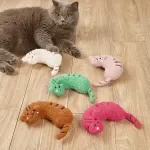
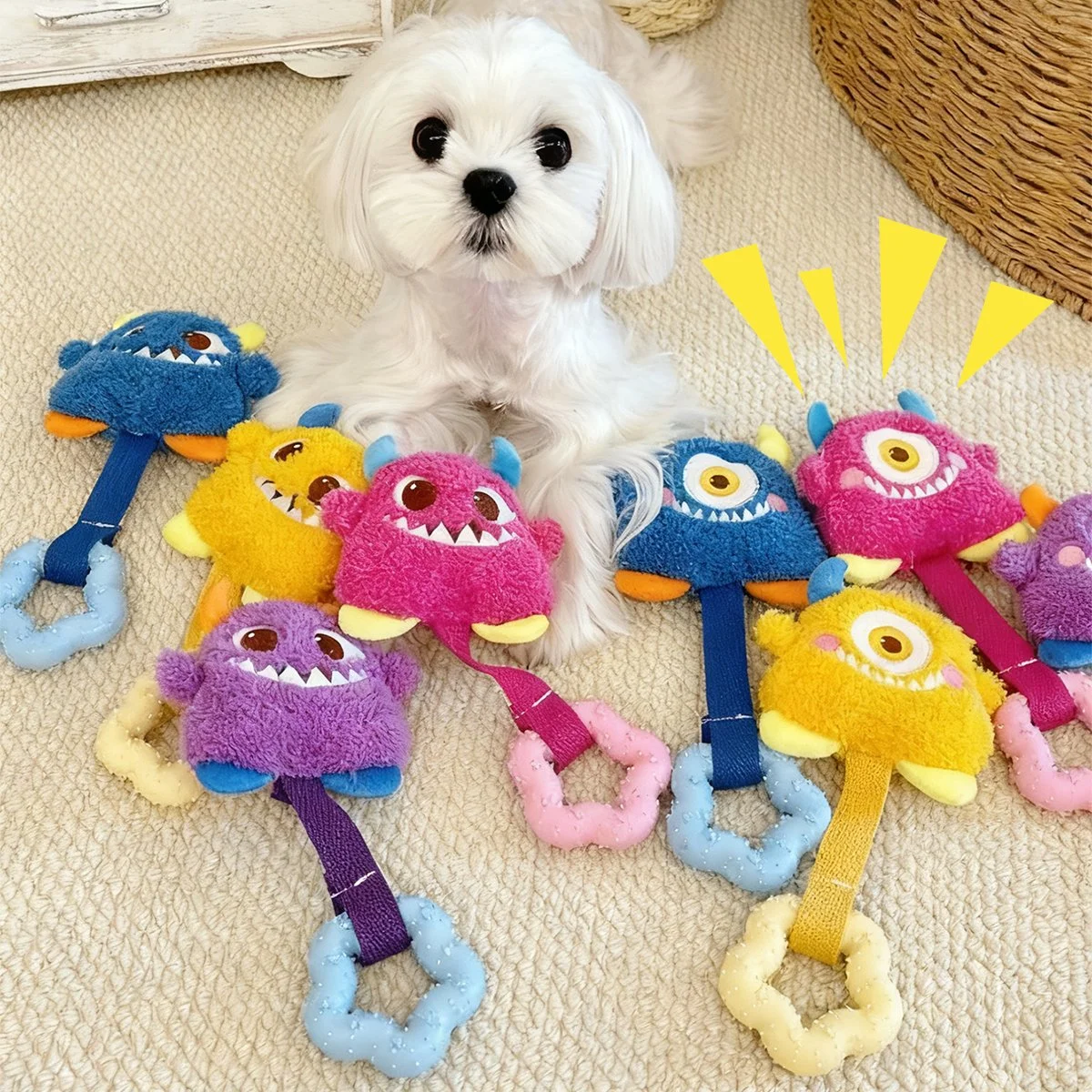
4. Squeaky Plush Toys: Good For Carrying, Shaking, And Comfort Play
Squeaky plush toys get mixed reviews because they are being asked to do different jobs. For one dog, a plush toy is a comfort object. For another, it is a target to dissect. For a third, the squeaker is the whole point and the fabric is only packaging.
That is why Reddit owners often split into two groups. Some say plush toys are a waste of money because their dog removes the stuffing quickly. Others say their dog has carried the same plush toy for months. Both can be true.
The right buyer for a plush squeaky toy is a dog that plays by carrying, nudging, shaking, fetching indoors, or curling up with the toy. The wrong buyer is a dog that immediately pins the toy down and chews through seams with focused pressure.
Look at construction details before buying. Reinforced stitching matters. A compact shape may survive longer than a toy with thin limbs, long ears, or weak appendages. Minimal stuffing can reduce mess. A squeaker should not be easy to access. The toy should be large enough for the dog but not so large that the dog cannot carry it comfortably.
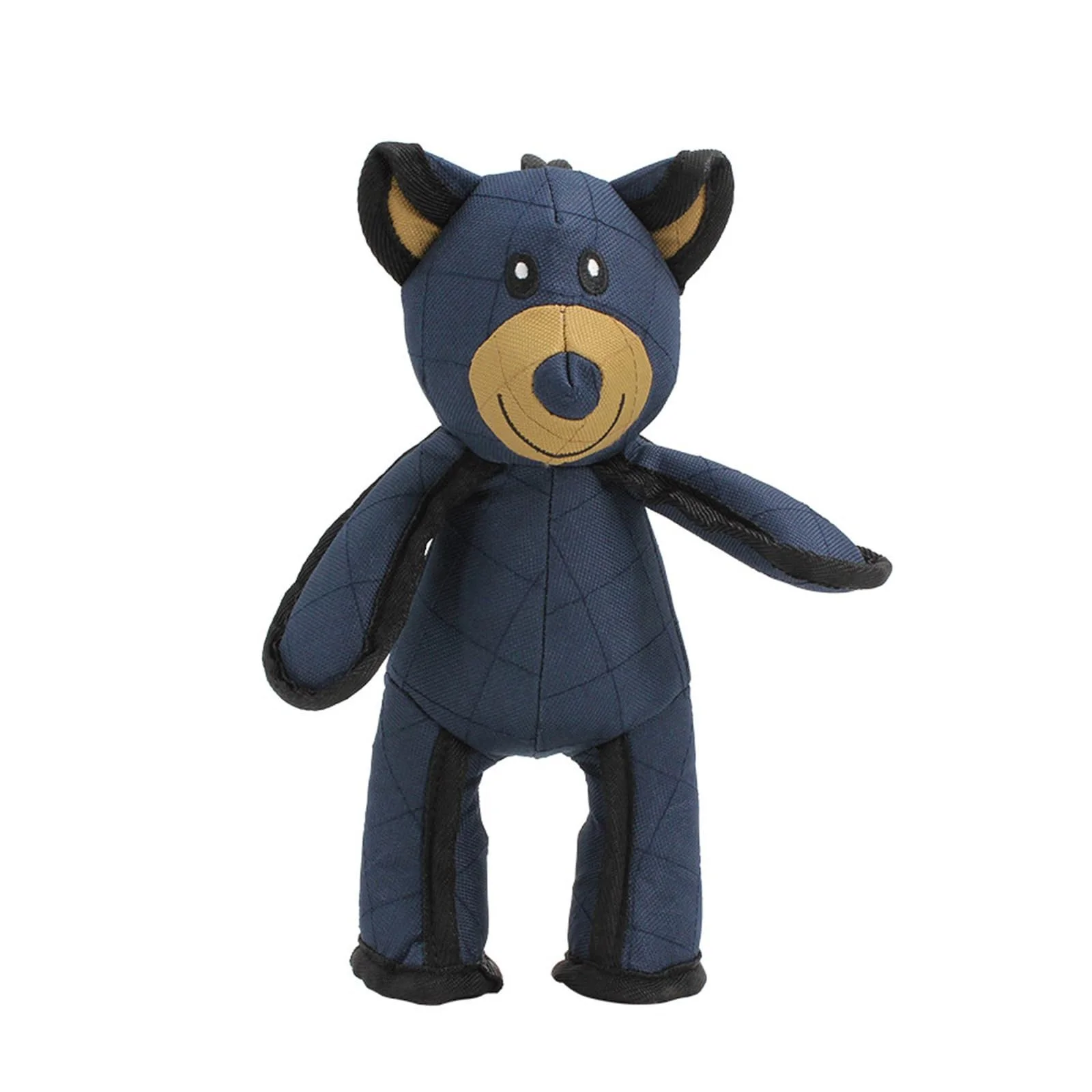
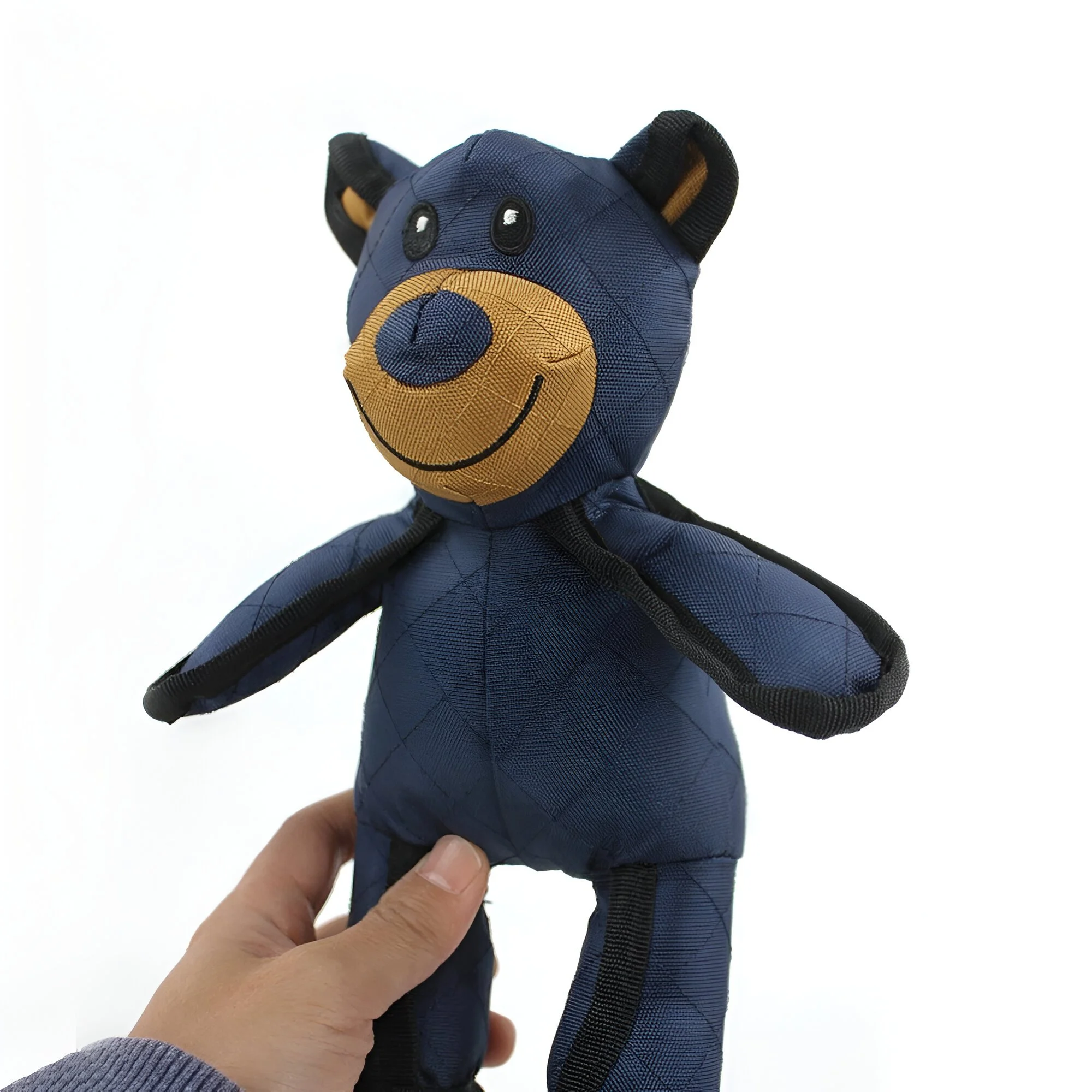
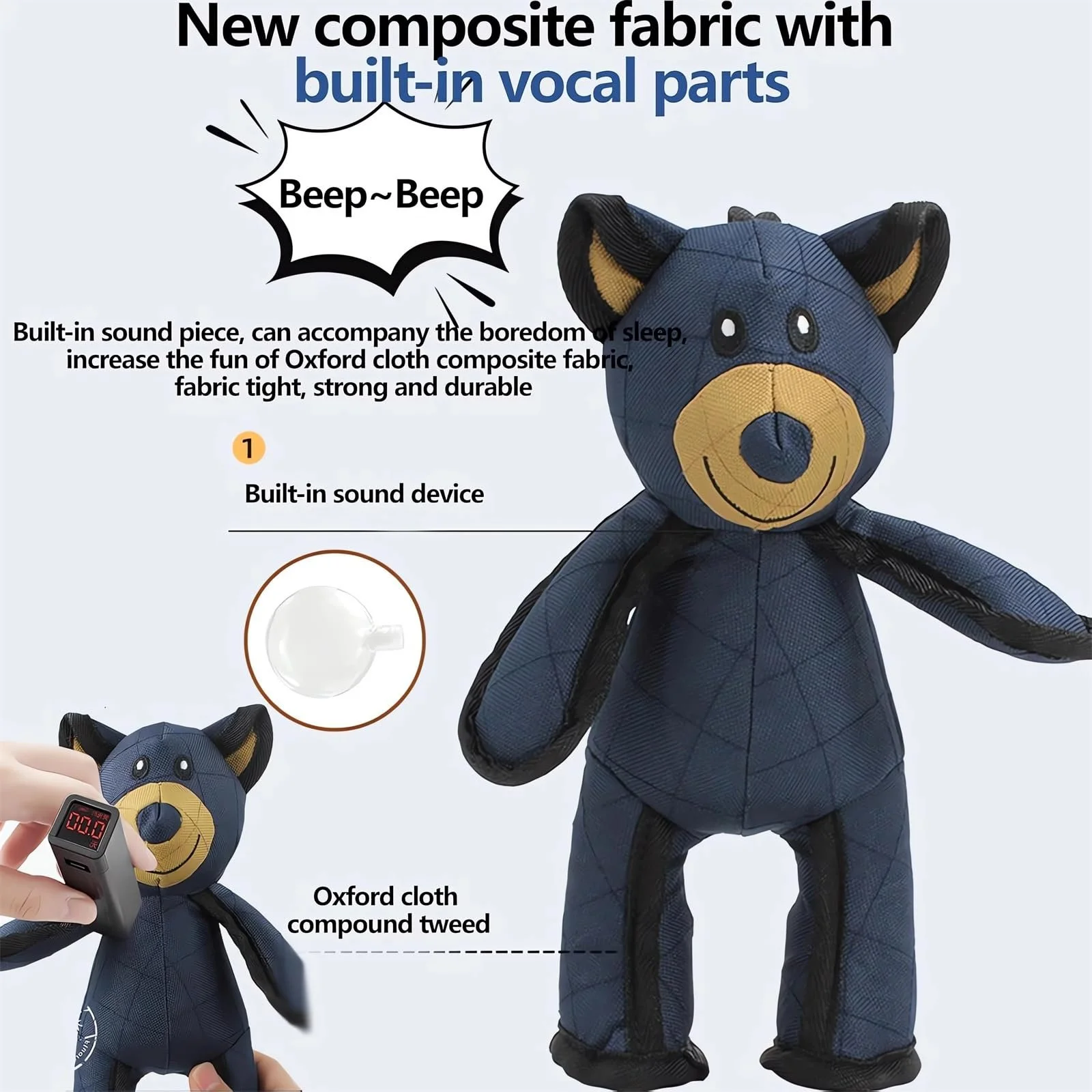
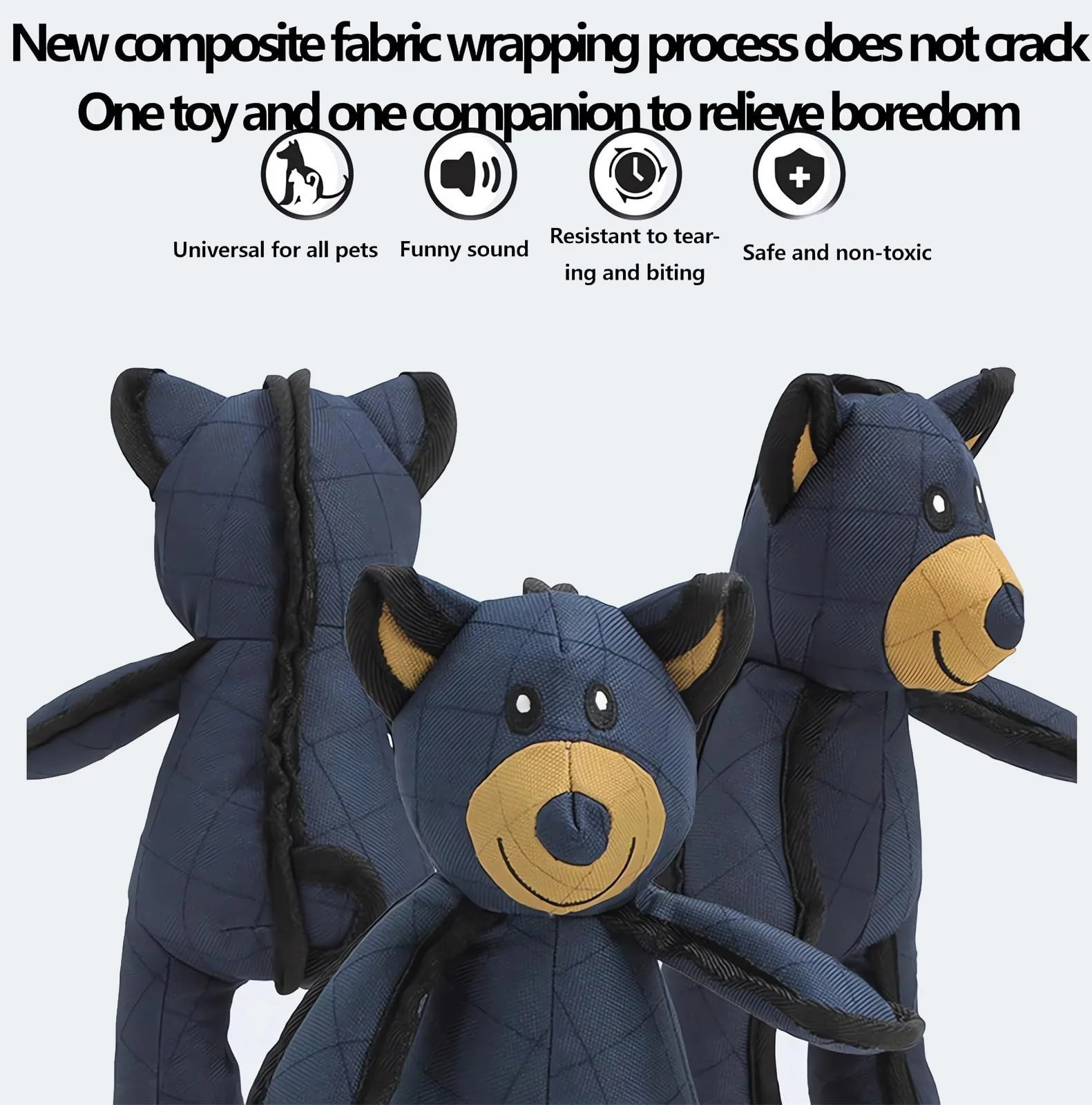
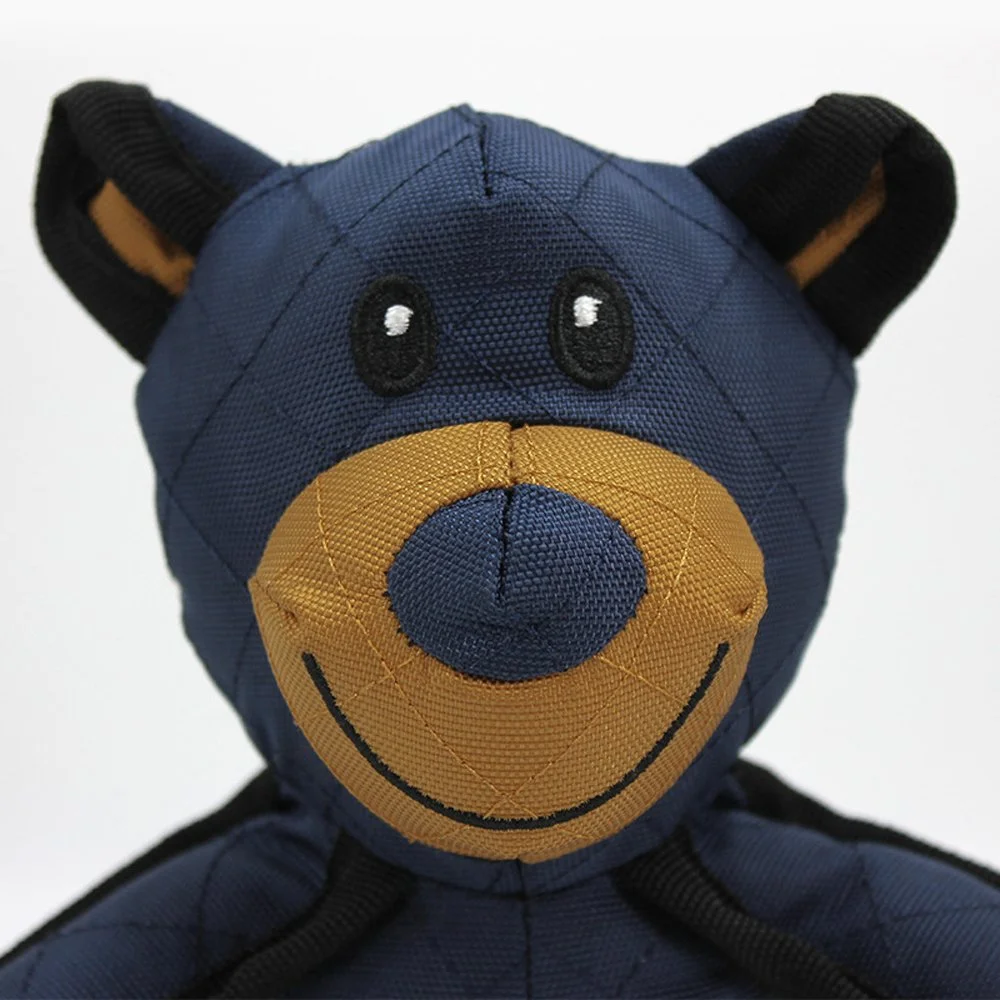
This is where PickByU's Interactive Squeaky Bear Dog Toy with Chew & Toss Design (#1785178 / p-002695) fits. It should be positioned as a supervised interactive plush toy, not as an indestructible chew. The value is in squeak, toss, carry, and play engagement. It makes sense for dogs that like soft toys and for owners who want a more engaging alternative to a plain plush.
The most honest recommendation is this: buy a squeaky plush toy when the dog's play style matches it. Do not buy it because the word "durable" appears somewhere in a listing. Durability is relative to the dog.
Best fit: gentle to moderate chewers, indoor fetch, sound-driven play, comfort carrying, and supervised play sessions.
Poor fit: power chewers, dogs that swallow stuffing, dogs that surgically remove squeakers, or unsupervised crate use.
5. Latex Squeaky Toys: High Engagement, Shorter Sessions
Latex squeaky toys are different from plush toys. They usually create louder feedback, more bounce, and a flexible mouth feel. Some dogs love them because the toy responds immediately when squeezed. That makes latex useful for short bursts of play and for dogs that lose interest in silent toys.
The tradeoff is durability. Latex is not the best material for dogs that chew with grinding pressure. A punctured latex toy can tear, and torn pieces should be removed. The toy is best treated as interactive play equipment: bring it out, use it for a session, then put it away.
PickByU's Latex Screaming Chicken Dog Toy - Durable, Chew-Resistant & Fun (#1755614 / p-003007) fits this role. It is best presented as a noisy, funny, high-feedback toy for supervised play. It can be a useful option for dogs that respond to sound and novelty. It should not be oversold as a heavy-chewer solution.
A latex squeaky toy can also help owners test what kind of play their dog prefers. If the dog lights up when the toy makes noise, future purchases can include squeaky plush, crinkle toys, and bounce toys. If the dog immediately tries to tear it apart, move toward tougher rubber or food-based enrichment.
Best fit: sound-driven dogs, short play sessions, indoor engagement, novelty rotation, and dogs that enjoy squeezing toys.
Poor fit: heavy chewers, unsupervised use, dogs that swallow torn pieces, or owners who dislike loud toys.
6. Snuffle Mats: Better For The Nose Than The Jaw
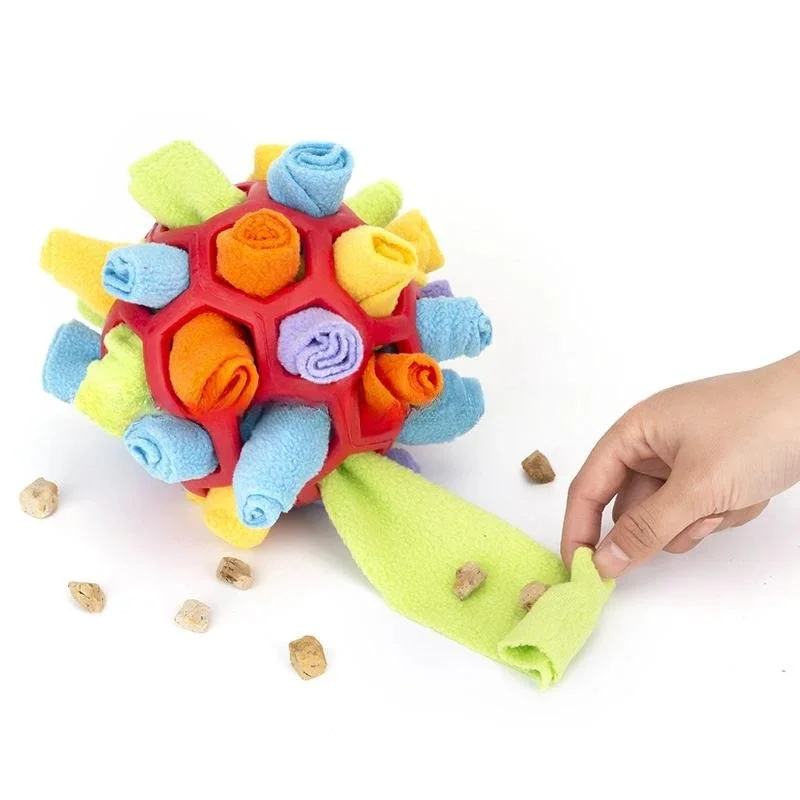
Snuffle mats appear often in owner discussions about anxious, bored, or food-motivated dogs. They work because they turn eating into sniffing. Instead of dropping kibble into a bowl, the owner scatters part of the meal into fabric folds so the dog has to search.
This is not the same kind of enrichment as fetch. Fetch raises arousal. Sniffing often lowers it. For dogs that pace, beg, bark from boredom, or struggle to settle after activity, nose work can be more useful than another high-energy game.
Snuffle mats are especially useful for dogs that need slower meals. A dog that inhales food in one minute may spend much longer searching a mat. That extra time can make the meal feel more satisfying without adding calories.
The risk is fabric chewing. Some dogs understand the assignment immediately: sniff, find food, eat. Others grab the mat and shake it or chew the strips. Start with supervision. If the dog tries to eat the mat, choose a hard puzzle feeder or treat-stuffable rubber toy instead.
Cleaning matters here too. Food dust, saliva, and crumbs can build up in fabric. Choose a mat that can be washed and dried properly.
Best fit: anxious dogs, food-motivated dogs, slow feeding, rainy days, senior dogs that still enjoy nose work, and dogs recovering from periods of reduced activity.
Poor fit: fabric destroyers, dogs that guard food, or dogs that become frustrated when food is hidden.
7. Lick Mats: A Calming Tool, Not A Chew Toy
Lick mats are often recommended for grooming, bathing, nail trims, crate decompression, and post-walk calm. The idea is simple: spread a thin layer of soft food across a textured surface so the dog licks repeatedly.
The repetitive action can be calming for many dogs. It also gives the dog something predictable to do while the owner handles a task that might otherwise create stress.
The key phrase is "thin layer." A lick mat should not become a calorie bomb. Use a small amount of dog-safe food and adjust meals accordingly. Plain yogurt, wet food, pumpkin, or soaked kibble can work for some dogs, but dietary tolerance matters.
Lick mats should be removed when the food is gone. Many are not designed to survive chewing. If a dog starts biting the mat, end the session.
Best fit: grooming distraction, bath time, mild anxiety, post-exercise calming, and dogs that enjoy licking more than chewing.
Poor fit: dogs that chew mats, dogs with food guarding issues, or owners who cannot supervise.
8. Rope Toys: Great For Tug, Bad As A Forgotten Floor Toy
Rope toys are cheap, easy to find, and genuinely useful for interactive tug. They give owners a way to play with the dog directly. They can also support impulse-control games: take it, tug, drop, wait, and restart.
The problem starts when rope toys are left out to be shredded. Frayed strands can be swallowed. Long strings can create serious digestive risk. A rope toy that is safe during a five-minute tug session may be unsafe as an unsupervised chew object.
Choose rope size by dog size. A tiny rope for a large dog is not a bargain. Replace ropes when they fray, smell, or lose structure. Do not let dogs pull strands apart for entertainment.
Best fit: supervised tug, training games, dogs that enjoy playing with people, and owners who put toys away after use.
Poor fit: unsupervised chewing, dogs that swallow fibers, and households that leave damaged toys in the toy bin.
9. Puzzle Feeders: Useful When The Difficulty Is Right
Puzzle toys can be excellent, but they fail when owners choose too much difficulty too soon. A puzzle should create work, not helpless frustration. If the dog cannot figure out the first step, the toy becomes annoying instead of enriching.
Start with easy puzzles: rolling treat balls, open cups, simple sliders, or wobblers. Let the dog win quickly. Once the dog understands that solving the toy pays off, increase difficulty.
Puzzle feeders are best for dogs that enjoy using their paws, nose, and problem-solving ability. They are also useful for meal pacing. Instead of adding treats, use part of the dog's regular food.
Durability depends on material and play style. A puzzle with moving plastic parts is not a chew toy. If the dog tries to break the puzzle open, switch to a stronger food-dispensing rubber toy.
Best fit: smart bored dogs, food-motivated dogs, meal slowing, and owners who enjoy setting up enrichment.
Poor fit: destructive chewers, dogs that give up easily, or dogs that become possessive around food.
How To Choose By Dog Type
For puppies, choose softer puppy-safe materials, teething-appropriate shapes, and easy enrichment. Avoid tiny parts, damaged seams, and toys meant for adult power chewers. Puppies also need rotation because novelty helps, but they should not have unlimited access to every toy.
For heavy chewers, start with tough rubber, correct sizing, and close inspection. Avoid plush toys as unsupervised chews. If you buy plush, use it for supervised play only and remove it at the first sign of seam failure.
For anxious dogs, prioritize snuffle mats, lick mats, stuffed rubber toys, and predictable routines. High-arousal toys may still be fun, but they may not help the dog settle.
For fetch lovers, invest in safe balls and outdoor retrieval toys. Choose bright colors, water-safe materials if needed, and sizes that cannot be swallowed.
For senior dogs, consider softer textures, lighter toys, easy-to-clean surfaces, and lower-impact games. Nose work and licking can be more comfortable than hard tug or long fetch sessions.
For dogs that ignore toys, add food, movement, or owner participation. Some dogs do not care about a toy until it becomes part of a game.
The Rotation System Reddit Owners Keep Rediscovering
Many dogs get bored when every toy is available all the time. A simple rotation can make old toys interesting again without buying more.
Keep three groups:
- Daily safe toys: the toys your dog can use under normal supervision without immediate risk.
- Special session toys: squeaky, tug, puzzle, or latex toys that come out for interactive play.
- Food enrichment toys: stuffed rubber toys, lick mats, and snuffle mats used with meals or planned calm time.
Put some toys away for a week. Bring them back later. The dog experiences the toy as more interesting because access is limited.
Rotation also helps safety. When toys are put away, owners are more likely to inspect them. A damaged toy is easier to notice when it is handled intentionally rather than buried at the bottom of a basket.
When To Throw A Dog Toy Away
A dog toy should be replaced when it stops being structurally safe. Do not wait until the toy is fully destroyed.
Remove a toy if:
- A squeaker is exposed.
- Stuffing is coming out.
- Rubber pieces are missing.
- A ball has split.
- Rope strands are fraying heavily.
- The toy smells after washing.
- The dog can fit too much of it into the mouth.
- Sharp edges or hard broken plastic appear.
- The dog starts guarding it in a way that changes household safety.
Sentimental toys still need inspection. If the dog loves a plush toy but it is falling apart, consider retiring it and replacing it with a similar texture or shape.
Where The Matched PickByU Products Fit
The two best matched products for this article are both play-engagement toys, not heavy-chewer replacements.
Interactive Squeaky Bear Dog Toy with Chew & Toss Design (#1785178 / p-002695) fits the plush squeaky category. It is most relevant for dogs that enjoy carrying, shaking, fetching indoors, and responding to squeak feedback. The product plan rates it as a 96-score P0 lead candidate, supported by multiple images, a decision-friendly price range, and enough product detail for editorial use.
Latex Screaming Chicken Dog Toy - Durable, Chew-Resistant & Fun (#1755614 / p-003007) fits the latex squeaky category. It is most relevant for dogs that like sound, novelty, and short supervised play sessions. It is also rated as a 96-score P0 lead candidate in the product plan.
The honest positioning is important. These are good candidates for engagement and supervised play. They should not be framed as indestructible solutions for dogs that destroy everything. For those dogs, the article should point readers toward heavy-duty rubber first, then suggest softer or squeaky toys only when the dog's behavior makes them appropriate.
That positioning improves trust. Readers who arrive from a query like "Reddit best dog toys" are skeptical. They have probably wasted money before. A guide that explains tradeoffs will convert better than a guide that pretends every toy is right for every dog.
Final Recommendation
If you only buy one type of toy, start with the job your dog needs most.
For boredom and settling, choose a treat-stuffable rubber toy or a snuffle mat. For power chewing, choose heavy-duty rubber in the correct size and inspect it often. For fetch, choose a dog-safe ball that is too large to swallow. For comfort play, choose a plush squeaky toy and supervise. For sound-driven novelty, choose a latex squeaky toy and put it away after the session. For tug, use a rope only while you are actively playing.
Reddit's most useful lesson is not that one brand always wins. The lesson is that owners become happiest when they stop buying toys by appearance and start buying by play style.
For PickByU, the strongest content-commerce angle is to recommend the Interactive Squeaky Bear Dog Toy as the soft squeaky option for supervised carry-and-toss play, and the Latex Screaming Chicken Dog Toy as the noisy novelty option for dogs that love responsive sound. Both should sit inside a broader toy rotation that includes food enrichment and tougher chew options when needed.
The best dog toy is not the one that looks toughest in a product photo. It is the one your dog uses safely, repeatedly, and in the way the toy was designed to be used.
Browse Community Picks products