Article
Dog Toys For Separation Anxiety: What Helps, What Does Not, And When To Get Help
Quick Answer
Dog Toys For Separation Anxiety: What Helps, What Does Not, And When To Get Help: quick answer
Separation anxiety is one of the most misunderstood dog behavior problems because the symptoms often look like bad manners. A dog chews the door frame,...
- Topic: Dog Behavior.
- Related product category: pet-toys.
- This article keeps the main answer in the article copy and places relevant product context inside the guide.
Toys Can Support Separation Training, But They Do Not Cure Separation Anxiety
Separation anxiety is one of the most misunderstood dog behavior problems because the symptoms often look like bad manners. A dog chews the door frame, barks for an hour, soils the floor, shreds bedding, or panics in the crate after the owner leaves. From the outside, it can look like the dog is angry, bored, or being stubborn. In many cases, the dog is distressed and unable to settle when separated from the person or people the dog depends on.
Toys can help, but only when the problem is mild enough for the dog to stay functional. A food puzzle, snuffle toy, chew, or comfort object may help a dog who feels restless during departures, gets bored during the first part of alone time, or needs a predictable routine when the household leaves. Toys are much less useful when the dog is already in panic. A panicking dog may ignore food, destroy the toy, injure itself, or become more frantic.
The right question is not "What toy fixes separation anxiety?" The better question is "What role can a toy play in a larger separation plan?" For mild cases, a toy can create a calmer departure routine, keep the dog's nose and mouth busy during the hardest first minutes, and reduce destructive boredom. For moderate or severe cases, toys should be paired with behavior modification, careful alone-time practice, environmental management, and professional guidance.
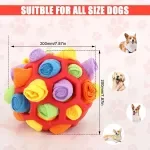
This article focuses on toy strategy, but it will not pretend that a product is a complete treatment. The Interactive Snuffle Ball Puzzle Toy for Dog Training and Mental Stimulation (#1785496) is a good match for dogs that can still eat, sniff, and problem-solve during short separations. It is not the right tool for a dog that destroys objects when alone, swallows fabric, or panics so intensely that food no longer matters.
First, Separate Anxiety From Boredom
Before choosing a toy, decide what problem you are trying to solve. Boredom and separation anxiety can overlap, but they are not the same. A bored dog may chew a pillow after being left for hours with no exercise, no enrichment, and full access to tempting household items. The dog may rest for part of the time, wander, chew something interesting, and then settle again. That dog may improve quickly with exercise, better management, safe chew options, and structured enrichment.
A separation-anxious dog shows distress connected to being left. The dog may begin pacing when the owner picks up keys. It may refuse a favorite treat once the owner approaches the door. It may bark, howl, drool, dig, tremble, or try to escape shortly after the owner leaves. Some dogs injure teeth, nails, or paws trying to get through doors, windows, crates, or gates. Some dogs urinate or defecate even though they are otherwise house-trained.
Toys help boredom more reliably than true anxiety. That does not mean toys are useless for anxious dogs. It means the dog must be calm enough to use the toy. If the dog eats from a puzzle after you leave and then naps, the toy may be part of a good plan. If the dog ignores the toy and screams at the door, the toy is not reaching the real problem.
Use a camera if possible. Many owners guess what happens after they leave. Video gives clearer information. Does the dog work on the toy calmly? Does the dog eat for thirty seconds and then panic? Does the dog guard the toy but still bark? Does the dog finish the toy and then become distressed? The answer changes the plan.
The goal is to match the tool to the dog in front of you, not to force every anxious dog into the same toy routine.
The First 20 Minutes Matter
For many dogs, the hardest period is the first part of the departure. The owner leaves, the door closes, household sounds change, and the dog suddenly loses social contact. If the dog can stay calm through that transition, the rest of the absence may be easier. This is where a sniffing or food-search toy can be useful.
Sniffing is a lower-arousal activity than fetch, tug, or squeaky play. It asks the dog to use the nose, slow down, and search. A snuffle-style toy gives the dog a job that does not depend on the owner remaining in the room. That makes it more useful for alone-time support than toys that require human interaction.
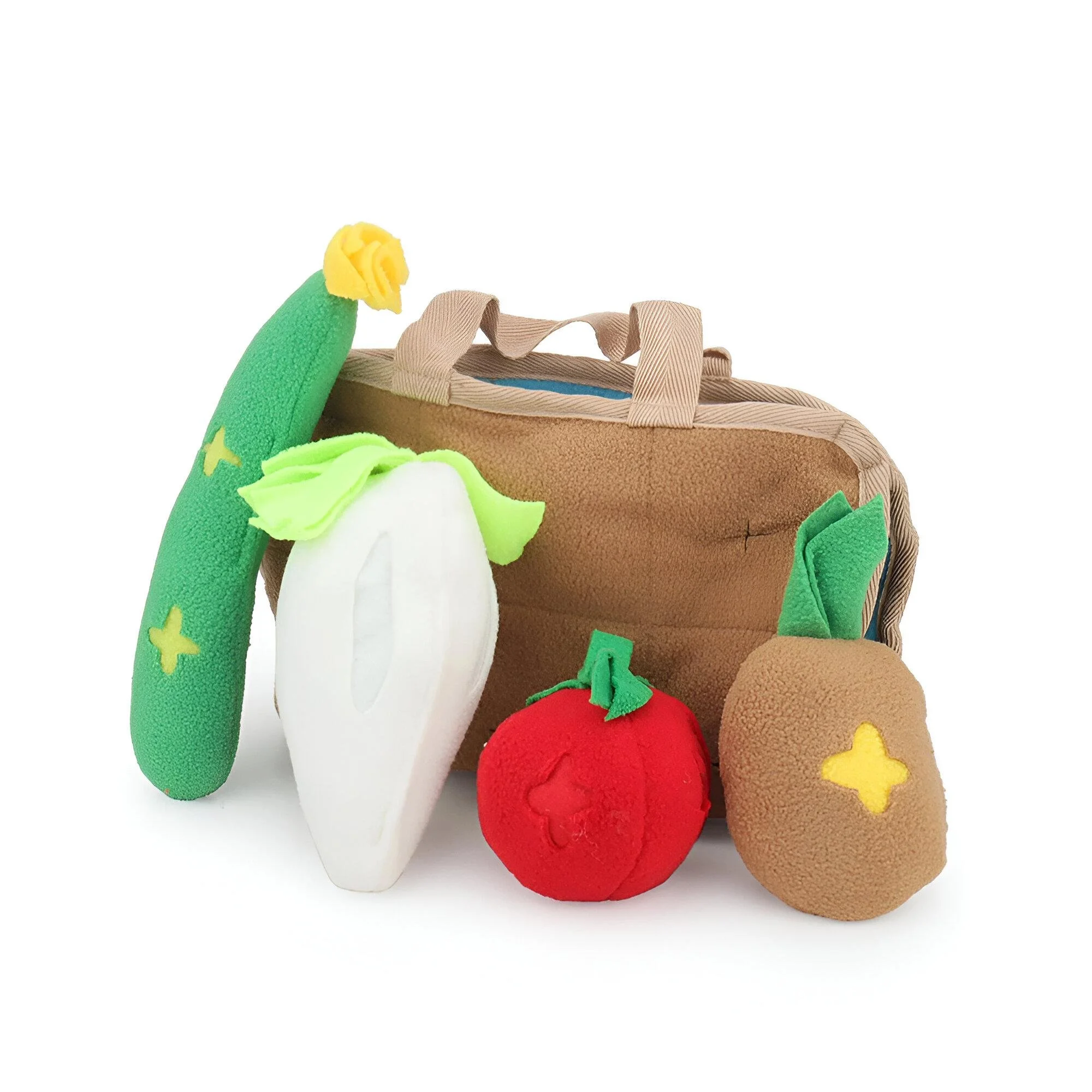
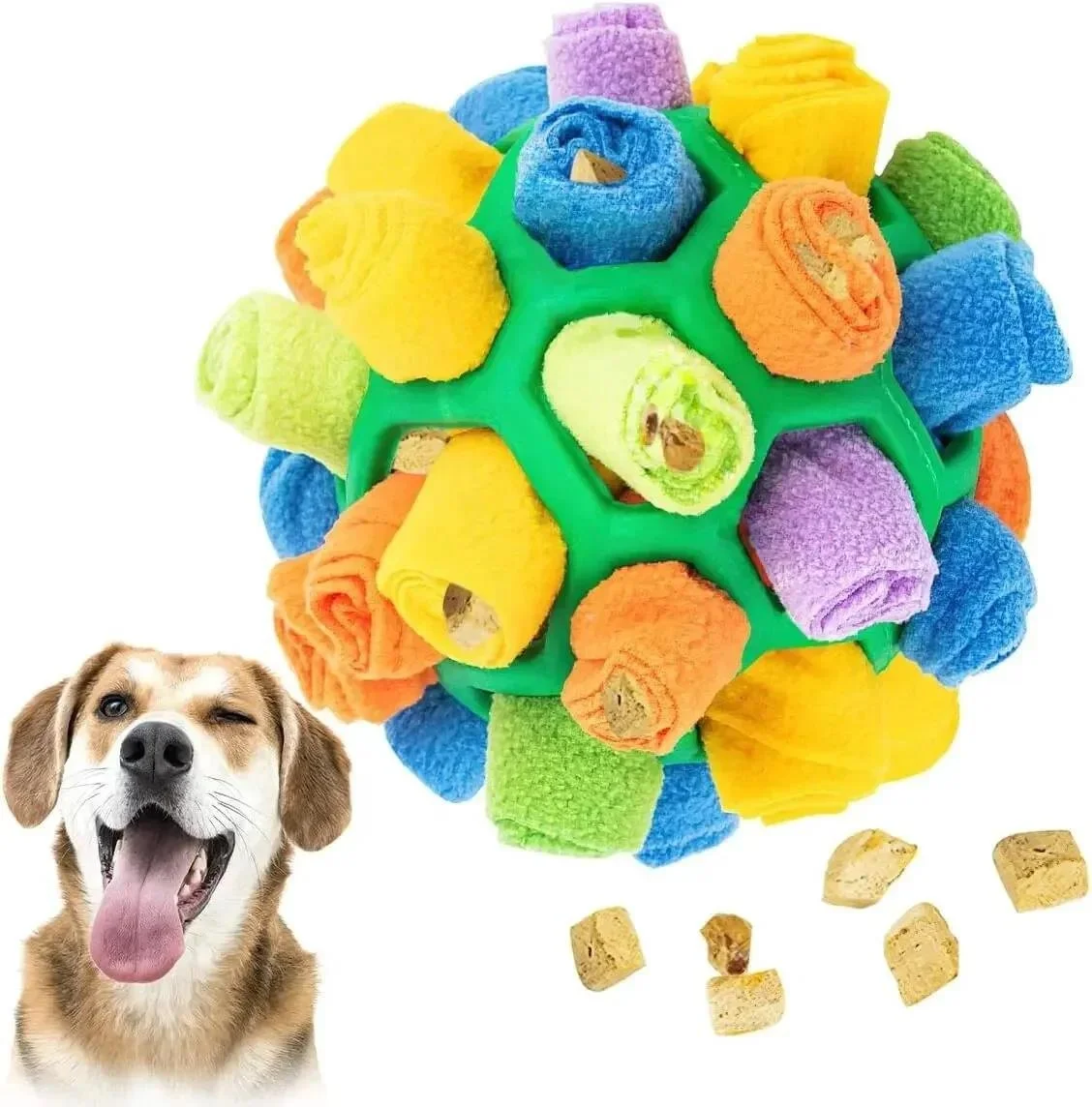
The Interactive Snuffle Ball Puzzle Toy (#1785496) fits this role because it is designed for treat hiding, slow feeding, rolling, tossing, and mental stimulation. The useful feature for separation support is not excitement. It is nose work. The dog searches for food, uses small problem-solving effort, and stays occupied during the moment when many mild cases become restless.
Timing matters. Give the toy before the dog is already distressed. If the dog watches you put on shoes, follows you tightly, and is already panting, the toy may arrive too late. Build a calm routine: light exercise earlier, quiet transition, toy placed in the dog's safe area, low-drama departure. The toy should predict a normal alone-time routine, not appear only when the owner is rushing out.
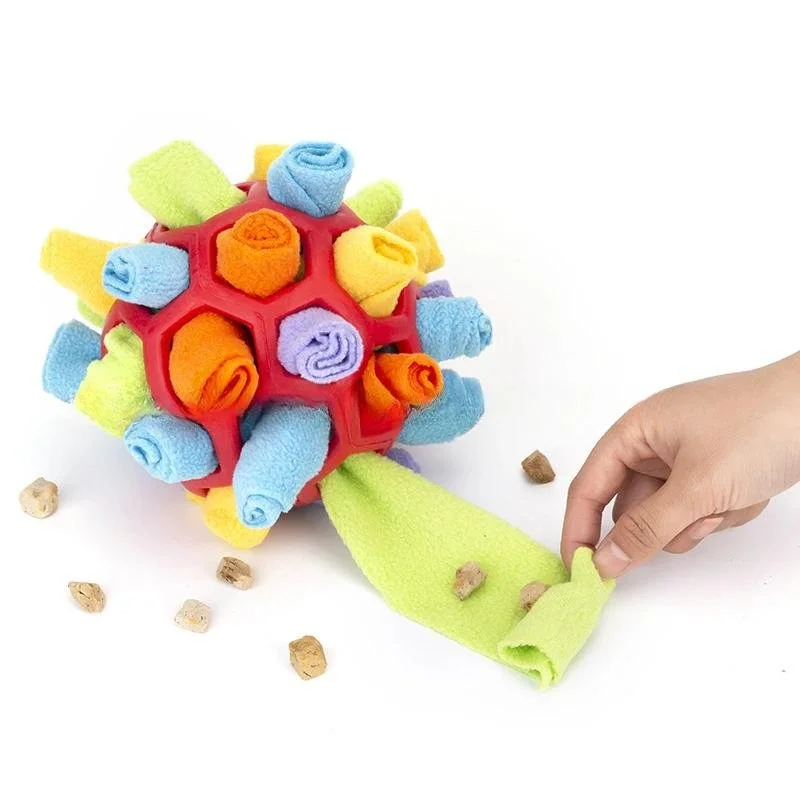
Keep sessions short at first. If your dog can handle five minutes alone with a snuffle toy, start there. Do not assume a toy that lasts twenty minutes means the dog can be left for three hours. The toy supports the training window. It does not replace gradual alone-time practice.
Build A Departure Routine Around Calm, Not Excitement
Many owners accidentally make departures emotionally intense. They give big hugs, repeat goodbye phrases, rush around, grab keys, apologize to the dog, and then toss down a high-value toy at the last second. The dog learns that departures are charged events. For anxious dogs, that can make the pattern worse.
A calmer routine works better. Prepare the toy before the departure sequence becomes obvious. Put the dog in the same safe area each time. Use a normal voice. Give the toy. Leave quietly. Return quietly. The point is to make alone time predictable and boring.
Do not use the most exciting toy if excitement makes the dog frantic. A squeaky toy may be fun, but fun is not always calming. Tug toys require a person. Chase toys may raise arousal. For separation support, the best toys usually involve licking, chewing, sniffing, or gentle food searching. These behaviors are more likely to support settling.
The dog's safe area also matters. Some dogs do best in a room. Some do better behind a gate. Some are crate-trained and settle well in a crate. Other dogs panic in crates and may injure themselves trying to escape. Do not use a crate as a default solution if the dog is not crate-comfortable. A toy inside a panic crate will not fix the panic.
Keep the departure routine consistent, but avoid turning the toy into a warning signal. If the special toy only appears right before long absences, some dogs learn that the toy means the owner is leaving. To prevent that, use the same toy during calm practice sessions when you stay home. Let the dog enjoy it while you step into another room for a minute, sit nearby, or move around normally. The toy should mean "settle and work," not "you are about to be abandoned."
Use Food Toys Carefully
Food toys are popular for separation issues because they can occupy the mouth and brain. They can also be misused. A food toy should be safe, digestible, and appropriate for the dog's stress level. It should not create choking risk, resource guarding, stomach upset, or frustration.
Start with easy difficulty. If the puzzle is too hard, the dog may give up or become annoyed. An anxious dog does not need a challenge that feels impossible. The first goal is engagement, not cleverness. For a snuffle ball, place food where the dog can find it without intense effort. As the dog becomes comfortable, you can make the search slightly more involved.
Use part of the dog's regular food when possible. Too many rich treats can cause digestive problems, especially if used daily. If you use higher-value food for training, keep portions small. A dog with a sensitive stomach may need simple kibble, not creamy fillings or fatty snacks.
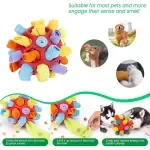
Clean food toys regularly. Snuffle toys, fabric folds, and treat pockets can collect crumbs, saliva, and odor. Follow the product's cleaning guidance. A dirty toy is less appealing and may become unpleasant over time. If the toy is machine washable, wash it often enough for daily use.
Supervision history matters. Do not leave a dog alone with any fabric puzzle if the dog shreds and swallows material. Test the toy while you are home. Watch how the dog uses it. If the dog searches calmly, that is promising. If the dog tries to rip it apart to get food faster, it may not be safe for unsupervised use.
Food toys are tools. They should be introduced slowly, tested carefully, and adjusted to the dog.
Comfort Objects Can Help Some Dogs
Not every separation toy needs food. Some dogs settle better with a comfort object that smells familiar or feels good to rest against. A soft toy, blanket, or recently worn shirt may help a dog that likes scent and tactile comfort. This is especially true for dogs that carry objects, rest with plush toys, or seek soft items when tired.
Comfort objects should be safe for the dog's chewing style. If the dog destroys fabric while alone, do not leave shirts, blankets, or plush toys unsupervised. Swallowed fabric can become a serious problem. A comfort object is only helpful if the dog uses it calmly.
Scent can be useful, but it is not magic. A shirt that smells like the owner may comfort a mildly unsettled dog. It will not stop a dog from injuring itself during a panic episode. If the dog destroys the shirt or becomes more frantic around it, remove it and rethink the plan.
Some dogs benefit from a combined routine: a sniffing toy during the first part of the absence and a comfort object in the resting area. The snuffle toy gives the dog a task. The comfort item supports resting after the task ends. That is often more practical than expecting one toy to cover the whole absence.
For dogs that like plush toys but become excited by squeakers, choose quieter comfort items for alone time. Sound can raise arousal. The best separation-support toy is often less flashy than the dog's favorite play toy.
What Not To Use For Separation Anxiety
Avoid toys that increase arousal right before leaving. Loud squeaky toys, intense tug toys, fast chase toys, and toys that require a person can make the departure harder. They may be excellent play tools at other times, but they do not necessarily support alone-time settling.
Avoid toys that can be destroyed and swallowed. This includes weak plush toys, rope toys that shed strands, fabric puzzles for shredders, small rubber pieces, and anything with accessible squeakers or batteries. A toy that is safe during supervised play may be unsafe when the dog is alone and stressed.
Avoid very difficult puzzles for anxious dogs. Frustration is not enrichment. A dog that cannot access the food may bark, paw, chew the toy aggressively, or abandon it. Start easy and build slowly.
Avoid using one special food toy only for long departures. If the toy appears only when the owner leaves for hours, the dog may develop a negative association with the toy. Practice with the toy during easy separations and calm home sessions.
Avoid leaving multiple high-value items in multi-dog homes. If more than one dog is present, food toys and chews should usually be separated. Separation anxiety in one dog can become resource conflict if another dog approaches the toy.
Most importantly, avoid using toys as a way to delay getting help for severe distress. Toys are not a substitute for treatment when the dog is panicking.
Signs Your Dog Needs More Than Toys
Some signs mean the problem has moved beyond ordinary boredom or mild departure stress. If your dog injures itself trying to escape, breaks teeth, damages doors or crates, drools heavily, howls for long periods, refuses food every time you leave, urinates or defecates from distress, or cannot tolerate even short separations, toys alone are not enough.
A veterinarian should be involved when the symptoms are severe, sudden, or physically risky. Pain, medical issues, cognitive changes, and medication side effects can affect behavior. For serious separation anxiety, a veterinary behaviorist or qualified behavior professional may be needed. Medication may be part of an appropriate plan for some dogs when combined with behavior modification.
This is not a failure by the owner. Separation anxiety can be a real panic disorder. A dog in panic is not choosing to be difficult. The dog needs a plan that reduces distress below the threshold where learning is possible.
If the dog is destructive only after long, under-stimulating days, start with exercise, enrichment, management, and a safer schedule. If the dog panics within minutes of departure, start with professional support and very gradual training. The difference matters.
Video evidence is helpful here. Record departures and show the footage to a professional. It is much easier to build a plan when everyone can see the timing and intensity of the distress.
How To Introduce A Snuffle Toy For Alone Time
Do not introduce the snuffle toy for the first time as you walk out the door. Begin while you are home. Place a small amount of food in the toy and let the dog explore it in a calm room. Make the first session easy. The dog should succeed quickly and feel relaxed.
Next, use the toy while you move around the house. Give the toy, step into another room for a few seconds, return, and stay calm. The dog learns that your movement does not always predict a major absence. Gradually increase small separations only if the dog remains comfortable.
Then pair the toy with very short exits. Give the toy, step outside for a short period the dog can handle, return before panic starts, and quietly pick up the toy if the session is done. The goal is not to trick the dog. The goal is to keep the dog under threshold while building a new pattern.
If the dog stops eating when you step out, the session is too hard. Reduce the duration. Make the food easier. Practice with you in the room again. Eating is useful feedback. A dog that can eat is often still able to learn. A dog that cannot eat may already be too distressed.
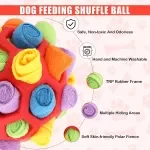
For #1785496, test how the dog interacts with the fleece and TPR rubber materials. If the dog sniffs and searches calmly, it may be useful for mild alone-time support. If the dog chews the fabric aggressively or tries to dismantle it, use it only under supervision or choose a different enrichment style.
A Practical Mild-Anxiety Toy Plan
For mild separation stress, start with a daily routine rather than a pile of random toys. Before leaving, give the dog appropriate exercise earlier in the day. That does not mean exhausting the dog with frantic play. It means giving the dog a chance to move, sniff, and relieve energy before alone time begins.
Set up the dog's safe area. Remove items that should not be chewed. Place water if appropriate. Add a bed or mat if the dog uses one calmly. Prepare the snuffle toy with a small amount of food. Keep the difficulty easy enough that the dog can engage without frustration.
Give the toy a few minutes before you leave, not at the exact second you close the door. This allows the dog to start the activity while the environment still feels normal. Leave quietly. Avoid emotional goodbyes. When you return, keep the greeting calm. If every return becomes explosive, departures and arrivals stay emotionally charged.
After returning, check the evidence. Was the toy used? Was food left behind? Was anything destroyed? Did the dog bark after the toy was finished? Adjust based on what happened. If the dog finished quickly and stayed calm, you may need a slightly longer activity. If the dog ignored the toy, the separation may be too difficult or the toy may not match the dog.
Build the plan slowly. Mild anxiety can improve when the dog repeatedly experiences short, successful separations. The toy helps create those successes, but the schedule and difficulty level matter just as much.
Match The Toy To The Length Of Absence
A five-minute practice separation does not need the same setup as a workday absence. For very short practice sessions, the toy should be easy and familiar. The dog should be able to start using it immediately. A small amount of kibble in a snuffle toy, a simple lick activity, or a safe comfort object may be enough. The purpose is to help the dog experience a tiny separation without distress.
For short errands, the toy can last longer, but the same rule applies: the dog must already understand it. Do not save the hardest puzzle for the moment you leave. If the dog spends the whole time struggling, the toy adds frustration. A snuffle ball with easy food placement can be useful because the dog can search without needing complex problem solving.
For longer absences, toys should be only one part of the plan. The dog also needs appropriate exercise, a safe room, water if needed, temperature control, and a realistic schedule. A toy that lasts twenty minutes does not solve four hours of panic. If the dog becomes distressed after the toy is finished, the absence duration may be too long for the dog's current training level.
For dogs that sleep after the first transition, the toy's job is simply to bridge the departure. Once the dog settles, the toy has done its work. For dogs that restart anxiety later, the plan may need additional training steps, a midday break, dog walker support, daycare in some cases, or professional help.
The length of absence should never be increased just because a toy exists. Increase alone time based on the dog's behavior, not the owner's schedule.
Why Separation Toys Fail
Separation toys often fail for predictable reasons. The first is poor timing. The toy appears after the dog is already upset. By then the dog may be too stressed to eat, sniff, or chew. Introduce the activity earlier, when the dog can still think.
The second reason is too much difficulty. A puzzle that looks clever to people may be frustrating to an anxious dog. Make the first version easy. Put food where the dog can find it. Let success build confidence before increasing challenge.
The third reason is unsafe material. If a dog shreds fabric, a soft puzzle may become a hazard. If a dog cracks hard plastic, a rigid toy may be risky. If a dog swallows pieces, no toy should be left untested. Safety comes before enrichment.
The fourth reason is emotional association. If a special toy only appears before long departures, the dog may learn that the toy predicts being left. Use the toy at neutral times too. Let it become part of ordinary calm routines.
The fifth reason is unrealistic expectations. A toy can reduce boredom, support mild anxiety, and help a training setup. It cannot erase severe panic. When owners expect a toy to do the job of behavior modification, they often wait too long to get help.
These failures are fixable when the owner treats the toy as feedback. If the dog ignores it, destroys it, guards it, or only uses it for a few minutes before distress begins, the plan needs adjustment.
Different Dogs Need Different Toy Strategies
Food-motivated dogs often respond best to sniffing, licking, or treat-dispensing toys. For these dogs, a snuffle ball can be a strong starting point. The work should be easy enough to keep the dog engaged and calm.
Dogs that are not food-motivated during stress may need comfort routines first. A safe resting area, familiar scent, white noise, predictable practice, and lower departure intensity may matter more than food. If the dog accepts food only when you are home, use that as a training step rather than forcing longer departures.
Heavy chewers need tougher options and more supervision history. Fabric puzzles may not be safe if the dog tears and swallows. These dogs may do better with durable rubber food toys or chews recommended for their size and chewing style.
Senior dogs may show separation distress because of hearing loss, vision changes, discomfort, or cognitive changes. For a senior dog, do not assume a toy is the main answer. Make the environment easy to navigate, keep routines predictable, and ask a veterinarian about sudden behavior changes.
Newly adopted dogs need time. A dog that has recently changed homes may be clingy because nothing feels predictable yet. Start with short separations, gentle enrichment, and a stable routine. Do not leave the dog with untested toys for long absences.
The best toy strategy is individual. The product should fit the dog's mouth, stress level, chewing habits, and ability to settle.
Final Recommendation
Dog toys can help with mild separation stress when they are used as part of a structured plan. The most useful options are usually sniffing toys, licking toys, safe chews, and comfort objects that support calm behavior. High-excitement toys, unsafe plush items, difficult puzzles, and human-dependent games are poor choices for alone-time anxiety.
The best product match for this article is the Interactive Snuffle Ball Puzzle Toy for Dog Training and Mental Stimulation (#1785496). It fits because sniffing and food searching can help some dogs stay engaged during the early departure window. It should be introduced while the owner is home, tested for safe use, and used only with dogs that do not shred or swallow fabric. It is best for mild boredom-related distress or early-stage separation support, not severe panic.
If a dog is injuring itself, destroying exits, refusing food, howling for long periods, or panicking within minutes of departure, get professional help. In those cases, the right plan is behavior work and veterinary guidance, with toys used only as support once the dog is calm enough to benefit from them.