Article
How to Clean Dog Toys: A Material-by-Material Safety Guide
Quick Answer
How to Clean Dog Toys: A Material-by-Material Safety Guide: quick answer
Dog toys collect saliva, food residue, dirt, skin oils, and whatever the toy touches on the floor or outside. That does not mean every toy needs harsh...
- Topic: Dog Care.
- Related product category: pet-toys.
- This article keeps the main answer in the article copy and places relevant product context inside the guide.
Clean Is Not the Same as Disinfected
Dog toys collect saliva, food residue, dirt, skin oils, and whatever the toy touches on the floor or outside. That does not mean every toy needs harsh chemicals after every play session.
Cleaning removes dirt and many germs with water, detergent, brushing, and rinsing. Disinfecting is an additional step used to kill more germs after cleaning. For normal household use, regular cleaning is often enough. Disinfection becomes more important when a toy touched feces or urine, the dog is sick, there is a contagious infection in the home, or someone in the household is at higher risk from infection.
The safest cleaning plan is not "use the strongest product." It is:
- Follow the toy's care label.
- Match the method to the material.
- Remove all detergent or disinfectant residue.
- Dry the toy completely.
- Throw it away when damage makes cleaning unreliable.
Never give a dog a toy that still smells strongly of cleaner, feels slimy, has trapped moisture, or is shedding pieces.
The Five-Minute Sorting Check
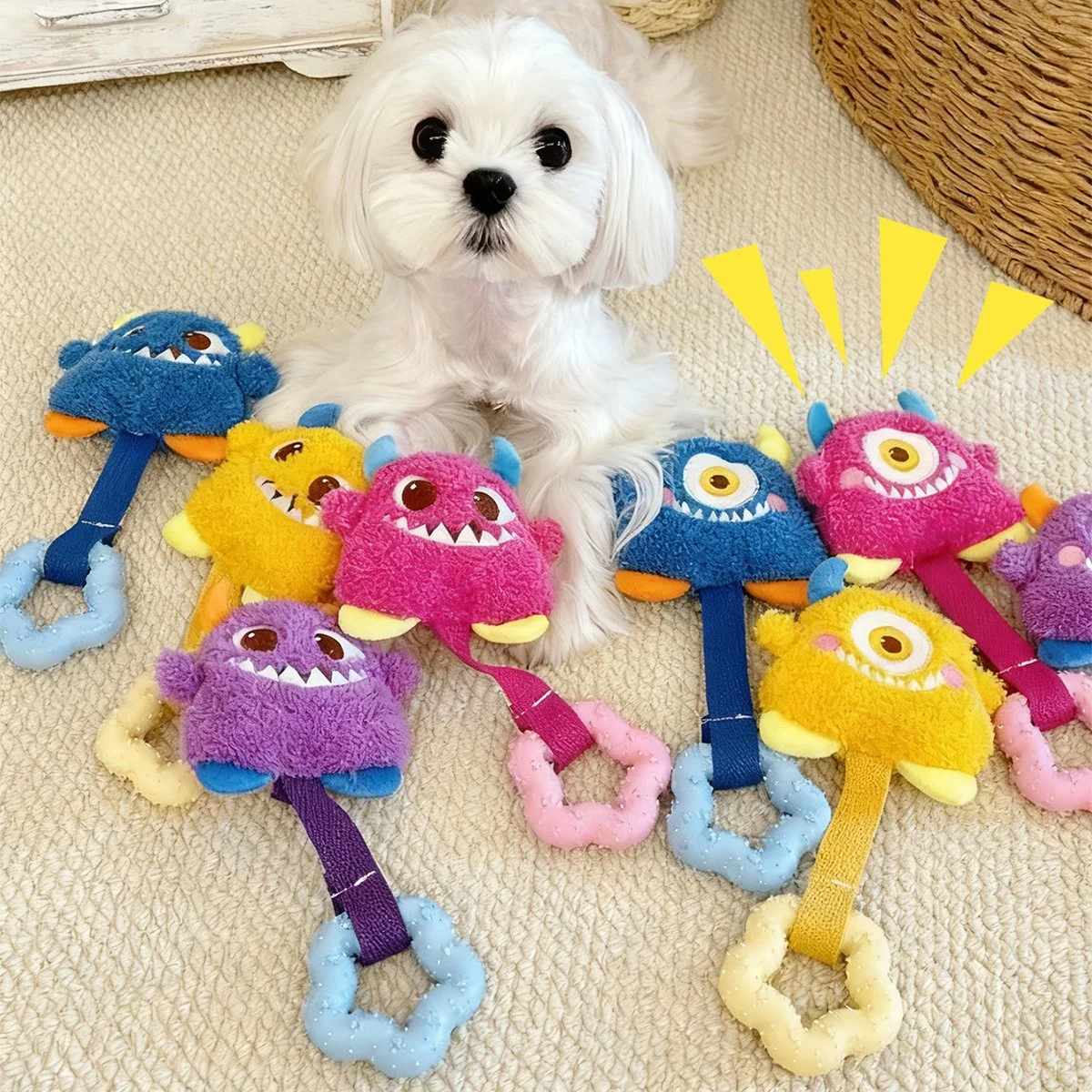
Before washing a pile of toys, sort them into four groups:
Hard, nonporous toys: rubber, silicone, hard plastic, and some solid nylon toys.
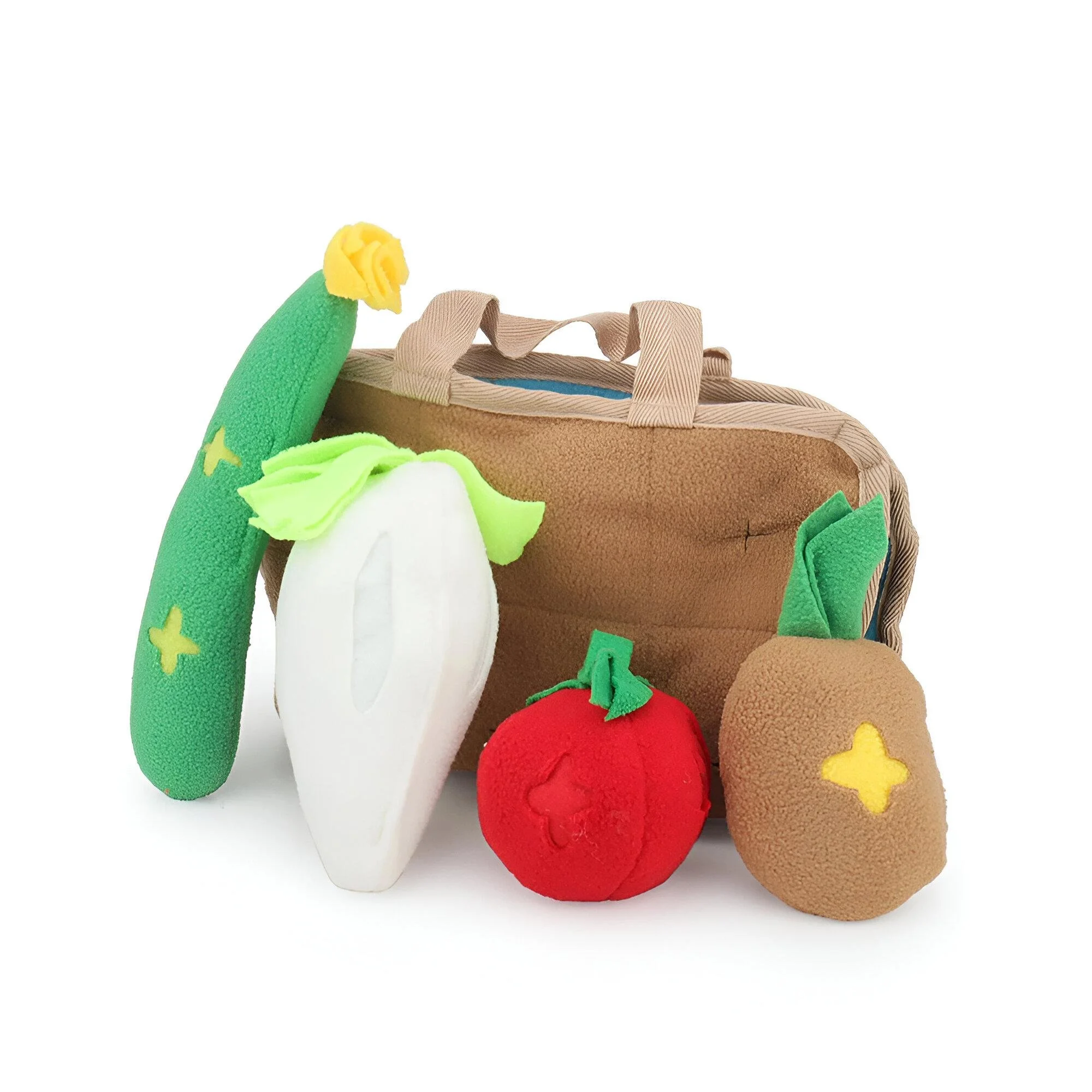
Machine-washable soft toys: plush toys, fabric toys, blankets, and some rope toys.
Hand-clean items: toys with electronic parts, batteries, exposed squeakers, glued decorations, or care labels that prohibit machine washing.
Discard candidates: cracked rubber, sharp edges, loose stuffing, broken squeakers, frayed rope, exposed wire, or parts small enough to swallow.
Sorting first prevents a common mistake: putting every toy through the same wash cycle. A hard rubber toy, a plush toy, and a rope toy do not dry or tolerate heat in the same way.
If the manufacturer gives cleaning instructions, use those instructions before general advice. A toy that is technically washable may still contain adhesives, coatings, foam, or electronics that cannot tolerate the dishwasher or dryer.
Step 1: Remove Visible Dirt Before Washing
Scrape off dried food, mud, hair, and feces before putting the toy in a sink, washing machine, or dishwasher. This keeps organic material from spreading to other items and helps the detergent reach the surface.
For hard toys, use a brush or sponge with warm water and detergent. Pay attention to grooves, holes, seams, and treat compartments. A toy that holds wet food needs more than a quick rinse.
For soft toys, shake or brush off loose dirt outdoors if practical. Close or remove any battery compartment before cleaning. If the toy has an opening that lets water enter the squeaker, do not soak it unless the care instructions specifically allow it.
Wear gloves if the toy has feces, vomit, blood, or another body fluid on it. Wash your hands after handling dirty toys. Keep pets away from the cleaning area until the items are rinsed and dry.
Step 2: Choose the Right Method by Material
Rubber, Silicone, and Hard Plastic
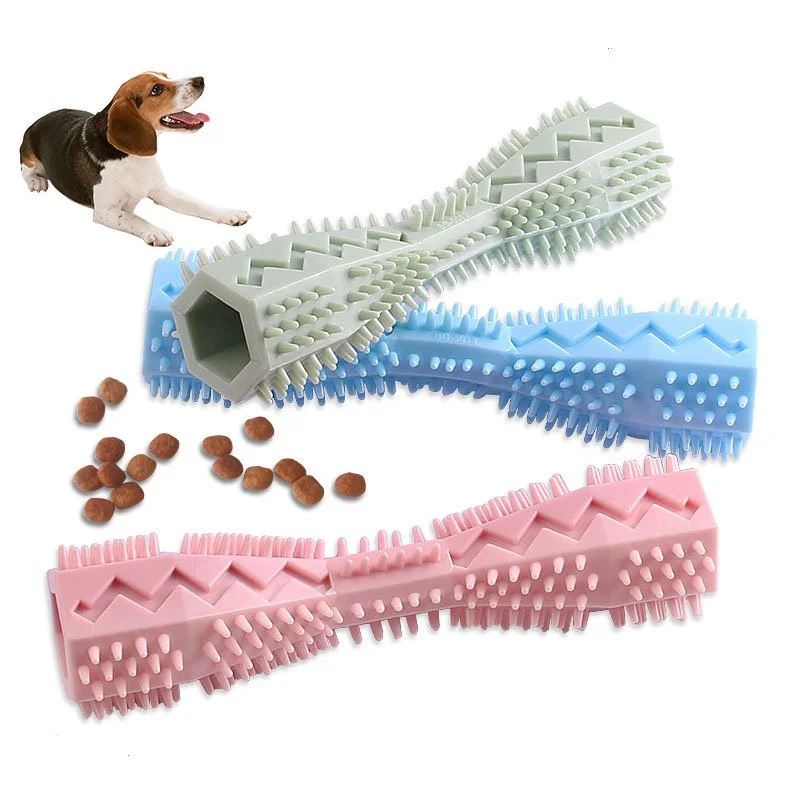
Start with warm soapy water and a brush. Work the brush into ridges, holes, and food pockets, then rinse until no slippery residue remains.
If the label says dishwasher-safe, place the toy where it will not touch the heating element. Use normal dishwasher detergent and the setting allowed by the manufacturer. A sanitizing or high-temperature cycle may be appropriate for compatible items, but heat can warp thin rubber, soften glue, or damage toys with hollow chambers.
Do not assume that every black rubber toy is dishwasher-safe. Check for cracks after washing. A toy that has become sticky, brittle, swollen, or misshapen should be removed even if it still looks usable.
Plush and Fabric Toys
Check the seams, stuffing, labels, and squeaker before washing. Place machine-washable toys in a mesh laundry bag or pillowcase, use the appropriate cycle, and choose a mild, unscented detergent if the dog has sensitive skin.
Rinse well. Dry the toy completely according to its care instructions. Air drying is acceptable when the toy can dry all the way through; a dryer may be used when the fabric and label allow it. The goal is not a particular drying method. The goal is no damp stuffing or hidden moisture.
Do not return a plush toy while the center is still cool or damp. Press thick areas with a clean towel and leave the toy in a well-ventilated place if needed. If the filling stays wet, smells sour, or clumps after washing, replacement is safer than trying to rescue it.
Rope Toys
Rope toys can be machine-washed if the manufacturer allows it, but they are difficult to inspect and dry because water can remain inside the fibers. Wash them in a laundry bag, rinse thoroughly, and dry completely.
Do not microwave rope toys. Microwave heating can be uneven, can damage synthetic fibers or adhesives, and can create a burn or fire risk if the toy contains metal, foil, or an unknown core. A wet rope is not automatically safe to heat.
Fraying is the main decision point. If your dog pulls loose strands, swallows fibers, or turns the rope into a fuzzy mass, retire it. Washing does not repair structural damage.
Squeaky Toys
A squeaker does not automatically make a toy washable or non-washable. Inspect how the toy is constructed. If water can enter the squeaker cavity, use surface cleaning only unless the manufacturer says the toy can be submerged.
Wipe the outside with warm soapy water, remove residue with a clean damp cloth, and dry fully. Do not spray disinfectant into the squeaker hole. If the squeaker is exposed, loose, cracked, or easy for the dog to remove, the toy has reached the discard stage.
Some sealed squeaky toys are machine-washable. Treat the care label as the deciding rule, not the sound the toy makes.
Treat-Dispensing and Puzzle Toys
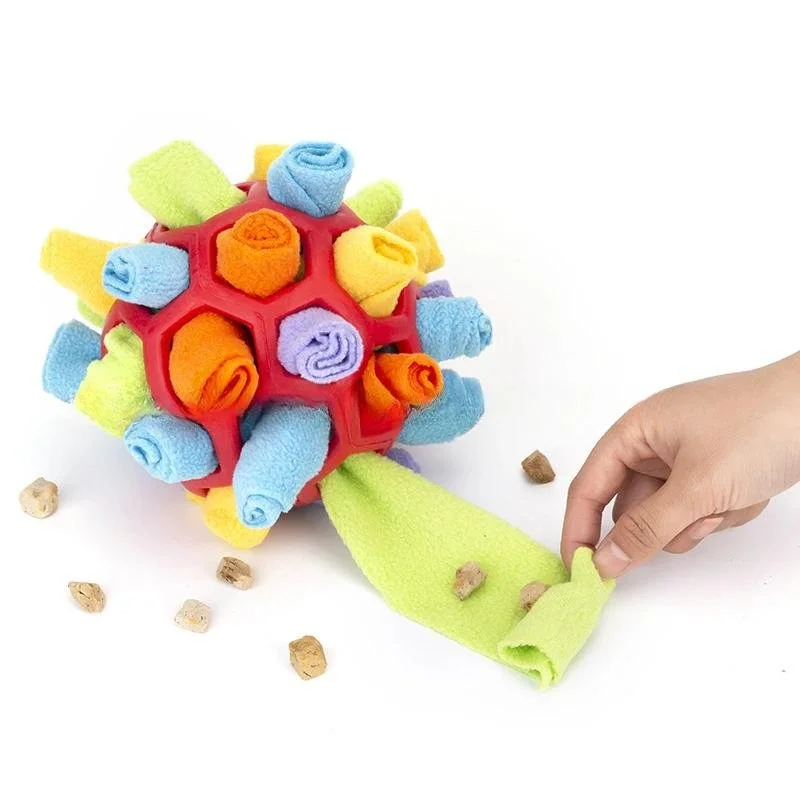
These toys need special attention because food residue hides inside channels and small openings. Empty the toy, separate removable parts, rinse away stuck food, and use a bottle brush or narrow brush where needed.
Let the toy dry with openings facing down or open. A closed container that still contains water or food residue can develop an odor quickly.
For frozen food toys, allow the residue to soften before scrubbing. Do not use sharp tools that can cut the material. If a puzzle toy has deep scratches that hold food, replace it when cleaning no longer removes the residue.
Step 3: When Cleaning Is Enough
For a healthy dog using an intact toy indoors, normal cleaning is usually the first choice. A reasonable routine is:
- toys used daily: inspect after play and clean when visibly dirty or slimy
- food toys: clean after each use
- plush and rope toys: clean about monthly or sooner if dirty
- outdoor toys: rinse or clean after muddy, stagnant-water, or fecal exposure
- shared toys: clean more often when several dogs use them
The calendar is only a starting point. Clean sooner when the toy smells bad, has visible dirt, has touched raw food, or has been carried through a contaminated area.
Do not treat a monthly schedule as permission to leave a visibly dirty toy in circulation. Conversely, frequent washing is not useful if the toy never dries or begins to break down.
Step 4: When Disinfection Makes Sense
Disinfect only after cleaning. Dirt and organic material can reduce the effectiveness of a disinfectant.
Consider disinfection when:
- the toy touched feces or urine
- the dog has diarrhea, vomiting, or a diagnosed contagious illness
- the toy is shared by dogs from different households
- a veterinarian gives a cleaning protocol for an infection
- a household member or pet has a weakened immune system
For hard, compatible items, use an EPA-registered product according to its label or a bleach solution when appropriate for the material. Follow the required contact time, rinse if the label or veterinary guidance calls for it, and let the item dry completely before the dog gets it back.
Never mix bleach with ammonia, vinegar, or another cleaner. Keep the dog away from wet disinfectants and from the room while strong products are being used. Do not spray disinfectant directly on the dog or let the dog lick a wet toy.
If the dog is being treated for an infection such as Giardia, ask the veterinarian how often toys, bedding, bowls, and other items should be cleaned. A normal household schedule may not be enough during illness.
A Material Decision Table
| Toy type | First choice | Extra caution |
|---|---|---|
| Solid rubber or silicone | Warm soapy water; dishwasher only if labeled safe | Heat, cracks, sticky surface |
| Hard plastic | Warm soapy water; dishwasher if labeled safe | Sharp edges and food grooves |
| Plush fabric | Washing machine if labeled safe; dry completely | Damp stuffing, open seams |
| Rope | Wash and dry only as directed | Fraying, swallowed fibers, trapped moisture |
| Sealed squeaky toy | Surface clean or label-approved wash | Water entering the squeaker |
| Treat puzzle | Disassemble, scrub, rinse, dry open | Hidden food residue and deep scratches |
| Electronic toy | Remove batteries; follow manufacturer instructions | Water, batteries, exposed wiring |
When uncertain, choose the gentlest method that removes the dirt and inspect the result before returning it to the dog.
What Not to Do
Do not use a microwave as a shortcut for rope or plush toys.
Do not put a toy in the dishwasher just because it is made of rubber. Glue, hollow chambers, paint, and thin walls may not tolerate heat.
Do not use concentrated bleach, disinfectant spray, or scented cleaner without reading the label and rinsing as directed.
Do not use essential oils as a homemade fragrance or disinfectant. A pleasant smell does not prove that a product is safe for dogs.
Do not leave a wet toy in a sealed plastic bag, closed toy bin, or dark corner.
Do not wash a toy and ignore its damage. Cleaning can make a cracked or frayed toy look fresh without making it structurally safe.
Do not give a dog access to a toy while it is still wet with detergent or disinfectant.
When to Throw a Toy Away
Replace the toy when:
- rubber is cracked, sticky, brittle, or missing pieces
- the dog can pull off chunks
- a plush seam opens or stuffing becomes accessible
- a squeaker, battery, magnet, or plastic part is loose
- rope fibers are frayed enough to swallow
- the toy stays damp inside after reasonable drying
- deep scratches or holes trap food that brushing cannot remove
- the toy still smells strongly after cleaning and drying
The smell alone does not prove dangerous bacteria, but a persistent odor can signal trapped moisture, residue, or material breakdown. More importantly, it tells you the toy is no longer cleaning reliably.
When in doubt, compare the toy with a new one. If the surface, shape, seams, or flexibility have changed, replacement is usually cheaper than treating a damaged toy as safe.
A Practical Weekly Toy Routine
Once a week, collect every toy and perform a short audit:
First, remove damaged items. Do not wash a toy that already needs to be discarded.
Next, sort by material. Keep hard toys, soft toys, rope, puzzle toys, and electronic toys in separate groups.
Then, wash the dirty items. Use the label-approved method and clean food toys thoroughly.
After washing, inspect and dry. Open compartments, turn plush toys, and check that no moisture remains.
Finally, rotate the clean toys. Keep only a reasonable number available and store the rest in a clean, dry place. Rotation makes inspection easier and prevents every toy from becoming equally dirty.
If a dog has been ill, had diarrhea, or shared toys with an infected animal, use the veterinarian's cleaning instructions instead of this ordinary routine.
The Practical Answer
The best way to clean a dog toy is the least aggressive method that removes dirt, matches the material, and leaves the toy completely dry.
Use soap and a brush for most hard toys. Machine-wash soft toys only when the label allows it. Treat rope toys as difficult-to-dry items, never microwave them, and retire them when fibers fray. Clean food puzzles after every use. Disinfect only when the situation calls for it, and always follow the product label.
The cleaning routine is only half the job. The other half is knowing when a toy is no longer worth saving. A toy with a cracked surface, open seam, loose squeaker, or swallowed fibers is not made safe by washing.
Clean toys support healthier play. Intact toys, complete drying, and timely replacement support safer play.