Article
Pressure Washer FAQ: 18 Questions First-Time Buyers Ask Before Cleaning Outdoors
Quick Answer
Pressure Washer FAQ: 18 Questions First-Time Buyers Ask Before Cleaning Outdoors: quick answer
Pressure washers look simple from a distance: connect water, pull the trigger, blast dirt away. In practice, the buying decision is full of small...
- Topic: Outdoor Cleaning.
- Related product category: camping-hiking.
- This article uses one relevant product insertion and keeps the main answer in the article copy.
Read This Before You Buy A Pressure Washer
Pressure washers look simple from a distance: connect water, pull the trigger, blast dirt away. In practice, the buying decision is full of small traps. PSI, GPM, nozzles, battery runtime, detergent use, water supply, surface safety, storage, winter care, and noise all matter. A machine that is perfect for concrete can be too aggressive for siding, wood, paint, outdoor furniture, or a car.
This FAQ is written for homeowners who want cleaner patios, driveways, decks, bikes, garden tools, outdoor furniture, cars, camping gear, trash bins, and exterior surfaces without damaging anything. It also explains where a low-pressure portable rinse device fits. The matched product, Portable Electric Outdoor Shower Pump - IPX7 Waterproof, 2 Flow Modes (#1752479), is not a pressure washer. It is better understood as a portable rinsing and outdoor shower pump. That difference matters.
Some people do not need a true pressure washer for every outdoor cleanup. They need controlled rinse water for camping, pets, muddy shoes, beach gear, garden tools, bikes, patio furniture, or pre-rinsing before hand washing. A portable shower pump can be useful in those situations. If the job is embedded driveway grime, stripping paint, heavy algae on concrete, or large exterior cleaning, a real pressure washer is the right category.
1. What PSI Do I Actually Need?
PSI measures pressure. Higher PSI can remove tougher dirt, but it also increases the chance of damage. Many household jobs do not need maximum pressure.
For cars, bikes, outdoor furniture, screens, and delicate surfaces, use low pressure and a wide spray. For siding and decks, moderate pressure may work, but technique and nozzle choice matter. For concrete driveways and deeply embedded grime, higher pressure is often needed.
Do not buy based on PSI alone. Water flow, nozzle pattern, cleaning distance, detergent, and surface material all affect results. A controlled lower-pressure system can be safer for rinsing delicate items, while a true pressure washer is better for hard-surface restoration.
2. What Is GPM And Why Does It Matter?
GPM means gallons per minute. It describes water flow. Pressure loosens dirt; flow helps carry it away. A machine with pressure but very low flow may feel slow on large surfaces. A machine with good flow but low pressure may rinse well but fail to remove stuck-on grime.
For rinsing gear, pets, shoes, tools, and outdoor furniture, flow and convenience may matter more than high pressure. For concrete and large flat surfaces, pressure and flow both matter.
The #1752479 portable pump should be judged by rinse usefulness, not by pressure-washer standards. Its two flow modes can help with controlled outdoor rinsing, but it should not be expected to behave like a 2000 PSI machine.
3. Electric, Cordless, Gas, Or Portable Pump?
Electric pressure washers suit many homeowners. They are quieter than gas models, easier to store, and simpler to maintain. Corded electric units work well when outlets and hose access are available.
Cordless pressure washers are convenient for small jobs, but runtime and pressure are usually limited compared with corded or gas units. They can be good for cars, patio furniture, small decks, and quick rinses.
Gas pressure washers are powerful and useful for large concrete areas, heavy dirt, and professional-style outdoor cleaning. They also require fuel, oil, more storage care, more noise tolerance, and more caution.
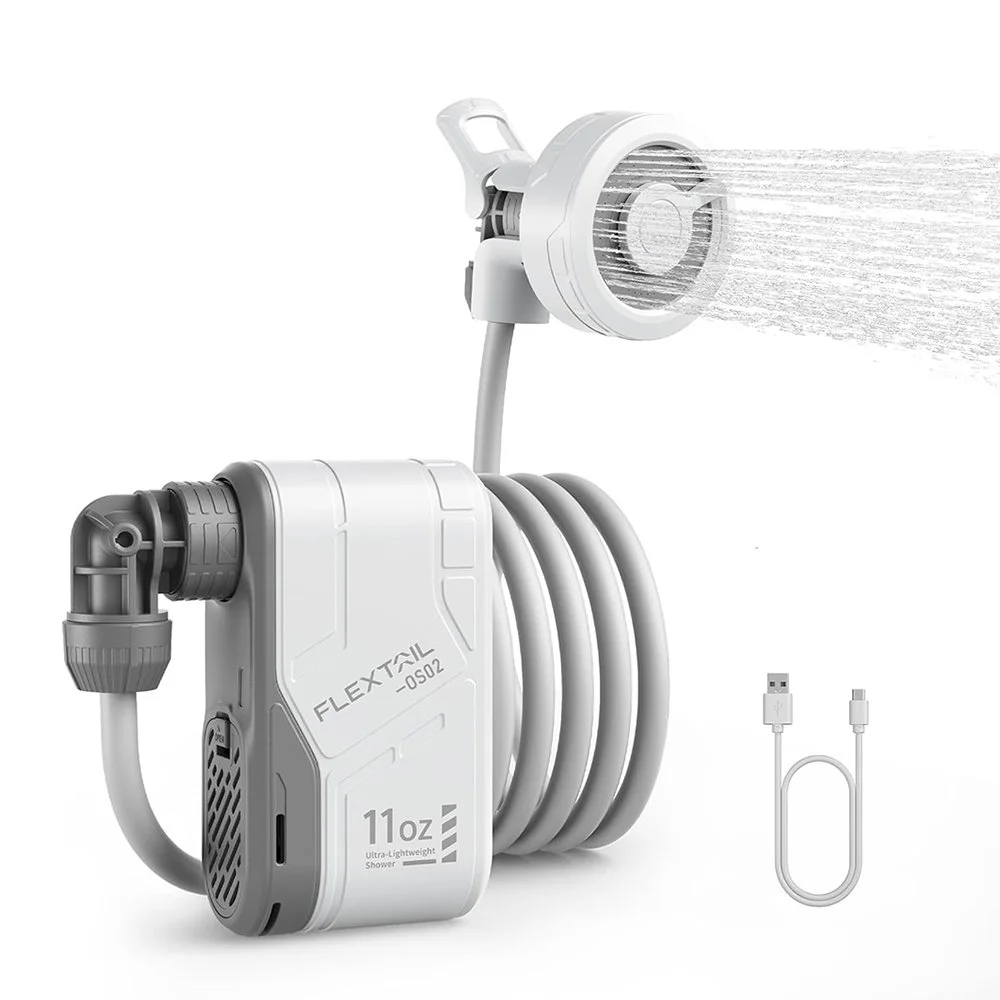
Portable shower pumps sit in a different lane. They are for rinsing where a hose or shower is inconvenient: camping, beach trips, muddy gear, pets, gardening, or light outdoor cleanup. They prioritize portability and controlled water delivery over surface-stripping force.
4. Can A Portable Shower Pump Replace A Pressure Washer?
For some jobs, yes. For many jobs, no.
It can replace a pressure washer if the real goal is rinsing. Examples include washing mud off boots, rinsing garden tools, cleaning sand from beach gear, spraying dust from patio chairs, rinsing a dog after a hike, or setting up a simple outdoor shower at camp.
It cannot replace a pressure washer for deep concrete cleaning, oil stains, paint removal, heavy mildew, thick algae, or large exterior surfaces. Those jobs need pressure, flow, detergents, attachments, and technique.
The #1752479 product is useful because many buyers say "pressure washer" when they actually mean "portable rinse water." Matching the tool to the job prevents disappointment.
5. Can I Use A Pressure Washer On A Car?
Yes, but carefully. Use a wide fan nozzle, keep distance from the surface, avoid damaged paint, avoid forcing water into seals or electrical areas, and do not use a pinpoint stream. High pressure too close to paint, trim, sensors, decals, or weatherstripping can cause damage.
For routine car rinsing, a lower-pressure setup may be enough. A portable pump can rinse dust, mud, salt residue, or camping dirt before a hand wash. It will not replace a foam cannon and full pressure washer setup for enthusiasts, but it can be safer and more practical for simple rinse tasks.
6. Can I Use A Pressure Washer On Wood Decking?
Yes, but this is one of the easiest places to cause damage. Wood can splinter, fuzz, streak, or absorb water if pressure is too high or the nozzle is too close. Softwoods are especially vulnerable.
Use a wide spray pattern, lower pressure, and test an inconspicuous area first. Move evenly with the grain when possible. Do not carve lines into the wood by hovering in one spot.
If the deck only needs dust, pollen, or loose dirt removed, start with sweeping and a gentle rinse. Save stronger pressure for buildup that actually requires it.
7. Can I Use A Pressure Washer On Siding?
Sometimes. Vinyl, brick, stucco, painted wood, fiber cement, and older surfaces all respond differently. Water can be forced behind siding, into seams, around windows, or into damaged areas. High pressure can strip paint or damage soft materials.
Start low, use the correct nozzle, and avoid spraying upward into overlaps. Keep distance. Be especially careful near electrical fixtures, vents, screens, and old caulk.
For dust and pollen on small areas, a gentler rinse may be safer. For algae or large exterior surfaces, consider surface-specific cleaners and professional help if the building material is delicate.
8. What Nozzles Do I Need?
Nozzles control spray width. A narrow nozzle concentrates force and increases damage risk. A wider fan spreads force and is safer for many household surfaces.
For beginners, the most useful nozzles are wide fan patterns for general cleaning, a soap nozzle if detergent is used, and sometimes a surface cleaner attachment for large flat concrete. Avoid using a zero-degree pinpoint nozzle on cars, wood, siding, painted surfaces, or anything delicate.
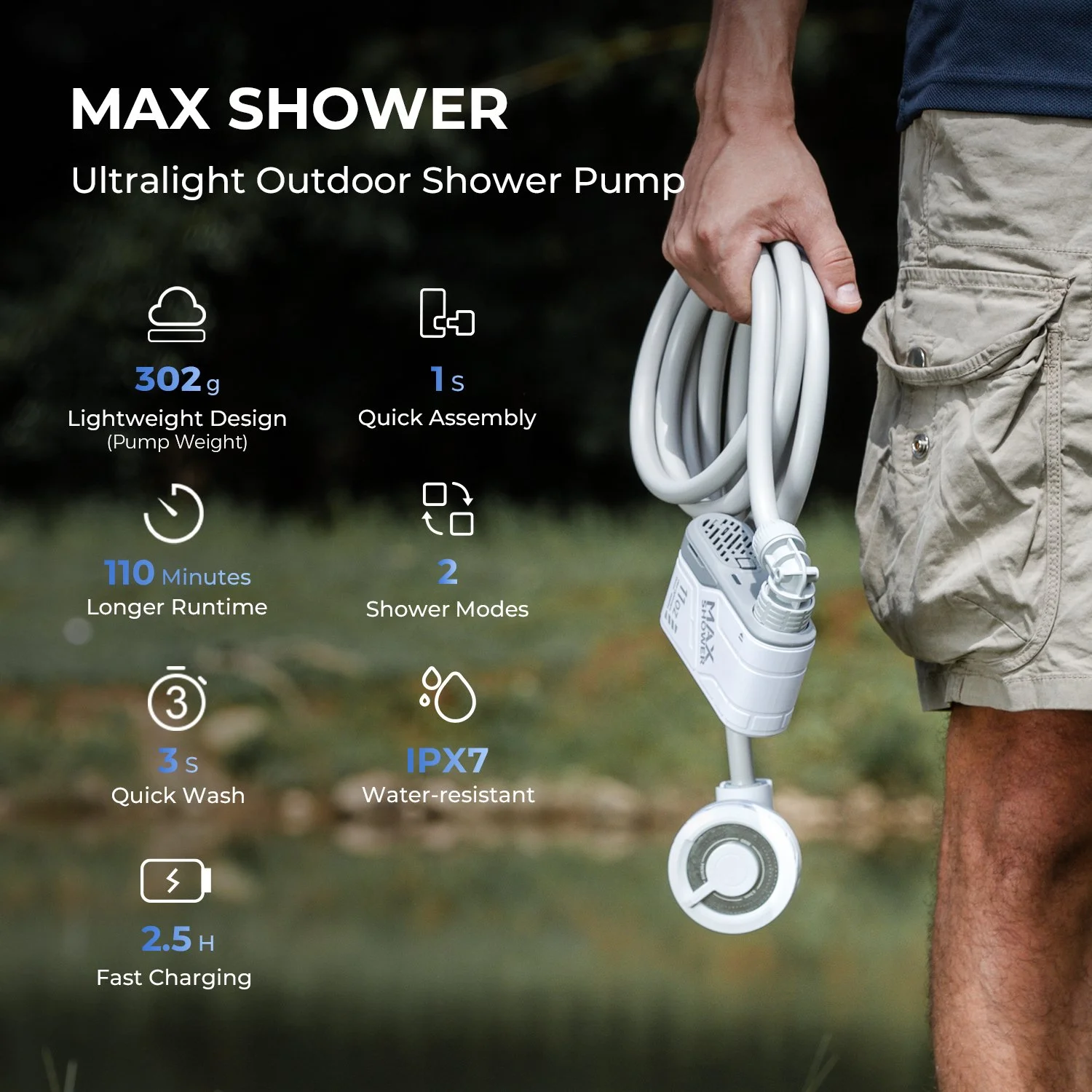
If using a portable rinse pump, the key question is simpler: does the spray pattern give enough control for rinsing without wasting water? Two flow modes can be more useful than one fixed output when switching between shower use, pet rinse, and gear cleanup.
9. Do I Need Detergent?
Not always. Loose dirt, pollen, fresh mud, and dust may rinse away with water. Grease, algae, mildew, oil, and stubborn residue often need a cleaner designed for that surface.
Use detergent carefully. More cleaner does not always mean better cleaning. It can leave residue, harm plants, damage surfaces, or require extra rinsing. Follow product directions and avoid mixing chemicals.
For portable rinsing, detergent is usually separate from the pump. Wash with a suitable soap if needed, then rinse with clean water. Do not assume every pump is designed to run soap through the motor or hose unless the product instructions allow it.
10. Is Hot Water Better?
Hot water can clean grease better, but most consumer pressure washers are cold-water machines. Running hot water through a machine not rated for it can damage seals, pumps, hoses, or fittings.
For a portable shower pump, water temperature limits matter too. If using warm water for outdoor showering, pet rinsing, or camping, follow the product guidance. Comfortable warm water is different from very hot water.
When in doubt, use cold or lukewarm water and let the cleaner do the work.
11. How Close Should I Hold The Nozzle?
Start farther away than you think. Move closer only if the surface needs more cleaning and shows no sign of damage. Distance changes the effective force dramatically.
On delicate surfaces, stay farther back and use a wider spray. On concrete, you can usually work closer, but even concrete can show streaking if passes are uneven.
For portable rinsing, close distance is less risky because the output is lower, but technique still matters. Hold the spray where water can drain away instead of forcing water into seams, vents, or openings.
12. Can I Clean Concrete With A Cordless Model?
Light surface dirt, fresh mud, and loose debris may come off with some cordless units. Deep stains, oil, old mildew, and large driveways usually need a stronger corded or gas pressure washer, proper detergent, or a surface cleaner attachment.
If concrete is your main job, buy for concrete. If your main jobs are camping gear, patio chairs, shoes, pets, and light rinsing, do not overbuy a heavy machine.
The #1752479 pump is not the right product for restoring a driveway. It is the right kind of product for portable rinsing where pressure would be unnecessary or inconvenient.
13. Is It Safe Around Pets?
A pressure washer should never be used directly on pets. High pressure can injure skin, eyes, ears, and paws. It can also frighten animals.
A portable shower pump is a better category for pet rinsing, but even then, use gentle flow, comfortable water temperature, and avoid spraying directly into ears, eyes, or nose. Let the pet stand on a stable surface. Stop if the animal is distressed.
For muddy paws, a gentle rinse and towel dry may be all that is needed. Use the lowest practical flow.
14. Can I Use It Indoors?
Pressure washers are outdoor tools. Indoor use can damage drywall, flooring, outlets, cabinets, and furniture. Even a portable pump should be used indoors only in an appropriate wet area with drainage, such as a shower or utility sink setup, and only if the product instructions support that use.
The safest assumption is simple: use pressure washers outside and use portable pumps where water can drain safely.
15. What Maintenance Does A Pressure Washer Need?
After use, disconnect the water supply, release pressure, drain hoses, inspect nozzles, and store accessories together. Electric units need dry storage and cord care. Gas units need fuel and oil maintenance. Pumps may need winter protection if freezing temperatures are possible.
Filters and inlet screens should be checked because debris can reduce flow or damage the pump. Hoses should be inspected for cracks or leaks. Fittings should not be forced.
For a portable pump, maintenance is simpler but still important. Rinse with clean water after dirty use, dry components before storage, protect the battery or electrical parts according to the manual, and avoid storing the hose wet in a sealed bag for long periods.
16. What Does IPX7 Mean?
IPX7 is a water-resistance rating. In general, it indicates protection against temporary immersion under defined test conditions. It does not mean a product is indestructible, suitable for every water situation, or safe to misuse electrically.
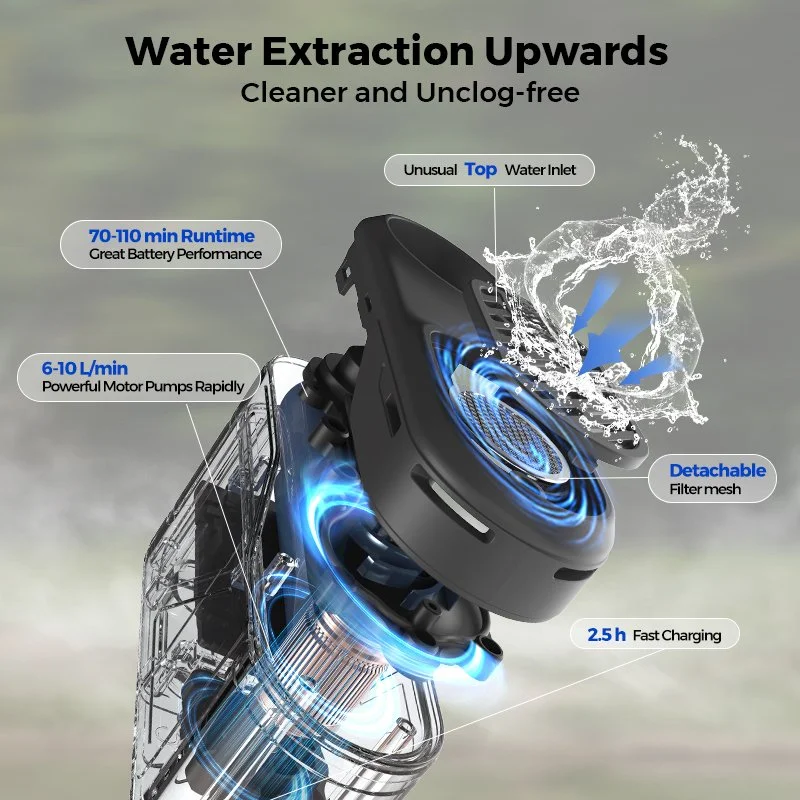
For #1752479, the IPX7 waterproof positioning is relevant because outdoor rinse and shower use exposes the pump to water. Still, users should follow charging, storage, and operating instructions. Waterproofing supports the use case; it does not remove the need for care.
17. What Should I Buy First?
Buy based on the top three jobs you will actually do.
If the jobs are driveway, sidewalk, stone patio, and heavy outdoor grime, choose a real pressure washer with enough pressure and flow for hard surfaces. Consider a surface cleaner attachment if the flat area is large.
If the jobs are car rinsing, bikes, outdoor furniture, camping gear, beach sand, muddy shoes, pet rinsing, and garden tools, a portable rinse setup may be more useful. It is easier to carry, simpler to store, and less aggressive.
If the jobs are mixed, you may eventually need both categories: a pressure washer for hard surfaces and a portable pump for gentle rinse tasks.
18. What Are The Biggest Beginner Mistakes?
The first mistake is buying too much pressure. More force can damage surfaces and make cleaning less controlled.
The second mistake is using the wrong nozzle. A narrow spray can cut lines, strip paint, or damage wood.
The third mistake is cleaning without testing. Always test a hidden area before committing to a visible surface.
The fourth mistake is ignoring water direction. Do not force water behind siding, into vents, under shingles, or into electrical openings.
The fifth mistake is expecting one tool to do every outdoor job. Pressure washers and portable shower pumps solve different problems.
The sixth mistake is poor storage. Hoses, nozzles, batteries, and fittings need a clean, dry home so the tool is ready next time.
Surface-By-Surface Starting Points
A beginner should not start with the strongest setting. Start with the surface.
For concrete, pavers, and stone, a true pressure washer is often useful, but even hard surfaces can streak if the wand is held unevenly. Work in overlapping passes, keep the nozzle moving, and test detergents before covering a large area. Oil stains, rust, and old algae usually need more than water pressure.
For wood decks and fences, start with cleaning solution, dwell time, and a wide rinse rather than brute force. Too much pressure raises grain, cuts lines, and leaves a fuzzy surface that may need sanding. Older wood, soft wood, and previously painted or stained wood deserve extra caution.
For vinyl siding, the biggest risk is water direction. Spraying upward can push water behind laps and trim. Keep the spray downward or straight-on where appropriate, avoid seams, and stay away from exterior outlets and fixtures. For tall siding, do not stretch from a ladder while controlling a pressure washer; that is a stability risk.
For cars, motorcycles, and bikes, think rinse rather than blast. Use wide spray, safe distance, and suitable soap. Avoid bearings, sensors, decals, paint chips, seals, chains, and electrical components. A portable pump or gentle hose rinse may be enough for light mud and dust.
For patio furniture, material decides the method. Plastic chairs may tolerate a stronger rinse than wicker, fabric cushions, painted metal, or wood. Remove cushions first, rinse loose dirt, and clean fabric according to care labels.
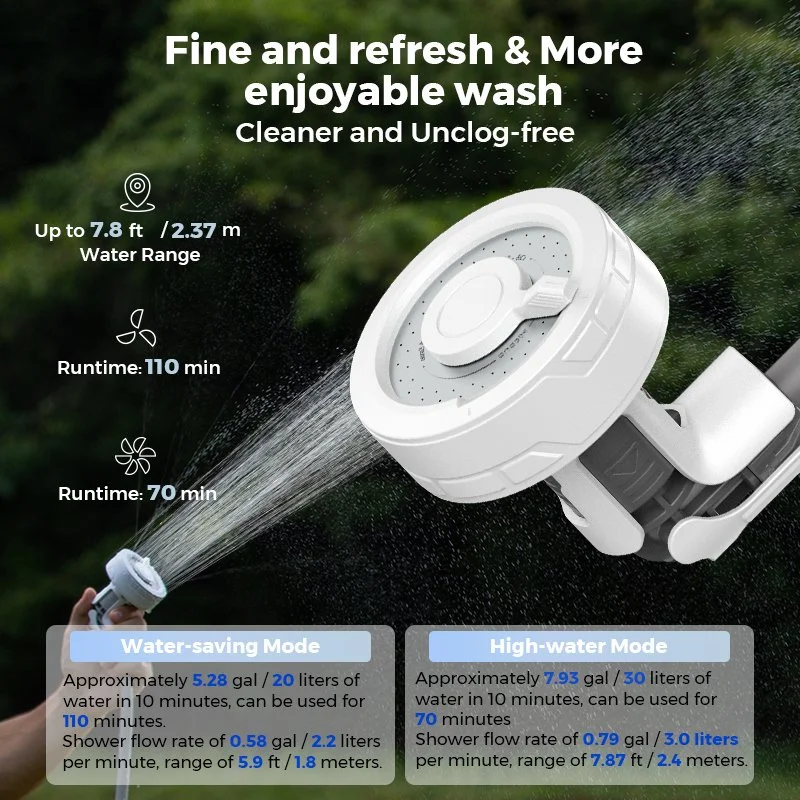
For pets, do not use pressure-washer force. Use a gentle rinse category, comfortable water temperature, and calm handling. This is one of the clearest places where the #1752479 portable shower pump is a better fit than a pressure washer.
Before You Pull The Trigger
A good outdoor clean starts before water turns on.
Clear the area first. Move lightweight furniture, mats, toys, planters, extension cords, and anything that could trap dirty water. Sweep loose debris. If leaves, gravel, and twigs are left in place, the spray scatters them and creates more cleanup.
Protect nearby items. Close windows. Check door thresholds. Cover or avoid outdoor outlets. Move potted plants if detergent will be used. Keep people and pets out of the spray area. Pressure washer injuries are serious because water can cut skin at close range.
Plan drainage. Dirty water needs somewhere to go. Avoid pushing muddy runoff toward doorways, garages, basements, pools, ponds, or planted beds that could be damaged by detergent. For portable pump rinsing, drainage still matters, especially at campsites, balconies, patios, and apartment entries.
Set the nozzle and test. Use a wide pattern first. Test a hidden area. Watch for paint lifting, wood fuzzing, surface whitening, streaking, water intrusion, or unexpected looseness. If the surface changes quickly, stop and reduce force.
Work in sections. Large surfaces become uneven when cleaned randomly. Start at one edge and move methodically. Rinse from clean areas toward dirty or draining areas so residue does not flow back over finished work.
Water Access, Buckets, And Remote Cleaning
Many outdoor cleaning problems are really water-access problems. A full-size pressure washer usually needs a reliable hose connection and enough water flow. If the home has a weak spigot, long hose run, shared apartment water source, or no outdoor tap, the machine may be inconvenient even if it is powerful.
Cordless pressure washers and portable pumps appeal because they can draw from buckets, tanks, or other containers depending on design. That opens use cases a traditional machine does not solve well: rinsing gear at a campsite, cleaning beach sand before loading the car, washing muddy shoes in a parking area, rinsing garden tools away from the house, or setting up a temporary outdoor shower.
Water volume is the tradeoff. A bucket does not last forever. A portable pump can make limited water more controlled, but it will not create endless cleaning capacity. For a quick pet rinse, gear rinse, or hand-shower setup, that may be enough. For a driveway, it is not.
This distinction should be clear in product content. A buyer choosing #1752479 should understand that its value is portability, controlled flow, two modes, and water access away from a fixed shower or hose. It is not a substitute for a high-flow pressure washer on large surfaces.
Safety And Storage Checklist
Outdoor cleaning tools last longer when they are stored deliberately.
After pressure washing, turn the machine off, release pressure, disconnect water, and drain the hose. Let accessories dry before sealing them in a box. Store nozzles together so the next session does not start with missing parts. If freezing weather is possible, follow winterization instructions because trapped water can damage pumps and fittings.
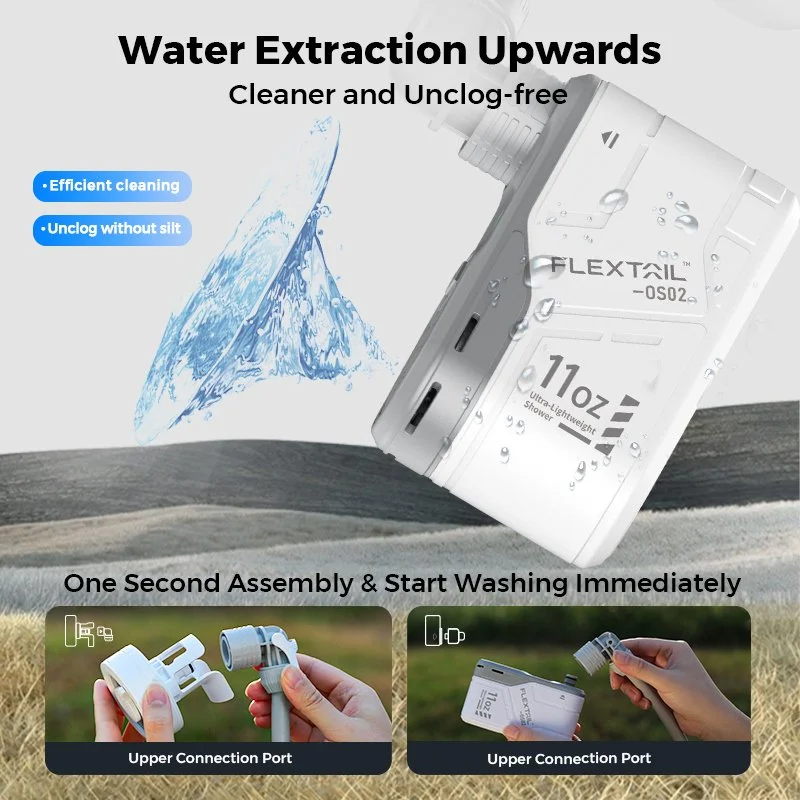
For gas machines, storage also includes fuel and oil care. For electric machines, keep cords dry and inspect them for damage. For cordless tools and portable pumps, battery care matters. Charge according to instructions, avoid storing wet electrical components, and keep charging ports clean.
For the portable shower pump category, rinse dirty water out of the hose, dry the shower head and hose, and avoid storing the system in a closed wet bag. If the pump was used around sand, mud, or pet hair, clean it before those materials dry into the fittings.
A simple storage bin can hold the pump, hose, shower head, charging cable, towel, and a small brush for cleaning parts. That makes the product more useful because the entire rinse kit is ready for the next trip, garden day, or muddy cleanup.
Quick Decision Guide
Choose a pressure washer if you need to clean concrete, driveways, patios, large decks, exterior surfaces, or stubborn buildup.
Choose a cordless pressure washer if you need moderate cleaning away from outlets and accept shorter runtime and lower power.
Choose a portable shower pump if you need controlled rinse water for camping, pets, beach gear, gardening, outdoor furniture, muddy shoes, bikes, or quick cleanup where high pressure is unnecessary.
Choose a bucket, brush, and hose if the job is small, delicate, and close to a water source.
The right outdoor cleaning tool is the one that matches the surface, dirt level, water access, and storage reality.
After purchase, do a first test on the easiest job, not the hardest one. Rinse a small tool, chair, mat, or hidden corner before committing to a car, deck, or wall. The first session should teach you flow, distance, battery/runtime behavior, and cleanup steps.
Where The Matched Product Fits
The Portable Electric Outdoor Shower Pump - IPX7 Waterproof, 2 Flow Modes (#1752479) fits this FAQ as the gentle-rinse alternative to a pressure washer. Its product details describe a portable electric pump, waterproof positioning, and two flow modes for outdoor showering and rinse use.
It is best framed for camping, outdoor shower setups, beach rinse stations, muddy shoes, garden tools, bikes, pets, and light patio-furniture rinsing. It should not be framed as a driveway pressure washer or a paint-stripping tool.
This honest positioning is useful for readers because many outdoor cleaning needs are not pressure-washing needs. If the mess is loose dirt and the problem is water access, a portable pump can be more practical than a heavy machine. If the mess is embedded grime on hard surfaces, a true pressure washer is the better purchase.
Final Recommendation
Before buying, name the surface, the dirt, the water source, and the risk of damage. Cars, pets, camping gear, outdoor furniture, and delicate surfaces need controlled rinsing. Concrete and heavy buildup need real pressure-washing capability. Wood, siding, and painted surfaces need caution.
For this article, the best matched product is the Portable Electric Outdoor Shower Pump - IPX7 Waterproof, 2 Flow Modes (#1752479). It belongs in the low-pressure outdoor rinse category, not the heavy pressure-washer category. That makes it useful when portability, gentle flow, and water access matter more than stripping force.
The smartest outdoor cleaning purchase is not always the most powerful tool. It is the tool you can use safely on the surfaces you clean most often.
Browse Outdoor Cleaning products