Article
Toys For Lazy Cats: How To Get A Low-Energy Cat Moving Without Forcing It
Quick Answer
Toys For Lazy Cats: How To Get A Low-Energy Cat Moving Without Forcing It: quick answer
Many owners describe their cat as lazy because the cat ignores toys, sleeps most of the day, watches wand play without moving, or bats once and quits....
- Topic: Cat Play.
- Related product category: pet-toys.
- This article uses one relevant product insertion and keeps the main answer in the article copy.
A Lazy Cat Is Not Always Just Lazy
Many owners describe their cat as lazy because the cat ignores toys, sleeps most of the day, watches wand play without moving, or bats once and quits. Sometimes that is personality. Some cats are naturally calm, cautious, older, heavier, or less interested in high-speed play. But "lazy" can also mean the toy is wrong, the timing is wrong, the room feels unsafe, the cat is overweight, the cat is bored with the same routine, or the cat has discomfort that makes movement less appealing.
The goal is not to turn a quiet cat into an athlete. The goal is to create small, repeatable movement that feels rewarding. For an unmotivated cat, five good minutes can matter more than a dramatic play session. A low-energy cat may need toys that begin close to the body, move unpredictably with little effort, hide like prey, include food motivation, or let the cat play without constant pressure from a person.
This is where lazy-cat toy selection becomes different from ordinary cat toy advice. Fast feather wands, laser pointers, and rolling balls may work for playful cats, but a couch cat often needs a slower invitation. The toy has to earn the first glance, then the first paw tap, then the first step off the cushion. If the toy demands a full chase immediately, the cat may decide it is not worth the effort.
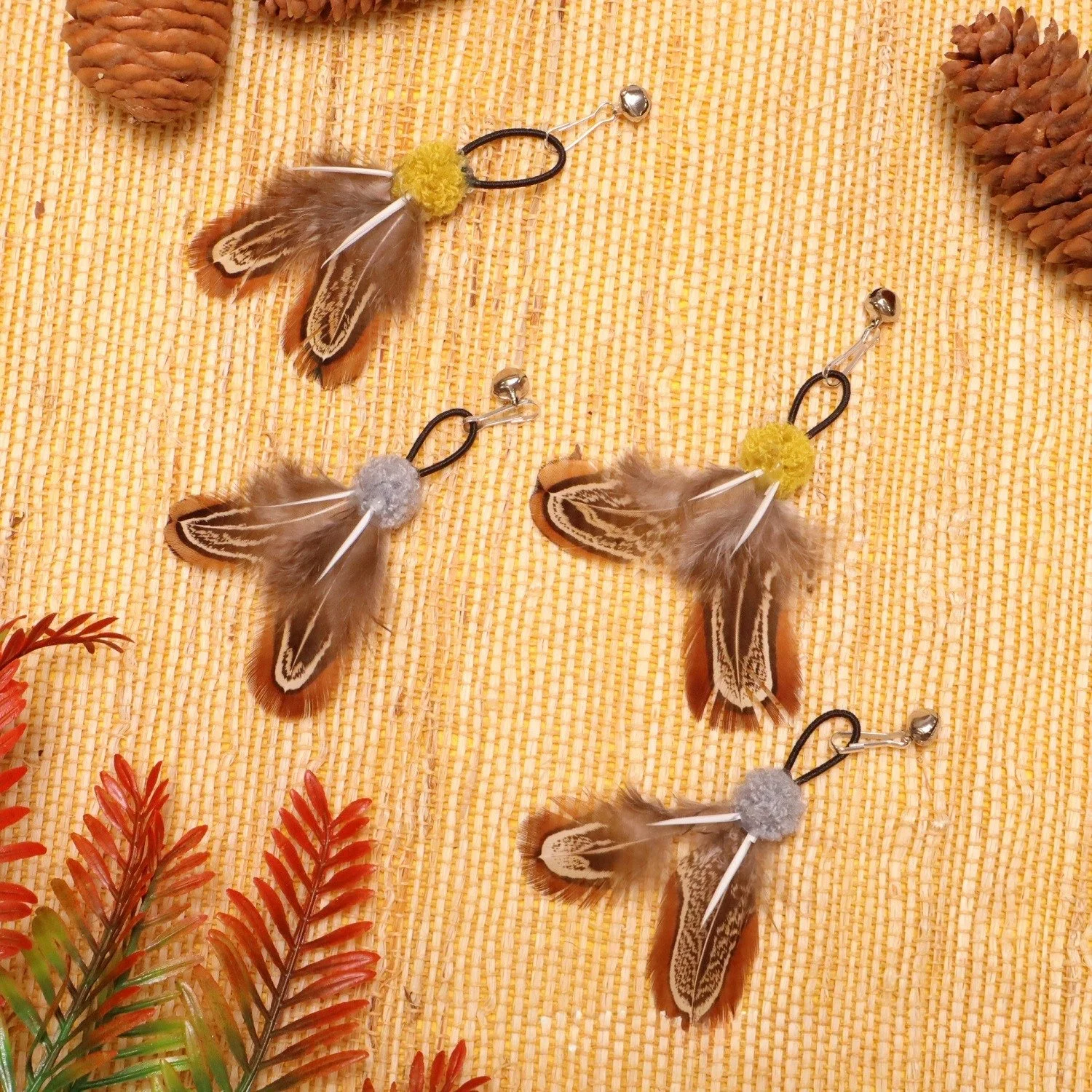
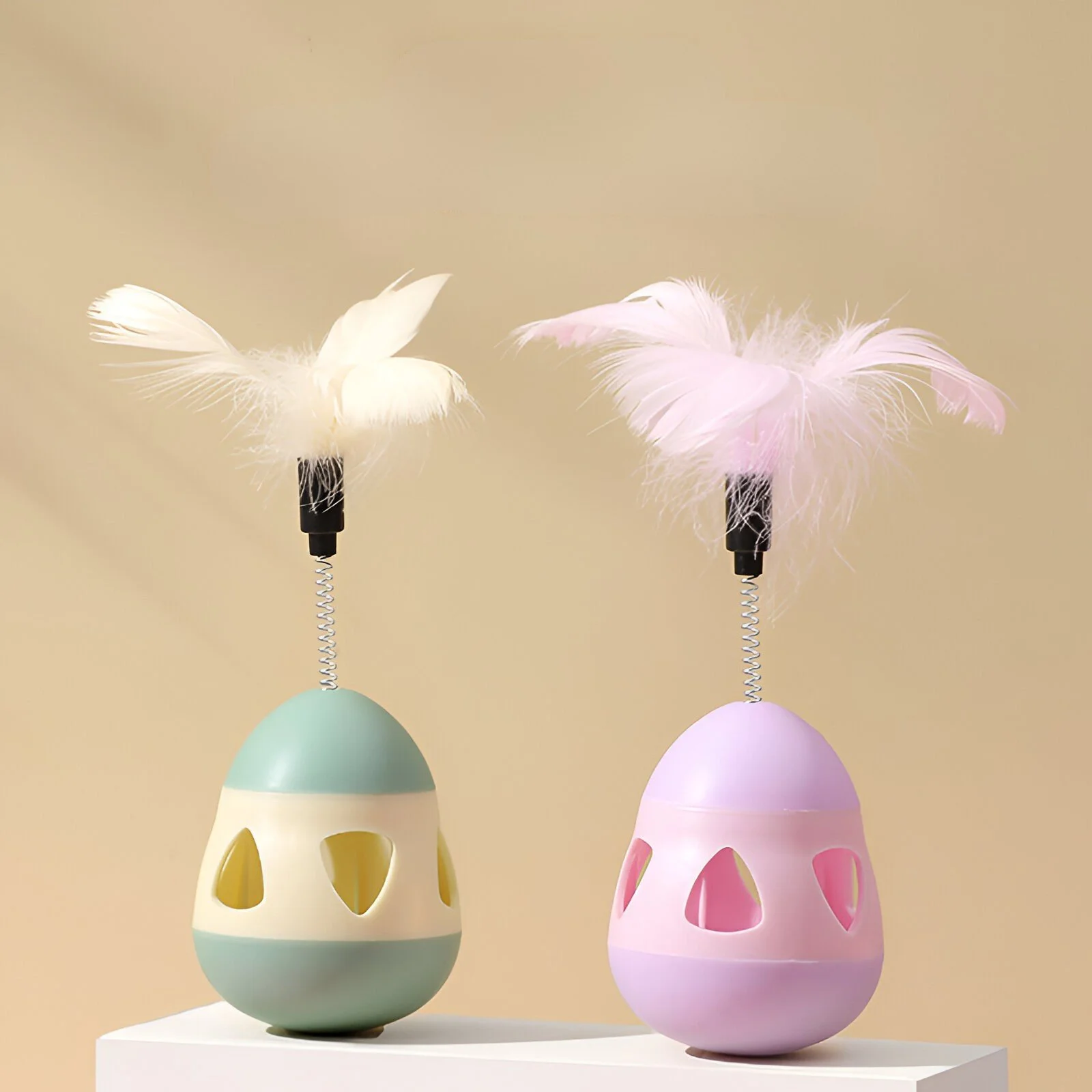
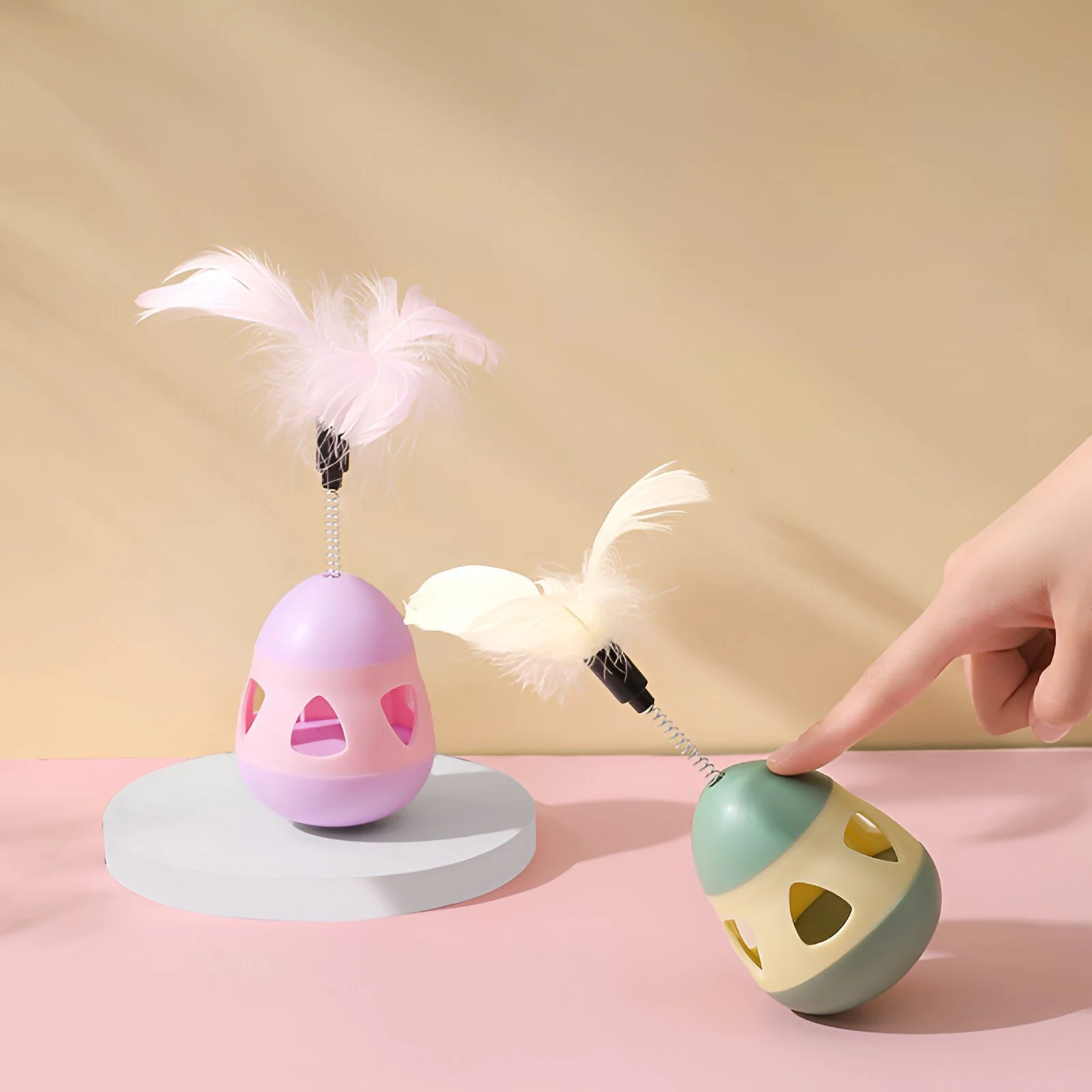
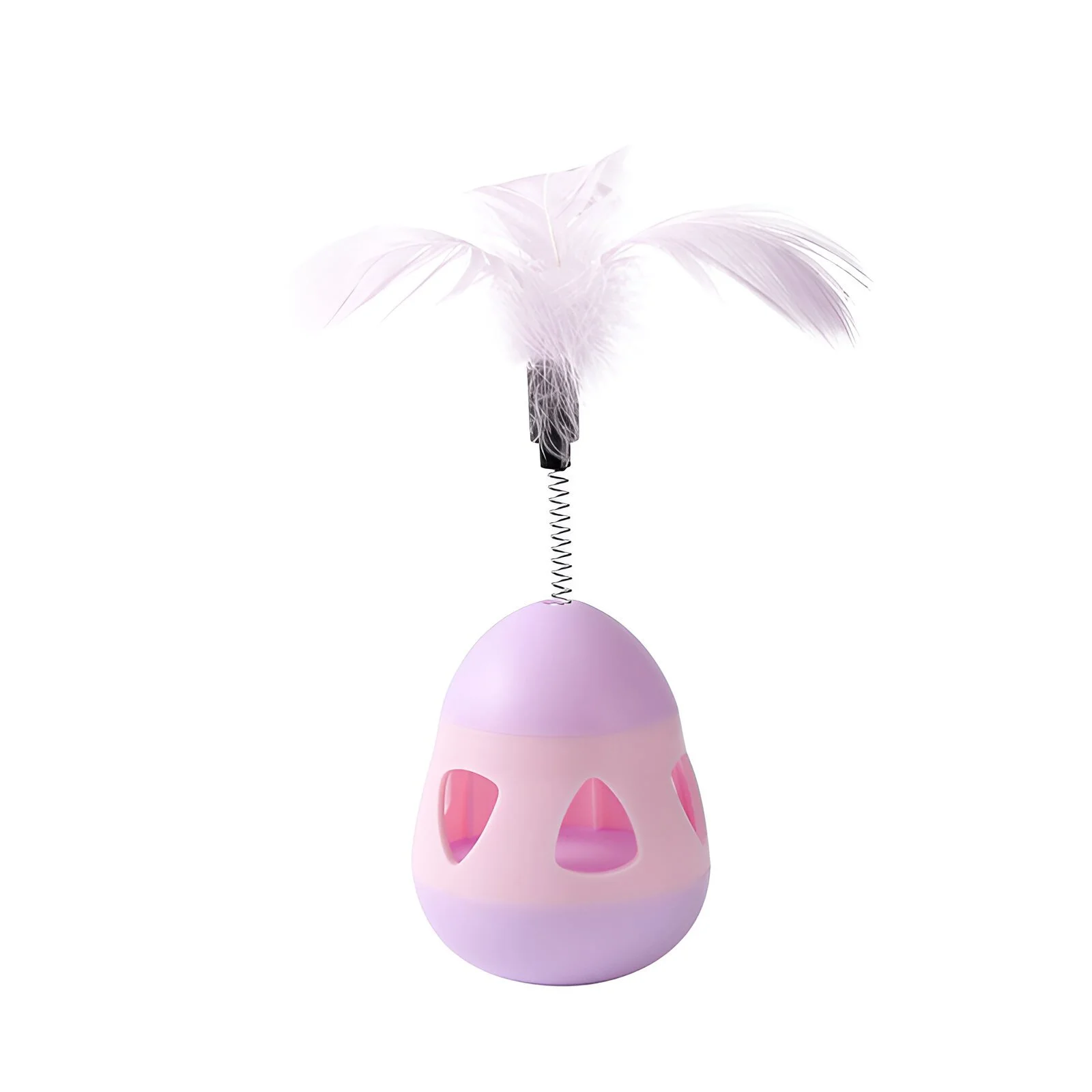
The Interactive Cat Toy Tumbler with Feather Teasers - Self-Exciting, Boredom-Busting Fun (#1797435) is the matched product for this article because its wobbling tumbler design can create movement without batteries, and the feather teasers give the cat a visible target. It is not a magic fix for inactivity, but it fits the right strategy: low-pressure, short-distance engagement that a reluctant cat can approach on its own.
First, Identify The Kind Of Low-Energy Cat
Before buying or making toys, identify what kind of "lazy" you are dealing with. A cat that is relaxed and healthy needs a different plan from a cat that is fearful, overweight, bored, sore, or overstimulated.
A relaxed low-energy cat may play briefly and then nap. This cat is not necessarily a problem. It may respond to short sessions, soft movement, and predictable routines. The goal is daily consistency, not intensity.
A cautious cat may look lazy because it watches instead of chasing. It may need hiding spots, slower toy movement, and more distance from people. If the toy comes too close too fast, the cat freezes. For this cat, moving the toy behind furniture or near a box often works better than waving it in open space.
An overweight cat may want to play but tire quickly. This cat needs low-impact movement, food puzzles, and gradual increases. Jumping games are not the first step. A few steps across the room for kibble can be a better start than a high-energy wand session.
A bored cat may ignore toys because the pattern never changes. If the same feather wand moves the same way every night, the cat may stop caring. The fix is not always a new toy. Sometimes it is a new route, new timing, or hiding the toy before it reappears.
A sore or medically uncomfortable cat may avoid play because movement hurts. If a cat suddenly becomes inactive, stops jumping, hides more, limps, overgrooms, eats less, or seems different, toys are not the first answer. A veterinarian should rule out pain or illness.
Once you know the type, the toy plan becomes more accurate. Lazy-cat play is not about pushing harder. It is about lowering the entry cost.
The Best Toy Qualities For Lazy Cats
Lazy cats usually respond better to toys with three qualities: low effort, visible reward, and unpredictable movement. The toy should not require a long sprint before the cat gets a satisfying catch.

Low effort means the cat can start from where it already is. A toy placed near the couch, cat tree, window perch, or favorite rug has a better chance than one tossed across the room. Many cats need the first interaction to happen within paw reach. Once interest begins, the toy can move farther away.
Visible reward means the cat can tell what it is chasing. Feathers, soft tails, rolling balls, crinkle textures, or treat movement can help. A lazy cat may not chase something subtle. It needs enough motion to notice but not so much that the target feels impossible.
Unpredictable movement is important because cats are hunters, not treadmill users. A toy that wobbles, rolls slightly, pauses, or tips back can be more interesting than a toy that moves in a straight line. The #1797435 tumbler fits this pattern because it can wobble back after being tapped, giving the cat a small reaction for a small effort.
Good lazy-cat toys are also safe for the way the cat actually uses them. A cat that chews feathers needs supervision. A cat that swats and walks away may be fine with short solo access to a sturdy track toy. A cat that eats string should never have string toys left out.
The best toy is not the most exciting toy in the store. It is the toy that creates one more step, one more paw tap, one more pounce, or one more minute of attention without creating stress.
Strategy 1: Use Food To Start Movement
Food is often the most reliable motivator for an unmotivated cat. That does not mean bribing the cat with endless treats. It means using part of the cat's normal food to create movement and problem solving.
Start with scatter feeding. Toss one piece of kibble a short distance across the floor. Let the cat walk to it. Then toss another piece in a different direction. Keep the distance small at first. A couch cat may not cross the whole room on day one, but it may take three steps for food.
Food puzzles can help too. A toilet paper roll puzzle, muffin tin, puzzle tray, or treat ball can make meals slower and more active. The puzzle should be easy enough that the cat succeeds quickly. If the cat gives up, paws angrily, or chews the object instead of working it, make the puzzle simpler.
Use food to end play as well. A short toy session followed by a small meal can satisfy the natural sequence of hunt, catch, eat, groom, and rest. For low-energy cats, this sequence matters because play feels more complete when it ends with something real.
Be careful with calories. Use the cat's regular food where possible. If treats are used, reduce meal portions accordingly. A lazy cat may already be at risk for weight gain, so enrichment should not quietly become overfeeding.
Food is not a lazy shortcut. It is a bridge. Once the cat learns that movement pays off, you can add more toy-based play before the food reward.
Strategy 2: Start The Game Where The Cat Already Is
Many owners accidentally make play too hard at the first step. They stand in the middle of the room, wave a toy, and expect the cat to get up. A low-energy cat may simply watch. The owner decides the cat is lazy, but the real problem is that the first move was too expensive.

Start next to the cat's favorite resting place. If the cat lies on the sofa, bring the toy to the sofa. If the cat sleeps near a window, start there. If the cat spends evenings on a rug, use that spot. Let the cat bat while lying down. This still counts.
Once the cat is engaged, move the toy six inches farther away. Then one foot. Then behind the edge of a blanket. The cat may stretch, shift position, stand, take a step, and then pounce. That is the progression you want.
The #1797435 tumbler can work well here because it does not require the owner to create constant motion. Place it near the cat, tap it lightly so the feather moves, then let the cat decide. If the cat swats it once and watches it wobble back, that is a useful start. The toy gives feedback without demanding a full sprint.
Do not punish disinterest by pushing the toy into the cat's face. That usually reduces interest. A toy should act like prey: available, evasive, and interesting, not aggressive.
For the laziest cats, the first goal may be one paw tap per session. Build from there. Small wins repeated daily create more change than one forced long session.
Strategy 3: Make The Toy Hide
Lazy cats often ignore toys in open space because nothing about the scene feels like hunting. A feather lying in the middle of the floor is not very convincing. A feather that disappears behind a box, blanket, chair leg, or paper bag becomes more interesting.
Hiding creates curiosity. Move the toy slowly along the floor, let it vanish behind an object, pause, and then let only part of it reappear. Many cats that refuse to chase a toy in open space will stalk when the toy is partially hidden.
Use furniture safely. Drag a wand toy around the outside of a chair, under the edge of a towel, behind a cardboard box, or along the side of a couch. Avoid narrow spaces where the cat may crash, twist, or get stuck.
For a tumbler toy, use placement instead of string movement. Put the toy beside a box or near the corner of a rug so the feathers are partly visible. A lazy cat may be more likely to investigate when the toy feels like something discovered, not something presented.
Pause more than you think you should. Owners often move toys constantly, but real prey does not perform nonstop. A lazy cat needs time to watch, decide, and prepare. The pounce may happen after ten seconds of stillness.
The hiding strategy is especially useful for cautious cats. It lets the cat control distance. Instead of being asked to run into the open, the cat can stalk from cover.
Strategy 4: Play At The Cat's Active Window
Timing can be the difference between success and failure. Many cats are naturally more active around dawn and dusk. Some have a short evening window after dinner. Others become alert when the house gets quiet. If you keep trying at noon while the cat is deep asleep, the toy may not be the problem.
Watch the cat for several days. Notice when it wanders, scratches, looks out the window, follows people, vocalizes, or suddenly runs through the house. That is the play window. Use it.
Keep the session short. A low-energy cat may only engage for three to seven minutes. Stop before the cat walks away completely. Ending while the cat still has interest makes the next session easier.
If the cat gets active at inconvenient times, shift the routine gradually. Add a small play session before the time you want the cat to settle. Follow it with food. This can help redirect some nighttime activity into a more predictable pattern.
Do not wake a sleeping cat just to force exercise. Sleep is normal and necessary. The right window is when the cat is awake enough to notice but not already overstimulated.
Automatic or self-moving toys should also be timed. Leaving them out all day can make them boring. Bring out #1797435 during a known active window, let the cat interact for a short period, then put it away. Rotation preserves novelty.
Strategy 5: Use Low-Impact Movement
A lazy cat does not need repeated jumping. Low-impact movement is usually better: walking, reaching, batting, turning, stretching, stepping over a low object, or pouncing a short distance. This is especially important for senior cats, overweight cats, or cats that have been inactive for a long time.
Roll a toy slowly across the floor instead of throwing it. Drag a feather along the baseboard instead of whipping it through the air. Place a treat on a low step instead of asking for a jump. Use a tunnel or box to encourage walking through, not leaping over.
Short-distance play can still be meaningful. If the cat walks from the couch to the rug five times during a session, that is exercise. If the cat bats a tumbler toy and changes position to follow it, that is movement. If the cat reaches from behind a box and then steps out to capture the target, that is progress.
Avoid slippery floors for chase games. Cats can slide, twist, and lose confidence. Rugs, mats, carpet runners, and stable surfaces make movement safer and more appealing.
For very low-energy cats, use levels carefully. A toy on the floor may be ignored, while the same toy on a low ottoman is reachable. But high shelves, fast jumps, and repeated vertical play should wait until the cat is stronger and more willing.
The point is to build tolerance. You are not testing how much the cat can do. You are creating a routine the cat can repeat tomorrow.
Strategy 6: Let Some Toys Work Without You
Interactive play with a person is valuable, but not every lazy-cat toy needs constant owner movement. Some cats become more willing to play when they do not feel watched or pressured. Self-directed toys can help, as long as they are safe.
Track toys, wobble toys, treat puzzles, sturdy kickers, and some ball toys can encourage independent interaction. The toy should respond to small touches. A lazy cat is unlikely to keep working a toy that gives no feedback.
The #1797435 tumbler is a good fit for this role because its wobbling base and feather teasers can react when the cat taps it. It requires no batteries, which keeps the movement simple and avoids some cats' fear of motor noise. It can be used for solo play under reasonable observation, then put away if the cat chews feathers or parts.
Self-play does not replace human play. It fills gaps. A cat may bat a tumbler toy during the day, then still need a short wand session in the evening. Different toy types serve different emotional and physical needs.
Rotate self-play toys. If the same object sits in the same place for weeks, it becomes furniture. Bring it out for specific windows, move it to a new safe location, and store it between sessions.
Observe privately if needed. Some cats play when people are not staring. Leave the toy in a safe visible area and check later whether it moved. A toy found across the room is information. The cat may be more active than you think.
Strategy 7: Pair Play With Comfort, Not Pressure
Lazy-cat play fails when it becomes a negotiation. The owner gets frustrated, the cat senses pressure, and the toy becomes part of an unpleasant routine. Low-energy cats often need play to feel easy and optional at the start.
Use a calm voice. Sit on the floor or nearby furniture instead of looming over the cat. Move the toy away from the cat rather than toward the cat. Give the cat room to approach.
Reward small engagement. A glance, ear movement, paw stretch, or body shift can be the beginning. Do not dismiss it because it is not a chase. For cautious or low-drive cats, interest comes before movement.
Avoid overstimulation. Some cats quit because the game gets too intense too quickly. Watch the tail, ears, pupils, breathing, and body tension. If the cat switches from playful focus to irritation, slow down or stop.
Do not use hands as toys. A lazy cat may seem harmless when batting gently from the couch, but hand play can create biting habits. Use a toy with distance, such as a feather wand, tumbler, or kicker.
Comfort also includes the room. Loud TV, other pets, children running, or a blocked exit can reduce play. A quiet predictable space often makes a lazy cat more willing to move.
Toy Types That Usually Work For Lazy Cats
Treat puzzles are often the first successful category. They turn food into movement and give a clear reward. Start easy, then increase difficulty slowly.
Wobble toys are useful because the cat can activate them with one tap. A tumbler-style toy gives motion without asking for a long chase. This is why #1797435 fits the article better than a high-speed electronic toy.
Feather toys work when moved slowly and hidden well. The feather should act like prey, not a fan. Short fluttering, dragging, pausing, and disappearing usually work better than constant waving.
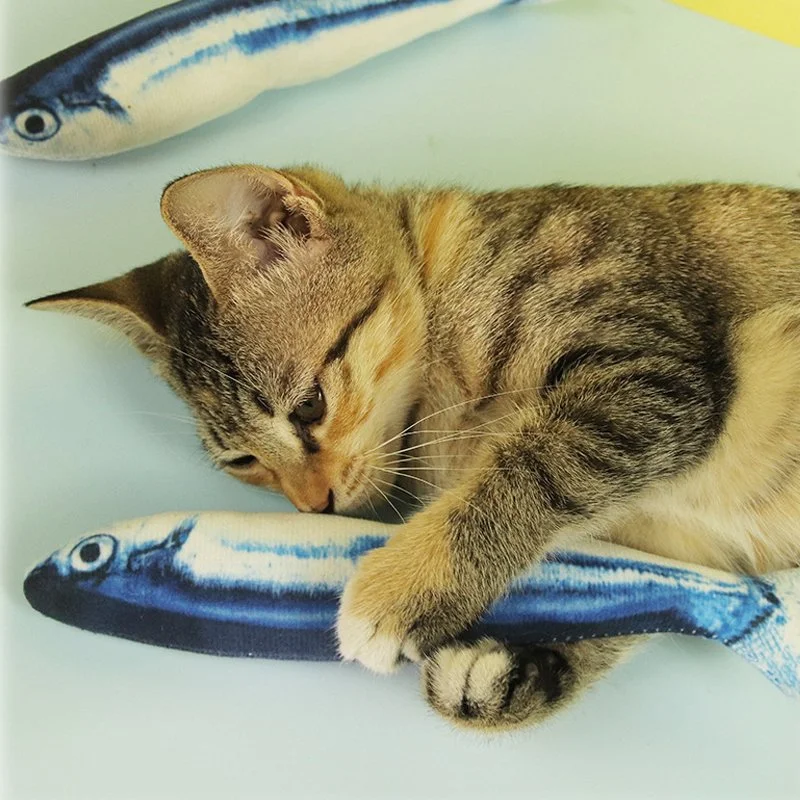
Kicker toys help cats that prefer wrestling to chasing. A cat that refuses to run may still grab and bunny-kick a soft toy. This is still exercise and stress relief.
Boxes and tunnels help hesitant cats. They create cover and make play feel safer. A lazy cat may become more active when it can ambush from a protected spot.
Window perches and visual enrichment do not create much physical exercise, but they support mental stimulation. For some low-energy cats, a window routine plus short play is more realistic than trying to create intense daily workouts.
The right setup often combines categories: a food puzzle for motivation, a wobble toy for independent movement, and a feather or wand toy for shared hunting.
When A Lazy Cat Needs A Vet Check
Toy strategy has limits. If a cat used to play and suddenly stops, do not assume it is just becoming lazy. Changes in activity can be connected to pain, dental problems, arthritis, obesity, heart or breathing issues, digestive discomfort, stress, or other medical concerns.
Watch for warning signs: hiding more than usual, reduced appetite, litter box changes, limping, stiffness, reluctance to jump, aggression when touched, overgrooming, weight change, coughing, heavy breathing, or unusual vocalizing. These signs deserve veterinary attention.
Older cats often reduce jumping before owners notice pain. They may still eat and cuddle, but avoid stairs, high perches, or fast play. A low-impact toy plan can help comfort, but it should not replace medical evaluation.
Overweight cats need careful exercise plans. Rapid weight loss is dangerous for cats. Food puzzles and movement games should be paired with a sensible feeding plan from a veterinarian, not random treat-heavy play.
If the cat is healthy but low-energy, then toy work is worthwhile. If the cat is uncomfortable, no toy will solve the real issue. Good enrichment starts with respecting the cat's body.
A Seven-Day Lazy Cat Play Plan
On day one, observe. Do not change everything. Write down when the cat naturally gets up, where it rests, what room it prefers, and what objects already attract attention.
On day two, introduce food movement. Scatter a few pieces of regular food near the cat, then slightly farther away. Keep it easy. The goal is participation.
On day three, add a hiding element. Use a box, paper bag without handles, or blanket edge. Move a feather or small toy behind it and pause. Watch whether the cat's eyes and ears follow.
On day four, introduce a low-effort self-play toy such as the #1797435 tumbler. Place it near a favored resting spot during an active window. Tap it lightly once, then stop interfering. Let the cat investigate.
On day five, try a short wand or feather session. Keep the toy on the floor, move slowly, and allow catches. Stop after a few good interactions.
On day six, combine play with feeding. Use two or three minutes of chase or batting, then offer part of the meal in a simple puzzle.
On day seven, review what worked. Did the cat respond to food, feathers, hiding, wobbling, or quiet timing? Keep the winning categories and drop the rest for now.
This plan is intentionally modest. Lazy cats often improve through routine, not dramatic breakthroughs.
Final Recommendation
The best toys for lazy cats are low-pressure toys that make the first movement easy. Start close to the cat, use food wisely, hide the toy like prey, work during the cat's natural active window, and reward small progress. A five-minute session can be a real success if it happens consistently.
The best matched product for this article is the Interactive Cat Toy Tumbler with Feather Teasers - Self-Exciting, Boredom-Busting Fun (#1797435). It has five product images and fits low-energy cats because the wobbling design reacts to small paw taps, the feather teasers create a visible target, and the no-battery setup keeps the stimulation simple. It works best as part of a rotation, not as a toy left out forever.
Do not force a low-energy cat into high-intensity play. Build a routine that respects the cat's personality, health, timing, and confidence. The goal is not a hyperactive cat. The goal is a cat that moves a little more, thinks a little more, and has better daily enrichment.