Article
Cat Wand Toys: 5 Technique Mistakes Most Owners Make
Quick Answer
Cat Wand Toys: 5 Technique Mistakes Most Owners Make: quick answer
A cat wand looks simple: hold the stick, move the feather, wait for the cat to chase. That is why so many owners accidentally use it badly. They wave...
- Topic: Cat Play.
- Related product category: pet-toys.
- This article keeps the main answer in the article copy and places relevant product context inside the guide.
The Real Mistake
A cat wand looks simple: hold the stick, move the feather, wait for the cat to chase. That is why so many owners accidentally use it badly. They wave it in the cat's face, bounce it above the head, drag it in circles, and then wonder why the cat either stares blankly or becomes so overstimulated that the session ends with teeth on a human hand.
The problem is not the wand. The problem is the technique. A wand toy only works when it behaves like prey. Prey does not run toward a cat's face. It does not hover in the air for five straight minutes. It does not move at the same speed in the same pattern until the cat gets bored. Real prey appears, hides, freezes, makes a mistake, escapes, gets cornered, and eventually gets caught.
That is the shape your play session should have. Not a workout class. Not a magic show. A hunt.
When a cat plays well with a wand, you can see the whole body change. The head lowers. The pupils widen. The shoulders move slowly. The tail tip flicks. The cat may crouch behind furniture as if the living room has suddenly become tall grass. That moment is the point. You are not just exercising the cat's legs. You are giving the brain a job.
Bad wand technique creates the opposite result. The cat gives up because the toy is too obvious, too annoying, too unreachable, or too repetitive. Some cats walk away. Some cats attack the owner's ankles later because the game never gave them a satisfying catch. Some cats become rough because the only moving target left is the hand holding the toy.
The fix is not buying ten different wands. Start by using one wand correctly.
Why Cats Ignore Wand Toys
If your cat ignores wand toys, do not assume they are lazy or "not playful." Many cats ignore bad prey behavior. The toy may be moving in a way that does not match their hunting style.
Common reasons cats disengage:
- the toy moves toward the cat instead of away
- the toy stays in the air too long
- the movement never hides behind objects
- the cat is never allowed to catch and hold it
- the session goes on after the cat is tired
- the same attachment is used every day
- the owner plays at the wrong time of day
There is also a confidence issue. A bold young cat may leap at anything. A cautious cat may need two minutes of watching before the first pounce. A senior cat may want slow floor movement instead of jumping. A heavier cat may prefer ambush play over high-speed chase. A nervous rescue cat may only play when the toy is several feet away from the human.
Good wand play adjusts to the cat in front of you. The goal is not to make the cat perform. The goal is to make the toy believable enough that the cat chooses to engage.
Mistake 1: Moving the Toy Toward the Cat
The fastest way to make a wand toy feel wrong is to push it toward the cat's face. Humans do this because we are trying to show the cat the toy. To the cat, it often feels like pressure. Prey does not introduce itself politely. It tries to escape.
Move the toy away from the cat. Drag it along the floor from the cat's line of sight to a hiding place. Let it disappear behind a chair leg, under a paper bag, around a corner, or behind the sofa. The cat should feel like they discovered the target, not like the target is harassing them.
A simple room setup works better than open floor:
- couch leg
- cardboard box
- blanket edge
- hallway corner
- curtain edge
- paper bag with handles removed
Use those objects as cover. Move the feather past the cover, hide it, wait, then let it make a small mistake. That mistake is what triggers the pounce. A mouse that runs in a straight line forever is not as interesting as a mouse that almost gets away.
Start slower than you think. Many owners move the toy too fast at the beginning. Speed should come after attention, not before it. If your cat is watching but not moving, that may still be success. A cat in stalking mode is already playing mentally. Give them time to decide when to launch.
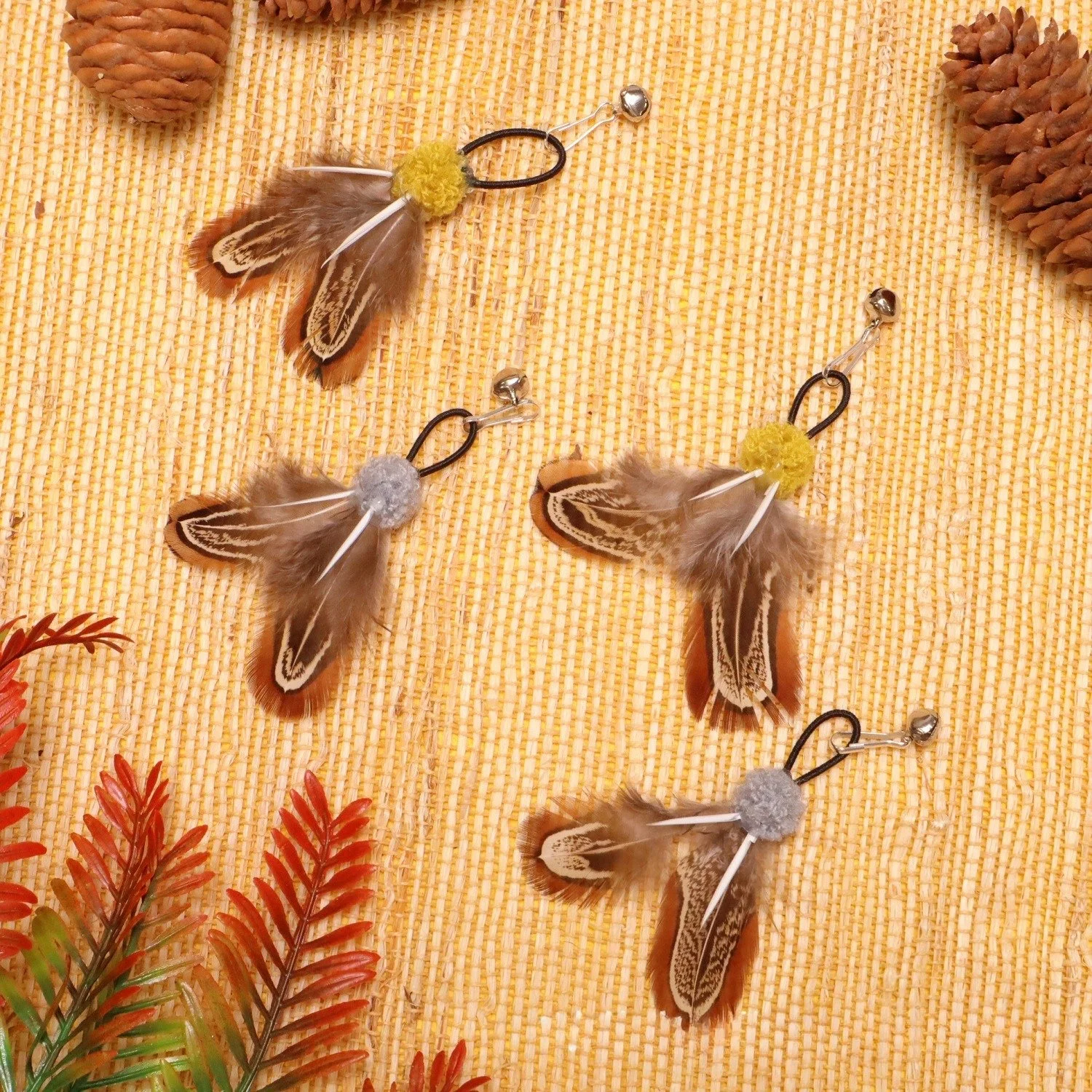
For cats that pounce quickly, let the toy escape sometimes. For cats that hesitate, let the toy be easier to catch at first. Play is not a test. It is a confidence-building loop. The more your cat believes they can catch the target, the more intensely they will join the next round.
Do not point the wand at the cat like a fishing pole aimed at a fish. Think of it as remote control for a small animal trying to stay alive. That mindset changes the whole session.
Mistake 2: Skipping the Freeze
The freeze is where wand play becomes convincing. Real prey does not move continuously. It darts, stops, listens, hides, then bolts. That stop-start pattern is what turns a bored stare into a crouch.
If you keep the toy moving nonstop, the cat has nothing to study. The movement becomes background noise. But when the toy freezes, the cat's brain starts calculating. Where is it going? Is it safe to pounce? Can it be caught from here?
Try this pattern:
- Move the toy quickly for two seconds.
- Freeze completely for three to five seconds.
- Twitch once.
- Freeze again.
- Move away as the cat starts to pounce.
That last step matters. If the toy sits still forever, the cat loses interest. If it moves at the exact moment the cat commits, the chase feels alive.
Look for body language. Dilated pupils, forward whiskers, low posture, tail-tip flicks, and a tiny rear-end wiggle are signs that the freeze is working. Do not interrupt those signs by waving harder. The cat is loading the spring.
Different cats need different freeze lengths. A young confident cat may need only one second. A cautious cat may need ten. A senior cat may prefer slow movement with long pauses because leaping is less comfortable. Adjust the rhythm instead of forcing one style.
The freeze also helps prevent overstimulation. Constant fast movement can push some cats into frantic behavior. Pauses create control. They let the cat stalk, think, and pounce rather than just react. This is especially useful for cats that bite hard after play or redirect aggression when the toy disappears.
Once you learn the freeze, you can make almost any wand toy better. Even a basic feather becomes more interesting when it behaves like something that is trying not to be seen.
Mistake 3: Keeping Everything in the Air
Feather wands make people think "bird." That is useful, but it is only one prey style. Many cats prefer ground prey. They want something that skitters under furniture, slides along baseboards, or disappears behind a corner. If your wand only flies above the cat's head, you may be asking for a type of play your cat does not enjoy.
High jumping can be exciting, but it should not be the whole session. Repeated vertical leaps are hard on some cats, especially kittens with developing bodies, older cats, overweight cats, or cats with joint discomfort. Floor-level play is often safer and more satisfying.
Use three movement zones:
Floor prey: drag the attachment along the floor, under cloth, behind boxes, and around corners.
Low air prey: make small hops just above the floor, like an injured insect or low bird.
Climb prey: move the toy up a cat tree or sofa only if your cat enjoys climbing and can land safely.
A balanced wand session moves between zones. Start on the floor. Let the cat stalk. Add one or two short hops. Let the toy hide. Later, if the cat is warmed up and physically able, add a controlled leap. Avoid wild jumps on slippery floors or near furniture edges.
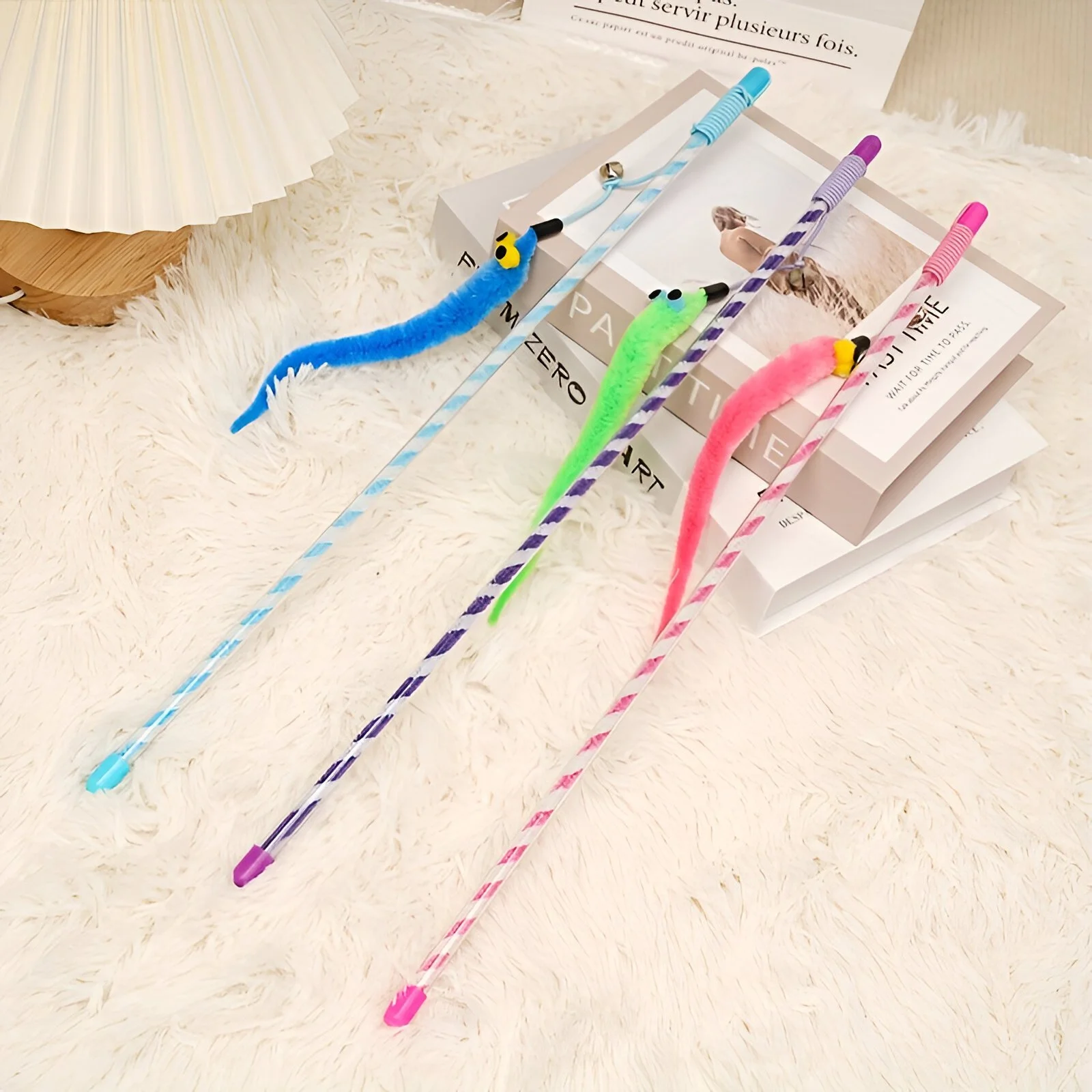
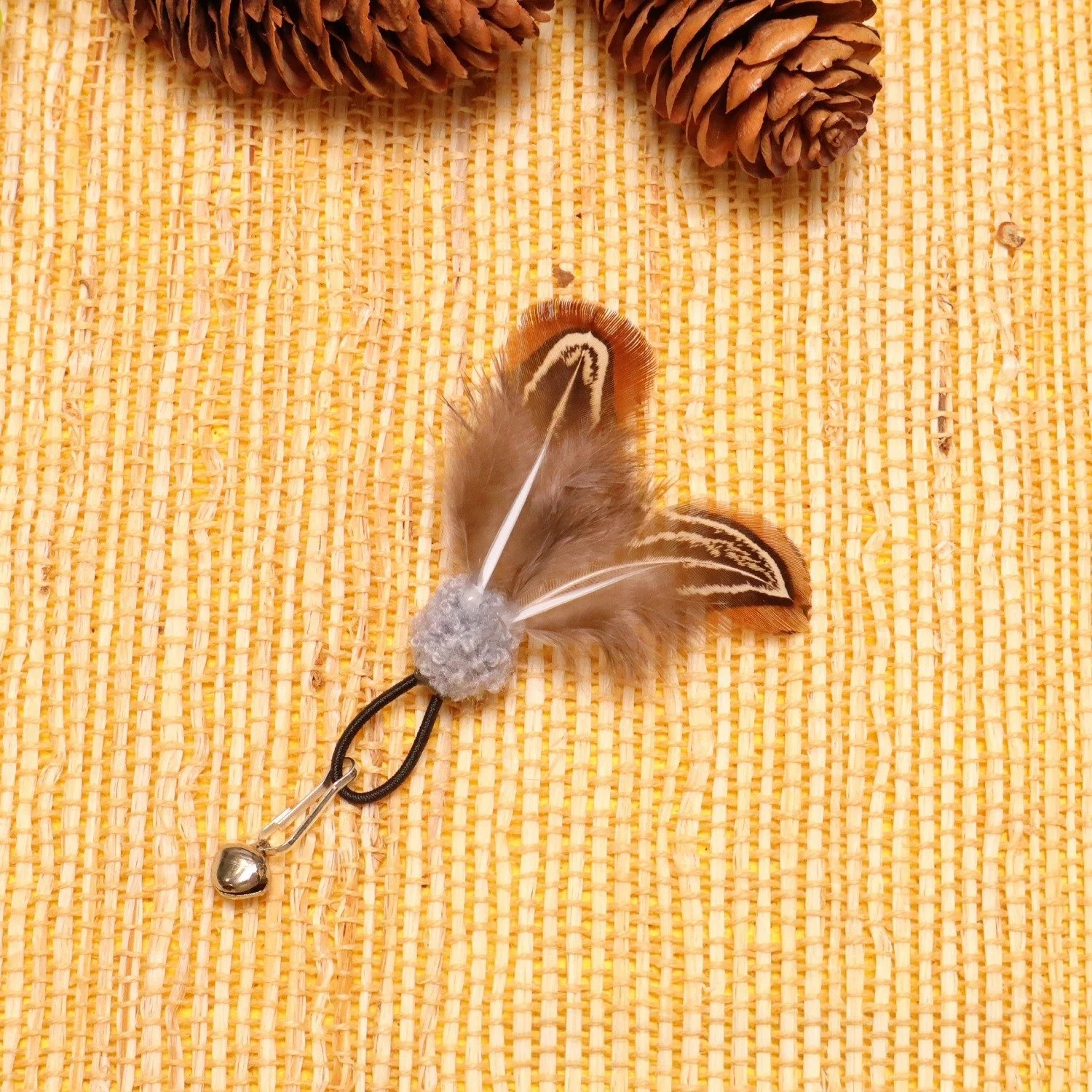
Attachment type matters too. Feathers flutter like birds. Worm-style attachments move like insects or snakes. Fur or plush attachments work better as rodent prey. Some cats have strong preferences. A window-watcher may love feathers. A cat that attacks socks may prefer a soft mouse-like attachment. A cat that bats at tiny floor movement may prefer a worm or insect head.
If your cat ignores a wand, change the prey style before blaming the cat. The same cat that ignores a feather in the air may become intense when a fuzzy attachment crawls under a towel.
The best wand owners are not the ones who move fastest. They are the ones who notice what kind of prey their cat is pretending to hunt.
Mistake 4: Never Letting the Cat Win
A wand session without a catch is unfinished. Imagine playing a game where you almost win every round but never actually touch the prize. That is what happens when the cat chases a wand for ten minutes and the owner lifts it away every time.
Some owners avoid letting the cat catch the toy because they do not want it damaged. But biting, grabbing, and kicking are part of the point. A cat needs the physical payoff. Without it, play can become frustrating, and frustration often comes out later as roughness, meowing, or attacking moving feet.
Let the cat win several times in each session. Not every time, but often enough that the hunt feels real.
When your cat catches the toy:
- relax the wand line
- let them hold the attachment
- allow biting or bunny-kicking for 20 to 60 seconds
- do not yank it from the mouth
- restart only after they loosen their grip or shift attention
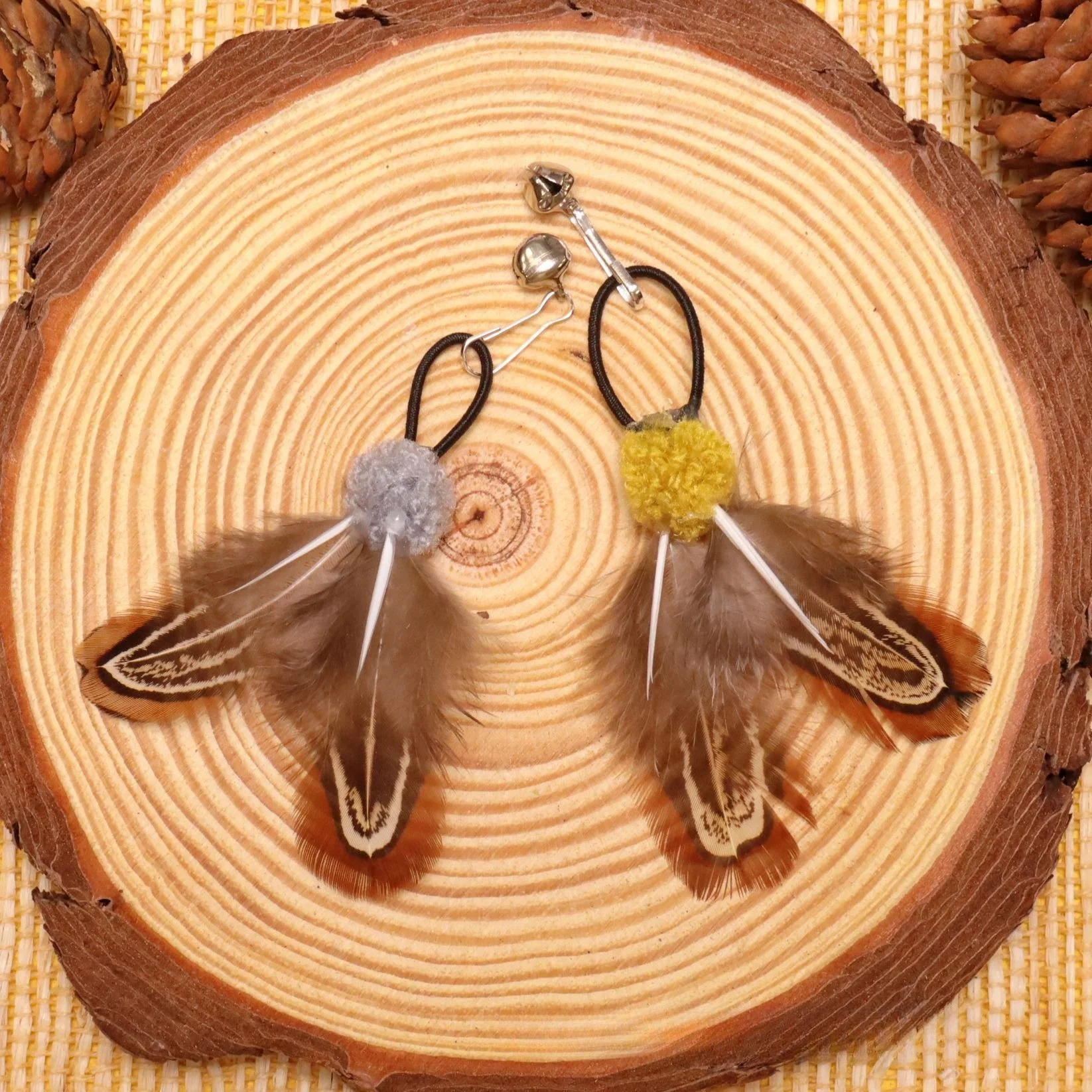
This is also where a secondary toy can help. If your cat catches the feather and wants to wrestle, slide a kicker toy nearby. Let the cat transfer the grab-and-kick energy onto something designed for that purpose. This protects the wand attachment and gives the cat a better "kill" object.
Ending with a catch is especially important before meals. In nature, hunt leads to food. Indoors, you can mimic that with play, catch, then breakfast or dinner. This sequence helps many cats settle because the body gets a complete pattern: chase, capture, eat, groom, rest.
Do not end every session by making the toy vanish into a closet while the cat is still locked in hunting mode. Give the game a clear finish. A final catch plus food is one of the simplest ways to reduce post-play chaos.
Mistake 5: Playing Until the Cat Quits
Many owners stop when the cat walks away. That sounds reasonable, but it often means the session ended after the cat was already bored, tired, or overstimulated. Better play ends while the cat still has some interest left.
Think of wand play as short, repeated hunting practice. Most cats do not need one long marathon. They need a few focused rounds. Five to ten minutes can be enough when the technique is good. Two short sessions per day often beat one long session.
Signs it is time to stop:
- slower pounces
- lying down between every move
- turning away repeatedly
- panting or open-mouth breathing
- grabbing too hard and not releasing
- switching from toy focus to hand focus
Panting is not a normal target for cat play. If your cat pants, stop and let them rest. If it happens often, discuss it with a veterinarian.
End on a success. Let the cat catch the toy, offer a small treat or meal portion, then put the wand away. Do not leave wand toys out for unsupervised play. String, wire, feathers, and small attachments can become hazards when chewed apart.
Stopping early also preserves tomorrow's motivation. A cat that ends the session still interested is more likely to engage again. A cat that ends exhausted or bored may hesitate next time because the game became too much work.
This mistake is subtle because it comes from good intentions. The owner wants to give the cat enough play. But enough does not mean "until the cat leaves." Enough means the cat hunted, caught, and settled.
A 10-Minute Wand Session That Actually Works
Use this structure when you do not know where to start.
Minute 1: Let the cat notice
Do not wave the toy immediately. Let it appear at the edge of the room. Drag it once behind furniture and let it vanish. Your cat may watch without moving. That is fine.
Minutes 2-3: Build the stalk
Use slow movement and freezes. Keep the toy mostly on the floor. Let the cat crouch, track, and plan. Resist the urge to make it exciting too soon.
Minutes 4-6: Add chase
Move the toy away from the cat. Let it escape around corners, under a blanket edge, or behind a box. If the cat pounces, let the toy get caught sometimes and escape sometimes.
Minutes 7-8: Give a real catch
Let the cat grab the attachment. Relax the wand. Allow biting and kicking. If your cat gets too rough, use a kicker toy as the wrestling target.
Minute 9: One final easy win
Make the toy slower and easier. Let the cat succeed. Do not turn the final minute into the hardest round.
Minute 10: Close the loop
Offer food, a small treat, or calm praise. Put the wand away. The session should end clearly, not fade into random dangling while you check your phone.
This structure is simple, but it changes the emotional result. The cat does not just burn energy. The cat completes a hunt.
Matching Wand Style to Your Cat
Not every cat wants the same game.
The bird watcher
This cat stares out windows, chirps at birds, and tracks movement above eye level. Use feather attachments, fluttering motions, and short low hops. Do not overdo vertical jumps.
The floor stalker
This cat hides behind corners and attacks toys that slide across the rug. Use worm, fur, or mouse-like attachments. Move along baseboards and under fabric.
The cautious observer
This cat watches for a long time before moving. Use slower sessions and longer freezes. Keep the toy farther from your body so the cat does not feel pressured.
The rough wrestler
This cat catches hard and wants to bite or kick. Use a wand for the chase, then transfer to a kicker toy for the wrestling phase. Do not use your hands as the reward.
The senior cat
This cat may still love play but dislike leaping. Keep movement low, soft, and predictable. Use short sessions with easy catches. The goal is engagement, not athletic performance.
When you match the game to the cat, the wand becomes less of a toy and more of a communication tool. It tells you what kind of hunter your cat still wants to be.
Safety Rules That Matter
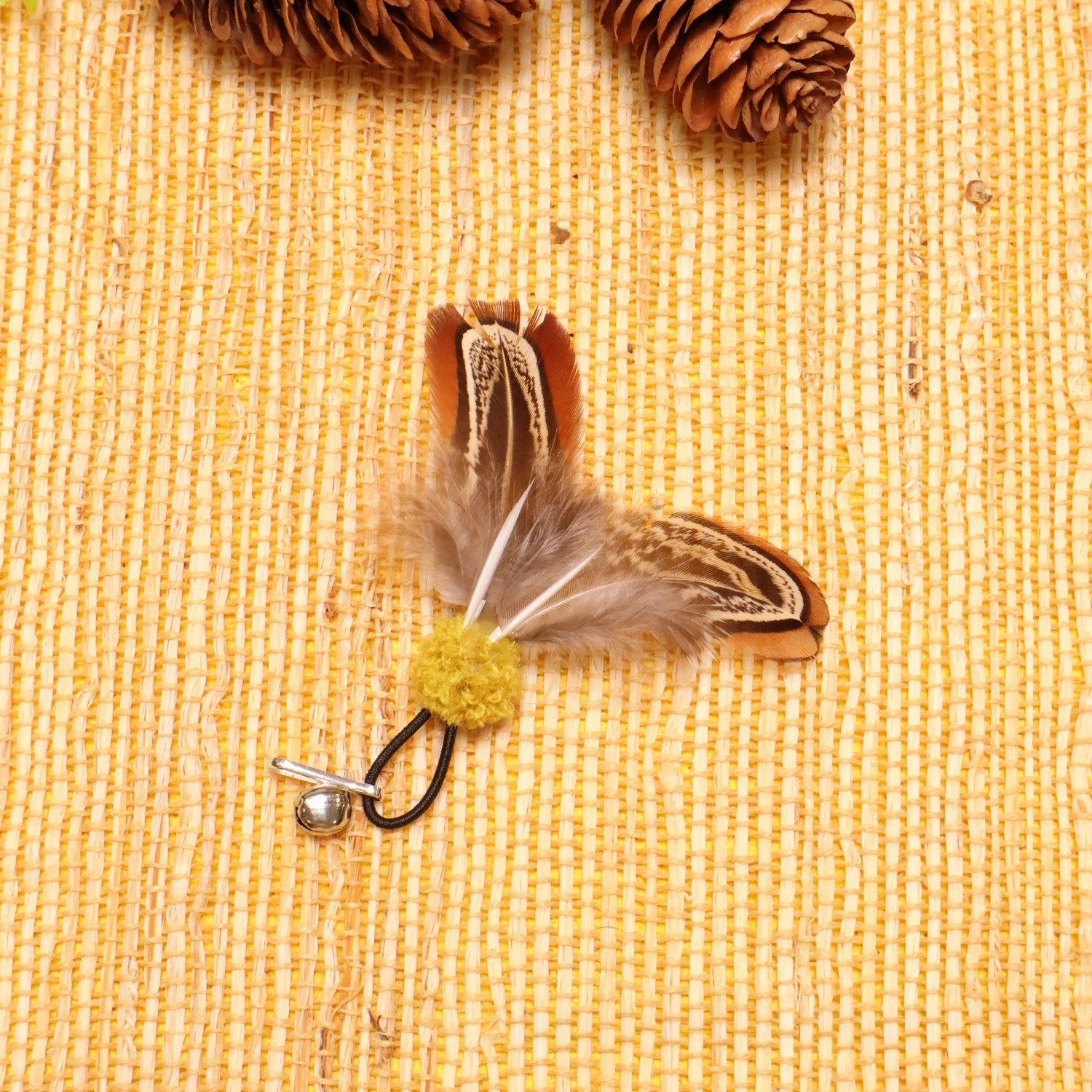
Wand toys are supervised toys. That is the rule. Do not leave them on the floor after play. Strings can be swallowed. Feathers can be chewed loose. Thin elastic can snap or wrap around paws. A toy that is safe in your hand may not be safe alone at 2AM.
Check attachments often:
- loose feathers
- exposed wire
- cracked plastic
- stretched elastic
- bells or beads that can detach
- sharp ends where the attachment connects
Replace damaged parts early. A cheap replacement attachment is better than an emergency vet visit.
Also protect the room. Avoid wild jumps on slick floors. Keep the toy away from glass tables, sharp furniture corners, stair edges, and crowded shelves. If your cat loves leaping, put down a rug or play in a room with better traction.
Finally, protect your hands. Do not tease with fingers. Do not grab the attachment from the cat's mouth. Do not pull hard while the cat is biting. Wand play should teach the cat that toys are for teeth and claws, not human skin.
Room Setups That Make Wand Play Easier
The room matters more than most owners think. An empty open floor looks convenient to a human, but it can be boring to a cat. There is nowhere to hide, nowhere to stalk from, and no edge for the "prey" to disappear behind. A good wand-play room has cover.
You can create cover without buying anything. Put a cardboard box near the sofa. Leave a blanket edge loose on the floor. Pull a chair slightly away from the wall. Place a tunnel in the path between two pieces of furniture. These objects turn a flat room into a hunting map.
For a small apartment, use the hallway. Stand at one end and drag the toy along the wall, around the corner, and into a doorway. Hallways create natural chase lines without needing much floor space. They also help you move the toy away from the cat instead of circling it in one spot.
For a living room, use furniture edges. Move the attachment behind the sofa leg, under the coffee table, along the rug edge, and behind a box. The goal is to make the toy appear and disappear. A cat that ignores a toy in the center of the room may suddenly engage when that same toy slips halfway under a blanket.
For a bedroom, keep the game low and controlled. Beds encourage jumping, but repeated leaps onto and off a mattress can become chaotic. Use the bed edge as cover instead. Let the toy travel along the side, vanish under the blanket for one second, then escape toward the floor. This creates stalking without turning the room into a wrestling arena.
For a multi-cat home, do not assume everyone can play together. Some cats enjoy group chase, but many become spectators when a faster or bolder cat dominates. Give each cat private wand time when possible. Five focused minutes alone can be more valuable than fifteen minutes of one confident cat stealing every pounce.
If you have a dog in the home, separate the dog during cat wand play. Even friendly dogs can ruin the session by charging toward the moving toy. The cat may stop playing, become defensive, or associate the wand with being interrupted. Wand play should feel like the cat's territory.
How to Progress Without Making the Game Harder Too Fast
Good wand technique develops in layers. Owners often jump too quickly from "my cat watched the toy" to "my cat should be doing dramatic leaps." That is not necessary. Progress means the cat is more engaged, more confident, and more satisfied after the session. It does not have to mean more athletic.
Start with attention. If your cat watches the toy for a full minute, that is a base layer. Reward it by making the toy easier to catch, not harder. The cat is learning that watching leads to action.
Next, build a short pounce. Move the toy just far enough that the cat has to step forward or make one small lunge. Let them catch it. Repeat. The first goal is not speed. It is participation.
After that, add distance. Drag the toy farther away before the catch. Use furniture cover. Add one freeze. Let the cat solve the timing. If the cat stays with the game, you can add a faster escape.
Only then should you add height. A controlled hop over a low object is plenty. Big jumps look impressive in videos, but they are not required for good enrichment. Many cats get more mental satisfaction from stalking and ambush than from repeated aerial moves.
Watch for confidence markers: returning to the play area, crouching before movement starts, choosing a hiding spot, carrying the attachment after a catch, or asking for the wand at a familiar time. Those signs tell you the cat understands the game.
If the cat gets frustrated, step back one layer. Make the toy slower, lower, closer, and easier to catch. The best wand players are not the cats that jump highest. They are the cats that stay mentally connected from the first stalk to the final catch.
Product Spotlight
Feathered Cat Toy Teaser Wand with Interchangeable Insect Heads (#1804133)
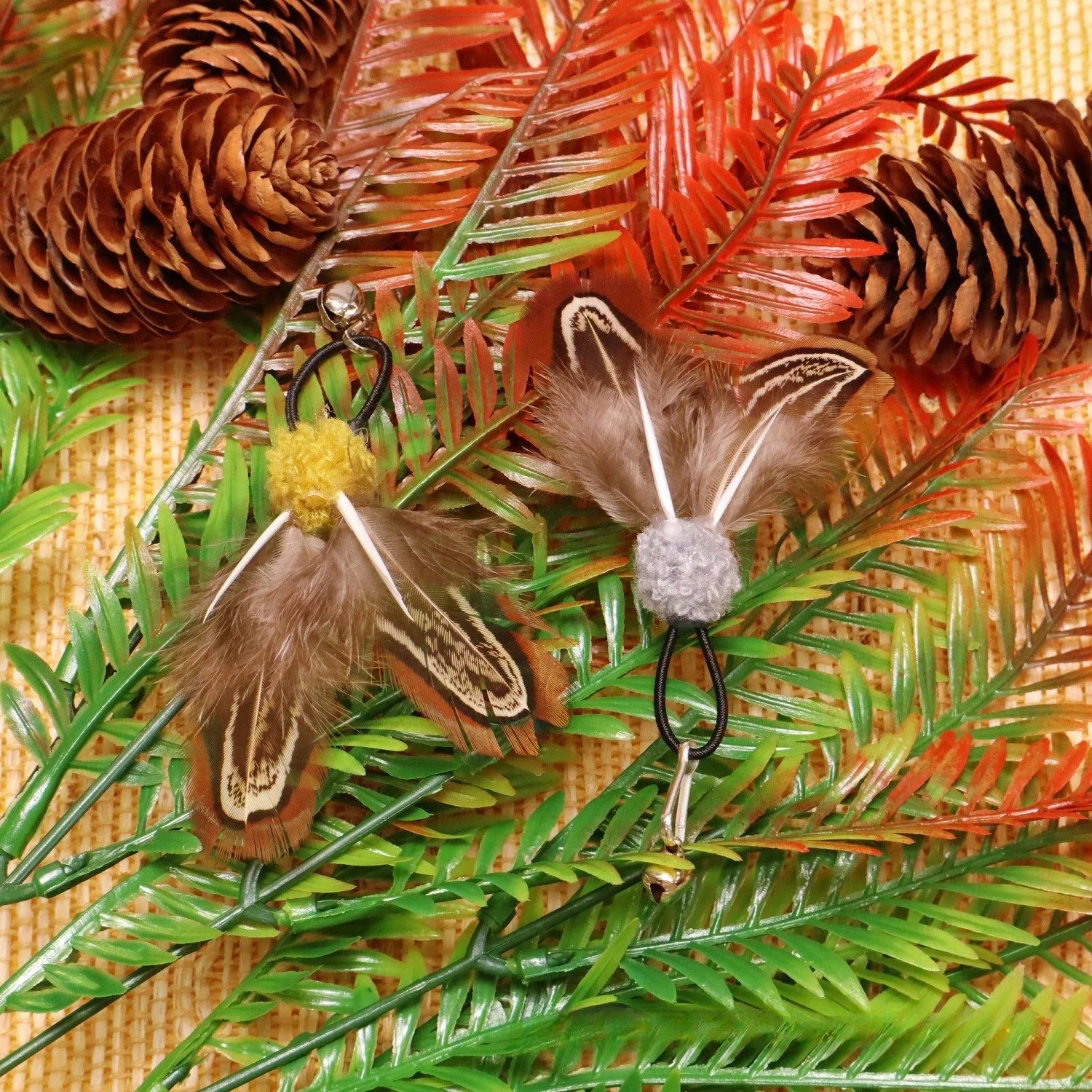
This wand works best for owners who want to test different prey styles without buying several separate toys. The feather head can support bird-like fluttering, while the insect-style attachments are useful for floor-level stalking and quick stop-start movement. The longer reach also helps you move the toy away from the cat instead of dangling it in their face.
Use it for short supervised sessions. Start with slow floor movement, add freezes, let your cat catch the attachment, and put the wand away when the game ends. The toy is only half the value. The technique is the other half.
Troubleshooting
My cat only watches and never pounces.
Watching is not failure. Slow the toy down and use more hiding. Some cats need several sessions before they commit.
My cat attacks my hand instead of the toy.
Increase the distance between your hand and the attachment. Use a longer wand and stop moving the toy near your body.
My cat catches the toy and will not let go.
Relax the line. Do not tug. Offer a kicker toy or treat nearby to redirect the grip.
My cat gets wild after play.
Add a clearer ending: final catch, food, lights down, wand stored. Avoid stopping during peak excitement.
My cat destroys attachments quickly.
Use the wand for chase and a separate durable kicker for biting. Some cats need a wrestling toy, not a delicate feather, for the final stage.