Article
DIY Cat Toys: Free And Low-Cost Enrichment Ideas That Are Actually Safe
Quick Answer
DIY Cat Toys: Free And Low-Cost Enrichment Ideas That Are Actually Safe: quick answer
Cats do not care how much a toy costs. Many cats will ignore an expensive electronic toy and spend twenty minutes inside the box it arrived in. That...
- Topic: DIY.
- Related product category: pet-toys.
- This article keeps the main answer in the article copy and places relevant product context inside the guide.
DIY Cat Toys Work Best When They Have A Purpose
Cats do not care how much a toy costs. Many cats will ignore an expensive electronic toy and spend twenty minutes inside the box it arrived in. That does not mean every household object is a good cat toy. It means owners need to understand what the cat is trying to do: stalk, pounce, chase, grab, kick, chew, hide, climb, forage, or rest after a hunt sequence.
The best DIY cat toys are not random trash handed to a cat. They are simple enrichment tools built around normal feline behavior. A cardboard box becomes useful because it creates cover. A paper ball works because it skitters unpredictably like prey. A toilet paper roll puzzle works because it makes food harder to access. A feather wand works because it lets the owner imitate movement safely at a distance.
The weak part of many DIY cat toy lists is safety. They tell owners to use yarn, string, feathers, bottle caps, bags, socks, bells, beads, and cardboard without explaining supervision, size, swallowing risk, or when to throw the toy away. Cats are small, fast, and quiet. A toy can look harmless while still creating a choking, digestive, or entanglement risk.
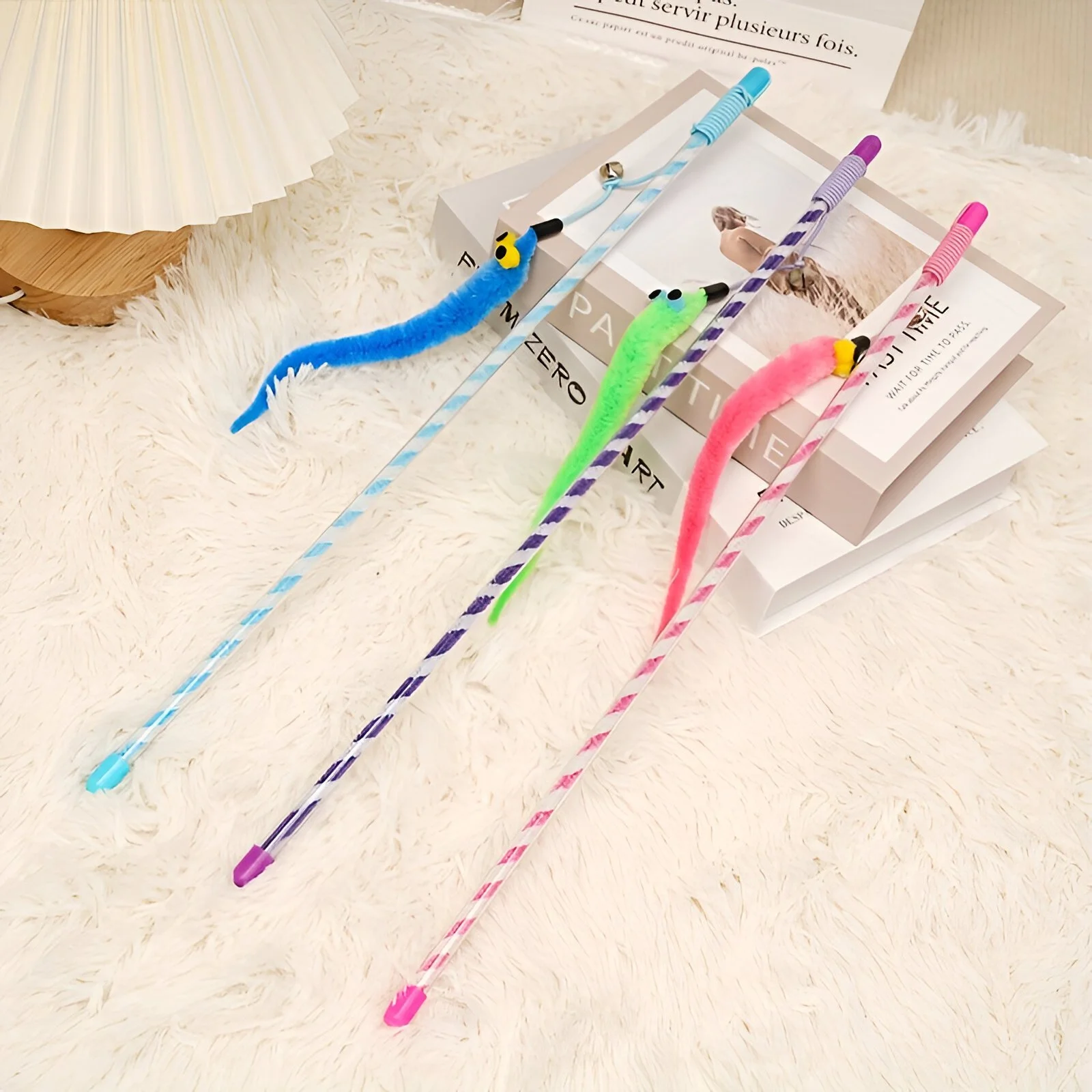
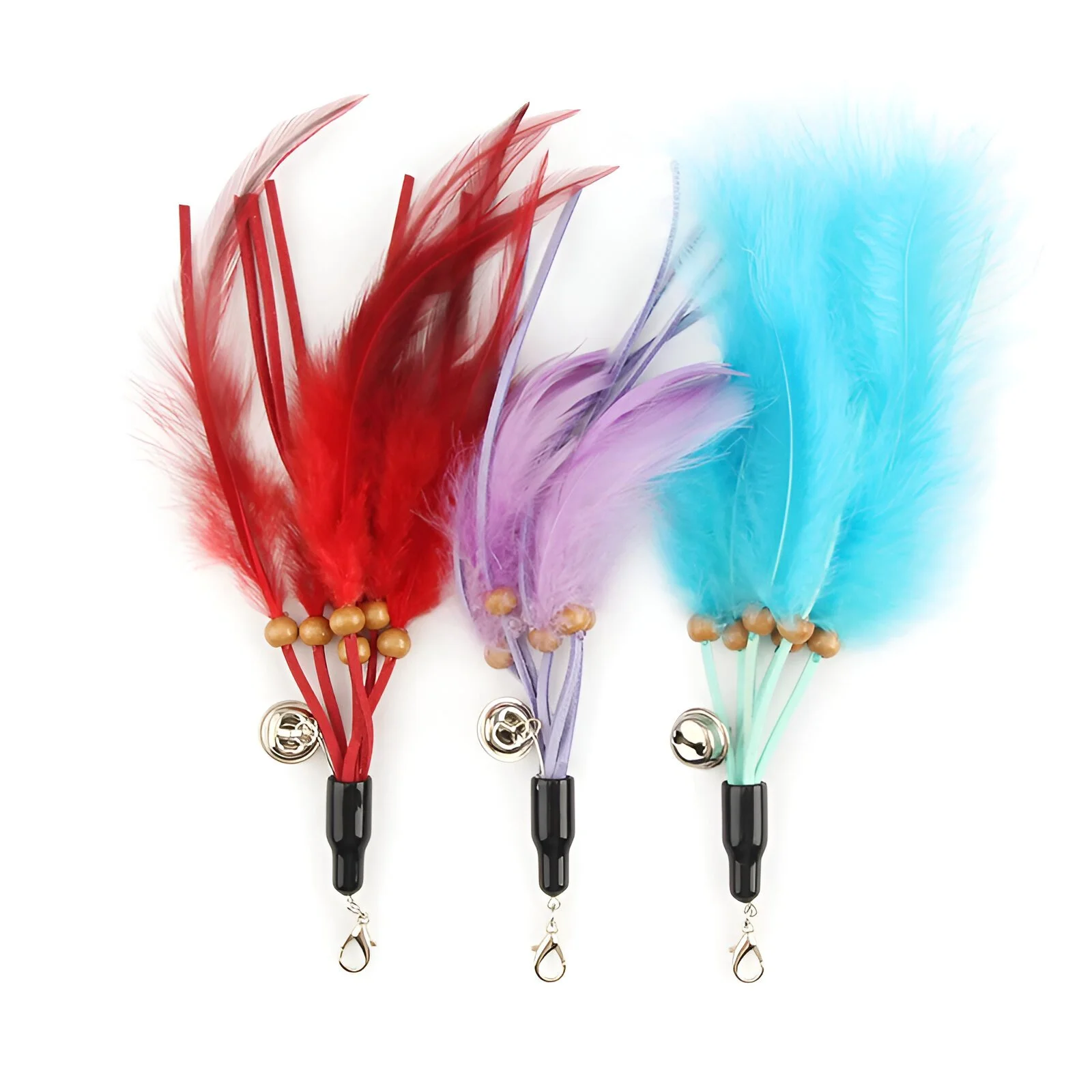
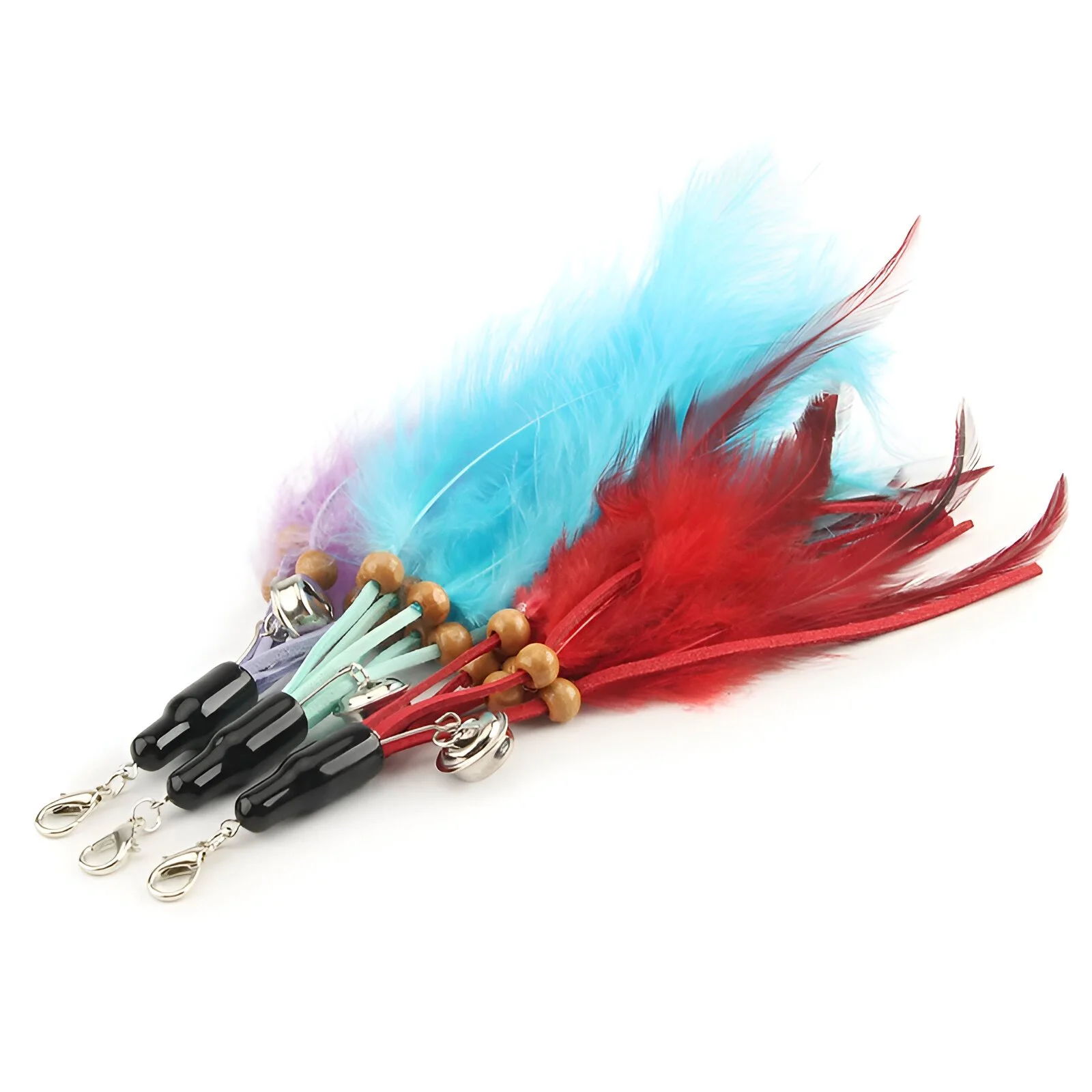
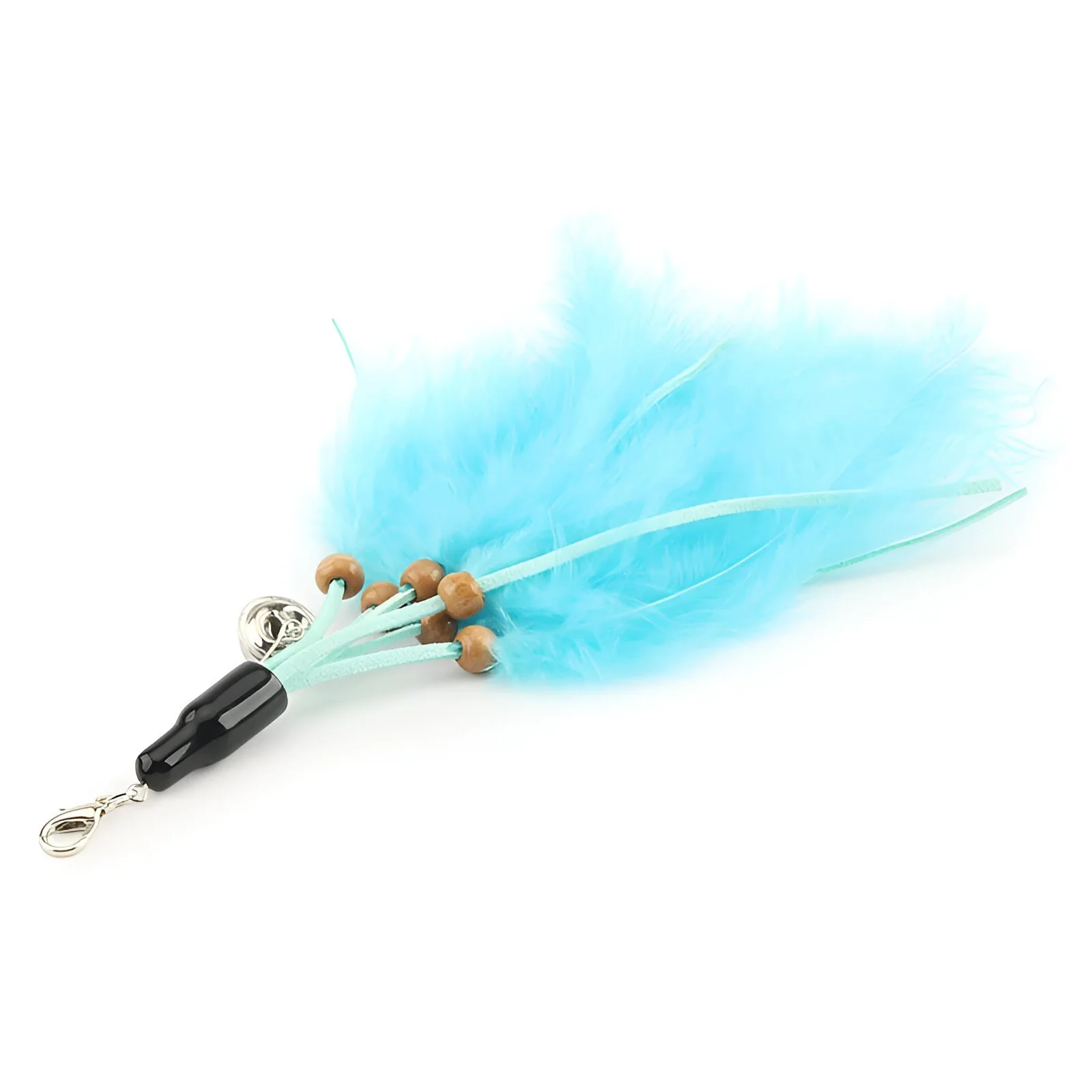
This guide keeps the useful DIY spirit but adds structure. It explains which household items work, which should be supervised, which should be avoided, and how to rotate them so the cat does not lose interest. The matched product, 3pcs Colorful Feather Cat Toys - Fun DIY Replacement Cat Teasers (#1785086), fits because many owners can build or already own a simple wand handle, but the feather end is the part that wears out fastest. A replaceable feather set gives the DIY setup a better moving target without turning the article into a generic shopping list.
The Four Jobs A DIY Cat Toy Should Cover
A good DIY toy should cover at least one of four jobs: movement, hiding, foraging, or grabbing. If a toy does not support one of those jobs, the cat may ignore it or use it in a way the owner did not expect.
Movement toys trigger chase and pounce. These include paper balls, feather wands, ribbon alternatives, ping-pong balls, and small rolling objects. The toy should move away from the cat, pause, hide, and reappear. Dragging something directly into the cat's face is less effective than making it behave like prey.
Hiding toys give the cat cover. Boxes, paper bags without handles, tunnels, and blanket folds create places to watch, ambush, and retreat. Hiding is not laziness. For many cats, cover is what makes play feel safe enough to begin.
Foraging toys make food require effort. Toilet paper rolls, egg cartons, muffin tins, paper cups, and small boxes can become simple food puzzles. These toys are especially useful for indoor cats that eat too quickly or demand attention between meals.
Grabbing toys let the cat hold and kick. A sock kicker, fabric roll, or larger catnip toy can give the back legs something to work against. The toy should be long enough to kick safely and strong enough that stuffing does not come out immediately.
DIY works best when the owner chooses one job at a time. Do not expect one homemade toy to do everything. A crumpled paper ball is a chase toy. A box is a hiding toy. A toilet paper roll is a foraging toy. A feather wand is an interactive hunting toy. Clear roles keep the setup safer and more useful.
Safety Rules Before You Make Anything
The first rule is simple: string-like toys are supervised toys. Yarn, thread, ribbon, fishing line, elastic cord, dental floss, thin string, and loose fabric strips can become dangerous if swallowed. Cats may chew, swallow, or wrap them around the tongue. If a toy has a string, it should be put away after play.
The second rule is to remove handles from paper bags. Bag handles can catch around the neck, jaw, or legs. A plain paper bag without handles can be a great hiding toy. A handled shopping bag is not worth the risk.
The third rule is size control. Small bottle caps, beads, buttons, bells, rubber bands, twist ties, and tiny plastic parts can be swallowed. If the item can fit fully into the cat's mouth, it needs careful judgment. Bigger is usually safer for solo play.
The fourth rule is material inspection. Cardboard is usually safe when the cat shreds and spits it out, but not if the cat eats it in quantity. Plastic packaging, tape, staples, glue, wire, and coated paper should be removed. If the toy has sharp edges, loose pieces, or strong chemical smells, do not use it.
The fifth rule is replacement. DIY toys are cheap because they are disposable. That is a strength, not a weakness. Throw away torn paper bags, crushed tubes, wet cardboard, frayed fabric, and anything that smells bad. A toy does not need to survive forever to be useful.
Supervision level matters. Some toys can be left out briefly, such as a sturdy box or large paper ball. Some should be used only while a person is watching, such as feather wands, string toys, sock kickers with loose stuffing, and food puzzles made from thin cardboard.
DIY Toy 1: Toilet Paper Roll Food Puzzle
A toilet paper roll puzzle is one of the easiest DIY cat toys because it uses a shape most homes already have. Start with a clean empty roll. Fold one end loosely, drop a few pieces of dry food or treats inside, then fold the other end. Make the first version easy. The cat should succeed quickly by batting the roll and hearing food move inside.
For beginners, leave one end partially open. If the puzzle is too hard, the cat may walk away or chew the cardboard instead of solving it. Once the cat understands the game, make smaller openings or cut side holes so food falls out more slowly.
This toy is useful for cats that eat too fast, cats that need low-cost enrichment, and cats that enjoy batting objects. It is also helpful for multi-cat homes because you can make several rolls and spread them apart, reducing competition around one bowl.
Watch how the cat interacts with the roll. A cat that bats and shakes it is using it correctly. A cat that tears and eats cardboard needs a different puzzle. A cat that guards food puzzles from other cats may need separate feeding spaces.
Do not fill the roll with messy wet food. Dry food is easier, cleaner, and less likely to soak the cardboard. After the session, throw away crushed or damp rolls. The point is fresh enrichment, not saving every tube.
DIY Toy 2: Cardboard Box Hunting Station
A cardboard box is not just a hiding place. It can become a hunting station if you add a few holes, openings, or loose toys inside. Choose a clean box with no staples, tape loops, plastic packing, or sharp edges. Cut several paw-sized holes on the top and sides. Drop a ball, crumpled paper, or treat inside. The cat reaches through the holes to fish and hunt.
The box works because it adds partial concealment. Cats often prefer to stalk from cover rather than chase in an empty room. A box gives them a place to disappear, watch, and attack. This can help shy cats engage without feeling exposed.
Keep the holes large enough that the cat's paw does not get stuck. Avoid jagged edges. If the cat chews heavily, inspect the box after every session. Replace it when it collapses, becomes damp, or starts shedding too many pieces.
You can upgrade the box by changing what is inside. Use a paper ball one day, a ping-pong ball another day, and a small catnip toy another day. The box feels new without rebuilding everything.
For interactive play, move a wand toy around the outside of the box and let the feather disappear behind corners. This is where #1785086 can be useful. A fresh feather teaser head creates flutter and color, while the box gives the cat a realistic ambush point. The owner controls the wand; the cat gets the satisfaction of stalking from cover.
DIY Toy 3: Paper Bag Cave
A plain paper bag can be excellent enrichment for a cat that likes hiding and ambushing. Use a paper grocery bag or shopping bag after removing all handles. Lay it on its side, open the mouth of the bag, and let the cat explore. Some cats dive in immediately. Others need a treat, toy, or familiar scent placed near the opening.
The bag creates sound, cover, and texture. The crinkle can be exciting. The enclosed shape can feel secure. Cats may pounce from inside, roll on the bag, or use it as a place to watch the room.
Do not use plastic bags. They can cling, trap air, and create suffocation risk. Do not leave handled paper bags around. Remove handles fully rather than cutting them short, because partial loops can still catch.
A bag cave should be replaced when torn. Once a cat shreds the sides or creates narrow loops of paper, the bag loses its clean shape and becomes less safe. That is fine. Paper bags are temporary enrichment.
To make the bag more engaging, pair it with short interactive play. Move a feather teaser just outside the opening, then let it disappear. Pause often. The best play is not constant frantic movement. Prey hides, stops, twitches, and escapes. The cat should get chances to stalk, not just chase.
DIY Toy 4: Crumpled Paper Chase Ball
A crumpled paper ball may be the most reliable free cat toy. It is light, cheap, noisy, and unpredictable on hard floors. The irregular shape makes it bounce and slide in ways that feel more alive than a perfectly smooth object.
Use plain paper when possible. Avoid glossy coated paper, staples, tape, foil, or anything with strong ink smell. Crumple it firmly enough that it holds shape, but not so tightly that it becomes hard and heavy. Make it large enough that the cat cannot swallow it.
Paper balls are best for short chase sessions. Flick or roll the ball across the floor, then let the cat pounce. If the cat carries it away, let the game pause. Not every session needs constant owner control.
For cats that lose interest quickly, use several paper balls and rotate them. Hide one under the edge of a rug, behind a box, or inside a paper bag. Small changes make the toy feel new.
Throw away paper balls that become wet, flattened, shredded, or chewed into small pieces. If the cat eats paper, this is not a good solo toy. Use supervised chase only or choose a larger fabric toy instead.
DIY Toy 5: Sock Kicker With Catnip
A sock kicker gives the cat something to grab with the front paws and kick with the back feet. This satisfies a different play behavior than chasing a paper ball. It is especially useful for cats that wrestle hands, attack blankets, or grab ankles.
Choose a clean sock with no loose threads or holes. Fill it lightly with fabric scraps or cotton stuffing, then add a small amount of catnip if the cat responds to it. Knot the end securely. The finished toy should be long enough for the cat to hug and kick without biting near the knot.
Do not overfill it. A stiff, packed sock is less satisfying than one with some give. Cats often like a toy that bends slightly under their paws. If the cat tries to open the knot, remove the toy and rebuild it more securely or switch to a sewn kicker.
Catnip is optional. Some cats become playful with catnip, some become relaxed, and some do not respond. Kittens and some older cats may ignore it. Silvervine can work for cats that do not react to catnip, but any plant material should be used in small amounts.
This toy should be inspected often. If stuffing escapes, retire it. If the cat swallows fabric, do not use sock kickers as unsupervised toys. DIY should never mean accepting a swallowing risk just because the materials were free.
DIY Toy 6: Egg Carton Or Muffin Tin Foraging Game
For cats that enjoy food puzzles, an egg carton or muffin tin can create easy foraging. Place a few pieces of dry food in some cups and leave others empty. The cat has to sniff, paw, and search. Start with the cups uncovered. Later, you can add paper balls over some openings to increase difficulty.
This toy is useful because it slows eating without complicated equipment. It also gives cats a quiet mental task. Many indoor cats need more problem solving, not just more chasing.
Use clean cardboard egg cartons only if the cat does not eat cardboard. Avoid cartons with broken pieces, egg residue, or strong odors. A metal or silicone muffin tin is easier to wash and safer for cats that chew paper.
Keep portions small. Food puzzles should use part of the cat's regular meal, not an unlimited treat supply. Too many rich treats can upset digestion and add unnecessary calories.
In multi-cat homes, use separate puzzles. Food competition can cause stress, blocking, or one cat taking everything. Place puzzles in different rooms or at least several feet apart.
The goal is calm search behavior. If the cat flips the whole puzzle, chews the carton, or becomes frustrated, make the game easier. Enrichment should build confidence, not irritation.
DIY Toy 7: Wand Handle With Replaceable Feather Ends
A wand toy is one of the best interactive tools because it creates distance between human hands and cat claws. The handle can be simple: a sturdy stick, a purpose-made wand handle, or an existing wand whose original attachment has worn out. The risky part is usually the string and the small toy at the end, so this is a supervised-only category.
A good feather movement pattern is more important than speed. Move the feather like prey. Let it skim along the floor, disappear behind a box, pause under a chair, flutter briefly, and then escape. Avoid waving it constantly above the cat's head. Jumping can be fun, but repeated high jumps are not ideal for every cat, especially seniors or heavier cats.
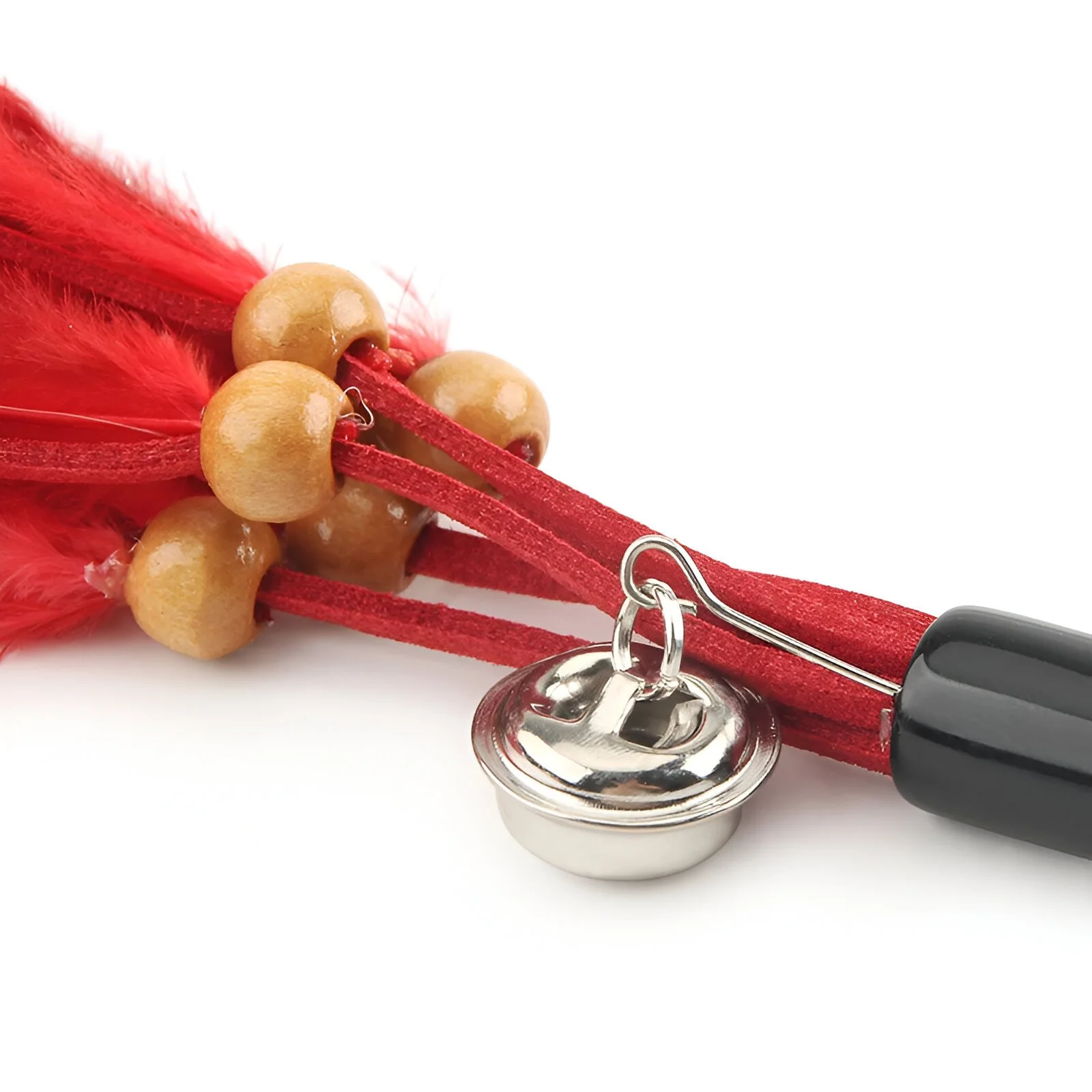
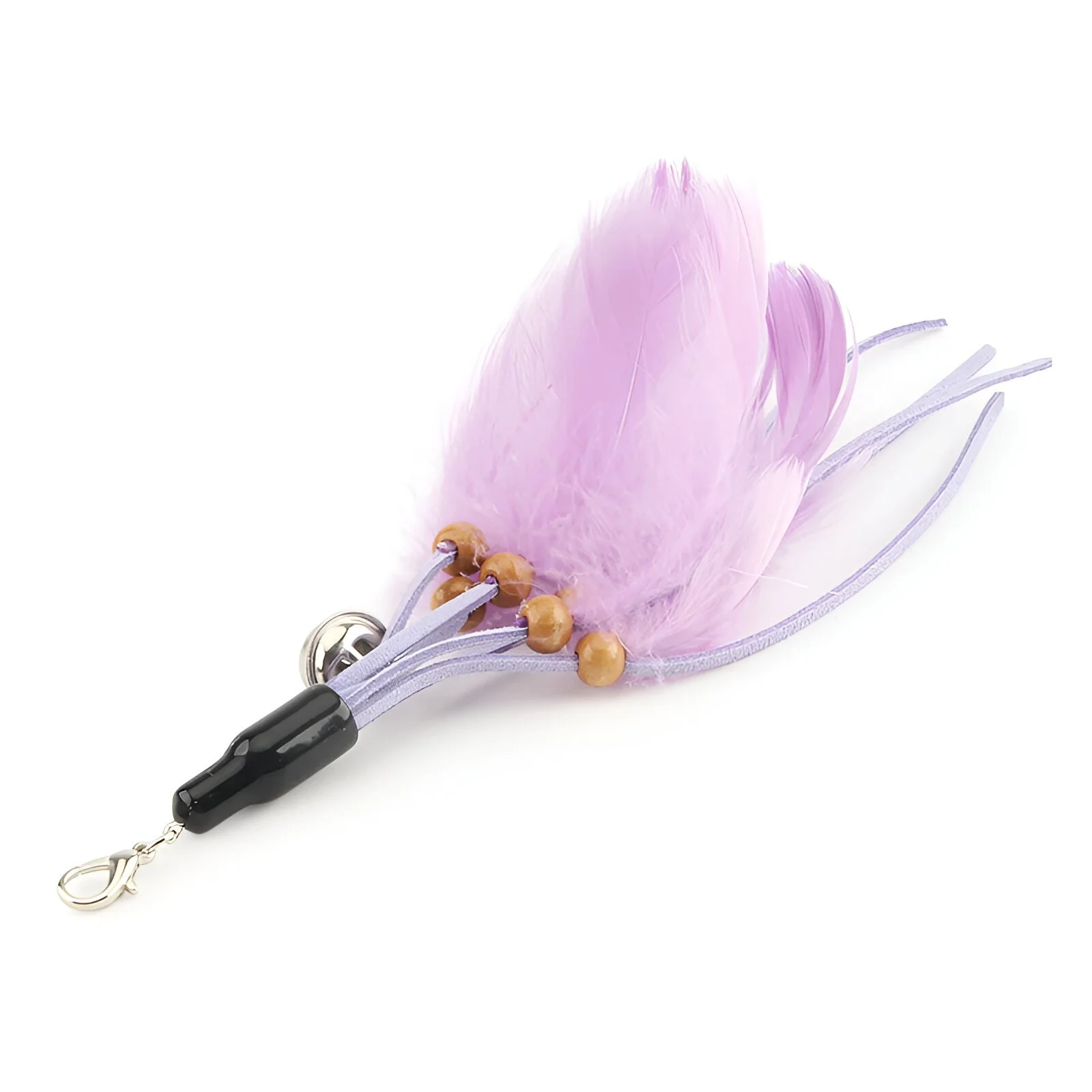
The #1785086 feather teaser set fits this DIY section because it gives owners three colorful replacement ends instead of requiring a whole new wand toy. The feathers are lightweight, easy to attach, and built for chasing, pouncing, mental stimulation, and bonding. That makes them a practical upgrade when the homemade or older wand handle still works but the target has become dull or damaged.
Inspect the attachment point before every session. Feathers can come loose, strings can fray, and connectors can weaken. If the cat catches the feather, let the cat hold it briefly, then trade or restart. Do not yank hard while the cat's teeth or claws are locked in.
After play, put the wand and feather away. This keeps the toy special and prevents chewing on string, feathers, or connectors. Wand toys are for shared hunting games, not all-day floor toys.
DIY Toy 8: Shoe Box Maze
A shoe box maze turns several small boxes into a search-and-explore toy. Cut openings between boxes and tape the boxes together on the outside only, keeping tape away from areas the cat can chew. Drop a few treats, paper balls, or small toys in different compartments.
The maze gives the cat choices. It can enter, sniff, paw through holes, turn around, and search for rewards. This is more interesting than a plain open box, but it should still be easy enough that the cat does not become stuck or frustrated.
Keep openings generous. A cat should not squeeze through a hole that catches whiskers, shoulders, or hips. If the cat is large, use bigger boxes. If the cat is nervous, start with one open box before building a connected maze.
Do not create a maze with only one exit. Cats like hiding, but they also like control. Multiple exits make the toy safer and more appealing. Avoid boxes that collapse inward while the cat is inside.
Refresh the maze by changing the layout, moving it to another room, or pairing it with a feather wand. The feather can vanish through one hole and reappear at another. This gives the cat a reason to stalk and anticipate rather than simply run.
Throw away the maze when it weakens. Cardboard edges wear down, especially if the cat scratches them. A clean new box is better than a dirty old structure.
What Not To Use For DIY Cat Toys
Some household items are too risky to recommend. Rubber bands, hair ties, twist ties, dental floss, sewing thread, pins, needles, beads, buttons, small bells, foam pieces, and broken plastic parts should not become cat toys. They are easy to swallow and difficult to supervise once lost under furniture.
Avoid essential oils, strong fragrances, glue-heavy crafts, glitter, paint, and scented fillers. Cats groom themselves and can ingest residue from paws and fur. A toy does not need decoration to be effective.
Avoid laser-only play as the main enrichment. A laser pointer can create chase, but it gives no physical catch. Some cats become frustrated if every hunt ends with nothing. If using a laser, finish with a real toy the cat can grab, such as a kicker, paper ball, or feather teaser.
Avoid letting cats play with human hair ties. They are small, elastic, and easy to swallow. Many cats love them, which is exactly why they should be kept away.
Avoid loose yarn piles. A photo of a cat with yarn may look cute, but swallowed string can become a serious medical emergency. If a toy involves string, it belongs in the supervised wand category and should be stored after use.
The safest DIY mindset is selective. Free materials are useful only when they match the cat's behavior and can be inspected, cleaned, and replaced.
How To Rotate DIY Toys So They Stay Interesting
Cats lose interest when everything is available all the time. Rotation makes simple toys feel new again. Keep only a few items out: one hiding object, one chase object, one foraging object, and maybe one kicker. Store the rest.
Change the setup every few days. Move a box to a different wall. Replace a paper ball. Add a new toilet paper roll puzzle. Swap the feather teaser head. Put the paper bag away for a week and bring it back later. Small changes can create real novelty.
Interactive toys should be stored out of reach. This includes feather wands, string toys, and anything with small attachments. Storage also protects the toy from being destroyed when the owner is not watching.
Watch which toy job the cat chooses. A cat that spends time in boxes may need more hiding and ambush play. A cat that attacks ankles may need more kicker and wand sessions. A cat that wakes people for food may benefit from foraging puzzles. A cat that ignores everything may need slower movement, quieter toys, or a different play schedule.
DIY toys are easy to personalize. That is their biggest advantage. You are not locked into one product design. You can adjust shape, size, sound, texture, and difficulty based on the cat's actual response.
A Better Daily DIY Play Routine
A useful routine does not require long sessions. Most cats do better with short, focused play. Try five to ten minutes of interactive play once or twice a day, plus one quiet food puzzle or hiding setup.
Start with stalking. Move the toy slowly. Let the cat watch. Let the feather or paper ball disappear behind a box. Many owners move toys too fast at the beginning, which can make the cat watch instead of participate.
Build to chase and pounce. Give the cat chances to catch the toy. A hunt with no catches can become frustrating. When using #1785086 feather teasers, let the cat pin the feather briefly before you reset.
End with a small food reward or meal. This completes the hunt sequence: stalk, chase, catch, eat, groom, rest. For indoor cats, that sequence can reduce random nighttime energy and attention-seeking.
After the session, remove risky toys and leave calmer items. A cardboard box can stay. A paper ball may stay if the cat does not eat paper. A wand should not stay. A food puzzle should be cleaned or thrown away if it is disposable.
Consistency matters more than complexity. A cat with two good daily play sessions and a few rotating DIY toys is often better enriched than a cat with a floor full of ignored toys.
Final Recommendation
DIY cat toys are worth using because they are flexible, cheap, and easy to refresh. The best options are not complicated: toilet paper roll food puzzles, cardboard hunting boxes, handle-free paper bags, crumpled paper balls, sock kickers, simple foraging trays, wand toys, and shoe box mazes. Each one should have a clear job and a clear supervision level.
The best matched product for this article is the 3pcs Colorful Feather Cat Toys - Fun DIY Replacement Cat Teasers (#1785086). It supports the DIY angle because it upgrades the part of a wand toy that actually wears out: the feather target. With five product images, three colorful feather options, and no battery requirement, it fits interactive chasing, pouncing, bonding, and mental stimulation without replacing the homemade enrichment ideas.
Use free materials where they are safe, buy replacement parts where they improve the experience, and throw away anything damaged. A strong DIY cat toy setup is not about spending nothing at all. It is about giving the cat better hunting, hiding, foraging, and grabbing opportunities without cluttering the home with low-value toys.