Article
Microfiber Cloths vs Paper Towels: Which One Should You Use For Each Cleaning Job?
Quick Answer
Microfiber Cloths vs Paper Towels: Which One Should You Use For Each Cleaning Job?: quick answer
Microfiber cloths and paper towels are often compared as if one should completely replace the other. That framing is too simple. A reusable cloth is...
- Topic: Cleaning Tools.
- Related product category: home-garden.
- This article uses one relevant product insertion and keeps the main answer in the article copy.
The Better Question Is Not Which One Wins
Microfiber cloths and paper towels are often compared as if one should completely replace the other. That framing is too simple. A reusable cloth is better for many everyday cleaning jobs, but a disposable towel still has a place in a practical kitchen. The real question is not "Which one is always better?" The better question is "Which one should I use for this specific mess?"
That distinction matters because household cleaning is not one task. Dusting a shelf, wiping a coffee spill, cleaning raw meat juice, polishing a mirror, drying a faucet, wiping pet mess, cleaning car windows, and absorbing cooking oil are completely different jobs. A tool that is excellent for one can be wrong for another.
Microfiber cloths are strong for repeated daily cleaning. They can pick up dust, absorb spills, wipe counters, polish glass, and reduce how often a household reaches for disposable paper. They are especially useful when the mess is ordinary: water, crumbs, light grease, fingerprints, food prep residue, dust, and sink splashes. A good microfiber cloth also feels better for larger surfaces because it does not fall apart when wet.
Paper towels are strong for disposal. That is not a weakness; it is their purpose. They are useful when the mess is something you do not want sitting in a laundry pile: raw meat juices, pet accidents, heavy grease, bathroom contamination, moldy food residue, or anything that feels unsafe or unpleasant to wash and reuse. Paper towels are also convenient when guests are present, when travel is involved, or when there is no laundry system available.
The cleanest home is not always the home that uses only reusable cloths or only paper towels. It is the home that uses each tool with a clear rule. Use microfiber for repeatable daily cleaning. Use paper towels for high-risk or high-disgust messes. Wash reusable cloths correctly. Do not pretend a disposable towel is the best tool for every surface. Do not pretend a reusable cloth belongs in every mess.
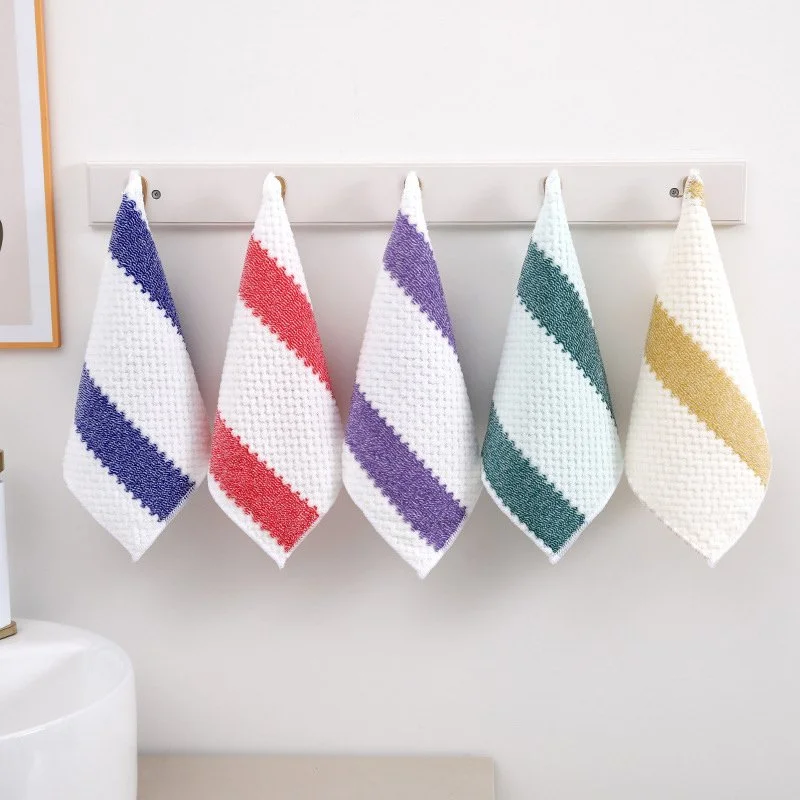
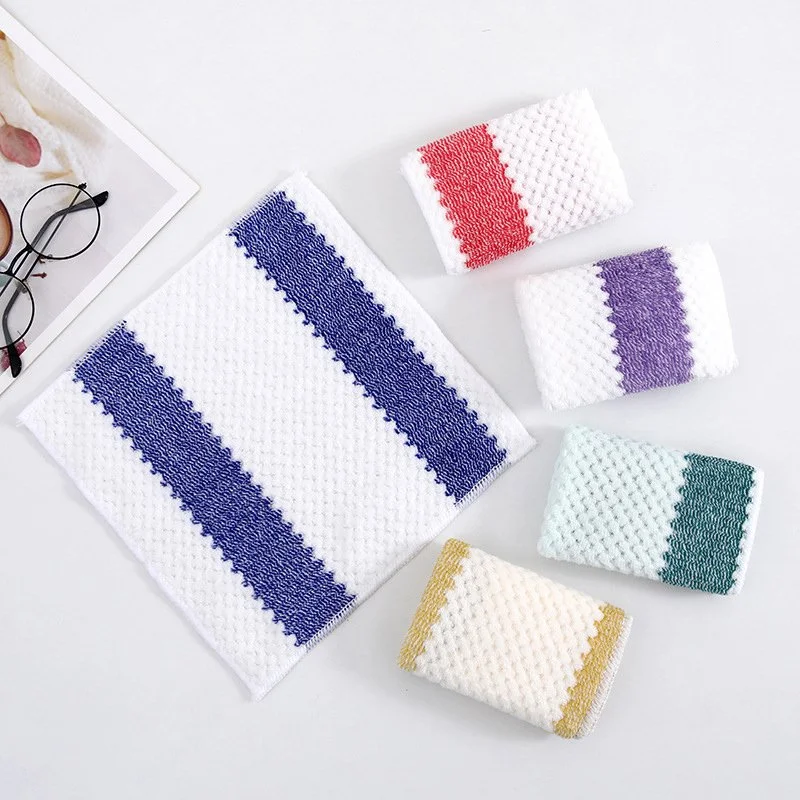
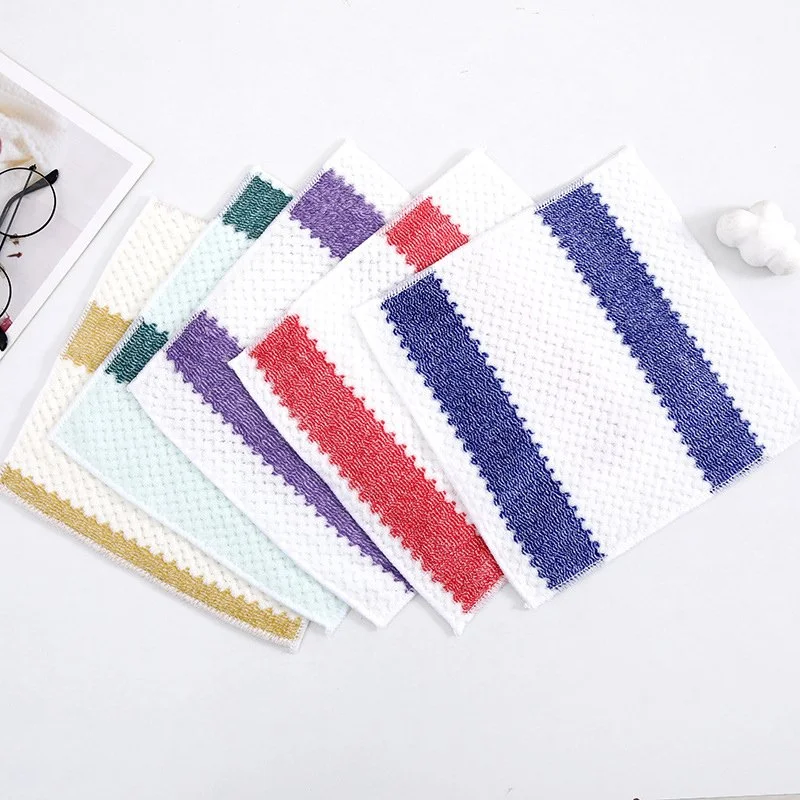
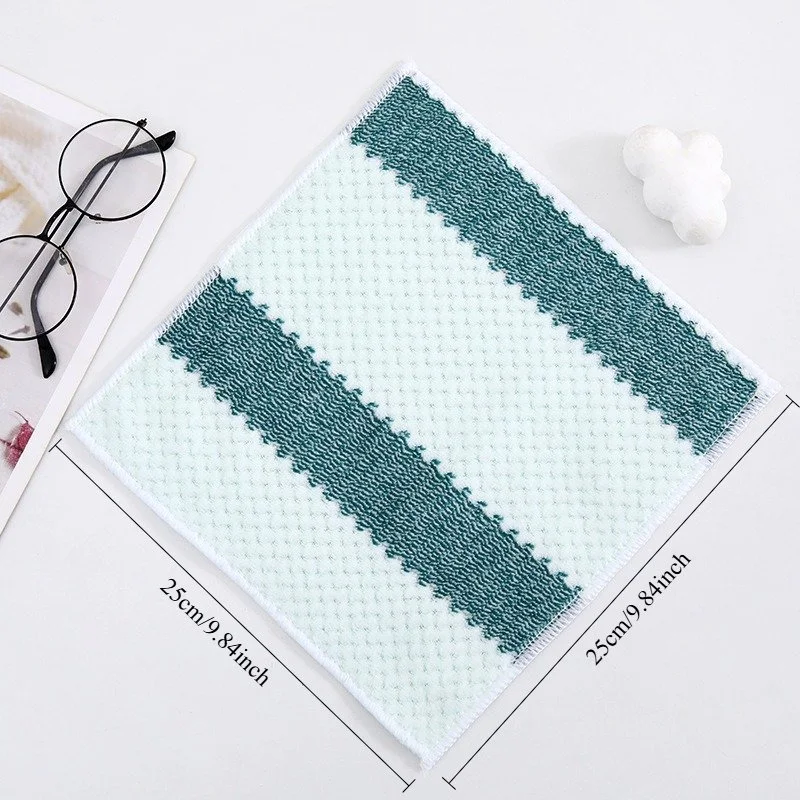
The matched product for this article is the Ultra-Absorbent Microfiber Kitchen Towels - 5 Pack Reusable Cleaning Cloths (#1795550). It fits because the product is a washable microfiber set designed for kitchen wiping, dish drying, countertop cleaning, and spill cleanup. It should be treated as the reusable side of the system, not as a total replacement for every disposable product in the house.
How Microfiber Actually Cleans
Microfiber works through contact. The fibers are fine, soft, and dense, which helps the cloth touch more of the surface than many ordinary towels. That contact can help lift dust, liquid, and light residue. When the cloth is folded and moved with steady pressure, it can trap dirt in the fabric instead of simply pushing it around.
This is why microfiber often feels more effective on counters, glass, stainless steel, mirrors, faucets, appliance handles, and car interiors. It can clean with water alone for many light jobs. It can also use a very small amount of soap when grease or sticky residue requires it. The cloth does not need to be soaking wet. In many cases, lightly damp is enough.
Microfiber also works well dry. A dry microfiber cloth can grab dust from shelves, TV stands, baseboards, cabinet fronts, and dashboards. If you wet dust too early, it can turn into streaky gray film. Dry dusting first often creates a better result.
The main weakness of microfiber is not cleaning ability. It is maintenance. A reusable cloth must be rinsed, dried, sorted, and washed. If microfiber is washed with lint-heavy towels, overloaded with detergent, treated with fabric softener, or left damp in a pile, performance drops. It can start smelling stale or leaving lint and streaks.
This means microfiber is best for households willing to create a small routine. You do not need a complicated system, but you do need a place for clean cloths, a place for used cloths, and a rule for washing them separately from the wrong laundry.
How Paper Towels Actually Work
Paper towels work through absorbency and disposal. They are easy to tear off, use once, and throw away. That makes them fast and psychologically simple. There is no sorting, rinsing, washing, drying, or remembering which cloth touched which mess.
Their strength is also their limitation. A paper towel is usually thin compared with a cloth. It may tear when saturated. It may leave lint on glass or glossy surfaces. It may not hold up well during larger spills or repeated wiping. If you use several sheets for every counter wipe, the roll disappears quickly.
Paper towels can be useful for oily residue because oil can load reusable cloth fibers and make laundry less pleasant. They are also useful for food safety cleanup when raw meat, fish, or egg spills are involved. In those situations, disposal may be the cleaner and more practical choice, followed by proper washing or disinfecting of the surface.
Paper towels are also useful when the mess includes something you do not want to store, rinse, or launder. Pet accidents, moldy refrigerator spills, greasy pan residue, and bathroom contamination may fit this category. A reusable system should not force people to keep a cloth for every unpleasant job.
The mistake is using paper towels for everything by default. Drying a clean sink, wiping a water spill, dusting a shelf, polishing a faucet, or cleaning a glass table often does not require a disposable towel. Those are the jobs where microfiber can reduce waste and do better work.
The Everyday Rule: Reusable For Routine, Disposable For Risk
The simplest rule is this: use microfiber for routine messes and paper towels for risky messes.
Routine messes include water spills, coffee drips, crumbs, light food residue, dust, fingerprints, sink splashes, clean dish drying, appliance handles, cabinet pulls, dining tables, and most daily counter wiping. These messes happen repeatedly, and they are exactly where reusable cloths make sense.
Risky messes include raw meat juice, raw egg, pet waste, strong grease, moldy food liquid, toilet-area contamination, unknown sticky substances, and anything involving bodily fluids. These messes are not the place to prove how committed you are to reusables. Use disposable material first, clean the surface properly, and move on.
This rule removes guilt and confusion. You do not have to make microfiber do every job. You also do not have to use paper towels for tasks where a reusable cloth is clearly better. A mixed system is more realistic than an extreme system.
In practice, this might mean a household uses microfiber for ninety percent of normal visible cleaning and paper towels for the few messes that deserve disposal. Another household with pets, small children, or frequent raw-food prep may use more paper towels. That is fine. The goal is better tool choice, not a perfect score.
Kitchen Counters: Microfiber First, Paper Towels For Exceptions
Kitchen counters are one of the best places to use microfiber. Most counter messes are not dangerous. They are crumbs, water rings, coffee splashes, flour dust, fingerprints, and light food residue. A lightly damp microfiber cloth can handle these quickly, especially if crumbs are brushed away first.
Start dry if there are crumbs or powder. Sweep loose debris into your hand, a dustpan, or the sink if appropriate. Then use a damp microfiber cloth to wipe the surface. Fold the cloth so you have clean faces to rotate. If the counter still feels sticky, rinse the cloth and wipe again. For greasy spots, add a tiny amount of dish soap to the cloth rather than flooding the whole counter with cleaner.
Paper towels belong on the counter when the mess is raw meat juice, raw egg, spoiled food liquid, or anything you do not want in your cloth laundry. Use the paper towel to remove the bulk of the mess, then clean or disinfect the surface according to the surface and cleaner instructions. Do not use a nice microfiber towel as the first tool for a chicken-juice spill.
The Ultra-Absorbent Microfiber Kitchen Towels (#1795550) fit the normal counter routine because a five-pack gives you rotation. One cloth can handle daily counter wiping. One can be used for drying or polishing. One can be held back clean. One can go to laundry. One can serve as backup. That structure is more useful than trying to stretch one cloth across every kitchen job.
Spills: Match The Tool To The Liquid
For water and other thin non-greasy liquids, microfiber is usually the better tool. It can absorb more comfortably than a single paper towel sheet and does not fall apart as quickly when wet. Press the cloth onto the spill first rather than wiping immediately. Let it absorb, lift, refold, and then wipe the remaining moisture.
For coffee, tea, juice, and soda, microfiber can still work well, but sticky liquids may need a rinse pass. After absorbing the liquid, rinse the cloth, wring it out, and wipe again. Sugar can leave a tacky film if the surface is not rinsed properly. A second pass prevents that.
For milk, sauce, oil, or greasy liquid, think before using microfiber. A small sauce drip is fine. A large oily spill may be better started with paper towels so most of the oil goes into the trash instead of into your cloth. After the bulk is removed, a damp microfiber cloth with a small amount of soap can finish the surface.
For raw meat, pet accidents, or unknown biological messes, use paper towels first. Disposable material is practical because you can remove the mess without creating a reusable item that needs special handling. After disposal, clean the area properly.
The goal is not to avoid paper towels completely. The goal is to stop wasting them on spills that microfiber handles better while still using them where disposal makes sense.
Glass, Mirrors, And Stainless Steel: Microfiber Has The Advantage
Smooth shiny surfaces show the difference between wiping and finishing. Paper towels can leave lint, streaks, and tiny fibers behind. Some paper towels also feel slightly rough on delicate finishes. Microfiber is usually a better choice for mirrors, glass tables, faucets, stainless steel appliance fronts, and polished hardware.
Use the two-cloth method. The first microfiber cloth is lightly damp and handles the cleaning. The second is clean and dry and handles the finish. On mirrors, wipe the damp cloth in overlapping passes, then dry from top to bottom. On stainless steel, wipe with the grain if visible. On faucets, use the dry cloth around the base where water spots collect.
Paper towels can work in a pinch, but they often require more sheets and more passes. They can also leave lint on mirrors, which makes the surface look dirty even after cleaning. If you have been cleaning a mirror repeatedly and still seeing haze, switch to the two-cloth microfiber method before blaming the glass cleaner.
For screens and lenses, be even more careful. Use only a clean microfiber cloth reserved for delicate surfaces. A kitchen cloth that has touched crumbs, oil, or gritty residue should not be used on a phone, laptop, television, camera lens, or glasses. Microfiber is gentle when clean. It is not gentle if it contains trapped grit.
Dusting: Dry Microfiber Beats Disposable Wiping
Dusting is one of the clearest microfiber wins. A dry microfiber cloth can pick up dust instead of scattering it. Paper towels can push dust around, leave lint, or require spray to feel effective. Spray turns dust into damp residue, which can create streaks on dark furniture and glossy shelves.
Use a dry microfiber cloth and work from high surfaces to low surfaces. Start with shelves, door frames, cabinet tops, picture frames, lamps, and electronics exteriors. Then move to tables, baseboards, and lower furniture. If dust falls during the process, it can be vacuumed afterward.
Fold the cloth so you can switch to a clean face as dust builds up. Do not keep wiping with a fully loaded cloth. Shake it outside only if that is appropriate for your space, or put it in the laundry pile when it is dirty. For heavy dust, you may need more than one cloth.
Paper towels still have a role for dirty, sticky, or disposable dust jobs, such as wiping a greasy vent edge or cleaning something pulled from a storage area with unknown residue. But for regular household dust, microfiber is more efficient and more pleasant to use.
The #1795550 microfiber set can support a dedicated dusting cloth if you assign one towel to dry jobs only. Keeping one cloth dry and away from grease makes dusting faster because the tool is always ready.
Bathrooms: Use Both, But Keep Boundaries
Bathrooms need clear boundaries. Microfiber can be excellent for mirrors, faucets, counters, shower glass maintenance, and quick sink wipe-downs. Paper towels are more practical for toilet-adjacent messes, hair mixed with product residue, or anything you do not want in a reusable cloth.
If you use microfiber in the bathroom, keep those cloths separate from kitchen cloths. Do not rely on memory alone if the cloths look identical. Use a different color, storage location, label, or laundry bag. A cloth used around the bathroom sink should not drift into the kitchen counter routine.
For bathroom mirrors, microfiber is the better tool. Use the two-cloth method. For faucets and counters, a damp microfiber cloth followed by a dry one can remove water spots and toothpaste film. For shower doors, microfiber can help with maintenance between deeper cleans, especially if used before mineral buildup becomes heavy.
For toilet areas, many households will prefer paper towels or disposable wipes used according to label directions. That choice is reasonable. It avoids putting high-contamination messes into normal cloth laundry. If reusable bathroom cloths are used, wash them separately and handle them with a clear routine.
The practical answer is not "microfiber everywhere." It is "microfiber where it improves the job, paper towels where disposal is cleaner."
Grease And Oil: Be Careful With Reusable Cloths
Grease is where people often misuse microfiber. A microfiber cloth can clean light kitchen grease very well, especially with warm water and a small amount of dish soap. But heavy oil can load the fibers and make the cloth harder to wash.
For light grease on cabinet pulls, appliance handles, or a small stovetop area, use a warm damp microfiber cloth. Add a drop of dish soap if needed. Rinse the cloth well, wring it, and wipe again. Finish with a dry cloth if the surface streaks.
For heavy pan grease, oily spills, or thick cooking residue, use paper towels first. Remove the bulk of the oil before introducing a reusable cloth. This keeps oil out of your laundry and prevents one cloth from becoming a greasy rag. After the bulk is gone, microfiber can finish the surface.
Do not put oil-loaded cloths into regular laundry with clothing or delicate microfiber. If a cloth has handled grease, rinse it with dish soap at the sink before washing. If it still feels oily, keep it out of the delicate cleaning rotation and downgrade it to rough kitchen use.
This is one reason a mixed system works better. Paper towels handle the disposable oily first pass. Microfiber handles the controlled cleaning and finishing pass.
Food Safety Messes: Choose Disposal First
Food prep creates messes that deserve more caution than normal crumbs. Raw poultry, meat, fish, eggs, and their packaging can leave juices on counters, cutting boards, sink edges, and trash-area surfaces. These are not ideal microfiber jobs.
Use paper towels to remove raw-food liquid and packaging residue. Throw them away immediately. Then wash or disinfect the surface according to the material and cleaner instructions. If you use a reusable cloth after the disposable pickup, make sure it goes directly into a separate wash routine.
Do not use the same microfiber towel for raw-food cleanup and then for drying dishes, wiping hands, or cleaning the table. This is where reusable systems can become risky if the household is casual about sorting.
For normal post-cooking cleanup after the risky materials are handled, microfiber can return to the routine. Wipe the counter, faucet, handles, and sink edge with a clean cloth. The key is sequence: disposable first for the high-risk mess, reusable afterward for general cleaning where appropriate.
This approach is practical because it respects both hygiene and waste reduction. You reduce unnecessary paper towel use without making reusable cloths carry jobs they should not carry.
Cost: The Real Savings Depends On Your Habits
Microfiber can reduce paper towel spending, but exact savings vary by household. A family that uses paper towels for every counter wipe will save more than a household that already uses dish towels. A pet household may still need disposable towels often. A home that washes microfiber properly will get longer use from cloths than one that damages them with fabric softener or high heat.
Instead of relying on a universal savings number, look at your own pattern. How many rolls do you use each month? Which uses could be replaced by a cloth? Which uses should remain disposable? If you replace only water spills, dusting, mirror cleaning, and daily counter wiping, you may noticeably slow down paper towel use. If most paper towels in your home are used for pet messes or raw-food cleanup, the reduction will be smaller.
Microfiber also has a laundry cost. It is small, but it exists. Cloths need washing, drying, and care. If you wash them separately, that may add occasional laundry loads. If you air dry them, the cost is lower but the routine takes space and time. These details do not cancel the usefulness of microfiber; they make the comparison honest.
The better financial question is not "Will microfiber eliminate paper towels?" It is "Which repeated paper towel uses are unnecessary?" Those repeated small uses are where a washable cloth set can pay off over time.
The #1795550 five-pack is a reasonable starting point because it does not require a huge system. You can test the habit: one cloth for counters, one for spills, one for drying, one for dusting, and one backup. If the system reduces disposable use and stays easy, add more cloths later.
Environmental Impact: Reuse Helps Only If You Actually Reuse
Reusable cloths can reduce disposable waste, but the environmental comparison is not as simple as "cloth good, paper bad." Microfiber is a synthetic material and must be manufactured. It also needs washing. Paper towels are single use and create repeated waste, but they are convenient and sometimes hygienically appropriate. The best environmental improvement is using fewer disposables where reuse makes sense without creating unsafe cleaning habits.
Microfiber makes the most sense when it is used many times. A cloth used once and thrown away is worse than the idea behind the product. A cloth that is washed correctly and used for months or years can replace many routine disposable wipes. That is the value.
Paper towels should be reserved for jobs where disposal is genuinely useful. If a household stops using paper towels for dusting, clean water spills, faucet polishing, and light counter wiping, waste drops without making life harder. If the household still uses paper towels for raw-food messes and pet accidents, that is a reasonable balance.
Laundry habits also matter. Wash full or sensible loads, use appropriate detergent, skip fabric softener, and avoid unnecessary high heat. Let cloths air dry when practical. Store them dry so they do not need rewashing because of odor.
Environmental claims become more believable when they are tied to behavior. Reuse the cloth often. Use paper where disposal is appropriate. Avoid turning either tool into a default for every mess.
Convenience: Paper Towels Win Until The Cloth System Is Easy
Paper towels are convenient because they require no system. Microfiber becomes convenient only after you create one.
A cloth system needs four things: clean storage, dirty storage, washing rules, and job separation. Clean cloths should be easy to grab. Used cloths should have a place to go that is not the counter, sink, or random laundry pile. Washing rules should be simple enough that everyone follows them. Job separation should prevent bathroom cloths, greasy cloths, and delicate-surface cloths from getting mixed.
If the system is annoying, people go back to paper towels. That is not a character flaw. It means the system was poorly designed. Keep it simple. Start with a small number of cloths. Put them where paper towels used to be reached for most often. Keep a small laundry bin or mesh bag nearby. Wash them regularly.
The #1795550 set helps because five cloths are enough to create rotation without overwhelming the drawer. A giant pile can become confusing. A small assigned set is easier to manage.
Paper towels remain the convenience winner for one-off unpleasant messes. That is fine. The goal is to make microfiber convenient for repeated safe jobs so paper towels are used intentionally rather than automatically.
Surface Safety: Clean Microfiber Is The Key
Microfiber is generally a better choice for delicate surfaces, but only when it is clean. A dirty microfiber cloth can scratch if it contains grit. A cloth used on crumbs, sand, outdoor dirt, or garage dust should not be used on glasses, screens, glossy black appliances, or car paint.
For delicate surfaces, reserve a clean cloth. Do not use the kitchen spill cloth on a laptop screen. Do not use the car wheel cloth on the car body. Do not use the outdoor furniture cloth on a glass table. The material is soft, but trapped debris changes the risk.
Paper towels can also be rough or linty on some surfaces. They may leave fibers behind on mirrors or screens. They are not ideal for camera lenses, eyeglasses, or glossy finishes. If you use them on delicate surfaces, use caution and check the surface manufacturer's recommendations.
For most household polishing, clean microfiber wins because it leaves less lint and can be used dry or barely damp. For disposable dirty work, paper towels still have their place. Surface safety depends less on the tool name and more on whether the tool is clean and appropriate for the finish.
Washing Microfiber Correctly
Microfiber needs care to stay useful. Wash it separately from lint-heavy laundry such as cotton bath towels, fleece, and fuzzy blankets. Lint can cling to the fibers and later transfer to mirrors, glass, and counters.
Use a mild detergent and avoid using too much. Extra detergent can remain in the cloth and cause streaking. Skip fabric softener and dryer sheets because they can coat the fibers and reduce absorbency. Use cool or warm water unless the product care label says otherwise. Dry on low heat or air dry.
Rinse greasy cloths before washing. If a cloth handled heavy oil, wash it separately from your better glass or dusting cloths. If a cloth handled bathroom contamination, keep it out of the kitchen rotation. If a cloth smells after washing, it may need a more thorough rinse, better drying, or retirement from delicate tasks.
Store cloths fully dry. Damp storage creates odor. Fold clean cloths by job if possible: counters, dusting, glass, bathroom, utility. This does not need to look perfect. It just needs to prevent the wrong cloth from being grabbed for the wrong job.
When microfiber is cared for properly, it stays useful. When it is treated like any random rag, it loses much of what makes it worth using.
A Practical Home Setup
A balanced home setup can be simple. Keep one roll of paper towels for disposal-worthy messes. Keep a small stack of microfiber cloths for daily cleaning. Put both where they make sense.
In the kitchen, keep microfiber near the sink or cleaning drawer. Assign one cloth to counters and one to drying or polishing. Keep paper towels nearby but stop using them for every water spill. Under the sink, keep a small laundry bag or bin for used cloths if space allows.
In the bathroom, use separate microfiber cloths if you want reusable mirror and faucet cleaning. Do not mix them with kitchen cloths. Keep disposable towels or wipes for toilet-adjacent jobs if that is your household preference.
For dusting, keep one dry microfiber cloth in a closet, drawer, or cleaning caddy. Do not wet it unless the job changes. For electronics, keep a separate clean cloth in a desk drawer.
For cars, keep a dedicated microfiber towel that never touches gritty wheels or outdoor dirt if you plan to use it on interior screens or glossy trim. Use rougher towels for dirty exterior utility jobs.
This kind of setup makes the decision automatic. The right tool is in the right place, and the wrong tool is not forced into the job.
Where The Matched Product Fits
The Ultra-Absorbent Microfiber Kitchen Towels - 5 Pack Reusable Cleaning Cloths (#1795550) fits best as the reusable foundation for kitchen and light household cleaning. The product details describe microfiber material, a reusable washable format, lightweight quick-drying use, and a five-piece set. Those features match the everyday jobs where microfiber makes sense: drying dishes, wiping countertops, handling safe spills, cleaning sink splashes, and reducing unnecessary paper towel use.
The five-pack size is useful because comparison articles should not only say "use cloths." They should help the reader imagine a routine. With five cloths, a household can assign roles: one for counters, one for spills, one for drying, one for dusting or polishing, and one spare. If the system works, the user can add more later.
The product should not be positioned as a total paper towel replacement. That would be unrealistic and less trustworthy. It is better presented as the cloth side of a mixed cleaning system. Use it repeatedly for safe routine cleaning. Keep paper towels for disposal-worthy messes. That balance is easy to understand and more likely to last.
Final Recommendation
Microfiber cloths are better for many repeated cleaning jobs: counters, dusting, mirrors, faucets, stainless steel, light spills, dish drying, and everyday wipe-downs. Paper towels are better for disposal-worthy messes: raw-food liquid, pet accidents, heavy grease, moldy spills, bathroom contamination, and situations where washing a cloth is not practical.
The best home system uses both. Microfiber handles the routine. Paper towels handle the risk. This approach reduces waste without creating hygiene problems or unrealistic rules.
For this article, the best matched product is the Ultra-Absorbent Microfiber Kitchen Towels - 5 Pack Reusable Cleaning Cloths (#1795550). It supports the reusable half of the system because it gives the reader a practical set of washable kitchen cloths for daily cleaning, drying, and spill control.
If you want the easiest rule, use this: when the mess is ordinary and repeatable, reach for microfiber; when the mess is risky, oily, or unpleasant to launder, reach for paper towels. That one decision will make your cleaning routine cleaner, calmer, and less wasteful without turning every spill into a debate.
Browse Cleaning Tools products