Article
Stop Your Cat From Scratching Furniture: A Practical Redirection Plan
Quick Answer
Stop Your Cat From Scratching Furniture: A Practical Redirection Plan: quick answer
Scratching furniture feels like misbehavior because the damage is visible. A cat scratches the arm of a sofa, the side of a mattress, a rug edge, or a...
- Topic: Cat Behavior.
- Related product category: pet-toys.
- This article keeps the main answer in the article copy and places relevant product context inside the guide.
Scratching Is Normal, Furniture Damage Is The Problem
Scratching furniture feels like misbehavior because the damage is visible. A cat scratches the arm of a sofa, the side of a mattress, a rug edge, or a dining chair, and the human sees destruction. The cat is not thinking about the cost of the furniture. The cat is doing a normal feline behavior in the place that currently makes the most sense.
Cats scratch to maintain their claws, stretch their shoulders and back, leave scent from the paw pads, mark important territory, and release tension. Scratching is also part of how many cats transition between rest and activity. A cat may scratch after waking up, before play, after a stressful noise, near a doorway, or beside a favorite sleeping spot. If you only see the damage, you miss the pattern.
The goal is not to stop scratching. That would be unrealistic and unfair. The goal is to make the right scratching surface more attractive than the furniture. That means matching texture, angle, height, location, and timing. Most scratching problems continue because people buy a random scratching post, place it in a corner, and expect the cat to abandon the exact sofa arm the cat already chose. From the cat's view, the new post may be in the wrong place, the wrong texture, too short, too unstable, or socially unimportant.
A better plan starts with observation. Where does the cat scratch? What is the surface like? Is it vertical fabric, horizontal carpet, wood, woven texture, cardboard, or a rug edge? Does the cat scratch after sleeping, when people come home, after seeing outdoor cats, or during play? Once you know the real reason and pattern, you can redirect the behavior instead of fighting it.
Step 1: Identify The Scratching Pattern
Before buying anything, map the behavior for a few days. Write down the exact locations. A sofa arm near the living room entrance tells a different story from a rug outside the bedroom door. Scratching near a window may be related to outdoor stimulation. Scratching beside a bed may happen after sleep. Scratching near a doorway may be territorial. Scratching a chair while people eat may be attention-seeking, routine-driven, or simply because that texture feels good.
Look at the angle. If the cat reaches high on a couch arm, the cat probably wants a vertical stretch. A short floor scratcher will not fully replace that. If the cat scratches carpet or a rug, the cat may prefer horizontal resistance. If the cat scratches the side of a mattress, the cat may like a vertical fabric surface near a resting area. If the cat scratches chair legs or table legs, the cat may like narrow vertical objects.
Look at the texture. Cats can be very specific. Some love sisal rope. Some prefer sisal fabric. Some like cardboard. Some want carpet. Some like woven paper rope. Some scratch wood. If the substitute feels wrong under the claws, the cat may ignore it even if it looks perfect to a person.
Also notice body language. A relaxed stretch-scratch after a nap is different from frantic scratching after a loud sound. Calm scratching needs a good outlet. Stress scratching may also need environmental changes. If the cat scratches intensely after seeing outdoor cats, blocking the view temporarily or adding play before peak times may help. If scratching happens during conflict with another pet, the furniture is not the whole issue.
This pattern check prevents the most common mistake: treating all scratching as the same problem.
Step 2: Match Texture, Angle, And Resistance
The best replacement surface should copy what the cat already likes, then make that option more acceptable for the home. If the cat scratches fabric furniture, a sisal fabric post, woven scratcher, or firm textured surface may work better than smooth plastic. If the cat scratches carpet, use a horizontal scratcher with enough grip that it does not slide. If the cat scratches high on furniture, choose a tall vertical post or wall-mounted scratcher that allows a full body stretch.
Resistance matters. Cats often reject wobbly posts because scratching requires pressure. A post that tips, slides, or shakes does not feel satisfying. The base should be stable. A horizontal scratcher should stay in place. A lightweight toy can help with claw engagement and play, but it should not be the only option for a cat that clearly needs a tall stretch.
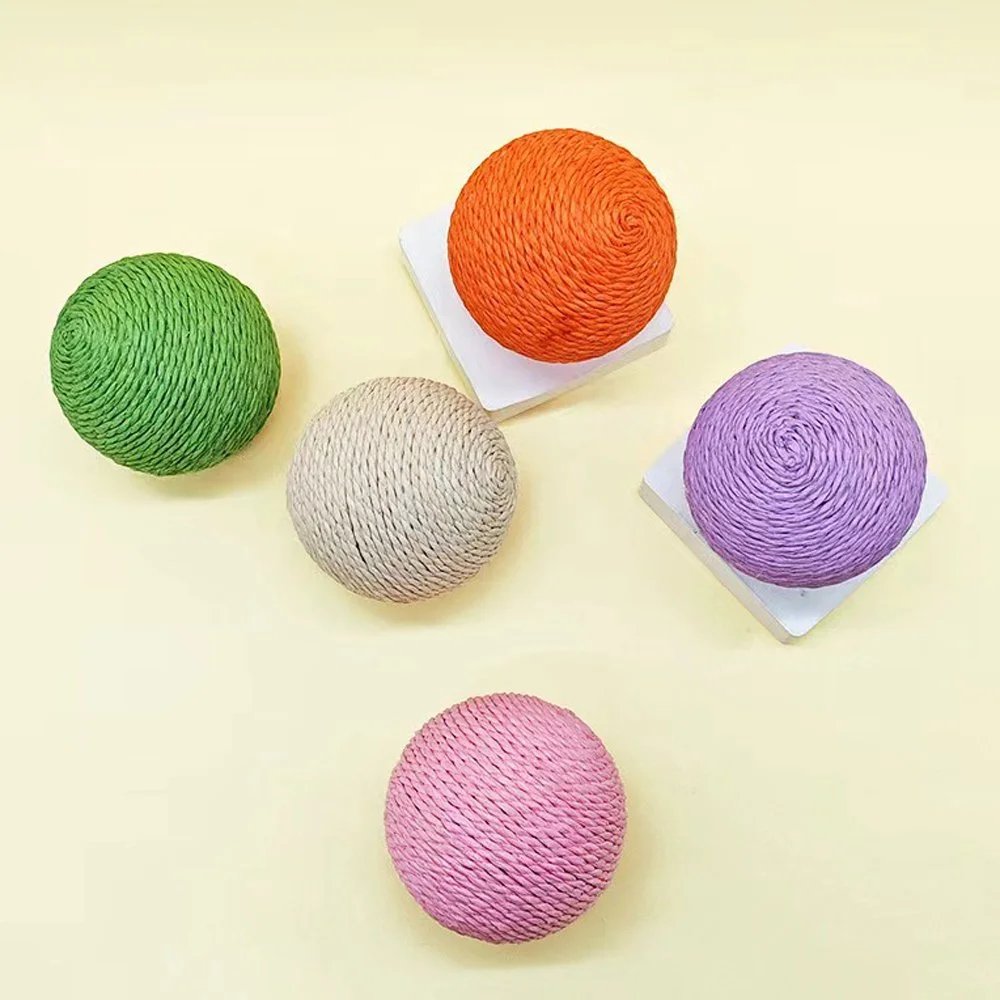
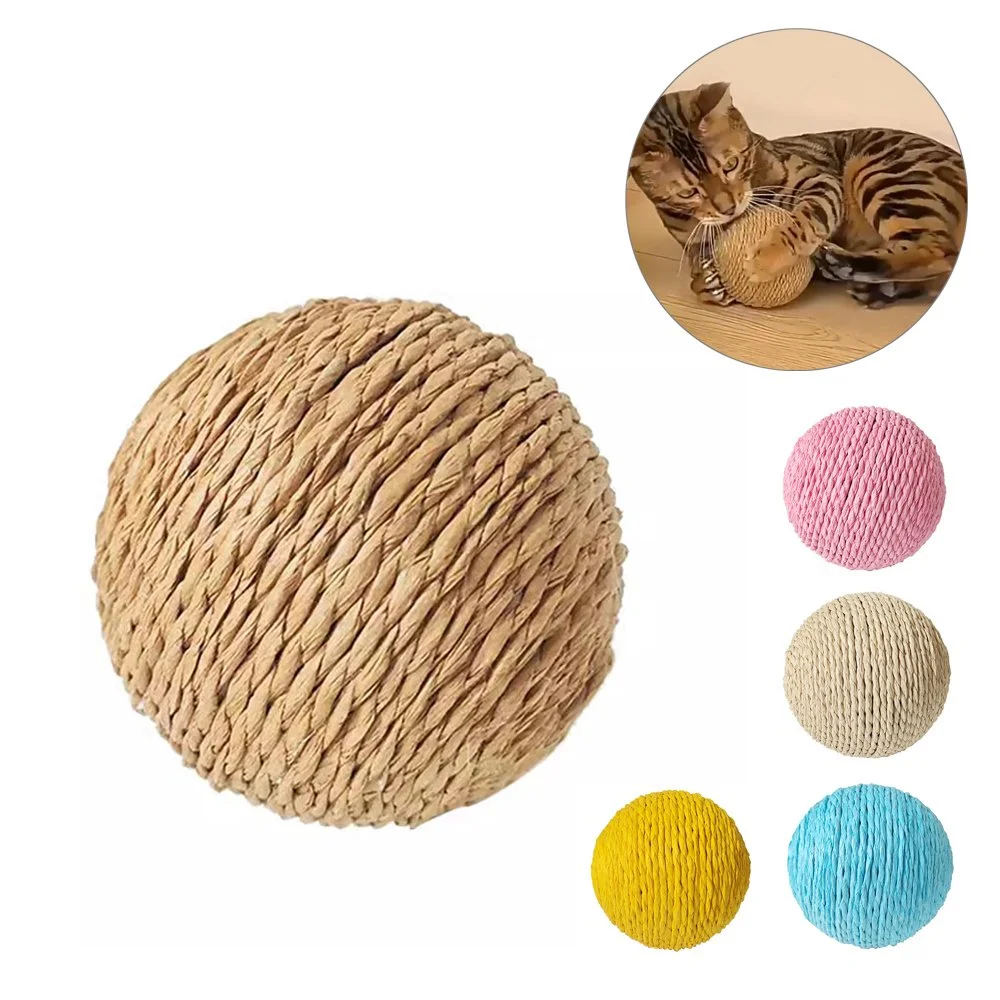
This is where the Durable Big Paper Rope Cat Scratching Ball (#1742911) fits as a useful supporting product. It is made from tightly woven paper rope, is lightweight, and gives cats a textured object for scratching, chasing, and solo play. It is not a complete replacement for a tall vertical post if the cat is damaging the upper part of a sofa. It works best as an added scratch-and-play outlet, especially for cats that like textured balls, floor-level scratching, or batting objects around.
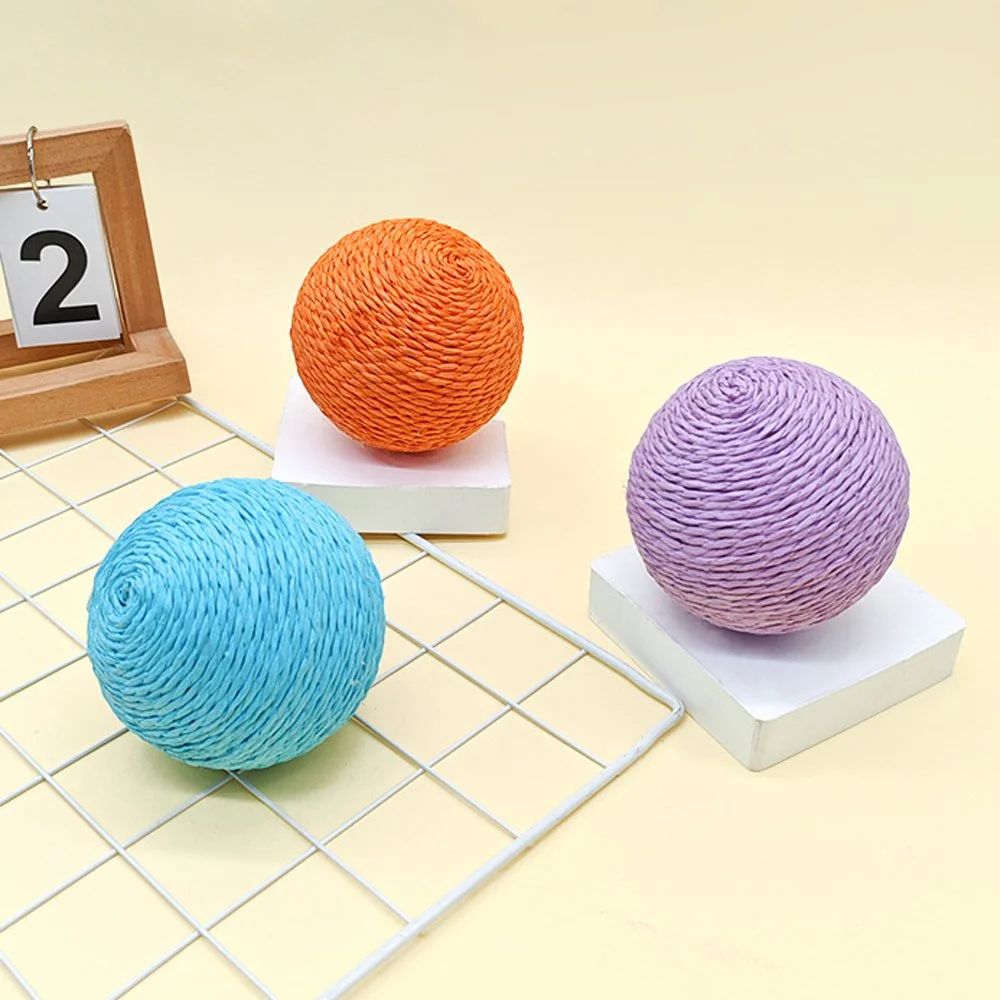
That distinction matters. A good article should not pretend one small toy solves every furniture problem. For many homes, the stronger plan is a tall stable post near the damaged furniture plus a scratchable toy like #1742911 for extra engagement. The post handles full-body stretching. The ball adds movement, texture, and independent play. Together, they make the approved options more interesting than the couch.
Choose By The Furniture Being Damaged
The damaged furniture usually tells you what the cat needs. Sofa arms are the classic example. A cat that scratches a sofa arm is often choosing height, resistance, and social location at the same time. The arm is tall enough for a stretch, firm enough to pull against, and located where people spend time. A tiny floor scratcher across the room will rarely compete with that. Use a tall, stable vertical surface near the sofa arm first. Add a floor-level scratch toy nearby only as support.
Mattress sides create a similar problem. The cat may scratch after waking, when entering the bedroom, or when trying to get attention. The substitute should be close to the bed and tall enough for a stretch. If the bedroom is part of the cat's routine, do not expect a living room scratcher to solve the bedroom problem.
Rug and carpet scratching usually calls for horizontal resistance. A vertical post may be ignored because the cat is not asking for height. The cat wants to dig claws into something flat and pull. Use a horizontal scratcher, weighted mat, or textured floor-level option. This is one place where a paper rope ball can add interest, especially if the cat also likes batting and chasing. It gives the cat a movable texture, while the main horizontal surface gives a fixed place to dig in.
Dining chairs and table legs are narrower. Cats that target them may like vertical edges, wood-like resistance, or the social timing around meals. A slim vertical scratcher near the dining area can help, but it needs to be stable. If the issue happens when people sit down to eat, add a short play or food routine before meals so the cat is not using the chair as the most available outlet.
Curtains require special caution. A cat scratching curtains may also be climbing, chasing movement, or reacting to windows. Provide a safer vertical outlet, but also manage the window area. Tie curtains out of reach temporarily, add a stable cat tree if climbing is part of the behavior, and use play to redirect hunting energy.
This furniture-based approach is more useful than asking, "What is the best scratching product?" The better question is, "What job was the furniture doing for the cat?"
Step 3: Put The Scratcher Where The Cat Already Scratches
Placement is usually more important than the price of the scratcher. Cats scratch in meaningful places. They scratch near sleep areas because they stretch after waking. They scratch near entrances because those locations carry social and territorial value. They scratch the sofa because people sit there, scents collect there, and the surface feels satisfying. A post hidden in a spare room does not compete with that.
Place the new scratching option directly beside or in front of the furniture being scratched. If the cat scratches the sofa arm, the post should be at that sofa arm. If the cat scratches the rug edge by the hallway, place a horizontal scratcher there. If the cat scratches near the bed, give the cat a legal option near the bed. This may not look perfect at first, but it is how you change the habit.
Once the cat uses the replacement consistently for a couple of weeks, you can move it slowly. Do not drag it across the room overnight. Move it a short distance every few days. If the cat returns to the furniture, move the scratcher back and slow down.
For a scratchable toy such as #1742911, location still matters. Do not leave it buried in a toy basket. Put it near the furniture that needs protection, near a play route, or close to a favorite lounging area. If the cat enjoys batting it, use it during interactive play and then let it remain near the approved scratching zone. The product becomes part of the redirection area rather than a random toy.
The furniture is already winning because it is in the right place. Your substitute has to compete in that same place first.
Step 4: Make The Approved Surface More Interesting
Cats do not switch habits because humans explain the rule. They switch because the new option feels better, smells interesting, and appears at the right moment. Make the approved surface easy to discover.
Use catnip or silvervine if your cat responds to it. Rub a small amount on the scratcher or near the scratching zone. Do not overdo it. Too much can make some cats roll, bite, or become silly instead of scratching. Refresh lightly when interest fades. If the cat does not respond to catnip, try play instead.
Use a wand toy to guide the cat near the scratcher. Let the cat chase, pause, and place paws on the approved surface. Do not force the cat's paws onto the scratcher. That can create a negative association. Instead, make the area part of a fun routine. A cat that pounces near the scratcher may naturally dig claws into it.
Reward the first correct choices. If the cat scratches the approved post, calmly praise, offer a treat, or start a short play session. The reward should arrive close to the behavior. If you notice the cat stretching near the couch and choosing the post instead, that is the moment to reinforce.
For a paper rope scratching ball, start with movement. Roll it gently across the floor, let the cat bat it, then pause. The woven texture gives the cat a reason to hook claws into it. If the cat likes floor play, this can create a useful outlet that is different from a fixed post.
The approved option should feel alive and relevant. A neglected scratcher is just furniture for cats.
Step 5: Make The Furniture Temporarily Less Rewarding
Redirection works faster when the furniture stops feeling like the best option. This does not mean scaring the cat. Avoid yelling, spraying water, or punishing after the fact. Punishment can make the cat anxious, damage trust, and often teaches the cat to scratch when people are not watching.
Use temporary surface changes instead. Double-sided furniture tape can help on some sofa arms because many cats dislike the sticky feeling. Clear plastic protectors can protect corners while the cat learns the new habit. A washable cover may reduce damage during training. For carpet edges, block access temporarily or place an approved horizontal scratcher directly over the problem area.
The key is pairing furniture protection with a better option nearby. If you only block the furniture, the cat will choose another surface. If you only add a scratcher but leave the sofa feeling perfect, the cat may keep using both. The combination is what changes the decision.
Keep the setup in place long enough. Many people remove tape or protectors after two days because the cat seems to stop. Then the old habit returns. Give the new pattern time to become normal. For many cats, two to four weeks of consistency is more realistic than a few days.
Do not cover the whole home in deterrents. Focus on the exact spots being damaged and provide approved choices in those same areas.
Step 6: Trim Nails Without Expecting It To Solve Everything
Regular nail trimming reduces damage, but it does not remove the need to scratch. A trimmed cat still needs to stretch, mark, and maintain the claws. Think of trimming as damage control, not behavior replacement.

Trim only the sharp tip. Use proper cat nail clippers and avoid the quick, which is the sensitive pink area inside the nail. If your cat is not used to trimming, start slowly. Touch paws, reward, clip one nail, reward again, and stop before the cat becomes highly stressed. A calm routine is better than forcing all nails at once.
Many cats do well with small, frequent sessions. One or two nails per day may be easier than a full trim every few weeks. If your cat becomes aggressive, fearful, or impossible to handle safely, ask a groomer or veterinarian for help.
Do not rely on nail caps, trimming, or deterrents alone. If the cat has no satisfying scratching option, the behavior will continue. The goal is to make the approved scratching surfaces so useful that the cat naturally chooses them.
What To Do If The Cat Ignores The New Scratcher
If the cat ignores the scratcher, do not assume the cat is stubborn. Something about the setup is probably wrong. Check the basics first.
Is the scratcher near the damaged furniture? If not, move it closer. Is it stable? If it wobbles, secure it or choose a heavier base. Is it tall enough for a full stretch? If the cat is reaching high on furniture, a short post will not satisfy the same need. Is the texture similar to what the cat already likes? If not, try a different material.
Also ask whether the scratcher has been introduced in a meaningful way. A post placed silently in a corner may not matter to the cat. Use play, scent, and routine. Scratch the surface lightly with your own fingers to create sound. Some cats investigate after hearing the texture. Place treats nearby, not directly on top if that distracts from scratching.
If the cat likes floor play, introduce a scratchable toy such as the Durable Big Paper Rope Cat Scratching Ball (#1742911). Roll it near the approved area and let the cat discover the texture through play. If the cat hooks claws into it, that is useful information: the cat may prefer floor-level scratching and textured movement.
If one option fails, change one variable at a time. Do not replace everything daily. Cats often need consistency before they accept a new habit.
How To Tell If Redirection Is Working
Success usually appears in stages. The first sign may not be perfect furniture avoidance. It may be curiosity. The cat sniffs the new surface, steps on it, bats the paper rope ball, or scratches once and walks away. That still matters. It means the new option has entered the cat's map of the room.
The next sign is shared use. The cat may still scratch the sofa once in a while but begins using the approved surface after naps or during play. At this stage, keep the furniture protection in place. Do not remove the deterrent too early. Reinforce the approved choice and make sure the scratcher stays in the same place.
The stronger sign is routine use. The cat wakes, stretches, and scratches the approved surface without being guided. The cat runs to the scratch area during play. The cat chooses the scratchable toy instead of the furniture when excited. Once this happens consistently, you can begin to reduce temporary furniture protection.
Track frequency, not perfection. If the cat scratched the sofa ten times a week and now scratches it twice, the plan is working. Improve the setup rather than starting over. Maybe the vertical post is right, but the floor-level outlet needs to be more interesting. Maybe the cat uses the post in the daytime but scratches the bedroom at night, which means the bedroom needs its own solution.
Also watch damage depth. A cat may briefly touch furniture with claws but stop digging into it. That is progress. The habit is weakening. Keep the approved options available long enough for the new behavior to become automatic.
The mistake is judging the plan after one day. Furniture scratching is often a habit built over weeks or months. A fair reset needs repetition, not constant changes.
Multi-Cat Homes Need More Than One Scratching Zone
In a multi-cat home, one scratching post is rarely enough. Scratching is partly social and territorial. If one cat controls the best post, another cat may choose the sofa, rug, or doorway instead. Cats may also scratch in different places because they use different rooms or have different relationships with people and other pets.
Provide multiple zones. A strong setup includes at least one vertical scratching option in a main living area, one near a favorite sleeping place, and one horizontal or floor-level option if any cat scratches rugs or carpet. In homes with tension between cats, place scratchers where a lower-confidence cat can use them without being trapped.
Do not put all scratchers in one corner. That creates a scratching station for humans, not necessarily for cats. Spread them across meaningful locations. Watch which cat uses which surface and adjust.
Shared toys also need observation. A scratchable ball may be loved by one cat and ignored by another. One cat may bat it around while another prefers a fixed post. That is normal. The product does not have to serve every cat equally to be useful. It just needs to add one more acceptable scratching outlet.
If scratching increases after a new cat arrives, after a move, or after household changes, treat it as a stress and territory issue as well as a furniture issue. Add resources, reduce conflict, and give each cat safe routes through the home.
Kittens, Adult Cats, And Senior Cats
Kittens scratch because they are learning their bodies, testing textures, and turning everything into play. They need durable, safe, easy-to-find options in the rooms where they spend time. For kittens, floor-level scratch toys can be especially engaging because they combine movement and claw use. Supervise small or lightweight toys and remove damaged pieces.
Adult cats often have stronger preferences. If an adult cat has used one sofa arm for months, changing the habit takes consistency. Match the existing preference first, then improve it. If the cat likes vertical fabric, start there. If the cat likes rug edges, start with horizontal resistance. Do not expect a completely different style to work immediately.
Senior cats may scratch less intensely but still need comfortable options. Arthritis, stiffness, or reduced balance can make tall posts harder to use. A senior cat may prefer lower, stable surfaces that do not require jumping or strong pulling. Place options near resting areas so the cat can stretch after sleep without crossing the room.
For all ages, the principle is the same: the scratching option must fit the cat's body, habits, and location. A product is only useful when it matches the behavior you are trying to redirect.
When Scratching Signals A Bigger Problem
Most furniture scratching is normal behavior in the wrong place, but sudden changes deserve attention. If a cat that rarely scratched furniture begins damaging multiple areas, look for triggers. A new pet, new furniture, outdoor cats, construction noise, schedule changes, guests, illness, or pain can all change behavior.
Pay attention to overgrooming, hiding, appetite changes, litter box changes, aggression, or unusual vocalization. If scratching appears with other behavior changes, the issue may not be solved by a toy alone. A veterinary check may be appropriate, especially if the cat seems uncomfortable, anxious, or physically different.
Stress-related scratching often happens near doors, windows, and socially important furniture. The cat may be trying to mark territory more strongly. In that case, add scratching choices but also reduce the trigger. Block the view of outdoor cats temporarily. Add predictable play. Increase vertical resting spaces. Make sure food, water, litter boxes, and resting spots are not creating conflict in a multi-cat home.
A scratching product helps only when the environment supports the cat's needs. If the home remains stressful, the cat may keep marking important furniture even with new toys available.
A Realistic Two-Week Reset Plan
For the first two days, observe and set up. Identify the exact damaged spots, the preferred angle, and the preferred texture. Choose one primary replacement surface for each major problem area. Add the Durable Big Paper Rope Cat Scratching Ball (#1742911) near the main scratching zone if your cat enjoys floor play or textured toys.
From days three to seven, make the approved options more attractive. Use light catnip or silvervine if your cat responds. Play near the scratcher. Reward correct use. Protect the furniture with temporary tape, covers, or barriers. Keep the setup consistent.
From days eight to fourteen, watch for repeat choices. If the cat uses the approved surface, keep reinforcing. If the cat still scratches furniture, adjust one thing: move the scratcher closer, change angle, improve stability, or try a different texture. Do not punish. The cat is giving you information about what still feels better.
After two weeks, begin slow changes only if the new habit is stable. Move scratchers gradually if needed. Keep at least one approved option near the original area for longer than you think necessary. Removing it too early is one of the fastest ways to bring the old habit back.
This reset plan is simple because consistency matters more than complexity. The cat needs a clear, repeated answer: scratch here, not there.
Final Recommendation
To stop furniture scratching, do not try to stop scratching itself. Identify the pattern, match the texture and angle, place the replacement beside the damaged furniture, make the approved option interesting, protect the furniture temporarily, and keep nail trimming as support.
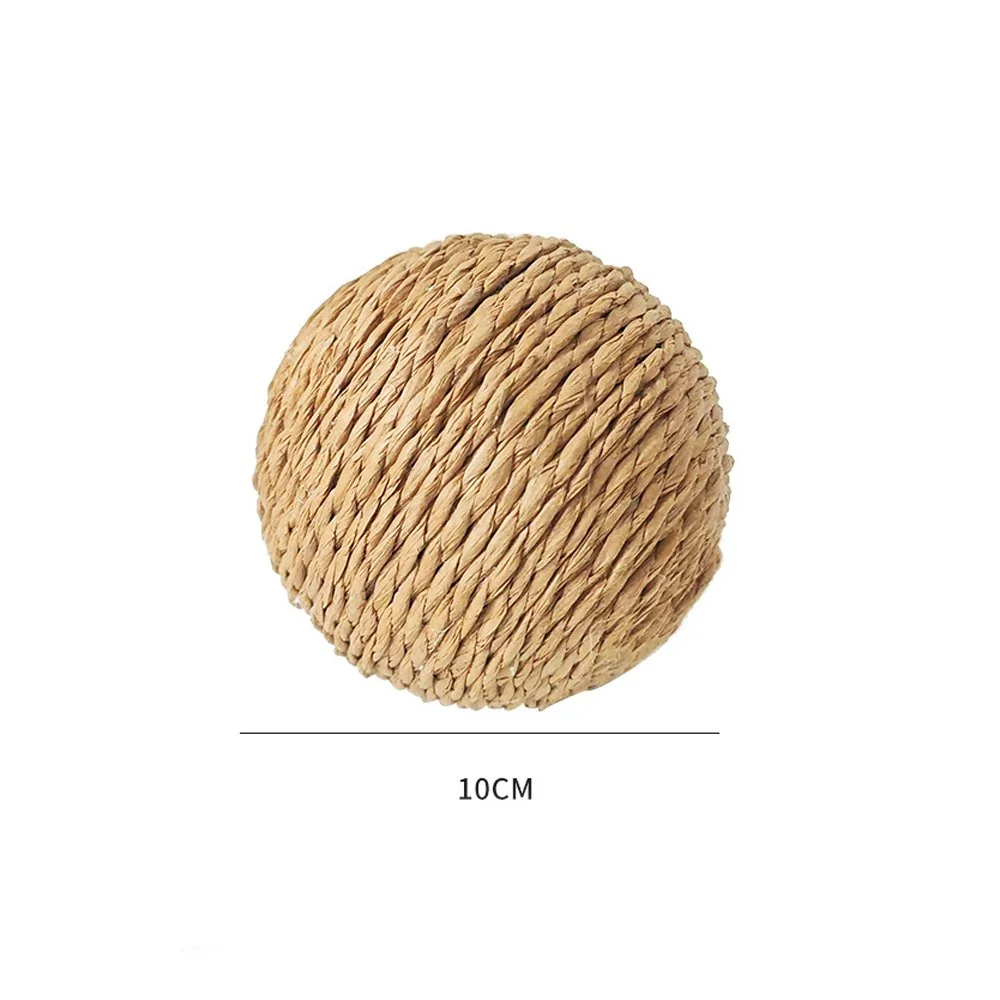
The best product match for this article is the Durable Big Paper Rope Cat Scratching Ball (#1742911). It is made from tightly woven paper rope, has a 4-inch size, and gives cats a textured object for scratching, chasing, and solo play. It is especially useful as a floor-level scratch-and-play outlet. For cats that scratch high sofa arms or mattress sides, pair it with a stable vertical scratcher rather than expecting one ball to replace a full-body stretch.
A strong plan respects the cat's instincts and protects the home at the same time. When the approved scratching option feels better, appears in the right location, and becomes part of the daily routine, the furniture stops being the obvious choice.