Article
Cat Window Perch Alternatives: Apartment-Friendly Ways To Build A Better View
Quick Answer
Cat Window Perch Alternatives: Apartment-Friendly Ways To Build A Better View: quick answer
Cats love windows because windows combine several things indoor cats need: light, warmth, movement, scent changes, height, and predictable daily...
- Topic: Apartment Cats.
- Related product category: pet-toys.
- This article keeps the main answer in the article copy and places relevant product context inside the guide.
A Window Perch Is Really About Territory, Not Furniture
Cats love windows because windows combine several things indoor cats need: light, warmth, movement, scent changes, height, and predictable daily entertainment. A cat sitting near a window is not just relaxing. The cat is monitoring territory, watching outdoor movement, sunning the body, and choosing a place that feels important. That is why a good window spot can reduce boredom in an apartment cat, especially when the home has limited vertical space.
The problem is that not every renter can install a window perch. Some windows are too narrow. Some frames are weak. Some landlords do not allow drilling. Some suction-cup products do not work well on textured glass, old windows, or windows that get heavy condensation. Some cats are too heavy, too nervous, too senior, or too rough for a suspended perch. In those homes, the goal should not be "install the same perch anyway." The goal should be to recreate the useful parts of the perch in a safer, apartment-friendly way.
A good alternative should answer five questions. Can the cat see outside? Can the cat rest comfortably? Can the setup support the cat's weight and movement? Can it be cleaned? Can it be removed without damaging the apartment? If the answer is yes, it can function as a window-perch substitute even if it is not physically attached to the window.
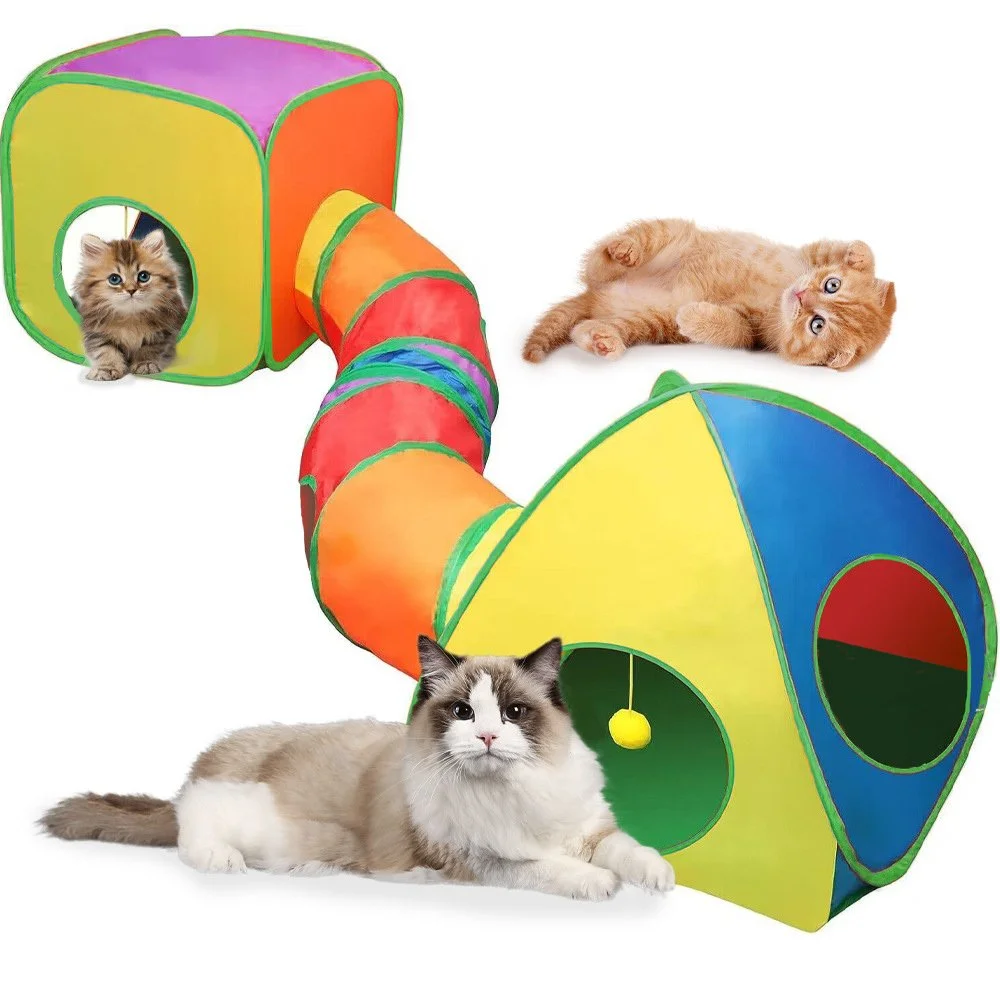
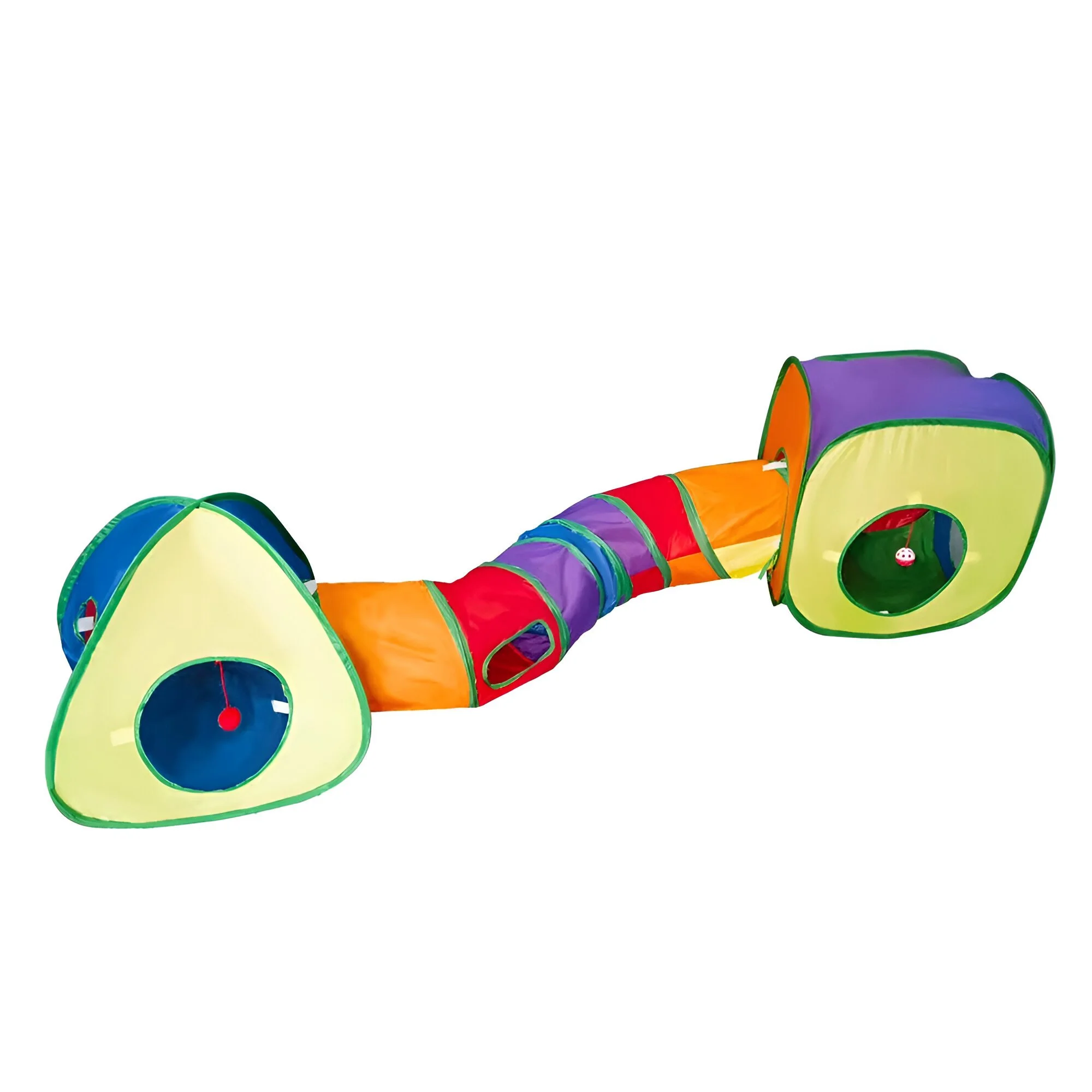
This guide focuses on practical alternatives: furniture bridges, bookshelf stations, window-side cat trees, radiator-safe warm spots, floor-level hideouts, and cat TV setups. It also explains where a product like the Foldable Cat Tunnel Toy for Indoor Play and Exercise (#1765985) fits. A tunnel is not a window perch, and the article should not pretend it is. But for apartments where height is limited or installation is not allowed, a tunnel placed near a window can create a low-risk observation-and-hide zone that supports watching, resting, pouncing, and confidence.
Start With The Window Your Cat Already Chooses
Before buying anything, watch where your cat already spends time. Some cats want the brightest window. Some want the quietest one. Some want a street-facing view. Some want a bedroom window where they can rest away from people. Some cats care more about sun than outdoor movement. Others care more about seeing activity.
The chosen window tells you what kind of setup will work. If the cat sits on the narrow sill and presses against the glass, the cat probably wants direct access to the view. If the cat watches from the back of a sofa, the cat may be satisfied with a nearby elevated platform. If the cat hides under furniture near the window and peeks out, the cat may want a safer viewing position with cover. If the cat only visits the window when the sun hits it, warmth is the main attraction.
Measure the space carefully. Look at sill depth, window height, nearby furniture, outlet cords, curtains, blinds, radiators, floor vents, and traffic through the room. A beautiful setup that blocks a walkway or tangles with blinds will not last. A cat station should fit the room as well as the cat.
Also think about the cat's body. A young athletic cat may want height and jumping routes. A senior cat may need steps, stable surfaces, and lower access. A nervous cat may prefer a tunnel or covered bed near the window before using an exposed perch. A large cat needs wider, stronger support. A kitten needs safety more than height.
The best window alternative starts from the cat's current behavior. Do not build a setup for an imaginary cat. Build it for the one already showing you where the value is.
Option 1: A Suction-Cup Perch, When The Window Can Support It
Suction-cup perches are popular because they do not require drilling. For renters, that sounds ideal. They attach directly to the glass and create a floating resting platform. For the right window and the right cat, they can work well.
The key phrase is "for the right window." Suction cups need clean, smooth glass and reliable contact. Old windows, textured glass, cold condensation, heavy direct sun, dust, or weak installation can reduce holding power. Before trusting one, clean the glass, follow the product directions, test the hold with gradual weight, and inspect it regularly. Do not assume that because it held once, it will hold forever.
The cat's movement style matters too. A calm cat that steps carefully onto the perch is different from a cat that launches onto it from across the room. A suspended perch receives force when the cat jumps. That force can be greater than the cat's body weight. If the cat is heavy, rough, or nervous, choose a more stable alternative.
Suction perches should not be placed where falling would be dangerous. Avoid hard edges, sharp furniture, or long drops below. Keep cords and blind strings away. If the cat chews strings or climbs curtains, manage those hazards first.
For some homes, a suction perch is still the cleanest solution. For others, it is a bad fit. The rest of this article is for those situations.
Option 2: A Bookshelf-To-Window Station
A bookshelf near a window can become a strong perch alternative without installing anything. Clear the top shelf, make sure the furniture is stable, and add a non-slip mat or washable pad. If the shelf is tall, anchor the furniture if possible and safe to do in your housing situation. If anchoring is not allowed, choose low, wide, heavy furniture that does not wobble.
The surface should be large enough for the cat to turn around and lie down. Many people make the mistake of creating a narrow decorative ledge that looks good but feels insecure. Cats prefer resting places where they can shift position without falling. If the cat cannot loaf, stretch, or turn comfortably, the station may be ignored.
Access matters. A confident cat may jump directly to the top. A senior cat, kitten, or cautious cat may need steps. Use a chair, side table, cube shelf, or stable pet steps to create a route. The path should not require a risky leap onto a slippery surface.
Place the station close enough to the window for a useful view but not so close that the cat is squeezed into blinds or curtains. If the window gets intense sun, include a shaded part of the surface so the cat can choose. If the window is cold in winter, add a washable layer but do not block airflow or create moisture issues.
This option works best when the room already has furniture near the window. It costs little, avoids drilling, and gives the cat height. The main requirement is stability.
Option 3: A Cat Tree Beside The Window
A cat tree is the most direct non-window-mounted replacement for a perch. It gives height, resting platforms, scratching surfaces, and a view. For apartment cats, a cat tree near a window can become a daily watch station and reduce pressure on counters, shelves, and fragile furniture.
Choose height based on both the window and the cat. A tree does not need to reach the ceiling if the window view is lower. The top platform should line up with the useful part of the view. If the cat only sees the wall below the window, the setup will not feel rewarding.
Stability is more important than decorative style. A narrow tree with a small base may wobble when a cat jumps. Wobble makes many cats avoid the top platform, and it can be unsafe. Look for a wide base, solid posts, and platforms large enough for the cat's body. For large cats, kitten-sized platforms are not enough.
Think about the route up and down. Some trees are designed for cats that climb vertically. Senior cats may need staggered platforms and easier steps. If the descent is awkward, the cat may jump straight down, which can be hard on joints.
A window-side cat tree can also separate functions. One level can be for scratching, one for watching, and one for sleeping. That makes it more useful than a single perch. The tradeoff is space. In a small apartment, a full tree may not fit.
If a tree is too large, use a smaller stand, stool, or shelf station instead. The principle is the same: stable height plus a good view.
Option 4: A Sofa, Bench, Or Chair Back As A Window Route
Some apartments already have a perfect cat perch hidden in plain sight. A sofa back, bench, wide chair, storage ottoman, or low cabinet can become a window station if it is stable and safely positioned. This is often the easiest option because the cat may already use it.
The important detail is traction. Smooth leather, polished wood, or slippery fabric can be hard for cats to land on. Add a non-slip washable mat, pet blanket, or textured cover. The layer should not slide when the cat jumps. If the mat moves, it becomes part of the risk.

Protect the furniture if scratching is likely. A cat who climbs onto a sofa back may use claws for grip. Choose a durable cover or place a scratching option nearby. Do not punish the cat for using claws to stabilize on a surface you provided. Make the setup easier and safer instead.
This option is especially useful for cats that like being near people while watching outside. A window station connected to the living area can satisfy both social contact and environmental observation. For cats that want privacy, a bedroom or office window may work better.
Furniture-based setups should be checked over time. If the furniture shifts, the cover bunches, or the cat's jumping route changes, adjust it. A good low-install solution still needs maintenance.
Option 5: A Floor-Level Window Hideout
Not every cat wants an exposed perch. Some cats want to watch from cover. Shy cats, newly adopted cats, kittens, and cats in busy households may feel safer in a hideout near the window than on an open platform. This is where a foldable cat tunnel can make sense.
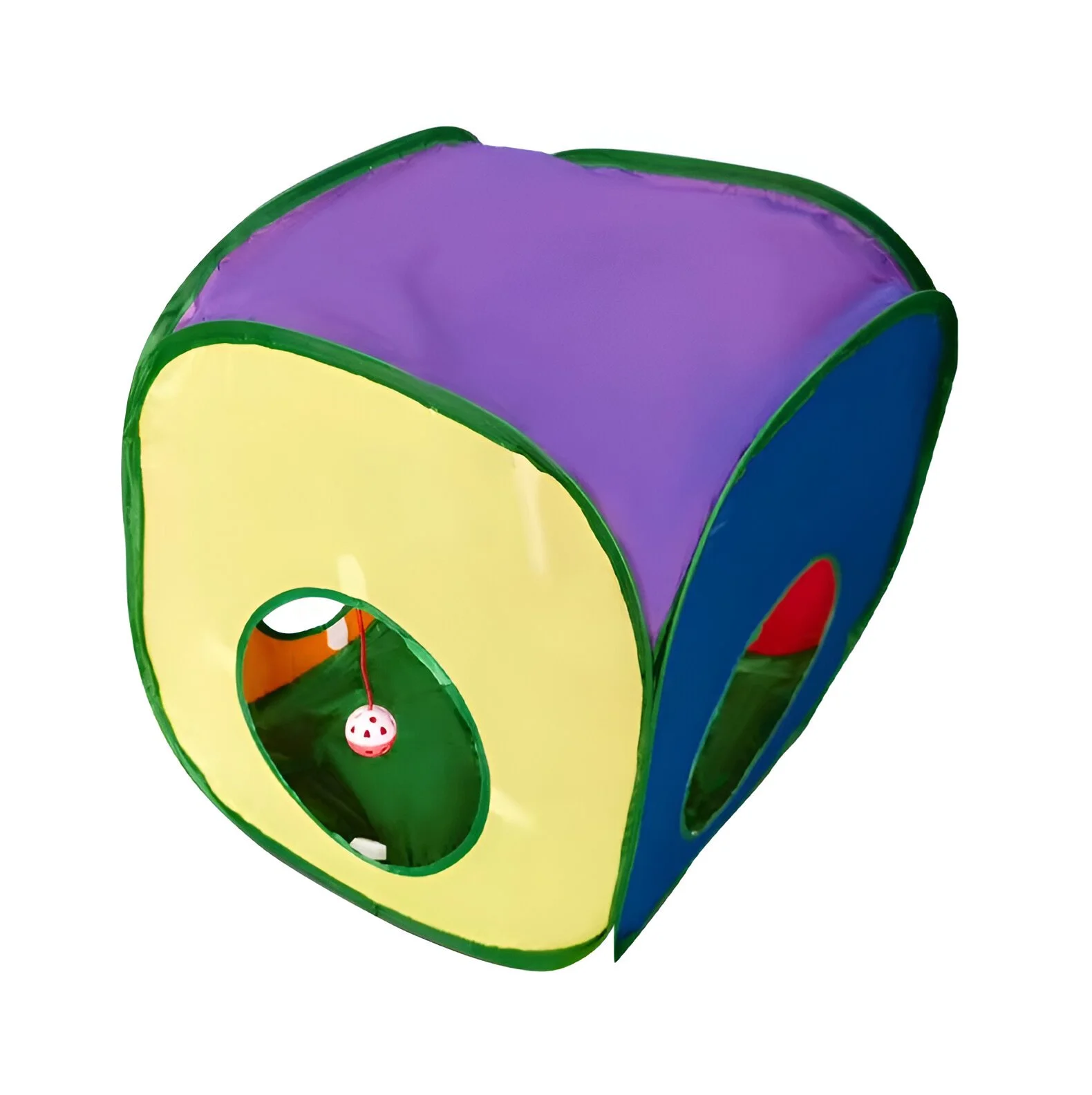
The Foldable Cat Tunnel Toy for Indoor Play and Exercise (#1765985) is useful because it creates a portable hide-and-watch zone without installation. It is breathable, lightweight, foldable, and designed for indoor cats to crawl, pounce, lounge, and play. Placed near a window, it can give the cat a low-level observation spot with cover. The cat can look out, retreat inside, or use the tunnel as part of play.
This is not a replacement for vertical territory. A tunnel will not satisfy a cat that clearly wants height. But it can support cats that prefer security, cats that cannot jump safely, and apartments where no window-mounted or tall furniture option works. It also adds activity to the window area instead of making the view the only enrichment.
Placement matters. Put the tunnel beside, not directly against, the window if direct sunlight makes it too hot. Keep it away from cords, blinds, heaters, and door swings. If the tunnel blocks a walkway, people will move it constantly, and the cat will stop trusting the location. Choose a spot where it can remain predictable.
For a shy cat, add play near the tunnel. Toss a soft toy past the opening or use a wand toy around it. Let the cat choose whether to hide, pounce, or watch. For a confident cat, the tunnel can become part of a route between the window, a scratching post, and a resting mat.
A floor-level hideout is a good reminder that enrichment is not always about going higher. Sometimes the cat needs a place that feels safe enough to stay.
Option 6: A Warm Window Resting Spot
Warmth can be the reason a window is valuable. If the cat uses a certain window only during sunny hours or cold months, the attraction may be heat as much as view. In that case, a warm resting spot near the window may work better than a high perch.
Use washable pads, soft mats, or beds that do not slide. If the window area is drafty, add a layer that insulates from cold surfaces. Avoid unsafe heating devices, exposed cords, or anything the cat can chew. If using a heated pet product, follow the manufacturer's safety instructions and supervise until you know how the cat uses it.
Radiators and vents require caution. A cat may love warmth, but direct heat can be too intense. Do not block airflow in a way that creates fire risk or damages the apartment. Do not place fabric where it can overheat. If you create a warm spot near a radiator, make sure the cat can move away easily.
Warmth should be optional. Cats are good at choosing comfort when they have choices. Provide a sunny or warm area and a cooler nearby area. A cat trapped in one heat zone may avoid the setup.
For senior cats, warmth plus low access can be more valuable than height. A soft mat near a window, paired with an easy step and stable footing, may become the most-used station in the home.
Option 7: Window "Cat TV" Without Overstimulation
Outdoor movement can be enriching, but it can also frustrate some cats. Watching birds, leaves, people, or insects can give an indoor cat mental stimulation. But if the cat becomes agitated, swats the glass, yowls, redirects aggression, or cannot settle afterward, the window setup may be too stimulating.
Start with observation. Does the cat watch quietly and nap afterward? That is a good sign. Does the cat become tense and stay tense? Then adjust. Use partial curtain coverage, move the station slightly back, or limit access during peak outdoor activity.
Window feeders can create entertainment, but they are not always appropriate for every apartment, lease, or location. They may attract mess, violate building rules, or frustrate the cat. If you use any outdoor feeder, follow local rules and keep the setup clean. The article's main advice is simpler: the window view should enrich the cat without causing stress.
Indoor movement can also create cat TV. A tunnel near the window, a rolling ball, a scratcher, or a scheduled play session can make the area interesting without relying entirely on outdoor activity. This is helpful for apartments with boring views or limited window access.
The best window station balances watching with resting. If the cat cannot relax there, it is not a good perch alternative.
Safety Checks For Any Perch Alternative
Stability comes first. Push gently on furniture, shelves, stands, and mats before inviting the cat to use them. If the surface slides, tips, wobbles, or shifts, fix that before the cat jumps on it. Cats may look graceful, but repeated jumping onto unstable furniture can create accidents.
Check the landing path. A cat needs a safe route up and down. Avoid setups that require jumping over clutter, cords, glass decor, plants, or narrow objects. Remove breakables. Secure cords. Keep blind strings out of reach.
Check plants. Many common houseplants are unsafe for cats. A window perch near toxic plants is not enrichment; it is a risk. Move plants or confirm safety before building a station.
Check sunlight and temperature. Glass can create hot spots. Windows can also be cold in winter. Give the cat choice. If a tunnel, bed, or mat is in direct sun, check whether it becomes too warm.
Check cleaning. Cat window stations collect fur, dust, and sometimes litter from paws. Choose washable mats and easy-to-clean surfaces. A product like #1765985 should be inspected and cleaned according to its material and use, especially if the cat lounges in it daily.
Check multi-cat dynamics. A single prime window spot can become a conflict point. If you have multiple cats, create more than one viewing option or a wider shared route. A tunnel may help one cat watch from cover while another uses height, reducing competition for one exact spot.
How To Introduce A New Window Setup
Do not force the cat onto the new station. Cats prefer to claim spaces on their own terms. Place the setup near the chosen window, make it stable, and let the cat investigate. You can add a familiar blanket, a few treats, or a short play session nearby, but do not pick up the cat and place it there repeatedly if the cat resists.
Use play to build confidence. For a shelf or furniture station, guide a wand toy toward the surface and let the cat step up voluntarily. For a tunnel, move the toy around the entrance and let the cat choose whether to enter. For a cat tree, reward lower platforms before expecting the top.
Give the setup time. Some cats use a new station within minutes. Others need days. If the cat ignores it, change one thing at a time: move it closer to the window, improve traction, add a familiar scent, reduce wobble, or choose a quieter window.
Do not keep changing the entire setup daily. Cats rely on consistency. A window station becomes valuable when it stays in a predictable place and feels safe.
Once the cat uses the area, maintain it. Clean fur, tighten parts, inspect suction cups if used, and replace worn mats. A neglected setup can become less appealing or less safe.
A Practical Apartment Window Plan
For a small apartment, start with the lowest-effort setup: a stable piece of furniture near the best window, a non-slip mat, and a clear route. If the cat uses it, you may not need anything more. Add a scratching option nearby if the cat uses claws to climb.
If the cat wants more height, add a window-side tree, shelf path, or stable stand. Make sure the platform lines up with the useful view. Height without a view is less valuable.
If the cat is shy, senior, or unable to jump safely, create a low window station. A washable bed, soft mat, or foldable tunnel near the window can give the cat a protected place to watch. The Foldable Cat Tunnel Toy (#1765985) fits this version because it adds hideout value and play value without installation.
If the cat gets overstimulated by outdoor movement, soften the view. Move the station slightly back, use partial curtains, or make the area a resting spot instead of a constant watch post. Not every cat benefits from unlimited outdoor stimulation.
If there are multiple cats, build more than one option. One high spot, one low hideout, and one shared furniture route can prevent crowding. The best apartment setups often use layers rather than one expensive item.
Match The Setup To The Cat
A confident climber usually needs height first. This cat may ignore floor beds and tunnels if the main attraction is looking down from above. For this cat, start with a stable bookshelf station, cat tree, or furniture bridge. Add a tunnel only if it becomes part of play or a lower resting option.
A shy cat often needs cover first. This cat may want the window view but feel exposed on an open perch. A foldable tunnel near the window can be useful because it lets the cat watch from partial cover. Over time, the cat may become confident enough to use a higher station nearby.

A senior cat needs low impact. Avoid setups that require big jumps or awkward landings. Use low furniture, pet steps, non-slip surfaces, and soft resting spots. A tunnel can work if the entry is easy and the cat enjoys enclosed spaces, but do not place it where the cat must squeeze or trip.
A kitten needs safety and supervision. Kittens climb before they understand risk. Keep window setups low, stable, and away from blind cords, unstable decor, and narrow ledges. Build height gradually as coordination improves.
A multi-cat home needs more than one valuable spot. If one cat controls the best window, another cat may avoid the area or create conflict. Provide a high option, a low covered option, and a second resting surface when possible. The goal is not one perfect perch. It is enough access that no cat has to compete for every good view.
Why Window Setups Fail
Most failed window stations fail for practical reasons. The first is instability. If the platform moves, the cat loses trust. Even a small wobble can make a cat avoid a setup permanently. Fix movement before trying to attract the cat again.
The second reason is poor access. A station may be comfortable once the cat reaches it, but the route up may be too difficult. Add steps, lower platforms, or a better approach path.
The third reason is the wrong window. A window can look good to a person but be uninteresting to the cat. Try the window the cat already visits before creating a station in a prettier location.
The fourth reason is overstimulation. If the cat becomes tense or frustrated, move the station back from the glass or soften the view. A good window area should allow resting, not only watching.
The fifth reason is clutter. Plants, cords, blinds, decorations, and narrow furniture can make the area feel unsafe. Clear the route and keep the station simple.
When a setup fails, change one variable at a time. Move it closer, improve traction, add cover, lower the height, or try a different window. Do not assume the cat dislikes the idea of a window station just because the first version was wrong.
Final Recommendation
When you cannot install a traditional cat window perch, recreate the function instead of forcing the product type. The cat needs a safe view, stable footing, comfort, and predictable access. A bookshelf station, window-side cat tree, furniture bridge, warm mat, floor-level hideout, or controlled cat TV setup can all work if they match the cat's body and behavior.
The best product match for this article is the Foldable Cat Tunnel Toy for Indoor Play and Exercise (#1765985). It is not a suspended window perch, but it is a strong apartment-friendly alternative for cats that need a low, portable, no-installation window-area enrichment zone. It gives indoor cats a place to hide, lounge, crawl, pounce, and watch from cover. It is especially useful when drilling is not allowed, window hardware is unreliable, or the cat prefers security over exposed height.
A good window setup should make the cat's day better without risking falls, lease problems, overheating, or stress. Start with the window your cat already chooses, build around safety, and choose the simplest setup that the cat actually uses.
Browse Apartment Cats products