Article
Leaving Your Cat Home Alone: 6 Self-Play Toys That Actually Work
Quick Answer
Leaving Your Cat Home Alone: 6 Self-Play Toys That Actually Work: quick answer
Cats sleep a lot, but that does not mean every hour alone is neutral. Some cats nap peacefully until you come home. Some get restless around the same...
- Topic: Cat Enrichment.
- Related product category: pet-toys.
- This article keeps the main answer in the article copy and places relevant product context inside the guide.
Alone Time Is Not One Problem
Cats sleep a lot, but that does not mean every hour alone is neutral. Some cats nap peacefully until you come home. Some get restless around the same time every afternoon. Some scratch furniture, raid counters, knock objects off shelves, meow at the door, overgroom, or start fights with another pet because the day has no structure.
The mistake is treating every home-alone cat as a bored cat. Boredom is common, but it is not the only issue. A cat may be under-stimulated, hungry, frustrated by outdoor animals, anxious about the owner's routine, uncomfortable with household noise, or simply full of energy at the wrong time of day. A toy helps most when it matches the real problem.
The goal is not to keep your cat busy for eight straight hours. That would be unnatural. A good alone-time setup gives the cat a few useful choices: something to watch, something to scratch, something to hunt, something to solve, somewhere safe to rest, and a routine that makes your departure feel predictable instead of dramatic.
Self-play toys matter because they let the cat control the interaction. The cat can engage, stop, return later, and choose a different station. That is different from a toy that runs nonstop, makes noise until the batteries die, or forces stimulation when the cat wants quiet.
Before buying anything, ask a practical question: what is my cat doing while I am gone that I want to change? The answer decides the toy.
Start With Safety, Not Novelty
A home-alone toy has to pass a stricter test than a toy you use while sitting on the floor. When you are present, you can untangle a string, remove a loose feather, stop a cat from chewing a cord, or notice that a seam has opened. When you are gone, the toy has to be boringly safe.
That does not mean every toy must be dull. It means you test exciting toys before trusting them. Watch your cat use the toy several times while you are home. Does the cat bat it, carry it, chew it, pin it, try to remove parts, or drag it into tight spaces? A toy that looks safe in the listing may become risky with the wrong cat.
Use this rule: if the toy can wrap, tangle, splinter, shed, break open, expose batteries, or lose small parts, it is not an all-day unattended toy. It might still be a great supervised toy. The category matters.
A safe self-play setup usually relies on several low-risk stations rather than one spectacular toy:
- a food puzzle or treat ball
- a window perch or viewing spot
- a scratcher or scent station
- a track ball or enclosed batting toy
- a rotating toy stash
- a tested automatic toy with a timer or motion trigger
This is not about spoiling the cat. It is about giving normal cat behaviors a better path than the couch, curtains, kitchen counter, or your ankles when you return.
1. Food Puzzles Work Because They Pay the Cat
Food puzzles are usually the most reliable solo-play tool because they give the cat a clear reason to participate. Bat the object, sniff the cup, move the slider, paw the hole, and food appears. The cat understands the transaction quickly.
For home-alone use, start easy. A puzzle that is too hard can create frustration, especially if the cat is hungry. A beginner treat ball, lick mat, slow feeder, or simple puzzle tray is often enough. The cat should be able to get at least a few pieces out without needing you to rescue the session.
Use part of the cat's normal food allowance instead of adding a pile of extra treats. Otherwise enrichment quietly becomes weight gain. For dry-food eaters, a treat ball or puzzle feeder can turn breakfast into a longer activity. For wet-food eaters, a lick mat can create a calmer departure routine if it is safe for your cat and easy to clean afterward.
Food puzzles are especially useful for cats who bother you before meals, wake you up early, or become destructive when hungry. They also help cats who need a task, not just an object. A plush mouse sitting on the floor may mean nothing to them. A puzzle that releases food becomes worth investigating.
The key is progression. Let the cat win at first. Once the cat understands the game, increase difficulty slowly. If the cat walks away from every puzzle, the puzzle may be too hard, the reward may be too low-value, or the cat may prefer hunting-style movement over problem-solving.
Do not leave out puzzles that can trap paws, break into small pieces, or become sharp when chewed. Wash food toys regularly. Anything that holds food also holds smell, saliva, crumbs, and bacteria over time.
2. Window Watching Is Real Enrichment
A window perch is not just a sleeping spot. For many cats, it is the best home-alone toy in the house.
Cats are built to watch small movements. Leaves, birds, insects, pedestrians, cars, shadows, and neighborhood cats can hold attention in a way most plastic toys cannot. A good perch gives the cat a comfortable place to observe without needing to pace from room to room.
The perch should be stable, wide enough for the cat's body, and placed where the cat can get up and down easily. If your cat is older, heavy, or less confident with jumping, add steps, a small stool, or a nearby piece of furniture. A great view is not useful if the cat has to make a risky leap to reach it.
Bird feeders outside the window can add interest, but place them responsibly and keep the window secure. The cat should not be able to push out a screen, wedge into a blind cord, or launch at fragile decor. Remove breakable objects from the sill. Tie up cords. Make the perch feel intentional rather than improvised.
For apartments with poor views, "cat TV" videos can help some cats. Use them carefully. Secure the screen, hide cords, and avoid leaving loud or frantic videos running all day. Some cats relax while watching. Others become frustrated because they cannot reach the prey on the screen. If your cat starts pawing aggressively, biting the monitor, or pacing after videos, choose a different enrichment station.
Window watching works best when it is part of a wider setup. The cat watches, naps, scratches nearby, and later checks a food puzzle. You are not asking one window to do the whole job.
3. Scratching Stations Prevent Boredom Damage
Scratching is not a bad habit. It is stretching, scent marking, nail maintenance, and emotional regulation. When cats are home alone, scratching often becomes one of the few physical outlets available. If the only satisfying surface is the couch arm, the couch arm becomes the toy.
A good alone-time setup should include at least one scratcher the cat already likes. That detail matters. Owners often buy the scratcher they prefer to look at, then wonder why the cat ignores it. Some cats want vertical posts. Some want horizontal cardboard. Some want angled scratchers. Some need sisal. Some love corrugated cardboard because it shreds satisfyingly.
Place the scratcher where the cat already uses its body. Near a sleeping spot, hallway path, window perch, or furniture target usually works better than hiding it in a corner. Cats often scratch after waking, before play, or when emotionally charged. The scratcher should be close to those moments.
For solo enrichment, combine scratching with scent and object rotation. A pinch of catnip or silvervine can make a scratcher more interesting for cats who respond to those scents. A small batting toy near the scratcher can create a mini-station: stretch, scratch, bat, nap.
If your cat scratches furniture while you are gone, do not only add a toy. Block the furniture target temporarily, clean scent marks if appropriate, trim nails regularly, and place a better scratcher beside the chosen spot. The cat is telling you where the behavior wants to happen. Use that information.
4. Track Balls and Enclosed Batting Toys Are Low-Risk
Some of the best self-play toys are not flashy. A ball trapped inside a track, a sturdy wobble toy, or an enclosed batting toy can be safer than a dangling feather when nobody is watching.
The advantage is containment. The cat can swat, chase, and hear movement, but the toy does not disappear under the stove every three minutes and does not leave loose parts around the room. For cats who like short bursts of play, this can be ideal. They bat the ball, walk away, come back later, and bat again.
Choose a design that cannot pinch toes and cannot be flipped apart easily. Lightweight tracks may be fine for gentle cats but useless for strong players who dismantle everything. Heavier bases or simple one-piece designs are often better for home-alone use.
Sound matters. A quiet rolling ball may be pleasant. A loud plastic rattle on hard floors may be exciting at first and irritating later. If you live in an apartment, the floor material matters too. A toy that seems harmless at noon may become a downstairs-neighbor problem if your cat plays at 3 a.m.
These toys work well for cats who enjoy paw work but do not need food motivation. They also help cats who get bored with stationary plush toys. The toy moves because the cat moved it, which keeps the cat in control.
Do not expect every cat to care. Some cats watch the ball once and decide the physics are not worth their time. That is not failure. It means this cat may need scent, food, texture, or a better view instead.
5. Toy Hunts Make Old Toys Useful Again
Rotation is not just putting toys in a basket and hoping the cat chooses one. A better method is to create small toy hunts before you leave.
Hide a few safe toys in places your cat is allowed to investigate: beside a chair leg, near a tunnel, at the edge of a rug, on a cat tree platform, or partly behind a cardboard box. The toy should be visible enough to find but not dumped in the open like clutter. Cats often engage more when discovery is involved.
Use toys that are safe without supervision: soft fabric mice with no loose eyes, crinkle balls that cannot be chewed apart, sturdy plush toys, large pom-free balls, and familiar toys your cat has already tested. Avoid strings, ribbons, feathers that pull out, tiny foam pieces, and anything your cat has a history of eating.
Keep a few "leaving toys" separate from everyday toys. They only appear when you are gone or during quiet independent time. This keeps them more interesting. When you return, collect them if your cat tends to chew, shred, or lose toys under appliances.
Toy hunts are useful for cats who like patrolling. Instead of one big activity, the cat finds small bits of novelty during the day. It also makes the home feel more interactive without relying on electronics.
If you have multiple cats, spread toy stations out. Do not place every desirable item in one corner. A confident cat may guard the area and block the shy cat from participating. Separate zones lower pressure.
6. Automatic Toys Can Help, But They Need Rules
Automatic toys are attractive because they seem to solve the owner's absence. Press a button, leave the house, and the cat gets entertainment. In reality, automatic toys are useful only when they are safe for that specific cat and used in the right dose.
Motion-activated toys are usually better than always-on toys. A toy that runs continuously can become background noise, scare a cautious cat, or overstimulate a young cat. A motion trigger lets the cat decide when the interaction happens. Timer or auto-shutoff features are also helpful because they prevent the toy from running endlessly.
Before leaving an automatic toy out, test it while you are home. Watch the full cycle. Can the cat trap a paw? Can the cat chew the moving part? Can the toy tip over? Is there a string, feather, or small attachment that could detach? Does the cat become more settled afterward, or more frantic?
Some cats love automatic motion. Others prefer owner-led play because the movement feels more like real prey. A machine that moves in the same pattern every time may become boring once the cat understands it. Rotation helps. Use the automatic toy on some days, food puzzles on others, window/scratcher setups every day, and owner-led play when you are home.
Automatic toys should not replace interactive play. They are a support tool for alone time, not the whole relationship. Cats still need you to move a wand unpredictably, read their body language, and stop when they are done.
The Departure Routine Matters
The moment before you leave can shape the next few hours. If every departure is rushed, loud, and emotionally intense, some cats become unsettled before they are even alone.
Keep the routine calm and repeatable. Feed or set up a food puzzle. Refresh water. Open access to approved rooms. Check that windows, cords, trash, plants, and small objects are safe. Put out one or two enrichment items, not ten. Then leave without turning the goodbye into a dramatic event.
For many cats, the best routine is:
- five to ten minutes of interactive play
- a short capture or kicker toy moment
- breakfast or a food puzzle
- access to a window perch and resting area
- low-risk toys placed in two or three zones
This sequence gives the cat a natural rhythm: hunt, catch, eat, groom, sleep. It works better than leaving a pile of random toys and hoping the cat manages its own energy.
When you come home, notice the evidence. Are the toys moved? Is food still in the puzzle? Is the scratcher used? Is the cat relaxed, frantic, clingy, or annoyed? The home tells you what worked. Adjust the setup based on the cat's actual behavior, not the toy packaging.
How to Tell Whether the Setup Worked
The easiest mistake is judging a toy by whether you personally saw the cat use it. With home-alone enrichment, you often need to read the aftermath.
A good setup usually leaves small signs. The food puzzle is partly empty. A track ball has moved to a different place. The scratcher has fresh cardboard dust or pulled fibers. A toy you hid beside the chair is now under the table. The cat greets you normally, stretches, eats, grooms, and returns to its routine without seeming frantic.
That last part matters. The goal is not proof that the cat played all day. The goal is a cat who had enough useful choices to stay regulated. A cat who sleeps through most of the day and bats one toy in the afternoon may be doing perfectly well.
A setup that is too intense leaves different evidence. The automatic toy is flipped over. A feather is missing. The cat has chewed the puzzle instead of solving it. Water bowls are knocked over. The cat runs to you in a wired, unsettled state every time you return. That does not always mean the toy is bad, but it means the setup needs adjusting.
Change one variable at a time. If you add a food puzzle, automatic toy, cat TV, catnip scratcher, and new perch on the same day, you will not know what helped or what caused stress. Start with one reliable station, then add another after a few days.
A pet camera can be useful for a short test period. You do not need to monitor the cat forever. Use it to answer practical questions: when does the cat wake up, which station gets used, does the cat vocalize after you leave, and does any toy create frustration? Once you know the pattern, the daily setup becomes much easier.
Match the Setup to the Cat
A food-motivated cat usually does best with puzzle feeders, treat balls, and meal scattering. Use measured food so enrichment does not become overfeeding.
A visual hunter may prefer window watching, cat TV, moving shadows, and occasional automatic motion. For this cat, the room layout matters as much as the toy.
A paw-focused cat may like track balls, puzzle drawers, crinkle tunnels, and toys partly hidden under rugs or paper. This cat wants to manipulate objects.
A nervous cat needs predictability. Avoid loud motors and sudden motion at first. Use scent, familiar beds, safe hiding spots, and low-pressure puzzles. The goal is confidence, not surprise.
A senior cat may need lower platforms, softer surfaces, lighter toys, and shorter activity windows. Do not make enrichment dependent on jumping if jumping is no longer easy.
A kitten needs more frequent outlets and stricter safety choices. Kittens chew, climb, carry, and test everything. Avoid small parts, strings, and toys that can be shredded and swallowed.
In a multi-cat home, do not assume "they entertain each other." Bonded cats may play and nap together beautifully. Unmatched cats may compete, block resources, or irritate each other while you are gone. Provide duplicates of high-value items, separate resting zones, and more than one food puzzle location if food is involved.
Getting another cat purely as a toy for the first cat is a risky idea. Compatibility matters more than the entertainment value.
Product Spotlight
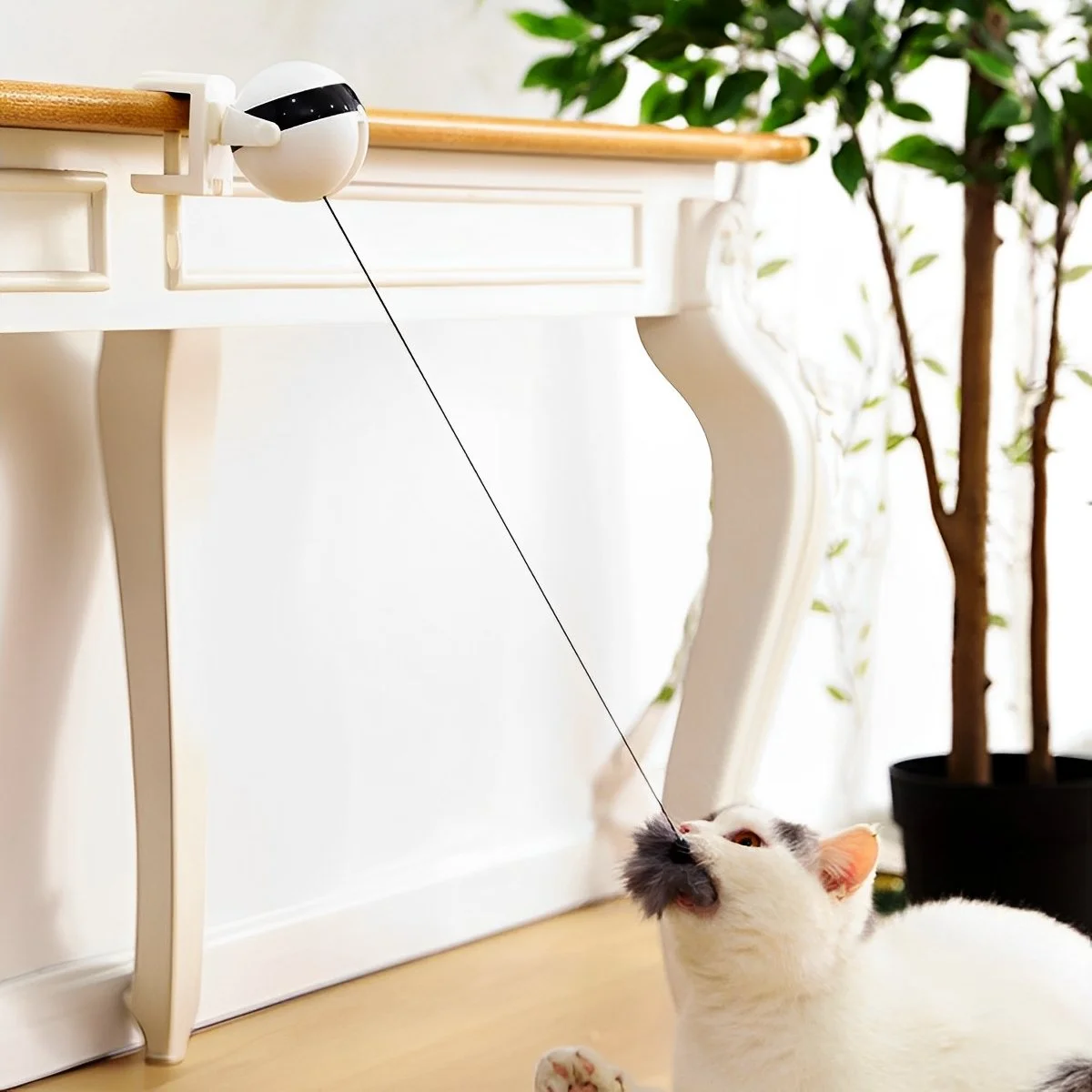
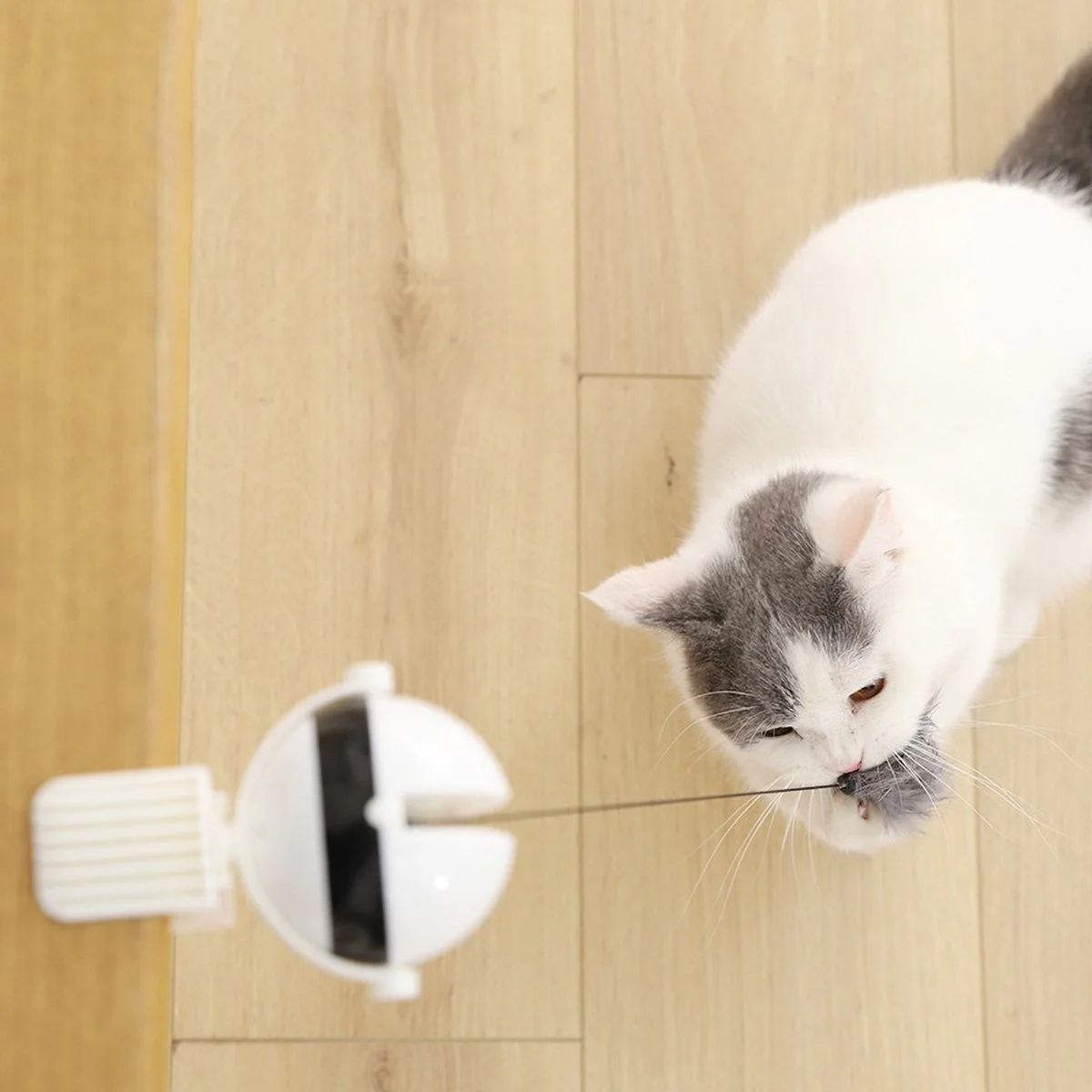
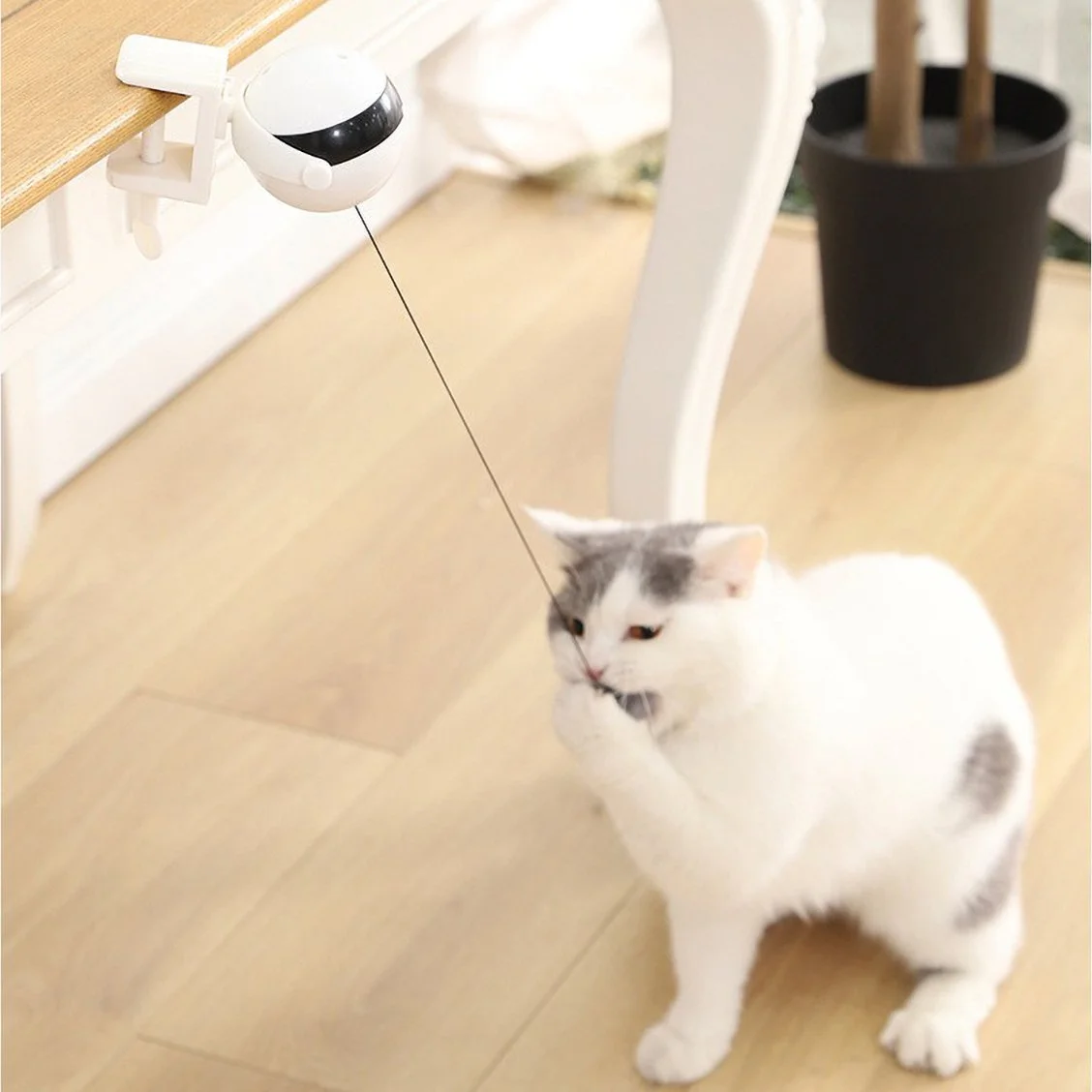
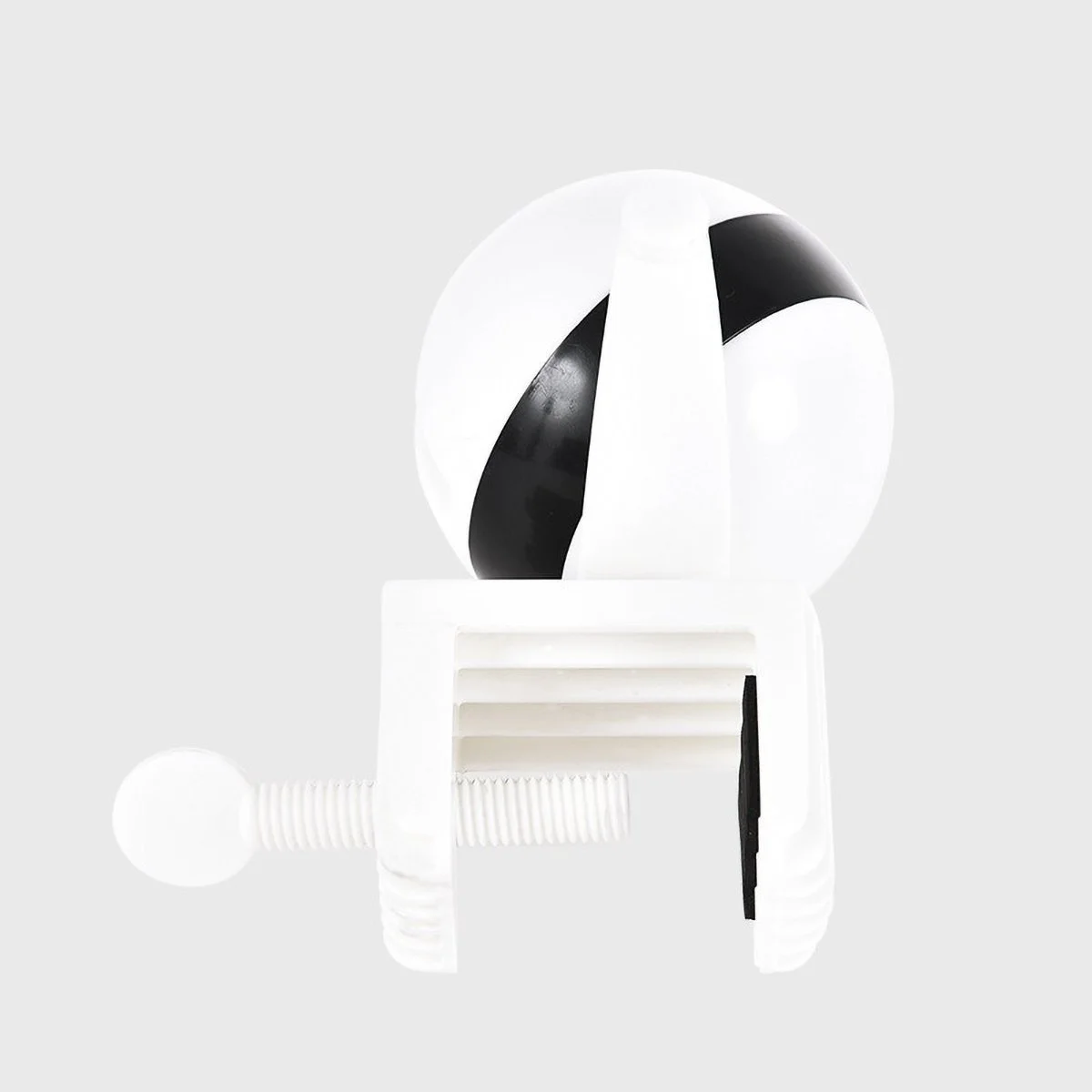
Interactive Automatic Cat Toy with Retractable Teasing Ball (#1804153)
This toy fits best as a controlled automatic-play option for cats who enjoy movement but need safer mechanics than loose strings or exposed dangling parts. The retractable teasing ball design makes it more appropriate for short independent sessions than a loose wand left on the floor, but it should still be tested while you are home before it becomes part of a leave-home routine.
Best use: place it in an open area away from cords, fragile objects, food bowls, and tight furniture gaps. Let your cat try it under supervision for several sessions. If the cat bats, stalks, and leaves calmly, it can become one piece of the rotation. If the cat chews the mechanism, guards it, flips it, or becomes overstimulated, keep it as a supervised toy only.
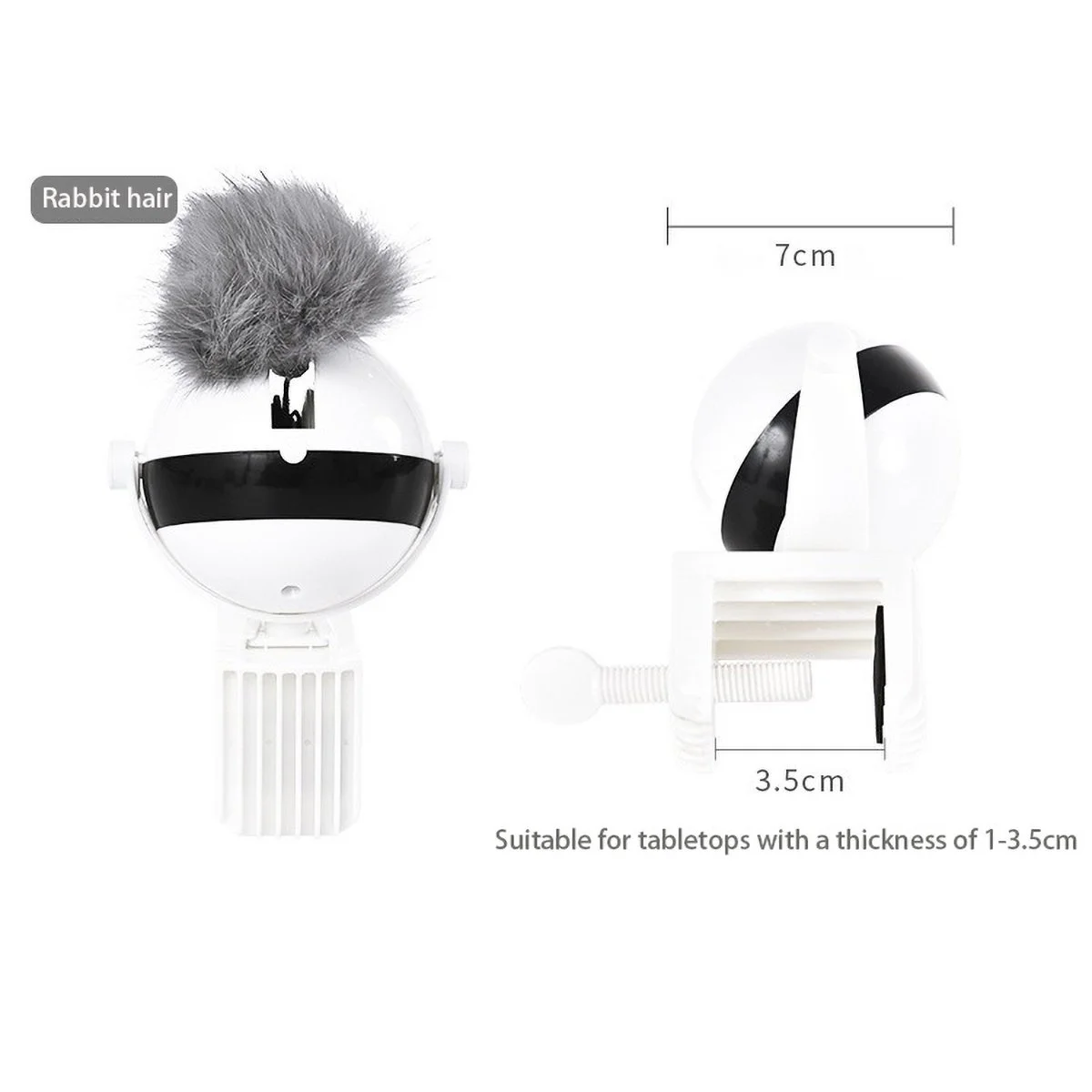
Pair it with a food puzzle or window perch rather than asking it to entertain the cat all day. Automatic motion is useful, but the best home-alone setup still has multiple low-pressure choices.
What Not to Leave Out
Some toys are excellent when you are present and poor choices when you are gone.
Avoid leaving out loose string, yarn, ribbon, tinsel, hair ties, rubber bands, feathers that pull free, tiny foam balls, broken toys, toys with exposed batteries, and anything attached to a long cord. These are not worth the risk for unsupervised play.
Be careful with laser toys. A brief owner-led laser game that ends with a physical toy can work for some cats. An automatic laser left running can frustrate cats because there is nothing to catch. Some cats become obsessive about reflections afterward. Use laser play sparingly and watch your cat's response.
Be careful with catnip if your cat guards resources or becomes rough after scent exposure. Catnip is fun for many cats, but it is not required for enrichment. A calm unscented toy is better than a scented toy that starts conflict.
Do not leave out cardboard boxes with staples, tape loops, plastic handles, or packing materials. A plain box can be great enrichment. A shipping box full of chewable hazards is not the same thing.
The simple rule is this: if you would need to watch the first ten minutes closely, do not make it an all-day toy yet.
If Your Cat Still Struggles Alone
Toys help with normal boredom and under-stimulation. They do not solve every home-alone problem.
If your cat cries for hours, stops eating, urinates outside the litter box, overgrooms, becomes aggressive when you leave or return, or seems panicked by normal departures, treat that as more than toy boredom. Stress, medical issues, separation-related distress, pain, and household conflict can all show up as "bad behavior."
Start with a pattern log. Note when the behavior happens, how long you were gone, what food and toys were available, what changed in the home, and how the cat acted when you returned. If possible, use a pet camera for a few days. You may discover that the cat sleeps peacefully for six hours and only gets restless before dinner. Or you may discover that the cat is distressed ten minutes after you leave.
For mild boredom, adjust the routine. Add a food puzzle, window access, scratcher placement, and a short play-before-food sequence. For intense anxiety, sudden behavior changes, or signs of illness, involve a veterinarian or qualified feline behavior professional.
The right toy can make alone time better. The right system is better still. Give your cat a home that offers small choices throughout the day: watch, scratch, hunt, solve, rest. Most cats do not need constant entertainment. They need a predictable environment where their normal behaviors have somewhere safe to go.
Browse Cat Enrichment products