Article
7 Space-Saving Home Gadgets That Declutter a Small Apartment (2026)
Quick Answer
7 Space-Saving Home Gadgets That Declutter a Small Apartment (2026): quick answer
Living in a small apartment means paying for every square foot twice: once in rent, and again in the energy it takes to keep it clear. The typical U.S. rental sits between 700 and 1,000 square feet, and in expensive cities it shri
- Topic: Home Garden.
- Related product category: home-garden.
- This article keeps the main answer in the article copy and places relevant product context inside the guide.
The Real Problem Isn't the Apartment 鈥?It's the Stuff
Living in a small apartment means paying for every square foot twice: once in rent, and again in the energy it takes to keep it clear. The typical U.S. rental sits between 700 and 1,000 square feet, and in expensive cities it shrinks fast 鈥?studios can run under 400. At those sizes, clutter isn't just untidy; it's wasted money. Every pile of mail, every mismatched spice jar, every tangle of router cables is floor or counter space you're renting and not using.
Apartment clutter is also structurally different from house clutter. A house has closets, a garage, a basement 鈥?rooms nobody watches. An apartment has none of that, and it comes with rental limits. You can't knock down a wall for built-ins, rewire to hide cables, or install heavy storage without the landlord's blessing and a patch kit for move-out. Most renters stay several years, so most of us live under those rules. The strategies that work in a house you own 鈥?permanent fixtures, gutted closets, custom shelving 鈥?aren't available to you.
That's why this article exists. A good space-saving gadget doesn't add a new "system"; it removes a specific, visible mess 鈥?the seasoning graveyard, the cable nest, the out-of-season clothes in a black hole. We kept the list to seven approaches 鈥?six small products and one free habit 鈥?because in a small apartment, buying seven more organizers to hold the organizers is the worst move of all.
We're the editors behind the PickByU home catalog; every product below is a real listing in our store, price checked August 7, 2026. Each tip includes its honest limitation, because a space-saving gadget you buy and then hate is the opposite of saving space.
The 7 Space-Saving Tips
Tip 1: Consolidate the Seasoning Graveyard Into One Matched Set of Sealed Jars
Open any small-apartment cabinet and you'll find the same sight: a graveyard of half-used spice containers in five different shapes, some leaking, most unlabeled, several expired. It costs you space twice 鈥?once in the cabinet where the mismatched jars can't stack, and again on the counter, where the four jars you actually use live because digging through the pile takes too long.
The fix: pull everything out, check dates, toss the expired, and decant the keepers into one set of matched, sealed jars. A matched set stacks; mismatched jars don't 鈥?that's the whole trick. Uniform jars with flat tops sit on one another, so the same shelf holds more, and when every jar looks the same you can see what you own instead of squinting at peeled labels.
The product: the Crystal Glass Seasoning Jar with Lid 鈥?Moisture-Proof Kitchen Storage ($36.49) is our catalog's pick for this job. The sealing lid matters more than it sounds: moisture and air are what turn paprika into brick dust, and a sealed jar keeps ground spices usable longer than the twist-top bag they came in. The glass body shows the spice level at a glance 鈥?no opening six jars to find the empty one 鈥?and glass doesn't absorb odors the way plastic does.
The honest limit: this only works if you actually cook. If you're buying a matched set to admire it, it's a second, prettier version of the problem. Glass is heavy and breakable, so think twice if your cabinets are within a toddler's reach or you have unsteady hands. You don't need to decant everything on day one: start with the five spices you use weekly and leave the rest in their original packaging. The goal is a smaller, visible, working set, not a full collection on a shelf you can't reach.

Tip 2: Give the Daily-Use Seasonings a Permanent Home at the Point of Use
Every organizer eventually lands on this rule: store things where you use them. In a small kitchen, the everyday seasonings 鈥?salt, pepper, oil, the condiment you add to everything 鈥?live wherever they landed. They migrate between counter, cabinet, and windowsill, and every migration is a small hunt that ends with a duplicate purchase. In a studio it's worse, because the counter is also your dining table, desk, and mail station, and the salt shaker keeps getting buried.
The fix: pick one permanent spot 鈥?by the stove, or the counter corner closest to where you eat 鈥?and make it the "seasoning station," holding only the four to six things you reach for daily. Everything else goes back to the cabinet. That's the whole system: a tiny, fixed home for daily items, so you never hunt for salt.
The product: the Ceramic Spice Bottle and Toothpick Holder for Salt, Pepper and Condiments ($60.49) is built for exactly this station. It keeps salt, pepper, and small condiment bottles together in one footprint 鈥?one object holding several things is the definition of a space saver, because it turns three scattered items into one. Ceramic is heavy enough not to slide when you reach past it, and it reads as intentional decor rather than a pile of bottles.
The honest limit: be clear about what this is: a countertop resident, not a space creator. It trades cabinet space for counter space, so it earns its spot only if you cook daily and the counter is genuinely where you work. At $60.49 it's a real investment 鈥?if you're not a daily cook, this is a decorative object, and skipping it is fine. Ceramic chips if dropped, so keep it away from the sink edge. And if your counter is already full, no holder fixes that 鈥?you need fewer things first.
Tip 3: Hide the Router, Modem, and Cable Nest Behind a Ventilated Box
Every small apartment has one corner that defeats all decorating: the "tech corner." Router, modem, power strip, and a tangle of cables, sitting on a shelf or the floor, doing nothing but taking up visual space. You can't rewire in a rental, you can't run cables through walls, and you can't unplug any of it 鈥?so most people just live with it, and the corner quietly becomes the ugliest square foot in the home.
The fix: contain it. A purpose-built storage box turns a four-square-foot eyesore into a one-square-foot shelf that looks like a decor object. Cables disappear inside, the power strip stops being a dust magnet and trip hazard, and the corner becomes usable again 鈥?you can put a plant on top. This is containment, not removal 鈥?the honest reality of tech in a rental: the hardware isn't going anywhere, so the goal is to stop paying visual rent on it.
The product: the Cartoon Router Storage Box with Ventilation & Large Capacity ($76.80) is our catalog's take on this, and the two features that matter are in the name. Ventilation: routers run hot 鈥?that's physics 鈥?and trapped heat will make yours throttle your Wi-Fi or shorten its life, so the vents are the difference between a space saver and a router killer. Capacity: it has to actually hold your stack, with rear cable openings so it can sit flush against the wall.
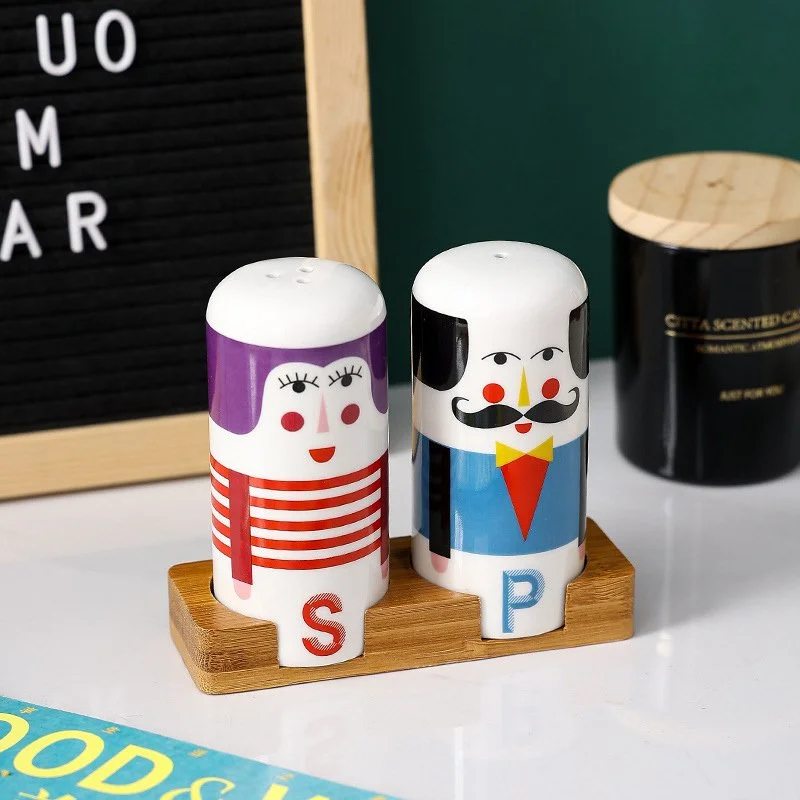
The honest limit: heat is the whole game, so be honest about your setup. If your router runs hot to the touch even in open air, do not enclose it 鈥?no ventilation design changes that. Measure your modem, router, and power strip stack before ordering 鈥?"large capacity" means nothing against your actual hardware. The cartoon styling won't suit every decor. And don't tuck the box into a metal cabinet or closed cupboard to hide it further 鈥?you'll trade the ugly corner for a dead Wi-Fi signal.
Tip 4: Store Out-of-Season Stuff in See-Through Mesh Bags, Not Opaque Bins
The closet in a small apartment is a black hole, and the blackest part is the storage itself: opaque bins and vacuum bags stacked to the ceiling. The problem with opaque storage is that it's too effective. When you can't see inside a bin, you don't remember what's in it, and you don't use it 鈥?you just re-buy whatever you can't find. Every organizer has met the client with three identical sets of sheets because they forgot the first two. Visibility isn't a nice-to-have in small-space storage; it's the entire point.
The fix: store out-of-season clothes, spare bedding, and rarely used linens in see-through bags. Mesh gives you what opaque bins can't: contents visible at a glance, and soft sides that compress into the awkward gaps a hard bin can't fill 鈥?under the bed, above the closet rod, behind the door. One category per bag, and label it anyway 鈥?mesh is visible but not always obvious.
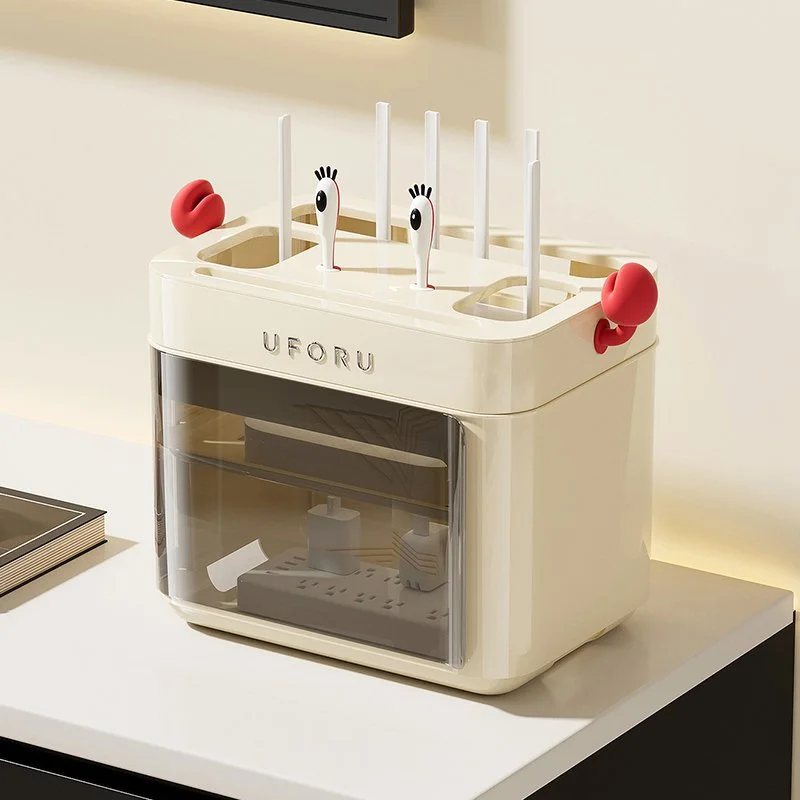
The product: the Large Mesh Drawstring Clothing Storage Organizer Bag ($17.95) is the budget pick on this list and the one we'd buy first from scratch. It's a large mesh drawstring bag 鈥?room for a winter coat or a stack of sweaters 鈥?with no zipper to break. At $17.95 you can buy five and still spend less than one opaque bin system. It's the tool for the "I forgot I owned this" problem, which is the most expensive storage problem there is.
The honest limit: mesh is not dust-proof and not water-resistant. For three-to-six-month rotation in a clean closet, that's fine 鈥?air circulation is actually good for fabrics. But for year-long storage in a basement, garage, or any damp space, mesh is the wrong tool; use sealed bins. Don't store anything precious or sentimental in a bag you can't lock. And because it's soft-sided, it won't stack like a bin 鈥?this is a bag for gaps, not a tower block.
Tip 5: Go Vertical With Wall-Mounted Produce Baskets
The most underused square footage in any apartment is the walls. Floors and counters get used because they're easy, but in a rental, walls feel off-limits 鈥?no built-ins, and drilling means landlord conversations. Yet a wall is the one surface completely free of stuff, and vertical storage is how small kitchens survive. The highest-value target is produce: onions, garlic, and ginger are the counter-clutter champions 鈥?awkward bags, fridge-averse, and they roll everywhere.
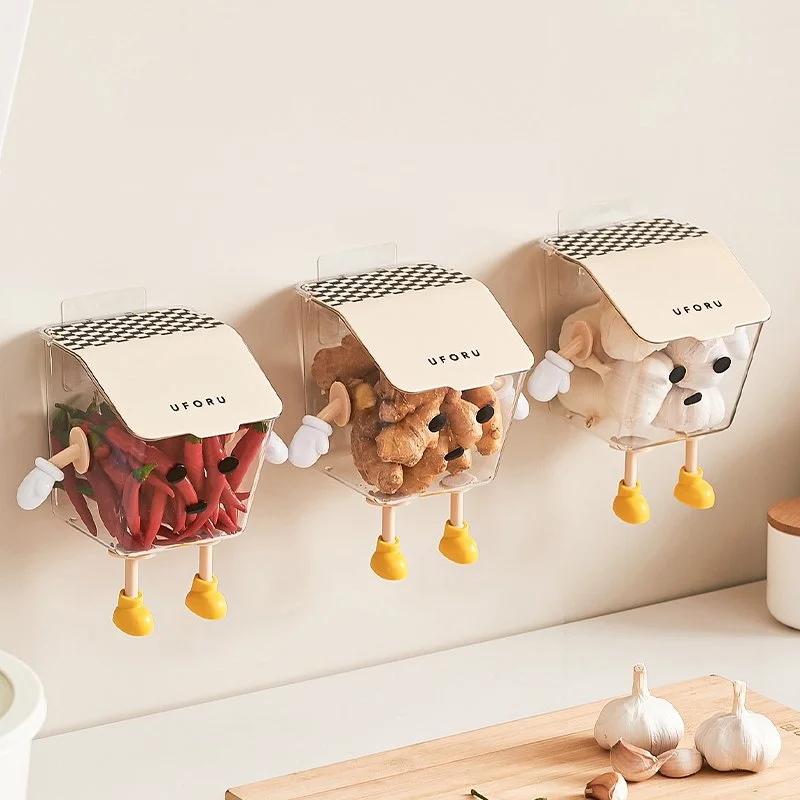
The fix: move the produce off the counter and onto the wall. A wall-mounted basket keeps onions, garlic, and ginger in open air 鈥?which is where they keep best, since root vegetables prefer cool, dry, ventilated spots over plastic bags 鈥?and clears the counter completely. It also puts produce at eye level where you'll see and use it, quietly cutting food waste. The basket becomes storage and kitchen decor in one, and the counter underneath frees up for prep.
The product: the Wall-Mounted Onion, Ginger & Garlic Storage Basket Organizer ($38.49) is designed for exactly this job: a wall basket sized for the root-vegetable trio, with open construction so air moves through. Mounted near the stove or prep area, it's the difference between cooking with what's in the basket and digging a sprouted onion out of a bag behind the coffee maker.
The honest limit: mounting is the entire game, and we can't say this strongly enough. A basket full of onions is heavy, and heavy baskets on cheap adhesive strips end up on the floor 鈥?or your foot. Use real wall anchors or hit a stud, and if you rent, ask your landlord first or plan to patch and repaint on move-out. If you can't drill at all, skip this tip and use a countertop basket. Don't store onions and potatoes together 鈥?onions give off ethylene gas that makes potatoes sprout faster. And if your wall is already full of shelves, skip it 鈥?a wall basket is just more visual noise.
Tip 6: Make the Storage Itself Do Double Duty as Decor
In a small apartment, every flat surface already has a job 鈥?the table is for eating, the chair for sitting, the floor for walking. Storage that doesn't look good isn't neutral; it makes the room feel smaller by adding visual noise without adding function. This is why the "basket trick" is the oldest move in the organizer's playbook: a good-looking basket hides a mess and looks intentional while doing it. The mess disappears and the basket reads as decor 鈥?the only storage solution that makes a room look better than empty.
The fix: give each problem zone one attractive basket 鈥?throw blankets, dog toys, mail and chargers, workout gear. The soft sides are the secret weapon: a rope or fabric basket squeezes into corners and under side tables where a hard bin physically can't fit. With handles it becomes portable 鈥?carry it to the couch for movie night and back to the corner after.
The product: the Handwoven Cotton Rope Storage Basket with Handles, Black & White, 10L ($55.49) is our catalog's pick: handwoven cotton rope with handles and a black-and-white pattern that reads as boho decor, not a utility bin. The 10L capacity suits one zone's worth of soft things 鈥?a folded throw blanket plus magazines 鈥?and the handles make it a grab-and-go carrier rather than a permanent fixture.
The honest limit: 10 liters is smaller than it sounds. It holds one zone's worth of soft things; it is not a laundry hamper and not a toy chest. Cotton rope is not waterproof 鈥?keep it away from bathrooms, plants, and anything damp; a wet rope basket is a mildew farm. The white rope will show dirt and need occasional spot-cleaning, and at $55.49 you're paying decor pricing, not utility pricing 鈥?buy it because it makes the room look better, not because it's the cheapest storage. If you need hard, stackable closet storage, a bin beats a basket; baskets are for visible, lived-in spaces.
Tip 7: The One-In-One-Out Rule 鈥?the Only Space-Saving Gadget That Costs Nothing
Here's the uncomfortable truth about the six tips above: every one adds an object to your apartment. A jar set, a holder, a box, a bag, a basket 鈥?all more things, and in a small apartment, more things is the original problem. The real space crisis isn't a shortage of storage; it's a surplus of inflow, and no organizer can outrun that math. That's why the most important technique here costs nothing: the one-in-one-out rule.
The rule: for every new item that comes in, one item leaves. New shoes 鈥?a pair you don't wear goes to donation. New sheets 鈥?the old set leaves. The seasoning jar set from Tip 1 鈥?the plastic containers they replace get recycled. The rule works best at the moment of purchase, not as a separate cleanup: it turns decluttering from a twice-a-year event into a standing habit, and it's the discipline layer that keeps every other tip working.
The mechanism: use the "container limit" method to make it concrete. Pick a container 鈥?a shelf, a drawer, a basket 鈥?and declare it the maximum for that category. When it's full, nothing new enters until something leaves. The container, not your willpower, makes the decision. It works because it converts an emotional question 鈥?"do I want to give this away?" 鈥?into a mechanical one: "is the drawer full?" Emotional questions are hard; full drawers are easy.
The honest limit: this is the hardest rule on this list to keep, and pretending otherwise would be dishonest. It asks you to make a decision every time you buy something, and it fails completely on sentimental items 鈥?so carve out one memory box per person as the exception. It also can't fix an existing hoard; one-in-one-out is a maintenance tool, not a rescue tool. If your apartment is already overflowing, do one hard purge first, then start the rule. Start with one category 鈥?clothes is easiest 鈥?then expand.
How These Six Products and One Habit Compare
| Gadget | Price | The job | Best for | Watch out for |
|---|---|---|---|---|
| Crystal Glass Seasoning Jar | $36.49 | Consolidates the countertop seasoning pile into matched, sealed jars | Daily cooks with a visible spice mess | Glass is breakable; only worth it if you cook |
| Ceramic Spice Bottle & Toothpick Holder | $60.49 | Gives daily-use salt, pepper, condiments one permanent counter spot | Daily cooks in studios where counter = prep area | Occupies counter, not cabinet; premium price |
| Cartoon Router Storage Box | $76.80 | Hides router, modem, and cables in a ventilated box | Anyone with an eyesore tech corner and normal-running hardware | Measure your stack; never enclose a hot router |
| Large Mesh Drawstring Storage Bag | $17.95 | Stores out-of-season clothes/linens visibly, in awkward gaps | Rotation storage in clean closets or under beds | Not dust-proof; not for damp or long-term storage |
| Wall-Mounted Produce Basket | $38.49 | Moves onions/garlic/ginger off the counter onto the wall | Kitchens with a free wall and permission to mount | Needs real anchors; don't mix onions and potatoes |
| Handwoven Cotton Rope Basket | $55.49 | Hides a zone's mess while doubling as boho decor | Visible living spaces; soft-item clutter | Not waterproof; 10L is smaller than it looks |
| One-In-One-Out Rule | Free | Stops new clutter at the door, forever | Everyone, after one initial purge | Hardest habit to keep; needs a memory-box exception |
Read the table like the tips: cheap products (the $17.95 mesh bag) often earn their keep fastest; expensive ones pay off only when solving a specific, visible problem you've identified. If a row's "watch out for" column describes you, skip it 鈥?that's a space-saving decision too.
Before You Buy: Name the Space Problem First
Small-apartment clutter usually looks like one mess, but it is really three different problems. Buying the wrong organizer for the wrong problem is how people end up with a drawer full of unused bins.
The first problem is visibility clutter: cables, daily seasonings, keys, mail, lip balm, and other small objects that sit in the open because they are used too often to hide. These need a permanent visible home. The ceramic condiment holder, router box, and cotton rope basket all work in this category because they make the thing look intentional without pretending it does not exist.
The second problem is storage density: out-of-season clothing, extra bedding, pantry goods, produce, and spice containers taking up more volume than they should. These need compression, stacking, wall space, or uniform shapes. Mesh bags, wall-mounted baskets, and matched seasoning jars belong here because they make the same shelf, wall, or drawer hold more without requiring renovation.
The third problem is habit clutter: objects that keep returning because the household has no rule for them. This is where the one-in-one-out habit matters. No basket fixes a buying pattern. If a new gadget arrives every week, the apartment eventually becomes a museum of solutions to old messes.
So before buying anything, name the problem in one sentence: "I need cables hidden," "I need produce off the counter," "I need spices visible," or "I need to stop keeping duplicates." The clearer the sentence, the less likely you are to buy a gadget that only adds another object to manage.
FAQ
Does the one-in-one-out rule actually work, or is it just internet advice?
It works, but only as a maintenance habit. The mechanism is the container limit: when a drawer or shelf is physically full, the decision to remove something stops being emotional and becomes mechanical. That's why it holds up where "decluttering weekends" fail: a small decision made constantly beats a big one made rarely. It won't rescue a hoarded apartment on its own; you need one initial purge first. It also needs an explicit exception for sentimental items, or you'll abandon it the first time it asks you to donate something you love. Start with one category 鈥?clothes works best 鈥?and apply it at the register, not during spring cleaning.
Are space-saving gadgets worth buying, or are most of them gimmicks?
Most of them are gimmicks 鈥?that's why this list is short. The honest test: does a gadget remove a specific, visible mess, or add a new object to maintain? A mesh bag that lets you see your sheets is a space saver; a "miracle" hanger system that requires reorganizing your whole closet is a hobby. The products here each do one job and carry a stated limitation. If a sales page can't tell you what mess a gadget removes, it's probably creating one.
Can I mount wall storage in a rental without losing my security deposit?
Yes, with three conditions: ask first, anchor properly, patch on the way out. A wall basket full of onions is genuinely heavy 鈥?adhesive strips aren't an option; use real anchors or find a stud. Most landlords allow a few small, properly patched holes; deposit damage comes from big holes and abandoned hardware. If your lease forbids drilling entirely, don't gamble 鈥?a countertop basket does 80% of the job. When you move, fill the holes with spackle, sand, and touch up the paint 鈥?your deposit will survive.
What's the best way to organize spices in a small kitchen?
Decant the ones you actually use into matched, sealed jars and keep the rest in their original packaging. The mechanical reason matched jars win is stacking: uniform flat-topped jars stack, mismatched ones don't, so the same shelf holds more. Keep daily-use salt, pepper, and condiments in one spot at the point of use; store the rest by category in a drawer or cabinet. Two things not to do: don't store spices over the stove (heat and steam degrade them faster), and don't buy a matching set of forty jars 鈥?you're organizing a collection, not your cooking.
Are mesh storage bags good for long-term clothing storage?
For the three-to-six-month rotation cycle, yes 鈥?and better than opaque bins, because you can see what's inside, which is what stops you from re-buying the sheets you already own. But mesh is not dust-proof, not water-resistant, and not lockable, so it's the wrong tool for year-long storage in a basement, garage, or any damp space. Match the tool to the timeline: mesh for in-season rotation in a clean closet, sealed bins for anything stored six-plus months or in harsh conditions. The $17.95 bag on this list is the cheap, correct answer for the first category.
Where should I start if my apartment is already cluttered?
Start with the one-in-one-out rule's prerequisite: one honest purge, in one category, with a time limit. The kitchen counter is the classic start: small, visible, and you'll feel the win daily 鈥?pull out the seasoning graveyard, toss the expired stuff, decant the keepers (Tip 1), then move to the next surface. Don't buy a single organizer until you've purged 鈥?it just gives you a prettier place to keep stuff you don't need. After the purge, apply the six products above only to the messes that remain 鈥?and measure before you order. A gadget that doesn't fit is just clutter with a receipt.
Sources
- NYT Wirecutter 鈥?"The Best Gear for Small Homes": expert-vetted racks, hooks, pegboards, and vertical-space strategies. https://www.nytimes.com/wirecutter/lists/small-home-organizing-every-room/
- Primer Magazine 鈥?"22 Genius Space-Saving Amazon Products": real-world apartment hacks including nesting tables. https://www.primermagazine.com/2019/spend/tiny-apartment-hacks
- Reddit r/Apartmentliving 鈥?"What space-saving items do you actually use?": real renter picks on wall shelves, over-door organizers, and under-bed bins. https://www.reddit.com/r/Apartmentliving/comments/1kio1hv/what_spacesaving_items_do_you_actually_use_in/
- National Multifamily Housing Council 鈥?renter tenure data (background). https://www.nmhc.org/research-insight/
- Amazon 鈥?the space-saving furniture market (background). https://www.amazon.com/space-saving-furniture-small-apartments/s?k=space+saving+furniture+for+small+apartments
Prices and product details from the PickByU catalog, checked August 7, 2026. Product claims are based on design and specifications, not independent testing.