Article
Pet Grooming Tools for Beginners: 6 Tools to Buy First and 3 to Skip
Quick Answer
Pet Grooming Tools for Beginners: 6 Tools to Buy First and 3 to Skip: quick answer
Here's a scene almost every new pet owner knows. You've had your puppy or kitten for two weeks, and suddenly you notice the fur. It's on the couch,...
- Topic: Grooming.
- Related product category: grooming.
- This article keeps the main answer in the article copy and places relevant product context inside the guide.
The Problem: Grooming Feels Overwhelming When You're New
Here's a scene almost every new pet owner knows. You've had your puppy or kitten for two weeks, and suddenly you notice the fur. It's on the couch, it's on your dark leggings, it's drifting across the kitchen floor like tumbleweeds. You buy a brush at the checkout counter, run it over your dog once, and immediately feel unsure — he flinches, the brush barely picks anything up, and you're not certain you're doing it right. Then there are the nails. You picked up a pair of clippers that looked small and safe, watched a two-minute video, and froze the moment you lined them up against a tiny dark nail. What if you hit the quick? What if your cat decides this is the day she finally uses all nine lives on your forearms? Grooming a dog or cat for the first time is genuinely intimidating, and it's not your fault. Nobody hands you a manual. The pet aisle is a wall of slicker brushes, rakes, combs, clippers, grinders, scissors, and sprays, and none of it tells you which tool does which job — or in what order you're supposed to buy them. Every kit looks essential, and the total cost of "just getting started" can quietly pass a hundred dollars before you've brushed a single dog. The good news: a beginner does not need every tool in the pet aisle. Start with loose-fur management, gentle routine brushing, and nail care. Mats, skin concerns, difficult coats, and stressful nail trims are situations where a groomer or veterinarian may be the better next step. This guide is written for the person who has never groomed a pet before. We'll walk through the six tools worth buying first, in the order we'd buy them, with honest notes on what each can and can't do — plus the three tools to skip until you actually know you need them. Prices are as listed at the time of writing, and we have not lab-tested these exact units; this guide reflects how these types of tools work and what owners commonly report.
The 6 Tools to Buy First
Here's the buy order in one line: start with the tool that solves your biggest problem (shedding), add a daily brush, conquer nails, then upgrade. Buy in this order and you'll never own a drawer full of tools you don't use.
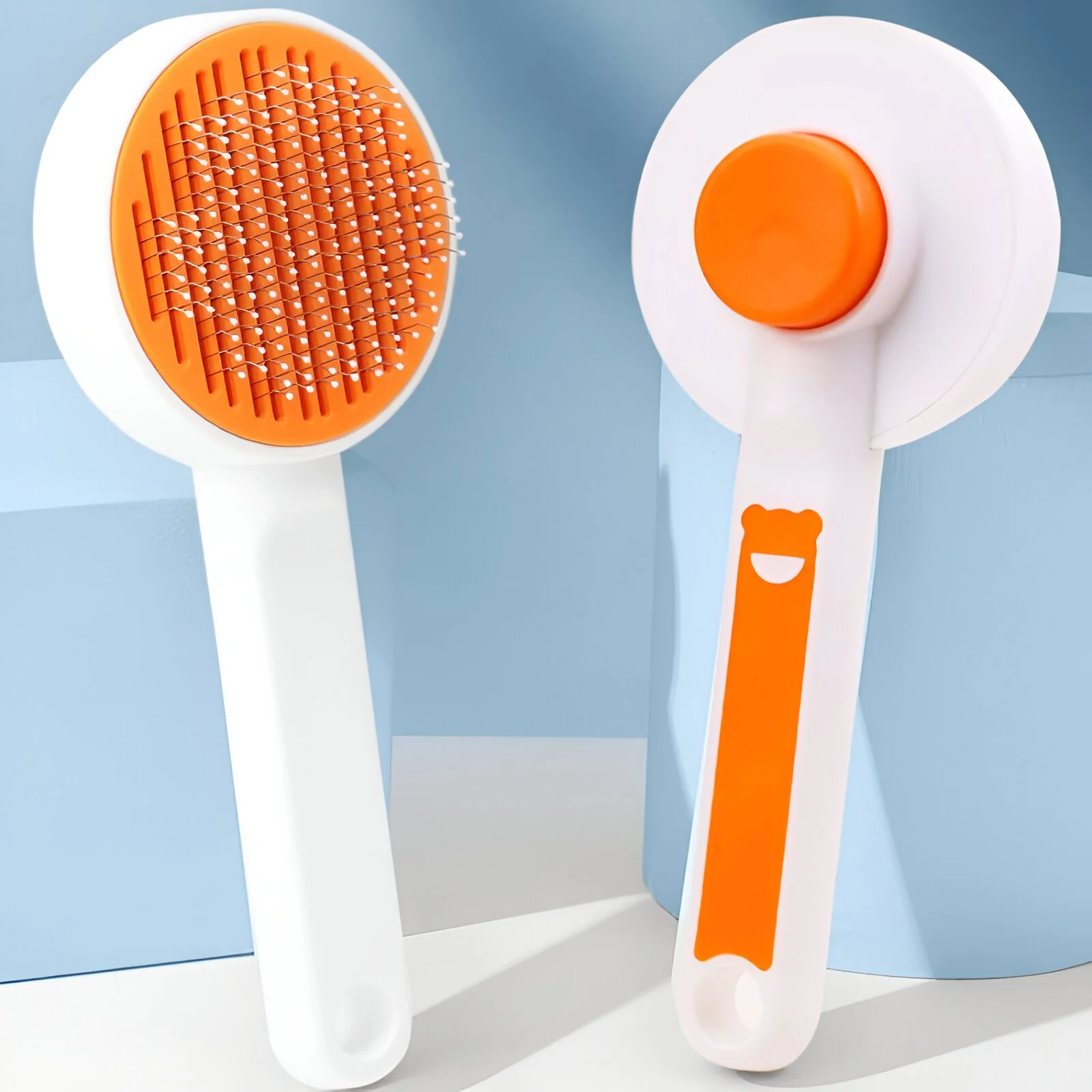
1. Self-Cleaning Pet Deshedding Brush — the first tool to buy
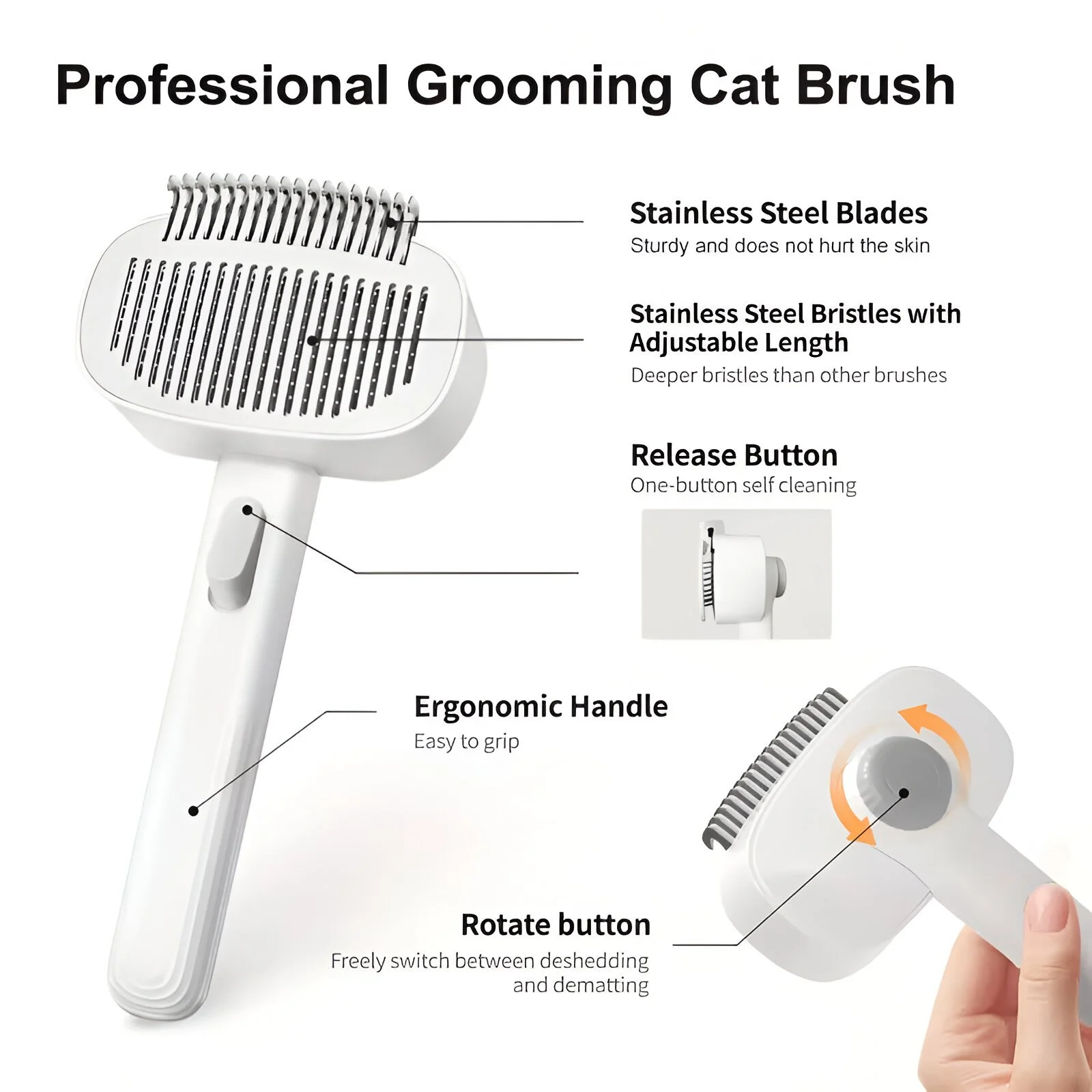
[Self-Cleaning Pet Deshedding Brush for Cats & Dogs – Gentle Fur Removal Comb](/products/self-cleaning-pet-deshedding-brush-for-cats-and-dogs-gentle-fur-removal-p-007110) ($17.80) The job it does. Shedding is the problem almost every new owner meets first, so it gets the first tool. A deshedding brush uses a row of short, closely spaced teeth to reach the loose undercoat sitting beneath your pet's top coat — the hair that ordinary brushes never touch. When you run it over a shedding dog or cat, that undercoat comes out in ribbons. This is the single biggest win available to a beginner: ten minutes with a deshedding brush removes more loose fur than a week of casual brushing — less fur on your sofa, your clothes, and floating into your coffee. How to use it as a beginner. Start slow and keep the pressure light. Run the brush in the direction of hair growth, one smooth stroke at a time, over the back and sides — places your pet can't easily reach themselves. The brush should glide, never drag or scrape. The "self-cleaning" part matters: most brushes of this type have a button that pushes the captured fur off the teeth in one piece, so you're not picking hair out of the tines after every pass. Aim for 10 to 15 minutes two or three times a week during heavy shedding, and stop if your pet seems sore — the teeth are designed to catch undercoat, not to press hard against skin. Dog vs cat. This one genuinely works for both. It suits short- and medium-haired dogs — labs, beagles, German shepherds — and cats of nearly every coat type. For a very long-haired breed with a silky coat, pair it with the long-hair brush below instead — the shorter teeth can tug at long hair. Honest limits. A deshedding brush removes loose hair; it does not stop shedding, it does not detangle mats, and it won't fix fur loss caused by allergies, fleas, or skin problems — if shedding suddenly doubles, see a vet before you see a brush aisle. One caveat: self-cleaning mechanisms on budget brushes lose tension over months of use — when the button stops sweeping the teeth cleanly, the brush is nearing the end of its life, not broken. At $17.80 it's the cheapest tool on this list and the one that changes your week the most.
2. Self-Cleaning Dog & Cat Brush for Long Hair — the daily brush
[Self-Cleaning Dog & Cat Brush – Hair Remover & Grooming Comb for Long Hair](/products/self-cleaning-dog-and-cat-brush-hair-remover-and-grooming-comb-for-p-007288) ($24.95) The job it does. While the deshedding brush removes undercoat, this is your everyday brushing tool — the one you reach for on a normal Tuesday. It's built for longer coats: the teeth are spaced to work through long top hair, pulling out loose strands and light tangles before they have a chance to turn into mats. For a long-haired cat or dog, this is the difference between a coat that stays silky and one that turns into a felted mess behind the ears and under the legs. How to use it as a beginner. Make it a routine rather than an event. Work in small sections, starting at the ends of the hair and moving toward the body — brushing long hair from the roots first just pushes tangles into knots. When you hit a snag, hold the fur at the base with your other hand so the pull lands on your hand, not your pet's skin. Two or three passes over each section is plenty. Ten minutes every other day beats an hour once a month, and your pet will cooperate far better with the short version. Dog vs cat. It works for both, but it shines on long coats: Persians, Maine Coons, Golden Retrievers, Collies. For a short-haired pet, this brush is overkill — you'll get the same result from the deshedding brush and a soft pass. If your pet has a medium coat, it's a genuinely useful second tool. Honest limits. This is a grooming comb with a cleanup convenience, not a detangling miracle. A tight, felted mat needs a dematting tool — or, realistically for a beginner, a groomer. It also won't pull undercoat the way the deshedder does, which is why we recommend owning both: they do different jobs. The self-cleaning button carries the same long-term caveat as the first brush; treat it as a convenience, not a feature to lean on forever. At $24.95, it's the reasonable middle step between your first brush and the premium options below.
3. Adjustable Pet Nail Clippers — for the scariest job
[Adjustable Pet Nail Clippers with Hidden File for Cats & Puppies](/products/adjustable-pet-nail-clippers-with-hidden-file-for-cats-and-puppies-p-007168) ($20.95) The job it does. Nail care makes new owners sweat, and it should not be ignored: overgrown nails can catch on carpet, affect comfort, and make normal movement harder. These clippers are guillotine-style with an adjustable opening, so you can set the opening to match the nail size before you squeeze. The hidden file in the handle smooths the rough edge afterward so the nail is less likely to snag. How to use it as a beginner. The fear is almost always about hitting the quick — the blood vessel inside the nail. On light nails you can see it; on dark nails you can't, which is why beginners should take only tiny slivers at a time. One nail a day is a completely legitimate schedule; your pet will tolerate a single quick snip far better than a ten-minute wrestling match. Cut, then file the edge, then give a treat. Do it after a walk when your dog is tired, or during a lap when your cat is half asleep. Two people make cat trims dramatically easier: one holds, one clips. Dog vs cat. The product name says cats and puppies, and that's the honest range — it suits small and medium dogs plus cats of all sizes. If you have a giant breed with thick, dark nails, you'll want heavy-duty clippers with more leverage; this pair will struggle. Honest limits. No tool removes the need for practice, and quick nicks can happen, especially with dark nails. Keep styptic powder or cornstarch next to the clippers and stop if you feel unsure. If you find yourself shaking every time, a groomer's nail trim is a sensible low-cost service. At $20.95, these clippers are a reasonable tool for learning on.
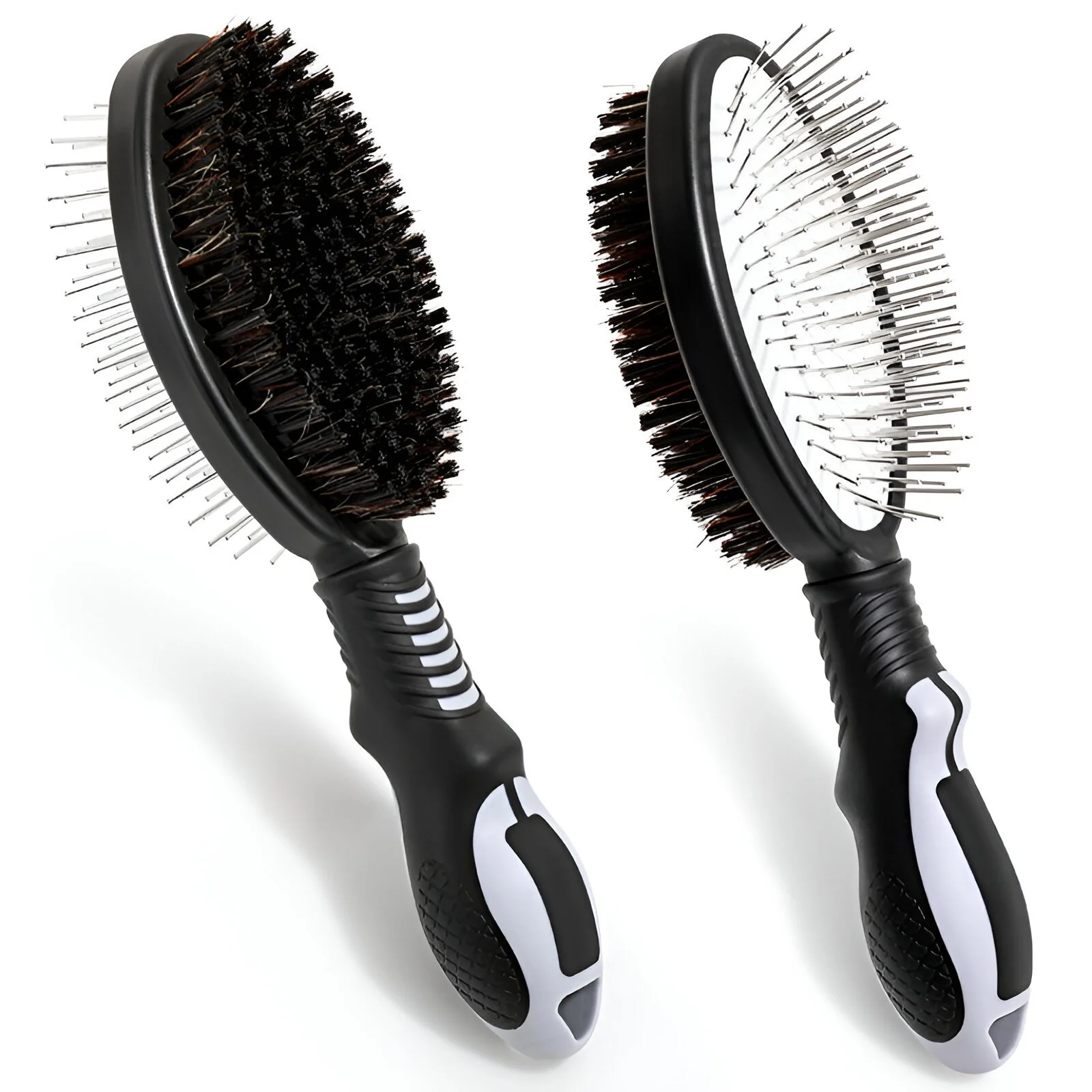
4. Double-Sided Dog Grooming Brush — the all-rounder
[Double-Sided Dog Grooming Brush and Hair Remover Comb](/products/double-sided-dog-grooming-brush-and-hair-remover-comb-p-007333) ($32.49) The job it does. One handle, two working ends — typically a pin-brush side for everyday brushing and a comb side for detail work on the face, ears, and feathering. The value for a beginner is that one tool covers both "daily brush" and "check for tangles," so you stop accumulating half-used tools that each do one narrow thing. It's the tool that lives on the coffee table — the one you grab for a three-minute pass while watching TV. How to use it as a beginner. Use the pin side for the body, following the direction of hair growth with light pressure. Switch to the comb side for the sensitive spots — around the ears, the chin, the tail, and anywhere the coat changes texture. The comb side is also your early-warning system: if it catches on a spot, that's a tangle forming, and a tangle caught early is a two-minute fix instead of a groomer visit. Keep sessions short and end on a good note so your pet starts associating the brush with pleasant things — starting on the back, where most pets enjoy being touched, eases even nervous animals into the routine. Dog vs cat. Both, with the comb side being especially useful for cats around the chin and cheeks — the spots where food and debris collect. On a small or medium dog it can easily be your only brush. On a very large dog, the heads will feel small and sessions will run long. Honest limits. Double-sided tools are a compromise by design: the working heads are usually smaller than dedicated full-size versions, so on a big dog a full-body brush takes noticeably longer than it would with a full-size tool. It's also not a deshedder — it keeps a coat tidy, but it won't pull undercoat the way the first tool on this list does. Think of it as the second purchase that makes your routine feel complete, not a replacement for anything. At $32.49, it sits in the middle of this list on price and delivers exactly that: middle-of-the-road versatility.
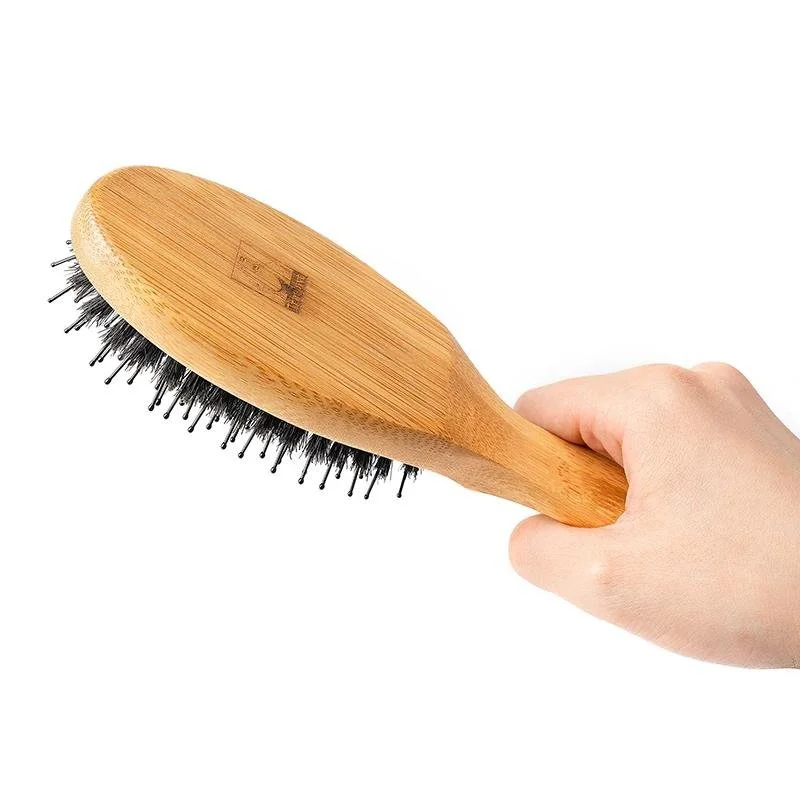
5. Portable Pet Grooming Brush with Bamboo Handle — the premium daily brush
[Portable Pet Grooming Brush with Eco-Friendly Bamboo Handle](/products/portable-pet-grooming-brush-with-eco-friendly-bamboo-handle-p-007212) ($44.95) The job it does. The most expensive tool on this list, and the one that earns its place as the "nice" brush you use every day. The bamboo handle is lighter and warmer in the hand than molded plastic, and the compact size makes it genuinely portable — it's the brush that goes in the bag for trips, vet visits, and the park. For pets who are wary of big, clunky brushes, the smaller footprint and gentle action make it far easier to introduce than a full-size rake. How to use it as a beginner. This is the tool for building the daily habit. Keep it somewhere visible, let your pet sniff it, and do a loose three-to-five-minute pass over the back, sides, and chest every day or two. The goal on a daily brush isn't deep cleaning — it's maintenance, bonding, and early detection of lumps, burrs, ticks, or hot spots. Because the sessions are short and gentle, even a pet that hates grooming usually learns to tolerate — eventually enjoy — this one. Dog vs cat. Great for both, and especially for small dogs, cats, short coats, and senior pets with sensitive skin. If your pet has a heavy undercoat, remember this brush maintains the top coat while the deshedder does the deep work — they complement each other. For a short-haired dog or a cat, this may be the only brush you ever need: daily passes keep the coat glossy and catch loose hair before it lands on the furniture. Honest limits. Let's be straight: at $44.95 this is a comfort-and-design purchase, not a functional necessity. A $17 deshedder does more visible work in a single session, and nothing about a bamboo handle makes fur come out faster. You're paying for the feel, the portability, and the daily-use experience — which is a legitimate reason to buy, but be clear-eyed that it's a "third or fourth purchase" for most households, once you know you'll keep up the habit. If you're still deciding whether grooming is for you, buy the cheaper tools first and revisit this one later.
6. 3-in-1 Steam Pet Grooming Brush — the optional add-on
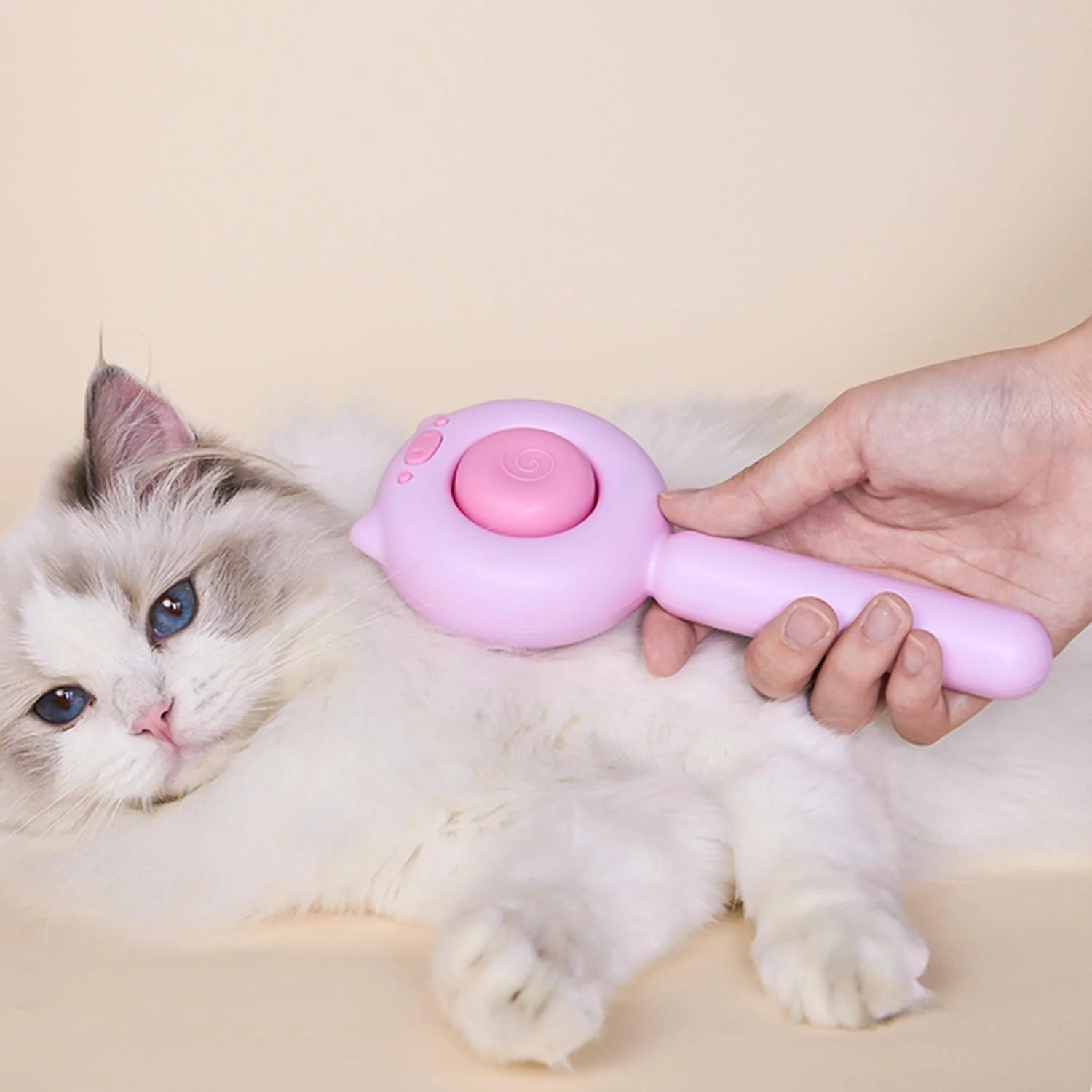
[3-in-1 Steam Pet Grooming Brush with Gentle Silicone Teeth](/products/3-in-1-steam-pet-grooming-brush-with-gentle-silicone-teeth-p-007152) ($15.49) The job it does. This listing combines a brush with a mist feature and silicone teeth. Treat it as an optional freshening tool, not as a substitute for bathing, brushing, or professional grooming. A pet's tolerance for mist and sound varies widely, so the gentlest introduction matters more than the feature list. How to use it as a beginner. Follow the manufacturer's directions, use only the recommended liquid, and introduce the tool while it is off so the pet can inspect it first. Keep the feature away from the face, ears, and matted areas. Stop immediately if the pet flinches, tries to leave, or shows irritation; some pets will not tolerate a misting tool, and that is fine. Dog vs cat. Mostly a dog tool. Many cats dislike mist, moisture, or unfamiliar sounds, so introduce it carefully and skip it if the cat shows stress. If your cat already tolerates water without drama, you can try a very short supervised session; otherwise use a dry brush instead. Honest limits. This is the most niche tool on the list: steam or mist brushes are a maybe purchase, not a must-have. They do not replace baths, they do not deshed, the reservoir may need refilling, and pets who hate moisture will reject it outright. Buy it last and treat it as optional.
3 Tools to Skip for Now (and Why Beginners Buy Them Anyway)
1. Cheap slicker brushes with flimsy pins. Slicker brushes look like the obvious first purchase — they're everywhere, cheap, and the package promises a glossy coat. But cheap slickers have pins that bend after a few weeks, then drag and scratch instead of brushing. A quality slicker is a professional tool for specific coats; a budget one is a frustration machine that makes your pet hate brushing. Skip it until you know your pet's coat needs one — and when you do buy, buy the good version. 2. Full clipper sets. The twenty-piece kits — clipper, ten blades, guards, scissors, comb — are the classic beginner trap. Most owners use them once, cut a wavy patch into the dog's back, and then the dog spends a month flinching at the buzzing sound. Clipping a pet's body hair is a real skill, and the set doesn't teach it to you. If you eventually need to shave mats or trim hair, buy one decent clipper with a couple of guards, practice on the body — never the face — and leave the fifteen unused blades in the box. 3. Fancy scissors. Curved shears, thinning shears, chunkers — they look professional and feel serious in the hand. But you cannot learn to shape a coat on $80 scissors; the first thing you'll cut is either your pet's skin or your own fingers. Professional grooming shears are razor-sharp by design, and a beginner's first cut is usually a mistake. Start with none. If you ever take a course or decide to learn from your groomer, that's the time to buy one decent pair — not before. The rule behind all three: buy a tool when the job exists, not before. Grooming is a habit you build over months — let the tools grow with it.
The Beginner Weekly Grooming Routine
Here's a realistic weekly schedule using the tools above — deliberately light, because a routine you'll actually follow beats a perfect one you abandon in week two.
| Day | Grooming job | Tool to use | Time |
|---|---|---|---|
| Daily (every day) | Quick maintenance pass over back and sides; check for burrs, lumps, ticks | Daily brush (double-sided or bamboo) | 3–5 minutes |
| Monday | Full deshedding session — undercoat removal | Deshedding brush | 10–15 minutes |
| Wednesday | Nail check — trim only if needed, then file edges | Nail clippers + hidden file | 5–10 minutes |
| Saturday | Full body brush, ear check, feel for mats behind ears and legs | Long-hair or double-sided brush | 10–15 minutes |
| Every 2–4 weeks | Freshen-up between baths, only if your pet tolerates it | Steam brush (optional) | 5 minutes |
How to read this table: the daily pass is the most important row — it builds the habit and catches problems early. Monday's deshedding is what actually controls the fur in your house. Wednesday is flexible: check nails weekly, trim when you hear clicking on the floor. Saturday's mat check is your early-warning system; a mat you catch at pea size is a two-minute fix, and a mat you find at felt size is a groomer visit.
FAQ: Grooming Questions Every Beginner Asks
How often should I brush my dog or cat? For most pets, three to five times a week is plenty, and a daily three-minute pass is even better. Heavy shedders need more during shedding season; short-haired pets with light coats can get away with twice a week. Brush often enough that you never see a mat start to form — for most owners, every other day. Do cats need different grooming tools than dogs? Not fundamentally. The tools on this list work for both — deshedding brushes, combs, and nail clippers transfer across species. The differences are practical: cats need gentler handling, shorter sessions, and often smaller tools — and most reject anything that hisses or vibrates. If you have both, one set of tools with clean heads between pets is fine. I'm scared of cutting my pet's nails. What should I do? Start smaller than you think — one tiny sliver per nail, or one nail per day, with a file afterward and a treat after every nail. Use clippers with an adjustable opening so the blade can't take too much at once, and keep styptic powder or cornstarch nearby for the first inevitable nick. If you still can't do it without shaking, a groomer's nail trim is cheap — and using one is not failure. Why is my pet shedding so much right now — and when should I worry? Dogs and cats shed seasonally, usually as days lengthen in spring and shorten in fall; indoor pets often shed lightly year-round. Heavy but even shedding that responds to brushing is normal. Worry when shedding is patchy, or comes with bald spots, redness, itching, or appetite changes — that points to fleas, allergies, or illness, and a brush won't fix it. When should I see a professional groomer instead of doing it myself? See a groomer when you're out of your depth: tight mats close to the skin, a heavily matted coat that needs shaving, anal gland issues, or a pet who genuinely cannot tolerate being handled for nails. Also book one if your pet's breed needs haircuts — poodles and similar coats need professional clipping no matter how good your home brushing is. My pet hates being brushed. How do I make it easier? Shorten sessions to two minutes, not twenty, and pair every brush with a high-value treat. Brush the places your pet likes first (the back and shoulders), never chase a reluctant pet around the house, and stop before they get upset so the session always ends well. If your pet only tolerates one tool, use that one for a week before reintroducing anything else.