Article
7 Kitchen Counter Organization Ideas to Declutter a Small Kitchen (2026)
Quick Answer
7 Kitchen Counter Organization Ideas to Declutter a Small Kitchen (2026): quick answer
If your kitchen counter is crowded with appliances, spices, mail, and the one knife you use every day, the issue may be less about tidiness than...
- Topic: TIPS.
- Related product category: kitchen-dining.
- This article keeps the main answer in the article copy and places relevant product context inside the guide.
The Counter Is Full. Your Cooking Space Is Shrinking.
If your kitchen counter is crowded with appliances, spices, mail, and the one knife you use every day, the issue may be less about tidiness than available working surface. The practical test is simple: can you clear a stable prep area for chopping, seasoning, and plating without moving five unrelated items first? If not, the counter is doing too many jobs at once. The standard advice "put everything in cabinets" often fails in rentals and small apartments where cabinet volume is the problem, not the counter. In a tight kitchen, the counter becomes the overflow zone for daily tools, mail, bottles, and prep items. So the real question isn't "where do I hide things." It's "how do I make the items I use daily occupy less horizontal space." That means going vertical, using rotation, and combining tools so one product does more than one job. It also means being honest about which counter items are daily tools and which are just taking up prep space. Below are seven counter-organization ideas for small kitchens, ordered from free habit changes to compact storage upgrades. Each product reference is chosen for a specific job: reducing horizontal clutter, using vertical space, or keeping a high-use zone together.
1. Outsource the Clutter: Give Every Category a Home Zone
Before you buy a single organizer, do a 20-minute reset: pull everything off the counter, wipe it down, and sort into three piles - daily use (stays out), weekly use (goes in a cabinet), and never use (gets donated or tossed). The Spruce's counter-organization guide uses the same principle: counters should only hold items you touch in a normal day. A spice rack you open twice a month does not belong on the counter. Neither does the appliance you used once for a holiday recipe and haven't touched since. The zone rule is where most people get this right or wrong: coffee + mugs together, cooking oils + utensils together, prep tools near the cutting area. When categories have homes, the counter clears itself between uses because there is a default place for every object. A clear counter is not just tidier; it also makes the room feel easier to use. This costs nothing, and it makes every organizer you buy afterward more useful. Organizers support decisions; they do not make them for you. If you have not decided what belongs on the counter, no rack or shelf will keep it clear for long.
2. Combine Tools: One Product, Three Jobs
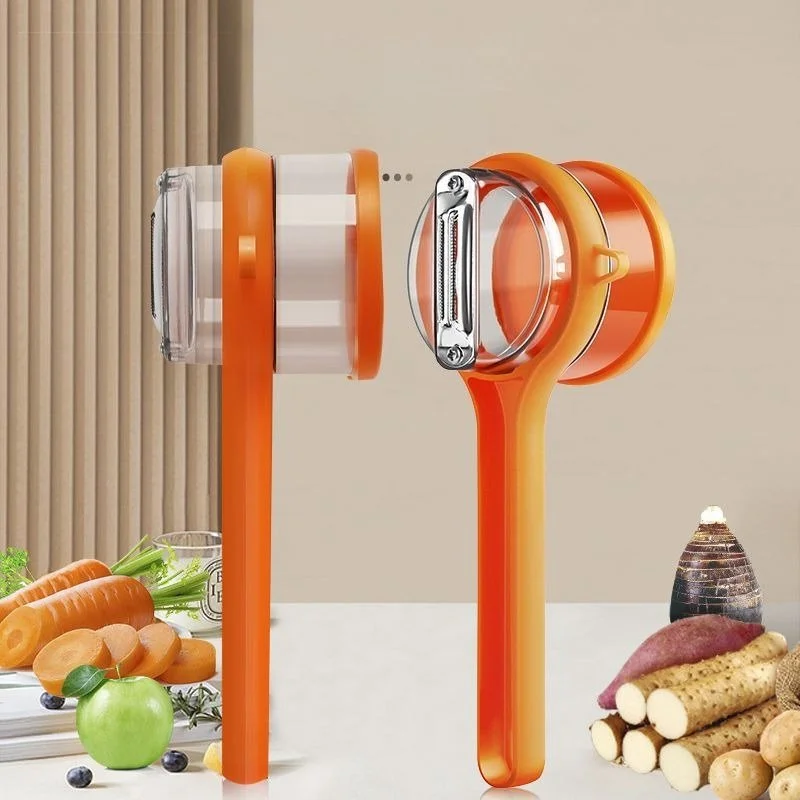
One way to reclaim counter space is to stop buying single-purpose tools. The kitchen gadget graveyard is full of "one job" items: the avocado slicer, the egg separator, the herb scissors. Every one of those claims a square inch of counter or a drawer slot. The better choice is a tool that stacks jobs: a pan that handles more than one cooking method, a peeler that contains its own waste, a rack that folds flat. A classic example: the vegetable peeler with a built-in peel collector. Instead of a peeler *and* a compost bowl *and* a paper towel roll to dry your hands, one tool handles peeling, contains the waste, and keeps the workspace cleaner. For anyone who meal-preps potatoes, carrots, or zucchini, it can reduce the small cleanup step of chasing peel scraps across the counter. The 2-in-1 Vegetable Peeler with Built-In Peel Storage Bucket ($15.80) is listed with that setup. The container clips onto the peeler, so potato skins and carrot strips land in the bucket instead of across the counter. For a small kitchen where prep space is measured in inches, that can be useful. The bucket detaches for dumping, which is the part that matters most in daily use.
3. Go Rotating: The Countertop Turntable Trick
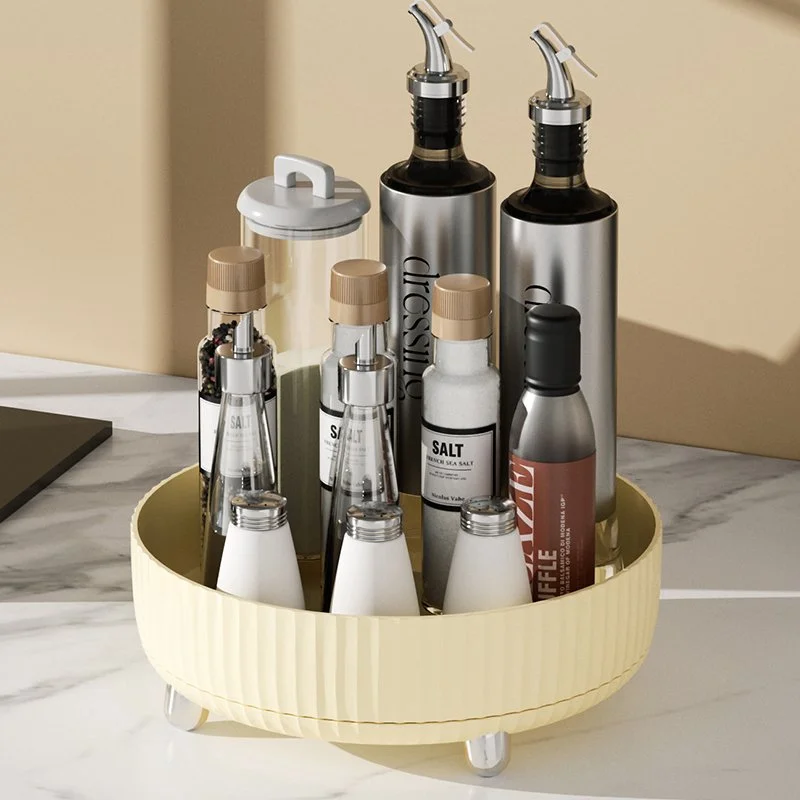
A countertop turntable can turn an awkward corner into usable storage. Oil, vinegar, salt, pepper, and soy sauce remain reachable without stacking bottles behind one another. Rotation does not create more space, but it makes the depth you already have easier to use and easier to keep clean. The 360° Rotating Seasoning Organizer with Storage Trays ($34.65) is listed as a two-tier rotating rack with built-in trays, combining vertical storage with rotation. The lower tier may suit taller bottles while the upper tier can hold smaller jars; check the listed dimensions against your own bottles before ordering. For renters who cannot install a wall rack, a freestanding organizer can be a practical option.
4. Use the Sink Edge: The Vertical Solution Nobody Thinks Of
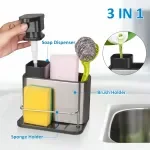
Most people treat the area right next to the sink as a wet zone and leave it empty. Sink-edge organizers use the vertical space above the counter - a sponge, soap, and brush stack into one column instead of lying flat in three separate puddles. The sink edge is also a high-use zone in the kitchen, so putting the most-used cleaning tools there can keep them easier to reach. The 3-in-1 Stainless Steel Kitchen Sink Organizer with Soap Dispenser, Sponge, and Brush Holder ($34.80) combines a soap dispenser, sponge area, and brush holder in one footprint. A raised or draining sponge holder can help keep the sink zone tidier, but it still needs regular cleaning and drying. Stainless steel may suit a sink area, though it can show water spots and should be checked for rust or corrosion according to the seller's care guidance.
5. Stack Up: Multi-Tier Shelves Turn Air Into Storage
If your counter has height available, multi-tier shelving can add a second surface without expanding the footprint. The idea is simple: instead of one layer of jars and bottles sitting on the counter, use two or three stacked levels so everything is visible at once, front to back. This is the same principle as the rotating rack, but for linear rows. The Stackable Adjustable Kitchen Counter Shelves - Set of 2 ($59.65) gives you two tiers of adjustable shelving. Put your daily coffee setup on the top tier (mug, sugar, grounds) and your prep basics on the bottom (oil, salt, cutting board). Because the shelves are stackable, you can add more height later if your setup grows. Adjustable height makes it easier to match different bottle sizes, which is useful when a fixed-height shelf would leave unused space.
6. Go Vertical with a Drawer Organizer: Empty the Drawer, Clear the Counter
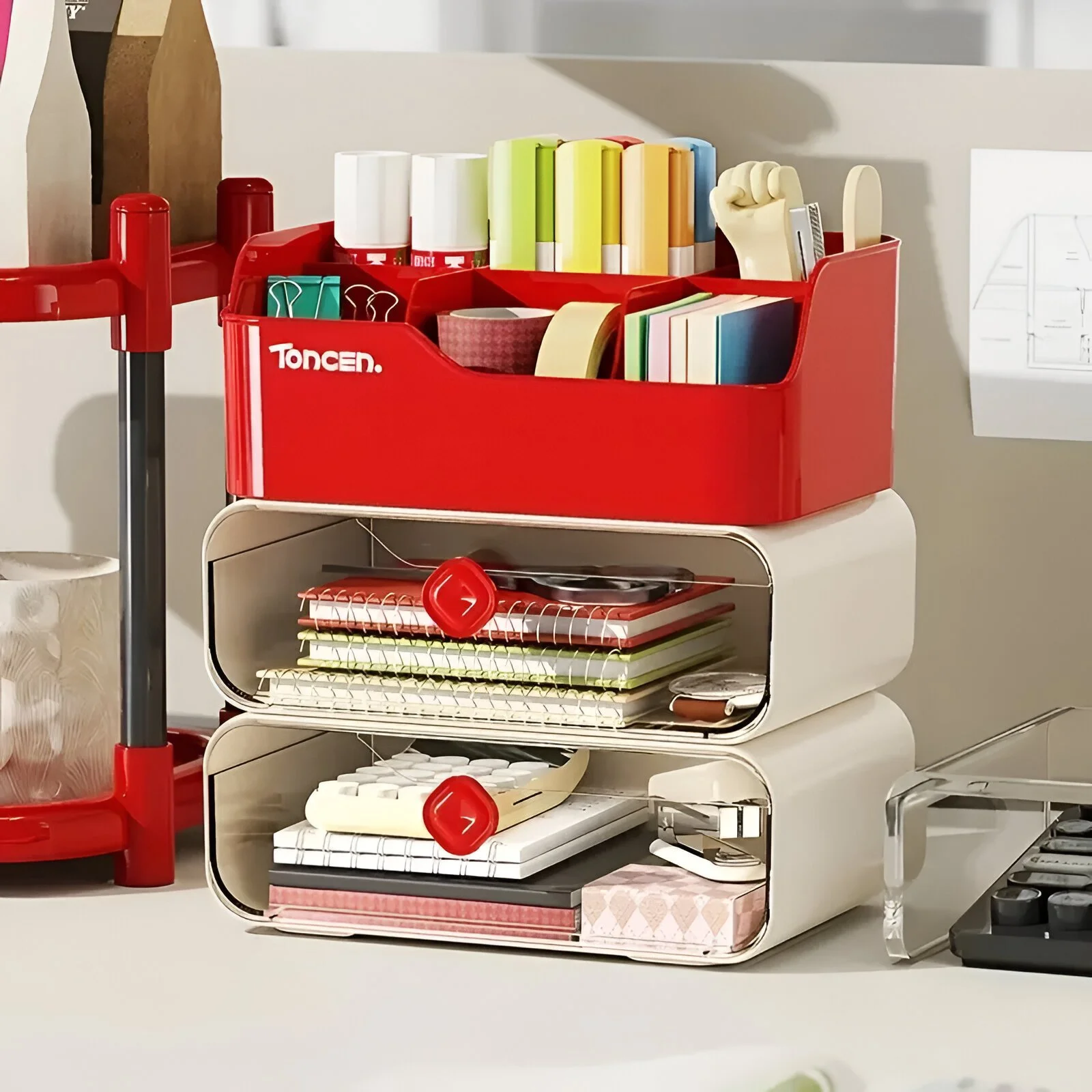
Here's the counter-intuitive one: sometimes the best counter organizer is a drawer organizer. The 3-Tier Desk Organizer with Drawers ($45.49) is marketed for desks, but it can work as a kitchen catch-all for mail, keys, loose batteries, and rubber bands. Put it in a kitchen drawer or on a shelf and give the counter-corner items a home. This works because counter clutter is rarely intentional storage; it's a landing zone for objects without a home. A tiered drawer organizer gives those objects a place to go. You stop seeing them, the counter stays cleaner, and you may be able to reuse something you already own instead of buying a kitchen-specific version.
7. The Free Fix: The 24-Hour Rule (and Why It Works)
The cheapest organization tool is the one you already own: a timer. The 24-hour rule: anything that ends up on the counter that you do not use within 24 hours gets relocated - to a cabinet, a drawer, or the trash. Most counter clutter is transient: the vitamins you mean to take daily, the mail you'll file later, the gift someone gave you last month, the dish you'll put away after this episode. If you enforce the rule for seven days, you'll see which counter items are daily tools and which are just staying there out of habit. This is a behavior, not a product, and it's why the first six ideas work: organizers only function if you're willing to give things a home. The 24-hour rule creates the habit; the organizers create the capacity. Set a phone reminder for the same time each evening, after dinner cleanup if that works for you, and walk the counter for 90 seconds.
Which One First? A Decision Framework
If you're overwhelmed, don't buy all six. Pick based on your biggest pain point:
- Spices and bottles everywhere -> start with the 360-degree Rotating Seasoning Organizer ($34.65).
- Sink area is a wet mess -> start with the 3-in-1 Sink Organizer ($34.80).
- Coffee station spreads across the counter -> start with the Stackable Shelves Set ($59.65).
- Prep space disappears while cooking -> start with the 2-in-1 Peeler ($15.80).
- Counter-corner junk, not cooking clutter -> start with the 3-Tier Drawer Organizer ($45.49).
The 24-hour rule (tip 7) should run in parallel with whatever you buy. Products add capacity; the rule helps keep it from filling again.
Product Recommendations (Quick Reference)
| # | Product | Price | Best For |
|---|---|---|---|
| 1 | 2-in-1 Vegetable Peeler with Built-In Peel Storage Bucket | $15.80 | Prep-space-starved cooks |
| 2 | 360-degree Rotating Seasoning Organizer with Storage Trays | $34.65 | Spice chaos, corner dead zones |
| 3 | 3-in-1 Stainless Steel Sink Organizer (Soap/Sponge/Brush) | $34.80 | Sink-adjacent wet zone |
| 4 | Stackable Adjustable Kitchen Counter Shelves (Set of 2) | $59.65 | Bottles & daily coffee setup |
| 5 | 3-Tier Desk Organizer with Drawers | $45.49 | Counter-corner junk (mail, keys) |
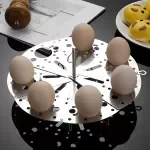
| 6 | Retractable Stainless Steel Steamer Rack | $56.49 | Cooks who need folding prep space |
Honest note on the steamer rack: it's the tool I'd reach for least often of the six, but if you steam vegetables or reheat dumplings regularly, the fold-away design can make sense. It sits flat in a drawer when not in use, which is the main reason to keep it.
Measure Before You Buy: The Small-Kitchen Fit Checklist
Counter organizers fail most often because people measure the product but not the zone it has to live in. Before adding a shelf, turntable, sink organizer, or catch-all drawer piece, measure the actual working area in your kitchen and write the numbers down. Do not rely on memory; a one-inch mismatch is enough to make a good organizer annoying. Start with the prep zone. This is the clear surface where you chop, season, plate, or assemble food. In a small kitchen, this may be only one rectangle between the sink and stove. Keep this area as empty as possible. If an organizer makes you move something before every meal, it belongs somewhere else. A peeler, folding rack, or small prep tool can live nearby, but shelves and turntables should not crowd the cutting area. Next, measure the sink zone. Check the distance from the faucet to the wall, the depth beside the basin, and the height under any window ledge or cabinet. A sink organizer should not block the faucet handle, prevent a sponge from drying, or make it harder to wipe the counter. If you already keep dish soap and a brush there, measure the footprint they use now; the organizer only helps if it compresses that footprint. Then measure the vertical zone under cabinets. Stackable shelves can look perfect online and still fail if a cabinet bottom sits too low. Measure the height from the counter to the cabinet, then subtract enough room to lift bottles in and out. If a bottle has to be tilted every time you use it, the shelf will feel fussy in daily use. Finally, measure the landing zone where mail, keys, vitamins, or receipts collect. This area is not always part of cooking, but it often steals kitchen counter space. If the counter is the first flat surface after the door, a drawer organizer or shelf-based catch-all may be more useful than another spice rack. Use this quick pre-purchase test:
- Can I wipe around it in under 30 seconds?
- Can I remove the largest item without lifting two others?
- Does it protect the main prep rectangle?
- Will it still work if one bottle, sponge, or utensil is replaced?
- Is it freestanding, stable, and easy to move for cleaning?
If the answer to two or more questions is no, the product may create a new problem while solving the old one.
Build Counter Zones Around Real Routines
A useful small-kitchen setup is not organized by product category. It is organized by routine. The same bottle of olive oil belongs in different places depending on whether you cook every night, make coffee only in the morning, or mostly assemble lunches. For a daily cook, the most important zone is the prep-to-stove path. Oil, salt, pepper, a cutting board, and one or two prep tools should sit close enough to use without crossing the kitchen. The rotating seasoning organizer works best here when the bottles are genuinely part of daily cooking. If the rack ends up holding specialty sauces used once a month, it is just decorative storage on prime counter space. For a coffee-first household, the best counter zone may be the morning station. Keep mugs, beans, filters, sugar, and a small towel together. The stackable shelves are useful here because coffee supplies are often vertical by nature: mugs can sit above, beans or grounds below, and syrups or sweeteners to the side. The key is to contain the station. If the coffee setup expands into the prep zone, it starts stealing dinner space from breakfast convenience. For a renter or shared apartment, the sink and landing zones usually matter most. Shared kitchens collect duplicate soap, extra sponges, mail, chargers, receipts, and unclaimed tools. A sink organizer can reduce visible wet clutter, while the drawer organizer can keep non-cooking items out of the cooking area. In a shared kitchen, the rule should be obvious to everyone: food prep tools near prep, cleaning tools near sink, personal items off the counter. For a meal-prep person, the best upgrades are the ones that shorten setup and cleanup. The peeler with a collector can make sense because it handles a repetitive prep step. A folding steamer rack can also make sense if vegetables, dumplings, or batch-cooked ingredients are part of the weekly routine. But this is also the user type most likely to overbuy gadgets, so the standard should be strict: if a tool is not used during the weekly prep block, it should not live on the counter. For a minimalist kitchen, the goal is not empty space for its own sake. The goal is fewer visible decisions. Keep one daily-use organizer at most, and make it earn the view. A single turntable with cooking essentials may be better than three matching containers that hide what is inside. Minimalist counters fail when storage becomes so hidden that daily cooking requires opening every cabinet.
Common Counter-Organization Mistakes
The first mistake is buying containers before removing items. An organizer does not decide what matters. It only gives chosen items a place to stand. If the counter currently holds three months of mail, expired vitamins, unused jars, and two appliances you do not use, a new shelf simply stacks the problem higher. The second mistake is buying by aesthetic instead of cleaning path. A beautiful wood rack may look warm, but if it sits beside the sink and stays damp, it may be harder to maintain than stainless steel or plastic. A glossy black tray may look sharp, but it can show crumbs and water spots. In a working kitchen, the best organizer is the one you can wipe without thinking. The third mistake is filling every tier. A two-tier shelf does not need to be packed edge to edge. Leave finger room around bottles and jars. Leave enough space to lift a mug without bumping the shelf above it. Negative space is not wasted space; it is what makes the organizer usable. The fourth mistake is ignoring weight. A turntable full of glass oil bottles is heavier than it looks. A stacked shelf loaded with mugs, jars, and cans may need more stability than the listing photo suggests. Check the listed material and weight guidance, especially for narrow shelves or rotating designs. The fifth mistake is treating the counter as permanent storage. Even good organizers need a reset. Once a month, empty the rack, wipe the counter underneath, check for expired food, and remove anything that has not been used. Small kitchens punish passive storage because every object is visible and every inch works hard.
A 10-Minute Weekly Reset
Use this once a week to keep the system from sliding back into clutter:
- Clear the main prep rectangle completely.
- Put anything non-kitchen related into the drawer organizer, mail spot, or trash.
- Wipe the sink organizer and let the sponge area dry.
- Spin the turntable and remove bottles that are empty, sticky, or rarely used.
- Check the stackable shelves for items pushed to the back.
- Move weekly-use tools into a cabinet or drawer.
- Leave one empty spot on the counter so new clutter is obvious.
That last step matters. A counter with one empty spot tells you when clutter is returning. A counter packed edge to edge hides the problem until cooking becomes frustrating again.
Best Starter Combinations
If you want the fewest purchases, use one of these combinations instead of buying every product in the guide. For a sink-heavy kitchen: start with the 3-in-1 Sink Organizer and the 24-hour rule. This works when the main visual problem is soap, sponges, brushes, and wet clutter beside the basin. For a spice-heavy kitchen: start with the 360-degree Rotating Seasoning Organizer and a monthly bottle edit. This works when the problem is not too many objects everywhere, but too many small bottles in one corner. For a coffee station: start with the Stackable Adjustable Kitchen Counter Shelves. Add the 24-hour rule so mugs, packets, and spoons do not spread beyond the station. For a mixed-use rental kitchen: start with the 3-Tier Desk Organizer with Drawers and the Sink Organizer. This pairing handles the two most common rental problems: non-cooking clutter and wet-zone clutter. For a meal-prep kitchen: start with the 2-in-1 Peeler if peeling is a weekly task, then consider the Steamer Rack only if steaming is already part of your routine. Do not buy prep tools for meals you hope to cook someday; buy them for the meals you already repeat. The best small-kitchen counter system is boring in the right way: the same few items are always easy to reach, easy to clean around, and easy to put back.
FAQ
Q: How many organizers do I need? A: Two to four, at most. One for the sink zone, one for the stacking problem (spices or coffee), one for the junk corner, and one multi-tool for prep. If you feel the need to buy a tenth organizer, the problem is usually the routine, not the container. Q: Won't a lazy Susan just let me bury things faster? A: It can if you buy the wrong one. The rotating organizer in this guide is two tiers with trays, so it is meant to keep items visible and separated. A single flat lazy Susan can become a burying ground. Q: I rent - can I do any of this without drilling? A: Yes, the products in this guide sit on or in existing furniture. Check dimensions, weight, and surface fit before ordering. Q: What should I do with appliances I use weekly, not daily? A: They usually go in a cabinet, on a shelf, or in a dedicated appliance garage if you have one. If you have a toaster you use every morning, it can earn counter space. If you have a waffle iron you use twice a year, it is usually a cabinet item. Q: How long does the 24-hour rule take to become a habit? A: Habits form at different speeds. The practical test is whether a short evening reset feels easier after a week or two of repetition. Keep the routine small enough to repeat: one timer, one clear counter zone, and one place for the items that tend to collect there.