Article
"Indestructible" Plush Toys For Dogs: What Actually Lasts Longer
Quick Answer
"Indestructible" Plush Toys For Dogs: What Actually Lasts Longer: quick answer
The word "indestructible" sells dog toys because it speaks directly to a common frustration. A dog gets a new plush toy, finds a seam, opens it, pulls...
- Topic: Dog Toys.
- Related product category: pet-toys.
- This article keeps the main answer in the article copy and places relevant product context inside the guide.
The Honest Answer: No Plush Toy Is Truly Indestructible
The word "indestructible" sells dog toys because it speaks directly to a common frustration. A dog gets a new plush toy, finds a seam, opens it, pulls out stuffing, removes the squeaker, and leaves the room looking like a snowstorm. The owner buys another toy labeled tough, durable, heavy duty, or chew resistant, and the same thing happens again. It is easy to believe the problem is that the right plush toy has not been found yet.
The more useful answer is more honest: no plush toy is truly indestructible. Plush is fabric. Fabric can be torn. Stitching can fail. Squeakers can be targeted. Stuffing can be removed. A determined dog with enough time, pressure, and interest can eventually damage almost any soft toy.
That does not mean all plush toys are equal. Some last minutes. Some last weeks. Some survive months with the right dog and the right rules. The practical goal is not to find a magical toy that cannot be destroyed. The goal is to choose a plush toy that matches the dog's chewing style, remove obvious failure points, supervise the right sessions, and retire the toy before it becomes unsafe.
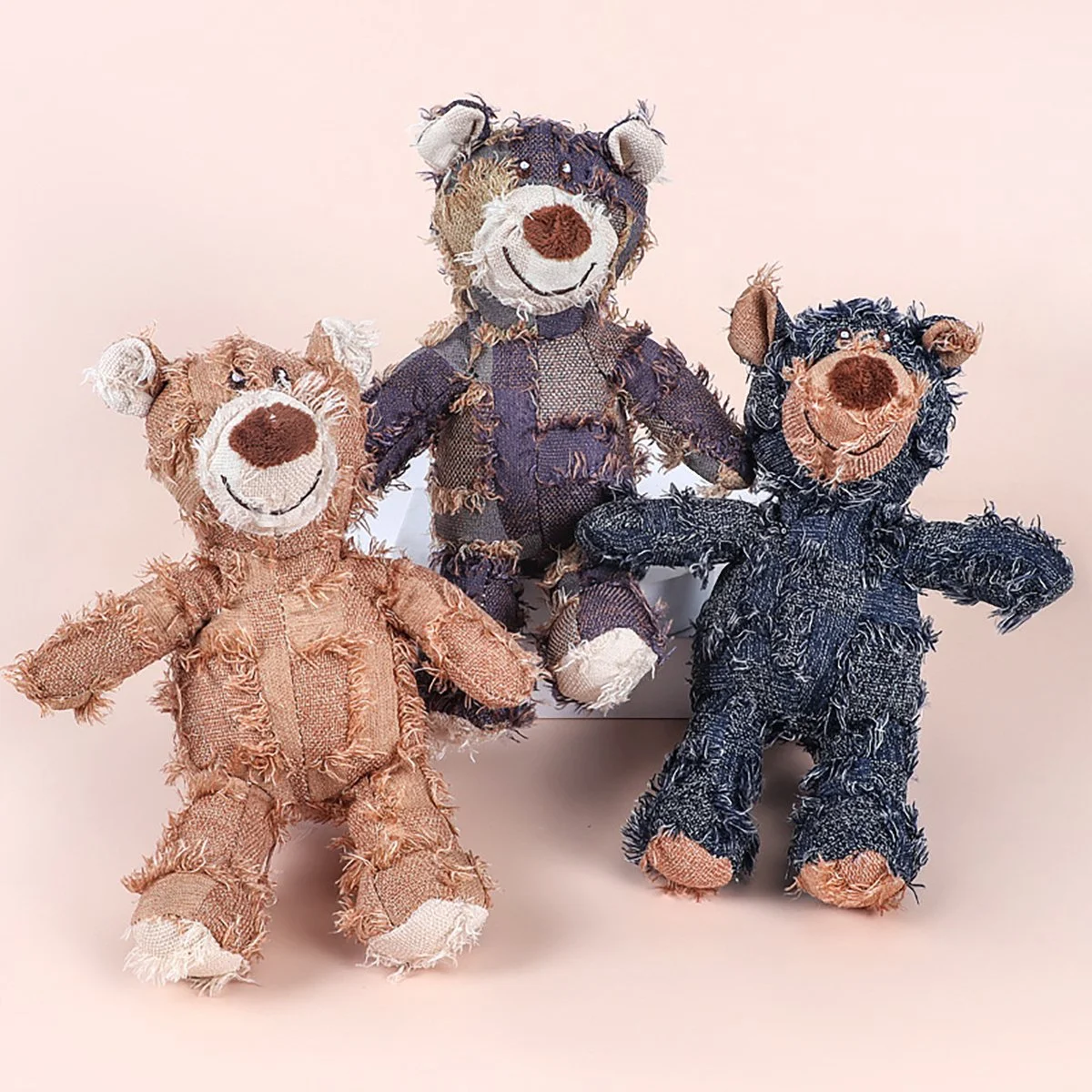
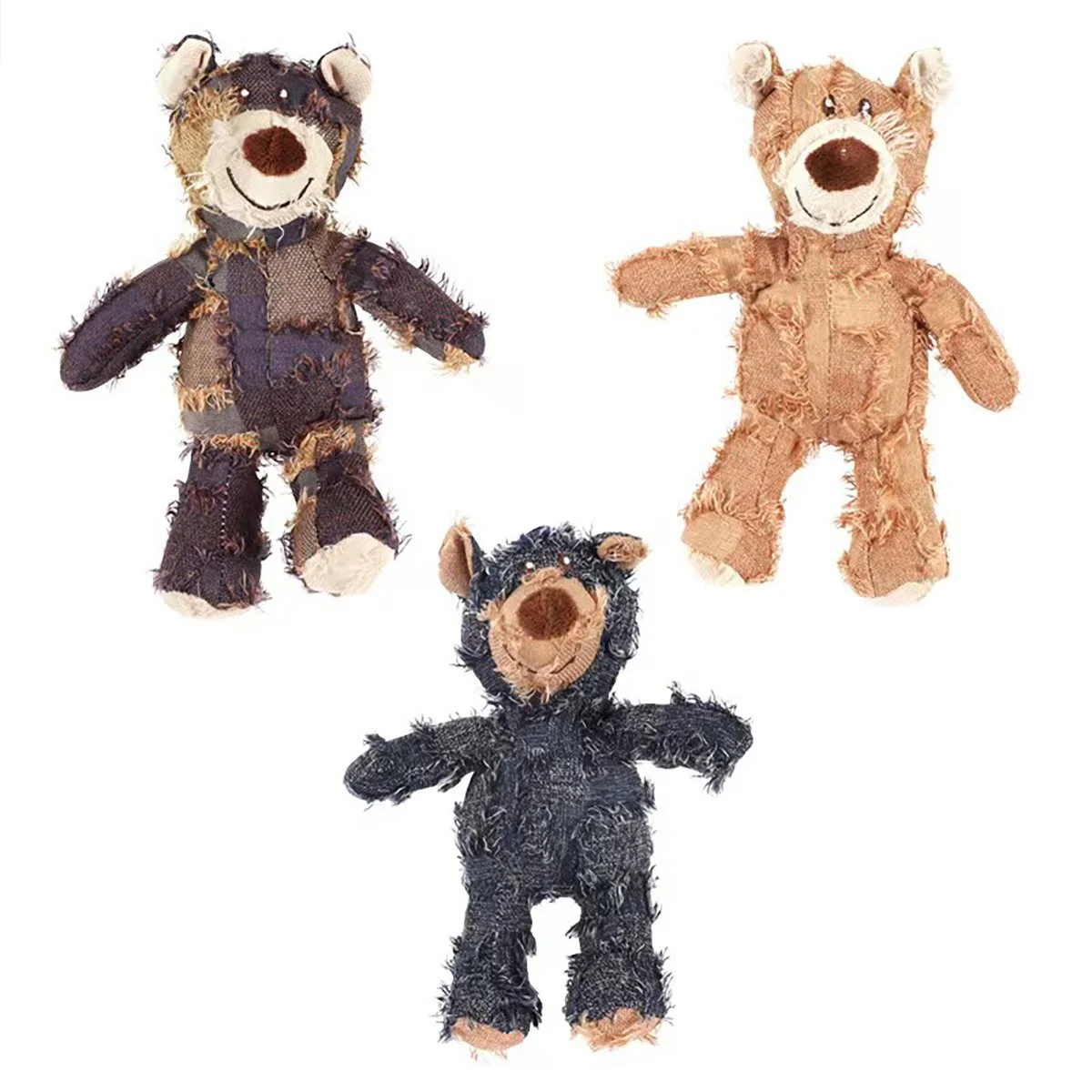
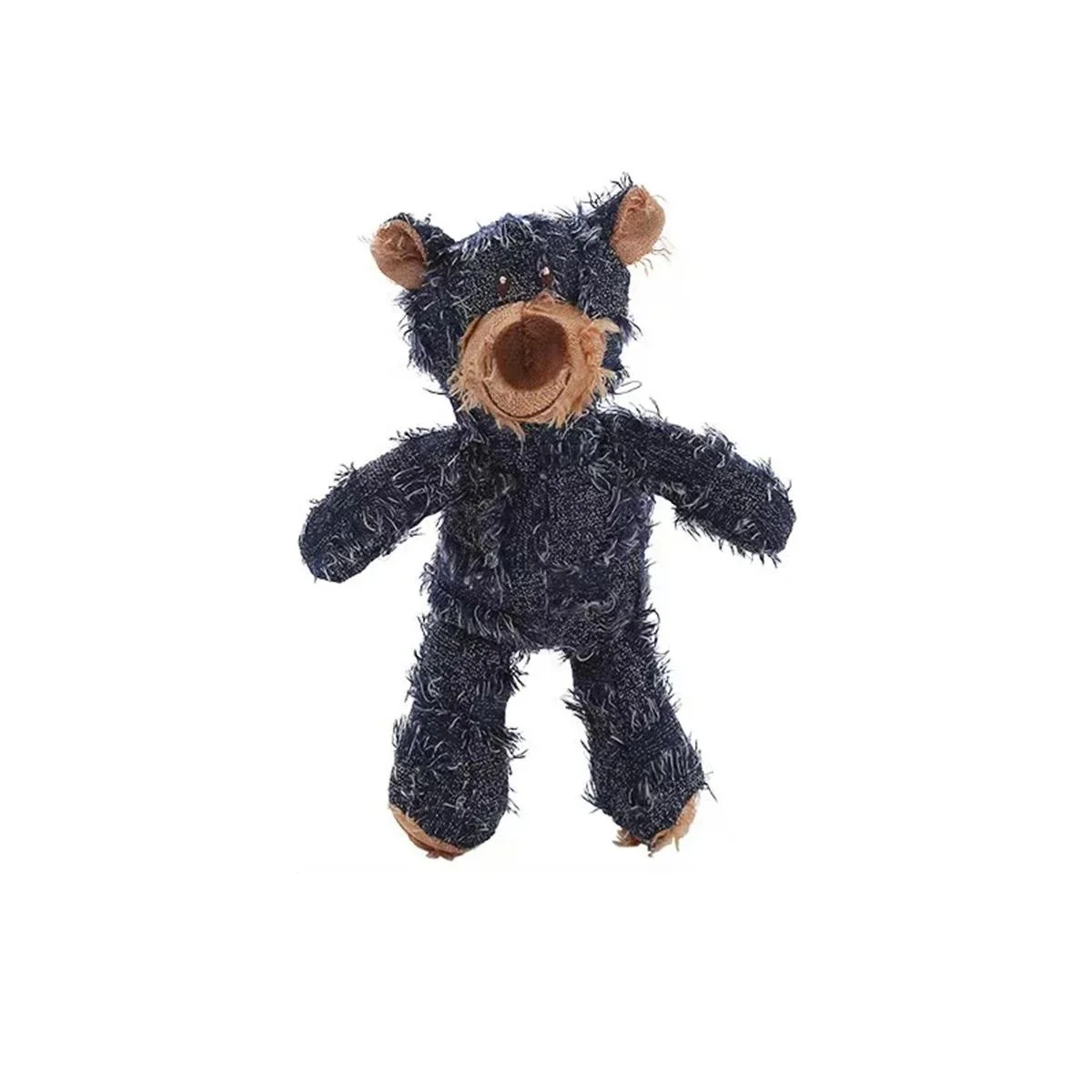
This is where a product like the Durable Plush Bear Dog Toy with Squeaker - Chew Resistant Design (#1765530) fits the conversation. Its reinforced stitching and chew-resistant positioning make it more appropriate for moderate chewers than a decorative plush toy with weak seams and loose parts. But even a reinforced plush bear should not be described as impossible to destroy. It is a better plush option for the right dog, not a replacement for rubber chews, nylon chews, or supervised toy safety.
The best buying decision starts with a realistic expectation. A plush toy that lasts longer and fails more safely is valuable. A plush toy that promises to survive every dog forever is marketing, not a plan.
Why Dogs Destroy Plush Toys
Dogs destroy plush toys for different reasons. Some dogs are simply exploring texture. They mouth, chew, and tug because the toy feels good. Some dogs are trying to reach the squeaker. Some enjoy disemboweling toys because pulling stuffing mimics a natural grab-and-tear pattern. Some dogs become excited by seams, tags, ears, limbs, or loose fabric. Some are bored and turn toy destruction into a long project.
The reason matters because it changes the solution. A dog that gently mouths plush toys may do well with reinforced stitching and normal supervision. A dog that surgically removes squeakers needs toys with hidden, protected, or no squeakers. A dog that swallows fabric should not be left with plush toys alone. A dog that only destroys toys when under-exercised may need better daily enrichment, not just stronger fabric.
Watch how the dog attacks a toy. Does the dog shake it? Chew the center? Work on the ears? Pick at a seam? Pull at tags? Press with back teeth? Hold and suckle? Carry it around? Each behavior tells you what design features matter.
If the dog destroys plush toys by ripping off appendages, choose simpler shapes. If the dog opens seams, choose reinforced edges. If the dog removes stuffing, choose no-stuffing or low-stuffing designs. If the dog swallows pieces, choose a different material and reserve plush for direct supervision only.
The mistake is treating all "chewers" as one category. A moderate fabric chewer and a fabric swallower are not the same risk. A dog that loves to shake toys is different from a dog that lies down and works on one seam for thirty minutes. Durable toy selection starts with the method of destruction.
What Actually Makes A Plush Toy Last Longer
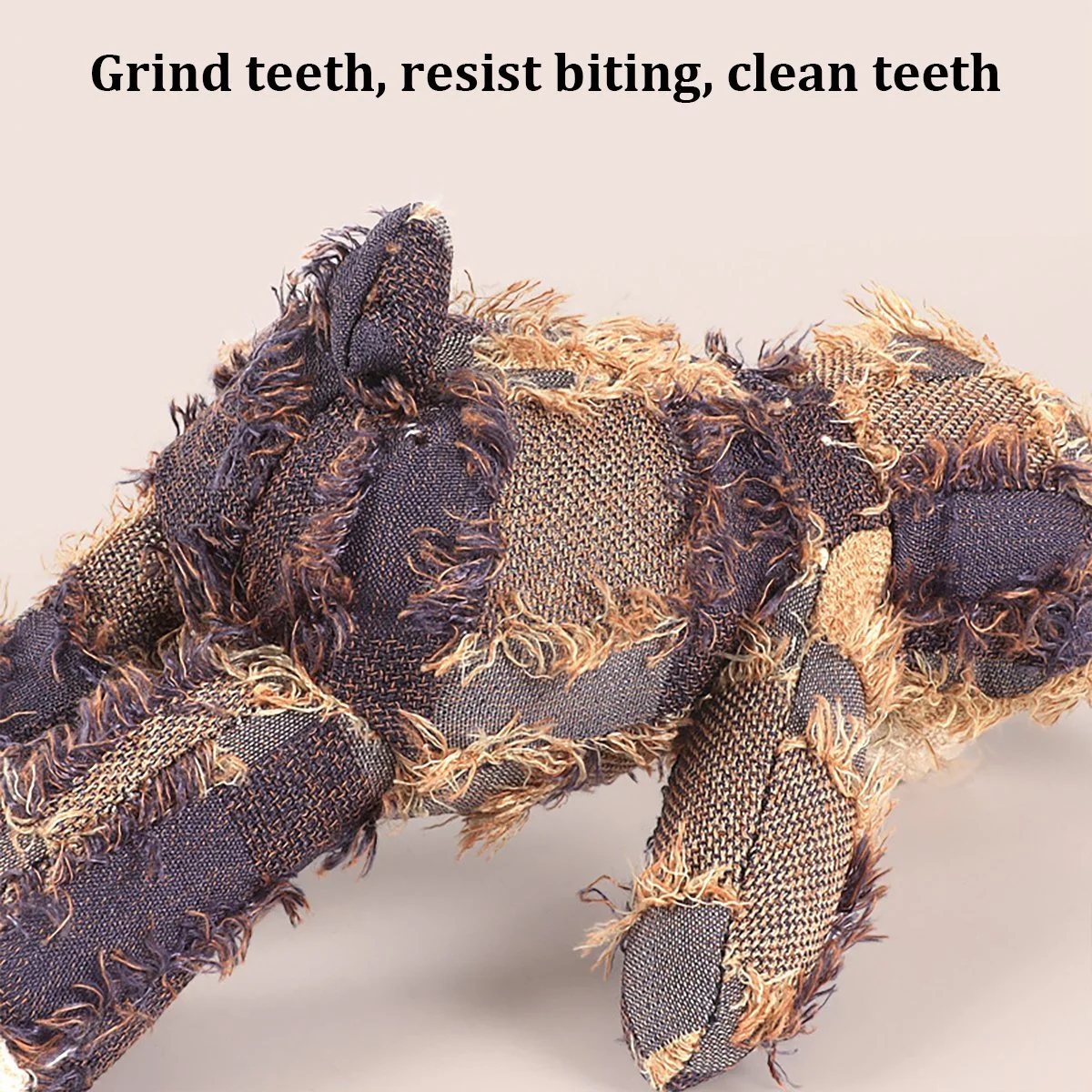
The first durability feature is seam quality. Many plush toys fail at the seams, not through the middle of the fabric. Look for reinforced stitching, double seams, protected edges, and fewer exposed weak points. If the stitching is loose before the toy is even used, it will not survive a determined dog.
The second feature is shape. Simple shapes usually last longer than toys with thin arms, ears, tails, horns, tags, and decorative details. Protruding parts give the dog a starting point. Once the dog opens one small part, the rest of the toy becomes easier to dismantle. A compact bear, ball, ring, or pillow shape often lasts longer than a complex animal shape with many small pieces.
The third feature is fabric. Plush can mean many things: fleece, corduroy, short plush, canvas-backed plush, pineapple cotton, layered fabric, or reinforced textile. A soft outer layer can be comfortable, but the structure underneath matters. A toy with a stronger inner layer or reinforced stress points may last longer than a toy that is only soft fabric over stuffing.
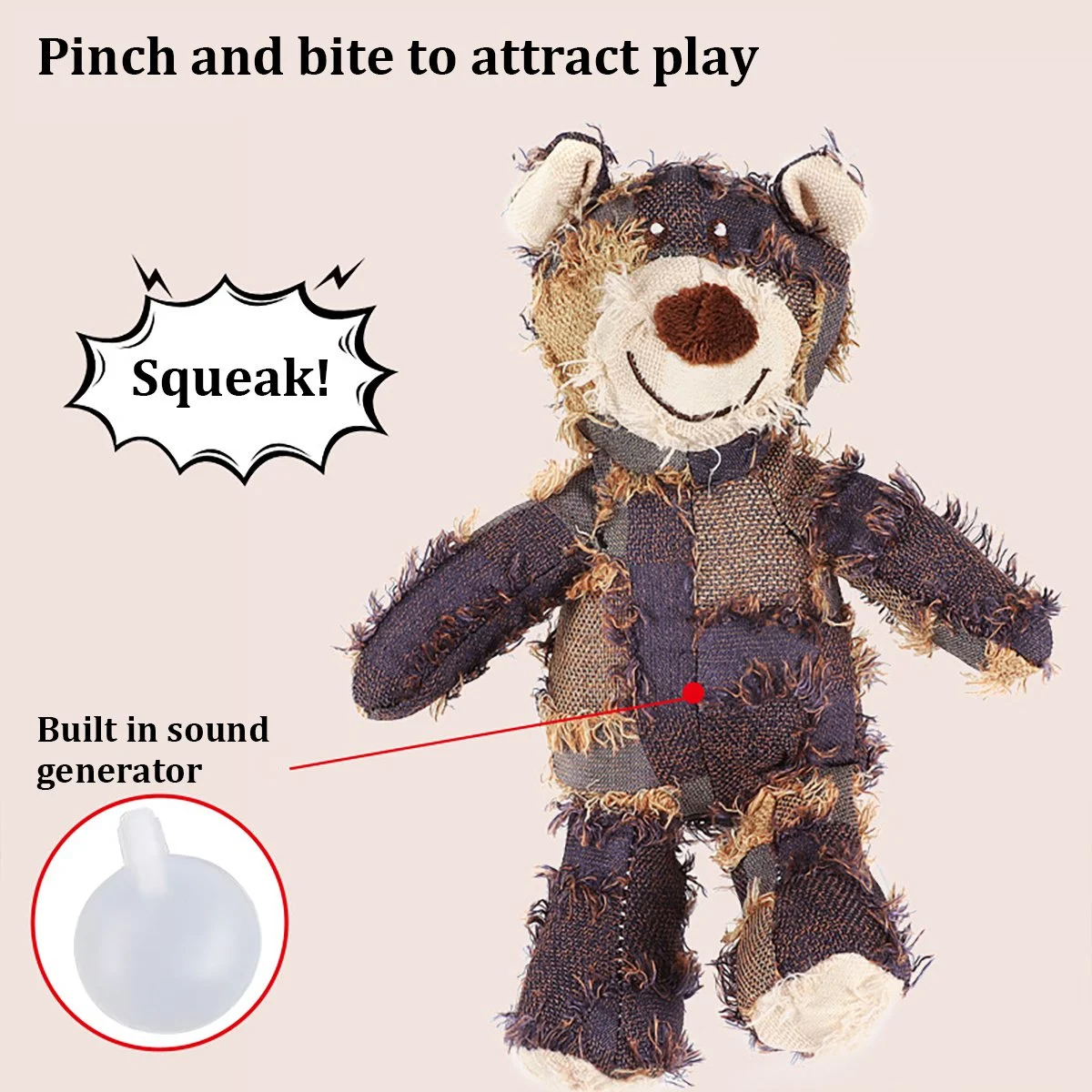
The fourth feature is stuffing control. Stuffing is not always bad, but it creates mess and can become a swallowing risk if the dog opens the toy. No-stuffing designs reduce that issue. Low-stuffing or tightly packed designs may also help. For dogs that love to pull filling, stuffing-free toys can be safer and less messy.
The fifth feature is squeaker placement. Squeakers increase excitement and can make a toy more engaging. They also become a target. If a dog is a squeaker hunter, the squeaker should be protected, difficult to access, or absent. If the dog swallows small parts, squeaky plush toys need close supervision.
The Durable Plush Bear Dog Toy (#1765530) is relevant because its listed features include reinforced stitching at stress points and bite-resistant materials. Those are the kinds of features that can extend plush lifespan for moderate chewers. They do not make the toy indestructible. They make it better designed than a weak decorative plush.
Match The Toy To The Dog's Chewing Style
Gentle chewers are the easiest group. These dogs carry toys, mouth them lightly, sleep with them, or play short fetch games without trying to open the toy. For them, many plush toys can last a long time. A reinforced plush toy may last months because the dog is not actively trying to destroy it.
Moderate chewers are the real target for durable plush. These dogs chew, shake, and tug, but they do not always shred immediately. They may open weak toys quickly but do better with reinforced seams and stronger fabric. The #1765530 plush bear fits best in this category because the product's chew-resistant positioning is realistic for supervised moderate use.
Heavy chewers need more caution. These dogs clamp down hard, focus on one area, and may destroy plush even if it is reinforced. A durable plush toy may still be useful for fetch, carrying, or short interactive sessions, but it should not be left out as a long chew project.
Squeaker surgeons are a separate category. These dogs do not simply chew. They locate the sound source and work until they remove it. For them, squeaky plush toys may have very short lives. If you use one, supervise closely and remove the toy once the dog starts opening it.
Fabric swallowers are highest risk. These dogs do not just tear fabric; they ingest it. For them, plush toys should be limited or avoided unless the owner can supervise every moment. Swallowed fabric can create serious digestive problems. A tougher plush toy is not enough if the dog eventually eats pieces.
The toy should match the dog, not the owner's wish that the dog could use plush safely. Some dogs can enjoy plush for years. Some dogs need a different category of toy.
The Realistic Lifespan Of Plush Toys
A plush toy's lifespan depends on dog size, jaw strength, interest level, supervision, and how the toy is used. A small gentle dog may keep one plush toy for months. A young retriever may reduce the same toy to fabric scraps in a week. A powerful dog that loves disassembly may destroy it in one session.
For gentle chewers, a well-made plush toy can last three to six months or longer. For moderate chewers, two to six weeks may be a reasonable result depending on use. For heavy chewers, days to a few weeks may be realistic only with supervision. For squeaker-focused dogs, the first serious session may decide the toy's fate.
That does not mean a shorter lifespan is always a failure. If a plush toy gives several safe, happy play sessions and is removed before pieces are swallowed, it may still be worthwhile. But owners should not pay premium prices expecting a fabric toy to behave like a hard chew.
The best way to extend lifespan is to control access. Do not leave the toy available all day if the dog turns it into a destruction project. Use it for fetch, training, carrying, or supervised play, then put it away. Toys that are special and temporary often last longer than toys left on the floor.
Rotation helps too. If one plush toy is always available, the dog may eventually work on it out of boredom. Rotating several toys keeps novelty without giving the dog unlimited time to find weak points.
Inspect after each session. Plush toys often become unsafe gradually: one loose thread, one small hole, one exposed squeaker, one seam beginning to split. Removing the toy early prevents the dangerous stage.
When Reinforced Plush Makes Sense
Reinforced plush makes sense when the dog likes softness but does not need a true chew object. Some dogs do not enjoy hard rubber or nylon. They want something soft to carry, shake, cuddle, or fetch. For these dogs, a reinforced plush toy can be a good compromise.
It also makes sense for indoor play. A soft toy is less likely to damage furniture or walls than a hard ball. Apartment dogs, small dogs, senior dogs, and gentle-mouthed dogs may benefit from soft toys that still have better stitching than a decorative plush.
Reinforced plush can also support emotional comfort. Some dogs rest with plush toys or carry them when excited. If the dog is not a fabric swallower, a soft durable toy can become a comfort object. The toy's value is not only chewing. It may help the dog settle or redirect mouthy behavior.
For training, plush can be a reward. Some dogs work harder for a short plush tug, squeak, or toss than for food. In that case, the toy should survive repeated handling. A weak toy that falls apart during training is not useful.
The #1765530 plush bear is a good example of a toy to position for moderate chewing, carrying, fetch, and supervised interactive play. It should not be positioned as a safe unsupervised option for aggressive fabric destroyers. That honest boundary makes the recommendation stronger, not weaker.
When To Skip Plush Completely
Some dogs should not use plush toys as chew outlets. If a dog swallows fabric, stuffing, squeakers, rope strands, or plastic parts, plush is not a good unsupervised choice. The risk is not only mess. It can become a medical issue.
Skip plush if the dog opens every fabric toy within minutes and tries to eat the pieces. Skip plush if the dog guards soft toys intensely and becomes unsafe when approached. Skip plush if the dog uses plush toys only to rehearse destructive chewing and ignores safer alternatives. Skip plush if the dog is alone for long periods and cannot be monitored.
For these dogs, use safer chew categories matched to the dog's size and mouth. Durable rubber, appropriate food toys, dental chews, or veterinarian-approved chew options may be better. Even those need supervision and inspection, but they may reduce fabric ingestion risk.
Plush may still have a role as a short training reward if the dog is closely supervised. For example, a dog may get ten seconds of tug with a plush toy, then the toy is traded and put away. That is different from leaving the toy in the dog's bed.
The decision should be based on observed behavior, not product claims. If a dog has shown that plush becomes unsafe, believe the dog.
How To Test A New Plush Toy
Do not give a new durable plush toy and walk away. Test it in stages. First, inspect it before use. Look at seams, attachments, tags, squeaker placement, and fabric thickness. Remove packaging and loose labels.
Next, offer the toy during a supervised five-minute session. Watch where the dog focuses. Does the dog carry it? Shake it? Chew the seams? Bite the squeaker area? Try to tear off an ear? This first session tells you more than the product label.
If the toy looks good after five minutes, try a longer supervised session. Continue watching. Some dogs are gentle at first and become more destructive after excitement builds. Others only chew hard when tired or bored.
Then decide the toy's access level. Some toys can be left in the toy basket. Some are only for supervised play. Some are only for fetch or training. Some should be retired immediately because the dog is too intense for that design.
After each session, inspect again. Check for holes, stretched seams, exposed stuffing, loose squeakers, and torn fabric. Cut off loose threads only if the toy remains structurally sound. If the toy has an opening, remove it until repaired or retire it.
Testing is not overcautious. It is how you learn whether the toy matches your dog's real behavior.
How To Make Plush Toys Last Longer
Use plush toys for specific jobs. A plush toy used for a ten-minute fetch game will last longer than one left out all day for chewing. A comfort toy placed near the bed may last longer than a toy used for rough tug. Decide the job before giving the toy.
Rotate toys. Keep a few toys stored and bring them out in planned sessions. Novelty makes the toy interesting without requiring constant access. Rotation also gives you time to wash and inspect toys.
Teach trade. If the dog gives up the toy calmly, you can end sessions before damage begins. Use food or another toy to trade. Do not chase the dog or pry the toy from the mouth unless safety requires it. Chasing can make possession more exciting.
Avoid rough games with weak toys. If the toy is not designed for tug, do not use it for tug. If the toy has small limbs, do not encourage the dog to pull on them. Match the game to the toy's structure.
Wash when needed. Saliva, dirt, and food residue can make a toy smell more interesting and encourage chewing. A clean toy may be less tempting as a destruction project. Follow care instructions and dry fully before reuse.
Retire early. A toy does not need to be shredded completely before it is done. Once structural failure begins, safety drops quickly. Retiring a toy early is cheaper than dealing with swallowed parts.
Choose Plush By Use Case
For fetch, choose a toy that is easy to see, easy to pick up, and soft enough for indoor or yard play. The toy does not need to survive hours of chewing if its job is chasing and returning. What matters is that it does not split during normal grabbing and that it is large enough for the dog. Pick it up after the fetch session so it does not become a chew project.
For comfort, choose a plush toy with fewer hard parts, a familiar texture, and a size the dog can carry or rest beside. Comfort toys are not always the strongest toys. Their job is emotional settling. If the dog gently holds or sleeps with plush, a reinforced but soft toy can be ideal. If the dog shreds comfort objects when anxious, plush should not be left during unsupervised stress periods.
For tug, be careful. Many plush toys are not built for repeated pulling. If a plush toy has rope handles or reinforced tug areas, it may handle light interactive tug. If it has thin arms, stitched-on limbs, or decorative parts, tug will shorten its life quickly. Human-dog tug should include a release cue and pauses. Dog-dog tug with plush should be supervised closely because two dogs can apply uneven force and tear the toy faster.
For chewing, plush is the weakest category compared with rubber, nylon, and other dedicated chew materials. A durable plush toy can support light to moderate mouthing, but it should not be the main chew outlet for a dog that needs heavy pressure. If the dog is trying to satisfy a serious chewing need, use a safer chew category and save plush for play or comfort.
For puppies, soft plush can be useful because baby teeth and gums need gentler textures. The risk is that puppies also explore by tearing and swallowing. Use plush during supervised sessions, inspect often, and remove toys with exposed stuffing or squeakers. As the puppy grows, reassess whether the toy is still large and durable enough.
For senior dogs, plush can be valuable because it is light, soft, and easy on the mouth. A senior dog may not want hard chews anymore. Choose easy-to-carry designs, avoid toys that require rough tug, and watch for dental discomfort. If a senior dog suddenly stops playing with plush, check mouth comfort rather than assuming disinterest.
Use case matters because one toy cannot be everything. A toy that is excellent for comfort may be poor for tug. A toy that is good for fetch may be unsafe for unsupervised chewing. The more clearly you define the job, the better the toy will perform.
Safety Checklist Before And After Each Session
Before giving a plush toy, check size first. The dog should not be able to fit the whole toy into the mouth. This is especially important for large dogs and compact plush shapes. If the toy is too small, choose a larger option.
Check seams next. Pull gently on the edges and stress points. If threads are already loose, the toy is starting weak. Reinforced stitching is useful only if it remains intact.
Check attachments. Ears, tails, tags, rope knots, plastic parts, and squeakers are common failure points. If the dog targets one part immediately, supervise more closely or choose a simpler design.
Check the dog's behavior during play. Calm carrying is low risk. Focused seam picking is higher risk. Shaking is normal for many dogs but can stress weak stitching. Lying down and working one spot with back teeth is often the beginning of destruction.
After play, inspect again. Look for small holes, exposed filling, stretched seams, damp spots where the dog concentrated chewing, and any change in shape. A toy that looks fine from across the room may have a small opening starting.
Remove the toy if stuffing is visible, the squeaker is reachable, fabric strips are coming loose, or the dog has begun swallowing any part. Do not wait until the toy is completely destroyed. The unsafe stage begins before the dramatic mess.
This checklist takes less than a minute, but it prevents most plush-toy problems from becoming emergencies.
How To Read Product Claims
Product words are not all equal. "Durable" usually means stronger than a basic toy, not impossible to damage. "Chew resistant" means the toy may handle chewing better than average, not that the dog can chew it unsupervised forever. "Bite resistant" is a design claim, not a guarantee against every jaw. "For aggressive chewers" should be treated with caution when the toy is still made from fabric.
Look for specific construction details. Reinforced stitching is more meaningful than a vague toughness claim. No-stuffing design is more meaningful if your dog pulls out filling. Stronger fabric layers matter if your dog tears through thin plush. Larger size matters if your dog swallows small toys.
Also read the intended dog type. A toy for small and medium dogs may not be appropriate for a large power chewer. A toy for moderate chewers should not be used as if it were built for serious shredders. If a product description honestly says moderate chewers, believe it.
For #1765530, the useful claims are reinforced stitching at stress points, bite-resistant materials, soft plush exterior, and suitability for moderate chewers. Those details support the product's role in this article. The safe interpretation is not "this bear cannot be destroyed." The safe interpretation is "this bear is a better plush candidate for dogs that like soft toys but are not extreme fabric destroyers."
Reading claims this way helps owners buy with realistic expectations and fewer disappointments.
Common Buying Mistakes
The first mistake is trusting the word "indestructible." Treat it as marketing language unless the design features support the claim. Ask what makes the toy stronger: seams, material, stuffing control, shape, or reinforcement.
The second mistake is buying cute shapes with many weak points. Ears, tails, horns, tags, thin legs, and decorative pieces give dogs an easy place to start. Cute is not always durable.
The third mistake is choosing a toy that is too small. A toy should not fit fully in the dog's mouth. Small toys can be choking risks and are easier for larger dogs to crush.
The fourth mistake is leaving squeaky plush toys with unsupervised dogs that target squeakers. If the dog wants the squeaker, the toy may become unsafe fast.
The fifth mistake is confusing chew-resistant with chew-proof. Chew-resistant means it may handle more normal chewing than a weak toy. It does not mean the toy can replace a dedicated chew for an aggressive chewer.
The sixth mistake is ignoring the dog's history. If the dog has destroyed every plush toy for two years, one more plush toy with bold claims is unlikely to change the pattern. Change the access rules or the toy category.
Final Recommendation
Indestructible plush toys do not really exist. What exists are better-made plush toys, safer designs, and smarter rules. Reinforced seams, simple shapes, stronger fabric, reduced stuffing, and careful squeaker placement can all help a plush toy last longer. But the dog's chewing style matters more than the label.
The best product match for this article is the Durable Plush Bear Dog Toy with Squeaker - Chew Resistant Design (#1765530). It fits because it has reinforced stitching at stress points, bite-resistant positioning, a soft plush exterior, and a size aimed at carrying, cuddling, fetch, and interactive play. It is best framed as a toy for moderate chewers and supervised sessions, not as an indestructible solution for dogs that shred and swallow fabric.
Buy durable plush with realistic expectations. Test the toy, supervise the first sessions, rotate access, inspect often, and retire it before it becomes unsafe. A plush toy does not have to last forever to be worth buying. It has to match the dog, survive its intended use, and fail before it becomes dangerous.