Article
Best Dog Water Toys For Summer: How To Choose Safer Pool, Lake, And Beach Play
Quick Answer
Best Dog Water Toys For Summer: How To Choose Safer Pool, Lake, And Beach Play: quick answer
Summer dog toys look simple from the outside. You buy something bright, throw it toward the water, and let the dog swim after it. That is how many...
- Topic: Summer Fun.
- Related product category: pet-toys.
- This article keeps the main answer in the article copy and places relevant product context inside the guide.
Water Toys Are Not Just Wet Fetch Toys
Summer dog toys look simple from the outside. You buy something bright, throw it toward the water, and let the dog swim after it. That is how many owners picture pool, lake, or beach play. In real life, water changes everything about a toy. The toy gets heavier, harder to see, harder to grip, harder to clean, and more risky if the dog becomes tired or swallows water while chasing it.
A good dog water toy should make play easier, not more chaotic. It should be visible against water, sand, grass, or pool tile. It should be easy for the dog to grab without forcing the mouth wide open. It should survive repeated wet use and dry fully afterward. Most importantly, it should fit the location. A toy that works on a backyard splash pad may be wrong for a lake with current. A toy that is fine on wet grass may not be safe as a deep-water retrieve toy.
The biggest mistake is assuming that any outdoor toy becomes a water toy if the dog likes it. Tennis balls, plush toys, rope toys, and standard fetch toys can all fail in water for different reasons. Some absorb water and become heavy. Some sink. Some trap sand. Some become slippery. Some encourage the dog to gulp water while biting. Some are fine for water-side play but should not be thrown far into deep water.
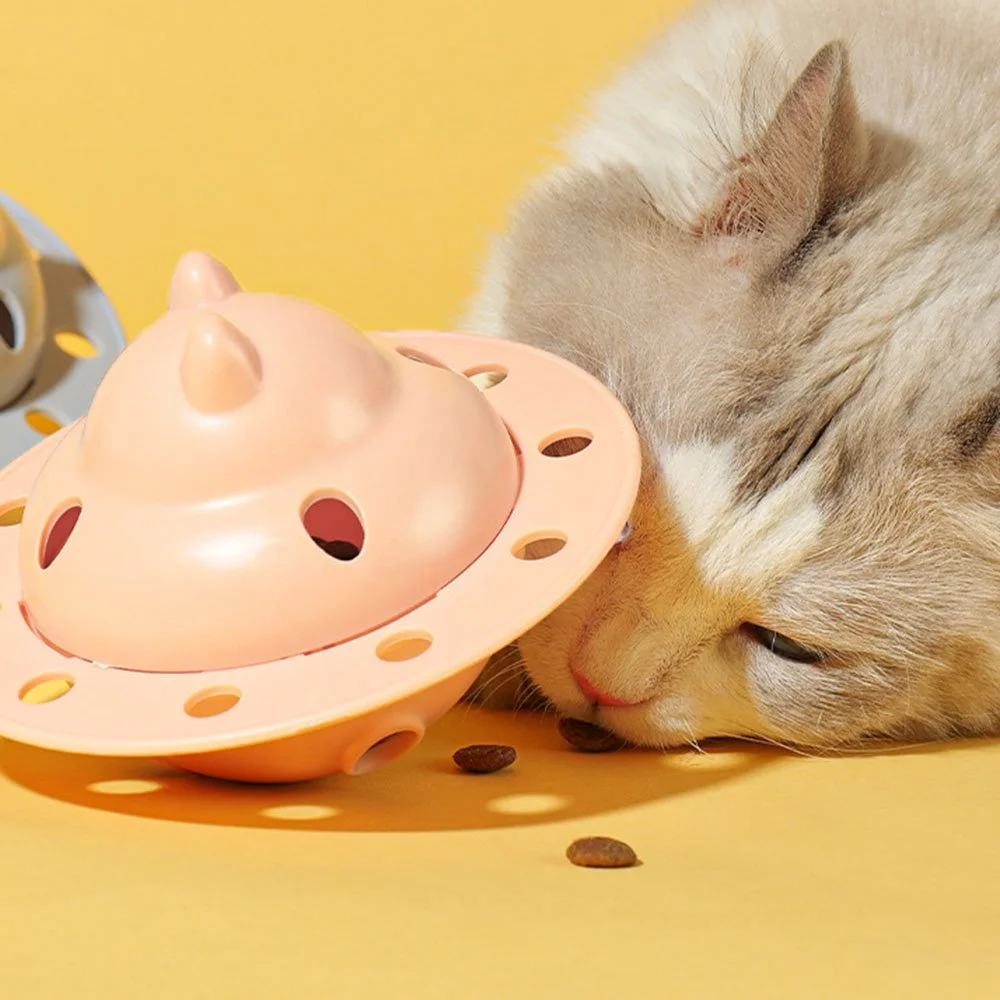
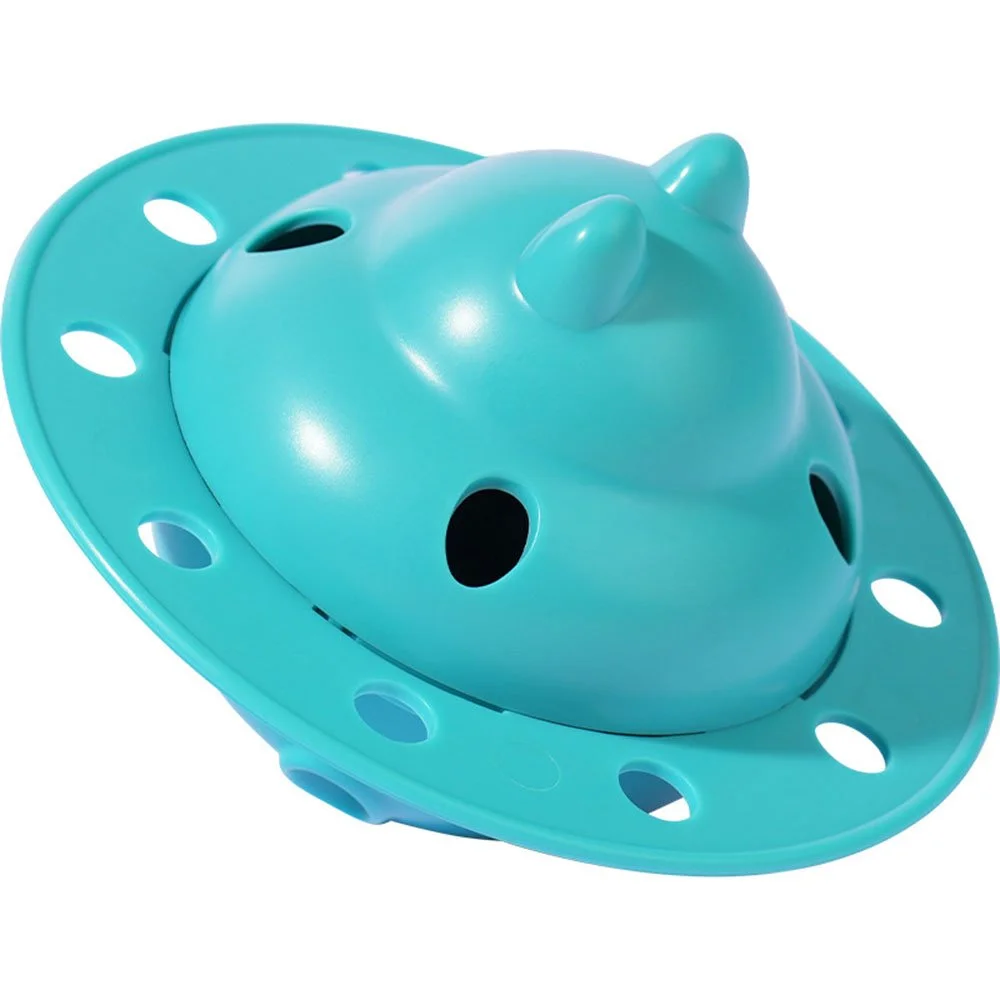
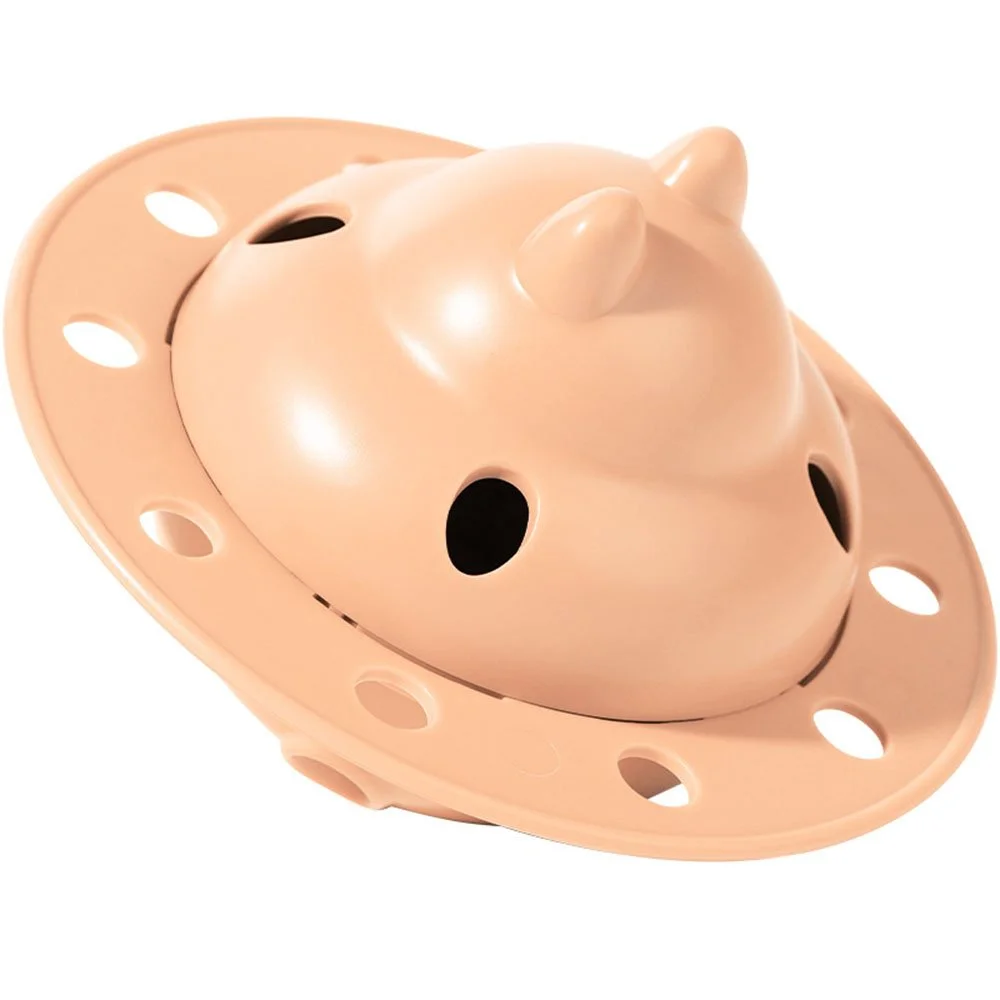
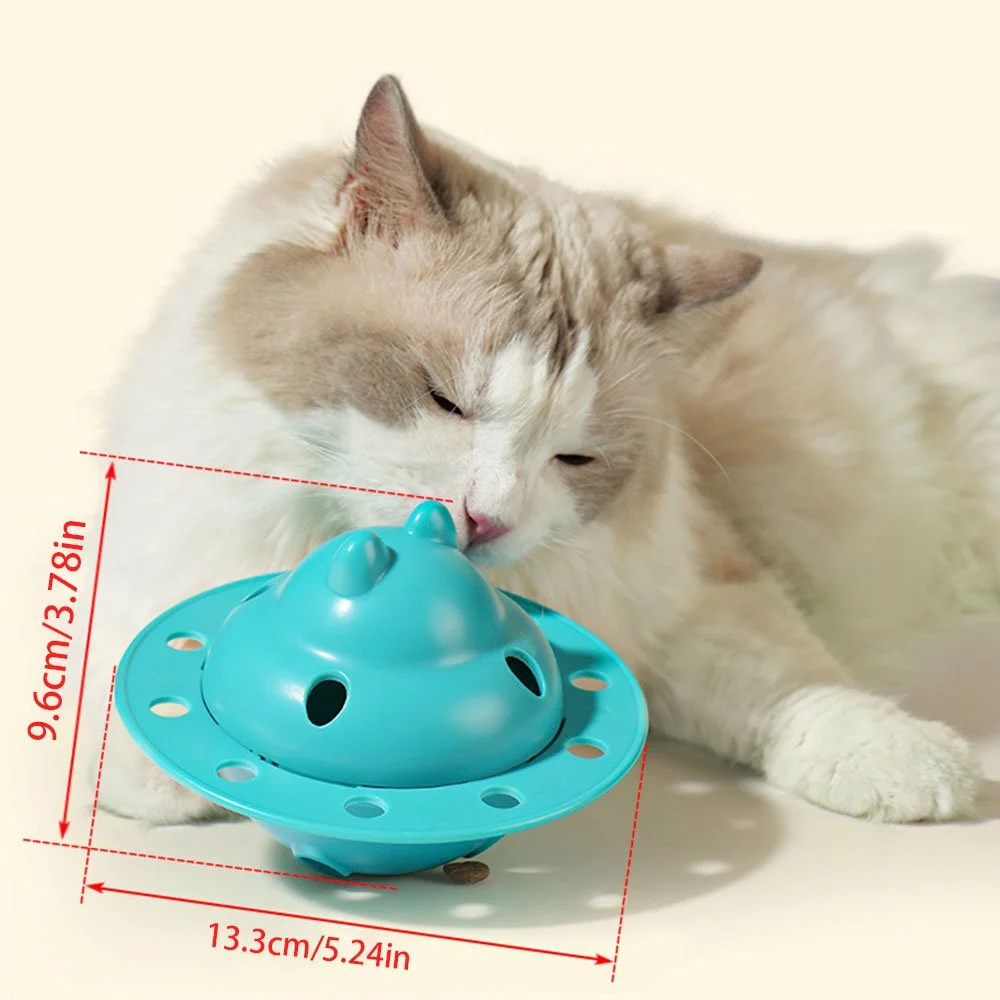
This guide is built for practical summer use: pools, shallow splash zones, calm lakes, beach trips, and post-swim play. It explains what to buy, what to avoid, how to rotate toys by location, and how to match the toy to the dog's swimming ability. The Interactive Pet Slow Feeder Ball & Frisbee Toy for Dogs and Cats (#1778936) is the matched product because it gives owners a versatile five-image product for short tosses, water-side engagement, and post-swim slow-feeding. It should not be treated as a life-saving float or deep-water retrieval bumper. Its value is controlled play around the water and calmer recovery after swimming.
Start With The Water, Not The Toy
Before choosing a toy, look at the water environment. Pool play, lake play, and beach play are not the same. A pool has clear water and predictable edges, but exits can be difficult if the dog does not know the stairs. A lake may have mud, plants, rocks, depth changes, current, and poor visibility. A beach adds waves, salt, sand, heat, distractions, and other people or dogs.
In a pool, the safest toy is usually easy to see, easy to grab, and thrown only where the dog can turn and exit calmly. Long throws across the pool can exhaust a dog faster than owners expect. Swimming uses the whole body, and some dogs keep chasing toys long after they should rest.
At a lake, floating and visibility matter more. If the toy sinks, it may be gone immediately. If the toy is dark green, gray, brown, or black, it can disappear against water and weeds. Bright orange, yellow, blue, or high-contrast shapes are easier for both dog and owner to track.
At the beach, grip and cleaning matter. Sand sticks to fabric and rope. Salt water can dry out rubber and weaken materials over time. Waves can move a toy quickly, and a dog may swallow more water while trying to grab it. Beach toys should be simple, bright, and easy to rinse.
For shallow backyard water play, the priority is different again. A kiddie pool, sprinkler, splash pad, or hose game does not require a serious floating bumper. It needs low-impact toys that encourage confidence without turning the dog frantic. Many dogs enjoy water more when play starts on land and gradually moves closer to the splash zone.
The right question is not "What is the best water toy?" The right question is "What toy fits this water, this dog, and this level of supervision?"
What Makes A Good Dog Water Toy?
A good water toy has four practical qualities: visibility, buoyancy or location fit, safe grip, and cleanability. If a toy fails one of those, it may still be useful, but its role should be limited.
Visibility is the first filter. Bright colors help the dog locate the toy and help the owner see where the dog is looking. A toy that blends into lake water or wet sand increases confusion. Dogs can smell and track well on land, but water changes scent and movement. Sight matters more than many owners realize.
Buoyancy is the second filter. For actual swimming retrieves, the toy should float reliably. It should float high enough that the dog can see and grab it. Some toys float when dry but sit low after repeated use. Others float at first and then absorb water. If the article, packaging, or product details do not clearly say the toy floats, do not assume it is a deep-water fetch toy.
Grip is the third filter. A wet toy should be easy to pick up without forcing the dog to bite too hard or open the mouth too wide. Smooth balls can become slippery. Very small toys can become choking risks. Flat discs can work well for some dogs, but they should be soft enough not to hurt the mouth and large enough not to be swallowed.
Cleanability is the fourth filter. Water toys collect saliva, sand, pool chemicals, algae, dirt, and salt. A good summer toy should rinse clean and dry fully. Toys with hidden cavities, thick rope, heavy fabric, and deep seams can hold moisture. That creates odor and can shorten the life of the toy.
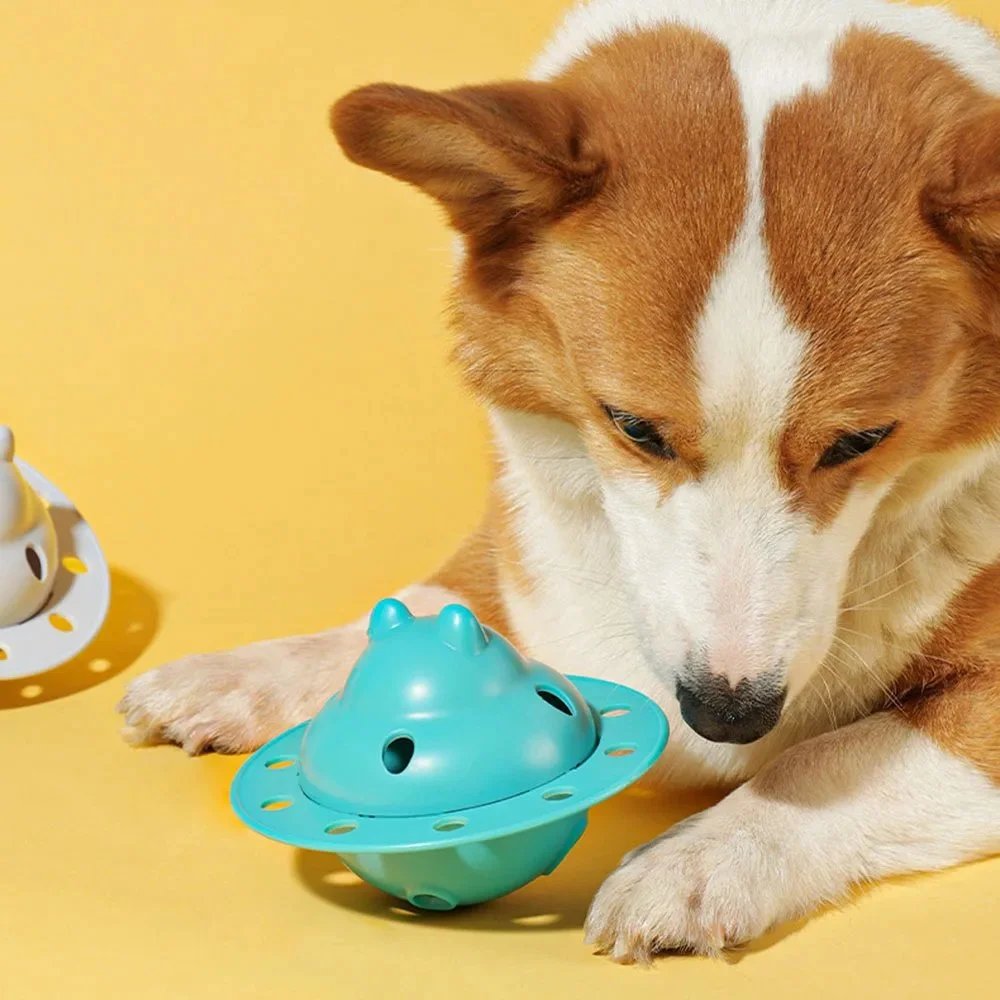
The #1778936 toy fits some of these needs but not all. It has a frisbee-style role, chew-resistant plastic, and a treat-dispensing puzzle function, which makes it useful for water-side play and post-swim slowing down. Because the product details do not claim it is a floating water retrieval toy, it should not be thrown into deep water as the main swimming target. Use it where you can control the environment: pool deck, dry sand, shallow edge, patio, or after-swim meal enrichment.
The Six Useful Water-Play Toy Types
A good summer setup usually includes categories, not a random pile. The six most useful types are floating bumpers, floating rubber balls, soft discs, water-safe tugs, shallow splash toys, and recovery toys. Not every dog needs all six. Most dogs need two or three that match their routine.
A floating bumper is best for dogs that truly swim and retrieve. Retrievers, spaniels, and confident water dogs often like this shape because it is easy to see and easy to grab. A bumper is usually better than a tennis ball for lake or pool swimming because it stays visible and does not absorb water the same way a standard tennis ball does.
A floating rubber ball works for dogs that already love ball games. The ball should be designed for water use, not just any ball from the toy basket. It should be large enough for the dog's mouth, bright enough to spot, and textured enough for wet grip. Avoid throwing it so far that the dog has to gulp water while trying to locate it.
A soft disc or frisbee-style toy is better for shorelines, shallow water edges, and low-impact tosses. Discs should be thrown low and short, especially for puppies, seniors, or dogs with joint concerns. The #1778936 product belongs closest to this category because it can function as a frisbee-style toy while also offering slow-feeding enrichment. That makes it more versatile than a single-use fetch object, but it still needs sensible limits.
A water-safe tug can be useful after swimming, not during deep swimming. Tug on slippery surfaces can lead to falls, hard landings, and overexcitement. If you use tug near water, keep all four paws on stable ground and keep the session short. Wet rope toys need careful drying because they can hold moisture and dirt.
Shallow splash toys are for dogs that are learning to like water. These can be toys placed in a kiddie pool, toys used near a sprinkler, or treats scattered around a splash mat. The goal is confidence, not distance swimming. A hesitant dog should never be forced into water by throwing the favorite toy farther than the dog wants to go.
Recovery toys matter because swimming is tiring. After a swim, many dogs are excited, hungry, and overstimulated. A slow feeder, treat puzzle, or calm chew can help the dog shift from chase mode to rest mode. This is where #1778936 is especially useful: after wet play, it can give the dog a structured food-based activity without showing price or turning the article into a sales pitch.
Why Tennis Balls Are Poor Water Toys
Tennis balls are common because dogs love them and owners already have them. They are not ideal water toys. A standard tennis ball absorbs water, becomes heavier, and can carry dirt, sand, pool chemicals, or salt. When a wet tennis ball is repeatedly squeezed in the mouth, it can also push water into the dog's mouth.
The size is another issue. A ball that is too small for the dog can become a choking risk, especially when wet and slippery. A dog may also open the mouth wider while swimming to keep the ball in place. That can increase water intake and make breathing less efficient during active play.
The fuzzy outer layer can pick up grit from sand or poolside surfaces. Repeated chewing on abrasive debris is not good for teeth. Tennis balls are fine for some dry-land games under supervision, but they should not be the default water fetch toy.
If the dog loves ball retrieval, choose a ball made for water use. Look for floating design, bright color, appropriate size, and easy rinse cleaning. If you are not sure whether a ball floats, test it in shallow water before the dog enters. Never make the dog search for a toy that has disappeared under murky water.
Owners often think the dog will stop when tired. Many dogs will not. The ball drive is stronger than their self-control. Better equipment helps, but owner-managed breaks are still the real safety tool.
Pool Play: Keep Throws Short And Exits Clear
Pool play looks controlled because the water is clear, but pools create their own risks. The dog may know how to jump in but not how to exit. The sides may be too high. Steps may be hard to find. Wet tile can be slippery. A dog that panics at the edge can become exhausted quickly.
Before adding toys, teach the exit. Walk the dog to the steps or ramp repeatedly. Reward the dog for finding the exit from different points. Do this before fetch becomes exciting. A toy should never distract the dog from knowing how to get out.
Keep throws short. Toss the toy toward the exit side, not far across the pool. If the dog circles, gulps, paws at the wall, or seems confused, stop the game. Water fetch should not be used to "burn off" unlimited energy. It should be a short, supervised session.
Use toys that are easy to see against the pool surface. Light gray or clear toys can be hard to track. Bright colors are better. If using the #1778936 frisbee-style toy near a pool, use it on the deck, grass, or very shallow controlled areas unless you have confirmed how it behaves in water. Since its details do not promise floating performance, it should not be the main pool retrieve target.
After pool play, rinse toys and let them dry. Chlorine can affect materials over time. Dogs may also chew more intensely after swimming because they are excited. Put away toys that are not meant for unsupervised chewing.
Lake Play: Visibility And Fatigue Matter Most
Lake water can look calm from shore while hiding plants, mud, drop-offs, and current. A toy that disappears in a pool may be recoverable. A toy that disappears in a lake may be gone, and a dog may keep searching for it long after the game should end.
Choose floating toys that sit high on the surface. Bright orange, yellow, or blue is usually easier than green or brown. Avoid toys that become waterlogged. If a dog has to search too long, call the dog back and reset.
Use a long line for dogs that are learning, but do not let it tangle around legs, dock posts, plants, or other dogs. A life jacket is a good idea for boats, docks, deep water, and dogs that are still building confidence. The toy is never the safety system. The owner, exit plan, and flotation support are the safety system.
Watch the dog's face and rhythm. Wide eyes, high front paws, vertical body position, frantic splashing, coughing, turning in circles, or ignoring recall can mean the dog is stressed or tired. End the session before the dog looks exhausted.
Lake toys should be simple. The fewer cavities and fabric sections, the easier they are to clean. Treat-dispensing toys are usually better on shore than in lake water because wet food residue and lake debris can get trapped. Use #1778936 at the picnic blanket, beach towel, or rest area after the swim rather than as the object thrown into deeper lake water.
Beach Play: Sand Changes The Toy
Beach play adds heat, salt, waves, and sand. Even a good toy can become irritating if it collects grit. Rope, plush, and fabric toys can hold sand deep in the fibers. Some dogs chew sandy toys aggressively and wear down the teeth over time.
For beach fetch, use toys that rinse clean. Smooth but grippable rubber, floating bumpers, or water-friendly discs are usually easier than heavy fabric toys. Avoid small toys that waves can pull away quickly. If the surf is strong, move the game to dry sand or skip water retrieval entirely.
Salt water increases cleanup. Rinse the toy with fresh water after use and dry it completely. Rinse the dog's mouth and offer fresh drinking water too. Dogs that swallow salt water can become sick, and toy-driven dogs may swallow more water than owners notice.
Heat is another factor. Sand can burn paws, and intense fetch in sun can overheat a dog. Use short sessions, shade breaks, and fresh water breaks. A toy should never keep the dog working past comfort.
The #1778936 toy works better as a beach-side activity than a wave-chasing toy. Use the frisbee shape for short throws on firm wet sand away from crowds, or use the slow-feeder function after swimming to slow the dog's energy. Do not pack it with messy food that will mix with sand. Dry kibble or simple treats are easier to manage.
Dogs That Are New To Water Need Confidence Toys
Not every dog is a natural swimmer. Breed matters, but individual confidence matters more. Some dogs love water immediately. Some like shallow water but hate swimming. Some enjoy chasing toys near water but panic when their feet leave the ground.
For a beginner, the best water toy is often not a floating bumper. It is a familiar toy used near the water's edge. Start on dry ground. Play with the toy near the kiddie pool, sprinkler, or shoreline. Reward the dog for choosing to investigate. Let the dog step in and out without pressure.
Do not throw a favorite toy into water to force the dog to follow. That can create fear, not confidence. The dog may learn that toys become traps near water. Instead, place the toy at the edge, then slightly farther into shallow water only if the dog is relaxed.
For hesitant dogs, food-based enrichment can help after water exposure. A slow feeder or treat puzzle near the towel area gives the dog something predictable after a new experience. The #1778936 toy can play that role well because it is not only a fetch shape; it can become part of a calm recovery routine.
Keep sessions short. End before the dog refuses, shakes off repeatedly, pulls away, or avoids the area. A confident three-minute session is better than a stressful fifteen-minute session.
Match The Toy To The Dog's Mouth And Body
Water toys should fit the dog's size and bite style. Small dogs need toys they can grip without strain. Large dogs need toys that cannot slide too far into the mouth. Flat toys, balls, and bumpers all have different fit concerns.
A flat disc can be good for short tosses, but it should not be so rigid that it hits the mouth harshly. A ball should be large enough that it cannot become lodged. A bumper should be easy to hold without the dog swallowing water with every grip. A tug toy should allow distance between hand and mouth.
Chewing style matters too. A gentle retriever may carry a toy softly. A strong chewer may try to crush, shred, or peel material as soon as the retrieve ends. For strong chewers, remove the toy between throws. Water fetch toys are often designed for retrieving, not for long chewing sessions.
Age matters. Puppies should avoid long swimming fetch and repeated jumping. Seniors may enjoy gentle shallow play but tire quickly. Overweight dogs may benefit from swimming, but they also need controlled duration and an easy exit.
The matched #1778936 toy is a better fit for small to medium controlled play, short tosses, and puzzle use than for powerful water retrieval. If the dog is a large, hard-biting swimmer, choose a dedicated floating bumper or water ball for swimming and save the slow-feeder frisbee for shore.
How To Build A Safer Summer Toy Rotation
A strong summer rotation can be small. One true floating retrieval toy, one shore or pool-deck toss toy, one drying-area enrichment toy, and one calm chew may cover most days. The point is to separate wet retrieval from recovery and from unsupervised chewing.
The true floating retrieval toy is for water. It should be bright, buoyant, and easy to rinse. It comes out only during supervised water fetch and goes away when the session ends.
The shore toss toy is for controlled movement around the water. A frisbee-style product such as #1778936 can fit here when used on grass, deck, or firm sand. It gives the dog a game without requiring deep swimming. This is useful for dogs that enjoy the water environment but do not need constant swimming.
The drying-area enrichment toy helps the dog come down after play. A treat-dispensing toy or slow feeder gives the dog a job while the owner dries the coat, packs the beach bag, or manages children and towels. This is a practical role because many dogs become wild after swimming.
The calm chew is for later, after the dog is dry and settled. Wet, excited chewing can damage toys faster and increase swallowing risk. Do not give a soft or complex toy to a dog that is still overaroused.
Keep a simple rule: water toys get rinsed, inspected, dried, and stored. If a toy smells bad, traps residue, or shows cracks, frays, loose pieces, or bite marks deep enough to create chunks, retire it.
Water Safety Rules That Matter More Than The Toy
No toy can make water safe by itself. The owner must manage location, distance, temperature, fatigue, and exits. Start with shallow, calm water. Keep sessions short. Stop before the dog looks tired. Offer fresh water so the dog is less tempted to drink pool, lake, or ocean water.
Use a dog life jacket for boating, docks, deep water, strong current, or dogs that are new to swimming. Even confident swimmers can become tired or disoriented. A life jacket also gives the owner a handle to help guide the dog safely.
Do not throw toys near people, boats, fishing lines, rocks, steep banks, or other dogs that may compete for the same object. Toy competition in water can become dangerous quickly because dogs cannot move away as easily as they can on land.
Watch for coughing, repeated swallowing, vomiting, extreme fatigue, blue or pale gums, weakness, confusion, or bloating after water play. If something seems wrong, stop the session and contact a veterinarian. Water intoxication and salt water problems are serious, even though many owners do not think about them during casual play.
Avoid using toys to push a dog past fear. A dog that hesitates at the water's edge needs confidence building, not pressure. A toy should invite the dog, not trap the dog into choosing between fear and losing the toy.
The safest summer play is boring in the right ways: short throws, visible toys, clean exits, frequent breaks, and toys used only for the jobs they can handle.
Final Recommendation
The best dog water toys for summer are not the fanciest toys. They are toys that match the water, the dog, and the level of supervision. For real swimming retrieves, choose a bright toy that clearly floats and is easy to grip. For pools, keep throws short and teach the exit first. For lakes, prioritize visibility and fatigue management. For beaches, choose rinse-clean toys and protect the dog from heat, sand, and salt water.
The best matched product for this article is the Interactive Pet Slow Feeder Ball & Frisbee Toy for Dogs and Cats (#1778936). It has five product images and fits the article as a versatile water-side toy: short tosses, controlled frisbee-style play, beach blanket enrichment, pool-deck engagement, and post-swim slow feeding. It should not be marketed or used as a guaranteed floating deep-water retrieve toy because the product details do not make that claim.
Use it as part of a smarter summer setup: one true floating toy for swimming, one controlled toss toy for shore, and one enrichment toy for recovery. That gives the dog better play, better safety, and a calmer end to hot-weather outings.