Article
The Science Of Fetch: Why Some Dogs Love It And Others Do Not
Quick Answer
The Science Of Fetch: Why Some Dogs Love It And Others Do Not: quick answer
Fetch looks simple from the human side. Throw the toy, dog runs, dog grabs it, dog brings it back, repeat. Because the game is so familiar, many owners...
- Topic: Dog Play.
- Related product category: pet-toys.
- This article keeps the main answer in the article copy and places relevant product context inside the guide.
Fetch Is Not One Game For Every Dog
Fetch looks simple from the human side. Throw the toy, dog runs, dog grabs it, dog brings it back, repeat. Because the game is so familiar, many owners assume every dog should understand it naturally. When a dog chases but does not return, grabs the toy and runs away, stares at the ball without moving, or loses interest after two throws, people often think the dog is stubborn or poorly trained. Usually, the dog is showing a different play pattern.
Fetch combines several behaviors: watching movement, chasing, grabbing, carrying, turning back toward the person, releasing the object, and choosing to repeat the game. Some dogs have strong motivation for the whole sequence. Others love only one piece of it. A terrier may chase and pounce but not care about returning. A herding dog may stalk or control movement without wanting to grab. A retriever may naturally bring objects back because generations of breeding reinforced that behavior. A small flat-faced dog may enjoy the idea but tire quickly. A senior dog may want the social part without the hard running.
That is why good fetch training starts with the dog in front of you. Breed tendencies matter, but they are not destiny. Age, health, confidence, toy texture, surface, weather, arousal level, and previous training all affect the game. A dog that ignores a tennis ball may love a soft disc. A dog that refuses to return one toy may return another. A dog that cannot handle long throws may enjoy short indoor tosses on carpet.
The goal is not to force every dog into a classic ball-fetch loop. The goal is to build a version of fetch that is safe, motivating, and appropriate for that dog's body and mind.
Why Some Dogs Are Natural Retrievers
Some breeds were developed to notice fallen game, pick it up gently, carry it back, and work closely with people. For those dogs, fetch may feel obvious. They see movement, chase the object, pick it up, and return because returning is part of the rewarding loop. Many retrievers also enjoy carrying objects outside of fetch, which makes the game easier to build.
Other breeds were selected for different jobs. Herding dogs often respond strongly to movement, but their job is to control motion, not necessarily grab and return an object. Terriers may enjoy chase and capture but prefer to possess or shake the toy. Scent hounds may follow smells more than visual motion. Guarding breeds may enjoy interaction but not repetitive retrieving. Toy breeds may like short games but may be physically limited by size, breathing, or joint structure.
Mixed-breed dogs can show any combination. A dog may have strong chase but weak return. Strong grab but weak release. Strong interest in the person but low interest in toys. These are not failures. They are clues.
When an owner understands which part of fetch the dog enjoys, training becomes easier. If the dog loves chasing but not returning, build the return separately. If the dog loves carrying but not dropping, teach trade. If the dog likes food more than toys, use food rewards to build the pattern. If the dog gets overstimulated, shorten the game and lower intensity.
Fetch is not just a toy problem. It is a motivation problem, a training problem, and a safety problem.
Choose The Right Fetch Toy First
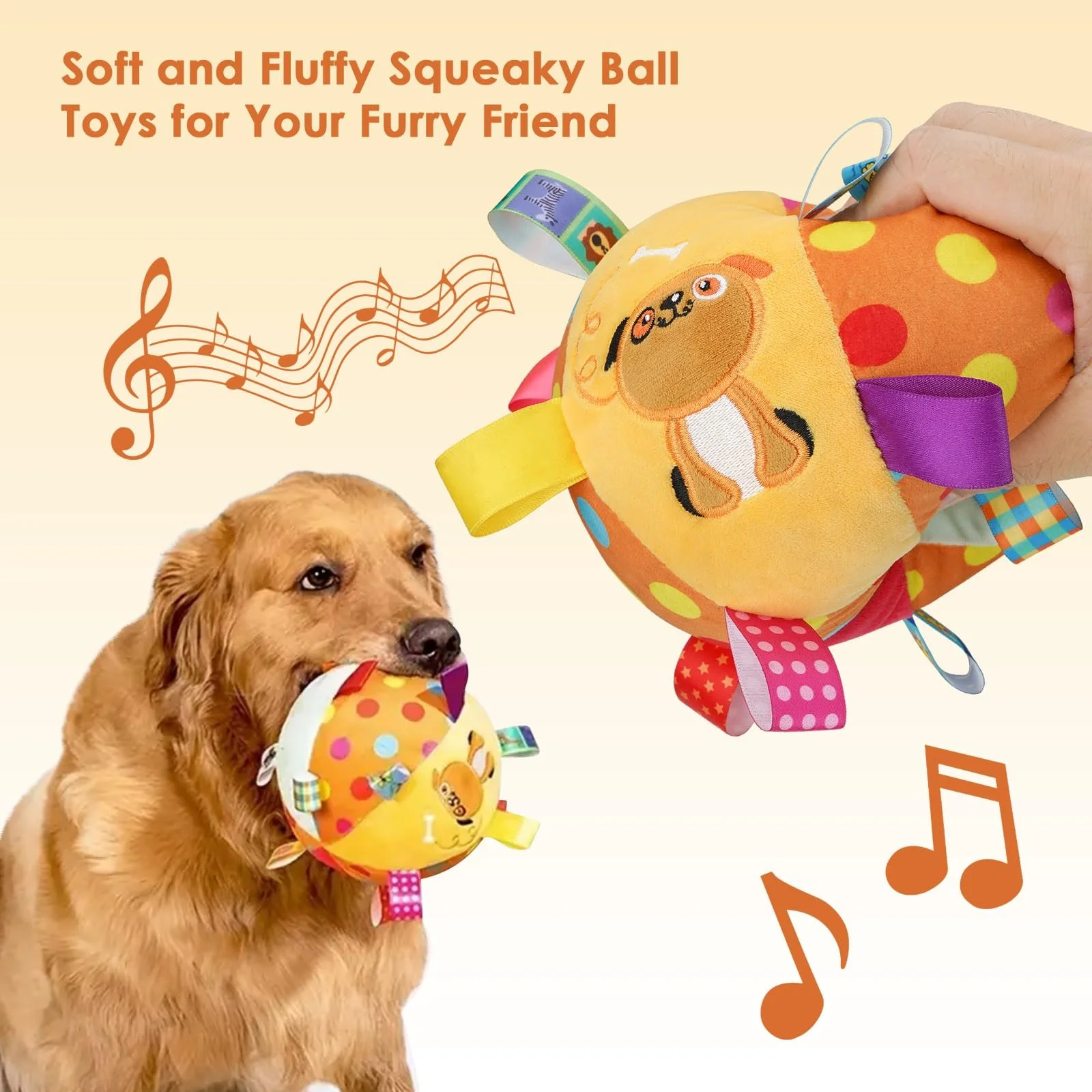
The toy determines how the dog enters the game. A heavy ball, hard disc, squeaky plush, rope toy, tennis ball, bumper, and slow-feeder frisbee all create different behavior. The right toy should match the dog's mouth, play style, environment, and physical limits.
For dogs that love chasing rolling objects, balls can work well. The ball should be large enough that it cannot be swallowed and soft enough not to damage teeth. Very small balls are dangerous for larger dogs. Hard balls can be risky for intense chewers. Tennis balls are familiar, but some dogs chew through them quickly or obsess over the fuzzy surface.
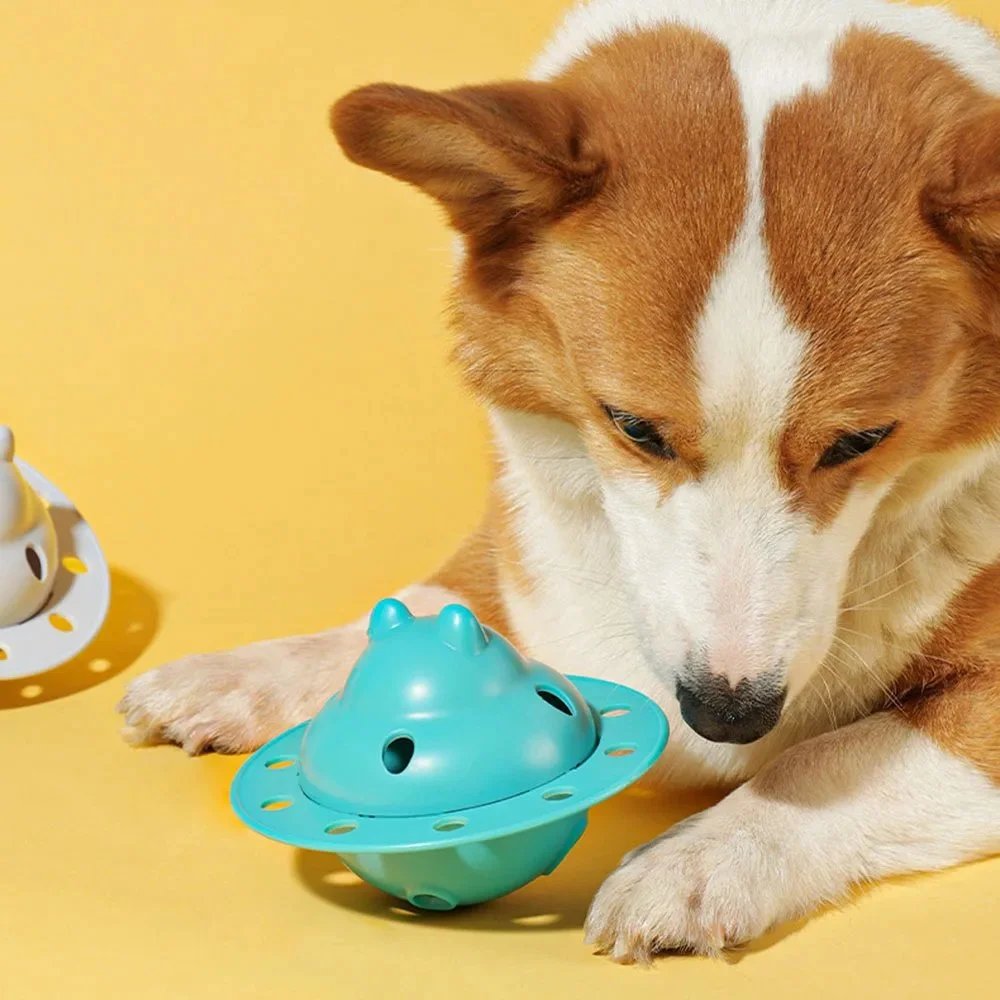
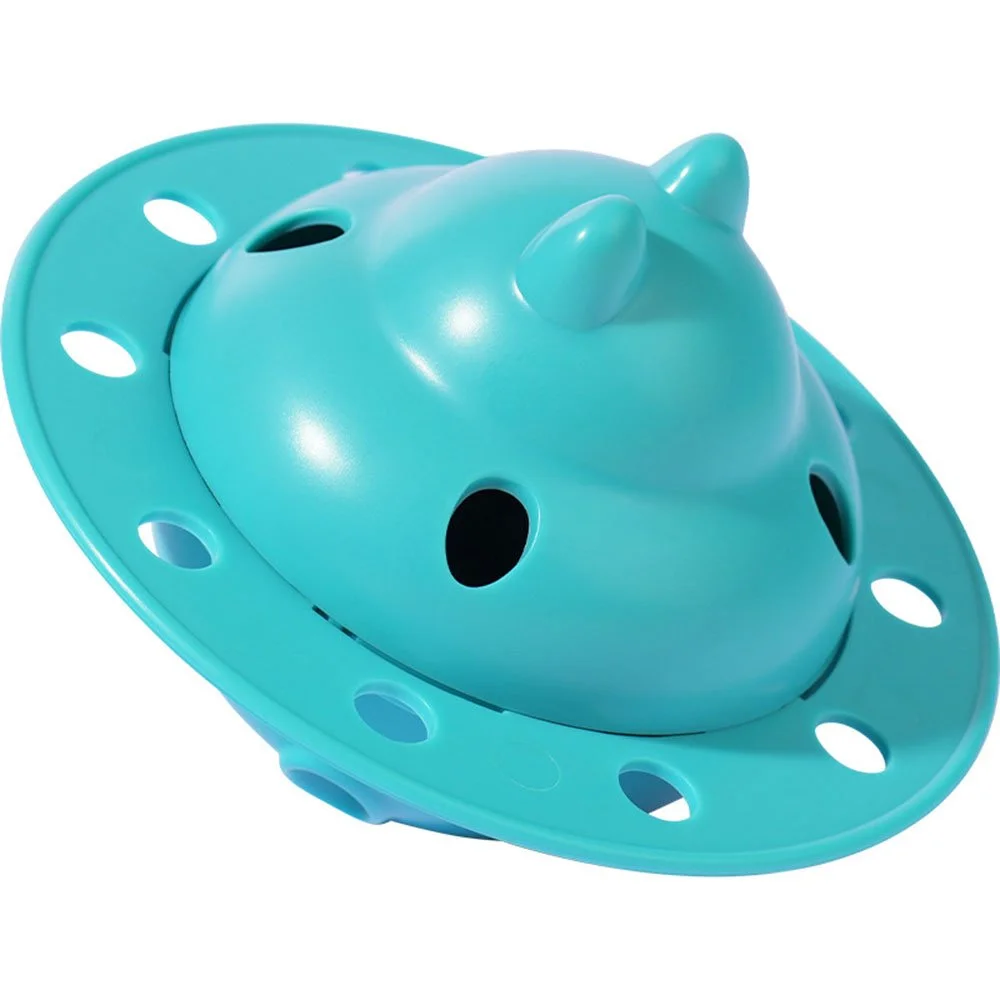
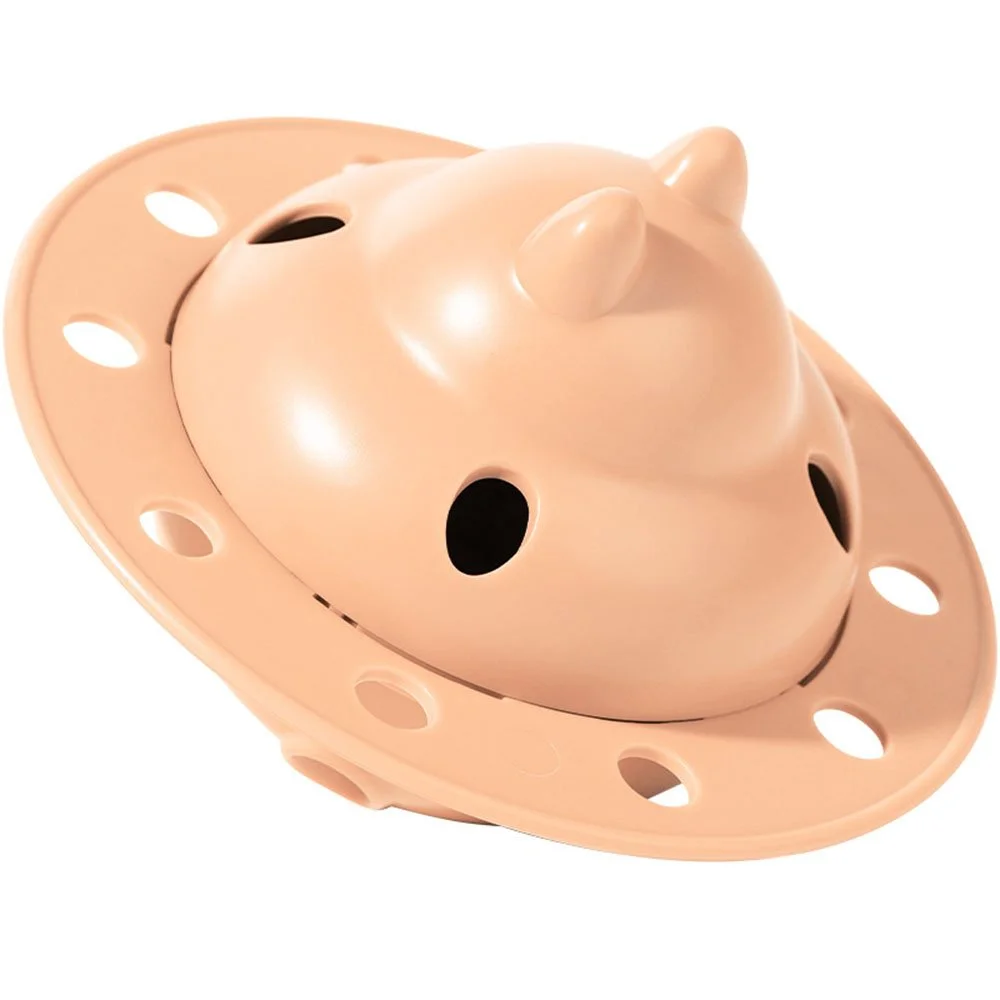
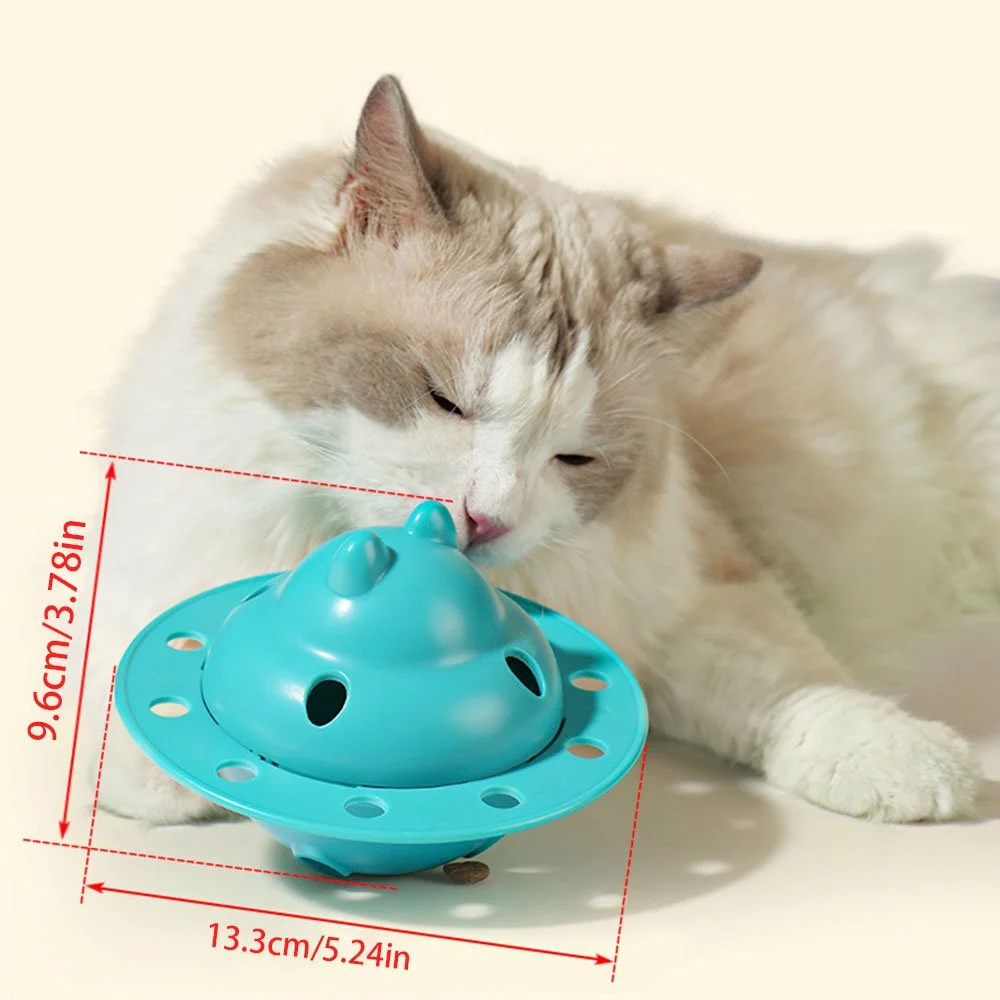
For dogs that enjoy catching or chasing gliding movement, a soft frisbee-style toy can be more interesting than a ball. The Interactive Pet Slow Feeder Ball & Frisbee Toy (#1778936) fits this article because it gives the owner a toy shape that can support fetch-style play while also offering a puzzle or slow-feeding function. The 7-inch size makes it more visible than a tiny ball, and the frisbee format can support short throws or rolling games depending on the dog.
For dogs that prefer tug, a rope or handle toy may be better for the return step because the reward after coming back is a short tug session. For dogs that like plush, a soft fetch toy may work indoors or for gentle outdoor tosses. For dogs that are heavy chewers, fetch toys should be picked up after the session instead of left out for chewing.
The best fetch toy is not the most exciting toy in the store. It is the toy the dog can safely chase, pick up, carry, and release without becoming frantic or unsafe.
Match Fetch To Breed Tendencies Without Stereotyping
Breed tendencies can help you choose a starting point, but they should not become rigid rules. A retriever that refuses fetch is not broken. A small dog that loves fetch is not unusual. A herding dog that prefers chasing a large ball may simply be showing a play pattern that fits its instincts.
Retrievers often do well with balls, bumpers, floating toys, and soft discs. The key is teaching release and preventing overuse. Many retrievers will keep fetching long past the point where the body needs rest. Enthusiasm is not the same as readiness.
Herding breeds may enjoy movement control more than classic return. Try larger balls, rolling discs, short directional games, or fetch mixed with cues. Some herding dogs become obsessive with repetitive ball chasing. Keep sessions short and include calm breaks.
Terriers may love the chase and grab, then prefer to parade, shake, or keep the object. Use the two-toy method and reward the return heavily. Do not turn every dropped object into a wrestling match.
Brachycephalic dogs, such as many flat-faced breeds, need short throws, cooler weather, and careful breathing checks. Lightweight toys are better than heavy objects. Stop early. These dogs may enjoy fetch, but heat and airway limitations matter.
Large and giant breeds need joint-aware play. Avoid repetitive high-speed stops, twisting leaps, and hard surfaces. Shorter throws on grass are often better than long launches.
Senior dogs may still enjoy fetch as a social routine. Use shorter distances, softer toys, and fewer repetitions. A gentle roll across carpet may be more appropriate than outdoor sprinting.
The right question is not "What should this breed like?" It is "What version of fetch keeps this dog engaged and safe?"
Teach Fetch In Pieces
Many dogs do not need to learn fetch all at once. Break the game into smaller skills: interest in the toy, chasing, picking up, turning back, returning, releasing, and waiting for the next throw.
Start with interest. Move the toy slightly, roll it a short distance, or toss it only a few feet. If the dog investigates, praise. If the dog picks it up, reward. Do not begin with long throws. Long throws teach the dog to run away from you before the return skill exists.
Next, build the return. Back away as the dog picks up the toy. Use an inviting voice. Reward any movement toward you. Some dogs return more easily if the owner runs away playfully for a few steps. The dog learns that coming back continues the game.
Then teach release. Trade for food or a second toy. Do not pry the toy from the mouth unless safety requires it. If returning means losing the toy every time, some dogs learn to stay away. If returning means the game continues, coming back becomes valuable.
Only after the dog understands the loop should you increase distance. Add difficulty slowly. Change one thing at a time: distance, surface, distraction, toy type, or duration. If the dog falls apart, go back to an easier version.
A fetch toy with a frisbee shape can be introduced through rolling first. Roll #1778936 along the ground, let the dog chase and pick it up, then reward the return. Once the dog understands the game, use short low throws if the surface and dog are suitable.
The Two-Toy Method For Dogs That Do Not Bring It Back
The two-toy method is useful for dogs that chase but do not return reliably. It works because the second toy makes coming back more rewarding than keeping the first toy.
Start with two similar toys. Throw the first toy a short distance. When the dog reaches it, show the second toy and move away from the dog. As the dog turns toward you, praise. When the dog drops the first toy, throw the second. Then pick up the first. Repeat.
Do not chase the dog. Chasing teaches the dog that running away with the toy is the real game. Do not grab for the toy every time the dog comes close. Make returning feel safe and rewarding.
Use short distances. The farther the dog runs, the more opportunities there are to get distracted, lie down, or turn the game into keep-away. A ten-foot toss can teach more than a fifty-foot throw.
If the dog guards toys, use lower-value toys and trade carefully. If the dog stiffens, growls, or avoids you when holding the toy, do not push. Resource guarding changes the training plan. Work on trade separately and consider professional help if guarding is serious.
The two-toy method also helps dogs that love the chase more than the object. The reward becomes the next chase. That is often more powerful than a treat for high-motion dogs.
Keep Fetch Short And High Quality
Many owners play fetch too long. The dog keeps running, so the person keeps throwing. The problem is that many dogs will chase past fatigue because the game is rewarding. By the time the dog slows down, the body may already be overheated, sore, or overstimulated.
Short sessions are better. Five good throws with focus and a clean return can be more useful than twenty frantic throws. End while the dog still wants more. That keeps fetch valuable and reduces injury risk.
Watch the dog's movement. Slowing down, wider turns, sloppy grabbing, lying down between throws, heavy panting, missing the toy, or refusing to release can all mean the session should end. Do not wait for collapse-level exhaustion.
Weather matters. Heat raises risk quickly, especially for dark-coated dogs, heavy dogs, flat-faced dogs, puppies, seniors, and dogs that are not conditioned. Play in cooler parts of the day. Bring water. Use shade. Stop before the dog is desperate to stop.
Mental arousal matters too. Some dogs finish fetch physically tired but mentally wired. If your dog becomes more frantic with each throw, build in pauses. Ask for a sit, hand target, sniff break, or short walk between throws. Fetch should not turn the dog into a ball-obsessed machine.
Quality fetch has rhythm: cue, throw, chase, return, release, pause, repeat. The pause is part of the game.
Avoid Hard Surfaces And Dangerous Throws
Fetch injuries often come from surfaces and movement, not from the toy alone. Concrete, asphalt, tile, and hardwood increase impact and slipping. Repeated sprinting, sudden braking, twisting catches, and jumping can strain joints, pads, muscles, and ligaments.
Grass, dirt, turf, and sand are usually more forgiving, but each has tradeoffs. Wet grass can be slippery. Sand can be tiring. Uneven ground can twist ankles. Check the area before throwing. Look for holes, rocks, glass, sticks, hidden sprinklers, and traffic.
Avoid high vertical throws that make the dog leap and twist. Many impressive catches are not worth the injury risk. Low, level throws are safer. Rolling the toy is safer for puppies, seniors, short-legged dogs, flat-faced dogs, and dogs returning from injury.
Indoor fetch should be gentle. Use soft toys, carpeted surfaces, and short distances. Do not throw down hallways where the dog must slam into walls or skid around corners. A plush or soft disc can be safer indoors than a hard ball, but even soft toys can create unsafe speed if the space is wrong.
With a frisbee-style toy like #1778936, start with low throws or ground rolls. The goal is controlled chasing, not aerial stunts. If the dog jumps wildly, lower the throw or switch to rolling.
A safe fetch setup protects the dog's body so the game can stay enjoyable over time.
Fetch For Puppies, Adults, And Senior Dogs
Puppies need very short, low-impact fetch. Their bodies are still developing, and their coordination is limited. Use soft toys, short rolls, and a few repetitions. Avoid repetitive jumping, long-distance sprinting, and hard stops. The goal is teaching the game, not exercising the puppy to exhaustion.
Adolescent dogs may have more energy than judgment. They often chase hard, turn sharply, and ignore fatigue. Use structure. Limit repetitions. Practice release and waiting. Do not let fetch become the only way the dog gets exercise, or the dog may become dependent on high-speed play to settle.
Adult dogs can often handle more fetch if they are conditioned, healthy, and playing on safe surfaces. Still, increase intensity gradually. Weekend-only fetch marathons are risky for dogs that are otherwise sedentary. The body needs conditioning.
Senior dogs may enjoy modified fetch. Roll the toy. Use shorter distances. Choose softer objects. Avoid slippery floors and heat. Watch for stiffness afterward. If the dog limps, hesitates, or seems sore later in the day, reduce intensity.
Dogs with arthritis, prior knee injuries, spinal issues, heart concerns, airway limitations, or obesity need extra caution. Ask a veterinarian before using fetch as a primary exercise plan. Fetch is intense because it combines speed, braking, and excitement.
The game should fit the dog's stage of life. A good fetch plan changes as the dog changes.
When A Dog Does Not Like Fetch
Some dogs simply do not enjoy fetch, and that is fine. A dog can be healthy, smart, bonded, and well exercised without retrieving a toy. Forcing fetch can make the dog less interested in play with you.
If the dog likes sniffing, use scent games. If the dog likes tug, play tug with rules. If the dog likes chasing you, use recall games. If the dog likes food, use puzzle toys and training. If the dog likes herding movement, use large rolling balls, directional cues, or structured movement games.
Sometimes the dog dislikes the toy, not the concept. Try a different texture, weight, or shape. A dog that ignores a tennis ball may chase a soft disc. A dog that refuses a hard toy may enjoy a plush one. A dog that drops a ball immediately may prefer a toy with a handle.
Sometimes the dog dislikes the pressure. If every fetch session includes repeated commands, frustration, or the owner grabbing the toy, the dog may avoid the game. Make it easier. Reward small steps. Stop early.
Sometimes the dog has pain. A dog that used to love fetch and suddenly avoids it may be protecting the mouth, neck, back, legs, or joints. A behavior change can be a health clue.
Fetch is optional. Play is the goal.
Common Fetch Problems And What They Mean
If the dog chases the toy but does not pick it up, the chase may be more rewarding than the object. Use a toy with a more appealing texture, add movement after the toy lands, or reward the dog for touching and grabbing before expecting a full retrieve. A dog that enjoys motion may need the game built in smaller steps.
If the dog picks up the toy and runs away, the return has not been made valuable enough. Do not chase the dog. Use the two-toy method, trade for food, or reduce the distance so the dog stays closer. The dog should learn that coming back restarts the fun.
If the dog brings the toy back but refuses to drop it, the release cue needs separate work. Practice trade outside of fetch first. Use lower-value toys, reward the drop, and sometimes give the toy back. If every drop ends the game, the dog may hold tighter.
If the dog becomes frantic after a few throws, the game is too arousing. Add pauses, use shorter throws, choose a less exciting toy, or switch to sniffing after a few retrieves. Some dogs need fetch as a small part of exercise, not the whole activity.
If the dog loses interest quickly, the session may be too long, the toy may be wrong, or the environment may be distracting. End earlier. Use a favorite toy. Practice in a quiet place before expecting focus at a park.
If the dog coughs, gags, slows suddenly, limps, or seems sore afterward, stop using fetch as intense exercise until the dog is checked or rested. Physical signals matter more than enthusiasm.
These problems are not proof that the dog cannot play fetch. They tell you which part of the loop needs adjustment.
Match Fetch To The Setting
Backyard fetch should be controlled, not automatic. Many owners step outside and start throwing long before the dog has warmed up. Begin with a few easy movements, let the dog sniff and move normally, then use short throws. Check the ground for holes, slippery patches, and objects the dog could step on.
Park fetch adds distractions. Other dogs, children, bikes, food smells, and wildlife can change the game. Use a long line if recall is not reliable. Do not throw into crowds. Do not allow your dog to chase a toy near dogs that may guard, chase, or intercept. A public fetch session should be safe for everyone nearby.
Beach fetch can be fun but tiring. Sand increases effort, and dogs may swallow sand if they repeatedly grab sandy toys. Use shorter sessions, offer water, and rinse toys. Floating or disc-style toys may help, but avoid throwing into unsafe waves or strong current.
Apartment fetch should be low-impact. Use soft toys, carpeted areas, and short rolls. Avoid hallways that encourage speed and sliding. For some apartment dogs, fetch should become a training game: roll the toy a few feet, ask for return, reward, then pause.
Winter fetch needs footing checks. Ice and packed snow can cause slipping. Cold can also make some toys harder. Summer fetch needs heat checks. Hot pavement, high humidity, and direct sun can make even a short session risky.
The same toy can be used differently in each setting. A frisbee-style toy can be rolled indoors, tossed low on grass, used as a short-distance target in the yard, or turned into a slower puzzle activity after movement. The setting decides the safest version of the game.
A Simple Fetch Training Plan
For the first few sessions, use short distances and low distractions. Show the toy, move it slightly, and reward interest. Toss it only a few feet. If the dog picks it up, encourage the dog back. Reward any step toward you. Stop after a few successful repetitions.
In the next stage, build the return. Toss the toy, back away, praise the dog for turning toward you, and trade when the dog arrives. If the dog drops the toy early, praise the return anyway and shorten the next throw. The dog is learning the route back first.
After that, build the release. Practice drop with trades outside the game. During fetch, reward the drop and immediately continue with another throw when appropriate. This teaches the dog that release does not end the fun.
Only then should distance increase. Add five or ten feet, not fifty. If the dog stops returning, the distance became too hard. Reduce it and rebuild success.
Finally, add rules. Ask for a brief wait before the throw. Add a hand target before the next repetition. Insert water and sniff breaks. These rules keep fetch from becoming uncontrolled sprinting.
This plan works because it treats fetch as trained cooperation, not just throwing until the dog figures it out.
Using A Fetch Toy With Food Features
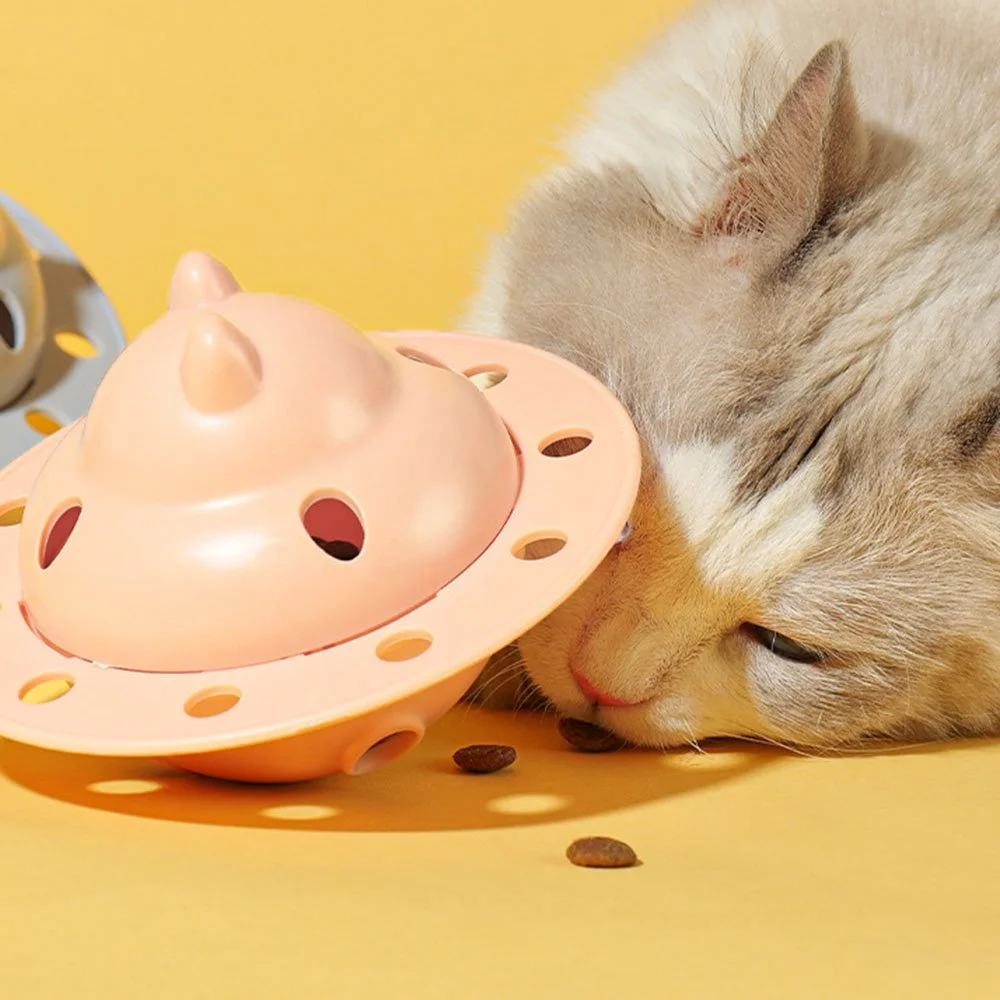
A 2-in-1 toy such as the Interactive Pet Slow Feeder Ball & Frisbee Toy (#1778936) can be useful because it supports more than one style of engagement. The frisbee shape can be used for short fetch or rolling games. The slow-feeder or treat-dispensing function can add mental work when the dog needs a lower-impact activity.
This is especially helpful for dogs that become too intense with repeated throws. Instead of playing fetch until the dog is exhausted, you can do a few retrieves and then switch to slower food-search work. That gives the dog a transition from high arousal to calmer engagement.
Use food features carefully. Do not overload treats during exercise. Avoid rich foods before hard running. If the dog guards food, do not use treat features around other dogs. Clean the toy after food use.
Do not let the dog chew the toy apart after the fetch session. Pick it up, inspect it, and store it. Fetch toys are often damaged when dogs are allowed to lie down and destroy them after play. A product can be durable enough for play but still not meant for unsupervised chewing.
The best use is intentional: a few controlled fetch reps, a pause, maybe a short puzzle-food session, then cleanup. That turns the toy into a training tool rather than an uncontrolled object.
Final Recommendation
Fetch works best when it is matched to the dog. Some dogs naturally love the full chase-grab-return loop. Others need the return taught separately, prefer a different toy, or do better with modified games. Breed tendencies can guide the starting point, but the dog's actual behavior should guide the plan.
The best product match for this article is the Interactive Pet Slow Feeder Ball & Frisbee Toy for Dogs and Cats (#1778936). It fits because it can support fetch-style play through a frisbee format while also offering slower enrichment when repeated throwing would be too much. It is best used for controlled short throws, ground rolls, training sessions, and lower-impact puzzle breaks. It should not be treated as an indestructible chew toy or used for unsafe high jumps on hard surfaces.
Good fetch is short, safe, and rewarding. Choose the right surface, keep sessions brief, teach the return and release, and stop before the dog is exhausted. If the dog does not love fetch, choose another game. The best play routine is the one the dog can enjoy without physical risk or training frustration.