Article
Useful Home Gadgets That Save Space (Under $50)
Quick Answer
Useful Home Gadgets That Save Space (Under $50): quick answer
Walk through a small apartment and count the dead zones: the strip of wall above the sink, the corner of the counter where the mail piles up, the drawer where cables tangle into one solid...
- Topic: Home Garden.
- Related product category: home-garden.
- This article keeps the main answer in the article copy and places relevant product context inside the guide.
Product references, prices, and listed features were checked in the PickByU catalog on 2026-08-14. These are space-saving recommendations for small homes and apartments, not hands-on test results. Every pick is chosen because it solves one specific "where does this go?" problem — a counter that's always covered, a drawer that won't close, a corner that collects junk.
The Space Problem Isn't Square Footage — It's Dead Zones
Walk through a small apartment and count the dead zones: the strip of wall above the sink, the corner of the counter where the mail piles up, the drawer where cables tangle into one solid knot, the bathroom shelf where bottles crowd each other off the edge. None of those zones is "extra space" — they're wasted inches that could be holding something useful. You don't need a bigger apartment. You need the inches back.
That's the real math of small-space living. A typical apartment kitchen has maybe 12 feet of usable counter, and half of it is taken by things that could hang on a wall or stack in a container. A typical desk has 8 square feet of surface, and a third of it is eaten by cable clutter. The average person loses about an hour a week to looking for things — the remote, the charger, the spice they know they bought. Space-saving gadgets don't add square footage; they convert dead zones into working storage, and they cut the "where is it?" search loop that quietly eats your time.
This guide is organized around six specific dead zones, each with one gadget that reclaims it: the wall above the counter, the cable nest under the desk, the makeup pile on the bathroom shelf, the sink edge that collects water and sponges, the tissue box that claims permanent counter real estate, and the drawer full of tangled cables. Each pick is under $50, each fixes one concrete spot, and each earns its place by doing something the empty zone wasn't doing.
1. The Wall-Above-the-Counter Fix: Wall-Mounted Onion, Ginger & Garlic Storage Basket — $38.49
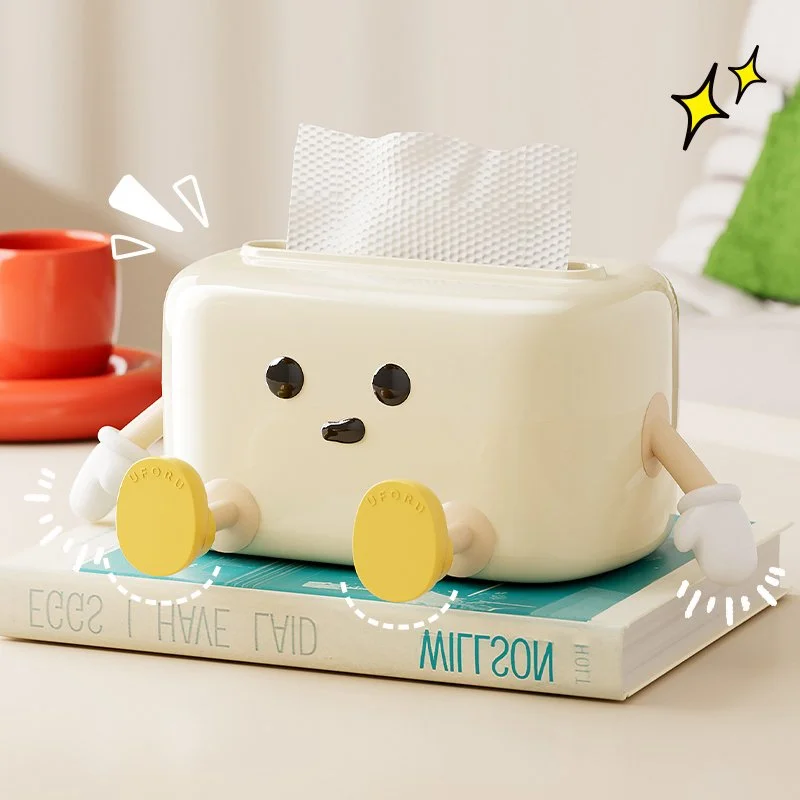
The dead zone it reclaims: The wall between the counter and the upper cabinets is usually bare — prime real estate doing nothing. Meanwhile, the produce you actually use daily (onions, garlic, ginger) sits in a bowl on the counter, taking up a foot of working surface and rolling around. Mount that wall and the counter comes back.
Wall-Mounted Onion, Ginger & Garlic Storage Basket Organizer ($38.49) — a wall-mounted basket designed to hold root vegetables in open mesh or slotted sections that let air circulate. The basket style matters for onions and garlic specifically: they need airflow to stay fresh, which is exactly why they go bad faster in a sealed drawer. On the wall, they're visible (so you remember what you have), ventilated (so they last), and out of the way (so the counter clears).
What you're getting: A wall-mounted organizer with dedicated compartments for the three most-used cooking aromatics. Mounted above the prep area, it puts the onion you need for tonight's stir-fry at eye level instead of buried in a bowl behind the fruit. The installation is the kind of weekend job that takes a drill and ten minutes — two anchors, two screws, done.
Who it's for: Anyone whose counter is permanently occupied by a produce bowl, especially home cooks who use garlic and onion in most meals. Also great for small kitchens where the drawer under the counter is already full. If you rent and can't drill, check the mounting method before ordering — wall-mounted means wall-mounted, and adhesive alternatives won't hold a basket full of potatoes.
Honest limits: Wall mounting requires drilling unless the listing specifies an alternative — if you're in a rental with strict walls, this becomes a conversation with your landlord. Open baskets expose produce to air, which is great for onions and garlic but wrong for things that dry out (keep potatoes and apples elsewhere). And the basket holds a specific capacity; if you buy produce in warehouse sizes, you'll still need overflow storage.
2. The Cable-Nest Fix: Desktop Cable Organizer Storage Box with Lid and Compartments — $44.49
The dead zone it reclaims: Under every desk there's a knot of cables — power strips, chargers, USB cords, the mystery cable you don't recognize anymore. It tangles, it collects dust, it makes the floor impossible to clean, and it's the reason you own four identical-looking black cables but never the one you need.
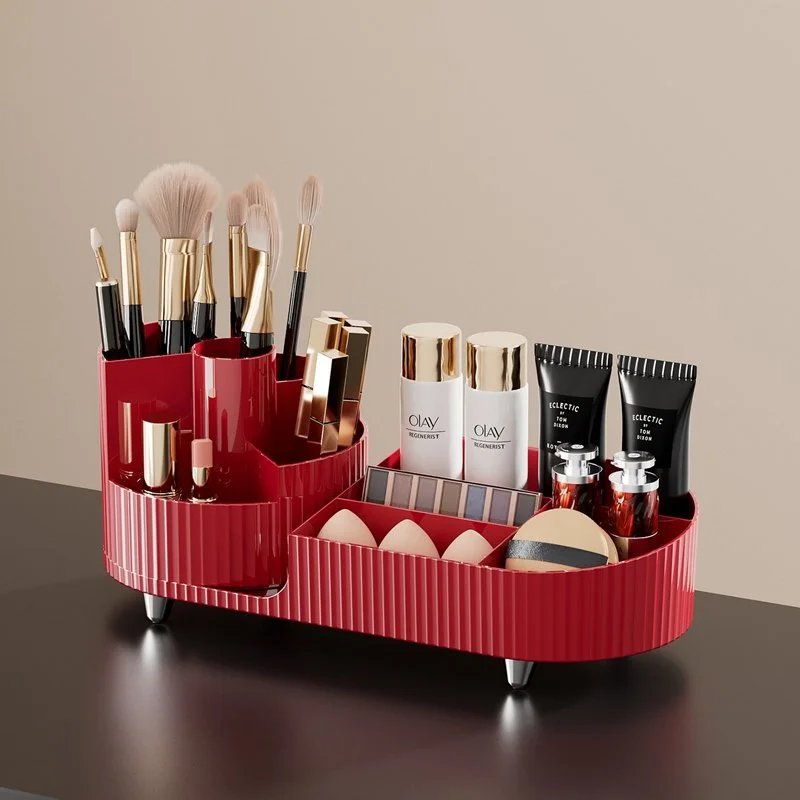
Desktop Cable Organizer Storage Box with Lid and Compartments ($44.49) — a lidded storage box with internal compartments designed to hold chargers, cables, and small electronics in labeled sections. The lid is the key feature: it hides the visual noise, so the box reads as furniture instead of a tangle. The compartments keep cables separated, which means no more untangling one cable by pulling the entire knot onto the floor.
What you're getting: A single box that turns a permanent cable mess into a closed, organized unit. Cables coil individually, accessories sit in their own slots, and the lid keeps dust off. It sits on the desk or shelf as a clean box rather than a sprawl, and because everything has a place, the "which cable is this?" problem mostly disappears.
Who it's for: Remote workers and students with multiple devices (laptop, tablet, phone, headphones, external drives) whose desk or floor is a cable graveyard. Also a genuinely useful gift for anyone who works from home. If your setup is a permanent desk with a power strip bolted underneath, a closed box on the surface won't solve the under-desk tangle — this is for the loose cables and chargers, not the wiring you leave plugged in.
Honest limits: A box contains things — it doesn't make cables shorter. The big power bricks and permanently-plugged adapters still live outside. The internal compartments are sized for standard cables; extra-thick braided cords or giant power adapters may not fit their slot. And it occupies surface space of its own, so it's a trade: it clears the floor and the drawer, but it claims a corner of the desk or shelf.
3. The Bathroom-Shelf Fix: Rotating Makeup Organizer with Extra Large Storage — $39.49
The dead zone it reclaims: The bathroom shelf where bottles, jars, and tubes crowd each other — you can see the front row, but everything behind it is a guessing game. You buy a second serum because you forgot you had one, or knock three bottles over reaching for the one in the back. The shelf is full, but functionally you can only use the first two inches of it.
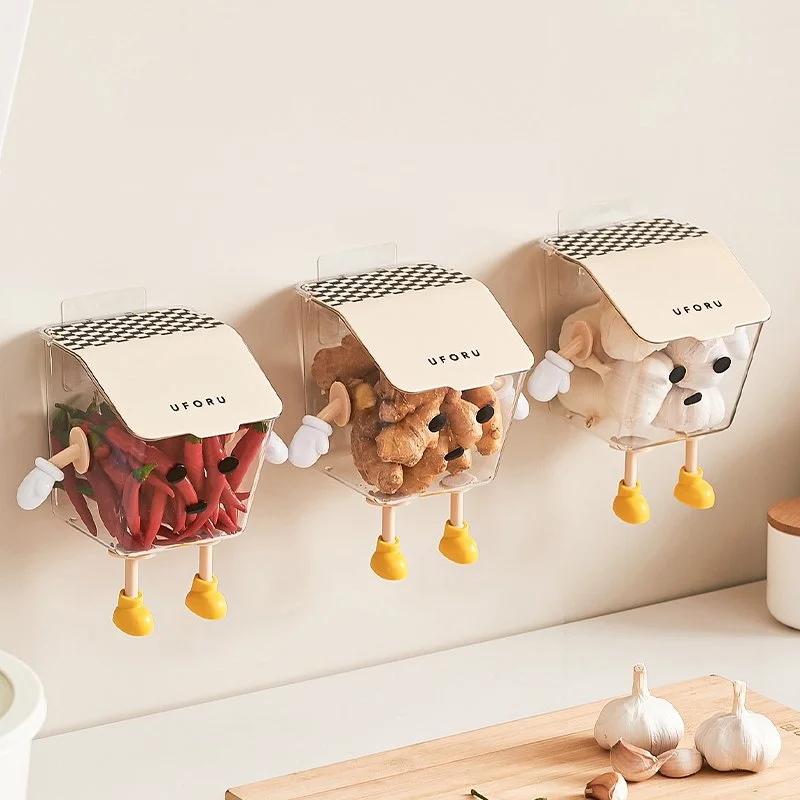
Rotating Makeup Organizer with Extra Large Storage for Cosmetics ($39.49) — a rotating (lazy-Susan style) organizer with multiple tiers designed for cosmetics, skincare bottles, and daily-use products. The rotation is the whole trick: a 360° turn brings the back row to the front, so every bottle is reachable without moving anything. One spin replaces the dig-and-hope method.
What you're getting: A multi-tier rotating stand that turns one shelf's worth of vertical space into fully accessible storage. Tall bottles go on the bottom tier, daily-use items on the top, and the spin makes the whole inventory visible at a glance. For a small bathroom counter or a shelf above the sink, it multiplies usable space without adding square footage.
Who it's for: Anyone with a collection of skincare or makeup products — which, realistically, is most adults — whose counter or shelf is a crowded row. Especially useful in shared bathrooms where two people's products compete for one shelf. If you own exactly three products, a rotating organizer is overkill; if the shelf looks like a pharmacy aisle, it's exactly the fix.
Honest limits: Rotating organizers claim a footprint — a circular base on a narrow shelf may leave awkward curved gaps on either side. Tall bottles can tip if the tiers are shallow and you spin too fast. And "extra large" is relative; the true mega-collections (thirty-plus products) will still overflow it. It's an accessibility upgrade, not a magic space generator.
4. The Sink-Edge Fix: Adjustable Kitchen Sink Splash Guard with Expandable Storage Shelf — $25.65
The dead zone it reclaims: The gap between the sink edge and the backsplash — that strip of counter that's too narrow for anything useful and just collects water, sponge drips, and soap scum. Meanwhile the sponge and scrub brush live in a dish on the counter, permanently wet and permanently in the way.
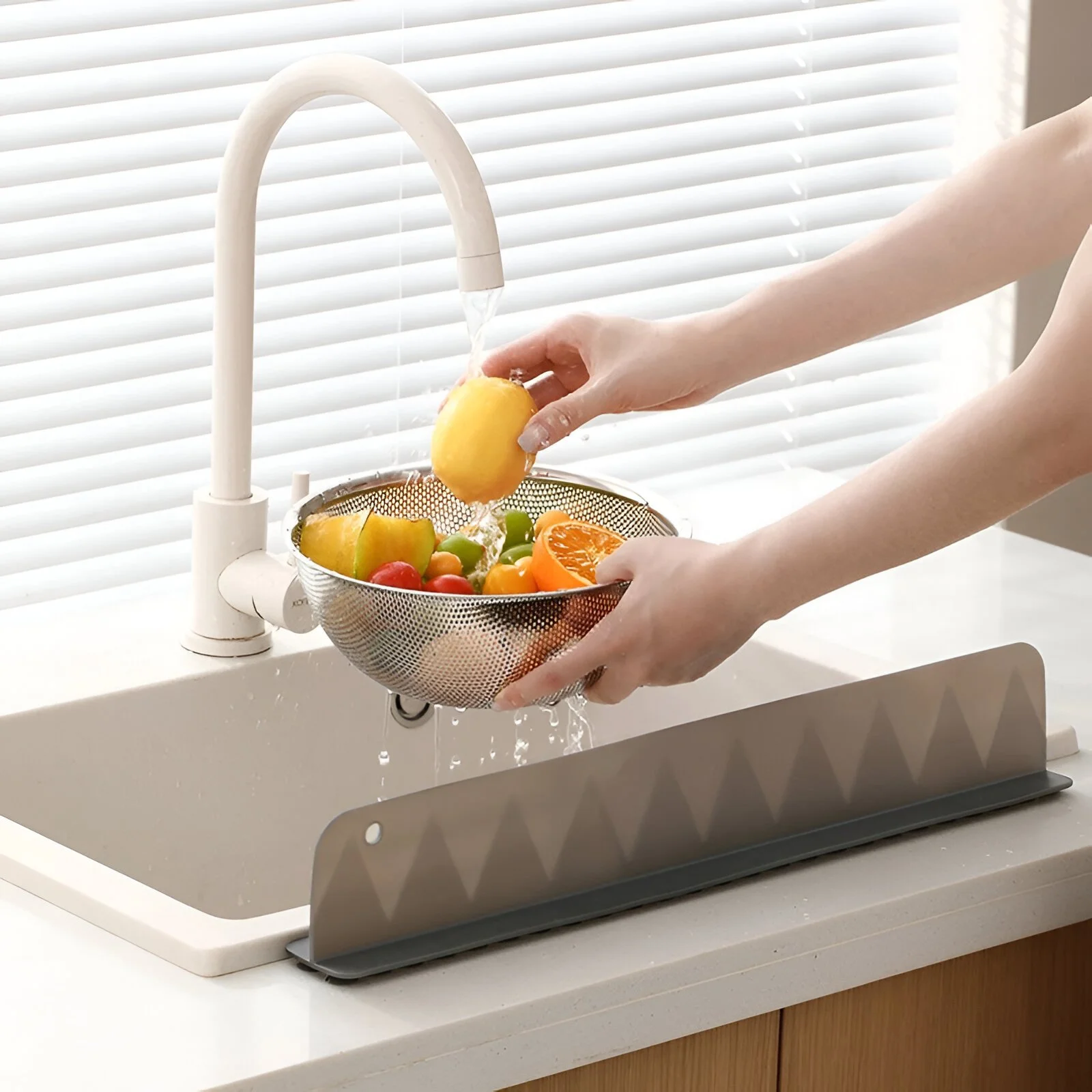
Adjustable Kitchen Sink Splash Guard with Expandable Storage Shelf ($25.65) — a sink splash guard that stands against the sink edge, with an expandable shelf designed to hold sponges, scrubbers, and small dish items. It does two jobs at once: it catches the water that used to run down the backsplash, and it gives the sponge a home that drains instead of sitting in a puddle.
What you're getting: A stand-up guard that fits along the sink rim, blocking splash-back onto the wall and counter, with a built-in shelf for the daily dish tools. The sponge and brush sit on the shelf, drain properly (which makes them last longer and smell better), and stop colonizing the counter. The expandable width means it adapts to the actual sink gap instead of being a one-size-misses-everything product.
Who it's for: Anyone whose kitchen sink has a narrow gap that water drips into, and anyone tired of the wet sponge on the counter. Also useful in rental kitchens where the sink backsplash is worn or where you want to protect the wall. If your sink is flush against the counter with no gap at all, check the fit first — the guard needs a rim or edge to stand against.
Honest limits: It's a plastic-ish utility piece, not a design statement — it's clearly functional, and if your kitchen is all marble and brass, it will look out of place. The expandable shelf has a size range; oversized scrub brushes or bulky bottle brushes may not fit. And while it catches splash, it won't stop a full sink overflow — it's a splash guard, not a dam.
5. The Counter-Real-Estate Fix: Modern Cute Desktop Tissue Box Organizer — $27.95
The dead zone it reclaims: The tissue box. Every household has one, and it permanently occupies counter space — in the kitchen for paper towels, in the bathroom, on the nightstand. It's a box you use for ten seconds at a time but that claims square footage all day, and the flimsy cardboard version gets crushed, soggy, or ugly within weeks.
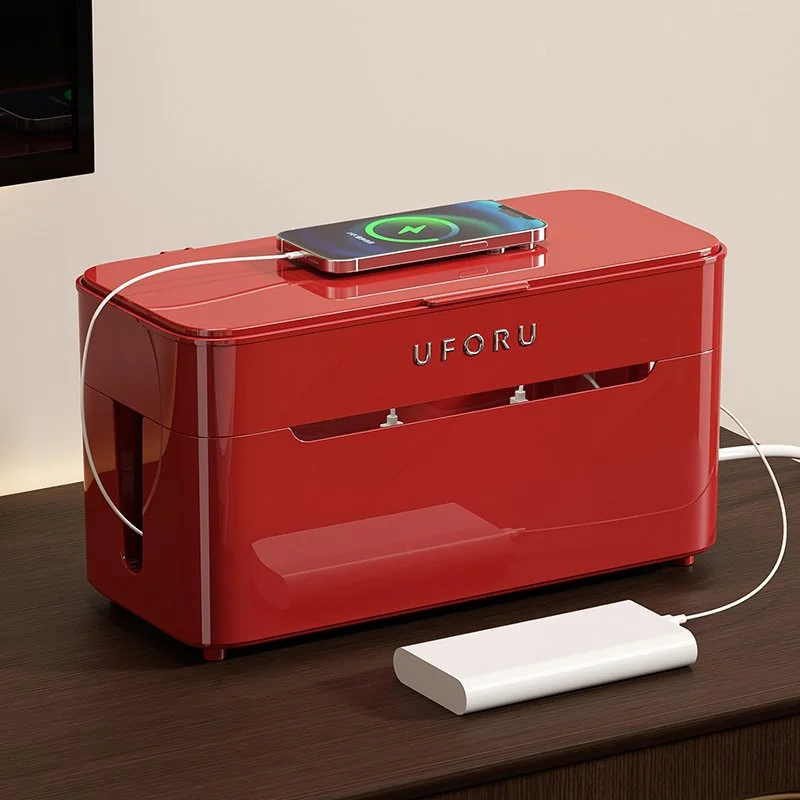
Modern Cute Desktop Tissue Box Organizer for Home & Office ($27.95) — a desktop organizer designed to hold a standard tissue box in a sturdy, decorative shell. The upgrade is twofold: the shell protects the box (so it stops getting crushed and soggy), and it looks intentional on a desk, nightstand, or bathroom counter instead of like a crumpled cardboard box.
What you're getting: A covered holder that fits a standard tissue box, giving it structure and a finished look. Because it's a shell, you keep buying the cheap refill boxes instead of the overpriced "designer" tissue brands — the holder does the decorating, the refill does the cheaping-out. On a desk it reads as a desk accessory; on a nightstand it reads as intentional decor.
Who it's for: Anyone whose tissue box is the one ugly object in an otherwise fine room, and anyone tired of crushed cardboard boxes. Also a low-effort, low-risk gift — it's useful, affordable, and hard to get wrong. If you use the "facial tissue pouch" style instead of a box, check the opening size — this holds a standard box format, not a pouch.
Honest limits: It's sized for standard tissue boxes — the jumbo family-size boxes may not fit, and the cute styling won't match every decor (a brutalist concrete desk may find a "cute" holder jarring). And it still occupies the same footprint as the box it holds; it doesn't save space so much as it makes the space look better. If your goal is strictly more counter, this isn't the pick — it's the "make the counter look intentional" pick.
6. The Drawer-Knot Fix: 360° Rolling Cable Organizer Box with Divided Storage Compartments — $46.95
The dead zone it reclaims: The drawer (or box) where every cable, earbud, and small charger lives in one tangled mass. You know the drawer: open it, pull one cable, and the whole collection comes out as a single knot. You've probably bought the same charging cable twice because you couldn't find the one you owned.
360° Rolling Cable Organizer Box with Divided Storage Compartments ($46.95) — a rolling organizer with a rotating top and divided internal compartments, purpose-built for cables and small electronics. The rotating top gives you access to any compartment without moving the box, and the divisions keep cables from migrating into one another. It's the drawer-knot problem solved as a single self-contained unit.
What you're getting: A lidded, divided, rotating cable box that gives every cable its own lane. Coil each cable loosely, drop it in its compartment, and the next time you need a USB-C you spin to the right section instead of excavating. The rolling base means it can live under the desk or in a cabinet and pull out when you need it — it doesn't have to claim permanent surface space.
Who it's for: Households with a serious cable population — multiple phones, tablets, headphones, cameras, external drives — and anyone who's bought a duplicate cable because they couldn't find the original. Also a strong pick for a family shared drawer where "whose cable is this" is a daily argument. If you own five cables total and they all live in one drawer you never open, this is more box than you need.
Honest limits: It's the most expensive pick on this list at $46.95, and it's a box that takes up volume — it solves organization, not density. Thick braided cables or long coils eat compartment space faster than thin ones. And the rotating mechanism is one more moving part; it's built to last, but a simpler static box would have zero moving parts to wear.
The Space-Saving Comparison
| Pick | Price | Dead zone it reclaims | Best for | Watch out for |
|---|---|---|---|---|
| Wall-Mounted Produce Basket | $38.49 | Wall above the counter | Clearing the produce bowl | Needs drilling |
| Desktop Cable Box | $44.49 | Under-desk cable knot | Desk/cable clutter | Big bricks still outside |
| Rotating Makeup Organizer | $39.49 | Crowded bathroom shelf | Bottle accessibility | Claims its own footprint |
| Sink Splash Guard | $25.65 | Sink-edge gap + wet sponge | Kitchen sink zones | Utility look, size range |
| Tissue Box Organizer | $27.95 | The permanent tissue box | Making a box look intentional | Same footprint, standard size |
| Rolling Cable Organizer | $46.95 | The tangled drawer | Multi-device households | Price, volume |
Editor's Buying Notes: Real Space Saving vs. Tidier Clutter
The first rule with space-saving gadgets is to separate real space saving from visual tidying. A wall-mounted produce basket truly gives counter space back because it moves objects from a horizontal surface to a vertical one. A rotating makeup organizer may not reduce the footprint much, but it makes the same shelf more accessible. A tissue box organizer does not save space at all; it makes an unavoidable object look more intentional. All three can be useful, but they solve different problems. Before buying, decide whether you need more open surface, easier access, or a cleaner-looking room.
If your main problem is a kitchen counter that never clears, start with the products that move or contain daily-use items: the wall-mounted produce basket and the sink splash guard. The produce basket is the stronger space saver because it removes onions, garlic, or ginger from the counter entirely. The splash guard is more about controlling the sink zone, but it also gives sponges and scrubbers a defined home. Together, they make sense for small kitchens where the prep surface is constantly interrupted by things that live there only because there is nowhere else to put them.
If your main problem is a desk or work-from-home setup, choose between the two cable organizers carefully. The desktop cable organizer is better for loose chargers, adapters, and accessories you use often and want within reach. The rolling cable organizer is better for a larger household cable library that needs compartments and can live under a desk, in a cabinet, or on a shelf. Buying both only makes sense if you have two different cable problems: active desk clutter and long-term storage. If all your cables are currently in one drawer, start with the rolling organizer.
If your main problem is a bathroom shelf, the rotating makeup organizer is the highest-impact pick because it changes access. Small bathrooms often look cluttered because every bottle has to be visible in the front row or it gets forgotten. A rotating organizer lets products sit deeper without becoming lost. That makes it especially useful for skincare routines with tall bottles, jars, sunscreen, hair products, and shared-household duplicates. It is less useful if the shelf is extremely narrow or if your products are mostly short, flat compacts that already stack neatly.
Renters should be strict about installation. Freestanding organizers, tissue holders, sink guards, and cable boxes are low-risk because they leave when you leave. The wall-mounted basket is different. It may be the best counter-space fix in the guide, but it requires a wall that can handle weight and hardware. Adhesive mounts can be tempting, but produce gets heavy, and a falling basket full of onions is not a storage solution. If drilling is not allowed, choose a freestanding tiered basket instead of trying to force a wall product into a rental that cannot support it.
The most common buying mistake is adding an organizer before removing what should not be there. A cable box will not help if half the cables are obsolete. A makeup organizer will not fix a shelf full of expired products. A tissue holder will not make a crowded nightstand functional if the real issue is books, receipts, chargers, and medicine with no system. Do a five-minute purge before buying any organizer. The product should organize what remains, not preserve clutter in a nicer container.
Think in zones rather than rooms. The kitchen may have a cooking zone, sink zone, and drop zone. The desk may have active cables and backup cables. The bathroom may have daily products and occasional products. The right organizer should serve one zone clearly. When a gadget tries to become the solution for the whole room, it usually becomes another object to manage.
For gifting, the safest picks are the tissue box organizer and cable organizer because they do not require measuring walls or guessing cooking habits. For a new apartment, the sink splash guard and desktop cable box are practical because almost every small home has a wet sink edge and a charger pile. For someone who cooks every day, the wall-mounted produce basket is the most meaningful upgrade, but only if you know wall mounting is acceptable. For someone with a crowded vanity, the rotating organizer is more personal and more likely to be used immediately.
The simplest ranking is this: choose the wall-mounted basket for the biggest true counter-space gain, the rolling cable organizer for the worst drawer mess, the rotating makeup organizer for access to crowded bottles, the sink splash guard for wet utility clutter, the desktop cable box for visible work-surface clutter, and the tissue box organizer when the goal is making an always-present object look better. That order keeps the purchase tied to the actual space problem instead of treating every organizer as equally useful.
FAQ
Do I need all six, or can I start with one? Start with the one dead zone that annoys you most. If you reach for cables daily and they're always tangled, the rolling cable box will change your life more than a tissue holder. If the kitchen counter is your stress point, the wall-mounted produce basket or sink splash guard hits first. Each item here solves one zone independently — there's no dependency, and no wrong starting point.
Which one gives the biggest visual difference? The wall-mounted produce basket, by a margin. It moves a whole bowl off the counter and onto a blank wall, which changes the room's look instantly — the counter reads clearer, and the wall reads useful. The cable box is the biggest functional win (you'll notice the fix every time you don't fight a knot), but the produce basket is the one guests will actually comment on.
Are any of these renter-friendly? Mostly yes, with one exception. The tissue box organizer, sink splash guard, rotating makeup organizer, and both cable boxes all sit on surfaces or stand freely — no drilling, no wall damage. The wall-mounted produce basket requires mounting hardware; if you rent, check with your landlord or look for a freestanding produce basket alternative.
Will the cable boxes fit thick braided cables? The compartments are sized for standard cables — phone chargers, USB cords, earbuds coil fine. Extra-thick braided cables or long heavy-duty cords will take up more room per compartment and may not coil neatly. If your collection is mostly standard charging cables, either box works; if you're all heavy braided cable, count your thick ones before choosing.
How much space does the rotating makeup organizer actually save? It doesn't add storage — it makes existing storage usable. The real win is that the back row becomes reachable, so a shelf that held 10 reachable products effectively holds 25 accessible ones. It also clears counter spills by consolidating bottles vertically. The honest number: expect to recover roughly a third of a crowded shelf's usable access, not twice the shelf.
What's the best gift from this list? The tissue box organizer at $27.95 — it's affordable, universally useful, and hard to get wrong. The cable organizer boxes are the most practical for the right person (anyone with visible cable chaos), and the wall-mounted produce basket is the most impressive for a new homeowner. If you're gifting to someone who cooks daily, the produce basket wins; for a desk worker, the cable box wins.
Sources
- Serper Google SERP analysis (gl=us) 2026-08-14: "useful home gadgets that save space", "space saving products for small apartments", "kitchen counter organization ideas", "cable organizer desk", "bathroom counter organizer"
- Real Simple — "13 Amazon Space-Saving Products to Shop in 2026" (space-saving product landscape)
- Mental Floss — "18 Space-Saving Gadgets and Organizers" (organizer category coverage)
- Real Homes — "12 space-saving products for each room of your apartment" (per-room space logic)
- Reddit r/homeowners — "What are the best home gadgets that are worth buying?" (real-user space pain points)
- PickByU catalog (products-combined-20000.csv, home-garden / storage-organization-2 categories) — all six products verified with exact prices and product IDs on 2026-08-14
Product references, prices, and listed features were checked in the PickByU catalog on 2026-08-14.
— Maya Porter, Editor-in-Chief, PickByU