Article
Sports Bags with Smart Compartments (Under $50)
Quick Answer
Sports Bags with Smart Compartments (Under $50): quick answer
Every athlete knows the bag failure: the gym duffle where the wet towel has soaked the clean shirt, the hiking backpack where the water bottle rolls to...
- Topic: Sport Outdoors.
- Related product category: sport-outdoors.
- This article keeps the main answer in the article copy and places relevant product context inside the guide.
The Bag Problem Isn't Capacity — It's Compartments
Every athlete knows the bag failure: the gym duffle where the wet towel has soaked the clean shirt, the hiking backpack where the water bottle rolls to the bottom under everything, the run where the phone and keys rattle around one cavernous pocket. A bag's total capacity rarely matters — it's whether the right thing is findable when you need it. A bag without compartments is a sack; a bag with the right compartments is a system. The fix is choosing bags with smart organization: a wet/dry divider for the gym, a dedicated water-bottle pocket for the hike, a secure zip pocket for the run, a hydration pocket for the trail. Each of these bags is chosen for how it organizes, not just how much it holds. This guide covers six sports bags and organizers under $50, each solving a specific compartment problem: the travel backpack with smart layout, the wet/dry gym duffle, the collapsible bottle that fits any pocket, the hydration pack for the trail, the waist bag for dog walks and runs, and the waterproof waist bag for fishing and water sports.
1. The All-Rounder: Contrast Color Lightweight Travel Backpack for Hiking, Sports & Everyday Use — $45.49
The problem it solves: The one-bag problem — the backpack that needs to work for the gym, the hike, the work trip, and the daily commute. A lightweight travel backpack with organized compartments handles the multi-use life without a separate bag for each activity. [Contrast Color Lightweight Travel Backpack for Hiking, Sports and Everyday Use](/products/contrast-color-lightweight-travel-backpack-for-hiking-sports-and-everyday-use-p-003734) ($45.49) — a lightweight travel backpack designed for hiking, sports, and everyday use. The multi-use design includes compartments for the different gear types; the lightweight build keeps the carry comfortable. What you're getting: One bag that covers the gym (main compartment), the hike (side pockets, straps), and the commute (organizer pockets for laptop/phone/keys). The contrast-color design adds visibility — genuinely useful on trails and busy streets. For the one-bag person, this replaces the pile of half-used bags. Who it's for: Multi-sport people who don't want a separate bag per activity, commuters who also hike on weekends, and travelers who pack one bag for mixed trips. Honest limits: A multi-use bag compromises each use slightly — it's not the best hiking pack, the best gym bag, or the best travel bag; it's the best one-bag solution. Capacity is moderate; heavy packers will fill it fast. Check the compartment layout before buying — "smart compartments" varies by design.
2. The Wet/Dry Fix: Lightweight Dry & Wet Travel Gym Duffle Bag for Weekend Getaways — $38.49
The problem it solves: The gym-bag tragedy — the wet towel and sweaty shirt soaking the clean clothes, the shampoo that leaks onto everything. A dry/wet duffle separates the wet and dry zones: wet gear goes in its compartment, clean clothes stay dry. [Lightweight Dry & Wet Travel Gym Duffle Bag for Weekend Getaways](/products/lightweight-dry-and-wet-travel-gym-duffle-bag-for-weekend-getaways-p-003848) ($38.49) — a lightweight duffle with separate dry and wet compartments, designed for the gym and weekend travel. The wet/dry separation is the feature: sweaty gear never touches clean clothes. What you're getting: A duffle that ends the wet-towel-soaks-everything problem. The wet compartment holds the towel, swimsuit, and sweaty clothes; the dry zone holds the clean outfit. For the gym-goer, this is the difference between a fresh post-workout change and a damp compromise. The lightweight build keeps the carry easy. Who it's for: Gym-goers who change after workouts, swimmers who need a wet compartment for the suit, and weekend travelers who pack both clean clothes and gear. Honest limits: Wet/dry dividers work when used as designed — the wet zone is for wet items, not for stuffing extra clothes. The wet compartment is typically waterproofed but not a cooler — no ice packs. Capacity is duffle-moderate; it's a weekend bag, not a month-long suitcase.

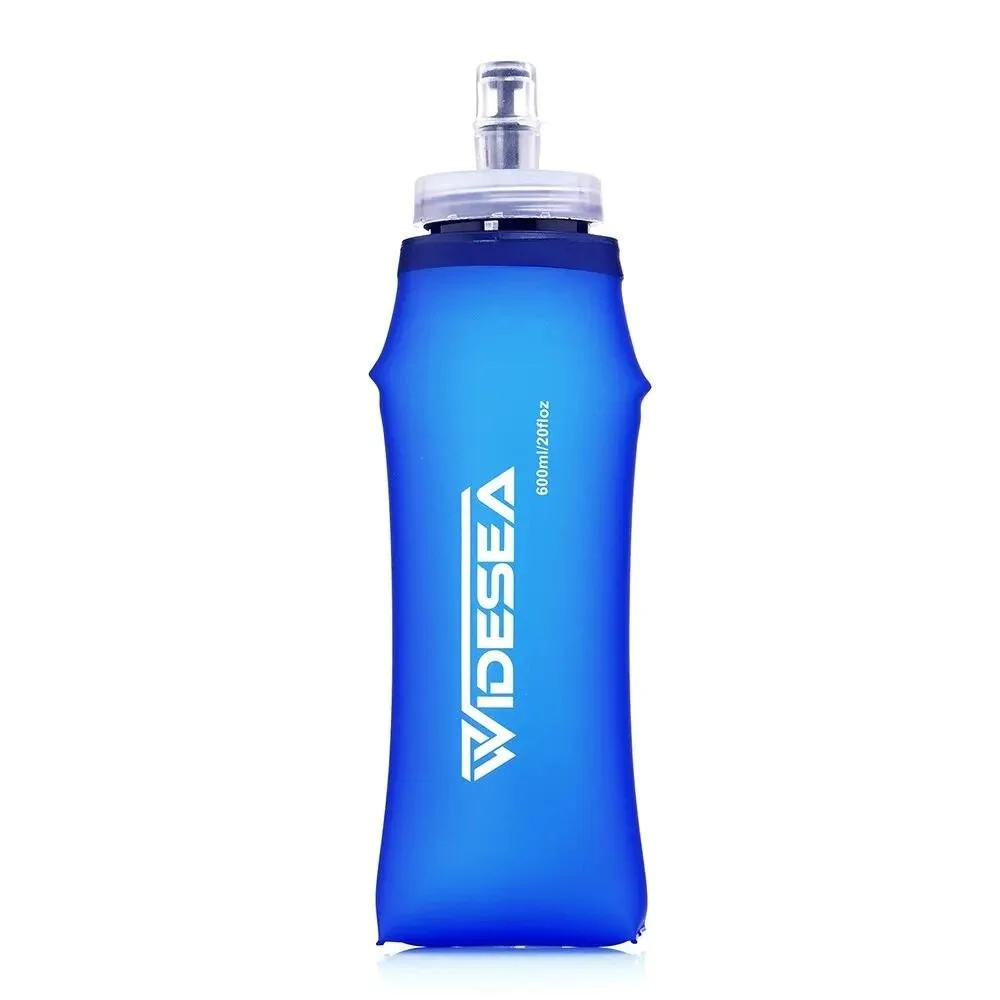
3. The Pocket-Fit Fix: 600ml Soft Collapsible Water Bottle – BPA-Free Hydration for Running & Hiking — $18.49
The problem it solves: The water bottle that doesn't fit — the rigid bottle that can't squeeze into the bag's side pocket, that rattles, that weighs empty. A collapsible bottle shrinks to nothing when empty, fitting any pocket and lightening the carry. [600ml Soft Collapsible Water Bottle – BPA-Free Hydration for Running and Hiking](/products/600ml-soft-collapsible-water-bottle-bpa-free-hydration-for-running-and-hiking-p-011670) ($18.49) — a 600ml soft collapsible water bottle, BPA-free, designed for running and hiking. The collapsible design is the feature: it rolls or folds flat when empty, fits tight pockets, and weighs almost nothing. What you're getting: Hydration that doesn't demand bag space. Empty, it collapses to a flat disk that slides into any pocket; full, it holds 600ml of water. For the runner or hiker, it's the bottle that's actually carried — because it fits, because it's light, because it doesn't rattle. BPA-free construction for the daily-use peace of mind. Who it's for: Runners who carry water in a pocket or waist pack, hikers who want a spare bottle that packs to nothing, and minimalists who hate the rigid-bottle bulk. Honest limits: Soft bottles are less durable than rigid ones — no tossing into a packed bag unprotected (the cap and body are the weak points). They can't hold carbonated drinks (pressure). And 600ml is modest — long hikes need a bigger primary bottle (the hydration pack below is the upgrade).
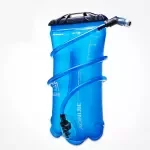
4. The Trail Fix: Soft Reservoir Hydration Pack - 1.5L, 2L, 3L Water Bladder for Running, Hiking — $35.80
The problem it solves: The hike where stopping to dig the bottle out of the pack breaks the rhythm. A hydration bladder carries water on your back with a hose — hands-free drinking mid-stride, no stopping, no unpacking. [Soft Reservoir Hydration Pack - 1.5L, 2L, 3L Water Bladder for Running, Hiking](/products/soft-reservoir-hydration-pack-1-5l-2l-3l-water-bladder-for-running-p-012267) ($35.80) — a soft reservoir hydration bladder available in 1.5L, 2L, and 3L capacities for running and hiking. The bladder format is the feature: water on your back, hose at your mouth, hands free. What you're getting: Continuous hydration without breaking stride. The bladder holds a serious water supply (choose the size), the hose delivers water hands-free, and the pack carries it comfortably on the back. For the trail, it's the difference between sipping as you walk and stopping to dig. Who it's for: Trail runners and hikers who cover distance without stopping, cyclists who want hands-free hydration, and anyone who hates the bottle-in-the-pack dig. Honest limits: Bladders need regular cleaning and drying (mold is the enemy — follow the care instructions). The hose and bite valve are components that can fail or need replacement. And it's hydration gear, not a full daypack — the pack carries water, not a full camp kit.
5. The Run/Walk Fix: Dog Walking Waist Bag for Treats & Poop Bags — $39.49
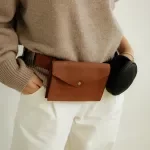
The problem it solves: The dog-walk scramble — leash in one hand, phone in the other, treats in a pocket, poop bags somewhere, keys nowhere. A waist bag puts everything at your waist: hands free, everything in reach. [Dog Walking Waist Bag for Treats & Poop Bags](/products/dog-walking-waist-bag-for-treats-and-poop-bags-p-019892) ($39.49) — a waist bag designed for dog walking, with compartments for treats and poop bags plus room for phone and keys. The waist format is the feature: hands free, gear organized, everything accessible one-handed. What you're getting: The dog-walk system on your waist. Treats in their compartment (reachable mid-walk), poop bags where they're supposed to be, phone and keys secured. Hands free means better leash control and easier cleanup. It's the small upgrade that makes every walk smoother. Who it's for: Dog owners who walk daily (especially with reactive or puller dogs that need both hands), runners who want a gear belt, and anyone tired of the pocket-stuffing walk routine. Honest limits: A waist bag carries the essentials, not the whole day — phone, keys, treats, bags. It's a waist accessory; the fit should be snug but comfortable (check sizing). And it's purpose-built for dog walks — the fishing version below serves water sports better.
6. The Water-Sports Fix: Waterproof Fishing Waist Bag — $47.80
The problem it solves: The water-side gear problem — the phone, keys, and tackle that need to survive splashes, spray, and rain. A waterproof waist bag keeps the essentials dry and at your waist, hands free for fishing, paddling, and water sports. [Waterproof Fishing Waist Bag](/products/waterproof-fishing-waist-bag-p-020464) ($47.80) — a waterproof waist bag designed for fishing and water-adjacent activities. The waterproof construction is the feature: phone, keys, and gear stay dry through splashes and rain. What you're getting: A waist-level dry box for the water-side essentials. The waterproof build protects the phone and keys that would otherwise be at risk on the bank, the kayak, or the dock. The waist format keeps hands free for the rod, the paddle, or the line. It's the gear bag for the activities where dry matters. Who it's for: Fishermen who wade or bank-fish, kayakers and paddlers who need a dry spot for essentials, and anyone who's ever lost a phone to a splash. Honest limits: Waterproof bags work when sealed correctly — the roll-top or zipper closure must be done right every time. It's a waist bag for essentials, not a tackle box for the full kit. And waterproof construction adds weight and cost — worth it only if you're actually near water.
The Bag Comparison
| Pick | Price | Compartment problem it solves | Best for | Watch out for |
|---|---|---|---|---|
| Lightweight Travel Backpack | $45.49 | One bag for gym, hike, commute | Multi-sport people | Compromise each use |
| Dry & Wet Gym Duffle | $38.49 | Wet towel soaks clean clothes | Gym-goers, swimmers | Not a cooler |
| Collapsible Water Bottle | $18.49 | Bottle doesn't fit pockets | Runners, minimalists | Less durable |
| Hydration Bladder 1.5-3L | $35.80 | Stopping to dig for water | Trail runners, hikers | Needs cleaning |
| Dog-Walk Waist Bag | $39.49 | Hands full of leash, treats, phone | Daily dog walkers | Essentials only |
| Waterproof Fishing Waist Bag | $47.80 | Phone and keys near water | Fishermen, kayakers | Seal correctly |
Editor's Buying Notes: Compartments Beat Capacity
The bag failure that matters isn't running out of room — it's the wet towel soaking the clean shirt, the water bottle at the bottom under everything, the keys rattling in a cavernous pocket. Compartments are the feature that makes a bag a system instead of a sack. When you're choosing, count the pockets before you count the liters. For the gym-goer, the wet/dry duffle is the highest-value upgrade because it solves the single most common gym-bag complaint. The wet compartment holds the towel and sweaty clothes; the dry zone holds the clean change. That separation is worth more than an extra 20 liters of undivided space. For the multi-sport person, the one-bag decision is about honesty: a multi-use backpack compromises each use slightly, but it replaces the pile of half-used bags. If you gym, hike, and commute with the same gear, one organized backpack wins over three mediocre bags. If you're a serious specialist in one activity, buy the dedicated bag instead. Hydration is the runner's and hiker's category. The collapsible bottle is the pocket-fit solution — it shrinks to nothing when empty, which means it's actually carried. The hydration bladder is the trail solution — hands-free drinking without stopping to dig. Choose by activity: short runs and walks favor the bottle, long trails favor the bladder. The waist bags are the on-body answer for the hands-full problem. The dog-walk version puts treats, bags, phone, and keys at your waist with both hands free for leash control. The waterproof version protects the phone and keys near water. Both end the pocket-stuffing routine that every walker and angler knows. The buying mistake is choosing by brand or capacity instead of by the compartment layout you actually need. A 40-liter sack with one pocket is worse than a 20-liter bag with the right dividers. Before buying, list the gear that currently lives loose in your bag — each item should have a pocket in the new one. A lean setup (duffle + collapsible bottle) runs about $57 and covers the gym-goer's core needs. The full multi-sport system at $205 adds the backpack, the trail hydration, and the on-body waist bags — for the person who trains, hikes, and travels with the same kit.
Common Bag-Buying Mistakes to Avoid
The first mistake is choosing by capacity instead of compartment layout. A 40-liter sack with one pocket is worse than a 20-liter bag with the right dividers. Before buying, list the gear that currently lives loose in your bag — each item should have a pocket in the new one. The second mistake is buying a multi-use bag and expecting specialist performance. The one-bag philosophy wins by replacing the pile of half-used bags, but it compromises each use slightly. If you're a serious specialist in one activity, buy the dedicated bag instead; if you're a generalist, the one-bag is the honest answer. The third mistake is ignoring the wet/dry problem. The gym-bag tragedy — wet towel soaking the clean shirt — is the most common bag failure, and it's solved by a wet compartment. If you gym or swim, the wet/dry duffle is the upgrade, not a luxury. The fourth mistake is buying hydration gear that doesn't match the activity. The collapsible bottle suits short runs and walks (pocket-fit); the bladder suits long trails (hands-free). Buying the bladder for short runs adds cleaning duty without benefit; buying the bottle for long hikes means stopping to dig. The fifth mistake is buying a bag for the imagined routine instead of the actual one. The waist bags are brilliant for daily dog walkers and anglers — and dead weight for everyone else. Match the bag to the activity you actually do most.
The Compartment Map Before You Buy
Before choosing a sports bag, make a compartment map. Write down the items that cause the current mess: wet towel, clean shirt, shoes, water bottle, keys, phone, wallet, headphones, snacks, leash, treats, sunscreen, small tools, or fishing gear. Then assign each item a home. If the new bag cannot give the problem items a specific place, it will become the same messy bag in a new color. The first category is wet or dirty gear. Gym clothes, towels, swimsuits, muddy socks, and damp shoes should not share space with clean clothes or electronics. This is where the dry/wet duffle is the strongest pick. Even if the total capacity is not huge, the separation changes the whole experience because the clean side stays usable after the workout. The second category is hydration. If water is carried in a rigid bottle, the bag needs a pocket that holds it upright. If the activity is running or hiking, the collapsible bottle or hydration bladder may be better than forcing a bottle into a general pocket. Hydration gear should be reachable without unpacking the bag. The third category is valuables. Phone, keys, wallet, and earbuds need a secure zip pocket or waist-level carry. This is where waist bags make sense. A good waist bag is not about carrying more; it is about keeping essentials reachable without opening a backpack, digging through a duffle, or stuffing everything into shorts pockets. The fourth category is small activity gear. Dog treats and bags need different access than fishing tools or trail snacks. A pocket that works for one sport can be wrong for another. The smart choice is the layout that matches your repeated motion: grab treat, sip water, find keys, change clothes, check phone, or reach for tackle. When the map is clear, the right bag usually becomes obvious. Capacity decides how much fits. Compartments decide whether the bag stays usable.
How to Pack Each Bag Type
Pack the backpack vertically. Heavier items go close to the back, items needed during the day go near the top or outside pockets, and valuables go in a smaller zip section. A backpack becomes annoying when the most-used item drops to the bottom, so do not let the main compartment become a loose bin. Pack the dry/wet duffle by sequence. Clean clothes and post-workout items go in the dry zone before the workout. Wet towel, swimsuit, and sweaty clothes go into the wet compartment afterward. Keep toiletries upright in a smaller pouch if the bag does not include a leakproof section. The wet/dry divider works only if the owner respects the boundary. Pack the collapsible bottle empty when space matters and full when water access is uncertain. After use, empty it, rinse it, and let it dry. A soft bottle earns its place by disappearing when empty, but it should not be crushed under sharp gear that can damage the cap or body. Pack the hydration bladder with cleaning in mind. Fill it before the trail, check the cap seal, route the hose where it will not kink, and empty it immediately after the trip. The bladder is convenient while moving, but it asks for more care than a simple bottle. Do not store it wet and sealed. Pack the dog-walking waist bag the same way every time: treats in the treat pocket, bags in the dispenser area, phone and keys in the secure section. Repetition matters because dog walks often need one-handed access. If you have to look down and search during every walk, the bag layout is not working. Pack the waterproof waist bag lightly. Waterproofing depends on correct closure, and overstuffing can make seals harder to close. Keep the phone, keys, license, and small essentials inside; leave bulky gear in a larger dry bag or tackle box. For water sports, a careful seal is more important than squeezing in one more item.
A Two-Bag System for Most Athletes
Most active people do not need all six items. They need one main carry and one small support carry. For the gym, that could mean the dry/wet duffle plus collapsible bottle. For hiking, it could mean the backpack plus hydration bladder. For dog walks or short runs, it could mean the waist bag plus collapsible bottle. The two-bag system keeps the routine simple. One bag carries the session gear. One smaller item handles hydration or essentials. Anything beyond that should solve a specific repeated problem, not simply add storage.
FAQ
Q: What's the most useful first purchase for a gym-goer? A: The dry/wet duffle ($38.49). The wet compartment solves the single most common gym-bag complaint — sweaty gear soaking clean clothes. Q: Do I need both a backpack and a duffle? A: Not necessarily — the travel backpack (pick #1) covers the gym, the hike, and the commute in one bag. Add the duffle only if you specifically need the wet/dry separation. Q: How do I clean a hydration bladder? A: Rinse after each use, dry thoroughly with the opening propped open, and clean periodically with a bladder-cleaning kit or mild solution. Mold prevention is the whole game — never store it wet and sealed. Q: Can the waist bags work for both dog walks and running? A: Yes — both waist bags carry phone, keys, and small gear hands-free. The dog-walk version (pick #5) has treat compartments; the fishing version (pick #6) is waterproof. Choose by your primary activity. Q: What's the total cost of a complete sports-bag setup from this list? A: About $205 for all six. A lean gym setup (duffle + collapsible bottle) is about $57; a full multi-sport setup covering bag, hydration, and on-body carry is the full set. Q: Which pick is the best gift for an athlete? A: The dry/wet duffle ($38.49) for the gym-goer, or the hydration pack ($35.80) for the runner/hiker. Both solve a real, daily problem — the kind of gift that gets used and appreciated. Q: How do I choose between the backpack and the duffle? A: Choose by carry style. The backpack is better for walking and transit; the duffle is better for car trips and gym changes. The wet/dry duffle wins for changing clothes, while the backpack wins for mixed daily carry. Q: Do waist bags fit all body types? A: Most use adjustable straps, but sizing still matters. Check the listed waist range and adjust for a snug, comfortable fit.
Browse Sport Outdoors products