Article
Budget Audio Gadgets Worth Comparing (6 Picks Under $90, 2026)
Quick Answer
Budget Audio Gadgets Worth Comparing (6 Picks Under $90, 2026): quick answer
The best budget audio gadget depends on the listening problem: choose a USB-C audio adapter if you still use wired headphones, open-ear headphones if...
- Topic: Gadgets.
- Related product category: gadgets.
- This article keeps the main answer in the article copy and places relevant product context inside the guide.
Editorial note: Product references, prices, and listed features were checked in the PickByU catalog on 2026-08-09. This article compares listed specifications and the job each gadget is built to do — it is not a hands-on test report. Treat playtime, codec, and noise-canceling figures as manufacturer claims until you verify them in the listing.
Quick Answer: What Budget Audio Gadget Is Worth Buying?
The best budget audio gadget depends on the listening problem: choose a USB-C audio adapter if you still use wired headphones, open-ear headphones if you need awareness outdoors, LDAC earbuds if your phone supports high-resolution Bluetooth, and true ANC earbuds if commute noise is the main issue. Do not pay extra for "noise canceling" until you know whether the listing means call-only ENC or real active noise canceling for your ears.
Why Budget Audio Fails (and What to Compare Instead)
The budget audio market is a flood. You can spend $16 on an adapter that rescues a wired headphone collection or $82 on earbuds that claim 43 dB of noise canceling, and both are genuinely useful. The problem is that most of the stuff in between fails for predictable, spec-level reasons that no amount of enthusiastic review copy can fix.
The first failure is the driver. Cheap speakers and earbuds use small, low-quality drivers that distort past about 70 percent volume, and their "bass" is usually a tuned hump that masks the midrange rather than real low-frequency extension. The second failure is the codec. Bluetooth audio compresses music to send it wirelessly, and the default codec, SBC, is the weakest link in most budget earbuds — music arrives flat and veiled even when the drivers are decent. Better codecs like AAC and LDAC preserve more detail, but only work if your phone supports them, the single most misunderstood spec in budget audio. The third failure is the battery. A "25-hour" claim almost always includes the charging case — the earbuds themselves hold five or six hours.
Then there is noise canceling, where marketing runs furthest ahead of the hardware. True ANC needs microphones, processing, and a sealed fit; at $40, most "ANC" is actually ENC — echo and noise reduction for phone calls, which does nothing for the music in your ears.
So what should you actually compare? Bluetooth version (5.3 and 5.4 are current; older versions drain faster and drop connections), codec support (does your phone do LDAC or AAC?), driver size, real per-charge battery life, water resistance (IPX7 means submersible; IPX4 means splash-proof), and whether "noise canceling" cancels noise for your ears or for the person on the other end of your call. Match those specs to the job — commuting, running, showering, or reviving wired headphones — and a $30 gadget that fits its job beats a $90 one doing the wrong job well. That is exactly what the six picks below are built around.
The Top 6
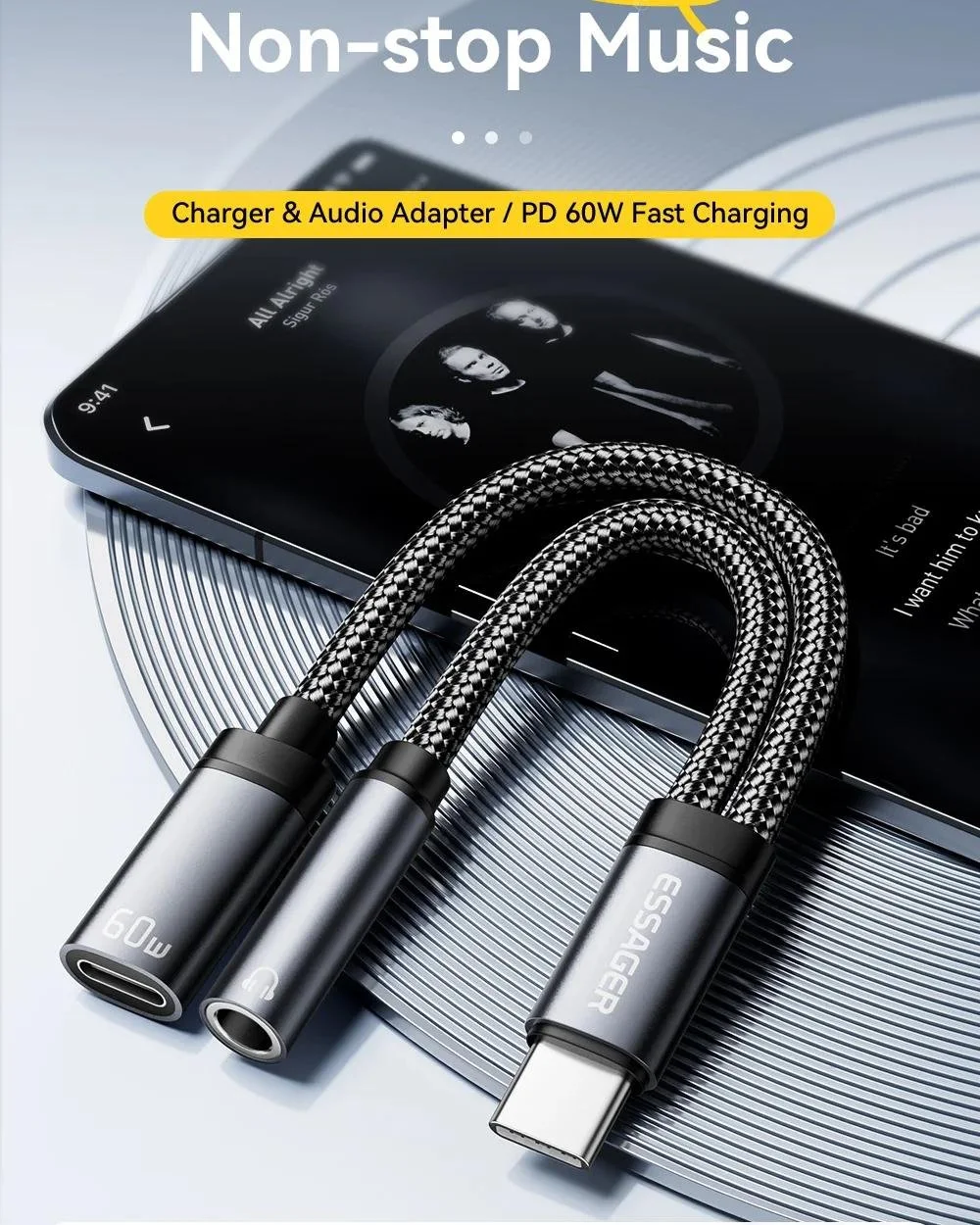
1. 2-in-1 USB-C to 3.5mm Audio Adapter with 60W Fast Charging — $16.49
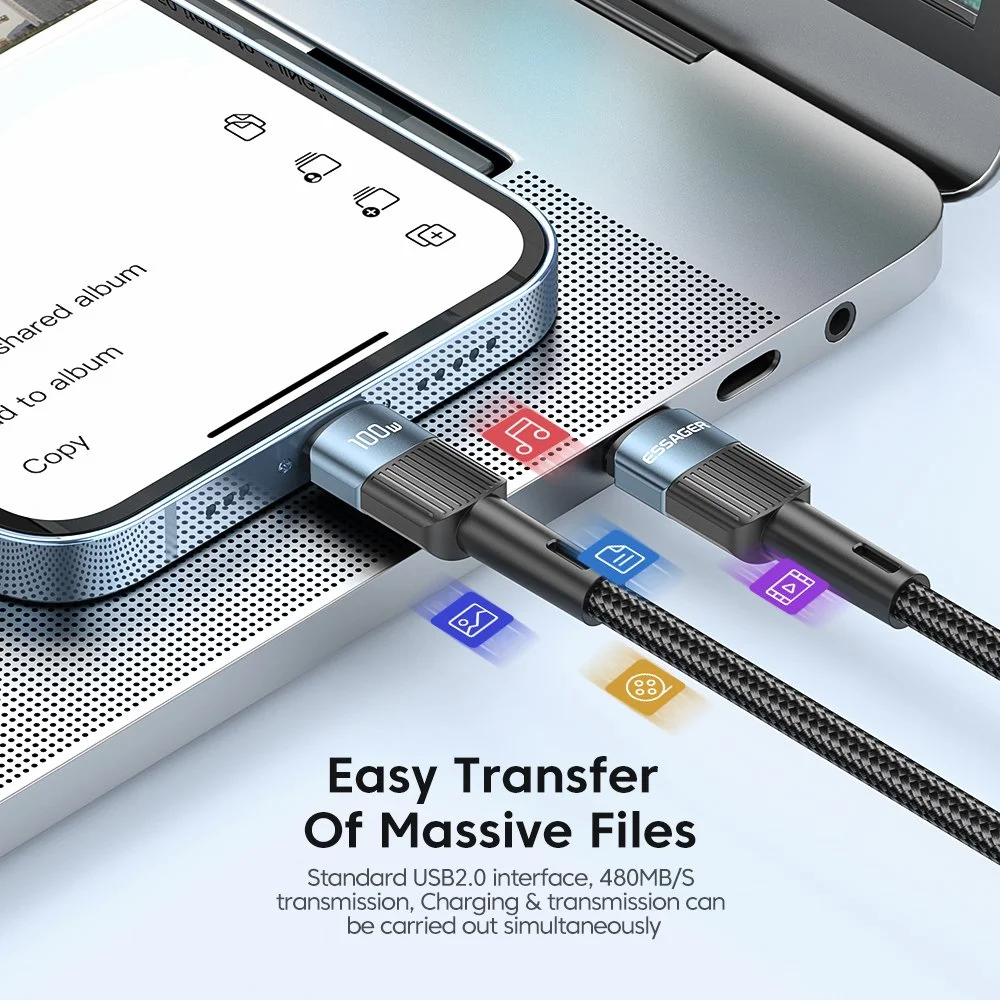
The audio job it does: It is the phone-jack rescue. If your phone dropped the 3.5 mm headphone jack — as most flagships did years ago — this adapter is the bridge between your wired headphones and a USB-C port, with a second function: it lets you charge the phone at the same time. Two-in-one audio-plus-charge adapters exist because the single-port problem is real. On a long flight, a hotel night, or an evening working from bed, being forced to choose between headphones and charging is a false choice, and this gadget removes it for about the price of a takeout coffee.
What you're getting: A USB-C dongle with two outputs: a 3.5 mm headphone jack and a USB-C power port rated for 60 W fast charging. The 60 W figure is pass-through — power flows to the phone while audio runs to the headphones — and it covers phones that support USB Power Delivery fast charging, which is most modern Android flagships (iPhones negotiate lower). Inside the dongle sits a small DAC and amplifier chip; at $16 it is a competent, clean basic DAC, not an audiophile one.
Where it fits: Planes and trains, hotel rooms, cars with aux inputs, and any desk where your wired headphones — especially studio-style ones — still sound better than your Bluetooth earbuds and refuse to die.
Who it's for: People who own wired headphones they still love, people whose phone has no headphone jack, and travelers who need to charge and listen at the same time. It is not for anyone fully happy with their Bluetooth earbuds — the adapter solves a problem you do not have.
Honest limits: A $16 DAC is a $16 DAC. With the same headphones it will usually sound cleaner than the Bluetooth path, but it will not transform mediocre headphones into hi-fi. Pass-through charging while listening can introduce a faint electrical buzz with some phones and chargers, 60 W is only as good as the charger and cable you plug into it, and the 3.5 mm jack itself charges nothing. Buy it for the convenience and the battery rescue, not for an audible upgrade.
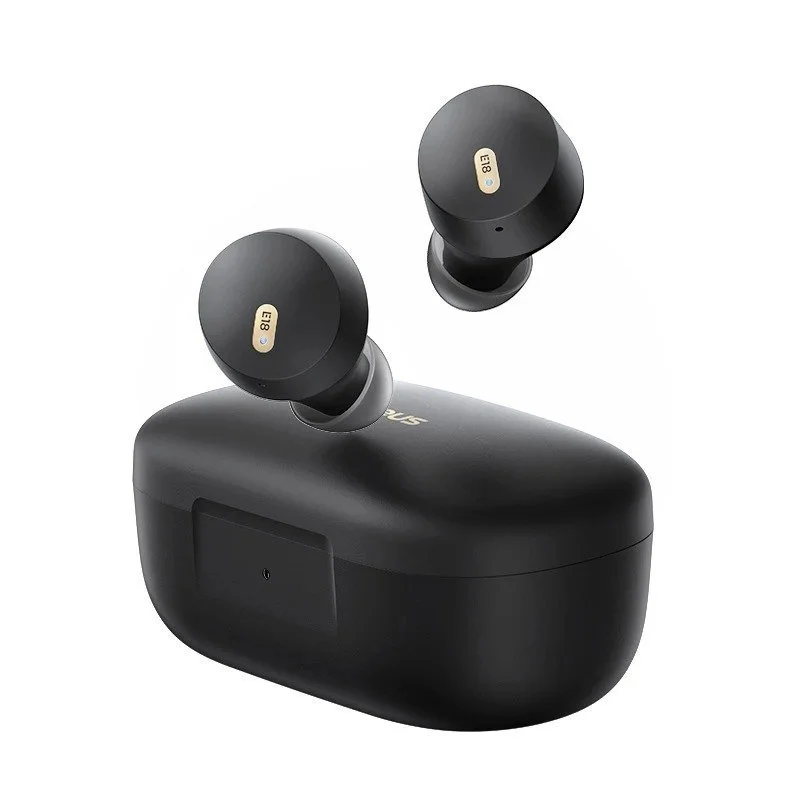
2. True Wireless Earbuds with AI ENC, Bluetooth 5.3 & 25H Battery Life — $36.49
The audio job it does: These are the everyday earbuds — music on the commute, podcasts at the desk, and phone calls in places that are too loud for a normal call. Their headline feature, AI ENC, targets exactly that last job: environmental noise cancellation for your voice. When you talk on a busy street or in a café, the microphones isolate your speech and suppress the background rumble so the person on the other end hears you instead of the traffic. That is a call-quality feature, and at this price it is the honest version of what cheap earbuds call "noise canceling."
What you're getting: True wireless earbuds with Bluetooth 5.3, the current-generation standard that brings efficient power use and stable connections; AI ENC microphone processing for calls; and a combined 25-hour battery life that spans the earbuds plus the charging case. Bluetooth 5.3 on both sides also means quicker pairing with recent phones and better behavior in crowded wireless environments like gyms and transit stations.
Where it fits: The daily carry. These are the pair you grab for the commute, drop in a pocket for errands, and use for the weekly call that used to end with "sorry, you're breaking up."
Who it's for: Call-heavy commuters and students who need dependable buds for under $40 and do not need active noise canceling. It is not for quiet-seekers — if your commute is a roaring subway and you want silence, you need actual ANC, which these do not have.
Honest limits: AI ENC is not ANC. It cleans up your voice for the caller; it does not reduce the noise you hear, so music still competes with the train. The 25-hour figure includes the case — per charge, expect a fraction of that (budget earbuds in this class typically run five to seven hours per charge). The title does not claim a high-end codec, so assume standard AAC/SBC, and it does not claim a water-resistance rating — keep them out of heavy rain. Battery capacity also degrades over a couple of years of daily charging, which is true of every earbud at any price.
3. Open-Ear Bluetooth Sport Headphones — $46.80
The audio job it does: These are the situational-awareness pick. Open-ear headphones rest on or just in front of your ears instead of sealing them, so your ear canals stay open and you can hear the world around you while music plays. For runners, cyclists, and anyone on a bike path or road shoulder, that is not a compromise — it is the feature. Hearing an approaching car, a cyclist's bell, or a shout from a teammate is worth more than perfect bass isolation, and it is the reason open-ear designs have become the default recommendation for outdoor training.
What you're getting: A Bluetooth sport headphone built for movement: an open-ear design that leaves your ears unblocked, a sport-oriented fit that stays put through a run, and Bluetooth wireless connection to your phone. Because the title does not state a Bluetooth version or battery figure, check the listing for the specifics — but the open-ear format itself does the heavy lifting here: no ear canal pressure, no sweat plugging your ears, and no need to remove a bud to hear a car.
Where it fits: Running, cycling, dog walks, gym sessions where you want to hear a coach, and any outdoor activity where closing off your ears feels unsafe.
Who it's for: Outdoor athletes and commuters who ride or run near traffic, plus people who find in-ear buds uncomfortable or who hate the "occluded" feeling of sealed earbuds. Not for the gym floor next to a speaker stack, not for flights, and not for anyone whose priority is thumping bass.
Honest limits: Open-ear physics cuts both ways. Sound leaks both ways — people near you can hear your music at higher volumes, and loud environments bleed in, so these are nearly useless on a noisy subway or airplane. Bass is inherently weaker than sealed earbuds because there is no seal to pressurize the ear canal. Fit is personal: if you wear glasses or a helmet, check that the ear hooks sit comfortably together, and if your ears are small, an open-ear design can feel loose. Read the listing's battery and Bluetooth-version claims before buying, since neither is in the title.
4. Hi-Res Wireless Earbuds with LDAC, Spatial Audio & Low-Latency Bluetooth — $55.49
The audio job it does: This is the sound-quality pick of the list. Where most budget earbuds compress music with the default SBC codec, LDAC is Sony's high-resolution Bluetooth codec that streams up to about 990 kbps — roughly three times the data rate of standard Bluetooth audio — which preserves noticeably more detail and dynamic range with music that was recorded well. If you listen to lossless or hi-res files on a compatible phone, this is the difference between hearing music and hearing a compressed outline of it.
What you're getting: Hi-res wireless earbuds with three headline features: LDAC for high-resolution wireless streaming, spatial audio processing that widens and places the soundstage, and a low-latency Bluetooth mode that keeps audio in sync with video and games. The low-latency mode matters for gaming and for watching videos where lip-sync drift is the annoying failure of ordinary Bluetooth audio.
Where it fits: Quiet listening — a desk, a bed, a long train ride with nothing to drown out — where the detail in the music is the point. Also for Android gamers and video watchers who care about sync.
Who it's for: Android users who listen to high-quality files and notice the difference between a flat and a detailed mix. Not for iPhone users chasing LDAC — iPhones do not support it and top out at AAC — and not for people who listen to podcasts and YouTube in noisy places, where codec quality is invisible.

Honest limits: LDAC is a two-sided spec: it only runs at full quality if the phone supports it (most Android 8.0+ devices do; iPhones do not) and if both ends negotiate it, and running at the highest bitrate drains the battery noticeably faster. Spatial audio at this price is a virtual processing effect — a widened, slightly ambient presentation — not the head-tracked surround of premium buds, and some listeners find it gimmicky and turn it off. Low-latency mode often trades a little audio quality for sync. Buy for the LDAC and the latency, treat the spatial audio as a free experiment.
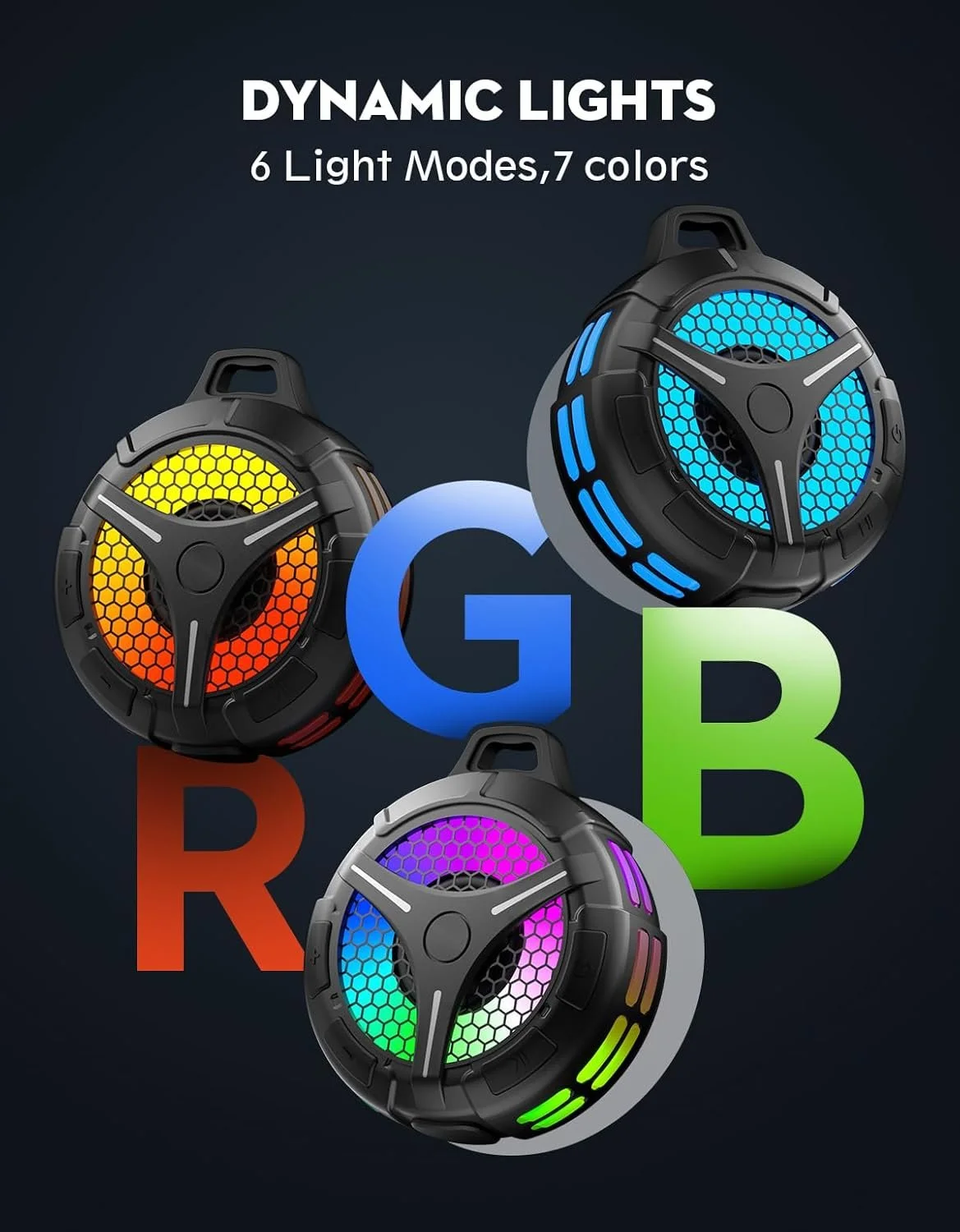
5. IPX7 Waterproof Bluetooth Shower Speaker with RGB Lights & Deep Bass — $66.65
The audio job it does: This is the bathroom and poolside pick — a Bluetooth speaker built for wet environments. IPX7 is a meaningful water-resistance rating: it means the speaker can be immersed in water up to one meter for 30 minutes, which covers shower splashes, steam, a dropped-in-sink accident, and poolside humidity without a second thought. Where a phone speaker dies or a normal Bluetooth speaker mutes in steam, this one is built for the environment.
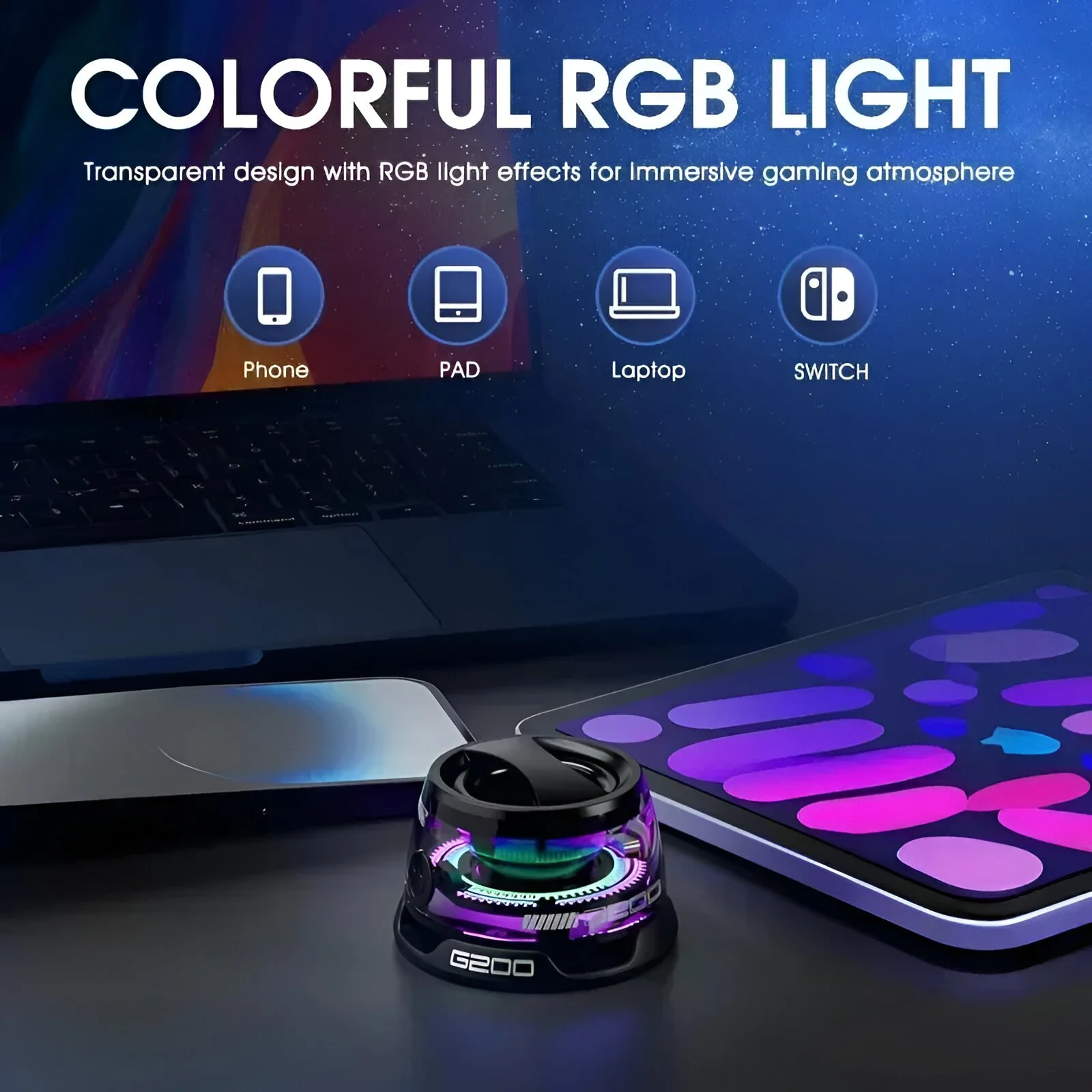
What you're getting: A waterproof Bluetooth speaker rated IPX7, with two attention-grabbing extras in the title: RGB lights for a bit of bath-time atmosphere, and a "deep bass" tuning claim. As a shower speaker it is a single-purpose device done properly — music that keeps playing while the water runs, with a suction or ledge-friendly size for tiling and a battery meant for daily short sessions rather than weekend-long parties.
Where it fits: Showers, bathrooms, kitchen sinks, pool decks, and anywhere water and music meet. It also travels well for camping wash stations and boat trips, where humidity is constant.
Who it's for: People who shower with music or podcasts daily, renters or campers who want a speaker that survives wet environments, and gift-givers looking for a gadget that is obviously useful. Not for audiophiles — a shower is a terrible listening room, and the speaker knows it.
Honest limits: IPX7 covers water immersion, not everything wet life throws at a speaker: soap scum and shampoo residue build up on the grille over months of shower use, so rinse it occasionally. "Deep bass" in a speaker this size is physics-limited — expect a boosted mid-bass that sounds full in a small bathroom, not the low end of a floor-standing speaker. RGB lights are pure novelty for many buyers; if the lights do nothing for you, you are paying for them. Bluetooth range through a bathroom wall can stutter if the phone sits in the next room, so keep the phone nearby.
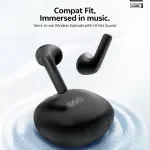
6. Wireless ANC Earbuds with Bluetooth 5.4, 43dB Noise Canceling & 35H Playtime — $82.99
The audio job it does: This is the quiet-commute pick — the most capable earbuds on this list, built around active noise canceling. True ANC samples the sound around you with microphones and generates an inverted wave to cancel it, which is the only way to get silence on a subway, a bus, or an open-plan office. At this price the ANC is the headline, and it is real ANC — not the call-only ENC of cheaper buds — targeting the steady roar of engines, HVAC, and office chatter that makes budget listening exhausting.
What you're getting: Wireless ANC earbuds with three current-generation specs: Bluetooth 5.4, the latest standard (backward compatible, with the groundwork for next-gen LE Audio features); a 43 dB noise-canceling rating, which in manufacturer terms places it in the serious-ANC class; and 35 hours of combined playtime with the charging case. For daily commuters that is roughly a full work week of train rides between case charges.
Where it fits: The commute, the open office, the flight, and anyplace where background roar is the enemy of listening. This is the pair that makes a noisy morning quiet.
Who it's for: Commuters and office workers who hear the difference between muffled music and silence, and who want the most feature-complete earbuds the catalog offers under $90. Not for the sound-quality purist — at this price, ANC budget is spent at the expense of the codec and driver refinement that the LDAC pick above prioritizes.
Honest limits: 43 dB is a lab number measured under specific test conditions, not a guarantee of silence — at this price expect ANC that dulls engine and office noise well but does not vanish it the way $200 flagship buds do. The 35-hour figure includes the case, as always; per charge is a fraction of that. Bluetooth 5.4's newest audio features only activate when the phone also has 5.4 — with an older phone it simply works as a stable 5.3-class connection, which is fine. And heavy ANC use drains the battery faster than the headline number suggests, so budget real-world playtime accordingly.
Choose by Device and Use Case
The fastest filter is your phone and your environment. iPhone users should not pay specifically for LDAC, because iOS uses AAC; they get more value from fit, battery, and ANC. Android users with LDAC support can treat the $55.49 hi-res earbuds as the sound-quality lane. Runners and cyclists should prioritize open-ear awareness over isolation. Subway commuters and office workers should pay for ANC only if the noise is steady and repetitive; for calls, AI ENC is enough.
What to Compare Before You Buy
The six picks are ordered by price, but price is the least useful axis for choosing. The table lines up each gadget against the specs that decide whether it fits your listening life — the job, the headline spec, and the honest watch-out.
| Product | Price | The Job It Does | Headline Spec (as listed) | Best For | Watch Out |
|---|---|---|---|---|---|
| 2-in-1 USB-C to 3.5mm Audio Adapter | $16.49 | Wired audio + simultaneous charging | USB-C, 3.5 mm jack, 60 W pass-through | Jack-less phone owners, travelers | Basic DAC; occasional charge buzz |
| True Wireless Earbuds (AI ENC) | $36.49 | Everyday music + clear calls | BT 5.3, 25 H with case, AI ENC | Call-heavy commuters | ENC is for calls, not your ears; 25 H includes case |
| Open-Ear Sport Headphones | $46.80 | Running/cycling with full awareness | Open-ear, Bluetooth | Runners, cyclists, dog walkers | Sound leaks; weak bass; loud places kill them |
| Hi-Res Wireless Earbuds (LDAC) | $55.49 | Highest sound quality on the list | LDAC, spatial audio, low latency | Android hi-res listeners, gamers | LDAC needs a supported phone; not for iPhones |
| IPX7 Waterproof Shower Speaker | $66.65 | Shower/pool audio that survives water | IPX7, RGB lights, deep bass | Showers, bathrooms, poolside | "Deep bass" is small-speaker relative; rinse the grille |
| Wireless ANC Earbuds | $82.99 | Quiet on noisy commutes | BT 5.4, 43 dB ANC, 35 H with case | Subway/bus commuters, offices | 43 dB is lab-measured; 35 H includes case |
The one-line version: need to hear the world? Go open-ear. Need to silence it? Go ANC. Most music detail on a budget Android? Go LDAC. Water is the environment? Go IPX7. Just calls and podcasts? The $36 earbuds. Still love wired headphones? The $16 adapter is the cheapest fix on this list.
FAQ: Budget Audio Gadgets, Answered
Q1: Does the Bluetooth version actually matter?
Yes, but less than the marketing suggests. Bluetooth 5.3 and 5.4 are the current versions: 5.3 brought better power efficiency and more stable connections in crowded places, and 5.4 adds groundwork for LE Audio. The audible difference between 5.2, 5.3, and 5.4 is small — what you notice is battery drain and dropped connections on much older versions (4.x). The bigger levers are codec and fit: a well-sealed $30 earbud beats a loose $150 one every time.
Q2: Is active noise canceling worth paying for at this price?
Only if your listening happens in noise. ANC is the difference between music you hear and music you feel over a train or office hum — genuinely worth paying for on a loud commute. At budget prices, expect noise that is dulled, not silence. And read the spec: call-focused "ENC" reduces background noise for the person you are talking to and does nothing for your ears, while true ANC like the 43 dB claim on the $82.99 pick cancels ambient sound for you. If you listen mostly at home, spend the ANC money on better drivers instead.
Q3: Should I buy earbuds or headphones on a budget?
Match the form to the environment. Earbuds win on portability, sweat tolerance, and pocket carry — the right call for commuting, workouts, and planes. Over-ear headphones win on soundstage, bass, and long-session comfort, but good ones rarely fit a $90 budget and they are bulky in a bag. The budget logic is simple: if audio is an all-day companion, earbuds; if audio is a sit-down ritual at a desk, save for headphones — and meanwhile, the $16 adapter keeps any wired headphones you already own relevant.
Q4: Why is real-world battery life shorter than the claimed playtime?
Because the headline number includes the charging case, counted as if you will use every drop. A "35-hour" earbud typically holds six to eight hours per charge, with the case providing the rest across recharges — and real time is lower still with ANC on, volume up, or LDAC at full bitrate. Rule of thumb: divide the headline by four to five for a realistic per-charge figure, and treat "hours" as "with case" unless the listing says otherwise. A shower speaker or adapter barely has this problem — it is stationary or plugged in.
Q5: What are codecs, and do I need LDAC?
Codecs are the compression formats Bluetooth uses to send audio, and they decide how much of the recording survives the trip. SBC is the universal baseline and sounds flattest; AAC is better and is what iPhones use; LDAC streams up to roughly 990 kbps and preserves the most detail, but only if both the earbuds and the phone support it. That catch is why the $55.49 LDAC pick suits Android users with decent music files — iPhones cap at AAC. Podcasts and YouTube sound identical on every codec; lossless music on a supported phone is where LDAC earns its price.
Q6: Are IPX7 shower speakers actually safe to use in the shower?
Yes, with the right reading of the rating. IPX7 means the speaker survives immersion in up to one meter of water for 30 minutes — comfortably covering shower splashes, steam, and the occasional drop. What it does not cover is everything else wet life throws at it: soap scum builds up on the grille and muffles sound over months, so rinse it with clean water occasionally, and keep the charging port dry before plugging in. An IPX7 speaker is a safe shower companion, not an invincible one.
Sources
- BGR, "5 Cheap Audiophile Gadgets That Can Level Up Your Music" — budget hi-fi upgrade roundup (FiiO, Moondrop, Fosi, Dayton Audio)
- r/BudgetAudiophile — community discussion on extracting the most value from budget audio gear
- futureaudiophile.com, "The Best Value Audiophile Gear of 2025" — value-component reference across amps, speakers, and streamers
- YouTube audio roundups: "9 mind-blowing budget hi-fi BARGAINS" and "Best Audio Gadgets WORTH Buying" — category context on what reviewers still recommend at low prices
- Bluetooth SIG, Bluetooth 5.3 / 5.4 specification summaries — version features, efficiency, and LE Audio groundwork
- Sony, LDAC technical overview — codec bitrates and device compatibility requirements
- IEC 60529 (IP code) — definition of IPX7 water-resistance ratings
— Maya Porter, Editor-in-Chief, PickByU