Article
How to Set Up a Small Apartment Entryway
A small entryway does not need to look like a showroom. It needs a predictable landing place for the things that cross the threshold with you every day. When keys, bags, shoes, mail, and outerwear have no assigned destination, the nearest horizontal surface becomes the default.
The useful approach is to design around your arrival routine, not around a single attractive organizer. Watch what happens in the first two minutes after you come home, then give those objects a simple path from the door to storage.
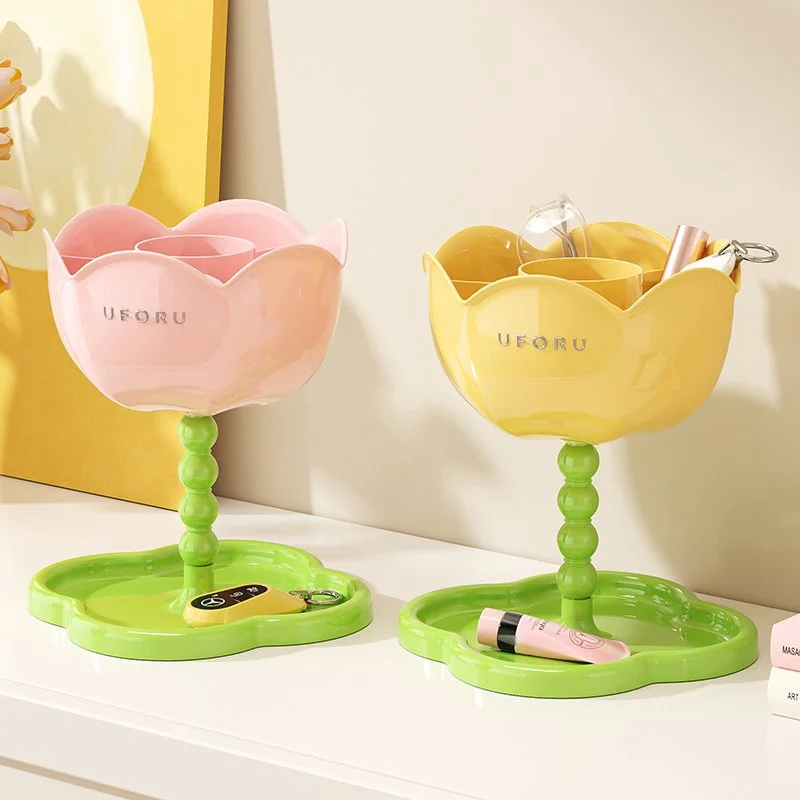
Minimalist Double-Layer Entryway Key Organizer with Floral Decor
Keep your entryway neat with this Minimalist Double-Layer Key Organizer featuring floral decor. Product Highlights: Double-layer design with hooks and shelf; eco-friendly ABS plast...
BUY NOWStart with the arrival routine
Empty your pockets, set down your bag, take off your shoes, and notice where each item naturally lands. That sequence tells you whether you need a hook, tray, shoe solution, or small catch-all. Do not buy four organizers before identifying the two actions that create the most mess.
Keep the walking path more important than storage
In a compact entry, a deep bench or oversized cabinet can solve one problem while creating another. Prioritize a clear route through the doorway and leave enough room for doors, drawers, and people carrying bags. Wall space, narrow vertical pieces, and shallow containers usually work harder than bulky floor storage.
Give each category one visible home
Daily carry items benefit from open, immediate storage because they are picked up again soon. Put keys in one tray, hang bags and outerwear together, and contain shoes rather than letting them spread into the hall. The setup should make it obvious where an item belongs without opening multiple doors or boxes.
Choose organizers that match the amount you own
A tiny key hook will not solve a household with several bags, dog leashes, umbrellas, and backpacks. Count the objects that need a place, then choose enough hooks, compartments, or bins to hold that real load. Extra capacity is useful only when it supports a known routine, not when it becomes an excuse to keep random clutter.
Build a five-minute reset into the week
Even a well-designed entryway collects receipts, deliveries, and items that belong elsewhere. Once a week, return stray things to their proper rooms and clear the landing zones. This small reset keeps the system useful without turning organization into a major project.
Before You Buy
- Measure the usable wall and floor area.
- Choose a home for keys and bags first.
- Keep the setup easy to clean.
- Avoid storing unrelated items by the door.
Frequently Asked Questions
- What should I organize first?
- Start with the things you use every time you leave: keys, bag, shoes, and outerwear.
- Should I use open or closed storage?
- Use open storage for daily grab-and-go items and closed storage for visual clutter or seasonal accessories.