Article
How to Pack for a Weekend Camping Trip
Weekend camping becomes complicated when gear is packed by where it happens to fit in the car. The better system follows the order you will use it: arrival, shelter, lighting, cooking, sleep, and the next morning. That reduces the usual first-night problem of unpacking half the vehicle to find one important item.
This approach suits a practical two-night trip. Adapt it for weather, campsite rules, the number of people in your group, and the activities you have genuinely planned rather than packing for every possible scenario.
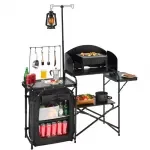
Folding Camping Kitchen Table with Storage, Windscreen & Aluminum Cook Station
Outdoor Cooking Made Easy â Wherever Adventure Takes You. Bring the convenience of a full kitchen to your campsite with this versatile folding camping kitchen table. Designed for...
BUY NOWConfirm the campsite before building a gear list
Check the reservation details, expected weather, vehicle access, water availability, fire rules, and any food-storage requirements. A campsite with a table and fire ring needs a different setup from a walk-in site with no services. These details should shape the list before you buy duplicate gear.
Pack by camp task, not by product type
Create separate groups for arrival, shelter, cooking, lighting, sleeping, and personal items. A labeled tote or bag for each task makes it easier to find what you need without spreading equipment across the site. It also makes repacking at the end of the trip much less chaotic.
Keep first-night gear accessible
The first items you need are usually shelter components, a light source, a small tool kit, and clothing for the current weather. Load these last so they come out first. Food, sleeping gear, and backups can stay packed until the shelter and basic camp area are ready.
Build a compact camp kitchen around your meal plan
Plan meals before choosing kitchen gear. A simple menu needs a smaller cooking kit and less storage than a full outdoor cooking setup. Keep utensils, fuel-related storage, cleanup supplies, and food containers together so that the camp kitchen can be set up and packed down as one unit.
Use lighting and storage as safety tools
Do not treat lighting as an afterthought. Keep one easy-to-reach light source for arrival and another for moving around camp after dark. Store loose items in a consistent place so essential gear is not left outside overnight or lost under chairs, bags, and bedding.
Before You Buy
- Keep first-night gear easy to reach.
- Bring lighting for the campsite and personal use.
- Pack food storage separately.
- Review weather and campsite rules.
Frequently Asked Questions
- What should be packed last?
- Pack the gear you need immediately on arrival last, so it is unloaded first.
- How do I avoid overpacking?
- Build around activities you have actually planned and take one backup only for likely conditions.