Featured Buying Guide
The 6 Best Water Bottles for Every Hydration Style (2026)
Quick Answer
Best Water Bottles 2026: quick answer
A SERP-first water bottle guide that compares collapsible, stainless steel, titanium, insulated, bike, and everyday bottles by hydration style, temperature needs, weight, and cleaning behavior.
- This SERP guide matches water bottles by hydration style before brand preference.
- The comparison covers collapsible, stainless steel, insulated, bike, and titanium bottles.
- 6 catalog-backed water bottle picks are placed inside the guide as examples.
Quick Answer
If you only read one section: buy the bottle that matches how you actually drink water, not the one with the best Instagram feed. The 2026 water-bottle market is dominated by lifestyle brands (Stanley, Owala, Yeti) selling $35-55 bottles on trend power -and the SERP reflects it: the top results are premium-first, with Wirecutter and OutdoorGearLab both clustering around $25-50 picks.
The actual decision table:
- You carry water while running or hiking 鈫?collapsible or ultralight bottle (18-37% lighter than rigid bottles).
- You drink at a desk or in the car 鈫?insulated bottle with a straw (keeps cold 12+ hours, one-hand sip).
- You commute by bike 鈫?a bottle that fits a bike cage and doesn’t leak.
- You want one bottle for everything 鈫?a middleweight stainless steel bottle that does desk + gym + car.
- You’re buying for the environment, not the brand 鈫?any reusable bottle beats disposable; brand doesn’t matter.
Now here’s why the “best water bottles” SERP is a trap, and how to shop it without overpaying.
Why This SERP Needs This Guide
I pulled the live Google SERP for “best water bottles” (US, 2026-08-06) and analyzed the top 10:
- AI Overview at the top (1 slot)
- Editorial reviews: 3 -Wirecutter, BottlePro (31 bottles compared), OutdoorGearLab
- Community: 1 -Reddit r/BuyItForLife
- E-commerce: 1 -Amazon Best Sellers
- Video: 1 -America’s Test Kitchen
- Lifestyle: 1 -Between Carpools (“It’s Not a Stanley”)
- Off-topic: 1 -AllRecipes (bottled water taste test, not bottles at all)
What the top pages share: they’re all premium-first and brand-centric. Wirecutter’s picks cluster in the $25-50 range. The “Not a Stanley” article is about trend fatigue but still reviews $30+ bottles. Reddit BIFL is about “buy once for life” (i.e., the expensive ones). Nobody:
- Organizes by budget -a $18 bottle and a $70 bottle serve different buyers, and no top-10 page sorts by price tier.
- Explains the material decision -collapsible vs stainless vs titanium vs insulated: when does each win? OutdoorGearLab touches on it but doesn’t give a decision table.
- Answers the PAA questions directly. Google’s “People Also Ask” asks: What is the most recommended water bottle? What is the best quality water bottle? Is Yeti better than Owala? What are the healthiest water bottles to drink out of? -the top pages don’t answer these head-on.
- Sorts by use case. A desk bottle, a bike bottle, and a hiking bottle are different products. The SERP treats them as one category.
This guide fills all four gaps: real price tiers ($18-68), a material decision table, direct PAA answers, and use-case matching.
The Buying Framework: Material 脳 Insulation 脳 Use
| Material | Weight | Insulation | Durability | Best for | Watch out |
|---|---|---|---|---|---|
| Collapsible soft (BPA-free) | Lightest | None | Moderate | Running, hiking, packing | Can’t hold hot; plastic taste for some |
| Stainless steel, single-wall | Medium | None | High | Everyday, gym | Condensation; no cold retention |
| Stainless steel, insulated | Heavy | Excellent (12-24h) | High | Desk, car, all-day | Heavy; price jumps |
| Titanium | Lightest rigid | Varies | Very high | Backpacking, ultralight | Expensive; thin walls = less insulation |
The size rule: 500-600ml (17-21oz) is the standard for sports and day use. 750ml-1L for all-day desk hydration. Anything over 1L is for hiking-specific trips, not daily carry.
The price rule: $15-25 buys a perfectly good bottle. $25-50 buys insulation and better materials. $50+ (titanium) buys weight savings for people who count grams -worth it only if you actually backpack.
How to Choose a Water Bottle in Five Minutes
The fastest way to choose a water bottle is not to start with material, brand, color, or the number of hours a listing claims it keeps drinks cold. Start with the moment when you most often fail to drink enough water. That moment tells you what the bottle has to solve. If you forget water at your desk, the bottle needs to sit where you can see it and make sipping easy. If you leave bottles in the car, insulation and leak resistance matter more than weight. If you hike, volume and pack fit decide more than straw design. If you bike, the bottle has to fit the cage first; everything else comes second.
Most buyers think they are buying one object, but a water bottle is really a behavior tool. The right bottle changes how often you drink because it removes friction. A straw lid removes the friction of unscrewing a cap. A wide mouth removes the friction of cleaning and adding ice. A collapsible body removes the friction of carrying an empty bottle. A narrow bike bottle removes the friction of riding with one hand. A titanium bottle removes the weight penalty from a long pack day. Each design is a small answer to a specific habit.
Use this five-minute test before comparing the six picks:
- Where will the bottle live most of the day? Desk, backpack, car cup holder, bike cage, gym bag, stroller, trail vest, or suitcase.
- How do you drink? Sip slowly, chug quickly, drink while moving, drink only during breaks, or refill several times.
- Does temperature matter? Cold water all day, room-temperature water is fine, or weight matters more than cold retention.
- Will it be cleaned daily? Straw lids and narrow caps need more discipline. Wide-mouth bottles are easier to rinse.
- What failed last time? Leaks, bad taste, dents, mold, poor fit, too heavy, too big, or simply forgetting to use it.
The last question is the most useful. If your last bottle leaked in a bag, do not buy another stylish bottle without a leakproof lid. If your last bottle was too heavy, do not buy a larger insulated one because the color is better. If your last bottle got moldy, avoid complicated straw parts unless you are ready to clean them. The best water bottle is often the opposite of the bottle you stopped using.
The Six Real Buyer Types
Search results for “best water bottles” tend to flatten everyone into one shopper. That is why so many guides recommend the same famous insulated bottles to runners, parents, office workers, students, hikers, and drivers. In real use, those buyers need different things. A commuter who drinks from a bottle in traffic has almost nothing in common with a trail runner who wants a soft flask that disappears when empty.
The Desk Sipper
The desk sipper drinks in tiny amounts across the day. This buyer needs visibility, straw access, and cold retention. The bottle is not being carried for miles, so weight matters less. What matters is whether the bottle is easy enough to drink from during email, calls, schoolwork, or study sessions. This is where the insulated straw bottle makes sense. The removable straw is not a gimmick for this buyer; it is the feature that turns water from an interruption into a reflex.
The desk sipper should be careful with huge bottles. A 40 oz bottle looks like discipline, but it can become a desk ornament if it is too heavy to carry to meetings or too wide for a car cup holder. A 750ml to 1L insulated bottle is often the sweet spot. It holds enough water to matter but does not feel like carrying a weight. If you refill once during the day, you are already doing better than most people who buy giant bottles and then ignore them.
The Gym and Errand All-Rounder
The all-rounder wants one bottle that can handle the gym, car, desk, and weekend bag. This buyer should usually avoid extreme designs. A collapsible bottle is too floppy for everyday errands. Titanium is overbuilt for a treadmill. A large straw bottle may be too bulky for the gym bag. The best fit is usually a middleweight stainless steel bottle around 600ml. That is why the stainless sports bottle is the practical middle of this guide.
The all-rounder should prioritize durability, neutral taste, and a simple lid. A bottle used everywhere will be dropped, rinsed quickly, left in a car, carried with keys, and refilled from random sinks. A simple stainless body survives that life better than decorative plastic or complicated mechanisms. It may not keep water cold all day, but it will still be the bottle you reach for when you do not want to think.
The Runner or Light Hiker
The runner and light hiker do not want a bottle that proves how premium it is. They want a bottle that disappears until needed. Empty bottle bulk is the enemy. A rigid bottle takes the same space whether full or empty. A soft collapsible bottle shrinks as the water disappears, which matters in a running belt, side pocket, or daypack. The collapsible bottle wins for this buyer because it treats water as temporary cargo, not a permanent object.
The trade-off is real. Soft bottles are harder to clean, hold shape poorly when half full, and can develop taste issues faster than metal. They are not the bottle you leave on your desk for eight hours. They are the bottle you carry because you know you will finish the water and fold it away. If your route has fountains or refill points, collapsible works even better because you do not need to carry a full rigid bottle from start to finish.
The Cyclist
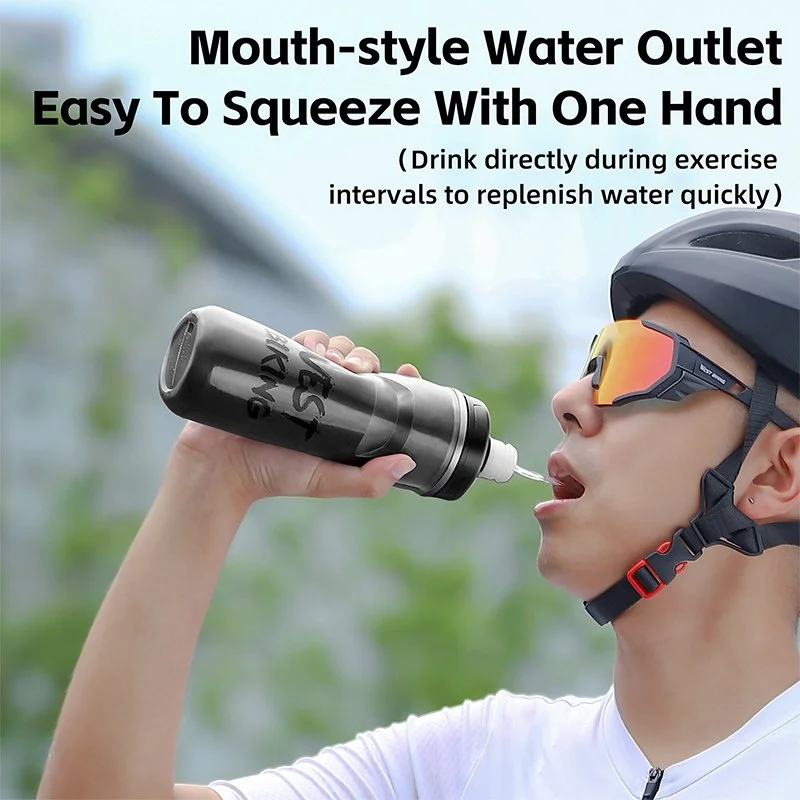
Cyclists have one non-negotiable requirement: the bottle must fit the bike cage and be usable while moving. Many excellent water bottles are bad bike bottles because they are too wide, too heavy, too slippery, or require two hands. The insulated leakproof bike bottle is useful because it starts with the cycling geometry. A leakproof cap matters because road vibration turns weak lids into slow spills. Insulation matters because bottles sit in sun and wind at frame level.
The cyclist should think in pairs. One 21 oz bottle is enough for a commute or a short ride. It is not enough for long summer rides unless refill stops are guaranteed. If the bike has two cages, two moderate bottles beat one giant bottle that does not fit properly. For long rides, a hydration pack or second bottle is not overkill; it is the difference between a good bottle choice and a hydration plan.
The Backpacker or Gram Counter
The backpacker is one of the few buyers who can justify titanium. Titanium costs more because it reduces weight while staying extremely durable and taste-neutral. The benefit shows up when every object in the pack is being counted. If you walk one mile from the car to a picnic table, titanium is unnecessary. If you carry gear for hours, small weight savings compound. That is where the titanium bottles become rational instead of indulgent.
The difference between the two titanium picks is not “better” versus “worse.” It is drinking style. A wide mouth is easier to fill, easier to clean, and better for adding ice or drink powder. A narrower portable outdoor bottle is easier to drink from while walking and less likely to splash. Choose based on how you refill and drink on the trail. Titanium is not an insulation purchase. It is a carry-weight purchase.
The Gift Buyer
Water bottles are common gifts because everyone needs one, but they are harder to gift than they look. A bottle is personal because it touches habits, bags, cup holders, cleaning routines, and style. If you do not know the recipient’s exact use case, the safest gift is not the most expensive bottle. It is the least risky form: stainless, moderate size, simple lid, neutral color, and no complicated straw unless the person already likes straw bottles.
For a runner, a collapsible bottle is thoughtful. For a bike commuter, the bike bottle is thoughtful. For an office worker, an insulated straw bottle is thoughtful. For a backpacker, titanium is thoughtful if you know they actually backpack. For an unknown recipient, the middleweight stainless sports bottle is safer than a large trend bottle because it fits more lives. Gifting should reduce the chance of a return, not maximize the appearance of generosity.
Material Deep Dive: What Actually Changes in Daily Use
Material is the part of water-bottle shopping that sounds technical but becomes obvious after a week of use. The question is not simply “which material is best?” The question is what inconvenience you are willing to accept.
Collapsible BPA-Free Plastic
Collapsible plastic is the space-saving material. It is the most useful when the bottle is empty for part of the trip. Trail runners, hikers, travelers, and people with tiny bags understand this immediately. A rigid bottle becomes dead volume after you drink from it. A collapsible bottle becomes almost nothing. That is the core advantage.
The weakness is structure. Soft bottles are less satisfying to drink from at a desk because they flex. They can be awkward to set down. They need more careful drying because folded plastic can trap moisture. Some users taste plastic, especially when bottles are new or warm. BPA-free labeling addresses one health concern, but it does not make plastic behave like metal. The right buyer accepts those trade-offs because space and weight matter most.
Single-Wall Stainless Steel
Single-wall stainless steel is the practical baseline for most adults. It does not retain cold like insulated steel, but it also weighs less, costs less, and usually has fewer parts. It is naturally taste-neutral, durable, and easy to rinse. It is the bottle type that survives being thrown in a gym bag, left in a car, dropped in a parking lot, or used every day without much thought.
The main annoyance is condensation. If you put cold water in a single-wall steel bottle in humid weather, the outside can sweat. That matters on a desk with papers or in a bag with electronics. The second limitation is temperature. Cold water becomes room-temperature water quickly. For buyers who simply want clean-tasting water available, that is fine. For people who only drink water when it is cold, single-wall steel will disappoint.
Insulated Stainless Steel
Insulated stainless steel is the comfort material. It is heavier and often more expensive, but it solves the temperature problem better than anything else in this guide. For desk workers, drivers, students, and anyone who drinks slowly, insulation is not a luxury feature. It is what keeps water appealing long enough to be finished.
The weak point is complexity. Insulated bottles are heavier, wider, and more likely to have lids with moving parts. Straw lids need cleaning. Silicone gaskets can hold odors. If the bottle is too wide for a cup holder, the insulation advantage may not matter because the bottle stops traveling with you. Insulated steel is excellent when the bottle has a stable home: desk, car, stroller, gym station, bedside table. It is less ideal when every ounce matters.
Titanium
Titanium is a specialist material. It is light, strong, corrosion-resistant, and taste-neutral. It feels premium because it solves the “light but durable” problem better than stainless steel. Backpackers and serious outdoor users notice that difference because they carry their bottle long enough for grams to become real.
The mistake is treating titanium as the universal best. It is not. Titanium does not automatically insulate. It can dent less dramatically than softer metals, but it still needs care. It costs more than most people need to spend. For office, school, gym, and car use, titanium is usually overbuying. For backpacking, travel, and long trail days, it can be exactly the right investment.
Insulation, Straw Lids, Wide Mouths, and Leakproof Claims
The SERP often talks about famous bottles as if brand identity is the feature. In use, four design details matter more: insulation, lid type, mouth width, and leak resistance.
Insulation matters only when you care about temperature over time. If you fill a bottle and finish it in an hour, insulation is mostly extra weight. If you sip slowly across eight hours, insulation is the difference between finishing the bottle and ignoring warm water. Buyers often overpay for insulation because it sounds premium, then carry a heavy bottle for short workouts where it adds no value. Decide whether your water actually needs to stay cold before paying for the feature.
Straw lids make people drink more often because the action is easier. They are excellent for desks, cars, and low-effort sipping. They are weaker for fast chugging, dusty trails, and buyers who hate cleaning small parts. A removable straw is better than a fixed straw because it can be cleaned or removed when not needed. But every straw system has a maintenance cost. If you know you will not wash it, choose a simpler cap.
Wide mouths are underrated. A wide mouth makes a bottle easier to clean, easier to fill from a sink, easier to add ice to, and easier to use with powders. The trade-off is drinking while walking or driving; wide openings can splash. That is why wide-mouth bottles work best with controlled drinking situations or secondary lids. For hiking and backpacking, wide mouth is useful because natural refill points are rarely as tidy as a kitchen sink.
Leakproof claims should be read carefully. A bottle can be leakproof when closed but messy when opened. A straw bottle can seal in a bag but still spit water when pressure changes. A bike bottle can survive road vibration but leak if the cap is not fully seated. The practical test is where the bottle will travel. If it goes inside a laptop bag, treat leakproof as a non-negotiable feature. If it lives in a car cup holder, spill resistance may matter more than full bag-safe sealing.
Price Tiers: What You Actually Get for the Money
The water-bottle market is confusing because price does not rise in a straight line with usefulness. A $70 bottle is not always better than a $20 bottle. It is usually better at one narrow job.
Under $25: Functional Hydration
Under $25, the buyer should expect a functional bottle with one clear strength. The collapsible pick at $18.49 is a strong example. It does not try to be luxury, insulated, or indestructible. It solves packing and lightweight carry. This price tier is ideal for runners, students who lose bottles often, travel backup bottles, and buyers testing a new habit before committing to a more expensive bottle.
The limitation is finish and long-term feel. Lids may be simpler. Materials may show wear faster. Cold retention is usually absent unless the bottle is very basic. That does not make the tier weak. It makes it honest. A cheap bottle that gets used every day beats an expensive bottle that sits in a cabinet.
$25-$50: Everyday Quality
This is the strongest tier for most buyers. It covers bike bottles, stainless bottles, and many practical everyday designs. You can get better materials, better lids, and better durability without paying for brand hype or ultralight engineering. The stainless sports bottle sits here because it gives the buyer a durable object with broad use.
If you are buying one bottle and do not have a specialized need, start in this tier. Spend less only if you know you need collapsible or temporary use. Spend more only if you need insulation, titanium, or a very specific lid style. The $25-$50 tier is where most people find the best balance between price and daily usefulness.
$50-$75: Specialized Comfort or Specialized Weight
The upper tier splits in two directions: insulated comfort and ultralight outdoor performance. The insulated straw bottle is expensive because it adds temperature control and a more complex lid. The titanium bottles are expensive because they reduce carry weight while staying durable. These are not the same kind of upgrade.
Do not buy in this tier because a bottle looks premium. Buy here because you can describe the problem the price solves. “I need cold water through a full workday.” “I backpack and want less pack weight.” “I want a trail bottle that will last for years.” If the problem is vague, the cheaper tier is probably enough.
Cleaning and Maintenance: The Hidden Feature
A bottle that is hard to clean becomes a bottle you stop trusting. This is why cleaning should be part of the buying decision, not an afterthought. Water bottles touch mouths, hands, bags, car cup holders, gym floors, dirt, sunscreen, and sometimes drink powders. Even plain water leaves residue over time. If the bottle has a straw, gasket, bite valve, or narrow cap, there are more places for moisture and odor to hide.
For everyday water only, rinse the bottle daily and let it dry open. Wash it with soap several times a week. If you use electrolyte powder, flavored drops, coffee, tea, or anything with sugar, wash it the same day. Sugar residue turns a bottle from clean-looking to unpleasant fast. A wide-mouth bottle is easiest because you can see and reach inside. A straw bottle needs the straw and lid cleaned separately.
Collapsible bottles need special attention. Never fold them damp and store them in a dark bag. That is how musty smell starts. Rinse, prop open, and let air move through the bottle before packing it away. Stainless and titanium bottles are more forgiving, but lids still matter. The metal body may be clean while the silicone gasket smells. If a bottle tastes off, check the lid before blaming the material.
Maintenance also affects value. A $68 insulated straw bottle that you clean properly may be a great daily purchase. The same bottle neglected for two weeks becomes a frustrating, smelly object. A $37 simple stainless bottle may be less exciting but easier to keep in rotation. Ease of cleaning is not a small detail; it decides whether the bottle stays in use after the first month.
Common Water Bottle Mistakes
The first mistake is buying too large. Big bottles create the feeling of commitment, but they often fail the real-life tests: cup holder, backpack pocket, one-hand carry, sink refill, and weight when full. A bottle that holds enough water for the whole day may also be the bottle you leave at home because it is annoying to carry. For most people, a bottle that gets refilled once is better than a bottle that is technically large enough but rarely moves.
The second mistake is buying insulation when you really need simplicity. Insulation is useful, but it adds bulk and cost. If you finish water quickly or drink at room temperature, a single-wall stainless bottle is easier. If you are buying for the gym, a simple cap may beat a straw lid because you can drink faster and clean it faster. Do not pay for a feature just because top SERP pages treat it as standard.
The third mistake is ignoring where the bottle fits. Bike cage, car cup holder, backpack side pocket, stroller cup holder, treadmill holder, airplane seat pocket, and office bag all have physical limits. Measure or compare before buying. A bottle can be excellent and still wrong if it does not fit the place it needs to live.
The fourth mistake is treating “healthy” as a brand claim instead of a material claim. Stainless steel, titanium, and BPA-free plastic are all reasonable choices when used correctly. The bigger health issue in daily life is often cleaning, not the label. A poorly washed premium bottle is not healthier than a simple clean one.
The fifth mistake is buying for identity instead of behavior. If you love the look of a giant lifestyle bottle and it genuinely makes you drink more water, good. But if the bottle is chosen because it signals a trend, it may not survive your actual routine. The bottle that works is the one you reach for when you are busy, tired, late, or packing quickly.
The Picks: Six Bottles, Six Hydration Styles
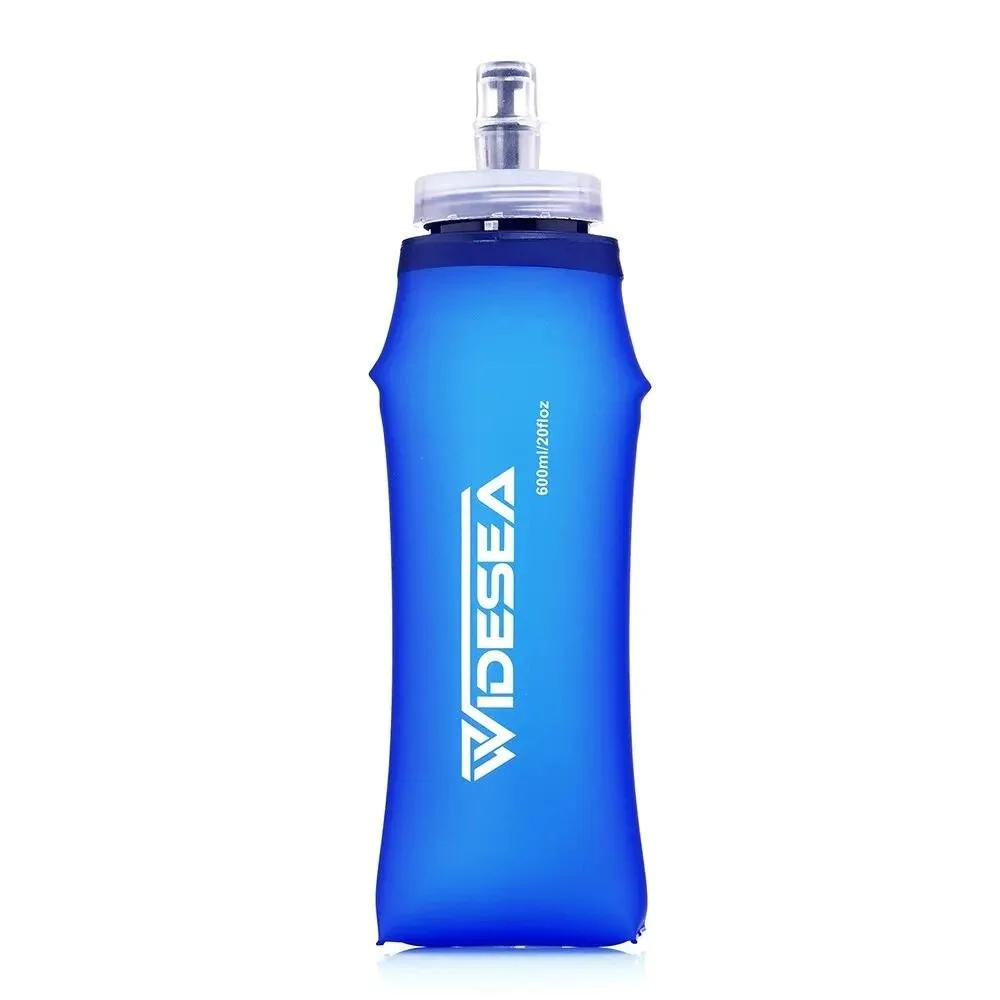
1. Best for Running & Hiking: 600ml Soft Collapsible Water Bottle -$18.49 (p-011670)
The 600ml Soft Collapsible Water Bottle -BPA-Free Hydration is the ultralight pick: when empty, it folds down to a fraction of its size, which is the difference between carrying a bottle and carrying a pocket. It’s BPA-free (stated in the listing), it’s the standard size for a day hike or a long run, and at $18.49 it’s the cheapest functional bottle on this list.
Honest trade-off: no insulation -water warms up in summer sun -and some people notice a soft-plastic taste. Also, collapsible bottles need to be fully dry before folding, or they get musty. If you run or hike and count ounces, this is the right pick; if you’re a desk drinker, the insulated options below serve you better.
Buy it if: you run, hike, or pack light. Skip it if: you want cold water all day.
2. Best for Cycling: Insulated Leakproof Bike Water Bottle, 21 oz -$29.95 (p-003588)
The Insulated Leakproof Bike Water Bottle 21 oz is built for the bike-cage life: 21 oz fits standard bottle cages, the leakproof design survives potholes and frame vibration, and the insulation keeps water cool on a summer ride. It’s the “fits the cage, doesn’t leak, stays cold” trio that bike bottles need.
Honest trade-off: 21 oz is on the smaller side for long rides (a 2-hour summer ride can empty it), and squeeze bottles with insulation are heavier than plain ones. For commutes and 1-hour rides, it’s ideal; for century rides, you’ll want a second bottle or a hydration pack.
Buy it if: you commute by bike or do short-medium rides. Skip it if: you’re a road cyclist doing long distances -you’ll need bigger capacity.
3. Best Budget All-Rounder: Stainless Steel Sports Water Bottle, 600ml -$37.49 (p-012638)
The Stainless Steel Sports Water Bottle - 600ml is the “one bottle for everything” pick: stainless (no plastic taste, no BPA questions), 600ml (the universal day-use size), and rugged enough for gym, desk, car, and trail. At $37.49 it sits in the value zone -cheaper than the trend-brand bottles, more durable than plastic.
Honest trade-off: it’s single-wall, so no cold retention -water goes room temperature in an hour. If you need cold water, the insulated pick below is the answer. This bottle’s job is durability and taste neutrality, not temperature.
Buy it if: you want one rugged bottle for everything. Skip it if: cold water matters to you.
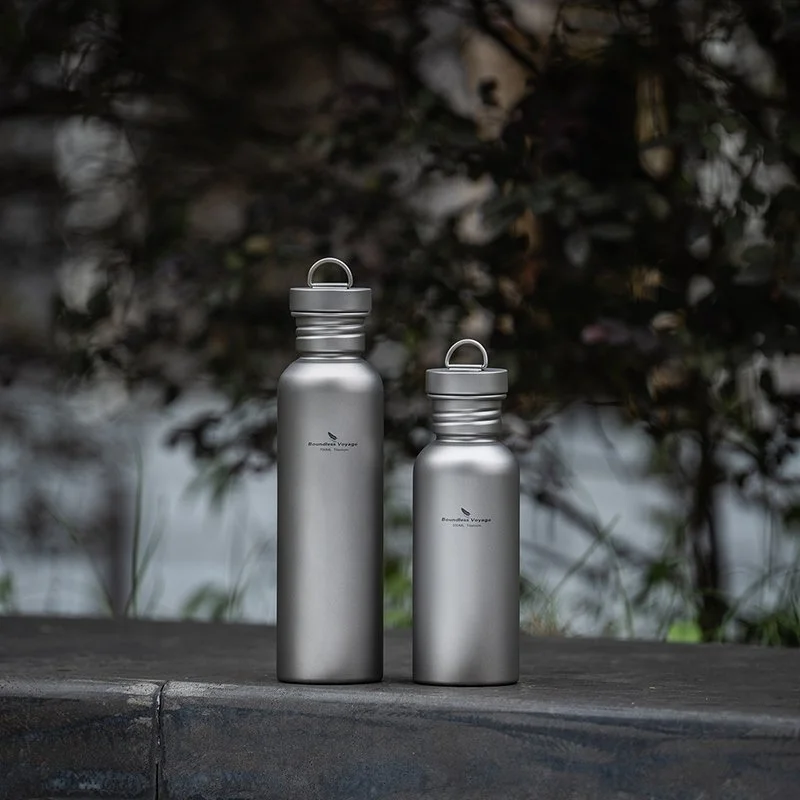
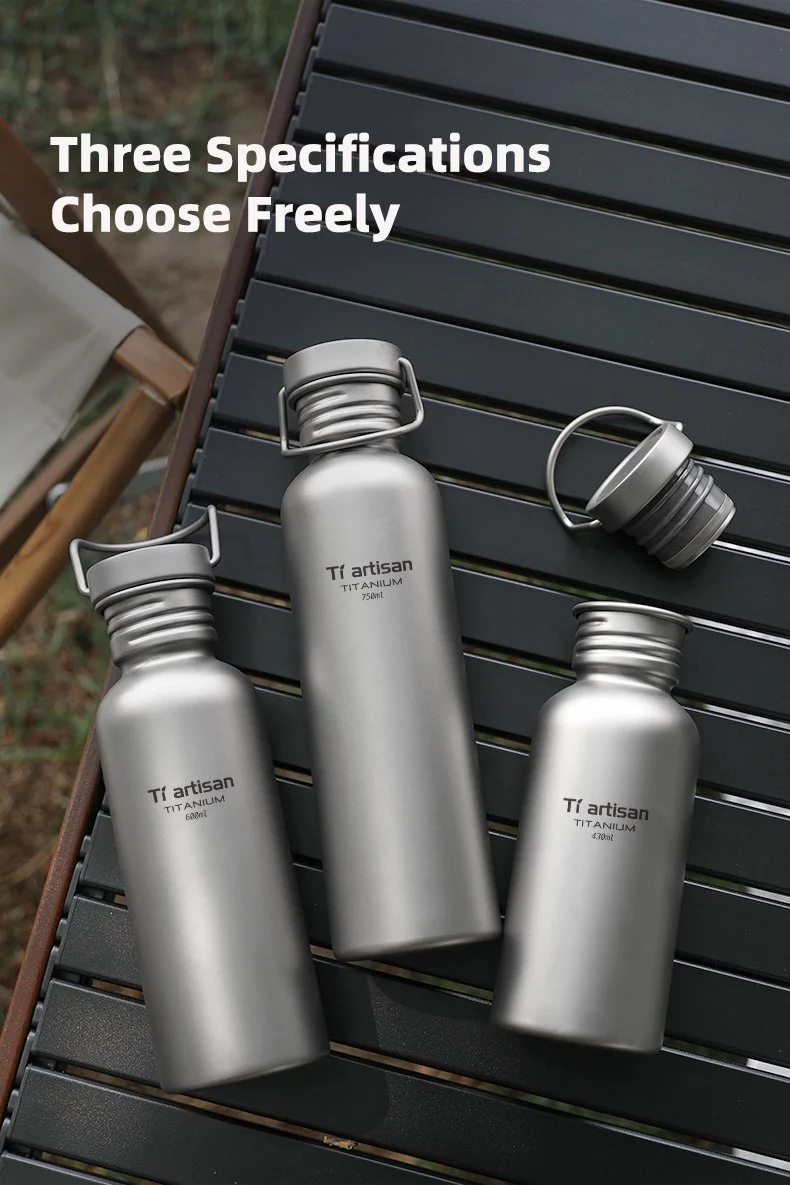
4. Best Ultralight Rigid: Ultralight Titanium Wide Mouth Water Bottle -$61.49 (p-004412)
The Ultralight Titanium Wide Mouth Water Bottle is the backpacker’s pick: titanium is the lightest rigid material that’s still indestructible -it won’t dent like aluminum or crack like plastic, and it’s neutral-tasting (no metallic flavor, unlike some steel). The wide mouth makes filling from streams and adding ice easy.
Honest trade-off: the price. $61.49 for a bottle is only justified if you’re counting grams on your back -for desk and gym use, the $37 stainless bottle does the same job. Also, titanium’s thin walls mean less insulation than a thick steel bottle; this is a weight pick, not a temperature pick.
Buy it if: you backpack or ultralight hike. Skip it if: you’re buying for the desk -that’s overpaying.
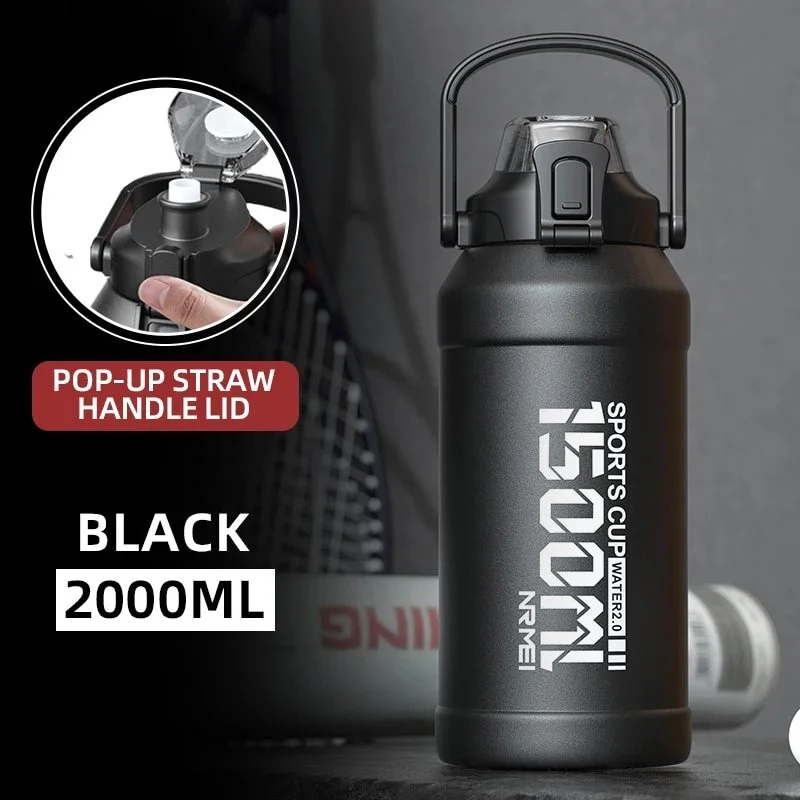
5. Best Insulated All-Day: Insulated Stainless Steel Water Bottle with Removable Straw -$68.49 (p-012630)
The Insulated Stainless Steel Water Bottle with Removable Straw is the desk-and-car champion: insulation keeps water cold for hours (the core promise of the $40+ insulated category), and the removable straw gives the one-hand sip that makes you drink more -which is the actual point of a desk bottle. It’s the Owala/Stanley competitor at a non-brand price.
Honest trade-off: it’s the heaviest pick here (insulation = weight), and $68.49 is real money. If you don’t drink from a straw, the straw mechanism is an unnecessary failure point -clean it or it gets gross. For the desk worker who sips all day, it’s worth it; for the minimalist, it’s not.
Buy it if: you drink most of your water at a desk or in a car. Skip it if: you chug from the bottle and never use straws.
6. Best for the Trail Purist: Ultralight Titanium Water Bottle, Portable Outdoor -$67.49 (p-004520)
The Ultralight Titanium Water Bottle - Portable Outdoor Sports is the second titanium pick, and it earns its slot by being the purpose-built version: a classic single-wall titanium bottle tuned for outdoor carry -light, neutral-tasting, bombproof. It’s the bottle you buy once and never replace (the r/BuyItForLife crowd’s dream).
Honest trade-off: same titanium caveat as #4 -price for weight savings, no insulation. Between this and the wide-mouth titanium, the difference is mouth size and geometry: wide mouth (#4) for stream-filling and ice, narrow neck (#6) for drinking on the move without spillage. Choose by how you drink, not by which is “better.”
Buy it if: you want a forever bottle for trail use. Skip it if: cold water or budget matters more than weight.
The Decision Table
| Pick | Price | Material | Insulation | Best for |
|---|---|---|---|---|
| Collapsible Water Bottle | $18.49 | Soft BPA-free | None | Running, hiking, packing |
| Insulated Bike Bottle 21oz | $29.95 | Plastic + insulation | Good | Cycling, commuting |
| Stainless Sports Bottle 600ml | $37.49 | Stainless steel | None | Budget all-rounder |
| Titanium Wide Mouth | $61.49 | Titanium | None | Backpacking, ultralight |
| Insulated Steel w/ Straw | $68.49 | Stainless + insulation | Excellent | Desk, car, all-day |
| Titanium Portable | $67.49 | Titanium | None | Trail purist |
Scenario Guide: Which Bottle Wins in Real Life?
A decision table is useful, but most people do not shop from a table. They shop from a day. A water bottle gets judged in the morning commute, at the gym, on the trail, during a meeting, in a car cup holder, and at the sink after a long day. The same bottle can look perfect on a product page and become irritating in one of those moments. This section turns the six picks into real-life scenarios.
Best Bottle for a Long Workday
For a long workday, the winner is the insulated straw bottle. The reason is not only cold retention. It is the low-effort sip. When a bottle sits beside a laptop, anything that requires both hands will be used less. Unscrewing a cap is not difficult, but it interrupts the task. A straw lid turns drinking into a motion you can do without breaking focus. That matters over eight hours.
The workday buyer should still check two things before buying. First, does the bottle fit the desk and cup holder life? A wide bottle that stays at home fails the workday test. Second, can the straw be cleaned easily? Office bottles often sit half-full, travel between rooms, and get refilled without a full wash. A removable straw is better because you can separate the parts. If cleaning sounds annoying, choose a simpler stainless bottle and accept room-temperature water.
Best Bottle for Students
Students need a bottle that survives backpacks, side pockets, classrooms, buses, and accidental drops. They also need something affordable enough that losing it is not a disaster. The stainless sports bottle is the safest default. It is simple, durable, and not so expensive that it turns into a source of stress. A collapsible bottle also works for students with tiny bags, but only if they will dry it properly.
Large lifestyle bottles are risky for students because they do not always fit backpack pockets or lecture-hall desks. A bottle that has to be carried by hand gets left behind. The best student bottle is the one that has a home in the bag. If it cannot fit there, the student is being asked to develop a new carrying habit, and that is harder than buying a better-fitting bottle.
Best Bottle for Travel
Travel changes the value of empty space. A collapsible bottle is excellent for airports, day trips, and suitcases because it takes little room when empty. It can be packed flat before security, filled afterward, and rolled away when not needed. That makes it more useful than a heavy insulated bottle for people who already carry luggage, chargers, jackets, snacks, and documents.
The trade-off is that travel also exposes bottles to rough surfaces and inconsistent cleaning. If you are staying in hotels or moving between cities, a simple stainless bottle may be easier to clean in a sink. The travel decision is really this: if space is the biggest problem, choose collapsible; if cleanliness and durability are the biggest problems, choose stainless.
Best Bottle for Hot Weather
Hot weather makes insulation more valuable. Water that tastes fine at room temperature in spring can become unpleasant in a car or backpack in August. If the bottle will sit in direct sun, a non-insulated bottle warms quickly. The insulated straw bottle or bike bottle makes more sense in hot months because temperature directly affects whether you keep drinking.
For hiking in hot weather, the answer depends on distance. A short hot walk favors collapsible because weight and space matter. A long exposed hike may need more capacity or multiple bottles. Titanium is durable and light, but it does not keep water cold. If cold retention is the priority, do not assume titanium solves it. If pack weight is the priority, titanium remains a strong choice.
Best Bottle for Kids or Shared Family Use
This guide is written for adult buyers, but family use changes the logic. Kids lose bottles, drop bottles, and sometimes chew lids. A very expensive titanium bottle is overkill. A complicated straw system may be harder to keep clean. A moderate stainless bottle or affordable BPA-free bottle is usually smarter. For family cars, insulated bottles are useful because they can sit in cup holders during errands.
The family rule is to buy bottles that can be identified quickly. Similar bottles create confusion and abandoned half-full containers. Choose different colors or label them. Also avoid assuming every family member needs the same bottle. A parent who commutes may need insulation. A child may need a lighter, cheaper bottle. A teen athlete may need a simple, durable gym bottle. Matching the user matters more than matching the set.
Brand Questions Without Brand Blindness
The SERP is full of brand comparisons because brands are easier to search than features. People ask whether Yeti is better than Owala because they are really asking which drinking experience is better: rugged chugging or easy sipping. People ask whether Stanley is worth it because they are really asking whether a large insulated cup will make them drink more water. The useful answer is not brand worship. It is feature translation.
Yeti-style bottles usually emphasize cold retention, rugged build, and outdoor or car durability. Owala-style bottles emphasize a straw-and-chug drinking system that works well at desks and in cars. Stanley-style cups emphasize large capacity, handles, straws, and lifestyle visibility. Those are three different jobs. If you drink while driving, a straw and cup-holder fit may matter more than maximum ruggedness. If you work outdoors, ruggedness and insulation may matter more than a cute straw system. If you want a home-and-desk hydration anchor, a large cup may work even if it is terrible for hiking.
This guide uses non-brand alternatives because the feature is what matters. A buyer who understands the feature can choose any brand, including the famous ones, without being led by hype. If the feature you need is cold retention, compare insulation and lid sealing. If the feature is one-hand sipping, compare straw design and cleanability. If the feature is trail weight, compare material and ounces. If the feature is cost, compare what you will actually use for the price.
The anti-brand answer is not “never buy famous bottles.” It is “do not let the logo decide the use case.” A famous bottle that fits your routine is a good purchase. A famous bottle that is too large, too heavy, hard to clean, or wrong for your bag is still a bad purchase. The best shopping move is to choose the use case first, then let brand be the final preference instead of the first filter.
Health, Taste, and Safety Details
The “healthiest water bottle” question appears often because buyers worry about plastic, metals, coatings, and bacteria. The practical answer has three layers: material safety, cleaning safety, and usage safety.
Material safety starts with avoiding unknown plastics. BPA-free plastic is a reasonable choice when the bottle is used as intended and replaced when damaged. Stainless steel and titanium are strong choices because they are inert for normal water use and do not carry the same plastic concerns. However, no material excuses poor cleaning. A clean BPA-free bottle is better than a dirty premium bottle.
Taste is partly material and partly maintenance. Plastic can hold flavors or smell if it is stored closed while damp. Stainless steel is usually neutral, but lids and gaskets can absorb smells from flavored drinks. Titanium is also neutral, which is one reason outdoor buyers like it. If water tastes strange, wash the lid components, not just the bottle body. Many users blame the bottle wall when the odor is coming from a silicone ring.
Safety also includes physical use. Do not put hot liquids into a bottle that is not designed for them. Soft collapsible bottles are usually not hot-drink tools. Insulated bottles can hold heat in ways that make the outside safe but the drink inside dangerously hot. Bike bottles should be used with attention to cap closure. Straw bottles should not be left in hot cars for long periods with pressure built up. These are ordinary habits, but they matter more than marketing claims.
For most buyers, the healthiest routine is simple: choose stainless, titanium, or clearly labeled BPA-free plastic; rinse daily; wash lids and straws; dry open; replace damaged plastic; and do not let flavored drinks sit for days. That routine does more for real-world safety than chasing the most expensive bottle on the page.
Capacity Guide: 18 oz, 21 oz, 600ml, 1L, and 40 oz
Capacity is where many buyers accidentally create a daily annoyance. A bottle’s size determines refill frequency, weight, fit, and how often you will actually carry it.
The 18-21 oz range is ideal for movement. It fits many car cup holders, bike cages, and backpack side pockets. It is light enough to carry while full and small enough to refill often. This is why the 21 oz bike bottle makes sense for cycling and why 600ml bottles are so common in sports and outdoor categories. The downside is that heavy drinkers will refill often.
The 24-32 oz range is the adult everyday sweet spot for many desk and gym users. It holds enough water to matter without becoming an object you dread carrying. If a bottle has insulation, this range is often still manageable. If it has a straw lid, it becomes a strong desk bottle because it supports repeated sipping without demanding constant refills.
The 40 oz and larger range is useful for specific people: desk anchors, long car days, outdoor work, nursing parents, hot-climate users, and anyone who reliably drinks a lot. It is less useful for people who walk a lot, carry small bags, use public transit, bike, or move between rooms. Big capacity is not automatically better hydration. Better hydration comes from a bottle you keep close and use.
When choosing capacity, ask how often refilling is realistic. If refills are easy, a smaller bottle is fine. If refills are annoying or unavailable, a larger bottle makes sense. If the bottle must fit a specific pocket or holder, capacity must obey that limit. Size is not a bragging number. It is a logistics decision.
What We Would Buy by Budget
If the budget is under $20, buy the collapsible bottle only if you want lightweight carry, travel backup, or a hiking/run bottle. It is not the most universal bottle, but it is the strongest low-cost solution because it has a clear purpose. For casual desk hydration, save a little more and buy stainless.
If the budget is under $40, buy the stainless sports bottle or the insulated bike bottle depending on use. Stainless is the better all-rounder. Bike insulation is better for cyclists and commuters who need cage fit and cooler water. This tier is the best place to avoid hype because the products are still practical rather than lifestyle-driven.
If the budget is under $70, decide between comfort and weight. The insulated straw bottle is the comfort buy. The titanium bottles are the weight-and-durability buys. Do not compare them as if they are the same upgrade. One makes drinking easier and colder. The other makes carrying easier and longer-lasting.
If money is not the constraint, buy the bottle that removes the most friction from your actual day. That may still be the $37 stainless bottle. Spending more does not guarantee better behavior. The best bottle is the one that turns into a daily habit without asking for extra effort.
How to Evaluate a Bottle After It Arrives
The product page can tell you material, price, size, and intended use. It cannot tell you whether the bottle fits your exact life. The first week after buying is the real test. Do not wait until the return window is gone to learn that the bottle is too wide, too heavy, or annoying to clean.
On day one, test fit. Put the bottle in the car cup holder, backpack side pocket, bike cage, gym bag, work tote, stroller holder, or desk corner where it is supposed to live. If it does not fit cleanly, the problem will not magically disappear. A bottle that almost fits will scrape, tilt, leak, or get left behind. Fit is not a minor feature. It is the reason a bottle travels with you.
On day two, test drinking behavior. Fill it with water and use it during the actual routine: commute, meeting, workout, ride, study session, or trail walk. Notice whether you drink more or less than usual. A good bottle should make drinking feel easier. If the cap slows you down, the straw feels awkward, the opening splashes, or the bottle is hard to lift with one hand, the design does not match your habit.
On day three, test cleaning. Wash the bottle the way you realistically will wash it, not the way an ideal version of you might. If the straw requires a brush you do not own, buy the brush immediately or choose another bottle. If the opening is too narrow for easy cleaning, decide whether that trade-off is acceptable. Cleaning resistance is one of the biggest reasons bottles get abandoned.
By the end of the first week, the answer should be obvious. The right bottle has already found a place in the routine. It is on the desk, in the bag, in the car, clipped to the pack, or drying by the sink. The wrong bottle is still sitting where you unboxed it. That is not a character flaw. It is product mismatch.
Ranking Logic: Why These Six Beat a Generic Top Ten
This guide does not try to imitate the brand-heavy SERP by naming the same famous bottles again. It uses a different ranking logic: each pick has to own a distinct hydration style. The goal is not to prove that one bottle beats every other bottle. That is rarely true. The goal is to make the reader stop comparing unlike products.
The collapsible bottle owns packability. The bike bottle owns cage fit and ride use. The stainless sports bottle owns everyday simplicity. The titanium wide-mouth bottle owns ultralight filling and cleaning. The insulated straw bottle owns desk-and-car sipping. The portable titanium bottle owns long-term outdoor carry. Those lanes are separate enough that a buyer can choose quickly without pretending that a runner, cyclist, office worker, and backpacker need the same winner.
This is also why the guide includes honest skip notes. A good buying guide should disqualify products as clearly as it recommends them. The collapsible bottle is wrong for all-day cold water. The bike bottle is limited for long rides without refills. The stainless bottle is not a cold-retention tool. Titanium is overkill for a desk. The insulated straw bottle needs cleaning discipline. These limitations do not weaken the picks; they make the recommendation more trustworthy.
For SERP intent, the page has to answer the broad query “best water bottles” while still helping a specific buyer act. That means combining quick answers, material education, price tiers, product picks, direct PAA answers, and use-case matching. A short list would be easier to scan, but it would not solve the deeper search problem. Buyers are not confused because there are too few bottles. They are confused because too many articles rank them without explaining what kind of person each bottle is for.
Final Buying Rule
If you are still undecided, choose the least complicated bottle that solves your most repeated problem. If the problem is carrying less, choose collapsible or titanium. If the problem is drinking more at a desk, choose insulated straw. If the problem is one bottle for everything, choose stainless steel. If the problem is cycling, choose the bike bottle. If the problem is gifting, choose the middle option unless you know the recipient’s routine.
Do not let a bottle create new work. A good bottle should not require a new bag, a new cup holder, a new cleaning routine you hate, or a new habit you will not keep. It should slide into the day you already have and make hydration easier inside that day. That is the difference between a bottle that looks good in a roundup and a bottle that still gets used six months later.
FAQ (Direct Answers to What People Actually Ask)
Q: What is the most recommended water bottle? A: The SERP’s answer is insulated stainless (Stanley/Owala class) -but “most recommended” conflates trend with need. The most recommended-for-most-people bottle is a middleweight stainless steel bottle ($30-40 range): durable, neutral-tasting, and covers desk + gym + car. Our Budget All-Rounder (p-012638, $37.49) is exactly this. If you specifically need cold water all day, the insulated straw bottle ($68.49) is the one the “most recommended” articles are actually describing.
Q: What is the best quality water bottle? A: “Best quality” = durability + materials + no-leak reliability. Titanium is the highest-quality material (lightest, indestructible, neutral taste), which is why the two titanium picks here cost the most. But quality 鈮?right fit: a titanium bottle is wasted money if you never carry it. For quality-per-dollar, single-wall stainless beats everything -it’s why the $37.49 stainless pick is the value answer to “best quality.”
Q: Is Yeti better than Owala? A: They’re different products solving different problems. Yeti is a rugged insulated bottle for cold retention and durability (great for car/outdoor). Owala is an insulated bottle with a built-in straw + chug spout, designed for one-hand sipping (great for desk). “Better” depends on your drinking style: if you sip from a straw all day, the Owala-style bottle (our $68.49 straw pick) wins. If you chug and want maximum cold retention, the Yeti-style chug bottle wins. Neither is objectively better -they’re two drinking styles wearing different logos.
Q: What are the healthiest water bottles to drink out of? A: The health concern is BPA and related plastics. The safe choices: stainless steel (no plastic contact), titanium (no plastic contact), and BPA-free plastic (collapsible bottles like our $18.49 pick state BPA-free in the listing). The rule: check the material statement -stainless and titanium are unconditionally safe; plastic bottles should be labeled BPA-free and replaced when scratched (scratches harbor bacteria and release more plastic). Our stainless ($37.49) and titanium picks are the “healthiest” answers; the collapsible is the BPA-free plastic answer.
Q: Do expensive bottles keep water colder? A: Only if they’re insulated. A $68 insulated bottle beats a $15 uninsulated bottle at cold retention -but an expensive uninsulated bottle (like a $61 titanium one) keeps water cold no better than a $10 plastic one. Insulation is the mechanism, not the price tag. The two titanium picks here are expensive and uninsulated -buy them for weight and durability, not temperature.
Q: What size water bottle should I get? A: 500-600ml (17-21oz) for sports and daily carry; 750ml-1L for all-day desk hydration; 1L+ only for hiking. The #1 bottle mistake is buying the trendy 40oz giant and realizing it doesn’t fit in a cup holder, a bike cage, or a backpack side pocket. Match the bottle to where it will live: 21oz fits bike cages and cup holders; 600ml fits backpack pockets; 1L+ is a desk anchor.
Sources
- Google SERP analysis for “best water bottles” (US, 2026-08-06): AI Overview + Wirecutter + BottlePro + OutdoorGearLab + Reddit r/BuyItForLife + Amazon Best Sellers + America’s Test Kitchen + Between Carpools
- PAA questions from the same SERP (most recommended / best quality / Yeti vs Owala / healthiest)
- PickByU catalog price data, checked 2026-08-07
Prices and availability from PickByU catalog, checked 2026-08-07. Product performance claims are spec-based, not from hands-on testing.
-Maya Porter, Editor-in-Chief, PickByU