Featured Buying Guide
Best Travel Backpack 2026: Budget-to-Mid Picks and Airline Size Guide
Quick Answer
Best Travel Backpack 2026: quick answer
A budget-to-mid travel backpack guide that compares airline personal-item sizes, carry-on rules, laptop protection, anti-theft features, packing style, and eight practical backpack picks under $90.
- This SERP guide focuses on the budget-to-mid backpack gap below premium travel packs.
- The buying framework starts with airline dimensions before brand preference.
- 8 catalog-backed backpack picks are used as examples inside the guide.
Quick Answer: The Best Travel Backpack Is the One That Fits Your Airline, Your Laptop, and Your Trip
The best travel backpack for most people in 2026 is not the most expensive backpack on the page. It is the smallest bag that can carry your real trip without creating a gate problem, a sore-shoulder problem, or a disorganized airport problem.
For most occasional and budget-conscious travelers, the sweet spot is a backpack between $35 and $90. That range can cover a padded laptop sleeve, airline-friendly dimensions, water-resistant material, enough internal organization, and basic anti-theft design. Premium $150 to $400 backpacks can be excellent, but they are not automatically the best answer for students, weekend travelers, budget airline flyers, first-time international travelers, or anyone trying to avoid checked-bag fees.
Use this short rule before comparing brands:
- If you fly mostly in the United States and want one overhead-bin bag, stay at or under 22 x 14 x 9 inches.
- If you fly European budget airlines, check the specific small-bag rule before buying. Ryanair, easyJet, and Wizz Air can be stricter than a standard US carry-on.
- If the bag is your personal item, do not shop only by liter capacity. Shop by dimensions.
- If you carry a laptop, treat the laptop sleeve as a protection feature, not a bonus pocket.
- If you use trains, hostels, buses, tourist areas, or crowded metros, anti-theft layout matters more than logo branding.
The top SERP results for “best travel backpack” are dominated by premium editorial picks. Those guides are useful if you want a Peak Design, Tortuga, Cotopaxi, Osprey, or similar high-end travel pack. They are less useful if your real question is: “What is the best travel backpack I can buy under $90 that will not get me charged at the gate?”
That is the gap this guide fills. It ranks travel backpacks by budget, airline fit, packing style, laptop carry, anti-theft value, and trip type. It does not pretend a $37 backpack is the same as a $300 backpack. It explains where cheaper bags make sense, where they become risky, and when paying more is actually justified.
The practical recommendation:
- Choose the 40 x 30 x 20 style if you want the safest budget-airline personal-item shape.
- Choose a 15.6-inch waterproof laptop backpack if you need one work-and-travel bag.
- Choose a 40 x 20 x 25 Ryanair-focused backpack if you fly Ryanair regularly and want to avoid personal-item surprises.
- Choose an anti-theft backpack if the trip involves transit crowds, hostels, or city walking.
- Choose a premium backpack only if you travel constantly, carry heavy electronics, or need a stronger harness system.
The best travel backpack is not the largest bag you can technically board with. It is the bag that still closes when packed, still fits the sizer, still protects your laptop, and still feels wearable after a long airport day.
Why This SERP Needs a Budget-to-Mid Guide
Search results for “best travel backpack” usually share the same structure. They start with a list of top picks, move into “what to look for,” then explain testing. Many of those pages are well made. The problem is not quality. The problem is the default buyer they imagine.
The usual buyer in those guides has $150 to $400 to spend, is comfortable comparing premium travel brands, and wants a durable one-bag setup for repeated trips. That is one real buyer. It is not the only buyer.
The ignored buyer is much larger:
- A student flying home twice a year.
- A couple booking a cheap city break.
- A first-time traveler trying not to buy checked luggage.
- A remote worker who needs a laptop backpack but not a premium one-bag system.
- A budget airline traveler who needs the bag to pass a sizer.
- A parent buying one practical travel bag for a teenager.
- A commuter who wants the same bag to work for weekdays and weekend flights.
Those shoppers do not need a $300 backpack by default. They need dimensions, layout, and honest trade-offs.
The SERP gap is clear:
- Most pages do not rank backpacks by budget tier.
- Most pages do not explain the difference between carry-on and personal-item dimensions clearly enough.
- Most pages treat anti-theft features as extras instead of a separate buying category.
- Most pages focus on brand reputation more than airline sizer risk.
- Most pages answer “What is the best travel backpack?” without first asking what kind of trip the reader is taking.
This guide is built around those missing decisions. The answer for a Ryanair weekend trip is not the same as the answer for a US domestic business trip. The answer for a laptop traveler is not the same as the answer for a no-laptop backpacker. The answer for a subway-heavy city trip is not the same as the answer for a car-based weekend.
That is why the product picks here sit mostly between $22 and $88. This is the budget-to-mid segment that the current SERP under-serves. The goal is not to beat premium backpacks at their own game. The goal is to help travelers buy the right bag before they overpay, overpack, or get surprised at the gate.
Carry-On vs Personal Item: The Size Problem Most Buyers Miss
Travel backpack shopping goes wrong when people shop by liters and ignore dimensions.
Liter capacity tells you roughly how much the backpack can hold. Airline staff do not measure liters at the gate. They measure dimensions. A 35L backpack that is tall and narrow may fit an overhead bin. A different 35L backpack with a rigid frame, overstuffed front pocket, and thick handles may fail a sizer. A soft 30L bag may fit under a seat if packed lightly, while a boxy 25L bag may not.
The key distinction:
- A carry-on bag usually goes in the overhead bin.
- A personal item usually goes under the seat in front of you.
Many travelers use “carry-on backpack” for both. Airlines do not. The difference matters because personal-item limits are often much smaller, especially on budget airlines.
Common Airline Size Reference
Always check your airline before flying, because rules can change and fare type matters. Use this table as a planning reference, not a guarantee.
| Airline / Rule Type | Common Limit | Practical Meaning |
|---|---|---|
| Delta carry-on | 22 x 14 x 9 in | Standard US overhead-bin backpack target |
| United carry-on | 22 x 14 x 9 in | Standard US overhead-bin backpack target |
| American Airlines carry-on | 22 x 14 x 9 in | Standard US overhead-bin backpack target |
| Southwest carry-on | 24 x 16 x 10 in | More generous overhead-bin target |
| Ryanair small personal bag | 40 x 20 x 25 cm | Very strict budget-airline personal-item target |
| easyJet small cabin bag | 45 x 36 x 20 cm | Under-seat bag included with standard fare |
| Wizz Air free carry-on bag | 40 x 30 x 20 cm | Free personal-item target for basic fare |
The important correction: normal cabin bag size limits come from airlines, not security screening agencies. TSA controls security screening. Airlines set cabin baggage size rules. A backpack can be “TSA-friendly” in the sense that it opens conveniently for screening, but the size limit comes from the airline.
Why 40 x 30 x 20 and 40 x 20 x 25 Matter
If a product title includes 40 x 30 x 20 cm or 40 x 20 x 25 cm, that is not random marketing. Those dimensions target common budget-airline personal-item limits.
The 40 x 30 x 20 cm shape is useful for Wizz Air-style limits and many under-seat situations. The 40 x 20 x 25 cm shape is specifically relevant for Ryanair’s small personal bag allowance. These backpacks are not always the most comfortable or premium. Their advantage is simple: they are built around the sizer.
That matters because a gate fee can cost more than a budget backpack. If a $53 bag prevents one unexpected baggage charge, it has done its job.
Soft Bags Are Forgiving, Until They Are Overpacked
A soft backpack can squeeze into a sizer more easily than a hard suitcase. That does not mean it is safe to fill every pocket.
Overpacking changes the bag’s dimensions. A listed 40 x 30 x 20 cm backpack can become thicker if the front pocket is stuffed with chargers, snacks, a toiletry pouch, a jacket, and a water bottle. The bag may still be technically the right model, but your packed version may fail.
Use the hand-compression test:
- Pack the backpack as you would for the flight.
- Zip every compartment.
- Put it on the floor.
- Press the front panel gently.
- If the bag bulges hard and will not compress, remove items.
The best budget-airline backpack is not the one with the biggest capacity claim. It is the one you can pack within the airline’s shape.
Personal Item or One-Bag Travel?
If you want a true one-bag setup, choose carefully. A backpack that fits under a budget-airline seat will not carry the same wardrobe as a 40L premium travel pack. You may need:
- Smaller clothing volume.
- Compression packing cubes or vacuum storage.
- One pair of shoes worn on the plane.
- Minimal toiletries.
- No bulky camera gear.
- A thin laptop or tablet.
If that sounds too restrictive, buy a larger carry-on backpack and pay for the correct fare. The worst strategy is pretending a personal-item bag can do a full luggage job, then overstuffing it until it fails.
Good travel backpack buying starts with the ticket, not the backpack.
The Seven Buying Decisions That Actually Matter
Once size is handled, the next question is how the backpack behaves during travel. A backpack can fit the airline rule and still be annoying if the laptop sleeve is weak, the opening is wrong, or the straps become painful after one terminal walk.
1. Opening Style
Travel backpacks usually open in one of three ways:
| Opening Style | Best For | Main Weakness |
|---|---|---|
| Top-loading | Simple daily carry, outdoor look, fewer zippers | Hard to reach items at the bottom |
| Panel-loading | Packing cubes, airport security, hotel unpacking | More zipper length to manage |
| Clamshell | One-bag travel, organized packing, flat opening | Can feel bulky for daily use |
For most travelers, panel-loading or clamshell-style access is better than a pure top-loader. You will open the backpack at security, at the gate, in a hotel, in a rideshare, and sometimes in a narrow airplane aisle. The less digging required, the better.
A top-loader can still work if the trip is simple. It is less ideal when you carry electronics, toiletries, documents, and clothes in one compartment.
2. Laptop Protection
A laptop sleeve should do three things:
- Fit the laptop without forcing the zipper.
- Add padding between the laptop and the outside of the bag.
- Keep the laptop from sitting directly on the floor when the backpack is set down.
Many bags claim to fit 15.6-inch laptops. That does not mean every 15.6-inch laptop will fit comfortably. Gaming laptops, thick work laptops, and protective cases can exceed the sleeve shape. If your laptop is expensive or unusually large, check actual sleeve dimensions instead of trusting the screen-size label.
For travel, a padded compartment is more important than a dozen small pockets. A laptop is often the most expensive item in the bag.
3. Strap Comfort and Load
Budget backpacks do not usually have premium harness systems. That is acceptable if the load is light. It becomes a problem if you try to carry 10 to 15 kg for a long walk.
Use this rule:
- Under 5 kg: most basic padded straps are fine.
- 5 to 8 kg: strap padding, back panel comfort, and sternum strap start to matter.
- 8 kg and up: consider a higher-end travel pack or hiking-style support.
Most budget-to-mid travel backpacks are best for light to moderate loads. They are not replacements for trekking packs, camera packs, or 40L premium one-bag systems.
4. Organization
Good organization is not “more pockets.” It is “the right item has the right place.”
Useful travel zones:
- Laptop zone: padded, flat, easy to remove.
- Document zone: passport, boarding pass, printed reservation, pen.
- Quick zone: phone, earbuds, wallet, charger cable.
- Clothing zone: main compartment, ideally packing-cube friendly.
- Security zone: hidden pocket against the back for passport, backup card, or emergency cash.
Too many tiny pockets can become a problem. You forget where things are, check three compartments at security, and expose the whole bag in public. Better organization is predictable organization.
5. Anti-Theft Layout
Anti-theft does not mean pickpocket-proof. It means the bag makes theft less easy and safer habits more natural.
Useful features:
- Back-hidden pocket.
- Zippers that can be clipped or locked together.
- Main access panel against the back.
- Low-profile exterior.
- No obvious laptop branding.
- Harder-to-reach passport storage.
Less useful claims:
- Vague “RFID” claims with no explanation.
- Decorative locks that do not protect the real opening.
- A hidden pocket too small for anything important.
- So many secret compartments that the owner becomes confused.
For city travel, one reliable back pocket is often more useful than five visible front pockets.
6. Water Resistance
A travel backpack does not need to be a dry bag. It does need to survive rain between a train station and hotel, wet pavement, spilled water, and a damp overhead bin.
Look for:
- Nylon, polyester, Oxford cloth, or coated synthetic material.
- Water-resistant or waterproof outer fabric.
- Zippers with some flap protection.
- A structure that does not soak up water like cotton canvas.
Budget backpack waterproof claims should be read carefully. At this price, “waterproof” usually means resistant to normal rain, not submersion. If you travel in heavy rain, use a rain cover or pack electronics in an inner waterproof sleeve.
7. Style and Context
A backpack that works for a hostel may look wrong in a client meeting. A fashion backpack may look good in a cafe but be inefficient for packing clothes.
Choose based on the trip:
- Business trip: clean exterior, laptop protection, dark neutral color.
- Budget airline trip: dimensions first, everything else second.
- City break: anti-theft pocket, water resistance, easy access.
- Outdoor weekend: durable fabric, comfortable straps, less concern about formal style.
- One-bag travel: clamshell access, compression, moderate capacity.
The best travel backpack is a tool for a specific trip. Do not let a product photo choose the use case for you.
Budget Tiers: What $20 to $100 Actually Gets You
Budget matters because a travel backpack is often part of a larger trip cost. Flights, hotels, train tickets, passports, chargers, clothing, and checked-bag fees all compete for money. Paying more for a backpack is worth it only when the upgrade solves a real travel problem.
Tier 1: $20 to $35 - The Occasional Traveler
This tier is for travelers who need a functional bag, not a long-term travel system.
What you can expect:
- Basic Oxford cloth, polyester, or nylon construction.
- Lightweight body.
- Simple compartments.
- Possible water resistance.
- Foldable or compact design.
- Limited strap support.
- Shorter expected lifespan.
Best for:
- Return-trip overflow.
- Students.
- One or two flights per year.
- Weekend visits.
- Bus or train travel.
- A backup bag in luggage.
Do not expect:
- Premium zippers.
- Lifetime warranty.
- Strong harness support.
- Perfect laptop protection.
- True all-weather waterproofing.
The mistake in this tier is expecting a $22 bag to behave like a $250 bag. That is unfair. A cheap foldable bag can be an excellent purchase if the job is simple: carry light items, avoid a checked bag, and fold away when not needed.
Tier 2: $35 to $60 - The Regular Flyer Sweet Spot
This is the most useful tier for most shoppers.
What improves:
- Better organization.
- More likely to include a padded laptop sleeve.
- More likely to list cabin-friendly dimensions.
- Stronger daily-use shape.
- Better zipper feel.
- More professional appearance.
Best for:
- Travelers who fly a few times a year.
- Work plus weekend use.
- Laptop carry.
- Short business trips.
- Budget-airline personal-item planning.
This tier is where the best value usually sits. A $37 to $54 backpack can solve the important problems: fit, laptop, organization, and water resistance. It may not feel premium, but it can be good enough for real travel.
Tier 3: $60 to $90 - The Feature Buyer
This tier is for shoppers who know which feature matters to them.
What you may gain:
- Anti-theft layout.
- Better water resistance.
- More structured compartments.
- More polished material.
- Compression or packing-system accessories.
- Better travel-specific dimensions.
Best for:
- City travelers.
- Laptop travelers.
- Frequent budget-airline flyers.
- People who overpack.
- Travelers who want one bag for airport, cafe, train, and hotel.
The risk is feature clutter. A $90 backpack can look impressive because it has many compartments, USB port claims, hidden pockets, and accessories. Buy only the features you will actually use.
Tier 4: $100 and Up - Premium Only When the Use Case Is Real
Premium backpacks are not scams. Many are excellent. The issue is overbuying.
Pay more when you need:
- Monthly or full-time travel durability.
- Stronger suspension.
- Heavier laptop or camera carry.
- Better warranty.
- More comfortable long walks.
- Premium materials.
- A true one-bag travel system.
Do not pay more just because the SERP says “best.” A premium bag that fails your airline size rule is worse than a cheaper bag that fits. A heavy travel pack is also unnecessary if you take two short trips a year.
Budget Tier Decision Table
| Your Situation | Best Price Range | What to Prioritize |
|---|---|---|
| One trip, light packing | $20 to $35 | Size, weight, basic durability |
| A few flights per year | $35 to $60 | Laptop sleeve, dimensions, organization |
| City travel with theft concerns | $45 to $80 | Hidden pocket, low-profile style, zippers |
| European budget airline use | $50 to $90 | Exact centimeter dimensions |
| Work travel | $40 to $90 | Laptop sleeve, clean look, documents |
| Frequent one-bag travel | $90 to $200+ | Harness, materials, warranty, comfort |
If you do not know where to start, start with the airline and laptop. Those two constraints eliminate bad options faster than brand lists do.
PickByU Shortlist: 8 Budget-to-Mid Travel Backpack Picks
This shortlist is built around the SERP gap: budget and mid-range backpacks with real product data, real prices, and practical travel roles. The picks are not ranked as a universal “best to worst” list because the right choice depends on your airline, laptop, and trip style.
| Pick | Product | Price | Best Use |
|---|---|---|---|
| Best budget carry-on | Oxford Foldable Luggage Travel Bag | $22.49 | Backup bag, return-trip overflow, light travel |
| Best overall value | Men’s Waterproof Laptop Backpack 15.6“ | $37.49 | Work plus travel, laptop carry |
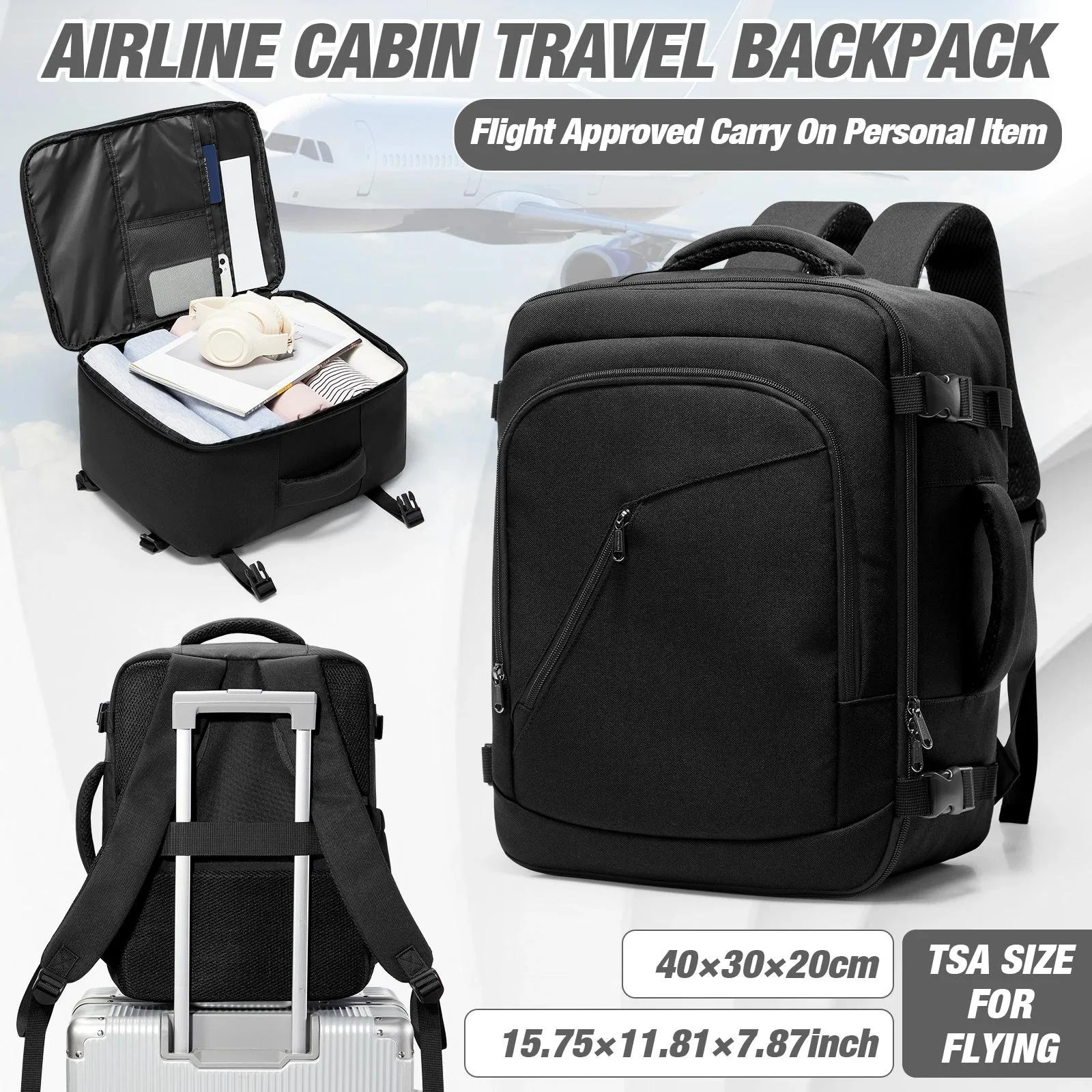
| Best airline-approved value | 40 x 30 x 20 Laptop Backpack | $53.65 | Budget airline personal-item planning |
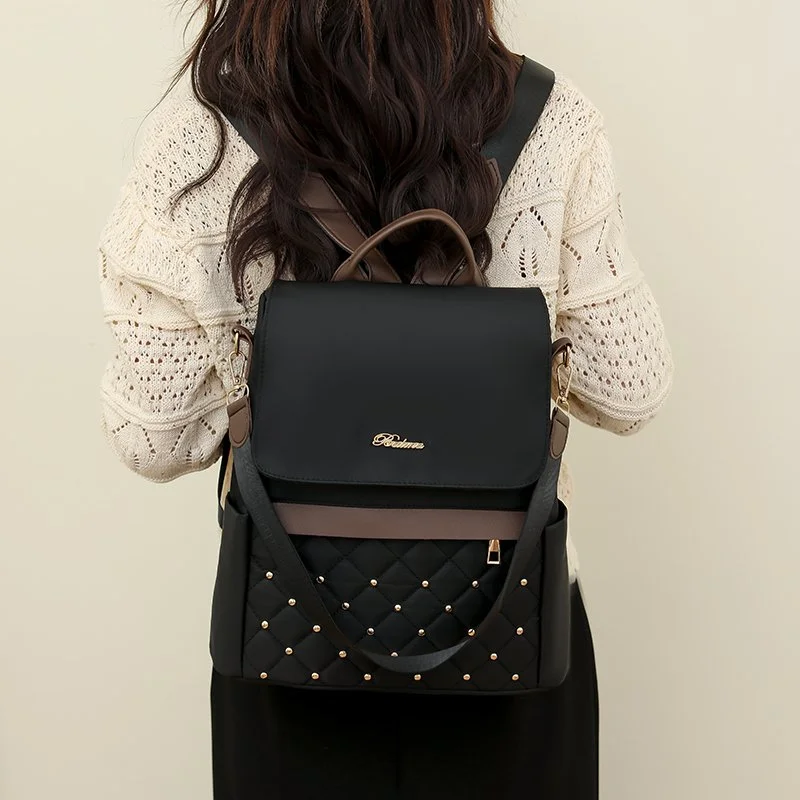
| Best anti-theft value | Anti-Theft PU Leather Women’s Backpack | $47.49 | City travel, commuter security |
| Best Ryanair-specific pick | Ryanair-Approved 40 x 20 x 25 Travel Backpack | $76.80 | Ryanair personal-item trips |
| Best laptop traveler | 25L Waterproof Laptop Backpack | $83.95 | Business trips, weekend laptop travel |
| Best compression system | 40 x 30 x 20 Cabin Backpack with Vacuum Bag | $87.65 | Overpackers and space maximizers |
| Best women’s mid-range | Waterproof Anti-Theft Backpack | $70.49 | Style plus weather and security |
Best Budget Carry-On: Oxford Foldable Luggage Travel Bag - $22.49
The Oxford Foldable Luggage Travel Bag is the honest budget answer. It is not trying to be a premium travel backpack. Its value is simpler: it gives you extra carrying capacity without committing to a bulky second bag.
This kind of bag is useful when you want a lightweight carry-on for a short trip, a backup bag for souvenirs, or a foldable option that can live inside larger luggage until needed. It is also a practical first travel bag for someone who does not yet know how often they will fly.
Buy it if:
- You need a low-cost extra bag.
- You travel light.
- You want a bag that can fold away.
- You care more about avoiding a checked bag than owning a premium backpack.
Skip it if:
- You carry a heavy laptop.
- You need serious strap comfort.
- You want a structured business backpack.
- You travel every month.
At $22.49, the value is not luxury. The value is avoiding overbuying.
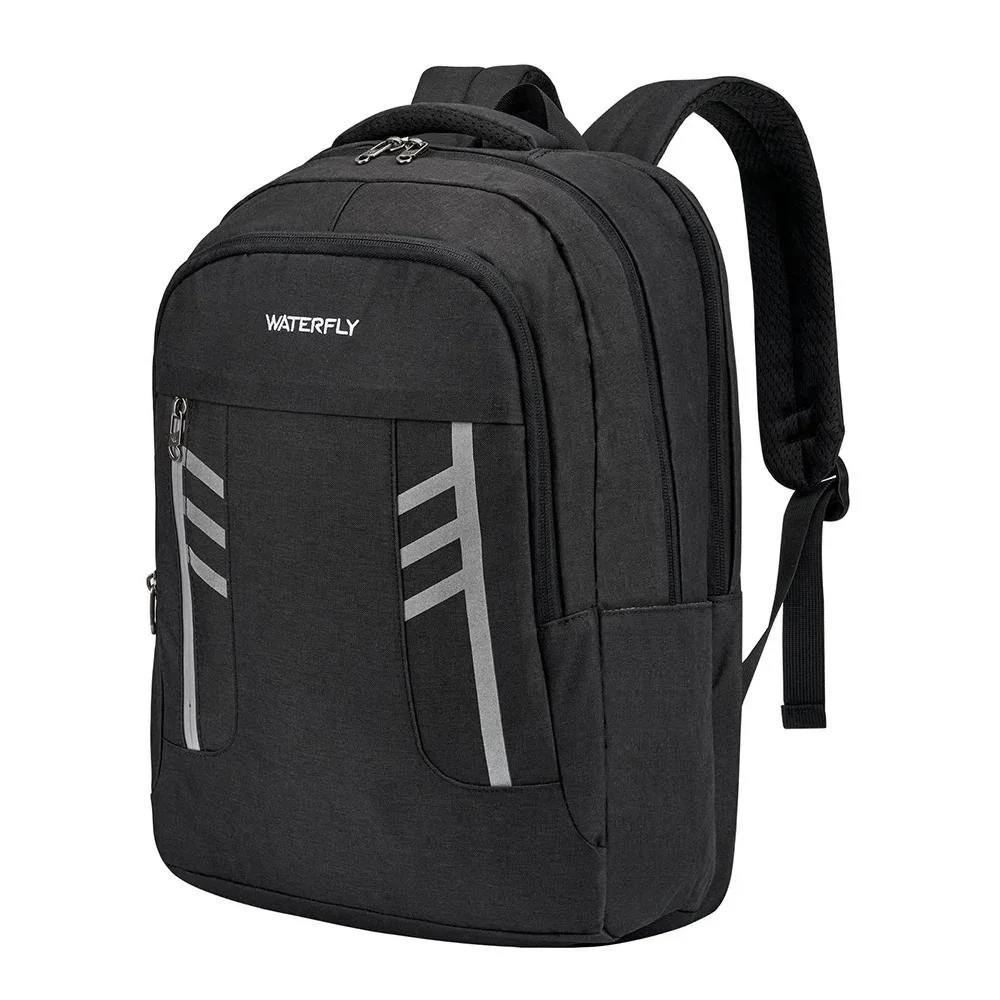
Best Overall Value: Men’s Waterproof Laptop Backpack 15.6“ - $37.49
The Men’s Waterproof Laptop Backpack 15.6“ is the strongest general-value pick because it covers the core problems most travelers actually have: laptop protection, weather resistance, daily organization, and enough capacity for short travel.
This is the backpack for someone who wants one bag for work, commuting, and occasional flights. It is not as specialized as a Ryanair-size backpack and not as security-focused as an anti-theft design. That is the point. It is the middle answer.
Buy it if:
- You carry a laptop.
- You want one bag for daily life and trips.
- You want water-resistant construction without paying premium prices.
- You fly a few times per year.
Skip it if:
- Your airline has strict personal-item dimensions and you need a specific centimeter match.
- You want a fashion backpack.
- You need advanced anti-theft layout.
- You pack for long trips in one bag.
For many shoppers, this is the first backpack to compare against every other option. If a more expensive bag does not solve a problem this one fails to solve, the upgrade may not be necessary.
Best Airline-Approved Value: 40 x 30 x 20 Laptop Backpack - $53.65
The 40 x 30 x 20 Laptop Backpack is the pick for travelers who want the dimension problem solved first. The size is in the product identity, which matters because budget-airline travel is unforgiving.
This bag is especially useful if you are trying to travel with a personal item rather than a paid overhead carry-on. The 40 x 30 x 20 cm format is a common target for under-seat and budget-airline planning. It is not the largest option, but it is a safer shape.
Buy it if:
- You fly budget airlines.
- You want personal-item discipline.
- You carry a laptop but still need a compact footprint.
- You hate gate uncertainty.
Skip it if:
- You want maximum packing volume.
- You mostly fly US carriers with a larger overhead carry-on allowance.
- You pack bulky shoes, jackets, or camera gear.
This is a strong example of why dimension-led shopping beats brand-led shopping. The bag wins because it starts with the travel constraint.
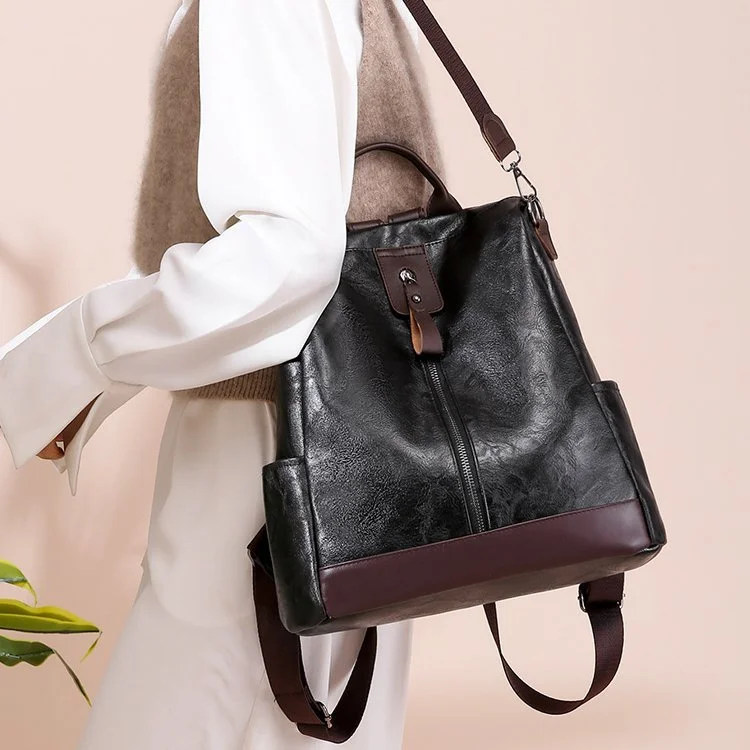
Best Anti-Theft Value: Anti-Theft PU Leather Women’s Backpack - $47.49
The Anti-Theft PU Leather Women’s Backpack is for the traveler who wants a less technical look without giving up security. A city travel backpack does not need to look like hiking gear. In some settings, a lower-profile bag is better.
The anti-theft value is not that the bag is impossible to open. No soft backpack is. The value is that the layout makes casual access harder and keeps important items less exposed.
Buy it if:
- You travel in cities.
- You use public transport.
- You want a more polished look.
- You carry phone, passport, wallet, and small daily items.
Skip it if:
- You need a large clothing compartment.
- You need a technical laptop travel pack.
- You prefer sporty outdoor styling.
- You want a bag for long walking days with heavy loads.
At $47.49, this is less about maximum capacity and more about everyday urban security.
Best for European Budget Airlines: Ryanair-Approved 40 x 20 x 25 Travel Backpack - $76.80
The Ryanair-Approved 40 x 20 x 25 Travel Backpack is the most mission-specific pick in this guide. If you fly Ryanair regularly, this product category matters because Ryanair’s small personal bag allowance is strict and easy to misunderstand.
This is not the largest or cheapest option. Its value is matching the rule. A backpack built around 40 x 20 x 25 cm is designed for the exact pain point that many travelers discover too late: a bag that seems normal at home can become expensive at the gate.
Buy it if:
- You fly Ryanair more than once.
- You want a personal-item-focused bag.
- You pack light and carefully.
- You prefer avoiding baggage add-ons when possible.
Skip it if:
- You need a larger overhead carry-on.
- You overpack by default.
- You carry bulky shoes, coats, or camera gear.
- You mostly fly airlines with larger cabin rules.
The important point is discipline. A Ryanair-size backpack only works if you pack like someone respecting the size limit. If you treat it like a 40L travel pack, it will bulge and defeat the purpose.
Best Laptop Traveler: 25L Waterproof Laptop Backpack - $83.95
The 25L Waterproof Laptop Backpack is for the traveler whose laptop is the center of the bag. A 25L size can work well for a two- to three-day trip if you pack efficiently, but it is still compact enough for daily carry.
This is the kind of bag that makes sense for a weekend conference, a short business trip, a remote-work hotel stay, or a traveler who carries electronics and a small clothing kit.
Buy it if:
- You carry a 15.6-inch laptop.
- You want better structure than a foldable bag.
- You travel for work or school.
- You need weather resistance.
Skip it if:
- You do not carry electronics.
- You need a strict Ryanair personal-item shape.
- You want the cheapest possible option.
- You need a bag for extended one-bag travel.
The reason to buy this pick is not just capacity. It is the combination of laptop compartment, waterproof positioning, and moderate travel volume.
Best Packing-System Option: 40 x 30 x 20 Travel Cabin Backpack with Vacuum Storage Bag and Pump - $87.65
The 40 x 30 x 20 Travel Cabin Backpack with Vacuum Storage Bag and Pump is the cleverest mid-range pick because it solves a real packing problem: clothing volume.
Most travelers do not run out of backpack space because a charger is too large. They run out of space because clothing traps air. A vacuum storage bag can reduce soft-item volume, especially for shirts, underwear, socks, and lightweight layers. That can help a 40 x 30 x 20 cm bag behave like a more efficient travel system.
Buy it if:
- You overpack clothing.
- You want a cabin-size backpack with a compression system.
- You travel for several days with a compact bag.
- You like built-in packing solutions.
Skip it if:
- You mostly carry electronics or hard items.
- You dislike compression bags.
- You need instant access to clothes during the day.
- You are trying to keep the purchase under $60.
Compression is useful, but it is not magic. The weight stays the same. If you compress too much, the bag may still become heavy or bulge in the wrong direction. Use the vacuum bag for soft clothing, not for forcing an unrealistic load into a strict sizer.
Best Women’s Mid-Range: Waterproof Anti-Theft Backpack - $70.49
The Waterproof Anti-Theft Backpack is the style-conscious mid-range option. It belongs in the guide because many travel backpack lists split functionality and appearance too sharply. Some travelers want a bag that works in airports, cafes, city streets, and daily life without looking like outdoor gear.
The combination of waterproof positioning and anti-theft design makes sense for urban travel. Weather and theft risk are two of the most common everyday travel annoyances.
Buy it if:
- You want a polished everyday travel look.
- You need water resistance.
- You want anti-theft layout.
- You travel through cities, cafes, stations, and metros.
Skip it if:
- You need maximum packing space.
- You want a technical hiking-style backpack.
- You carry heavy gear for long walks.
- You want a strict 40 x 20 x 25 Ryanair-style bag.
This pick is not the best for every traveler. It is the best fit when style, weather resistance, and security all matter at once.
How to Choose Between the 8 Picks
If you are still unsure, choose by pain point:
| Your Biggest Fear | Choose |
|---|---|
| Paying for checked luggage | Oxford Foldable Luggage Travel Bag |
| Laptop damage | Men’s Waterproof Laptop Backpack or 25L Waterproof Laptop Backpack |
| Gate sizer failure | 40 x 30 x 20 Laptop Backpack |
| Ryanair small-bag fees | Ryanair-Approved 40 x 20 x 25 Travel Backpack |
| Pickpocketing | Anti-Theft PU Leather Women’s Backpack or Waterproof Anti-Theft Backpack |
| Overpacking clothes | 40 x 30 x 20 Cabin Backpack with Vacuum Bag |
| Looking too touristy | Anti-theft women’s backpack styles |
| Buying one bag for work and trips | Men’s Waterproof Laptop Backpack |
The right product is the one that solves your repeated travel problem. Do not buy a compression backpack if you do not overpack. Do not buy an anti-theft fashion backpack if your main issue is laptop protection. Do not buy a foldable budget bag if you need structure every week.
Trip-Type Recommendations
The easiest way to choose is to match the backpack to the trip, not to a universal ranking.
Weekend City Break
Choose a compact airline-friendly backpack with enough organization for clothes, toiletries, phone, wallet, and maybe a tablet. If you are flying budget airlines, the 40 x 30 x 20 or 40 x 20 x 25 options are more important than total liters.
Best fit:
- 40 x 30 x 20 Laptop Backpack.
- Ryanair-Approved 40 x 20 x 25 Travel Backpack.
- 40 x 30 x 20 Cabin Backpack with Vacuum Storage Bag.
Pack light: two outfits, underwear, socks, flat toiletries, and one outer layer worn on the plane.
Laptop Business Trip
Choose structure and a padded laptop sleeve. A foldable bag is usually the wrong primary bag for this use case because business travel often includes electronics, documents, chargers, and clothes that need to stay organized.
Best fit:
- Men’s Waterproof Laptop Backpack 15.6“.
- 25L Waterproof Laptop Backpack.
Watch for laptop thickness, not only screen size. A protective laptop case can make a sleeve too tight.
European Budget Airline Trip
Choose dimensions before features. If you buy a nice backpack that does not match the fare rules, it is the wrong bag.
Best fit:
- Ryanair-Approved 40 x 20 x 25 Travel Backpack for Ryanair.
- 40 x 30 x 20 Laptop Backpack for Wizz Air-style planning.
- 40 x 30 x 20 Cabin Backpack with Vacuum Storage Bag for compact clothing.
Do not fill every pocket. Budget airline bags fail when they bulge, not only when the base dimensions are wrong.
City Travel with Theft Concerns
Choose anti-theft layout, low-profile style, and water resistance. The main feature is not “RFID” marketing. The main feature is whether important items sit where a stranger cannot casually reach them.
Best fit:
- Anti-Theft PU Leather Women’s Backpack.
- Waterproof Anti-Theft Backpack.
Pack with layers: passport and backup card in a hidden pocket, daily wallet in a less exposed pocket, low-value items in quick-access areas.
Return-Trip Overflow
Choose a foldable or low-cost bag. This is the bag that saves you when souvenirs, laundry, gifts, or a jacket no longer fit in your original luggage.
Best fit:
- Oxford Foldable Luggage Travel Bag.
This is not a daily heavy-carry solution. It is a practical travel accessory.
Overpacker Trying to Avoid a Suitcase
Choose a structured cabin backpack with compression. But be honest: compression reduces volume, not weight. If the bag gets too heavy, your shoulders still pay.
Best fit:
- 40 x 30 x 20 Travel Cabin Backpack with Vacuum Storage Bag and Pump.
Use compression for soft clothing only. Keep electronics, toiletries, and documents accessible.
Packing Rules for a Smaller Travel Backpack
A budget-to-mid backpack works best when packed with discipline.
Rule 1: Put Dense Items Near the Back
Laptop, charger, toiletry pouch, and heavier items should sit close to your back. If dense items sit in the outer pocket, the bag pulls backward and feels heavier.
Rule 2: Do Not Waste the Front Pocket
Front pockets are for light, flat, quick-access items:
- Earbuds.
- Pen.
- Boarding pass.
- Small power bank.
- Lip balm.
- Tissues.
- Transit card.
Do not put bulky chargers, water bottles, thick toiletry bags, or shoes in the front pocket if you are trying to pass a sizer.
Rule 3: Separate Security Items
Never keep passport, every card, every cash bill, and phone in one easy-access pocket. Travel safety improves when a lost wallet does not ruin the trip.
Use three zones:
- Hidden zone: passport, backup card, emergency cash.
- Working zone: daily card, small cash, phone.
- Quick zone: transit card, boarding pass, low-value items.
Rule 4: Test the Bag Fully Packed
Do not wait until the airport. Pack the backpack at home and walk for ten minutes. Climb stairs. Sit down. Put it under a chair. If it feels bad at home, it will feel worse after a flight delay.
Rule 5: Leave Expansion Room
A backpack that closes only with effort on the outbound trip is already too full. You will add receipts, snacks, a water bottle, a jacket, or a small purchase. Leave room for the trip to happen.
Common Buying Mistakes
Mistake 1: Buying by Liter Capacity Alone
Liters are useful but incomplete. Airline rules use dimensions. A 30L bag can be too large if shaped poorly, and a 25L bag can work well if rectangular and disciplined.
Mistake 2: Treating “TSA-Friendly” as an Airline Size Claim
TSA-friendly often means the bag opens conveniently for screening or laptop removal. It does not mean the backpack fits your airline’s carry-on rule. Check the airline.
Mistake 3: Buying a Premium Bag for a Budget-Airline Problem
A premium backpack can still be too large for Ryanair’s small personal bag rule. If your pain point is the sizer, buy for the sizer.
Mistake 4: Ignoring Loaded Thickness
Many backpacks fit when empty and fail when full. The front pocket is usually the problem. Pack the bag, then measure or test compression.
Mistake 5: Choosing Anti-Theft Features That Slow You Down Too Much
Security is useful. Friction is not. If a backpack makes you fight six zippers every time you need your phone, you may start leaving important items in easier places. Good anti-theft design protects valuables without making normal use miserable.
Mistake 6: Assuming Waterproof Means Stormproof
Most budget backpacks are water-resistant enough for ordinary rain, not full waterproof dry bags. Protect electronics separately if weather risk is high.
Mistake 7: Buying for the Product Photo
Product photos are empty, clean, and perfectly shaped. Your backpack will hold chargers, clothes, snacks, receipts, and a laptop. Judge the layout, not only the photo.
Final Recommendation
If you want the best single starting point, choose based on your strictest constraint.
For most general travelers, start with the Men’s Waterproof Laptop Backpack 15.6“ because it balances price, laptop carry, water resistance, and everyday use at $37.49.
For budget-airline travelers, start with the 40 x 30 x 20 Laptop Backpack because dimensions matter more than almost every other feature.
For Ryanair flyers, start with the Ryanair-Approved 40 x 20 x 25 Travel Backpack because the small-bag rule is specific enough that a general backpack is risky.
For city travelers worried about theft, start with one of the anti-theft backpack options. A hidden back pocket and low-profile layout are more useful than a louder travel-brand look.
For overpackers, choose the 40 x 30 x 20 Cabin Backpack with Vacuum Storage Bag and Pump, but remember that compression reduces volume, not weight.
For the cheapest practical option, choose the Oxford Foldable Luggage Travel Bag. It is not the best primary backpack for heavy laptop travel, but it is a rational purchase for light trips and overflow.
The winner is not one backpack for every traveler. The winner is the bag that answers your route, fare type, laptop, packing style, and risk level.
FAQ
What is the best travel backpack for most people?
For most occasional travelers, the best travel backpack is a $35 to $90 bag with airline-friendly dimensions, a padded laptop sleeve if needed, water-resistant fabric, and simple organization. Premium backpacks become worth it mainly for frequent travelers, heavy loads, or specialized gear.
What size backpack is best for flying?
For a standard US carry-on backpack, stay at or below 22 x 14 x 9 inches unless your airline allows more. For budget-airline personal items, check the airline’s centimeter rule. Ryanair’s small bag target is commonly 40 x 20 x 25 cm, while Wizz Air’s free carry-on target is commonly 40 x 30 x 20 cm.
Is a 40L backpack allowed as carry-on?
Sometimes, but not always. A 40L backpack can fit an overhead-bin carry-on allowance if its dimensions are within the airline’s limit and it is not overstuffed. It is usually too large for strict personal-item rules.
What is a TSA-friendly backpack?
TSA-friendly usually means the backpack is convenient for security screening, often with a laptop compartment or lay-flat opening. It does not mean the backpack fits every airline’s size rule. Airlines set carry-on and personal-item dimensions.
What is the best backpack for international travel?
The best international travel backpack depends on the airlines you fly. For mixed airlines, choose a compact, soft-sided backpack with clear dimensions, lockable or hidden storage, water-resistant material, and a laptop sleeve if needed. Budget European airlines require the most careful size checking.
Is an anti-theft backpack worth it?
It is worth it for city travel, public transit, hostels, crowded tourist areas, and trips where you carry passport or electronics in the bag. It is less important for car-based trips or simple domestic travel where the bag is rarely out of your control.
Should I buy a backpack or a suitcase for travel?
Choose a backpack if you need stairs, public transit, cobblestones, budget airline flexibility, or hands-free movement. Choose a suitcase if you carry heavier loads, formal clothes, or want easier rolling through airports.
How much should I spend on a travel backpack?
Spend $20 to $35 for occasional light travel or overflow, $35 to $60 for the best general value, $60 to $90 for anti-theft or compression features, and $100+ only if you travel often enough to justify stronger comfort and materials.
Can a budget backpack last?
Yes, if the load is reasonable and the trip style matches the bag. A $22 foldable bag can be useful for light travel, but it should not be treated like a premium heavy-load travel pack. A $50 to $90 backpack is usually a better long-term value for repeated flying.
What should I check before buying?
Check exact dimensions, laptop sleeve fit, opening style, strap comfort, water resistance, hidden-pocket layout, return policy, and whether the product photos show the bag packed or empty. Then compare those details against your next actual flight.