Story collection
The Weekend Camping Starter Kit: 6 Small Essentials for a Better First Trip
Product references, prices, and listed features were checked in the PickByU catalog on 2026-08-20. This is a weekend car-camping starter kit, not hands-on test results. Every pick is chosen to solve one specific weekend-trip problem: the stove that will not light at dusk, the compass you forgot to pack, tableware that rattles loose, a seat that sinks into soft ground, a bucket that takes up the whole trunk, and a chair that is more hassle than help.
The Weekend Trip Is Won or Lost in the Details
Ask any experienced camper about their worst weekend and you will get a story about a small thing gone wrong: the stove that would not light when it got dark, the missing compass on the one trail that needed it, or the camp chair that sank six inches into soft ground every time they sat down. Nobody’s trip is ruined by the tent or the sleeping bag. It is usually the small gear, the thing you packed without thinking, that decides whether a weekend feels like an adventure or a series of annoyances.
The trick to weekend camping is gear that is small, light, and able to do its job without drama. You are not hauling for a week in the backcountry. You are carrying from car to site, setting up in daylight, and cooking dinner before the bugs come out. That means every piece should earn its trunk space: fold down small, pack flat, set up in seconds, and do exactly one job well.
This starter kit covers six picks, each solving a specific weekend-trip problem: the stove for dinner at dusk, the compass for the unmarked trail, the tableware that packs flat, the navigation backup that lives on your keychain, the bucket that collapses to almost nothing, and the stool that folds into a bag.
1. The Dinner-at-Dusk Fix: Ultra-Light Portable Camping Gas Stove
The problem it solves: Cooking dinner at a campsite when it is getting dark, you are hungry, and the fire pit is smoky or the firewood is wet. A reliable gas stove cooks dinner in minutes regardless of fire conditions. That is the difference between a hot meal at dusk and eating granola bars in the dark.
Ultra-Light Portable Camping Gas Stove is an ultra-light portable gas stove designed for camping. The compact build means it does not dominate the gear bag, and gas heat means instant, controllable cooking.
What you are getting: A reliable cooking flame that works in minutes, in changing weather, with no fire-starting skill required. Boil water for coffee at dawn, cook dinner at dusk, or make tea in the rain. The stove does not care about conditions, which makes it the single biggest quality-of-life upgrade for a short camping trip.
Who it is for: Weekend car campers who cook at the site, hikers who want a hot meal at the trailhead, and anyone tired of smoky, unreliable campfires for cooking. It is also the right pick for campgrounds with fire restrictions.
Honest limits: You still need to carry the fuel canister and check the stove’s fuel type before buying. Butane and propane canisters differ. It is a stove, not a full kitchen, so bring a pot. Smaller cooking surfaces also need careful balancing with larger cookware.
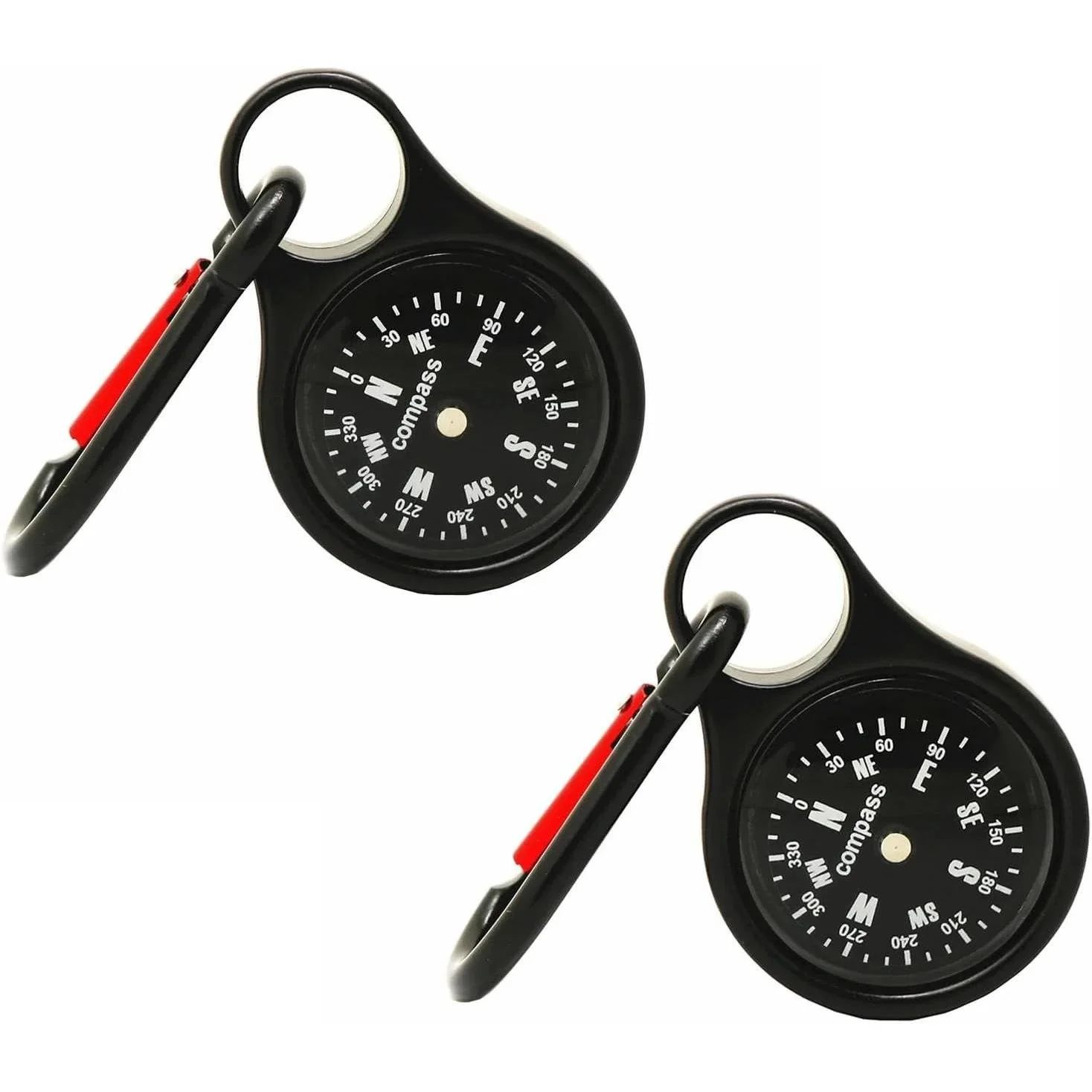
2. The Forgotten-Navigation Fix: Portable Steel Compass Keychain
The problem it solves: The compass you never actually pack. Everyone owns a compass in theory; almost nobody has one in a pocket when they take the unmarked trail past the campsite. A keychain compass lives on your keys. It is always there, with zero packing effort.
Portable Steel Compass Keychain is a steel compass on a keychain, designed to live permanently with your everyday carry. The form factor is the whole point: it is the navigation tool that stays with you because it never gets unpacked.
What you are getting: A backup navigation tool that is always on you. The steel build is sturdier than the plastic novelty compasses that break in a week. When your phone dies, the trail forks, or signal disappears, the compass on your keys still points north. It is insurance you do not have to remember to pack.
Who it is for: Weekend campers, hikers who wander off maintained trails, and anyone who has ever had a phone die mid-hike. It also works as a genuinely useful gift for outdoor people because it is the tool many people forget to buy for themselves.
Honest limits: A keychain compass is a backup, not a primary navigation system. It gives direction, not maps or distance. Steel can also be affected by strong magnets, so keep it away from phone speakers and magnetic clasps. It is small, so reading it precisely takes practice.
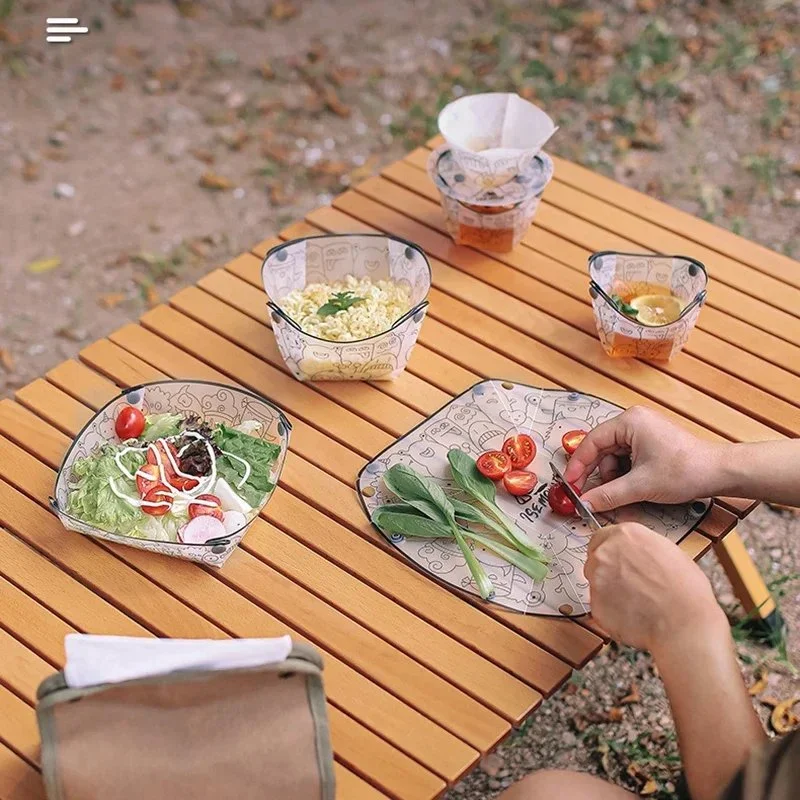
3. The Rattle-Loose Fix: 5-in-1 Foldable Camping Tableware Set
The problem it solves: The camping kitchen drawer: a rattling pile of mismatched plates, cups, and cutlery that takes up space and makes noise on every bump. A foldable tableware set consolidates the basics into one flat, quiet unit.
5-in-1 Foldable Camping Tableware Set combines essential camp meal pieces into one compact foldable unit. The folding design is the value: five pieces collapse into the footprint of one.
What you are getting: One unit that covers camp meal basics and packs into a single flat bundle. It slides into a side pocket instead of rattling loose in a bin, sets up in seconds, and keeps the campsite kitchen organized.
Who it is for: Weekend campers who currently pack their kitchen in a plastic bag, minimalist packers who want one item to do several jobs, and first-time campers building a gear kit on a budget.
Honest limits: This is a set of essentials. Do not expect chef-grade materials or a full place setting for four. Foldable design means lightweight construction, so treat it as camp gear rather than daily kitchen flatware. Check the included pieces before buying because “5-in-1” can vary by set.
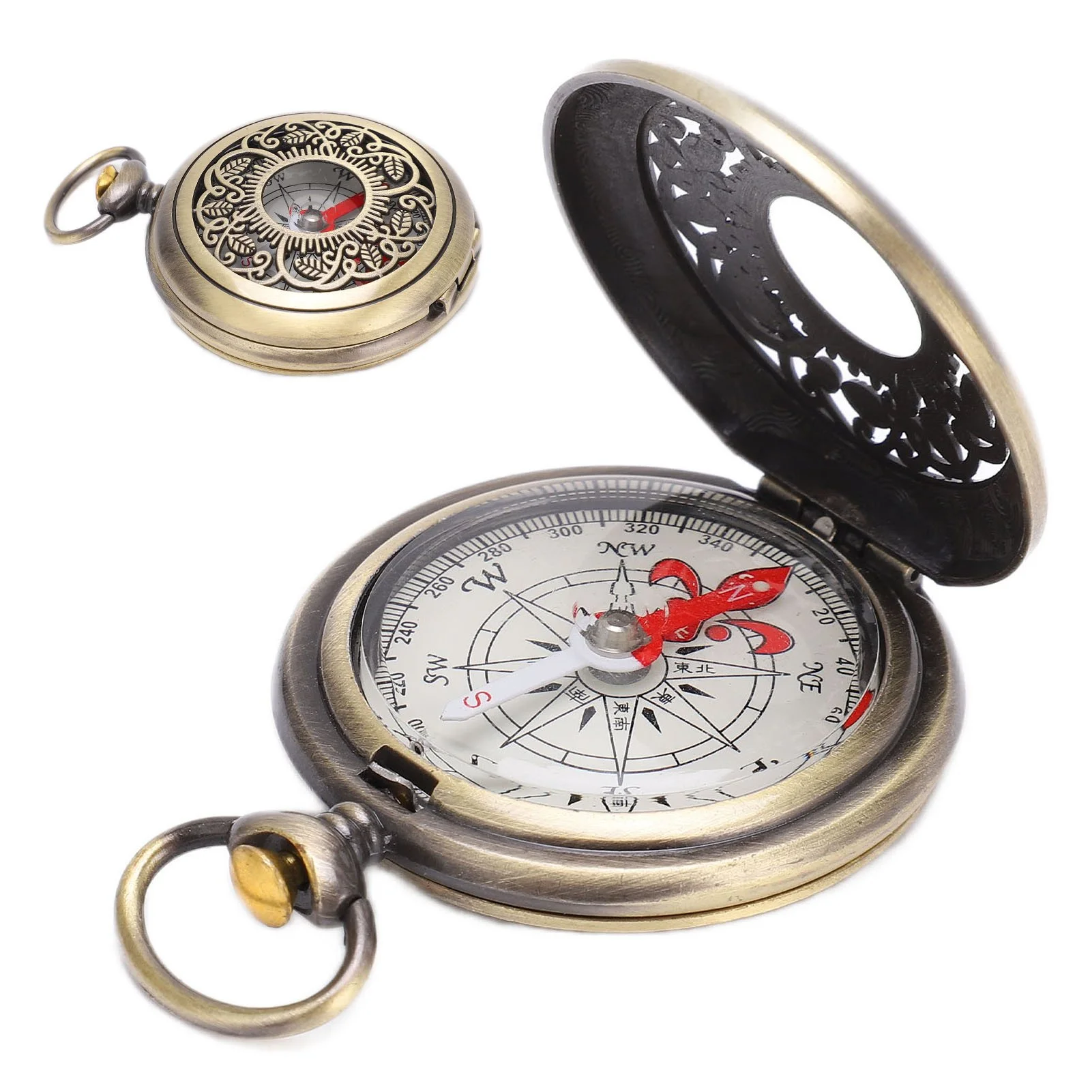
4. The Off-Trail Fix: Portable Brass Camping and Hiking Compass
The problem it solves: The moment you realize you do not actually know which way the trailhead is. A proper brass compass, not the plastic novelty kind, is a real navigation instrument that works without batteries, without signal, and without a charger.
Portable Brass Camping and Hiking Compass is a brass camping compass with waterproof construction, designed for real outdoor navigation. The brass build and waterproofing make it a proper instrument rather than a keychain toy.
What you are getting: A real navigation tool that works in rough conditions. Brass construction feels more durable and can hold up to drops, while waterproofing helps it survive rain, wet packs, and campsite condensation. When the trail disappears or the map needs orienting, this gives you actual bearings.
Who it is for: Hikers who take unmarked trails, weekend campers who want a real backup to phone GPS, and anyone who has been turned around outdoors even once. It pairs best with a paper map of the area.
Honest limits: A compass requires skill. You need to know how to take a bearing and orient a map. It is a backup instrument, not a GPS replacement. Brass is also heavier than plastic, so it earns its pack weight only if you will actually use it.
5. The Trunk-Space Fix: Portable Transparent Folding Bucket
The problem it solves: The camp bucket has a dozen jobs: washing dishes, hauling water, collecting firewood, holding the morning wash-up, or isolating muddy items. A normal bucket is rigid and bulky. A folding bucket collapses flat when empty and opens into a full bucket when needed.
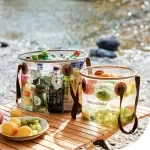
Portable Transparent Folding Bucket collapses flat for storage and opens to full size for use. The transparent design lets you see water level and contents, which is useful for dishwashing and campsite cleanup.
What you are getting: The camp workhorse that does not demand permanent trunk real estate. Use it for dishwater, a water run, firewood, or a foot soak at the end of the day, then collapse it and slide it into a narrow gap. The transparent walls help you see water level and contents at a glance.
Who it is for: Weekend car campers who need a camp bucket but hate packing bulky gear, campers who wash dishes at the site, and families who need a multi-purpose container that does not dominate the packing list.
Honest limits: Folding buckets are usually lighter duty than rigid buckets. Do not stand in it or overload it with heavy gear. The fold mechanism is a wear point over years of use. It folds flat for transport, but it is still bucket-sized when open.
6. The Soft-Ground Fix: Foldable Camping Stool
The problem it solves: Sitting on the ground: on the root, the rock, the damp patch, or the anthill. A camp stool gives you a dry, stable seat almost anywhere, and this one folds small with storage.
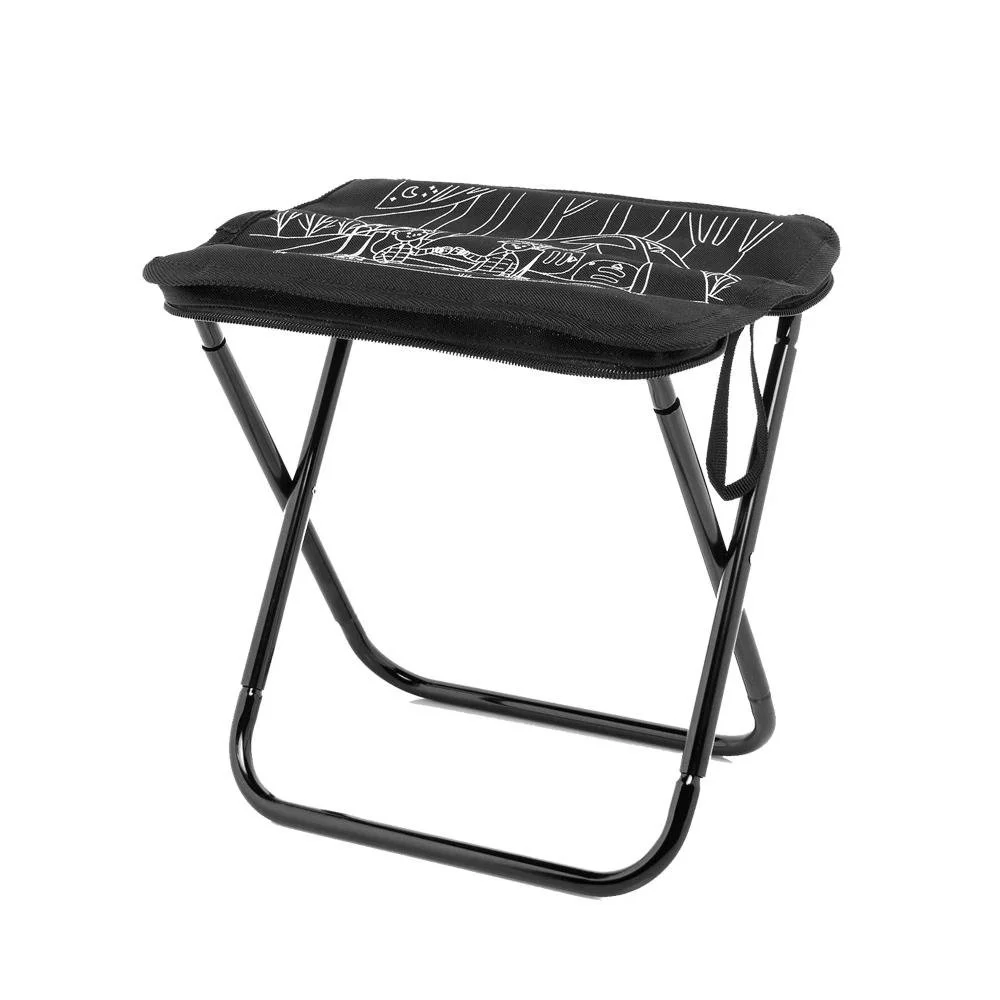
Foldable Camping Stool is a lightweight portable camp stool with a storage feature. The folding design collapses it for transport, while the storage compartment adds utility beyond sitting.
What you are getting: A portable seat that sets up in seconds and packs away small. The stool lifts you off wet ground, cold rock, and insect traffic. The storage adds a spot for a water bottle, phone, or small kit, instead of leaving those items on the ground next to you.
Who it is for: Campers who sit at the site, the camp cook who wants a seat while tending the stove, and anyone tired of standing the whole trip because there is nowhere clean to sit. It also fits concerts, fishing, and beach days.
Honest limits: A stool is a stool, not a lounge chair. There is no reclining, no armrest, and no napping. Weight capacity matters, so check it against the heaviest person who will use it. The storage is small: a phone and water bottle, not a duffel.
The Camping-Gear Comparison
| Pick | Weekend problem it solves | Best for | Watch out for |
|---|---|---|---|
| Portable Gas Stove | Dinner at dusk | Every car camper | Fuel canister needed |
| Keychain Compass | Forgot to pack navigation | Keys-forever people | Backup only |
| 5-in-1 Tableware | Rattling loose kitchen | Budget packers | Lightweight build |
| Brass Compass | Real navigation backup | Off-trail hikers | Skill required |
| Folding Bucket | Trunk-space hog | Multi-use campers | Lighter duty |
| Foldable Camping Stool | No clean place to sit | Everyone at the site | Stool, not lounger |
Editor’s Buying Notes: Packing for the First Weekend
The weekend trip is won in the small gear: the stove that lights, the seat that holds, the tableware that stays together, and the backup navigation that works when your phone does not. The tent and sleeping bag get the planning attention, but the small stuff decides whether the trip feels good.
Start the kit with the stove. A hot meal at dusk is the difference between “I love camping” and “never again.” It is the single highest-impact item on this list and the first thing I would buy.
Navigation is the insurance category. Most weekend campers never need a compass until the phone dies and the trail forks. The keychain compass is the zero-effort option because it lives on your keys. The brass compass is the real instrument for anyone who ventures off maintained trails. Carry one of them; choose the brass one if you hike seriously and the keychain one if you want insurance without building a new habit.
The stool and bucket are the comfort-and-utility pair. The stool lifts you off wet ground, a small luxury that makes the whole site feel better. The folding bucket handles dishes, water, and cleanup, then collapses flat. That is the difference between a useful camp tool and a trunk hog.
For the minimalist, the tableware set is the sleeper pick. It turns scattered meal pieces into one flat unit and solves the rattling-kitchen problem permanently. Pair it with the stove and you have the core cooking system for a simple weekend.
The one mistake that ruins first trips is overpacking. Weekend camping does not need the full expedition kit. It needs small, reliable essentials. These six items cover cooking, eating, sitting, navigation, and utility. That is the sweet spot: enough to be comfortable, light enough to actually enjoy the weekend.
Common First-Trip Mistakes to Avoid
The first mistake is overpacking. Weekend camping does not need the expedition kit. It needs the small, reliable essentials. Everything beyond that should earn its trunk space, not just fill it.
The second mistake is treating the stove as optional. A hot meal at dusk changes the whole mood of the trip. Borrowing a stove that does not work or forgetting fuel turns dinner into a granola-bar disaster. Test the stove at home once before the trip, and check that the fuel type matches.
The third mistake is relying only on the phone for navigation. Phones die, lose signal, and crack on rocks. A small compass is insurance, not a replacement for GPS. Take one, and take a paper map if you plan to leave maintained trails.
The fourth mistake is skipping the small comfort items. The stool and bucket are easy to leave behind and difficult to improvise well. Sitting on a wet log and washing dishes in a cupped hand are the small miseries that accumulate into a bad trip.
The fifth mistake is buying gear for the imagined trip instead of the actual one. Ultralight everything makes sense for backpackers. Car campers can carry sturdier, more comfortable versions. Match the gear to how you actually camp.
How to Build the Kit by Trip Type
For a campground weekend with a reserved site, start with comfort and kitchen reliability. The stove, tableware, stool, and folding bucket are the core four. You will probably have a parking spot nearby, a water source somewhere in the campground, and a picnic table or fire ring already installed. That means the biggest risks are not survival problems. They are meal friction, messy cleanup, and having nowhere comfortable to sit while the site settles into evening.
For a lake, beach, or riverside weekend, the folding bucket moves up the list. Water access sounds convenient until you need to carry it back to the site, rinse sand off cookware, or keep wet items away from dry gear. A collapsible bucket is also useful as a temporary sink because it gives you one place for dishwater instead of spreading the mess across the campsite. Pair it with the stool so you have a clean seat while changing shoes, drying feet, or managing gear near wet ground.
For a hiking-heavy weekend, navigation should not be treated as optional. Bring the brass compass if you plan to leave maintained campground loops, and keep the keychain compass as the always-with-you backup. They solve different problems. The brass compass is the one you use intentionally with a map. The keychain compass is the one still in your pocket when the group takes an unplanned side trail. A weekend trip is short, but getting turned around for one hour can still ruin the day.
For a first-time family trip, choose items that reduce repeated small complaints. The stool gives a child or tired adult an immediate seat. The tableware set keeps the meal kit from scattering. The bucket handles dish duty, toy cleanup, and muddy shoes. The stove gives predictable food timing, which matters more when people are cold, hungry, or overstimulated by a new environment. Family camping is less about owning rugged gear and more about removing avoidable waiting.
For a minimalist solo weekend, choose the stove, tableware set, and one compass. That is the lightest version of the kit that still covers hot food, eating, and orientation. Add the stool only if you know you will spend real time sitting at camp. Add the bucket only if your site setup includes dishwashing, water hauling, or messy gear. The minimalist rule is simple: if the item will be used several times in two days, it earns the space.
The Night-Before Gear Check
The fastest way to make weekend camping easier is to test the small gear before it enters the car. This does not need to become a full garage rehearsal. It means opening each item, using the mechanism once, and confirming the missing companion pieces are packed.
For the stove, attach the correct fuel canister at home if it is safe to do so, confirm the connection type, and make sure you have a lighter or ignition backup. Many stove problems are not stove problems; they are wrong-fuel, empty-canister, or no-pot problems. Pack fuel beside the stove instead of in a random bin so the cooking system stays together.
For the tableware set, unfold every piece and make sure it actually covers the meal you plan to cook. If dinner needs a knife, a cup, and a bowl, verify those pieces are included before you are standing at the campsite with noodles and no bowl. The appeal of a 5-in-1 set is consolidation, but consolidation only works when the included pieces match the menu.
For the compass, check that the needle moves freely and settles consistently. Keep it away from magnetic phone mounts, speakers, and metal clutter during the check. If you are bringing the brass compass, pack the map with it. A compass without a map is still useful for direction, but the pair is what turns direction into real navigation.
For the folding bucket, open it fully, fill it partway, and look for weak fold points. You do not want the first water test to happen beside the campground spigot while your shoes are getting soaked. Let it dry before packing so it does not trap moisture in the gear bin.
For the stool, unfold it once, sit carefully, and confirm the legs lock or spread correctly. Check the storage pocket before leaving camp, too. Small chair pockets are perfect places to lose keys, lip balm, headlamps, and snack wrappers because they are out of sight when the stool folds.
This ten-minute check catches boring failures before they become campsite problems. Weekend gear should feel boring in the best way: it opens, works, packs down, and disappears until needed.
FAQ
What is the minimum gear to cook a proper meal at a campsite?
A reliable stove, fuel, one pot, and tableware. That covers hot meals, coffee, and basic cleanup for a short weekend.
Do I really need a compass if I have a phone?
Yes, as a backup. Phones die, lose signal, and break. A small compass works without a battery. It is insurance, not a replacement for GPS or a map.
What is the best first purchase for a brand-new weekend camper?
The gas stove. A hot meal is the difference between a campsite that feels manageable and a campsite that feels frustrating. Everything else can be improvised more easily.
How do I pack a folding bucket without damaging it?
Collapse it fully and slide it flat against the trunk wall or between gear. Avoid stacking heavy items on top of the collapsed bucket because the fold points are the weak spots.
Are these items good for car camping, hiking, or both?
Mostly car camping and base-camp use. The stove and tableware are light enough for short hikes, and the brass compass is the most hike-friendly pick. The stool and bucket are site gear, not trail gear.
Can I use a campfire instead of buying a stove?
Sometimes, but fires are unreliable because of wet wood, local bans, smoke, and slow cooking time. The stove is the reliable baseline. Treat the fire as a bonus, not the plan.
What should I test before leaving home?
Test the stove connection, unfold the tableware, check that the compass needle moves freely, open the folding bucket, and sit on the stool once. Ten minutes at home prevents the most annoying campsite failures.