Story collection
The Small-Apartment Dining Room Starter Kit: Everything Under $40
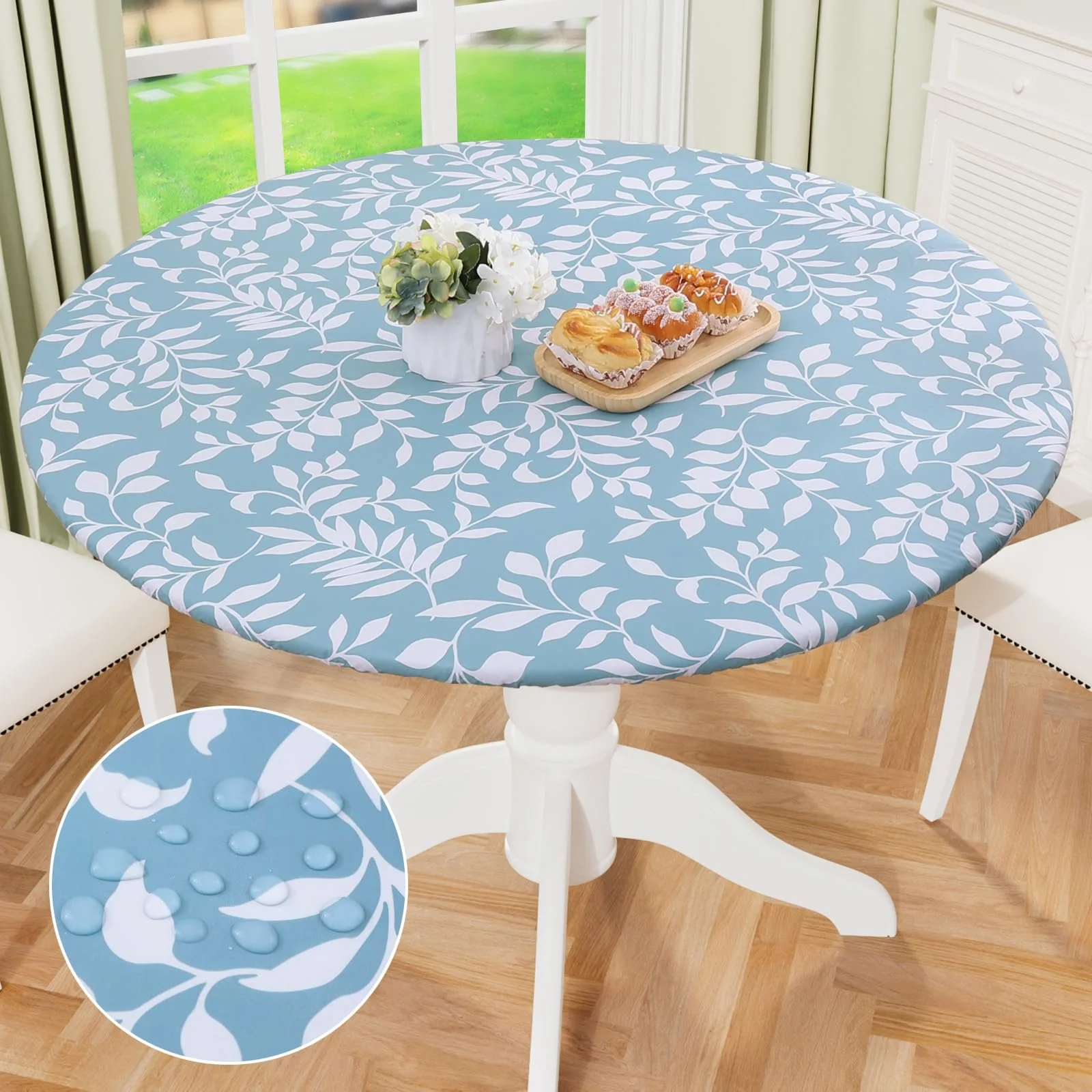 Elastic Round Vinyl Tablecloth with Flannel Backing – Waterproof & Fitted
 Japanese Ceramic Rectangular Sauce Dish – Wave Pattern Premium Tableware
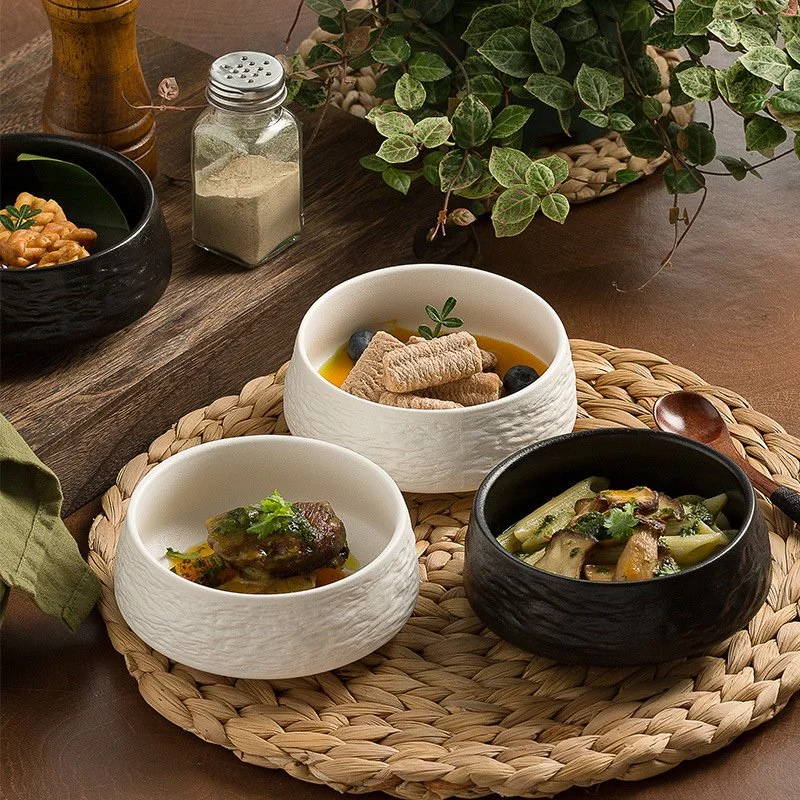 Japanese Ceramic Rice and Soup Bowl – Small Dessert & Oatmeal Bowl
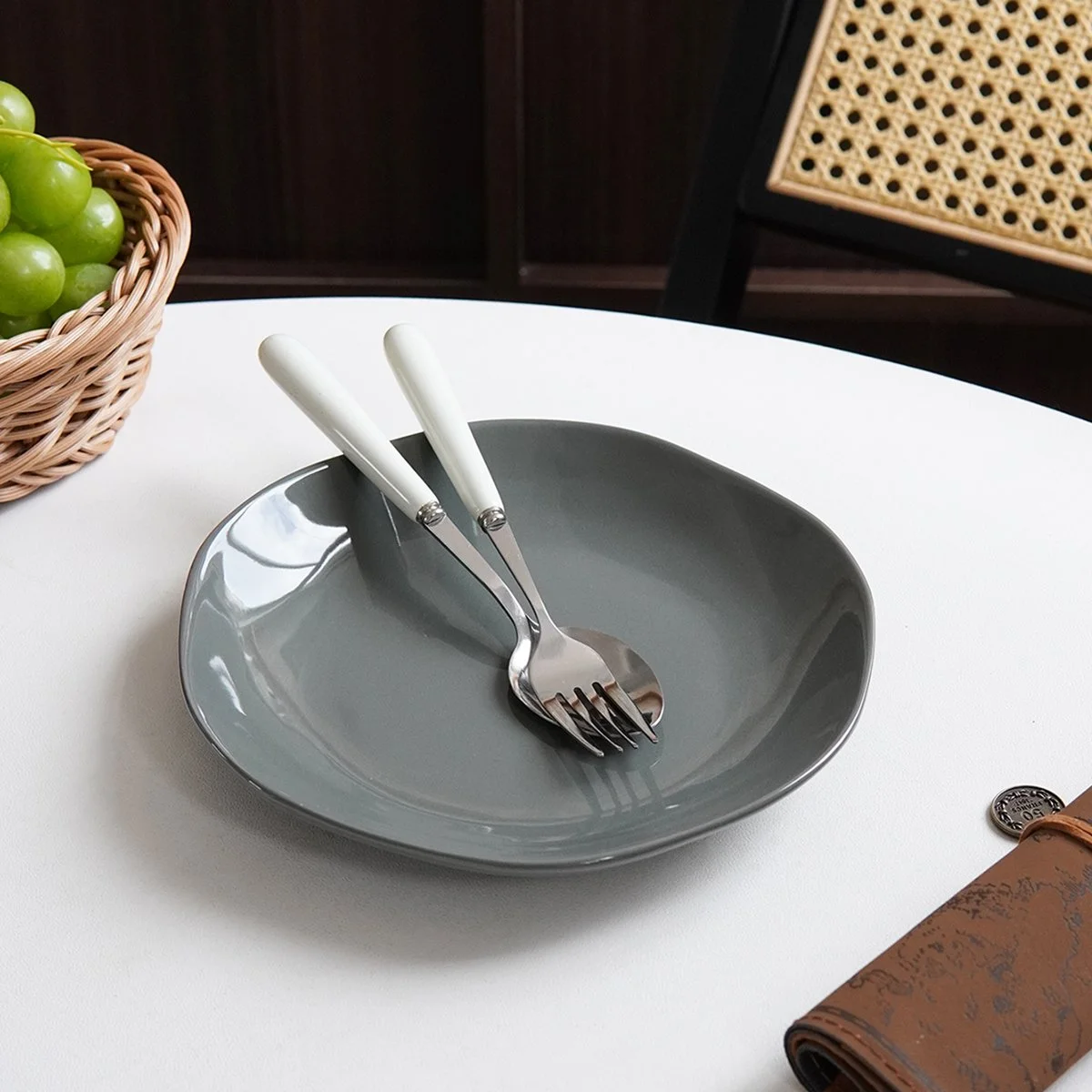 Gray Ceramic Dinner Plate with Asymmetrical Design – Modern Round Dining Plate
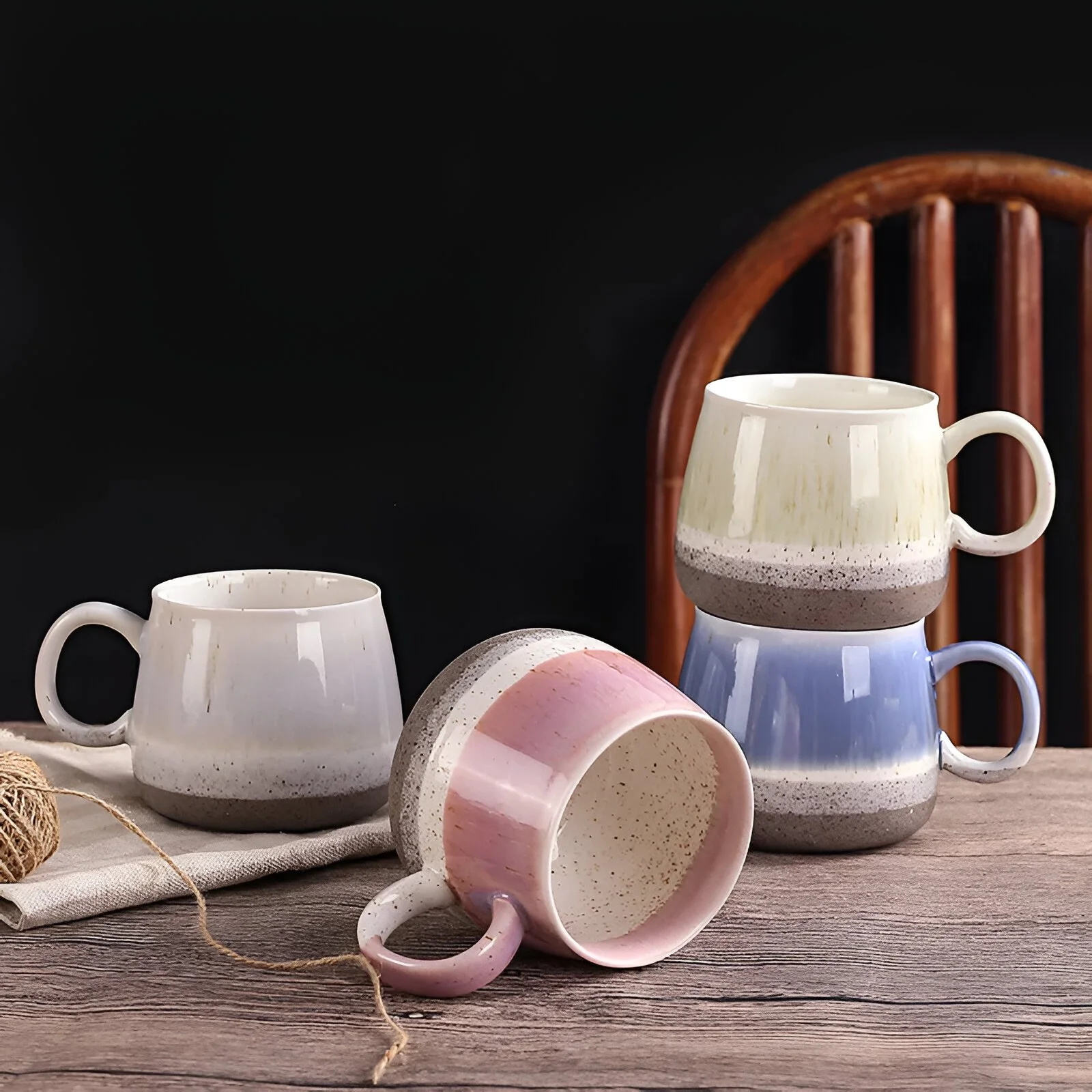 Nordic Style Ceramic Mug – Large Capacity Office & Coffee Mug
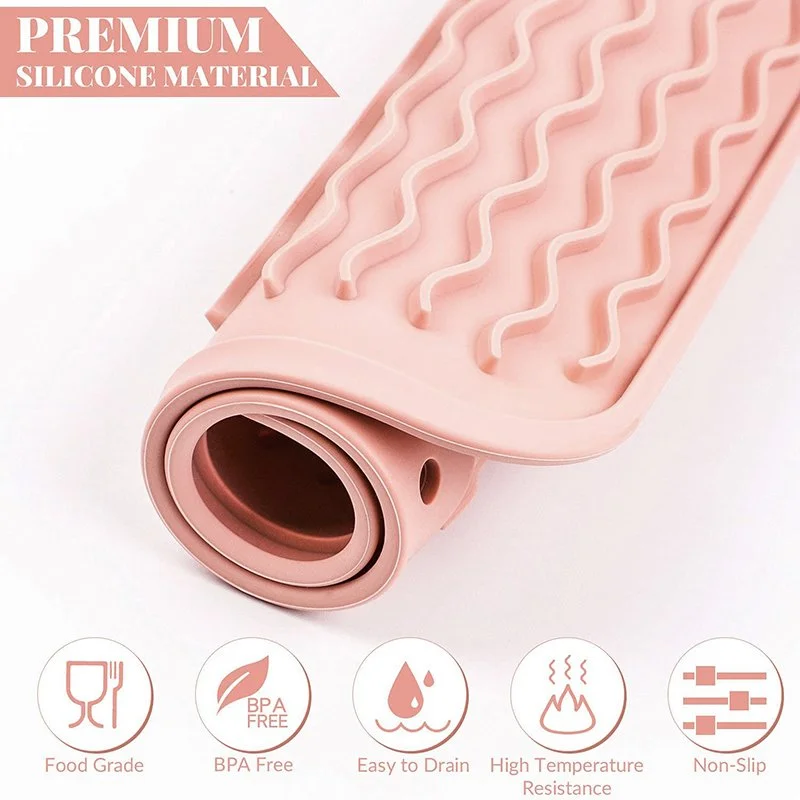 Large Silicone Dish Drying Mat 15.7 x 11.8 Inch – Heat Resistant Countertop Mat
Product references, prices, and listed features were checked in the PickByU catalog on 2026-08-13. This is a scene-based collection for building a small-apartment dining setup from scratch — not hands-on test results. Every piece is real, verified, and chosen for the way a two-seat table actually lives.
The Story
Maya moved into her first solo apartment in Chicago in June — a 480-square-foot studio with a kitchen so narrow you could touch both counters by stretching. The “dining room” was a folding table from her cousin’s basement, shoved against the wall, half covered in unopened mail and a keyboard she hadn’t touched since finals.
For the first month, she ate standing at the counter. It wasn’t a choice she made deliberately — it just happened. The table didn’t feel like a table. It felt like a surface that happened to have chairs near it. When her mom visited and they finally sat down, Maya spent the whole meal apologizing: “Sorry about the forks, they’re from like four different sets. The plate is from Target. I know it doesn’t match.”
Her mom, a woman who has owned the same CorningWare for thirty years, said something Maya still thinks about: “It doesn’t need to match. It needs to feel like you chose it.”
That’s the whole trick. A dining table in a small apartment doesn’t become a dining room because of square footage — it becomes one because somebody decided it was one. And the decision is made in objects: a cloth that says “this is the eating zone,” plates that look intentional, cutlery that matches, a cup you’re happy to hold every morning. None of it expensive. All of it chosen.
Over the next month Maya rebuilt that table for under $300, piece by piece, and she kept a list of what actually earned its place. This collection is that list — the small-apartment dining starter kit, every piece under $40, built for the way a two-seat table really lives.
What Goes on the Table: The Setting Layer
1. Elastic Round Vinyl Tablecloth with Flannel Backing — $34.49
The base layer that declares “this is a dining table.” The elastic edge fits snug over a round table — no bunching, no clips — and the flannel backing protects the surface while the vinyl wipes clean. For a renter, it’s the fastest way to turn a borrowed folding table into a real dining surface.
2. Japanese Ceramic Rectangular Sauce Dish – Wave Pattern — $32.80
The small piece that makes takeout feel like a table setting. Soy sauce with dumplings, dressing with salad, a dipping sauce for dumplings — this wave-patterned dish gives condiments a home instead of leaving them in plastic packets. It’s the “detail” piece that guests notice without knowing why.
3. Japanese Ceramic Rice and Soup Bowl – Small Dessert and Oatmeal Bowl — $36.80
The everyday bowl. Sized for rice, soup, oatmeal, or a dessert portion — the Japanese ceramic style adds warmth to every meal, and its small footprint stacks easily in a tight cabinet.
4. European Vintage Ceramic Salad and Dessert Bowl Side Plate — $37.95
The side plate that does double duty — salad plate at dinner, dessert plate after. The vintage pattern gives the table personality without a full matching set, and it’s the piece that makes a simple meal feel like a “spread.”
What Goes on the Table: The Dinnerware Layer
5. Gray Ceramic Dinner Plate with Asymmetrical Design – Modern Round — $29.49
The main plate. Asymmetrical design reads modern and intentional — the kind of plate that makes even a frozen meal look plated. Gray works with almost any other color on the table.
6. Marble Gray Ceramic Dinner Plate and Bowl – Elegant Round Tableware — $38.49
The matching set moment. This plate-and-bowl pair in marble gray is the “grown-up” purchase — the one that makes the table feel complete rather than assembled. Marble gray is the neutral that photographs well and hides everyday wear.
7. Golden Pearl Round Ceramic Dessert and Pasta Plate — $37.65
The “special occasion” plate. The golden pearl finish catches the light and makes pasta night feel like a restaurant order. One distinctive plate on the table reads as intentional, not incomplete.
8. Elegant Rock Texture Ceramic Soup and Salad Bowl – Modern Porcelain — $28.80
The soup-and-salad workhorse. Rock texture adds grip and visual interest; modern porcelain construction means it holds heat for soup and cleans up easily. The bowl that sees the most action on a two-person table.
9. Asymmetrical Eggshell Ceramic Bowl – Creative Dessert and Salad Tableware — $32.65
The creative-adjacent bowl. Eggshell color and asymmetrical shape give the table a handcrafted feel — the kind of piece that makes people ask where you got it. Use it for salad, cereal, or dessert.
10. Japanese Style Wooden Salad Serving Spoon and Fork Set — $26.49
The serving moment. A wooden salad set turns “mixing the salad in the big bowl” into a table ritual instead of a kitchen chore. Wood adds warmth and is gentle on non-stick and ceramic surfaces.
What Goes in the Cupboard: The Glassware and Mug Layer
11. Glass Coffee Mug with Walnut Handle - 3oz Heat-Resistant Small Cup — $18.95
The “real cup” moment. A glass mug with a walnut handle is the kind of cup that makes espresso or a small coffee feel like a deliberate choice rather than a caffeine delivery. Glass shows the drink — a small luxury in the morning.
12. Heat-Resistant Glass Coffee and Tea Mug – Modern Transparent Water Tumbler — $23.80
The transparent modern cup. Heat-resistant glass works for coffee, tea, or water, and the modern look matches the gray-and-wood table aesthetic. Two of these cover most apartment beverage moments.
13. 500ML Stainless Steel Red Wine Cocktail Cup - Unbreakable Tall Champagne Glass — $30.49
The unbreakable glassware. A tall stainless cup that works for wine, cocktails, or a cold drink on the balcony — unbreakable means it’s the glass you actually use, not the one you save for guests. The “bistro” energy is a feature, not a compromise.
14. Nordic Style Ceramic Mug – Large Capacity Office and Coffee Mug — $32.49
The big-coffee mug. 400ml+ capacity for people who don’t do dainty — the Nordic ceramic style is clean and modern, and the large capacity means one cup covers the whole morning.
15. 240ml Retro Ceramic Coffee Mug for Latte, Cappuccino and Tea – Eco-Friendly — $36.49
The retro accent mug. 240ml is the classic latte size, and the retro ceramic style adds a warm, nostalgic note to the table. Eco-friendly construction is a bonus for the sustainability-minded.
16. 400ml Ceramic Coffee Mug with Round Handle – Microwave and Dishwasher Safe — $37.49
The practical daily mug. Microwave and dishwasher safe means it’s the one you grab when you’re running late — no hand-wash guilt. The round handle fits comfortably for a full morning cup.
17. Hand-Painted Striped Ceramic Coffee Mug with Floral Design — $37.95
The handcrafted statement. Hand-painted stripes and floral detail make this the mug that starts conversations — the one you keep on the desk as much as the table. It’s the “I chose this” piece.
18. Creative Retro Refrigerator Ceramic Mug with Lid and Straw (600ml) — $29.95
The fun daily cup. A retro refrigerator-style mug with a lid and straw at 600ml — the kind of thing that makes hydration feel less like a chore. It’s the whimsy piece that keeps the table from taking itself too seriously.
What Goes in the Drawer: The Utility Layer
19. Large Silicone Dish Drying Mat 15.7 x 11.8 Inch – Heat Resistant Countertop — $27.65
The counter protector. A silicone drying mat catches water and heat, protecting the counter and corralling dishes as they dry. In a small kitchen with no drain board, it’s the unsung hero of every cleanup.
20. Round Cotton Linen Floral Tablecloth with Tassels — $22.49
The alternate table layer. When the vinyl tablecloth feels too practical, this cotton-linen floral adds softness for dinners or guests. Round shape fits the apartment table; the tassels give it a finished edge. (Pair with the flannel-backed vinyl as the everyday option.)
The Starter Kit Summary
| # | Product | Price | The job it does |
|---|---|---|---|
| 1 | Elastic Round Vinyl Tablecloth | $34.49 | Declares the dining zone, wipes clean |
| 2 | Japanese Rectangular Sauce Dish | $32.80 | Condiment home, takeout upgrade |
| 3 | Japanese Rice and Soup Bowl | $36.80 | Everyday bowl |
| 4 | European Vintage Side Plate | $37.95 | Salad or dessert plate |
| 5 | Gray Asymmetrical Dinner Plate | $29.49 | The modern main plate |
| 6 | Marble Gray Plate and Bowl | $38.49 | The grown-up matching set |
| 7 | Golden Pearl Pasta Plate | $37.65 | Special-occasion plate |
| 8 | Rock Texture Soup Bowl | $28.80 | Soup and salad workhorse |
| 9 | Eggshell Asymmetrical Bowl | $32.65 | Handcrafted accent bowl |
| 10 | Wooden Salad Serving Set | $26.49 | Table-side serving ritual |
| 11 | Glass Mug with Walnut Handle | $18.95 | The real-cup moment |
| 12 | Heat-Resistant Glass Mug | $23.80 | Transparent modern cup |
| 13 | Stainless Wine Cocktail Cup | $30.49 | Unbreakable glassware |
| 14 | Nordic Large Ceramic Mug | $32.49 | Big coffee, clean style |
| 15 | Retro 240ml Ceramic Mug | $36.49 | Latte-size retro accent |
| 16 | 400ml Round Handle Mug | $37.49 | Microwave-safe daily cup |
| 17 | Hand-Painted Striped Mug | $37.95 | The handcrafted statement |
| 18 | Retro Refrigerator Mug with Lid | $29.95 | Fun daily hydration cup |
| 19 | Silicone Dish Drying Mat | $27.65 | Counter protector |
| 20 | Cotton Linen Floral Tablecloth | $22.49 | The soft guest layer |
The math: Every piece under $40, the whole table rebuilt for roughly $620 if you bought everything — but nobody needs all twenty. Start with the five that fix your actual pain points (the vinyl cloth, one plate-and-bowl pair, one mug, one sauce dish), and add from there. The collection works as a menu, not a mandate.
How to Build the Kit Without Buying All 20 Pieces
The point of a starter kit is sequence. A small apartment does not reward bulk buying, even when every item is affordable. Twenty under-$40 pieces can still become clutter if they arrive before the table has a clear role. The smarter approach is to build the dining setup in phases: first define the table, then make one complete place setting, then add the pieces that support your real meals.
Phase one is the table reset. If the surface is scratched, borrowed, folding, or visually messy, start with the elastic vinyl tablecloth or the cotton-linen floral tablecloth. The vinyl cloth is more practical for daily eating because it wipes clean and grips the table. The floral cotton-linen cloth is better when you want softness, texture, and a guest-ready look. You do not need both right away. Choose vinyl if spills and easy cleanup matter most; choose cotton-linen if the table already functions well and just needs warmth.
Phase two is the first real setting. Pick one plate, one bowl, one cup, and the wooden serving set or sauce dish if your meals include sides. The marble gray dinner plate and bowl is the most balanced starter because it gives you both flat and bowl service in one visual language. If you want a more sculptural look, choose the asymmetrical gray plate or eggshell bowl. If you eat rice, soup, oatmeal, or noodles often, prioritize bowls over plates. Apartment meals are frequently bowl meals, and a good bowl gets used more than a formal dinner plate.
Phase three is the drink ritual. Small apartments often have two daily dining moments: dinner and the morning cup. The glass mug with walnut handle is the low-price, real-cup upgrade. The heat-resistant glass mug is better if you want a clean modern look and like seeing tea or coffee through the cup. The Nordic ceramic mug is the safest large-capacity daily option. The retro 240ml mug and wood-accent pieces are better for slower, more styled coffee moments. The refrigerator mug with lid and straw is the fun hydration pick, but it is not the first cup for everyone.
Phase four is the utility layer. This is where the dining setup survives real apartment life. The silicone drying mat protects limited counter space after washing dishes and gives wet cups somewhere to land. The sauce dish keeps condiments, dips, and takeout sauces off napkins and plastic lids. The wooden serving set makes shared salad, pasta, fruit, or snacks feel table-ready. These pieces are less glamorous than plates, but they are the ones that keep the routine from collapsing back into counter eating.
The best first buy for most people is not the prettiest item. It is the item that changes the table’s job. If the table does not feel like a dining zone, buy a cloth. If meals look thrown together, buy a plate-and-bowl pair. If every morning starts with a mug you dislike, buy the cup. If cleanup is the reason you avoid using real dishes, buy the drying mat first. The kit works when it removes the first point of resistance.
Budget Paths: $100, $200, and $300 Setups
If your budget is around $100, build a visible starter setting. Choose one tablecloth, one plate or bowl, one mug, and one utility piece. A practical version would be the cotton-linen floral tablecloth, the rock texture soup and salad bowl, the glass mug with walnut handle, and the silicone drying mat. That gives the table a soft surface, one real meal vessel, one daily cup, and a cleanup tool. It will not complete the whole dining room, but it changes the experience immediately.
If your budget is around $200, build a two-person table. Choose one tablecloth, two dinnerware pieces, two cups, one sauce dish, and one utility piece. For example: elastic vinyl tablecloth, marble gray plate-and-bowl, asymmetrical eggshell bowl, heat-resistant glass mug, Nordic ceramic mug, Japanese rectangular sauce dish, and silicone drying mat. This creates variety without overloading the cabinet. It also avoids the trap of buying four identical pieces before you know which one you actually use.
If your budget is around $300, build the full apartment dining zone. Add a guest-friendly layer: one extra plate, one extra bowl, a serving set, and one more cup with personality. This is where the golden pearl dessert plate, wooden serving set, hand-painted striped mug, and retro ceramic mug make sense. They are not the first survival pieces; they are the pieces that make the table feel like a hosted space.
The full $620 version is best treated as a long-term menu. It is useful for planning, not a command to buy everything at once. A small apartment dining setup should grow from use. After two weeks, you will know whether you need another bowl, another mug, a more wipeable surface, or more serving pieces. Let the table tell you what it lacks.
Which Pieces Fit Which Table?
A round two-seat table benefits most from a strong center signal. A fitted vinyl tablecloth makes the whole surface read as one dining zone, while a single sculptural plate or bowl can become the visual focal point. Round tables are small, so avoid using too many statement pieces at once. One patterned cloth plus several decorative dishes can feel crowded. Keep one expressive layer and let the rest stay calm.
A square table works well with symmetrical place settings. Two mugs, two bowls, and a sauce dish in the middle can make a small square surface feel organized. The Japanese rectangular sauce dish is useful here because it adds a clean line to the center of the table. A square table can handle asymmetrical dishes better than a round one because the table itself provides structure.
A folding table or borrowed table needs surface control first. This is the ideal case for the elastic vinyl tablecloth. The elastic edge hides the temporary nature of the table and creates a cleaner outline. Once the table looks intentional, even simple dishes feel more selected. Without that base layer, decorative plates may still look like nice objects sitting on a temporary surface.
A counter-height or bar-height dining spot has different needs. Tall surfaces often feel casual, so mugs, sauce dishes, and plates need to be easy to move and hard to tip. The stainless wine cocktail cup and heat-resistant glass mug can work well because they handle drinks without feeling too delicate. Footed or very sculptural pieces should be used carefully if the surface is narrow.
A table that doubles as a desk needs reset pieces. Choose items that can appear and disappear quickly: a cloth that folds away, a drying mat that rolls or stores flat, mugs that stack or sit in one corner, and bowls that do not require special handling. The goal is not to keep the table permanently styled. The goal is to make dinner mode easy to create.
Who This Starter Kit Is For
This collection is for renters, first-apartment dwellers, studio residents, small-kitchen cooks, and anyone whose dining area has become a catch-all surface. It is especially useful for people who do not want a full boxed dinnerware set but still want the table to feel chosen. It also works for people who eat alone often and want solo meals to feel less like an afterthought.
It is also for people who host casually. Not every apartment host serves a formal dinner. Sometimes hosting means coffee, dessert, wine, dumplings, takeout, salad, or snacks on a small table. Small dishes, real mugs, sauce bowls, and a serving set make those moments feel hosted without requiring a dining room.
It is not the right approach for someone who wants a perfectly matching formal service. If you host six people every weekend, buy a consistent dinnerware set with enough matching place settings. If you have children who drop dishes often, prioritize durability and dishwasher convenience over sculptural ceramics. If you have no cabinet space left, start with one or two upgrades, not twenty.
The kit also assumes you want the table to matter. If your real eating routine is always desk, couch, or commute, buy the pieces that support that reality: a reliable mug, a bowl you use daily, and a drying mat. Do not buy a full table setting for a table you never use. The starter kit should support your behavior, not create a fantasy version of your apartment.
How to Avoid a Cluttered Table
Small dining tables fail when every object tries to be the hero. A floral tablecloth, asymmetrical plate, hand-painted mug, golden plate, wood serving set, and patterned bowl can all be attractive separately. Together on a two-seat table, they can become visual noise. Choose one hero per meal. If the tablecloth is expressive, keep the dishes simpler. If the plate is sculptural, keep the cloth calm. If the mug is hand-painted, let it be the detail.
Color discipline helps. This collection leans gray, white, glass, wood, floral, and warm accents. Those tones can mix because they are close to neutral. The easiest formula is: one soft textile, one ceramic tone, one transparent or wooden accent. For example: cotton-linen cloth, gray plate, glass mug with walnut handle. Or vinyl cloth, marble bowl, stainless cup. The table looks styled because the materials repeat.
Storage discipline matters just as much. Before adding another mug, ask where it will live. Before adding a footed bowl, ask whether it stacks. Before adding a tablecloth, ask whether it will be folded, hung, or left on the table. A starter kit should not create a second clutter zone in the cabinet. If an item needs special storage, it needs frequent use or strong visual payoff.
Cleaning should guide the final choice. Vinyl is easier than cotton-linen. Ceramic is more satisfying than plastic but can chip. Glass looks clean but shows spots. Wood feels warm but needs hand-washing. Silicone is practical but less decorative. There is no perfect material; there is only the material you will maintain. The best-looking table is the one you can keep using.
Final Buying Order
For most small apartments, the best order is: tablecloth, plate-and-bowl, daily mug, sauce dish, drying mat, second bowl, second mug, serving set, decorative plate, extra drinkware. This order fixes the table first, then the meal, then the ritual, then cleanup, then hosting.
If you are building for one person, stop after the first five or six pieces and live with them. If you are building for two people, double the pieces you touch every day before adding decorative extras. If you are building for guests, add serving and sauce pieces before adding more mugs. The table should become more useful before it becomes more elaborate.
The starter kit succeeds when the table becomes easier to use. That is the real standard. If a piece makes you more likely to sit down, serve food on a real dish, drink from a cup you enjoy, or clean up without resentment, it earns its place. If it only looks good in a list, skip it.
Best Path by Lifestyle
For the person who cooks most nights, start with the dinnerware layer. The marble gray plate and bowl, rock texture soup bowl, wooden serving set, and silicone drying mat will matter more than decorative drinkware. Cooking creates dishes, sauces, sides, and cleanup. The kit should support that full loop: prep, serve, eat, wash, dry. A beautiful mug is nice, but it will not fix the frustration of eating pasta from a chipped cereal bowl.
For the takeout person, the sauce and table-setting pieces matter more. A rectangular sauce dish, a proper bowl, one plate, and a real cup can make delivery feel like dinner. The point is not to disguise takeout as home cooking. The point is to move the meal out of packaging and onto a table. Small dishes are especially useful here because takeout often comes with sauces, pickles, dips, and sides that look better outside plastic packets.
For the coffee-first apartment, choose mugs with intention. The walnut-handle glass mug is the lowest-cost upgrade. The 400ml ceramic mug is the practical daily cup. The retro 240ml mug is for espresso-style, cappuccino, tea, or a smaller sit-down ritual. The 600ml lidded refrigerator mug is for hydration and personality. Do not buy all four at once. Buy the one that matches the drink you actually make.
For the person who hosts occasionally, focus on pieces that make sharing easier. The wooden salad serving spoon and fork, sauce dishes, dessert plates, and a tablecloth create a hosted feeling without requiring a large table. A small apartment host usually needs better presentation, not more quantity. Two attractive serving pieces can do more than six extra plates stored badly.
For the true minimalist, narrow the kit to five pieces: one tablecloth or mat, one bowl, one plate, one mug, and one utility piece. Skip the decorative plates, extra mugs, and special glasses until a real need appears. Minimalist dining does not mean bare or cold; it means every object earns daily use. The best minimalist version of this kit is quiet, stackable, and easy to wash.
What Not to Buy First
Do not buy the most decorative mug first if your table itself still looks temporary. A beautiful hand-painted mug on a cluttered folding table will not create a dining room. Fix the surface first, then the daily setting. The object closest to the room problem should come before the object closest to the product photo.
Do not buy multiple specialty bowls before you know your bowl habit. The Japanese rice bowl, rock texture bowl, eggshell bowl, and dessert bowls each have a different feel. One may become your favorite. Three may become cabinet clutter. Start with the shape closest to your real meals: rice and soup, salad and pasta, dessert and fruit, or visual accent.
Do not buy drinkware only for guests if you rarely host. Guest pieces feel responsible, but they can sit unused. Buy the daily cup first. If a guest comes over, a mixed table with one good cup and one existing mug is still better than a cabinet full of guestware you dislike.
Do not buy both tablecloths immediately unless you know you use table textiles. The vinyl tablecloth and cotton-linen floral tablecloth solve different problems. Vinyl is wipeable and fitted. Cotton-linen is softer and more decorative. In a small apartment, duplicate textile roles can become drawer clutter quickly.
Do not buy wood pieces if your care routine is dishwasher-only. Wood accents are warm and beautiful, but they ask for hand-washing and prompt drying. If you know you will ignore that, choose ceramic, glass, stainless, or silicone first.
Storage Rules for a Small Dining Kit
Store by frequency, not by category. The pieces you use every day should be easiest to reach, even if that means mugs and bowls share one shelf. Special pieces can sit higher or farther back. A small kitchen becomes annoying when the daily bowl is behind the guest plate, or the favorite mug is blocked by cups used twice a month.
Keep the tablecloth accessible. If the cloth is buried in a closet, it will not be used. The best place is near the table, folded in a drawer, basket, or shelf where setting the table takes less than a minute. A dining ritual has to be easy enough to repeat on a Tuesday.
Stack similar shapes together and isolate odd shapes. Flat plates can stack. Round bowls can nest. Footed bowls, asymmetrical dishes, mugs with large handles, and lidded cups may need their own small zone. Do not force special pieces into normal stacks if that creates chips or frustration.
Use the drying mat as active storage only when necessary. It is fine for cups and dishes after washing, but if it becomes a permanent landing pad for everything, it turns into another clutter zone. Let it dry, clear it, and put it away or leave it neatly staged at the sink.
If cabinet space is extremely tight, build a visible shelf. A small open shelf, tray, or counter corner can hold the best mug, one bowl, and a sauce dish as a styled daily-use station. The key is choosing pieces that look intentional together. Visible storage works only when it is edited.
Cleaning and Maintenance Notes
Vinyl tablecloths are low-maintenance but not invisible. Wipe spills quickly, especially sauces and oils, so staining does not become permanent. Let moisture dry before folding the cloth away. A fitted vinyl cloth can trap crumbs at the elastic edge, so shake it outside or over the trash before storage.
Cotton-linen tablecloths need more care. They wrinkle, absorb spills, and may need steaming or ironing to look polished. That is not a flaw; it is the trade-off for a softer textile. Use it for guests, slower meals, or days when the table can stay dressed longer.
Ceramic dishes should be stacked with respect for edges. Asymmetrical and decorative rims can chip if knocked against heavier plates. If you love a piece, do not store it at the bottom of an unstable stack. The piece you reach for most often should be easy to remove without scraping five other dishes.
Glass mugs show water marks, but they also make drinks look lighter and cleaner. Dry them if presentation matters. Stainless cups are tougher and better for outdoor or casual use, but they do not give the same warm table feel as ceramic or glass. Match maintenance expectations to the way the piece will be used.
The practical test is simple: if cleaning the piece makes you avoid using it, it is wrong for daily use. Keep high-maintenance pieces for occasional rituals. Let daily pieces be easy.
FAQ
Do I really need a tablecloth if my table is already nice? No — and the flannel-backed vinyl is specifically for the common apartment case where the table is borrowed, scratched, or purely functional. If your table is genuinely nice and you want it to show, skip the cloth and invest the money in dinnerware instead. The point is declaring the zone; a clean, styled tabletop does that too.
Which pieces should I buy first on a tight budget? The five that fix the most: the vinyl tablecloth ($34.49), one plate-and-bowl pair (the marble gray at $38.49 is the best value), one mug you actually like holding, one sauce dish, and one drying mat. That’s roughly $170 and it transforms the daily eating experience. Everything else is an upgrade on top.
Are these all microwave and dishwasher safe? It varies by piece. The vinyl tablecloth is wipe-clean only (no microwave, obviously). The ceramic mugs marked dishwasher-safe (like the 400ml round handle) are the easy daily picks; hand-painted and gold-detailed pieces are best hand-washed. Check each listing before assuming — the safe default in a small apartment is hand-washing the pieces you love.
Can I mix these with the dishes I already own? Absolutely — and that’s the design. The gray, white, and wood tones in this collection are chosen to work as accents with almost any existing dishware. One distinctive plate or mug upgrades a table full of inherited dishes. The collection is additive, not replacement.
What’s the one piece that changed Maya’s table the most? In her own notes, it was the vinyl tablecloth. The instant the elastic edge snapped over the folding table, it stopped being a table-in-the-corner and became a dining surface — the physical signal that everything else hung on. Everything else refined the table; the cloth created it.
Sources
- Serper Google SERP analysis (gl=us) 2026-08-13: “small dining room upgrades apartment”, “dinnerware sets for small apartments”, “dining table accessories”
- PickByU catalog (products-combined-20000.csv, kitchen-dining category) — all 20 products verified with exact prices and product IDs on 2026-08-13
- All product references, prices, and features checked in the PickByU catalog on 2026-08-13
Product references, prices, and listed features were checked in the PickByU catalog on 2026-08-13.
— Maya Porter, Editor-in-Chief, PickByU