Story collection
The New Apartment Starter Kit: 24 Essentials for Your First Place
The Story: How I Furnished a Studio With $1,200 and a Credit Card
In August of 2024, I signed the lease on my first apartment: a 380-square-foot studio in a neighborhood where the previous tenant’s security deposit had covered a hole in the wall the size of a dinner plate. Rent was $1,150. My furniture budget was the last $1,200 of my savings account. I moved in with a twin mattress on the floor, a camping chair, and the smug belief that I’d “furnish it properly” over time.
The first night, I ate ramen standing at the counter because there was nowhere to sit. The second night, I discovered the landlord’s idea of “stocked kitchen” was one bent spatula and a cutting board with a divot in it. By week two, I’d spent $140 on things I didn’t need (a $60 plant that died, a $45 decorative bowl I never used) and still didn’t own a broom.
Here’s what I learned, the expensive way: furnishing a first apartment is not about the furniture -it’s about the daily-use layer. You can live with a mattress on the floor for months. You cannot live without a way to wash dishes, a place to put a wet sponge, and a broom for the day you drop the cereal. The stuff that matters is the stuff you touch every day: the soap dispenser, the mug, the towel, the jar that holds the coffee.
So this is the kit I wish someone had handed me at the lease signing: 24 pieces, from a $10.65 soap dish to a $78.80 coffee canister, grouped by the five jobs a first apartment actually needs done. Nothing here is furniture -furniture comes later, when you know what you actually need. Everything here is the daily-use layer that makes a box with walls feel like a home. All prices from the PickByU catalog, checked 2026-08-07.
1. Kitchen Starters (6 pieces) -The Layer That Makes Ramen Feel Like Dinner
The first-apartment kitchen is a sink, a stove, and a prayer. These six pieces turn it into a kitchen that works.
Automatic No-Drip Oil Pour Spout with Self-Opening Lid -$11.49 (p-007808). The cheapest upgrade in the kit and the one that prevents the most annoyance: a no-drip pour spout that stops the oil bottle from leaving a greasy ring on everything it touches. The self-opening lid means no fiddling while your hands are covered in flour. First-apartment oil bottles are cheap; this makes them behave like expensive ones.
Ultra Soft Cotton Waffle Weave Dish Cloths -$13.49 (p-000607). You will wash dishes by hand for at least a year (dishwashers are a luxury upgrade). Waffle-weave cotton dries faster than terry, absorbs better than the free rags the landlord left, and -the detail that matters -doesn’t smell like sour milk after three days. Buy two packs. Trust me.
Small Crab Silicone Spatula Holder Clip -$14.49 (p-007961). The spatula problem: you cook, the spatula drips, the counter gets a grease trail. This clip holds the spatula off the counter -a $14 solution to the most common kitchen mess that nobody budgets for. It’s also the kind of small-functional thing that makes a first kitchen feel “equipped” instead of “temporary.”
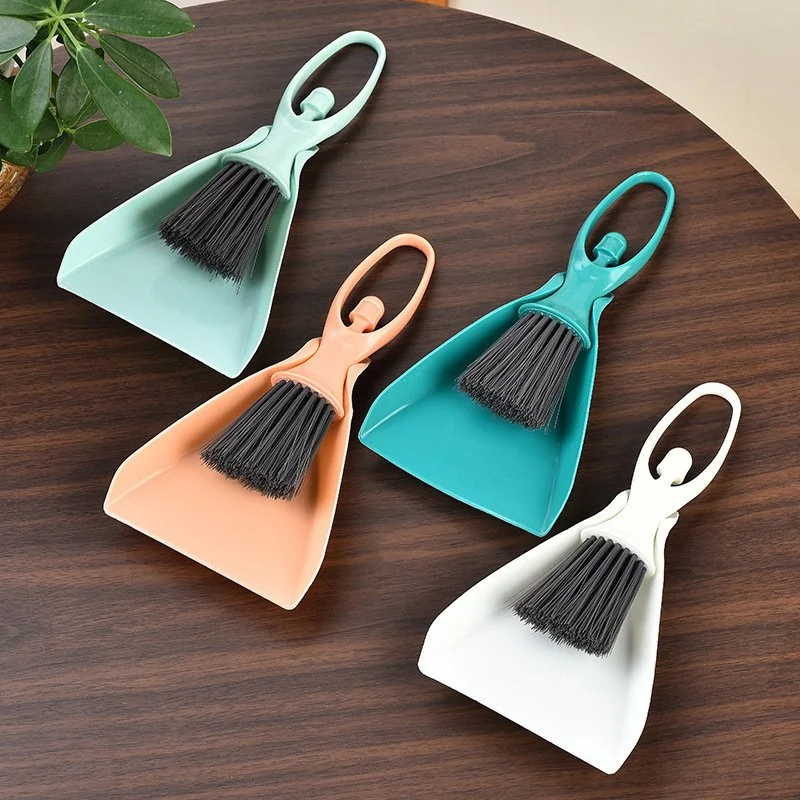
Mini Broom Dustpan Set -$14.49 (p-000447). The day you drop the cereal, you’ll need this. A mini broom-dustpan lives in a corner, costs less than a pizza, and is the difference between “I’ll clean that up later” and actually cleaning it up. For a studio, the mini size is right -a full broom dominates a tiny kitchen.
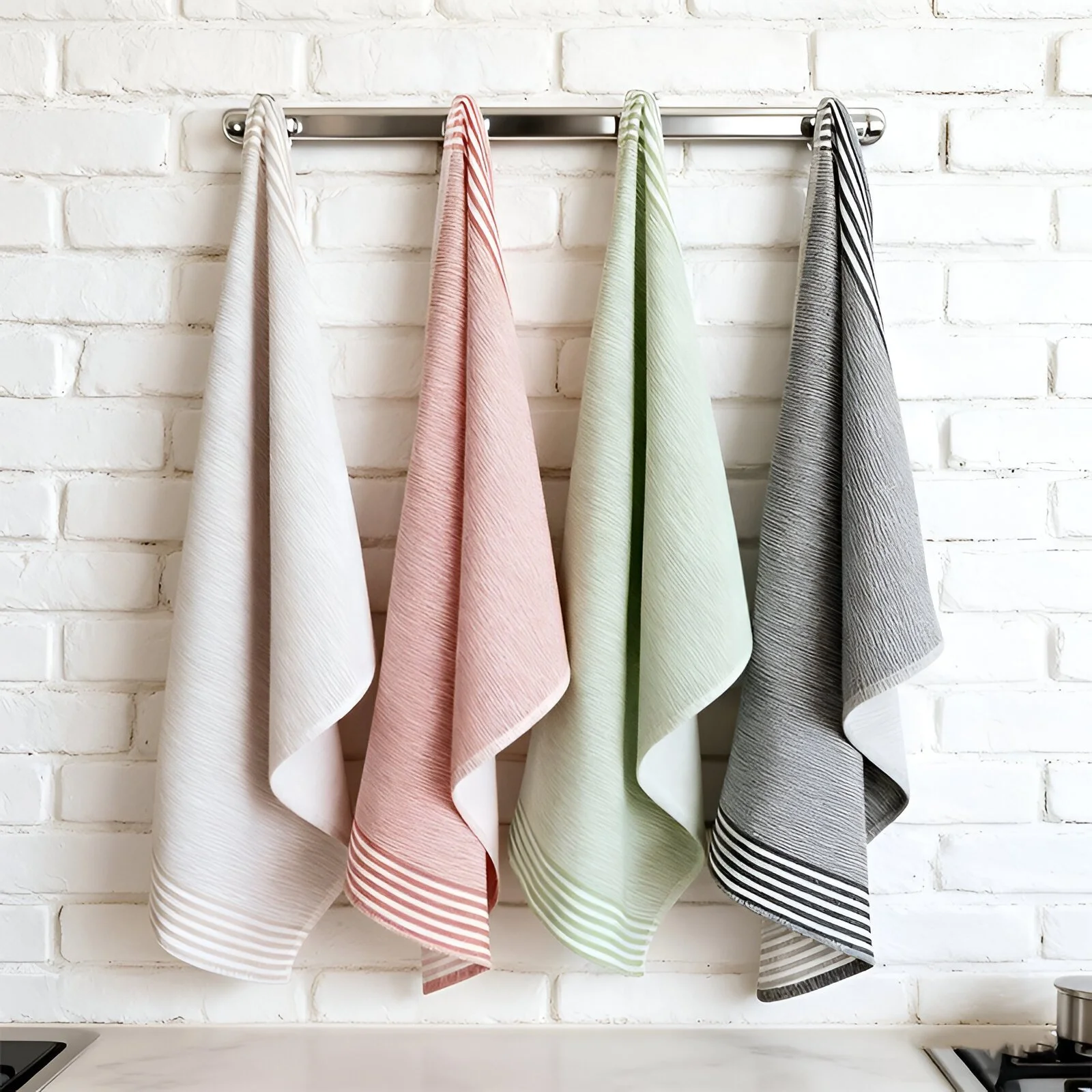
Nordic Cotton Striped Kitchen Tea Towel -$23.49 (p-000267). The multi-tool of the first kitchen: dries hands, dries dishes, mops up spills, doubles as an oven mitt in a pinch. The striped cotton is absorbent and -unlike the free towel from the previous tenant -actually looks like it belongs to you.
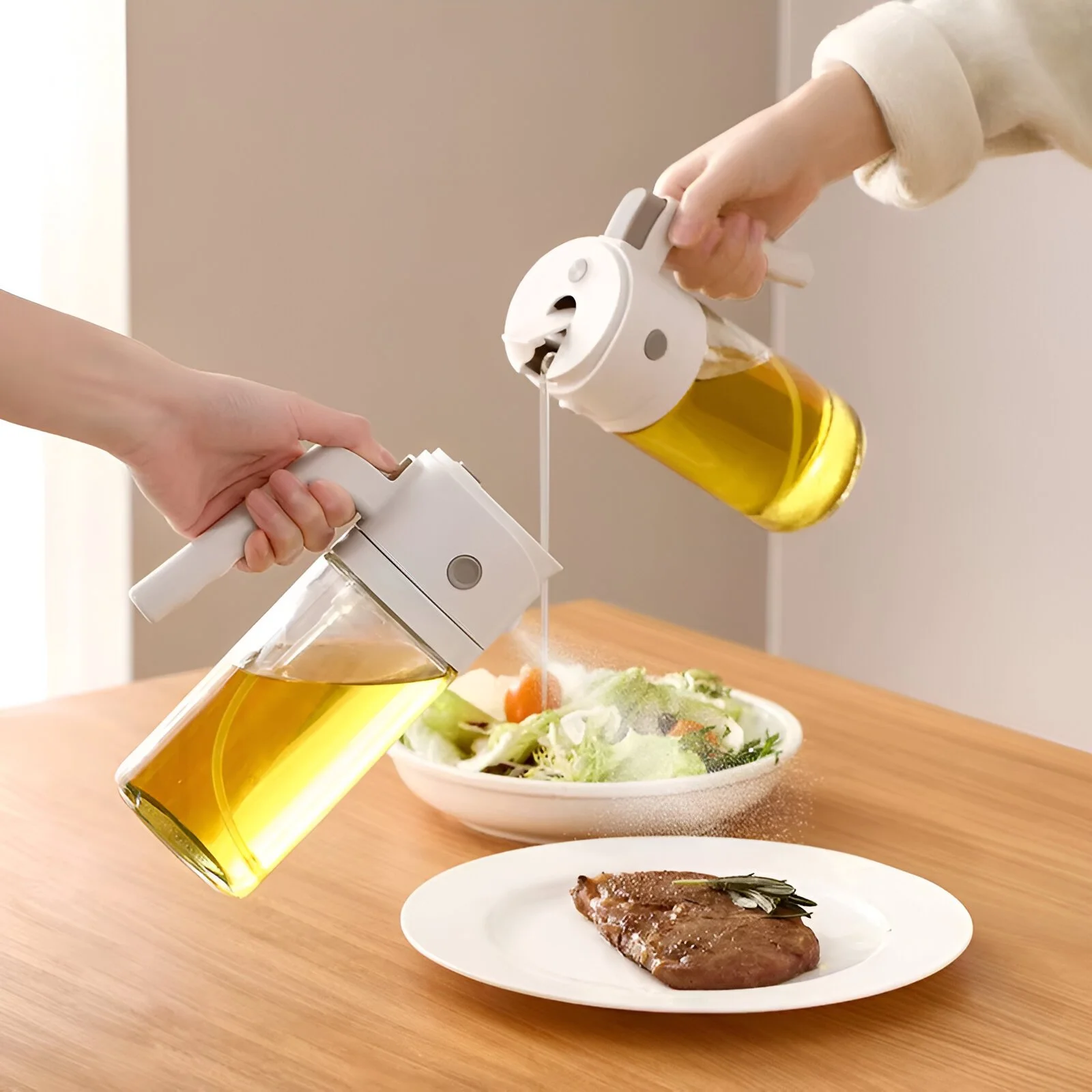
550ml Olive Oil Dispenser 2-in-1 (Sprayer + Dispenser) -$36.99 (p-008411). The upgrade that makes cooking feel serious: a 550ml dispenser that both sprays (for low-oil cooking) and pours (for when you need a real amount). It replaces the leaky original bottle, and the spray mode is the secret to “how do I use less oil” -you stop glugging and start misting.
Floral Ceramic Spice Jar with Lid -$46.80 (p-000526). The spice-drawer chaos fix: one ceramic jar with a lid for the spices you actually use (salt, pepper, paprika, garlic powder -the four that do 90% of first-apartment cooking). It’s the “this kitchen has a system” piece.
2. Drinkware (6 pieces) -The Layer That Makes Coffee Feel Like a Ritual
You will drink coffee in this apartment. These are the cups that make it feel like yours.
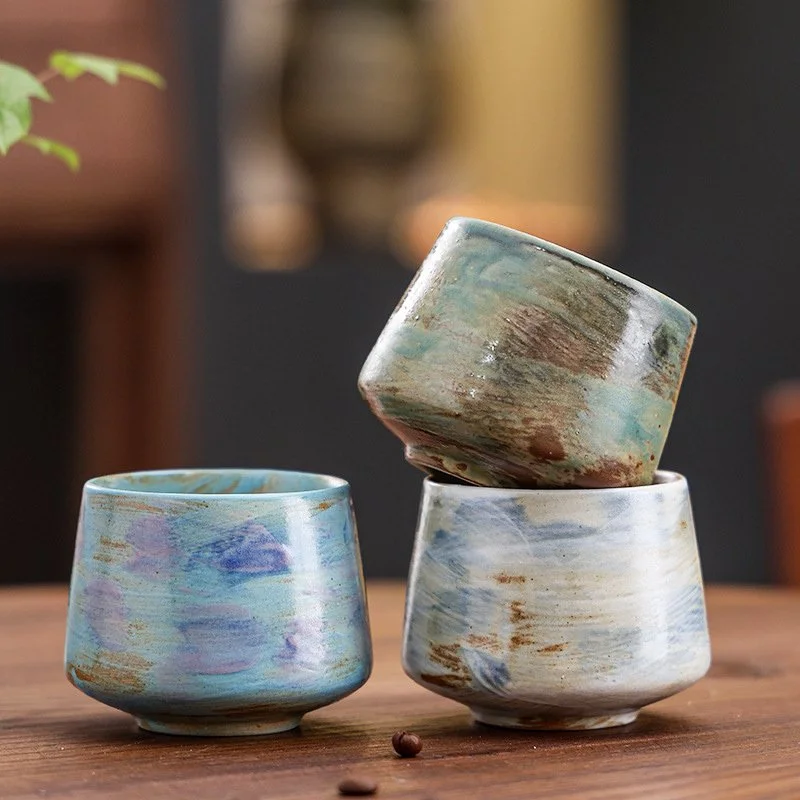
Retro Ceramic Coffee Mugs -Middle Eastern Style -$37.95 (p-007895). The first real mugs. Retro ceramic with pattern detail that reads “chosen,” not “handed down.” Two mugs (the listing is a pair) means the first guest gets a mug that matches yours -a small dignity thing that matters more than you’d think.
Large Ceramic Mug -Eco-Friendly Breakfast & Milk Cup -$46.49 (p-007845). The big one: a large-capacity mug for the person who drinks coffee like a meal. One of these on the counter is the visual “this is a coffee household” signal.
2-Pack Heat-Resistant Glass Kung Fu Tea Cups -$52.95 (p-007814). The tea option. Heat-resistant glass, Japanese-style small cups -the set for the evenings when coffee is done and tea takes over. Two cups = the friend who stops by can have one.
European Floral Porcelain Coffee Mug with Tray -6.8 oz -$53.49 (p-007617). The “fancy” mug: porcelain with a floral pattern and a matching tray. This is the mug you use when you want the apartment to feel less like a studio and more like a place. It lives on the nightstand or the one shelf you actually styled.
Hand-Drawn Ceramic Mug -$59.49 (p-007763). The personality mug: hand-drawn design, one of a kind. This is the mug that visitors comment on -the “where’d you get that” piece that makes a first apartment feel curated instead of furnished.
500ml Ceramic Coffee Mug with Leaf Pattern -$68.49 (p-000623). The statement mug: 500ml of ceramic with a leaf pattern, the size and look of a mug you’d see in a caf茅. It’s the daily driver that makes every morning coffee feel intentional -the “this is my apartment and I like it here” energy.
3. Bathroom (5 pieces) -The Layer Guests Actually See
The first-apartment bathroom is where “temporary” shows fastest. These five pieces make it look like you live here.
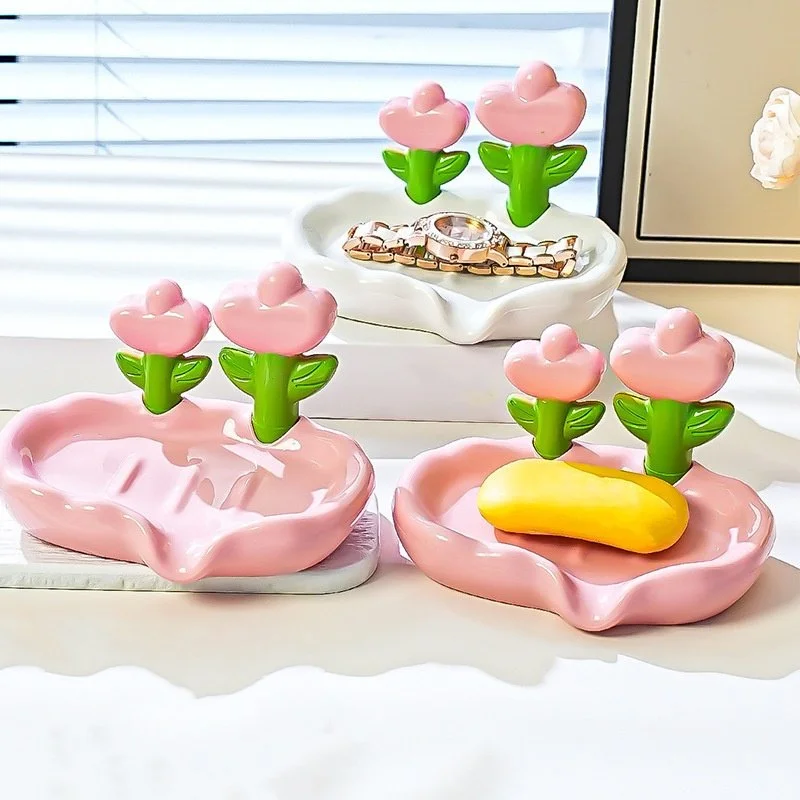
Creative Floral Soap Dish -Draining Plastic Soap Storage -$10.65 (p-008414). The cheapest piece in the kit and the one that stops the soap-mush problem: a draining dish keeps the soap dry instead of sitting in a puddle of its own melted self. Floral design because the first-apartment bathroom deserves better than the plain white dish from the dollar store.
Magnetic Wall-Mounted Mouthwash Cup & Toothbrush Holder Set -$15.65 (p-008461). The countertop is precious in a studio bathroom. This mounts on the wall -no drilling (magnetic or adhesive mount), no counter space -and holds the toothbrushes and mouthwash cup in one unit. The “bathroom is done” flex.
Wall-Mounted Acrylic Toothbrush & Cup Holder -Luxury Bathroom Organizer -$16.65 (p-008322). The second wall-mounted option, acrylic and visible -the “I organized my bathroom on purpose” piece. One for the counter-adjacent wall, one for the medicine cabinet door: toothbrush organization is the most underrated first-apartment win.
Matte Ceramic Soap Dispenser for Bathroom & Kitchen -$36.65 (p-008376). The soap-pump upgrade: matte ceramic instead of the plastic pump that came with the soap refill. It works in the bathroom or the kitchen, and it’s the piece that makes guests think you chose your soap dispenser (you did -it’s this one).
Black & White Checkered Ceramic Soap Dispenser & Bathroom Organizer Set -$72.49 (p-000800). The splurge piece: a matched set -dispenser plus organizer -in checkered ceramic. This is the “bathroom is a room, not a closet” statement. It’s the most expensive piece in the bathroom layer and the one that makes the whole bathroom read as intentional.
4. Storage & Pantry (5 pieces) -The Layer That Kills the Chaos
First apartments have no storage. These five pieces create it.
Large Mesh Drawstring Clothing Storage Organizer Bag -$17.95 (p-008372). The seasonal-clothes fix: mesh bags for the sweaters you’re not wearing, the sheets you rotate, the blanket you’ll need in November. Mesh means you can see what’s inside -the #1 storage-bag mistake is opaque bags that become “I forgot I owned this.”
Luxury Glass Candy Jar with Three-Dimensional Fruit Lid -$31.95 (p-000658). The pantry-produce fix: a glass jar with a decorative fruit lid for the counter. It holds fruit, snacks, or the “nice things” -and it’s the piece that makes the counter look styled instead of cluttered. Glass over plastic: you can see what’s inside, and it doesn’t stain.
Space-Saving Stackable Ice Cube Bin -Narrow Freezer Organizer -$37.49 (p-008374). The freezer is a black box in a first apartment -this stackable ice bin gives it structure: ice in one tier, the frozen meals in another. The stackable design fits narrow freezer shelves, which is what studio fridges have.
Micro-Vacuum Pump Coffee Bean Storage Jar -Food-Grade -$55.65 (p-008325). For the coffee person: a food-grade glass jar with a vacuum pump that keeps beans (or tea) fresh. It’s the difference between “coffee that tastes like the bag has been open since April” and coffee that tastes like you care. Also works for tea, sugar, and anything you want to keep dry.
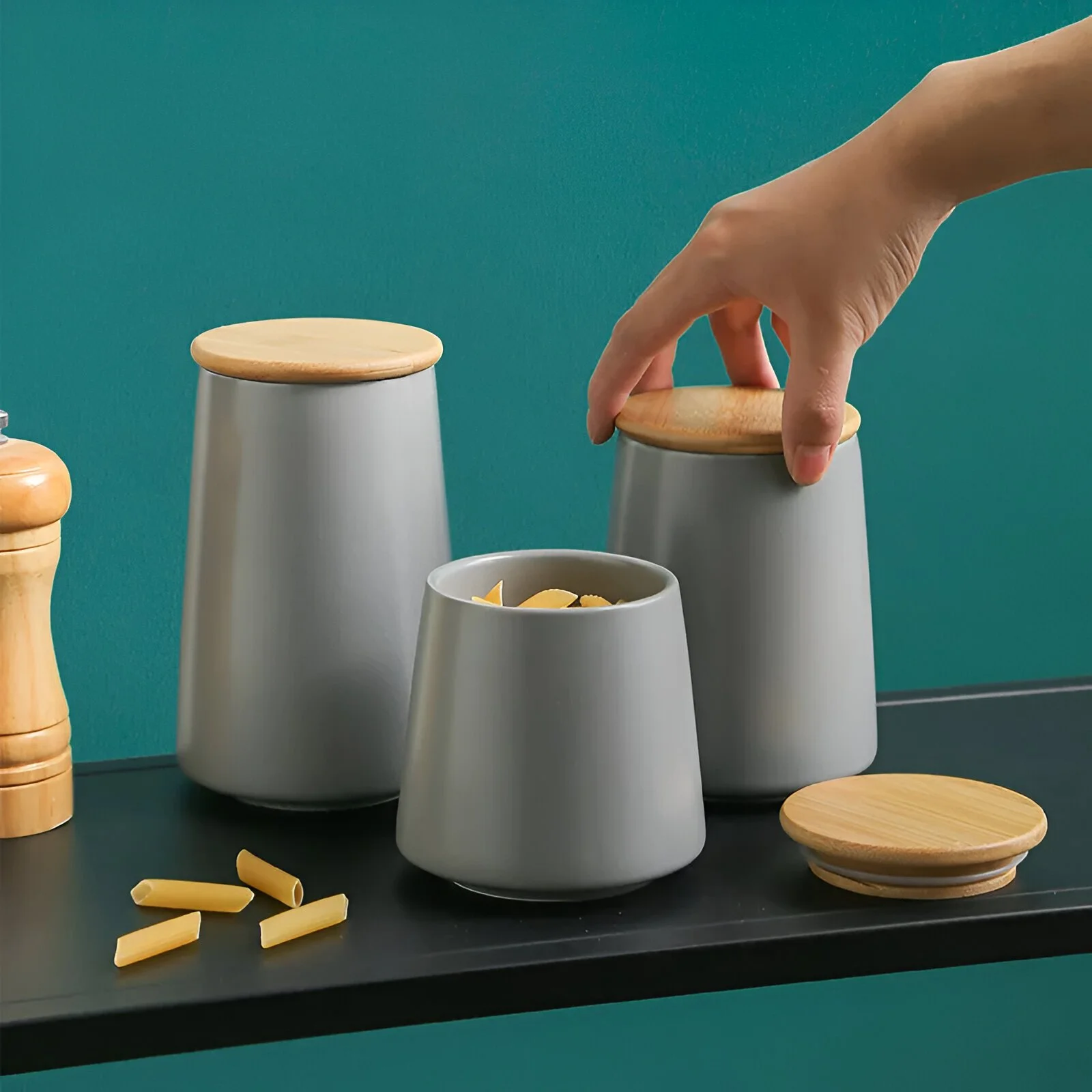
Matte Gray Ceramic Airtight Tea & Coffee Storage Canister -$78.80 (p-008440). The pantry anchor: a matte ceramic canister that’s genuinely airtight (the listing says so) for the coffee or tea you buy in bulk. It’s the most expensive storage piece and the one that makes the counter look like a designed space instead of a pile.
5. Cleaning (2 pieces) -The Layer That Saves Your Deposit
The security deposit lives and dies by how you clean. Two pieces cover the first-apartment cleaning reality.
Mini Broom Dustpan Set -already covered above ($14.49, p-000447). The daily-clean fix: sweep the crumbs, sweep the hair, sweep the “I dropped it and I’m not picking it up with my hands” moments. It’s listed in the kitchen layer but lives wherever the mess happens.
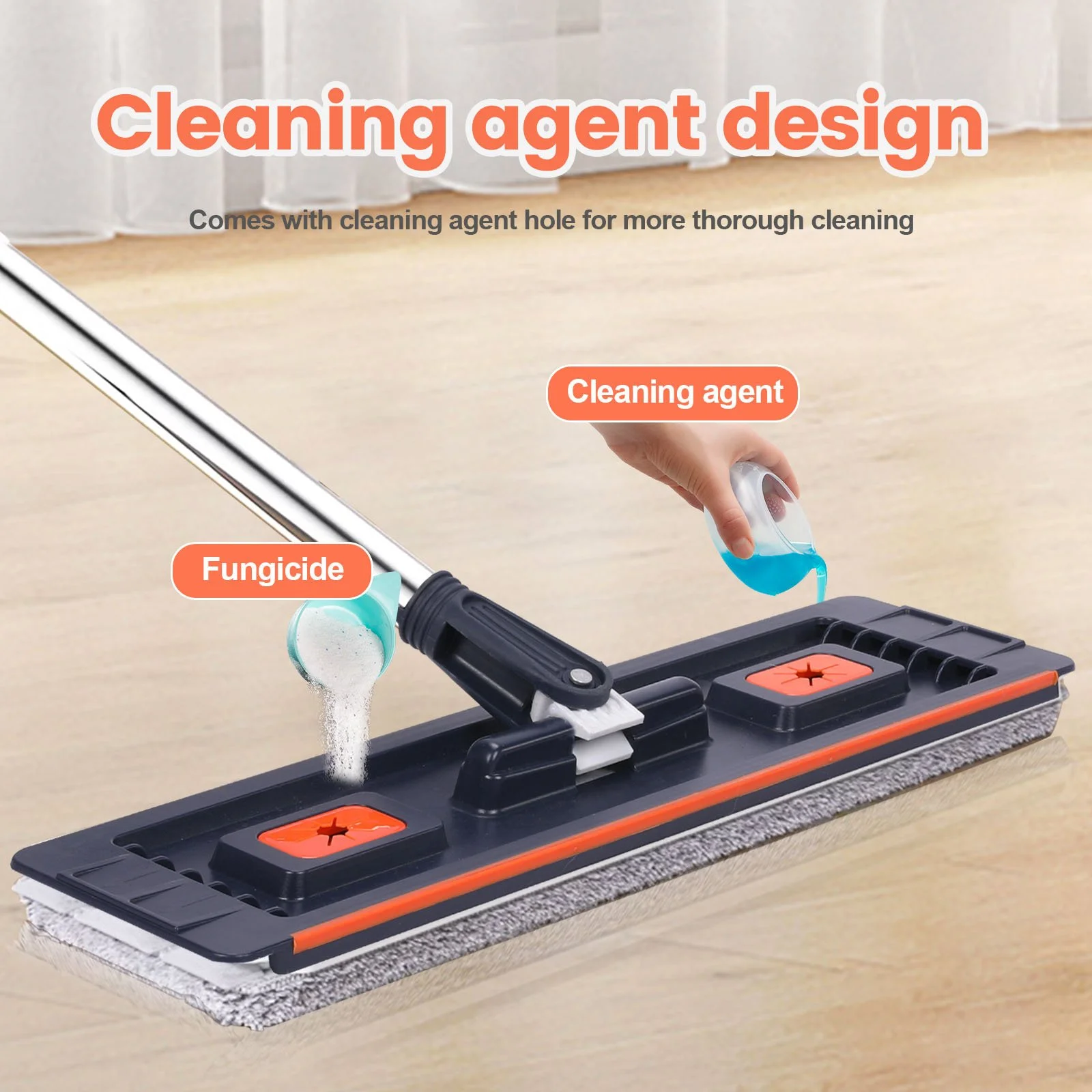
Hands-Free Dual-Chamber Flat Mop & Bucket Floor Cleaning System -$57.49 (p-000605). The floor-clean fix: a flat mop with a dual-chamber bucket (clean water in, dirty water out -no re-dipping the mop into the water you just dirtied). This is the “I can get my deposit back” tool: floors are the first thing landlords check, and a proper mop system is the difference between “mopped” and “spread the dirt around.”
The Move-In Week Plan
A first apartment does not become functional because everything arrives at once. It becomes functional because the right things arrive in the right order. The mistake most first-time renters make is shopping by room photo: sofa first, art second, rug third, then panic when there is no dish cloth, no soap dish, no broom, and no place to put coffee. The better plan is to shop by the first seven days.
Day one is sanitation and survival. Before decor matters, the sink, bathroom, and floor need to work. That means the soap dish, dish cloths, toothbrush holder, mini broom, and mop system are more important than any object that only makes the room look finished. Day one is when you clean cabinet shelves, wipe the bathroom counter, wash the sink, sweep whatever the previous tenant missed, and make one corner usable enough to eat in.
Day two is the first meal. The kitchen layer starts earning its place immediately. The oil pour spout prevents the cheap bottle from making the counter greasy. The spatula holder clip gives the cooking tool a place to rest. The tea towel handles dishes, spills, and hands. The spice jar creates a small system for the seasonings that will actually be used. You do not need a fully equipped kitchen on day two. You need a kitchen that can make eggs, noodles, rice, soup, toast, coffee, and one simple dinner without turning the counter into a mess.
Day three is the bathroom reset. Most first apartments have small bathrooms with almost no counter space. Wall-mounted toothbrush storage and a proper soap dispenser do more than look organized; they create a routine. Toothbrushes stop lying wet on the sink. Soap stops living in a disposable bottle. The soap dish stops the bar from melting into a puddle. A bathroom feels lived-in when the daily objects have assigned places.
Day four is the coffee or tea ritual. This is when the apartment starts feeling like yours. A mug is small, but it is personal. The first mug you reach for in your own place becomes part of the morning. That is why this kit includes more drinkware than a strict survival list would. Two basic mugs are enough to function, but a first apartment also needs small signals of ownership. Coffee, tea, and a shelf with cups you chose can do that before furniture catches up.
Day five is storage triage. Clothes, towels, snacks, coffee, and freezer food need places to go. Without storage, every surface becomes temporary. Mesh bags handle soft goods. Glass jars make counter storage visible instead of chaotic. The ice cube bin makes a tiny freezer less frustrating. Coffee and tea canisters keep the morning routine from becoming a torn bag clipped with a random binder clip.
Day six and seven are adjustment days. After a few days, you know what is annoying. Maybe the sink needs another towel. Maybe the broom should live by the door instead of the kitchen. Maybe the mug shelf is too far from the coffee. Maybe the bathroom holder belongs on the opposite wall. The starter kit is not meant to freeze the apartment into one layout. It gives you enough working pieces to start testing how you actually live.
Why Daily-Use Beats Decorative First
Decor is tempting because it gives fast emotional reward. A framed print, plant, candle, or throw pillow can make the apartment look better in an hour. The problem is that first-apartment stress rarely comes from a blank wall. It comes from daily friction: no clean towel, no place for the sponge, no way to sweep crumbs, no real soap setup, no container for coffee, no storage for seasonal clothes, no cup that feels like yours.
Daily-use objects create comfort through repetition. A soap dispenser is touched several times a day. A mug starts the morning. A tea towel gets used after every sink moment. A broom saves the floor after every spill. A toothbrush holder is part of waking up and going to bed. These objects do not create a dramatic room reveal, but they reduce the number of tiny annoyances that make a new apartment feel temporary.
This is also why the kit avoids furniture. Furniture is expensive, spatially risky, and often purchased before the renter understands the room. A table that looks perfect online may block the closet door. A sofa may be too deep for the studio. A bookshelf may eat the only wall that should have held a desk. Small daily-use pieces are safer because they work regardless of the final furniture plan.
The emotional payoff is slower but stronger. When the kitchen has a working towel, oil dispenser, spice jar, and broom, you cook more confidently. When the bathroom has wall storage and a soap setup, it stops feeling like a borrowed room. When coffee beans have a canister and the mug feels good in hand, morning stops feeling improvised. These are the moments that turn a lease into a home.
The Starter Kit by Budget Phase
Not everyone should buy the full kit immediately. The full version is useful as a complete map, but first-apartment budgets are real. Rent, deposit, moving costs, utilities, internet, transit, and groceries often hit at the same time. The smarter approach is phased buying.
Phase One: The First $75
The first $75 should buy function, not mood. Start with the soap dish, oil pour spout, dish cloths, mini broom, and one wall-mounted toothbrush holder. These pieces solve the problems that show up in the first 24 hours: washing, cooking, cleaning, and bathroom clutter. If the budget allows one more item, add the tea towel because it works in several roles.
This phase is intentionally unglamorous. It is the foundation layer. Nobody brags about owning a mini broom, but everyone eventually needs one. Nobody plans a photo around a soap dish, but soap mush makes a bathroom feel worse every day. The first $75 should prevent the apartment from feeling harder to live in than it has to.
Phase Two: The First $250
Once the survival layer is covered, add the objects that create routine. This is where mugs, the matte soap dispenser, the spatula clip, the oil sprayer, and one or two storage pieces make sense. The apartment now does more than function; it starts to repeat. Coffee has a cup. Cooking has a flow. The bathroom has a finished signal. Pantry items stop living in ripped packaging.
This phase is the point where the apartment begins to feel intentional. It still may not have ideal furniture, but the daily objects tell a different story. There is a place to drink, a way to clean, a way to store, and a small set of objects that were chosen instead of inherited by accident.
Phase Three: The Full Kit
The full kit is for the renter who wants the daily-use layer handled across kitchen, bathroom, drinkware, pantry, and cleaning. This is where the bigger coffee canister, full drinkware set, checkered bathroom set, vacuum coffee jar, and mop system come in. These are not all day-one essentials, but they complete the apartment’s working systems.
The full kit also prevents duplicate purchases. Without a plan, first-time renters buy three cheap versions of the same thing before buying one decent version. A leaky soap bottle becomes a ceramic dispenser later. A random mug becomes a real mug later. A plastic storage bag becomes a visible mesh bag later. Planning the kit up front means fewer accidental replacements.
Room-by-Room Setup Notes
Kitchen
In a first apartment, the kitchen should be arranged for the meal you actually make after work, not the meal you imagine cooking on a Sunday. Put the oil dispenser, towel, spatula holder, and spice jar within arm’s reach of the stove. Put the broom where crumbs happen, not hidden behind boxes. If counter space is tight, choose vertical storage and keep only daily-use pieces visible. A tiny kitchen looks messy faster than a large one because every object is closer to the working surface.
The oil sprayer and pour spout work together because they solve different versions of the same problem. The pour spout improves the bottle you already own. The 2-in-1 dispenser creates a more controlled cooking flow. One is cheap function; the other is a routine upgrade. The tea towel and dish cloths should not be treated as decor only. They are tools. Keep them where wet hands can reach them.
Drinkware Shelf
Drinkware is not just cups. It is the social layer of the apartment. A first place often feels lonely because it is half-built and not yet ready for guests. Having at least two good mugs changes that slightly. It means someone can stop by and drink coffee without you apologizing for the mismatched mug from a moving box.
The six drinkware pieces in the kit are intentionally different. They cover morning coffee, large coffee, tea, guest coffee, a prettier moment, and a personal favorite. If storage is tight, keep two daily mugs visible and store the rest above or inside a cabinet. A first apartment does not need a full dish set to feel hospitable. It needs enough thoughtful pieces that sharing a drink feels easy.
Bathroom
The bathroom is the room guests judge fastest because there are fewer distractions. A bedroom can hide behind a closed door; a bathroom cannot. The fastest improvement is removing objects from the counter. Wall-mounted toothbrush storage, a soap dish, and a soap dispenser make the room look more intentional before any decor appears.
The checkered bathroom set is the splurge because it gives the bathroom a visual anchor. It is not required on day one. But if the bathroom is plain, rental-white, or awkward, one coordinated ceramic set can make it feel designed. Use the cheaper wall-mounted holders first, then upgrade if the bathroom still feels unfinished.
Storage and Pantry
Storage should make forgetting harder. Mesh bags work because you can see what is inside. Glass jars work because the contents become visible. Coffee canisters work because they create a home for something used daily. The first-apartment storage rule is simple: if you cannot see it or name its place, you will rebuy it, forget it, or leave it on the floor.
Do not over-organize the first week. Buy flexible storage first, then specialize later. The mesh bag can hold seasonal clothes, extra towels, spare bedding, or cleaning cloths. The glass jar can hold snacks, candy, tea bags, or small packets. The freezer bin can handle ice, frozen fruit, meal prep, or backup dinners. Flexible storage earns its place because the apartment’s real patterns are still forming.
What to Skip Until Later
Skip decorative bowls unless you already know what they will hold. Skip extra pillows until you know the sofa or bed size. Skip large plants until the light pattern in the apartment is clear. Skip big furniture packages until you have lived with the walking paths for at least two weeks. Skip duplicate kitchen gadgets until you know which meals you repeat.
Also skip “complete” sets that force the apartment into someone else’s routine. A 40-piece kitchen set can include tools you never use while missing the one thing you need daily. A bathroom bundle can give you matching objects that do not fit your sink. A furniture starter pack can solve the photo and fail the room. The kit approach is better because every item has a named job.
The best first-apartment purchases are slightly boring. They solve the repeated problems. They prevent mess. They make cleaning easier. They help one meal, one shower, one morning, one guest, and one spill go better. That is what starter means.
Renter-Safe Setup and Deposit Logic
The hidden audience for every first-apartment purchase is the future landlord walkthrough. That sounds cynical, but it changes buying priorities in a useful way. A renter should favor objects that improve the space without drilling, staining, scratching, swelling wood, trapping water, or creating damage that has to be patched later. The goal is not only to live better now. It is to leave cleanly later.
This is why wall-mounted bathroom pieces need to be chosen carefully. Adhesive and magnetic holders are useful because they keep the counter clear without permanent holes, but placement matters. Put them on tile, mirror, or another smooth surface that can handle removal. Avoid painted drywall if the adhesive is strong and the paint is cheap. Before installing, clean the surface and let it dry fully. A holder that falls because the tile was damp is not a product failure; it is a setup failure.
The same deposit logic applies to kitchen and cleaning pieces. A soap dish that drains properly protects the sink edge from standing water and residue. A towel within reach prevents water from spreading across wood or laminate. A mop system with separate clean and dirty water reduces the chance of dragging grime across the floor. A broom used daily prevents grit from being walked into flooring. These are not glamorous benefits, but they matter when a landlord looks at surfaces, corners, and floor wear.
Storage choices can also protect the apartment. Mesh bags keep soft items contained instead of scattered in damp corners. Coffee canisters prevent loose grounds from ending up in drawers or cabinets. Freezer bins reduce spills and broken bags in the freezer. Glass jars keep snacks from leaving crumbs across counters. None of these products are marketed as deposit protection, but that is one of their real jobs.
For renters, the best upgrade is reversible. If something improves daily use and can be removed without a trace, it is usually a strong first-apartment buy. If something requires holes, permanent adhesive, heavy furniture movement, complicated assembly, or special cleaning, wait until you understand the apartment better. A starter kit should make the space easier to live in, not create future repair work.
How to Use the Kit Without Making the Apartment Feel Crowded
Small apartments fail when every useful object stays visible. The answer is not minimalism for its own sake. The answer is visible where useful, hidden where passive. The oil dispenser, towel, soap dish, soap dispenser, and daily mug should be visible because they are used constantly. Mesh bags, extra mugs, backup storage jars, and mop parts can be stored because they do not need to be touched every hour.
Think of the apartment as a set of stations. The cooking station needs oil, towel, spatula rest, and spices. The sink station needs dish cloths and soap. The bathroom station needs toothbrush storage, soap, and draining storage. The coffee station needs the mug and canister. The cleaning station needs the broom and mop. Once each station is built, the apartment feels organized even if the furniture is still temporary.
Do not spread objects evenly around the apartment just to decorate. Put objects where the action happens. A beautiful canister across the room from the coffee maker is decor. A canister beside the coffee maker is a system. A broom hidden in the closet may look tidy, but a broom near the mess gets used. A towel folded perfectly in a drawer does not dry dishes. A towel hanging beside the sink does.
This is also why buying fewer pieces and placing them correctly can beat buying the full kit immediately. The first week should reveal the stations. Once you know where you cook, drink, clean, and get ready, the kit can fill those stations with better objects. A first apartment is small, but small is not the problem. Unassigned objects are the problem. Give the daily-use layer a home, and the room feels larger because fewer decisions are happening at once.
The Budget Breakdown
| Tier | What you get | Total |
|---|---|---|
| Bare essentials (soap dish, oil spout, dish cloths, broom, toothbrush holder) | 5 pieces | ~$65 |
| Full kitchen + bathroom (adds mugs, dispensers, storage) | 15 pieces | ~$400 |
| Full kit (all 24 pieces) | 24 pieces | ~$850 |
The honest math: the full 24-piece kit costs less than one “starter furniture set” from a big-box store -and unlike the furniture, every piece here gets used weekly, if not daily. The daily-use layer is where a first apartment becomes a home; the furniture can wait until you know what you actually need.
Final Kit Rule
The best new-apartment starter kit is not the largest list. It is the list that prevents the first month from feeling like one long apology: sorry there is no clean towel, sorry the sink is messy, sorry there is nowhere to put the toothbrush, sorry the coffee is still in the torn bag, sorry the floor is dusty, sorry the kitchen is not ready yet. The right starter layer removes those apologies.
Start with the objects that get touched daily, then add the objects that make those daily actions feel more personal. That order protects the budget and the mood. A first apartment can be unfinished and still feel good if the sink works, the bathroom is clean, the floor can be swept, coffee has a mug, and the essentials have homes.
FAQ
Q: Do I really need 6 mugs for a studio apartment? A: Honestly, no -you need two. But the six mugs here aren’t “six mugs,” they’re six different jobs: the retro pair for guests, the big one for coffee-as-meal days, the tea cups for evenings, the porcelain for “feeling fancy,” the hand-drawn for personality, and the leaf mug for daily use. If you’re on a tight budget, buy the leaf mug and the retro pair -that’s three mugs covering every job.
Q: What should I buy first in a new apartment? A: The cleaning layer and the kitchen basics -soap dish, oil spout, dish cloths, broom, toothbrush holder. Those five cost about $65 and cover the “I need to function today” needs. Mugs and dispensers are week-two purchases; the flat mop is week-one if you have floors you care about (you do -it’s the deposit).
Q: Is the $78 coffee canister really necessary? A: No -it’s the “treat yourself after the kit works” piece. The $17 mesh bag and the $37 ice bin do the storage job for less. Buy the canister if you buy coffee in bulk and care about it staying fresh; skip it if you’re buying beans weekly.
Q: Are the wall-mounted bathroom pieces rental-safe? A: Yes -both the magnetic and adhesive mounts don’t require drilling. That’s deliberate: first apartments are rentals, and the security deposit matters more than a toothbrush holder. If you’re nervous about adhesive on tile, the magnetic one is the safer pick.
Q: What’s the biggest mistake people make furnishing a first apartment? A: Buying furniture before the daily-use layer. A $200 side table you don’t have anything to put on it is $200 wasted; a $14 broom gets used every single day. The reverse order -daily-use first, furniture second -means the apartment works from day one and the furniture arrives into a space that’s already functional.
Sources
- PickByU catalog price data, checked 2026-08-07
- First-apartment living discussion patterns (r/ApartmentHacks, r/Frugal community threads)
- Serper research background: “first apartment essentials” / “apartment starter kit” related searches
Prices and availability from PickByU catalog, checked 2026-08-07. Product performance claims are spec-based, not from hands-on testing.
-Maya Porter, Editor-in-Chief, PickByU