Story collection
The Home Gym Starter Kit: 24 Essentials for Working Out at Home
Product references, prices, and listed features were checked in the PickByU catalog on 2026-08-09. This is a catalog-based starter kit for building a small home workout setup, not a medical, physical therapy, or hands-on lab test. Product claims are limited to listed features, material descriptions, price data, and practical use-case matching. If you have an injury, chronic pain, balance limitations, heart condition, or medical restrictions, get professional guidance before changing your training routine.
The Story: Why a Home Gym Fails Before the First Workout
In January 2025, I did the math on my gym membership. It was $39 per month, which sounded reasonable until I looked at the actual pattern. I was going about three times a week when life was calm, twice a week when work got busy, and zero times a week when weather, traffic, errands, or a late dinner broke the routine. The number on the credit card statement did not look bad. The friction around the number was the problem.
The gym itself was fine. The problem was everything that happened before I touched a weight: packing clothes, finding headphones, driving there, waiting for a rack, wiping down equipment, driving home, showering late, and then pretending the whole thing had only taken 45 minutes. It rarely did. A short workout became a two-hour appointment.
Then the gym closed for renovations for a week. I told myself I would train at home with bodyweight exercises. That plan lasted two days. Not because bodyweight training is useless, but because my home had no workout system. I had a floor, a towel, a couch, and a vague idea that push-ups should be enough. Every exercise required improvisation. A backpack filled with books became a weight. A bath towel became knee padding. The coffee table became a hazard. My phone played music badly from the floor. By the time the setup was assembled, the workout window had usually passed.
That is the real reason most home gyms fail: the equipment is not staged for the behavior. People imagine a home gym as a room full of machines. Most homes do not have that room. A more realistic home gym is a corner, a mat-sized training zone, and a shelf or storage bin with the pieces that remove friction. Gloves live with straps. The belt lives near the dumbbells or resistance tools. The roller is visible enough to use after training. Earbuds are charged. The speaker is already paired. The watch is where you put it on before warm-up. The whole point is that a workout can start before your brain has time to negotiate.
The kit below is built around that idea. It is not a $2,000 squat-rack-and-barbell setup, and it is not a random pile of fitness accessories. It is the daily-use layer for a small home gym: hand protection, wrist support, core support, recovery tools, resistance work, audio, and tracking. The 24 pieces range from a $17.49 pair of workout gloves to an $88.49 smart fitness watch. The full catalog total is about $1,081.76, which is roughly the cost of 27 to 28 months of a $39 gym membership. But the smarter move is not buying all 24 pieces on day one. The smarter move is building in phases, starting with the pieces that solve the most repeated problem in your actual workouts.
For some people, that problem is grip pain. For others, it is wrist strain during push-ups. For others, it is boredom, no music, no progress tracking, or no recovery routine. A home gym starter kit should not pretend everyone needs the same first purchase. It should help you recognize which kind of friction is keeping you from training consistently, then put the right tool in that spot.
Quick Answer: What Should You Buy First?
If you want the shortest version, start with the hands and support layer. Buy one pair of workout gloves, one strap or wrap option, one lifting belt if you plan to load squats or hinges, and one recovery roller. That starter phase is about $97.12 if you choose the lowest-priced glove, strap, foam roller, and belt from this kit. It is enough to turn home workouts from “I can technically exercise here” into “I have a repeatable setup.”
The next layer is training variety. Add an ab wheel and ankle resistance bands when bodyweight circuits start feeling stale. These pieces give you more exercises without requiring a rack, bench, or large machine. They also store easily, which matters more than people admit. A home gym tool that is hard to store becomes clutter, and clutter makes workouts feel like cleanup.
The third layer is motivation and feedback. Add earbuds, headphones, a speaker, or a smart fitness watch when consistency becomes the issue. Some buyers want to believe motivation is purely mental. In practice, music, a timer, a heart-rate screen, and a visible record of workouts can change behavior. Audio and tracking do not build muscle by themselves, but they make the workout easier to start and easier to repeat.
Here is the simplest buying path:
| Phase | Buy first | Why |
|---|---|---|
| Phase 1 | Gloves, one strap option, foam roller, lifting belt | Solves pain, grip, and recovery friction |
| Phase 2 | Wrist brace or wraps, ab roller, ankle resistance bands | Adds support and exercise variety |
| Phase 3 | Earbuds or speaker, fitness watch | Makes training more repeatable and measurable |
| Phase 4 | Extra straps, hooks, specialty belts, advanced roller | Useful after you know your real training style |
Do not buy all 24 pieces because a list says “complete.” Buy the layer that fixes the problem you have now. A beginner who mostly does push-ups, squats, lunges, and light dumbbells does not need three versions of lifting straps immediately. A person doing heavier rows and deadlifts might need straps before a speaker. A person who already owns good headphones should put the audio budget toward support or recovery. The kit is a map, not a command.
What This Home Gym Kit Is - And What It Is Not
This kit is for people who want a small, repeatable home workout system without turning a room into a commercial gym. It is especially useful for apartment dwellers, work-from-home adults, parents training around schedules, beginners who want to reduce gym anxiety, and former gym members who already know they train better when setup time is low.
It is not a replacement for every kind of gym training. It does not include a squat rack, barbell, bench, treadmill, bike, cable machine, heavy dumbbell set, or flooring system. If your training goal is powerlifting, Olympic lifting, serious bodybuilding, or sport-specific performance, you will eventually need heavier equipment and probably coaching. This kit is the foundation layer: the accessories and small tools that make everyday strength, mobility, recovery, and conditioning easier to do at home.
The kit also assumes you have at least a small training footprint. You do not need a garage. You need a clear floor area about the size of a yoga mat, a safe place to store small accessories, and enough room to move your arms without hitting a lamp. For most people, that can be a bedroom corner, living room corner, office corner, hallway end, or garage wall.
The practical test is simple: can you start a 20-minute workout in under two minutes? If the answer is yes, the home gym is working. If the answer is no, the setup still has friction. Maybe the gear is in three closets. Maybe the speaker is never charged. Maybe the belt is buried under laundry. Maybe the floor is always cluttered. The equipment matters, but the staging matters just as much.
The Five Jobs a Home Gym Starter Kit Needs to Do
A small home gym has five jobs. Every product in this guide belongs to one of them.
First, it must protect contact points. Hands, wrists, and lower back are where beginners often feel discomfort before they feel productive training stress. Gloves, straps, wraps, braces, hooks, and belts do not replace technique, but they reduce avoidable friction. If your hands hurt before your back, legs, or chest are challenged, the workout is being limited by the wrong part of the body.
Second, it must create enough exercise variety. A bodyweight-only plan can work, but many people get bored or plateau. Ab wheels, ankle bands, and leg trainers give a small space more options. They make it easier to train core, glutes, legs, and accessory movements without requiring a machine.
Third, it must support recovery. Home exercisers often skip recovery because no one at home reminds them to cool down. A foam roller or deep tissue roller in plain sight makes the post-workout habit easier. Recovery tools are not magic, but they do help create a transition from training to normal life.
Fourth, it must reduce boredom. Music, podcasts, guided workouts, interval timers, and audio cues matter. A silent home workout can feel like punishment. A good headphone or speaker setup makes training feel more like a ritual.
Fifth, it must show progress. A smart fitness watch is not required, but tracking changes behavior. Time, steps, heart-rate trends, workout duration, and repeated sessions give proof that the routine exists. For many people, proof is what keeps the routine alive.
1. Hands and Wrist Protection (7 pieces) - The Layer That Keeps You Training
The number one reason people quit home strength workouts is not always lack of motivation. Often it is small pain: palms getting sore during push-ups, wrists bending badly under load, grip failing before the target muscle, calluses tearing, or straps feeling confusing. These seven pieces protect the places where a workout often breaks down early.
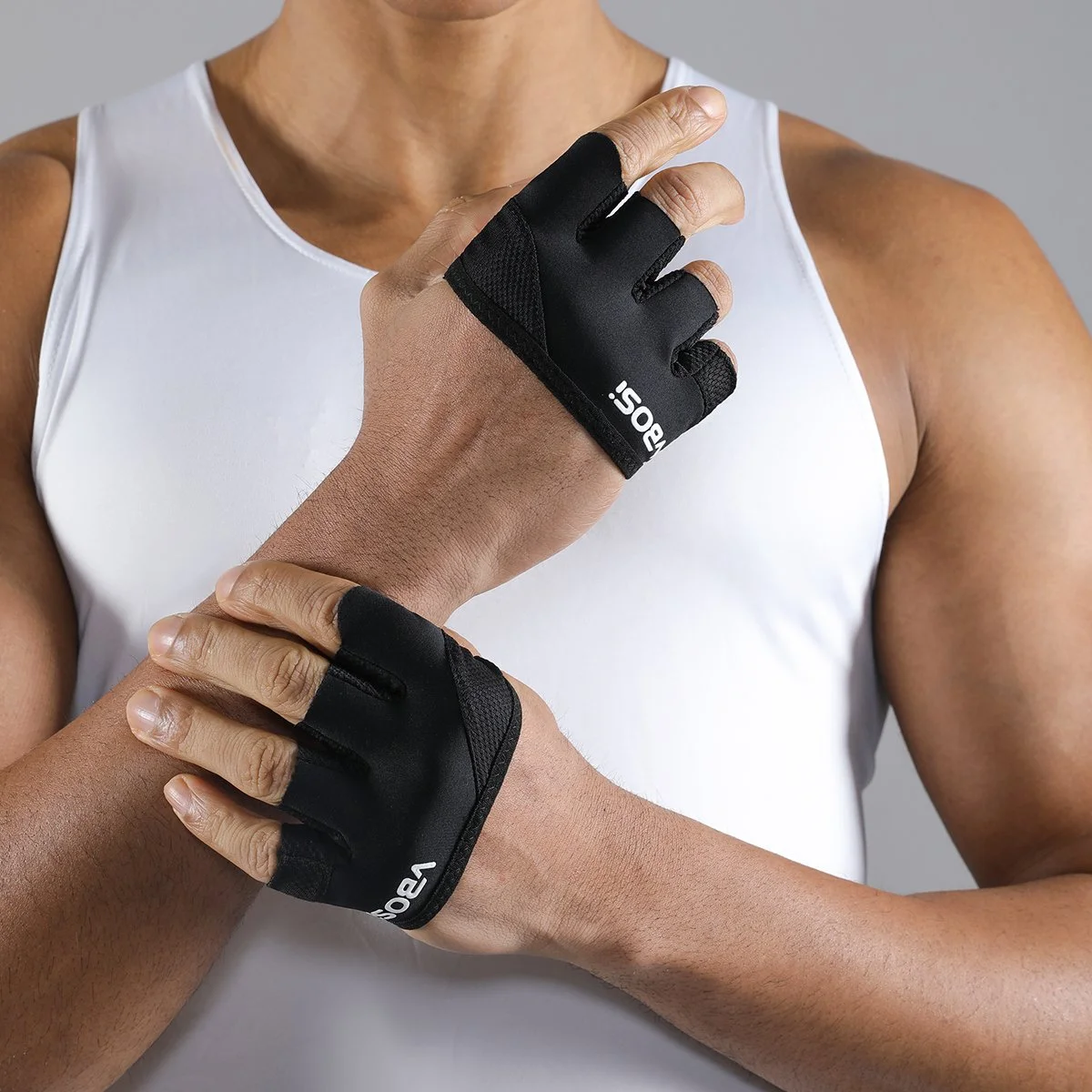
Unisex Lightweight Four-Finger Workout Gloves - $17.49 (p-003981). These are the starter gloves in the kit and the best first purchase for someone who is not sure what kind of home training they will keep doing. The four-finger design preserves more dexterity than a full padded glove, which matters when you are adjusting a watch, changing music, gripping handles, or moving between exercises. The practical value is palm protection. Push-ups, dumbbell work, rows, resistance band handles, and floor exercises can all irritate the palm before the target muscles are actually tired. A lightweight glove reduces that contact discomfort without making the hand feel overbuilt.
Buy these first if your hands get sore before your workout feels finished. Skip them if you already like barehanded training and your grip is not a limiting factor. The limitation is that lightweight gloves are not the same as serious wrist support. They help with palm contact and grip comfort. They do not stabilize a weak wrist during pressing movements.
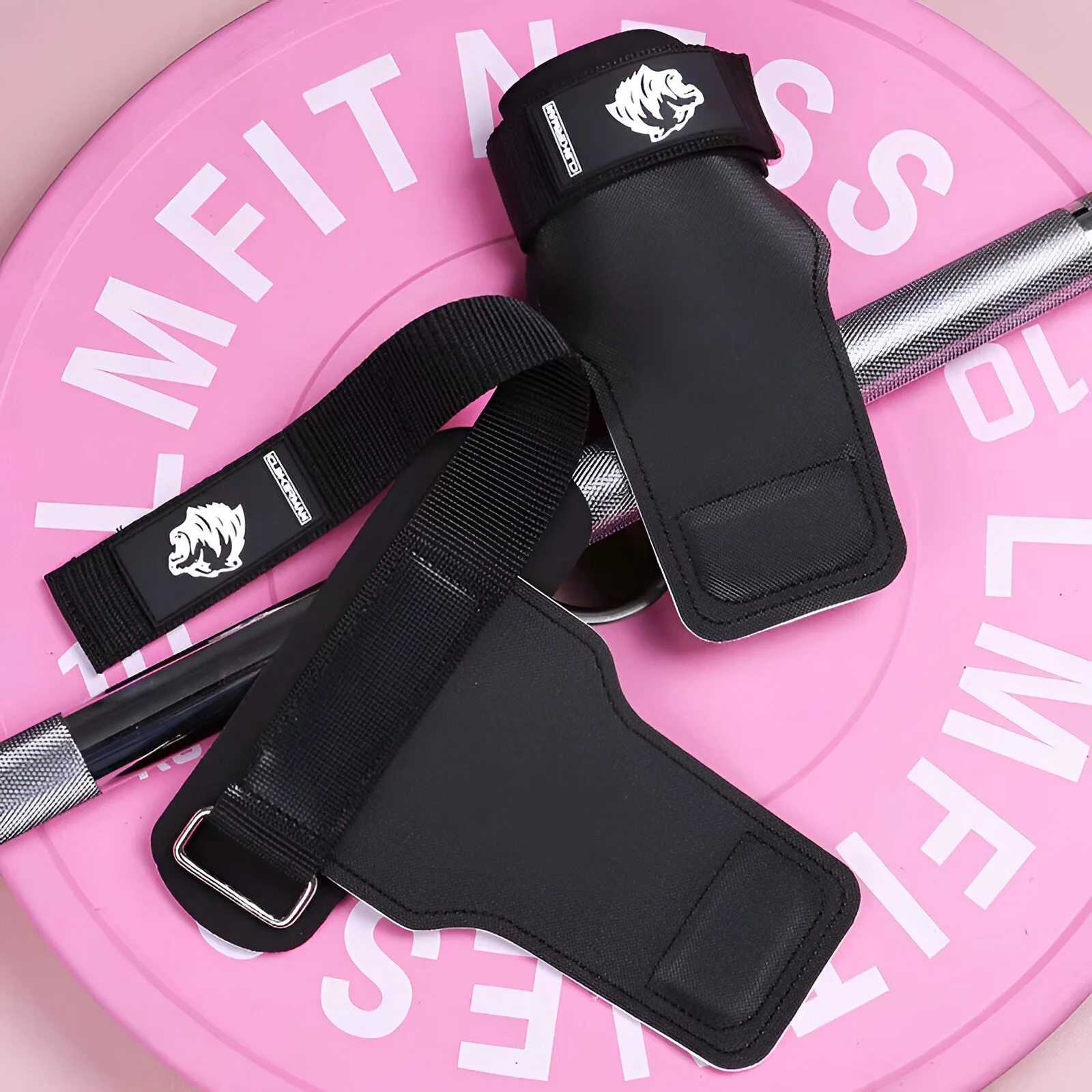
Wrist Straps for Weightlifting - PVC Anti-Slip Gym Grip - $23.49 (p-004815). Wrist straps are for pulling movements where grip fails before the back, hamstrings, or shoulders are fully trained. Rows, deadlift variations, heavy carries, and some banded pulling exercises can all hit the same problem: your hands let go before the target area gets enough work. The PVC anti-slip framing makes these a practical grip-support choice for someone who has moved beyond casual bodyweight workouts.
The mistake is using straps for everything. Straps are useful when grip is limiting a movement that is supposed to train a larger muscle group. They are less useful if you use them so often that your natural grip never develops. A good rule: warm up without straps, use straps for harder working sets when the target muscle is the priority.
Heavy Duty 8-Shaped Anti-Slip Weightlifting Straps - $26.49 (p-003828). The 8-shaped strap design is a step-up option for lifters who want more secure pulling support. Compared with a basic strap, an 8-shaped strap can feel more locked-in during heavy rows or deadlift-style pulls. That makes it useful for people who already know they like loaded pulling exercises and want the grip to stop being the weak link.
This is not the first strap everyone needs. It is better as a second-stage purchase after you know that pulling work is part of your routine. If your workouts are mostly push-ups, squats, mobility, and light circuits, the basic glove or wrist support will matter more.
Weightlifting Wrist Straps - Adjustable Gym Gloves - $30.49 (p-003969). This hybrid option combines glove-style hand coverage with strap support. It is for the person who does not want a drawer full of separate accessories. In a small home gym, combined products can make sense because the gear is easier to find and harder to forget.
The trade-off with any hybrid is specialization. A dedicated glove may feel better for push-ups. A dedicated strap may feel better for heavy pulling. But the hybrid wins on simplicity. If your biggest problem is that you never know which accessory to grab, the all-in-one style may be more useful than owning the technically perfect separate pieces.
Adjustable Wrist Support Brace for Weight Lifting - $32.65 (p-004786). Wrist support is different from grip support. A strap helps you hold. A brace helps control wrist position. This matters most during push-ups, planks, dumbbell presses, overhead movements, and any exercise where the wrist bends backward under load. If you feel pressure in the front of the wrist during floor work, this is the support category to consider.
A brace should not be used to ignore pain. If a movement hurts sharply, the movement needs adjustment. But a support brace can make training more comfortable when the issue is mild instability or fatigue. For home workouts, where many people do floor-based pressing, wrist support can be more important than they expect.
Heavy Duty Weightlifting Hooks with Neoprene Padded - $34.49 (p-003978). Lifting hooks are the most specialized grip tool in the hand layer. They transfer more of the load away from the fingers, which can help during heavy pulling movements. The neoprene padding matters because hooks can feel harsh if the wrist contact point is uncomfortable.
Hooks are not beginner essentials. They are for people whose training includes heavy rows, deadlift-style pulls, or loaded holds and who repeatedly feel grip failure before target-muscle failure. If you are still building basic form, start with gloves and straps first. Hooks come later, when the load justifies them.
Non-Slip Cowhide Wrist Assist Bands for Pull-ups - $34.49 (p-004837). These wrist assist bands are aimed at pull-ups and pulling work where grip security is the problem. Cowhide is the traditional lifting-leather direction: firmer, more old-school, and less synthetic-feeling than many modern strap materials. In a home gym, they make most sense for a doorframe pull-up bar, rings, suspension trainer, or heavy pull movement.
The value is confidence. When the hands feel secure, the back can do more work. The caution is the same as with straps: do not let the accessory replace grip training entirely. Use it when the back is the target, not when the goal is grip strength.
2. Core and Belt Support (5 pieces) - The Layer That Protects the Middle
The core is not just abs. It is the brace around every hinge, squat, carry, push, and loaded movement. In a home gym, core support has two sides: tools that train the midsection and tools that help protect posture when loads get heavier.
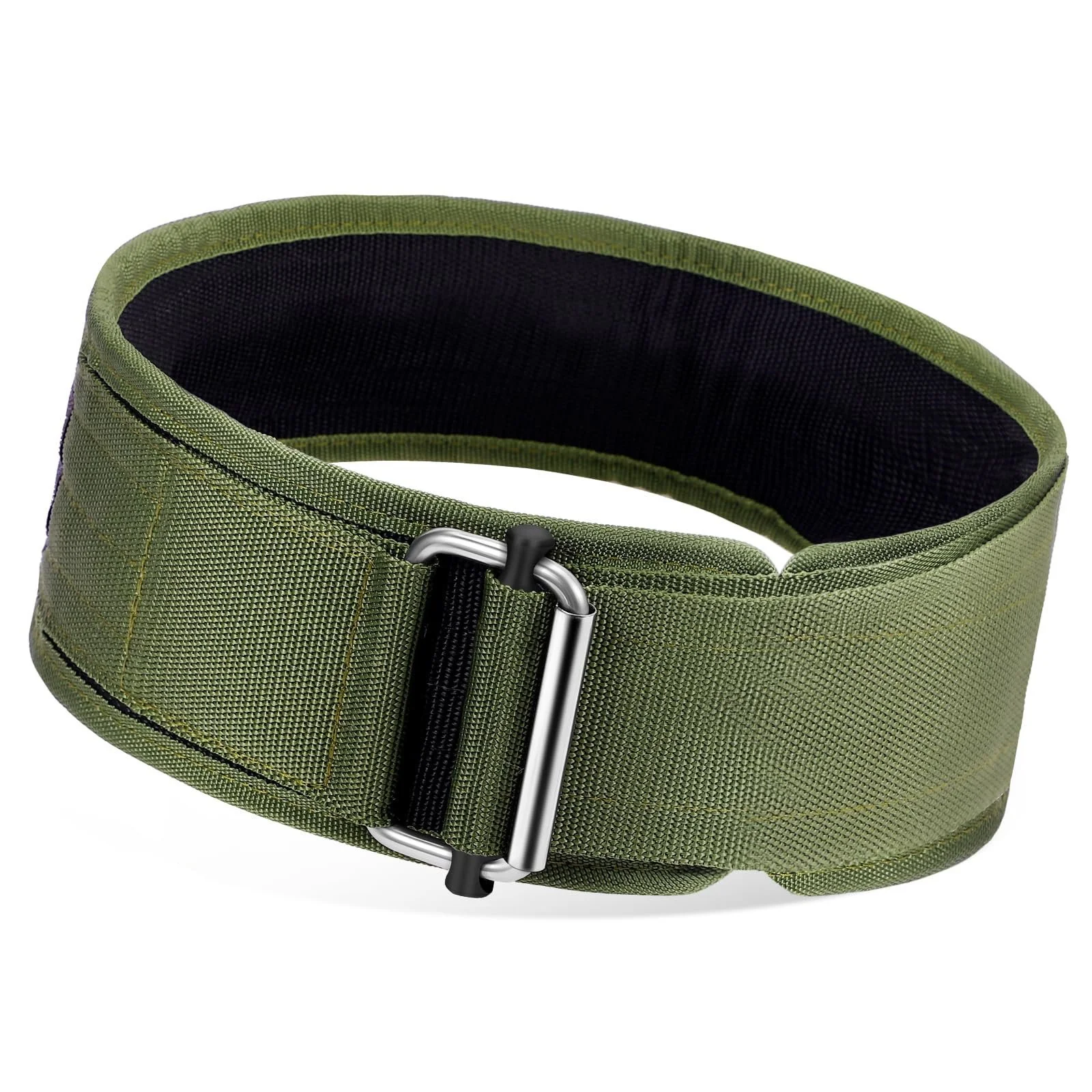
4“ Wide EVA Weight Lifting Belt for Men and Women - $37.49 (p-004818). A 4-inch lifting belt is the main back-support piece in this kit. The width matters because it gives the torso a consistent surface to brace against. A lifting belt does not lift the weight for you, and it does not fix bad form. Its job is to help you create pressure and maintain position during heavier compound movements.
For beginners, the rule is conservative: learn the movement first, then use the belt when the load becomes challenging enough that bracing quality matters. Do not wear it for every warm-up, every stretch, or every light circuit. Use it for heavier squats, hinges, deadlift variations, and loaded lower-body work. A belt is a support tool, not a permission slip to rush form.
Deep Tissue Massage Roller for Legs and Waist - $39.49 (p-004844). The handheld deep tissue roller is the recovery piece for people who do not like lying on the floor to foam roll. It is especially practical for calves, quads, hamstrings, glutes, and the waist/lower-back-adjacent areas where tightness often shows up after home workouts.
This tool earns its place because recovery needs to be easy. If your roller requires moving furniture and getting down on the floor, you may skip it. A handheld roller can live beside the couch and be used while watching TV. That is not a small advantage. The best recovery tool is often the one you will actually pick up.
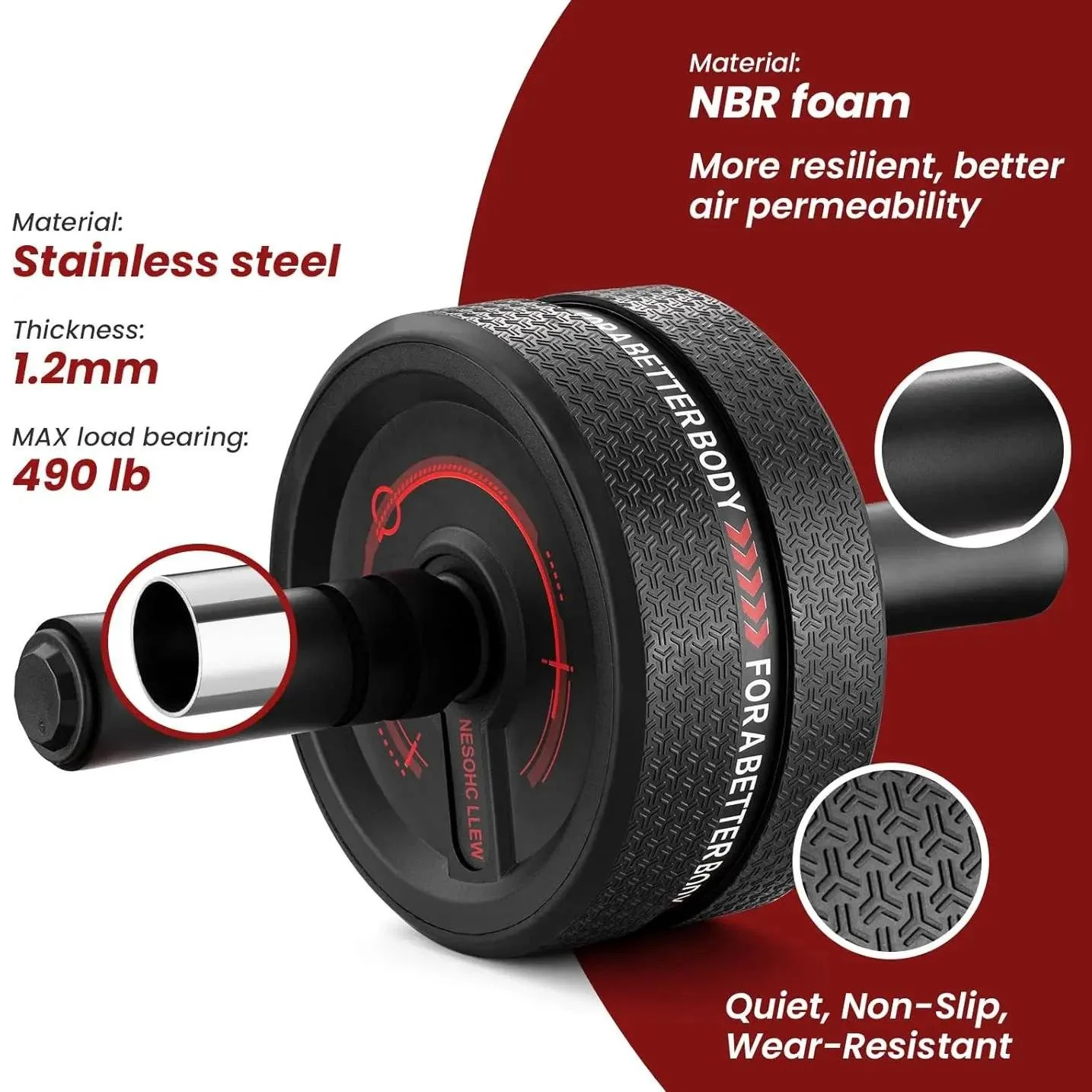
Upgraded 3.4“ Ab Roller Wheel for Core Strength - $41.99 (p-004951). The ab roller is one of the most space-efficient core tools available. It trains anti-extension strength: the ability to keep the torso from collapsing as the arms move forward. That is useful for planks, push-ups, loaded carries, and many compound lifts.
The caution is progression. Ab wheels punish ego. A beginner should start with short-range kneeling rollouts, not full extensions. Keep the ribs down, squeeze the glutes, and stop the rollout before the lower back dips. The tool is simple, but the movement is demanding. Used correctly, it gives a home gym a serious core exercise in a very small package.
Hydraulic Leg and Thigh Muscle Trainer - Full Body Fitness - $47.95 (p-004953). This is the leg-focused resistance tool in the core/support layer. Many home workouts become upper-body heavy because push-ups, planks, and curls are easy to imagine. Legs get neglected unless the setup makes them obvious. A hydraulic leg and thigh trainer gives the lower body a direct resistance option without a large machine.
It is not a replacement for loaded squats or deadlifts, but it is useful for inner thigh, outer thigh, glute, and leg accessory work. It also helps people who need lower-impact options than jumping or high-rep lunges. For apartment training, quiet resistance tools are valuable because not every building tolerates jumping workouts.
Pink Waist and Back Support Fitness Belt - $56.80 (p-003973). This is the second belt option, better understood as general waist and back support rather than a heavy compound lifting belt. It makes sense for buyers who want support across a broader workout, especially during circuits, light lifting, or longer sessions where posture fatigue is the issue.
Choose the 4-inch EVA lifting belt if the goal is heavier lifts and bracing. Choose the waist and back support belt if the goal is general training comfort. Do not buy both immediately unless you already know you use belts in different contexts. For most beginners, one support belt is enough.
3. Gloves and Straps Extras (2 pieces) - The Layer That Completes the Hand Kit
This small layer exists because hand support preferences are personal. Some people prefer wraps. Some prefer gloves. Some want a hybrid. Some want the most secure pulling support possible. You do not need every version on day one, but the options matter once the routine becomes specific.
Gym Fitness Gloves Wrist Straps for Weightlifting - $34.49 (p-003967). This is another all-in-one glove-and-strap option. It is useful for people who want to train with one accessory rather than switching between gloves, wraps, and straps. In a small home gym, that matters. Fewer loose pieces means less setup friction.
This product makes most sense as the “travel kit” version of the hand layer. If you train at home some days and bring gear to a gym, hotel gym, garage, or outdoor workout area on other days, one combined accessory is easier to pack. The trade-off is that the fit has to be right. Gloves and straps both depend on comfort. If either part feels off, the hybrid loses value.
Weight Lifting Wrist Wraps - Camouflage Design - $35.80 (p-004811). Wrist wraps are for pressing support. They are tighter and more stabilizing than simple straps, which makes them useful for push-ups, dumbbell pressing, bench-style work, overhead pressing, and any movement where the wrist wants to bend backward. The camouflage design is cosmetic, but style still matters if it makes the item feel like part of your routine.
Wraps should feel supportive, not circulation-cutting. Put them on for working sets, loosen them between sets, and avoid wearing them for the entire session if they feel restrictive. In the buying sequence, wrist wraps are a strong second-stage purchase for people who already know wrist extension is their limiting issue.

4. Resistance and Recovery (3 pieces) - The Layer That Grows With You
Resistance and recovery are the pieces that keep a home workout from becoming the same three movements forever. They add variety without adding furniture-sized equipment.
Premium EVA Foam Roller for Muscle Massage and Myofascial - $29.65 (p-003576). A foam roller is the recovery staple because it is simple, affordable, and useful across many body areas. EVA foam usually gives a firmer feel than very soft beginner rollers without being as aggressive as hard plastic. That makes it a good middle path for quads, calves, upper back, glutes, and general post-workout soreness.
The best place for a foam roller is visible but not in the way. If it is hidden in a closet, it will not be used. Store it beside the mat, under a bench, or next to the training bin. Use it briefly after workouts rather than turning recovery into a second workout you will avoid. Three to five minutes after training is better than a perfect 30-minute mobility plan that never happens.
Ankle Resistance Bands with Cuffs for Glutes and Legs - $34.65 (p-004785). Ankle cuff bands are one of the best small-space leg tools. They support lateral walks, kickbacks, glute work, hip abduction, leg lifts, and controlled lower-body circuits. For people who train at home without heavy weights, bands create resistance angles that bodyweight alone does not provide.
These are especially useful for warm-ups and accessory work. Use them before squats and lunges to wake up the hips, or after the main workout for glute-focused finishers. The cuff design matters because ankle comfort changes whether you actually use the bands. A band that digs into the skin becomes a drawer item.
Portable Foldable Ab Roller Wheel for Core Workout - $85.49 (p-003997). This is the advanced core pick in the kit. It costs much more than the basic ab wheel, so it should have a reason in your setup. The foldable design is the reason. If you travel, store gear in a narrow cabinet, or train in a multi-use room that needs to reset quickly, foldability can matter more than it looks on paper.
Functionally, the movement remains an ab rollout. Do not buy the advanced version because you think it will make the exercise easier. Buy it because storage, portability, or build preference matters. If you only train in one corner and have plenty of shelf room, the less expensive ab roller may be enough.
5. Audio and Tracking (8 pieces) - The Layer That Keeps You Going
Workouts fail on boredom as often as fatigue. At home, there is no gym energy, no class timer, no person on the next treadmill, and no commute that mentally separates work from training. Audio and tracking create that transition. They tell the brain: this is workout time now.
Wireless Over-Ear Bluetooth Headphones with 60H Playtime - $37.65 (p-008006). These are the long-session headphones. The 60-hour playtime is the key feature because charging friction kills routines. If headphones are dead, many people skip the workout or train half-heartedly. Over-ear headphones are best for strength training, walking workouts, stretching, mobility, and slower circuits.
The caution is movement. Over-ear headphones can shift during burpees, jump rope, mountain climbers, or high-impact intervals. If your home workouts involve a lot of jumping, earbuds may be better. If your workouts are strength-focused and you want immersive audio, these are the better value.
Wireless Bluetooth 6.0 Semi-In-Ear Earbuds - $47.49 (p-008021). Semi-in-ear earbuds are the movement-friendly audio option. They make more sense for circuits, jumping, bodyweight workouts, and training sessions where your head changes position often. The Bluetooth 6.0 positioning is the listed tech hook, but the practical question is fit: do they stay comfortable while moving?
Earbuds also work better in shared spaces. If someone else is home, earbuds let you train without turning the room into your gym for everyone. That matters for apartments, families, roommates, and early-morning workouts.
Wireless Bluetooth Earbuds with 40H Playtime, ENC Clear Calls - $51.49 (p-008208). These are the all-day crossover earbuds. The 40-hour playtime and ENC clear-call framing make them useful beyond workouts. That matters because a product used all day is less likely to be dead when training starts. If your workout earbuds are also your work-call or commute earbuds, they become part of the daily routine.
The trade-off is that multi-use earbuds may not be the most secure sport fit. If you train with high impact, prioritize fit. If your workouts are moderate and you want one pair for work and exercise, this is the better role.
Retro Dual-Mode Bluetooth and Wired Wooden Subwoofer Speaker - $58.80 (p-008118). The wooden subwoofer speaker is for people who want the room to feel like a training space without wearing headphones. Dual Bluetooth and wired modes are useful because home gear gets used in different ways: phone streaming, laptop workout videos, older devices, or a wired desk setup.
This is best for garage gyms, spare-room gyms, and living-room workouts where sound is welcome. It is less ideal for apartments with thin walls or shared households where noise is a problem. A speaker changes the room. That can be motivating, but it can also annoy everyone else. Buy it if room audio helps you train.
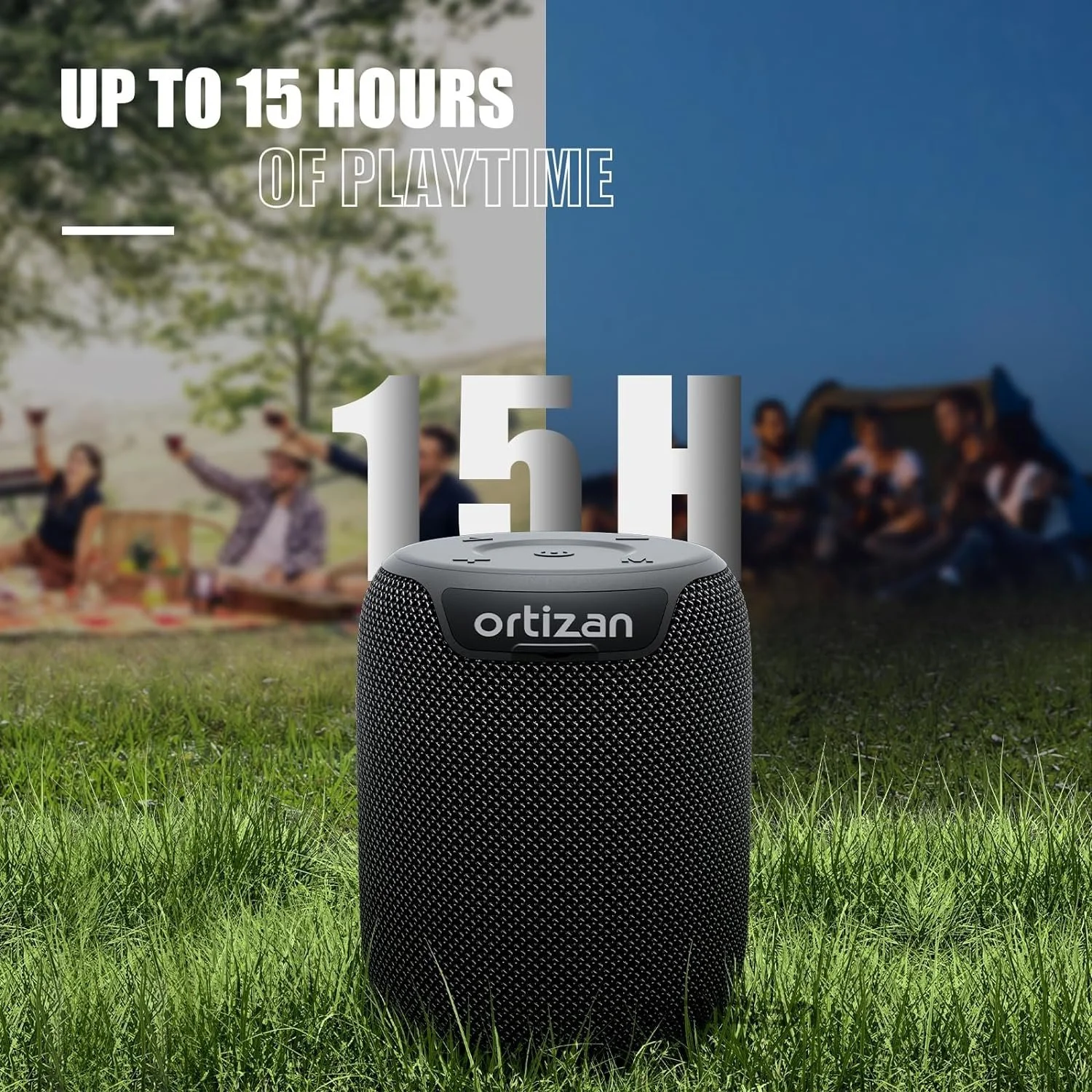
15W Portable Bluetooth Speaker with Deep Bass, IPX7 - $76.65 (p-008125). This is the workout-speaker option. The 15W output and deep bass positioning make it more training-oriented than a decorative speaker, while IPX7 waterproofing gives it a practical edge around sweat, water bottles, garages, patios, and outdoor sessions.
For a home gym, IPX7 is less about dunking the speaker and more about not worrying. Sweat, a spilled bottle, a damp garage floor, or an outdoor workout are ordinary hazards. If you want speaker audio and train in messy spaces, this is the more rugged choice.
Adaptive ANC Wireless Earbuds with Hi-Res Sound - $77.80 (p-008019). Active noise cancellation is the focus tool. It blocks household noise, traffic, television, appliances, and the general mental clutter that makes home workouts feel optional. Hi-Res sound is a bonus for music-focused buyers, but ANC is the behavioral feature.
These are strongest for people who struggle to mentally separate workout time from home life. Put them in, start the playlist or guided workout, and the environment changes. The caution is awareness. Do not use heavy noise cancellation when you need to hear children, pets, traffic, timers, or other safety cues.
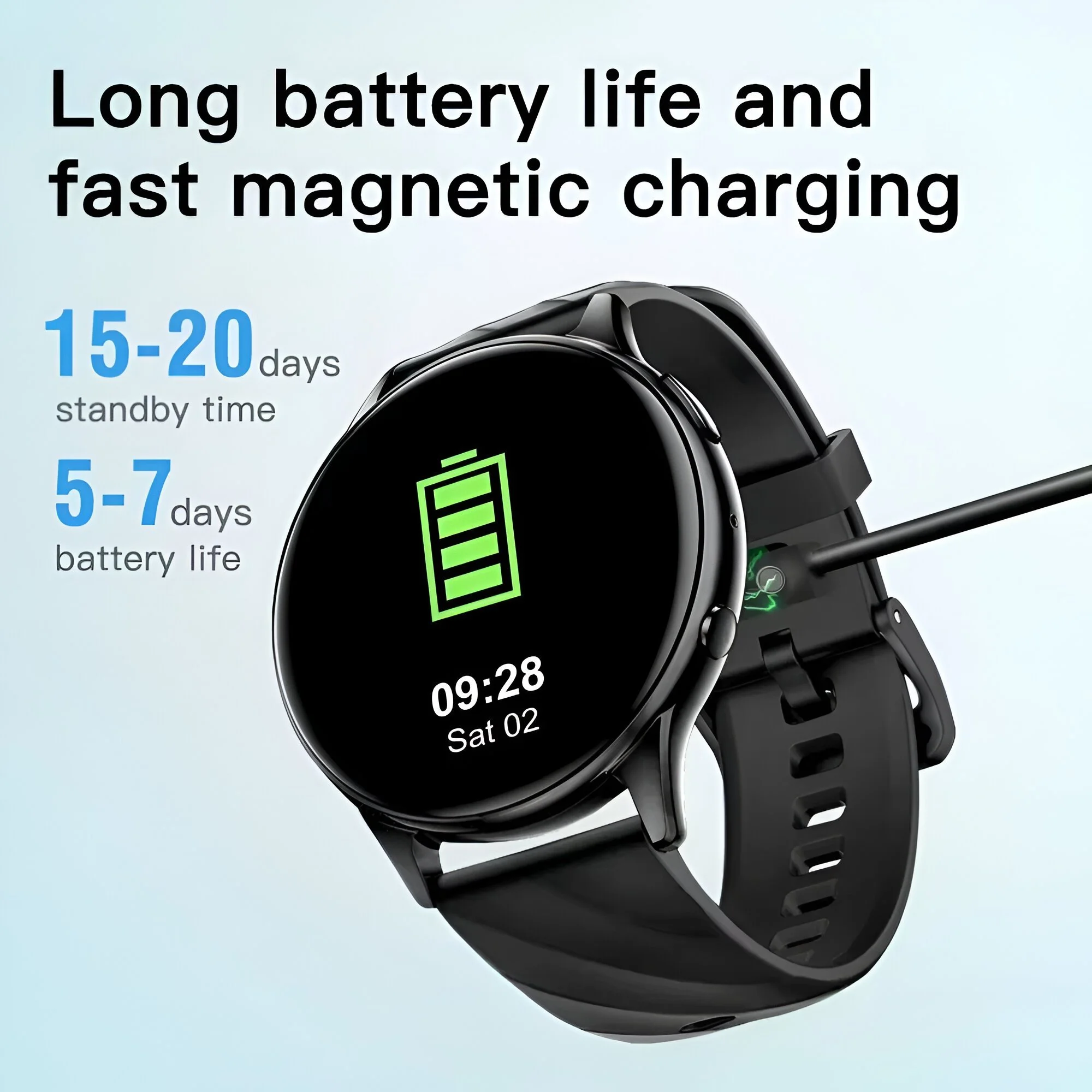
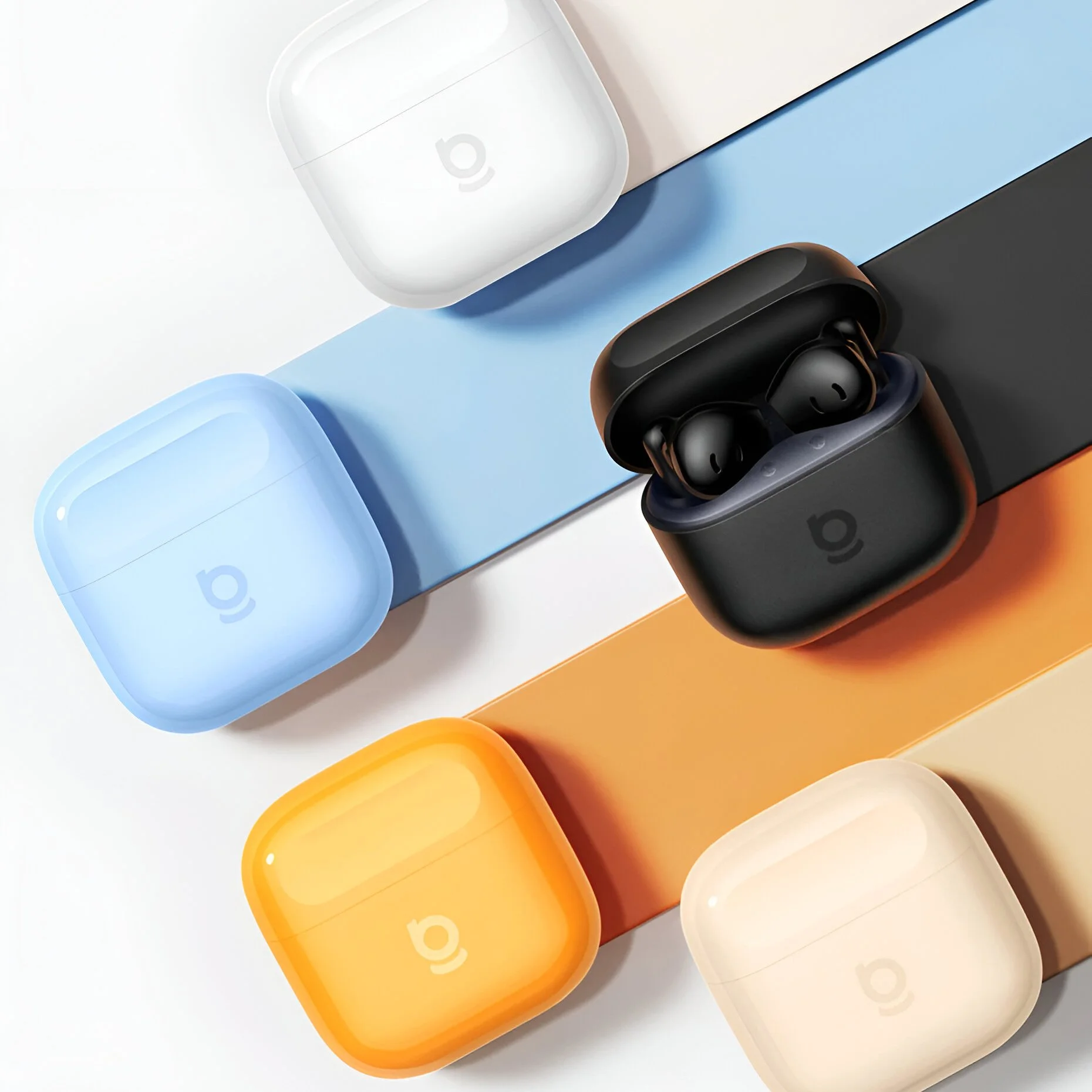
1.39“ NFC Smart Fitness Watch with Health Tracking - $88.49 (p-008022). The fitness watch is the accountability piece. The listing describes a 1.39-inch NFC smart watch with health tracking and 100+ sports. For home workouts, the value is less about any single metric and more about the existence of a record. You can see that you trained. You can see duration. You can compare weeks. You can notice when consistency drops.
Tracking should support training, not control it. Do not chase numbers blindly. Use the watch to answer basic questions: Did I train this week? How long did I move? Is my resting routine improving? Am I doing more sessions than last month? For beginners, those questions are more useful than obsessing over perfect calorie counts.
The Budget Breakdown
The original instinct is to ask, “How much does the full kit cost?” The more useful question is, “What is the smallest purchase that makes my next 30 workouts easier?”
The full 24-piece kit totals about $1,081.76 using the listed PickByU catalog prices checked on 2026-08-09. That is about 27 to 28 months of a $39 monthly gym membership. It is also a lot of money to spend before you know exactly how you train at home. The full kit is best treated as the complete map, not the day-one cart.
| Tier | What you get | Approx. total | Best for |
|---|---|---|---|
| First test | Gloves + basic straps + foam roller + 4“ belt | $97.12 | Seeing whether home workouts stick |
| Protection layer | First 12 support/recovery pieces | $371.67 | Lifters who need hand, wrist, and core support |
| Motivation layer | Headphones or earbuds + watch | $126-166 | People who need consistency and tracking |
| Full kit | All 24 pieces | $1,081.76 | Committed home trainers building a complete accessory system |
The first-test tier is the best starting point for most people. It is cheaper than three months of many gym memberships and solves the most common comfort issues. If you use that layer for a month, add the next pieces based on the workouts you actually repeat.
The 30-Day Home Gym Setup Plan
A home gym becomes useful through staging, not shopping. Use the first month to build the system around real behavior.
Week 1: Clear the training footprint. Choose one place where workouts will happen. It should fit a mat-sized area and allow overhead arm movement. Remove fragile decor, unstable furniture, and floor clutter. Put gloves, straps, roller, and belt in one visible bin. The goal is not a beautiful gym photo. The goal is a workout that starts in under two minutes.
Week 2: Build the base routine. Pick three movements for strength, one movement for core, and one recovery habit. For example: squats or lunges, push-ups, rows or band pulls, ab wheel progressions, and foam rolling. Use the same basic structure for two weeks. Consistency beats variety at the beginning.
Week 3: Add the missing support. Notice what feels limiting. If your palms hurt, gloves matter. If your wrists bend during push-ups, wraps or a brace matter. If your lower back gets tired during loaded movements, evaluate belt use and form. If legs are being skipped, add ankle cuff bands or the leg trainer. Buy based on the friction you observed, not based on what looks most serious.
Week 4: Add motivation and tracking. Once the workout exists, make it more repeatable. Choose earbuds if you share space or move a lot. Choose over-ear headphones if strength training is slower and you want immersive sound. Choose a speaker if the room can handle music. Add the watch if seeing progress will help you continue.
At the end of 30 days, the home gym should feel ordinary. That is the goal. Not dramatic, not perfect, not influencer-worthy. Ordinary. A good home workout setup becomes part of the house the same way a coffee maker does. It is there, ready, and easy enough to use when energy is low.
How to Store the Kit in a Small Space
Small-space storage decides whether a home gym survives. If the gear is ugly, scattered, or annoying to move, it becomes clutter. The simplest storage system is a three-zone setup.
The first zone is the ready bin. This holds the pieces used most often: gloves, one strap or wrap option, earbuds, watch charger, and maybe the ab wheel. It should be reachable without opening a closet. A fabric bin, small shelf, or drawer near the training area works.
The second zone is the recovery corner. The foam roller and handheld roller should be visible. Recovery tools hidden behind doors do not get used. Put them beside the mat, near the couch, or next to the bed if evening mobility is part of the routine.
The third zone is the specialty shelf. Hooks, extra straps, additional belts, speaker, and less-used accessories can live here. These are not needed every session, so they do not need prime space.
Avoid mixing home gym gear with random household storage. If workout gloves live next to batteries, gift wrap, and old cables, they will disappear. A home gym kit needs a home, even if that home is one basket.
Safety and Form Rules for Beginners
Home workouts remove commute friction, but they also remove supervision. That makes conservative progression important.
Start lighter than your ego wants. The first two weeks should prove that the setup works and that your joints tolerate the movements. Do not test maximums in a new home gym corner. Learn where your feet go, how the floor feels, how much room you have, and which exercises fit the space.
Use support gear for the right reason. Gloves protect palms. Straps support grip. Wraps stabilize wrists. Belts help bracing under heavier loads. None of these fix poor movement quality. If a movement hurts sharply, stop and adjust.
Control noise and impact. Apartment workouts should avoid repeated jumping unless the floor and neighbors can handle it. Resistance bands, controlled lunges, ab wheel work, step-ups, glute bridges, and upper-body circuits can be effective without shaking the building.
Keep electronics away from sweat and floor hazards. Speakers, watches, and earbuds should have a charging station. Do not leave cables across the workout area. The fastest way to ruin a home workout is tripping over the charging cord you added for convenience.
What to Skip Until Later
Skip heavy equipment until you prove the routine. A rack, bench, treadmill, or large dumbbell set can be useful, but only if you already know you will train at home consistently. Big purchases create guilt when unused. Small accessories create a lower-risk test.
Skip duplicate support tools until you know your preference. You do not need every glove, every strap, every wrap, and every hook immediately. Start with one glove and one support style. Add the others when a specific movement demands them.
Skip performance tracking if it makes you obsessive. A watch should help you repeat workouts, not make you feel judged by every metric. If numbers create stress, start with a notebook or simple calendar checkmark.
Skip loud speakers if you share walls. A great speaker is useless if it makes you avoid training because you feel disruptive. In apartments, earbuds are often the better first audio purchase.
Skip any tool you cannot store. If the item has no place to live, it will become mess. The right home gym is the one your home can absorb.
Who This Kit Is Best For
This kit is best for the busy adult who wants workouts to fit between normal obligations. It is also good for beginners who find commercial gyms intimidating, former gym members who mostly used basic equipment, and apartment dwellers who need compact gear.
It is especially useful for people who already know their barriers: sore hands, weak grip, wrist discomfort, lower-back fatigue, boredom, lack of tracking, or inconsistent recovery. Each barrier has a product category in this kit.
This kit is less ideal for athletes who need heavy progressive loading, lifters training for competition, people who require supervised rehab, or anyone whose primary workout requires large machines. Those users may still use some accessories here, but the kit will not replace their main training environment.
The Final Recommendation
If you are building a home gym from zero, do not start with the dream setup. Start with the friction setup. Buy the pieces that make the next workout easier to start, safer to repeat, and less annoying to finish.
For most people, that means starting with the Unisex Lightweight Four-Finger Workout Gloves, Wrist Straps for Weightlifting, Premium EVA Foam Roller, and 4“ Wide EVA Weight Lifting Belt. That first layer costs about $97.12 and gives you hand comfort, grip support, recovery, and core/back bracing. Add the Upgraded 3.4“ Ab Roller Wheel or Ankle Resistance Bands with Cuffs when you need more exercise variety. Add earbuds, headphones, a speaker, or the smart fitness watch when consistency becomes the bigger issue than equipment.
The best home gym is not the most complete one. It is the one you can use when you are tired, busy, slightly unmotivated, and still have 20 minutes. A well-staged corner with the right small tools beats a fantasy gym that exists only in a shopping cart.
FAQ
Do I need all 24 pieces?
No. The full list is a complete map, not a required day-one purchase. Start with the pieces that remove the biggest barrier: gloves for palm pain, straps for grip, wraps or brace for wrist position, a belt for heavier bracing, a roller for recovery, and audio if boredom is the issue. Most beginners should start with four to six pieces and add slowly.
Is a home gym cheaper than a gym membership?
It can be cheaper over time, but only if you use it. The full kit is about $1,081.76, which is roughly 27 to 28 months of a $39 membership. The first-test tier is about $97.12, which is a better way to find out whether home training fits your life before spending more.
What is the most important home gym item for beginners?
The most important item is the one that removes your first point of friction. For many people, that is gloves because sore hands stop workouts early. For others, it is a foam roller because soreness ruins consistency. If you already train regularly, a fitness watch or earbuds may matter more because they support routine.
Do beginners need a lifting belt?
Not for every workout. Beginners should learn movement and bracing first. A belt becomes useful when loaded squats, hinges, deadlifts, or heavy compound movements become challenging enough that extra bracing support helps. Do not use a belt to hide pain or bad form.
Are wrist straps and wrist wraps the same thing?
No. Straps help grip during pulling movements. Wraps stabilize the wrist during pressing movements. If your problem is losing hold of the weight, consider straps. If your problem is the wrist bending backward during push-ups or presses, consider wraps or a brace.
Are resistance bands enough for legs?
Bands are excellent for glutes, hips, warm-ups, accessory work, and lower-impact circuits. They are not the same as heavy progressive loading with weights. For a compact home gym, bands are useful because they create leg and glute options without taking much space.
Should I buy headphones or a speaker for a home gym?
Choose headphones or earbuds if you share space, live in an apartment, or train early. Choose a speaker if you have a garage, spare room, or household that is fine with workout audio. Earbuds are better for jumping and circuits. Over-ear headphones are better for slower strength sessions.
Is a smart fitness watch necessary?
No, but it can help. A watch gives visible feedback: workout time, movement, heart-rate trends, and weekly consistency. It is most useful for people who like seeing proof of effort. If metrics create stress, use a simple workout calendar instead.
How much space do I need for this kit?
Most of the kit fits in a bin, shelf, or closet. The workout area should be roughly a yoga-mat footprint plus enough space to extend arms and move safely. You do not need a garage. You need a clear floor, staged gear, and a routine that starts quickly.
What should I avoid buying first?
Avoid large machines, duplicate accessories, heavy equipment, and expensive tracking gear until you know you will train at home. Also avoid anything you cannot store. The first purchases should reduce friction, not create clutter.
Can this kit work for apartments?
Yes, because most items are compact and low-impact. The apartment-friendly approach is gloves, bands, ab roller, foam roller, belt, earbuds, and controlled strength circuits. Be cautious with loud speakers, jumping workouts, and anything that shakes the floor.
What is the best first $100 home gym setup from this list?
The best first $100 setup is the Unisex Lightweight Four-Finger Workout Gloves, Wrist Straps for Weightlifting, Premium EVA Foam Roller, and 4“ Wide EVA Weight Lifting Belt. The total is about $97.12 using catalog prices checked on 2026-08-09. It gives comfort, grip, recovery, and support without overbuying.
Prices and availability from PickByU catalog, checked 2026-08-09. Product performance claims are spec-based, not from hands-on testing.
- Maya Porter, Editor-in-Chief, PickByU