Article
"At-Home Skincare Tools for Beginners (6 Devices to Start With — and 3 to Skip)"
Quick Answer
"At-Home Skincare Tools for Beginners (6 Devices to Start With — and 3 to Skip)": quick answer
The best skincare tool for beginners is the one you can use safely and consistently after the basics are already in place. Start with hygiene and...
- Topic: Beauty Gadgets Tools.
- Related product category: beauty-gadgets-tools.
- This article keeps the main answer in the article copy and places relevant product context inside the guide.
Editorial note: Product references, prices, and listed features were checked in the PickByU catalog on 2026-08-09. This is cosmetic shopping guidance based on product specifications and category research, not medical advice or hands-on device testing.
Quick Answer: Best Skincare Tool for Beginners
The best skincare tool for beginners is the one you can use safely and consistently after the basics are already in place. Start with hygiene and low-risk routine support before buying dramatic treatment devices: clean tools, careful frequency, and realistic cosmetic expectations matter more than intensity. Skip any device that promises medical results, aggressive exfoliation, or instant sculpting without explaining limits.
The Problem: Device Overwhelm Before Your Skin Even Gets a Say
There is a drawer in your bathroom, and in that drawer are the remains of a skincare-device habit you never actually started. The LED mask you bought during a 2 a.m. scroll. The jade roller that sounded soothing. The "microcurrent sculpting wand" that came with a charger you've never plugged in. You are not alone in this drawer — it is practically a rite of passage for anyone who has looked at their skin in the mirror, opened an app, and thought, maybe the right gadget is the missing step.
Here is the thing your dermatologist will tell you if you ask, and the thing the ads omit: most device advice online is not wrong so much as premature. The person demoing a $400 microcurrent device on Instagram has usually spent years on the basics — sunscreen, cleansing, moisturizer, sleep. Devices are the garnish, not the meal. Yet beginners shop the other way around: they buy the most dramatic-looking tool first, use it twice, and give up before the habit can do anything at all.
This guide is the anti-overwhelm version: six devices that fit a beginner's actual first-year job list — keeping your tools and mouth clean (hygiene is the least glamorous and most effective step you will take), plus microcurrent/EMS and gentle needling, two device families worth understanding honestly before you hand over money. It also names three device categories to skip, because "don't buy" advice is the most valuable kind a beginner can get.
A few ground rules from a cautious editor: these are cosmetic gadgets, not medical devices, and none replace dermatological care. Prices below are what the PickByU catalog lists on the date of writing; we have not lab-tested these units, so claims reflect how these tool types generally work plus common owner experience. One rule of thumb carries through the whole article: buy a tool when the job exists, not before.
Beginner Safety Checklist
Before buying any at-home skincare device, answer four questions. Does it touch broken skin, active acne, cold sores, or irritated areas? Skip it until the skin is calm. Does it use electricity near the face or neck? Avoid it with pacemakers, implanted electrical devices, pregnancy, seizure history, or metal implants in the treatment area. Does it puncture the skin? Treat hygiene as non-negotiable and stay at beginner-safe depths. Does the listing promise medical outcomes such as scar removal, fat reduction, or permanent lifting? Treat that as a reason to pause, not a reason to buy.
The 6 Devices Worth Starting With
Before the list, the buy order in one line: start with hygiene (the cleaner and the toothbrush), then add the two stimulation families — microcurrent/EMS if you want a lifting ritual, and the 0.3 mm roller if you want texture and absorption — and treat the premium EMS kit as the upgrade you buy only once the habit is proven.
1. Electric Makeup Brush & Sponge Cleaner Machine — the hygiene foundation
The beginner skincare job it does. Your brushes and sponges are the dirtiest objects in your routine, and they touch your face every single day. Foundation sponges soak up oil, dead skin, and product; brush bristles trap the same, plus whatever is on your hands. Research backs up the ick factor: a 2019 study by researchers at Aston University found that the vast majority of used makeup products tested harbored bacteria including Staphylococcus aureus and E. coli. Dirty tools then spread that bacteria back onto your skin — a quiet, chronic cause of clogged pores and breakouts no serum can out-muscle. This machine exists to fix that, and it solves a problem that exists no matter your skin type — the single most useful device a beginner can own.
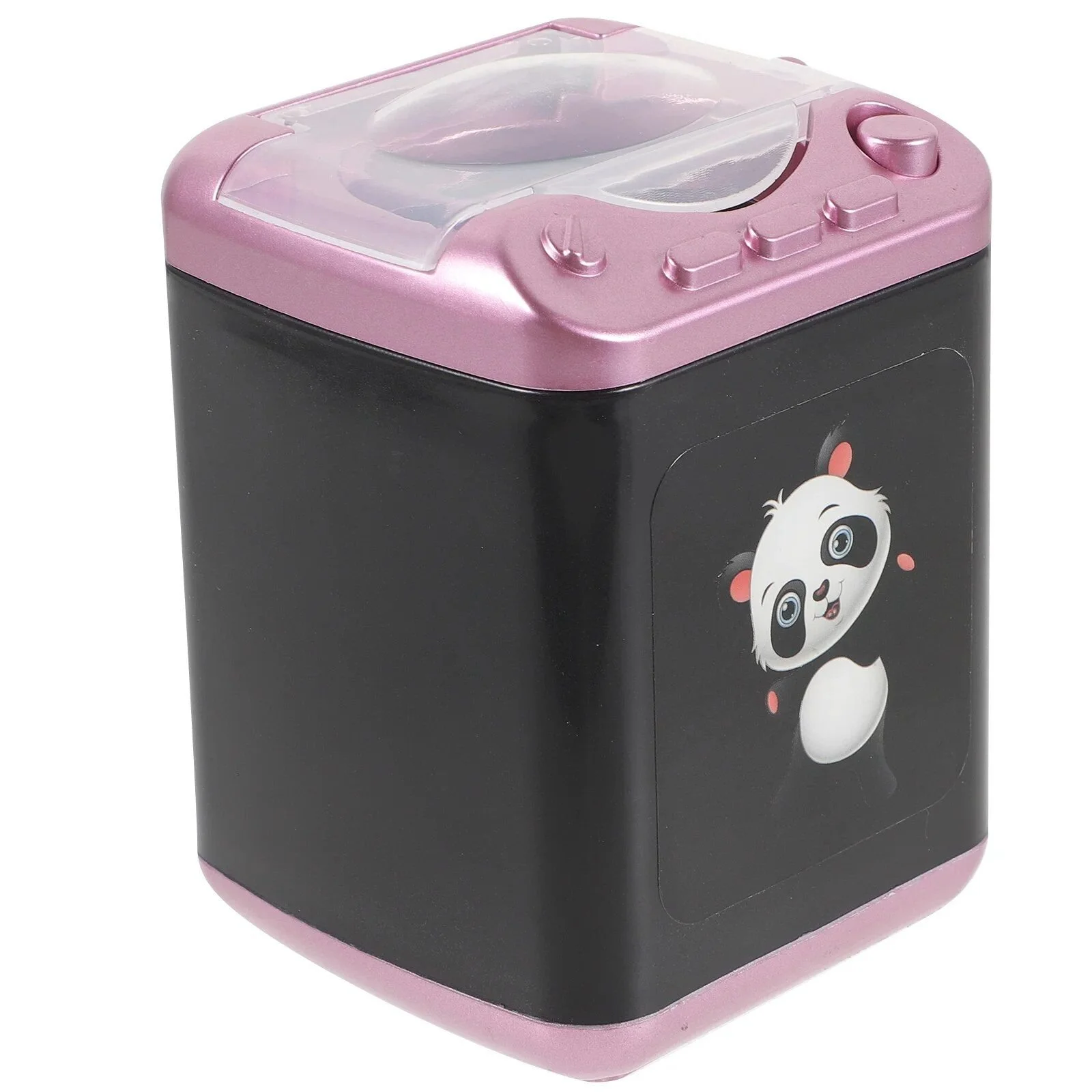
How to use it safely. Fill a small bowl or the machine's basin with lukewarm water and a squirt of gentle brush cleanser (baby shampoo works in a pinch). Press the brush head or sponge onto the spinning surface in short pulses — two or three 10-second bursts per tool — then rinse under running water and repeat until the water runs clear. Air-dry brushes with the bristles pointing down so water does not rot the glue holding the ferrule. Weekly deep-cleans for brushes, and wash sponges after every few uses; replace sponges every three months and brushes when they shed.
Who it's actually for. Anyone who wears makeup a few times a week and has ever looked at a stained beauty blender and thought "that can't be fine." It is also a good buy for anyone new to makeup who is intimidated by the maintenance — the machine makes the habit painless instead of a Sunday chore.
Honest limits. The machine speeds up washing; it does not sanitize. Unless a unit explicitly includes UV sterilization (this one does not claim to), you still need soap and water — the motor just does the agitation. Deep-set foundation in the middle of a sponge needs a soak, not just a spin. And clean tools prevent problems; they do not treat the ones you already have. If you are breaking out, a clean brush is step one, not the whole staircase.
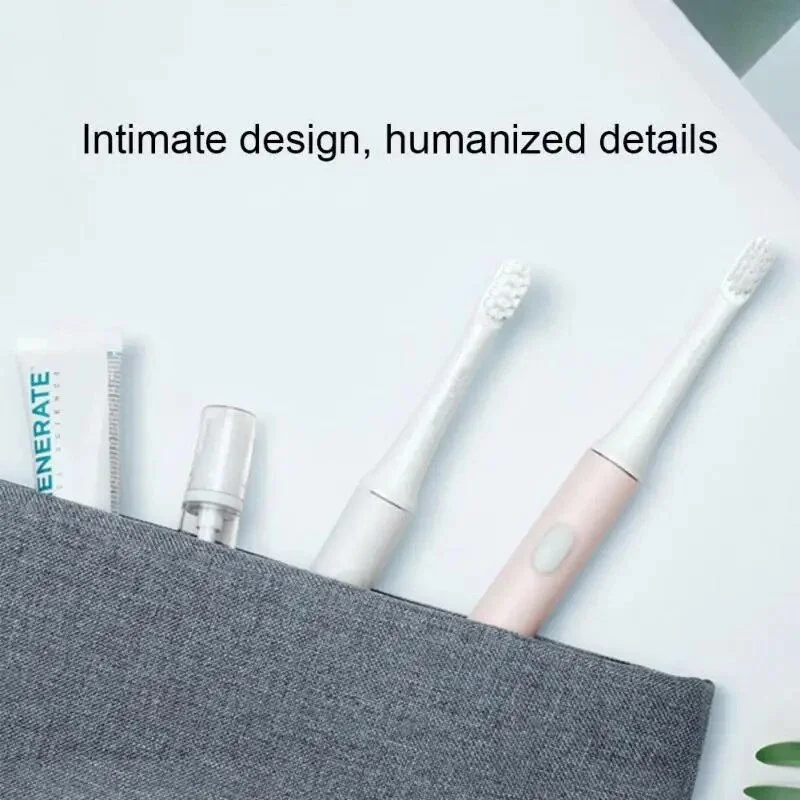
2. Ultrasonic Electric Toothbrush with USB Charging — the honest "not-skincare" pick
The beginner skincare job it does. Let's be honest: a toothbrush is not a skincare device, and the reason it is on this list is that it is the one gadget that genuinely deserves a place in your routine anyway. Oral hygiene is facial hygiene's overlooked neighbor. The bacteria in your mouth end up on your pillowcase, your hands, and your chin — and gum inflammation does nothing for your lower face. A power toothbrush also does the most reliably effective "beauty job" on this list: removing plaque more consistently than manual brushing, a measurable, evidence-backed result. That is more than most of the other devices here can honestly claim.
How to use it safely. Two minutes, twice a day, with a pea-sized amount of fluoride toothpaste. Let the motor do the work: hold the head at a 45-degree angle to the gum line and move it slowly across each tooth, using light pressure — gripping hard is the most common beginner mistake and it abrades enamel and gums. Rinse the head after use and let it dry. Replace the brush head every three months, or sooner if the bristles splay.
Who it's actually for. Everyone, honestly — the most universally useful purchase on this list. The built-in timer alone keeps beginners brushing a full two minutes, the biggest single upgrade most people get from switching.
Honest limits. Two flags, because the marketing deserves them. First, "ultrasonic" is doing heavy lifting: this is a high-frequency vibrating power toothbrush, not the ultrasonic scaler your hygienist uses, and it cannot remove hardened tartar. Second — and this is the skincare-specific warning — do not use it on your face. The viral "scrub your lips with a toothbrush" hack is meant for a soft manual brush with gentle pressure; an electric brush's motorized bristles on lips or skin will cause micro-tears and irritation. Keep it in your mouth. It will not lift your jawline, and pretending it will is how the drawer of disappointments starts.
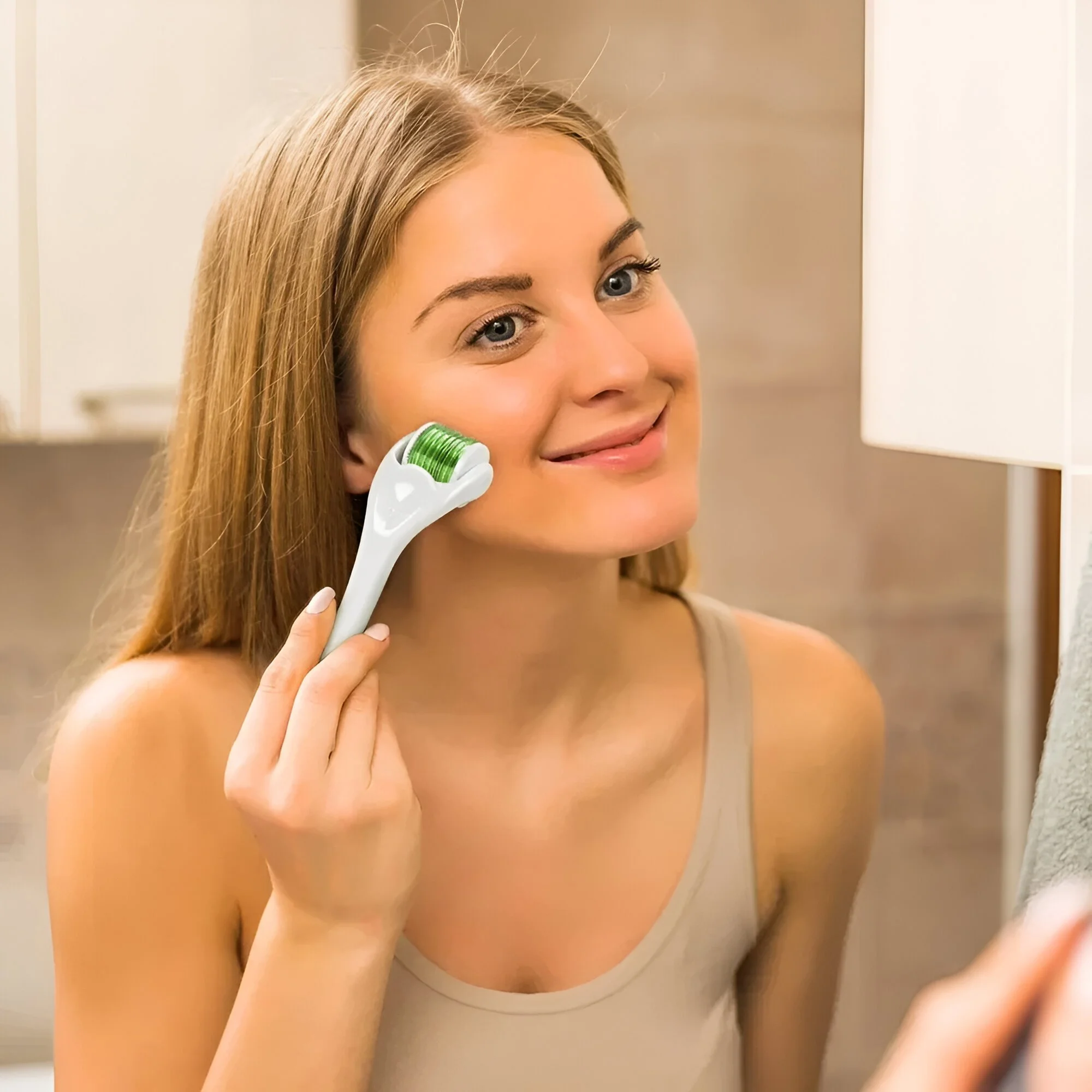
3. Microneedle Derma Roller 0.3mm — the caution pick
The beginner skincare job it does. Microneedling works on a simple premise: tiny needles create micro-channels that trigger a repair response and, in theory, boost collagen and let skincare products penetrate deeper. Professional treatments use depths of 1.0–2.0 mm — the version with real clinical evidence, mostly for acne scarring and texture. A home roller at 0.3 mm is the shallowest, safest end of that spectrum: it barely penetrates the outer skin layer, so the realistic job is improved product absorption and a very mild smoothing effect, not scar remodeling. That is a modest job, and this section exists so you know it before you buy.
How to use it safely. This is the device on the list that most deserves your respect. Sanitize the roller in 70% isopropyl alcohol before and after every use. Work on clean, dry skin, rolling gently in four directions — vertical, horizontal, both diagonals — four to six passes each, without pressing. A light prickling is expected; pain is not; stop if it hurts. Never use it on active acne, cold sores, broken skin, raised moles, or rosacea flares. Never share it — bloodborne pathogen transmission is a real risk with shared rollers. And replace the roller every one to three months, because dull or bent needles micro-tear instead of cleanly channeling.
Who it's actually for. The beginner who is curious about needling, has no active breakouts, and wants a once-a-week ritual for absorption and texture. If that does not describe you — active acne or a picking habit — skip this device and revisit the idea with a dermatologist.
Honest limits. The honest truth is that at 0.3 mm, the evidence for dramatic cosmetic results is thin; the before-and-afters you see online are usually professional-depth treatments, not home rollers. Do not expect it to erase scars, tighten skin, or change a double chin — it will not. And the "hair growth" claim on the label is not supported for this depth the way it is for professional protocols. If your real goal is treating scarring or pigmentation, save the money and book a professional session instead of buying ten home rollers.
4. EMS Microcurrent V Face Lifting & Double Chin Removal Massager — the temporary-lift pick
The beginner skincare job it does. EMS (electrical muscle stimulation) and microcurrent send low-level electrical pulses through the skin to stimulate the facial muscles beneath — the same principle behind "face gym" workouts, minus the grimacing. The idea: toned facial muscles hold the face up better, producing a lifted, firmer look. This device pairs that stimulation with a V-shaped design aimed at the jawline and chin — where beginners almost always want help first. Used consistently, it can produce a temporary firming effect — think "the morning after a good facial," not "a facelift."
How to use it safely. Read this carefully, because the safety rules here are non-negotiable. Apply conductive gel or serum first — never on dry skin, which concentrates the current and stings. Glide slowly along the jawline and cheeks; do not hold it stationary in one spot. Start at the lowest intensity and build up only if it feels comfortable. Keep it away from the eyes and the front of the neck near the thyroid. Do not use it at all with a pacemaker or other implanted electrical device, during pregnancy, with a seizure history, or with metal implants in the treatment area — real contraindications, not fine print.
Who it's actually for. The beginner who wants a five-minute self-care ritual with a visible (if temporary) payoff, especially before events or photos. Consistency matters: people who see anything use these devices most days for months, not once before a wedding.
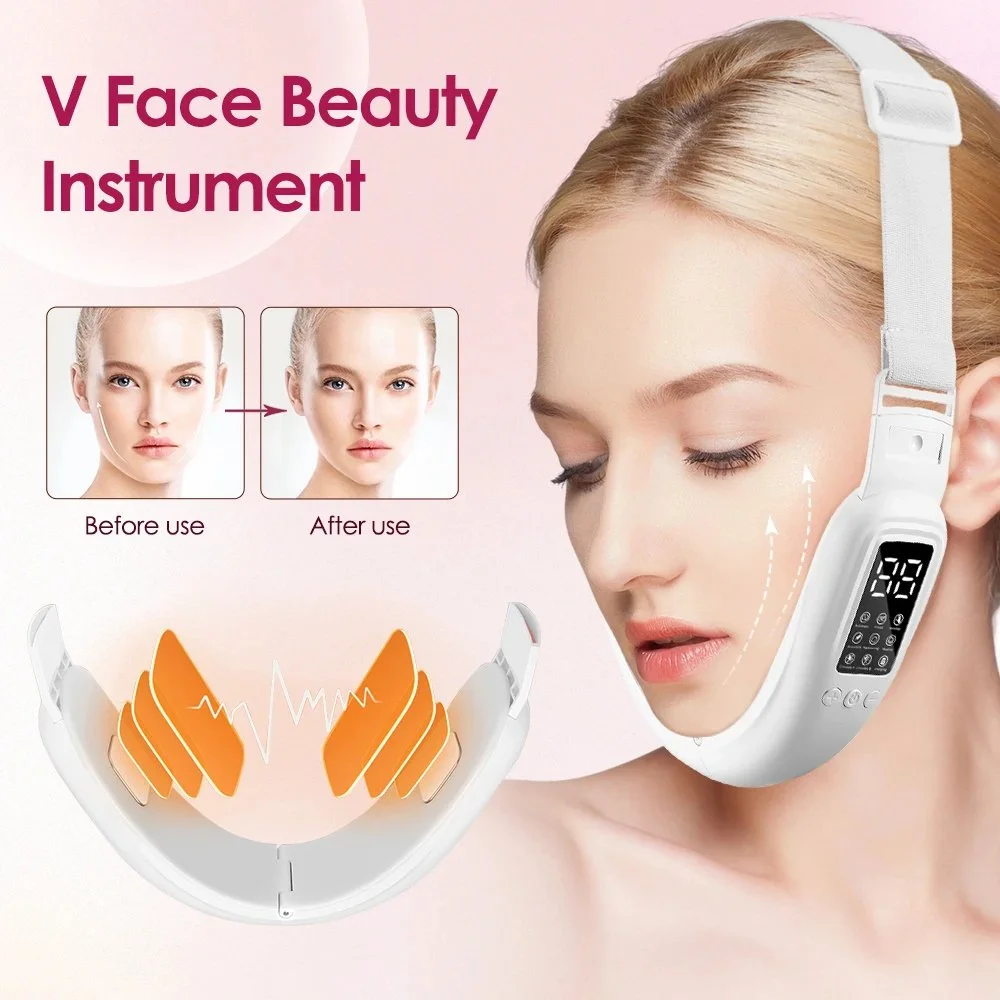
Honest limits. The label says "double chin removal," and that is marketing, not medicine. EMS stimulates muscle; it does not remove fat, and no consumer device on this list meaningfully reduces submental fat. Any lift is temporary — hours to a day or two without maintenance — and fades if you stop. There is no robust clinical literature supporting dramatic or permanent results from consumer EMS facial devices. Buy it as a pleasant, low-risk ritual that might subtly firm over time; buy it as a double-chin eraser and you will be disappointed.
5. Microcurrent Facial Sculpting & Skin Tightening Device — the gateway microcurrent pick
The beginner skincare job it does. Where EMS works on muscle contraction, microcurrent is pitched as mimicking the body's natural electrical signals to "re-educate" facial muscles — like a workout for your face. Branded clinical-adjacent devices in this category have carved out a real niche, and a few hold FDA cosmetic-device clearance for temporary improvement in fine lines. At a consumer level, the realistic job is the same as the EMS pick: temporary lifting and firming when used consistently, plus a relaxing five-minute ritual most people genuinely enjoy.
How to use it safely. Conductive gel first, always — microcurrent on dry skin is unpleasant at best and can cause irritation. Work in short sessions of five to ten minutes, gliding along the jawline, cheekbones, and forehead in upward strokes. Use the lowest effective intensity. For the best experience, use it in the evening after cleansing, when your skin is freshly prepped and you can follow with moisturizer — the five-minute ritual doubles as a wind-down. Avoid the eye area and the thyroid region of the neck, and observe the same contraindications as the EMS device: pacemakers, pregnancy, seizure history, and metal implants are all reasons to skip electrical facial devices entirely. Clean the metal contact points with a damp cloth after each use, and let the device dry before storing it.
Who it's actually for. The beginner who wants to try microcurrent without committing $300–$400 to a prestige brand. It is a gateway device: it tells you whether you will sustain the habit before spending real money.
Honest limits. At $20.49, this is a fraction of the price of the category's flagship devices, and you get a fraction of the output. Expect a gentler current, simpler build, and subtler, shorter-lived results than premium units claim — and even those claims are mostly temporary. "Skin tightening" is optimistic phrasing for what a low-cost unit delivers; collagen remodeling does not happen at this price point. Think of it as a test-drive: love the ritual, save up and upgrade; expect a visible jawline lift on day one, and you will be let down.
6. Revitalizing EMS Micro-current Chin & Face Lifter with Hydrating Mask — the ritual pick
The beginner skincare job it does. This is the premium end of the beginner list: an EMS/microcurrent device bundled with a hydrating mask, sold as a complete "revitalizing" ritual in one box. The job is twofold. First, the electrical stimulation — the same temporary-toning mechanism as the two devices above, aimed at the chin and jawline. Second, the mask, which does something the stimulation cannot: deliver measurable, immediate hydration. Water content in the skin is one of the few things a beginner can actually see improve overnight, which makes this bundle the most satisfying "first device" experience for someone who wants visible proof the habit is working.
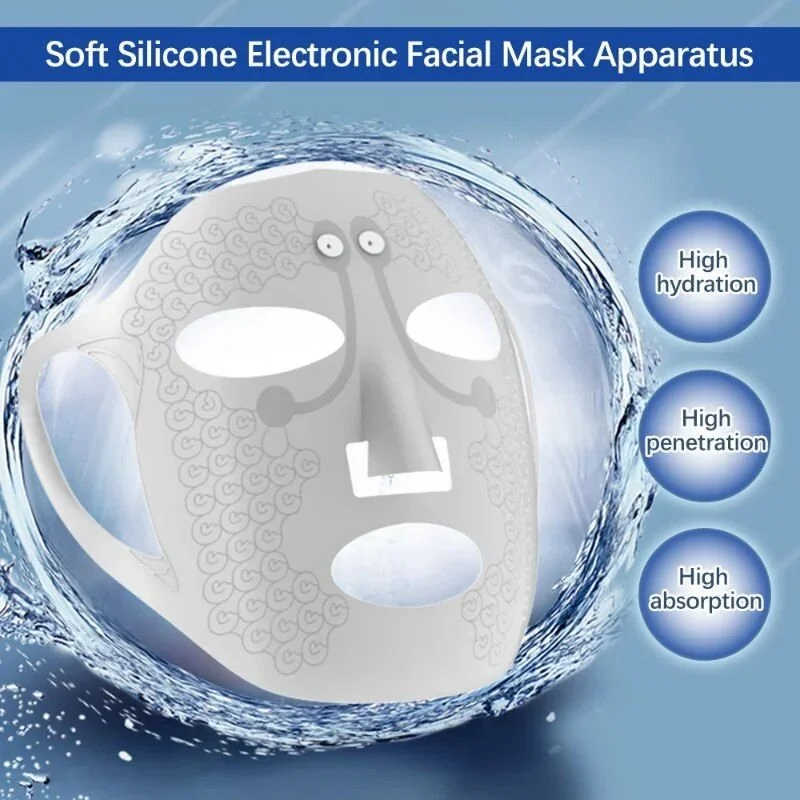
How to use it safely. Follow the ritual in order: cleanse, apply the mask, then use the device at its lowest setting, gliding along the jawline and chin. Keep sessions to the manufacturer's suggested time — a few minutes per area. The same electrical-device contraindications apply without exception: no pacemakers or implants, no pregnancy, no seizure history, and keep clear of the eyes and thyroid. Afterward, remove the mask, rinse, and follow with moisturizer while skin is damp. Clean the device's contacts after each session.
Who it's actually for. The beginner who wants a full self-care ritual rather than a bare tool — or the gift-giver who wants one box containing a complete routine. The mask makes the experience feel spa-like, a genuine reason people stick with it — and sticking with it is the only way any of this works.
Honest limits. The hydration from the mask is real; the "lift" is temporary, exactly as with the cheaper devices. At $49.65 you are paying for the convenience of a complete ritual, the mask, and a nicer experience — not stronger technology. "Revitalizing" is a feeling, not a clinical endpoint. If your goal is purely temporary toning with zero frills, the cheaper EMS pick covers that job; this one earns its price tag through the ritual it packages, so buy it for the ritual or not at all.
3 Tools to Skip (and Why Beginners Buy Them Anyway)
The don't-buy list matters more than the buy list. Each of these looks essential in the ad and disappoints in the drawer.
High-voltage and high-frequency devices. Plasma pens, "shock" toning wands, and cheap high-frequency units promise dramatic tightening and zit-zapping. What they also deliver, untrained, is burns, hyperpigmentation, and scarring. Estheticians train for months to use this equipment; a cheap home version is not a shortcut, it is a risk. Skip it until you have professional training — or let a professional do it for you.
Microneedling pens and any needling deeper than 0.3 mm at home. The 0.3 mm roller above is already the cautionary edge of what we recommend. Electric derma pens and deeper cartridges (0.5 mm and up) invite the complications that make dermatologists nervous: infection, scarring, and permanent pigmentation changes. The clinical evidence for microneedling lives at professional depths, in sterile conditions. If your goal is real collagen remodeling for scars, that is a medical treatment, not a gadget purchase.
Ultrasonic spatula "skin scrubbers." These vibrating spatulas are everywhere in ads: satisfying blackhead-extraction videos, claims of "deep pore cleansing" and "instant lifting." Strip away the marketing and you have a vibrating scraper. It can remove surface debris for a brief, friction-based glow, but claims of drawing impurities out of pores are not backed by evidence — the videos are mostly pre-existing gunk being pushed around. The hype-to-result ratio here is the worst on this list.
The rule from the top still applies: buy a tool when the job exists, not before. Fixing acne, scars, or sagging is a dermatologist's job, and no gadget on any list replaces it.
The Beginner Weekly Skincare-Tool Routine
Here is how the six devices above fit into a realistic first-year routine. You do not need all of them every day — and you should not try.
| When | Job | Tool | Time |
|---|---|---|---|
| Daily, morning and night | Oral hygiene (and it counts) | Ultrasonic electric toothbrush | 2 minutes |
| After makeup days | Rinse brushes and sponges | Brush & sponge cleaner machine | 3–5 minutes |
| 3–5× per week | Temporary toning ritual | EMS or microcurrent device | 5–10 minutes |
| 1× per week, max | Gentle needling + product absorption | Derma roller 0.3 mm | 2–3 minutes |
| Every 3 months | Swap brush heads and sponges | — | — |
How to read this table: the daily rows are non-negotiable and actually change your skin; the microcurrent sessions are the optional-but-nice layer; the derma roller row has the strictest rules — once a week maximum, always on clean skin, never on active breakouts, and skip the week if your skin is irritated. The three-month row is the one beginners forget — it is the difference between tools that work and tools that breed bacteria.
FAQ: Skincare Tools Questions Every Beginner Asks
Q: Are at-home skincare tools safe for a beginner? Yes, with two caveats. Consumer devices run on low power and are safe when used exactly as directed — conductive gel for electrical devices, sanitized rollers, clean attachments. The real risks are hygiene (sharing or neglecting a derma roller) and ignoring contraindications (pacemakers, pregnancy, seizure history) on EMS and microcurrent devices. These are consumer gadgets, not medical devices, and not substitutes for dermatological care.
Q: Do EMS and microcurrent results actually last? Temporary, honestly. A session gives a firmer look lasting hours to a day or two; consistent use over months may produce subtle, cumulative toning — muscle conditioning, not structural change. No consumer device permanently lifts skin, removes fat, or "erases" a double chin. Treat them as rituals with a short-term payoff, and you will not be disappointed.
Q: Is it safe to use a microneedle derma roller at home? At 0.3 mm, yes, with strict rules: sterilize with 70% alcohol before and after, use only on clean skin with no active breakouts or broken areas, never share the roller, and replace it every one to three months. Anything deeper — 0.5 mm and up, or electric derma pens — belongs with professionals; infection and scarring climb fast with depth. When in doubt, see a dermatologist.
Q: How often should I use each of these tools? The toothbrush: twice a day. The brush cleaner: after makeup days, or a weekly batch. EMS and microcurrent devices: three to five times per week for cumulative effect. The derma roller: once a week maximum. Overuse is a real beginner failure mode — more sessions do not mean faster results, and with needling they mean more irritation.
Q: How do I keep these devices clean? Different tools, different rules. Metal contacts on EMS and microcurrent devices: wipe with a damp cloth after each use. The derma roller: soak in 70% isopropyl alcohol before and after every session. Brush heads and sponges: machine-wash and air-dry bristles down. And never share any device that touches your skin or mouth — that rule prevents most device-related problems.
Q: When should I see a dermatologist instead of using a device? If your concern is actual treatment — persistent acne, scarring, pigmentation, or sagging — a device is not the answer; a dermatologist is. See one too if a device causes persistent redness or breakouts, or for deeper microneedling and laser work, which are medical procedures. Devices are the garnish on a routine built on cleansing, moisturizer, sunscreen, and professional care — not the meal.
Sources
- Dermstore (dermstore.com), Fancii (fancii.com), Skin Gym (skingymco.com) — skincare-tool collections and device guidance
- The Style Shaker (thestyleshaker.com), The Skin Special (theskinspecial.com), Reddit r/30PlusSkinCare (reddit.com) — honest reviews and real-user device discussions
- American Academy of Dermatology Association (aad.org) — guidance on at-home devices and microneedling
- Aston University (2019), via PubMed — bacterial contamination of used makeup products
Prices and product details were checked against the PickByU catalog on August 9, 2026, and may change. These are consumer tools, not medical devices; nothing here is medical advice — when in doubt, talk to a dermatologist.
— Maya Porter, Editor-in-Chief, PickByU
Browse Beauty Gadgets Tools products